
HealthNews
Do Redheads React Differently To Anesthesia?

If you’ve been on social media lately, mainly TikTok, you may have come across videos posted by medical professionals who claim people with red hair need more anesthesia when getting large-scale surgeries and routine dental procedures.
Some of the doctors on social media say this is definitely true. But experts don’t totally agree on this, and there is research worth pointing out on both sides of the argument.
“I have been getting this question frequently in the past few weeks, possibly because people see this on social media,” said Dr. Mike Sevilla, a family physician in Ohio. “People with red hair have a gene… which causes the distinct hair color and a particular complexion. There has been some research showing that those with that gene type require more anesthesia, but other research has not shown that.”
Advertisement
In other words, it’s more complicated than TikTok lets on. Here’s what experts say:
At the heart of this debate is the MC1R gene.
Dr. Carson Welker, an anesthesiologist in Minnesota, has posted about the redhead theory on his popular TikTok channel, ICU Doctor.
“There is a genetic and scientific theoretical framework that could explain anesthetic resistance in redheads, but the evidence is underpowered and only of moderate quality,” he told HuffPost, stressing that more research is necessary.
Advertisement
Why is it even a theory? He pointed to the MC1R gene. “When people have a mutation of the MC1R [gene], they have red hair,” he explained, but he added that not all redheads have the mutation.
The gene is also related to pain regulation, Welker said, as the MC1R also exists in the central nervous system.
“It is involved with regulating pain modulation — how much [pain someone] is experiencing and also… what is their tolerance to anesthetic,” Welker said. A couple of studies have found that people with this gene mutation may need more anesthesia.
Advertisement
“A lot of this is based on a study in 2004 where they gave redheads volatile anesthetic, which is a gas that you put through a breathing tube to [put someone to sleep]… They compared 10 people that have red hair and 10 that did not. And they confirmed that the red-haired people had the genetic mutation and they needed 20% more gas anesthesia,” Welker explained.
Though it was a well-done trial, he said, it was small.
“Are they hugely powered studies? No, they’re not. And, yes, that would be nice if we looked at 300 patients, not just 20 patients. Obviously, it would be way better. But I think there’s enough evidence to support the belief,” he said.
Some of the other studies that have been published did not consider whether their redheaded participants had the gene mutation, so their results are not considered clear.
Advertisement
When a study was done in mice with the MC1R gene mutation, researchers did see a difference when they were given gas anesthesia, Welker said. The mice with the gene mutation needed more anesthetic but did not need as much as 20%, the amount cited in the 20-person study on humans in 2004, he said.
All in all, the fundamental theory is that folks with the MC1R genetic mutation are not as sensitive to a lot of the aesthetics used in medicine, Welker said.
Dr. Richard M. Lipari, a dentist at Lipari and Mangiameli Dentistry in Chappaqua, New York, also pointed to the 2004 study and said redheads “typically need more local anesthesia, such as lidocaine, according to the American Dental Association.”
Advertisement
In fact, a 60-person study in 2006 found that women with red hair are more resistant to lidocaine than women with dark hair. Lidocaine is often administered to cause numbness, treat hurting mouths and more.
Some doctors don’t believe it, and confirmation bias may play a role.
As with many hotly debated topics, some research points one way while other research points the other way.
Advertisement
A 2012 study of 468 people by researchers in Australia found “no evidence that patient hair colour affects anaesthetic requirements or recovery characteristics in a broad range of surgical procedures.”
Additionally, researchers behind a 2015 study concluded there is no difference in red-haired patients’ and non-red-haired patients’ responses to pain medication, so no additional anesthesia is necessary for those with red hair.
Dr. Mike Wei, a cosmetic dentist in New York City, agrees with that study’s findings. “There is no strong evidence to suggest that people with red hair need more anesthesia or local topical anesthetics than other people,” Wei told HuffPost via email.
Advertisement
His thoughts likely echo those of other experts who are wary of the research because of the small sample sizes in the studies and inconsistencies in their findings.
“Research has not consistently shown why people with red hair need more anesthesia,” Sevilla said.
“I bet some people think it’s folklore, that it’s not true. And I think there’s a spectrum because… I don’t think this is a slam-dunk thing,” Welker said, adding that the number of people who believe the theory is out of proportion with what the actual research supports.
“You take moderate data and combine it with confirmation bias and anecdotes, and then something becomes a ‘fact’ when it’s not really proven yet to be a fact,” Welker said. “That’s the case with redheads and anesthesia.”
Advertisement
In other words, if a single redheaded patient requires more anesthesia, it could have nothing to do with their hair color. There are other factors at play, too. Wei said the amount of anesthesia or local topical anesthetic a person needs depends on a number of factors: age, weight, physical condition, medical history and the intended procedure.
If you have red hair, what’s important to know?
“Even though the research is sometimes conflicting on whether people with red hair consistently require more anesthesia, I always advise my patients to be proactive and to notify their surgeon, their anesthesia team and their dentist of the possibility of requiring more anesthesia,” Sevilla said.
Talking to your doctor about this is certainly not a bad thing — especially if you’re anxious about it before an appointment. But also remember your doctor is an expert who understands how to dose your anesthesia.
Advertisement
Welker said no matter a person’s hair color, “when I’m inducing, I give them enough [anesthesia] until I see that they’re asleep.”
And during a procedure, doctors measure how much anesthetic gas you’re breathing out to make sure you’re fully asleep during surgery, too, he noted. “We know based on decades of research what that number needs to be to ensure that they’re unconscious.”
In other words, your doctor will be well aware if your anesthesia is wearing off. How much an individual needs varies from person to person, no matter the color of their hair.
HealthNews
Health officials warn Marion residents after rabid raccoon found

MARION, Mass. —
A raccoon found in Marion, Massachusetts, has tested positive for rabies, prompting the town to issue a rabies advisory.
According to the Marion Board of Health, a raccoon that was “acting oddly” near Point Road and the water tower tested positive for rabies.
What should Marion residents know about the rabies advisory?
Town officials ask the public to stay vigilant and watch for wildlife showing signs of rabies and to refrain from interacting with wild animals.
Anyone who encounters an animal that may be infected with rabies should not approach it, keep a safe distance and call Animal Control at 508-748-1212 or 911.
What animals are most likely to carry rabies in Massachusetts?
In Massachusetts, animals most likely to be found infected with rabies include raccoons, bats, skunks, foxes and woodchucks, also known as groundhogs. Cats are the domestic animals most frequently found to be rabid due to lower vaccination rates compared with dogs.
What are the signs of rabies in animals?
Signs of rabies in animals can include abnormal or aggressive behavior; lethargy, weakness or paralysis; self-mutilation; seizures; excessive salivation; and difficulty breathing or swallowing. Rabies is a fatal but preventable disease caused by a virus carried in the saliva of infected animals. It can spread to people and other animals through a bite or when saliva is introduced into an open wound or the eyes, nose or mouth.
How effective is treatment after rabies exposure?
HealthNews
7 surprising ways GLP-1 drugs may protect your body beyond weight loss

NEWYou can now listen to Fox News articles!
GLP-1 medications may provide health benefits that extend beyond weight loss, according to a growing body of research.
From reducing cardiovascular risks to potentially easing joint pain and inflammation, studies suggest these drugs may affect multiple systems throughout the body.
Here are seven potential benefits beyond shedding pounds.
POPULAR WEIGHT-LOSS STRATEGY SHOWS SURPRISING POTENTIAL FOR CHRONIC PAIN RELIEF
No. 1: Protecting heart health
Research suggests semaglutide — the active ingredient in Ozempic and Wegovy — may provide cardiovascular benefits beyond those associated with weight loss.
A major study published in The Lancet found that semaglutide reduced the risk of heart attacks, strokes and cardiovascular death among people with existing cardiovascular disease and overweight or obesity. The benefits were observed across different body weights and were not fully explained by weight loss.
No. 2: Reducing joint pain and improving mobility
GLP-1 medications have been linked to reduced joint pain, although researchers are still investigating how much of the benefit comes from weight loss versus other effects.
TEST YOURSELF WITH OUR LATEST LIFESTYLE QUIZ
The STEP 9 clinical trial, published in the New England Journal of Medicine, found that semaglutide significantly reduced knee osteoarthritis pain and improved physical function among adults with obesity.
No. 3: Promoting kidney health
GLP-1 medications may help protect kidney function through several mechanisms, including improvements in blood sugar, blood pressure and inflammation.
GLP-1 BOOM COULD RESHAPE RESTAURANT BARS AS DINERS CUT BACK ON ALCOHOL
In the landmark FLOW trial, published in the New England Journal of Medicine, semaglutide reduced the risk of major kidney-related complications and cardiovascular death by 24% among patients with type 2 diabetes and chronic kidney disease.
No. 4: Reducing liver inflammation and scarring
MASH, or metabolic dysfunction-associated steatohepatitis, is a more severe form of fatty liver disease involving inflammation and liver cell damage.
Research suggests GLP-1 medications may help improve liver health, although the extent to which these benefits occur independently of weight loss remains under investigation.
A clinical trial published in the New England Journal of Medicine found that semaglutide improved liver tissue findings among patients with MASH, including reductions in inflammation and liver scarring.
Researchers found that 62.9% of semaglutide recipients experienced resolution of MASH without worsening liver fibrosis, compared with 34.3% receiving placebo.
No. 5: Reducing respiratory flare-ups
Real-world research presented at the European Respiratory Society Congress has linked GLP-1 medications to fewer asthma attacks and COPD flare-ups.
Researchers believe the drugs’ potential anti-inflammatory effects may play a role, although additional studies are needed to determine whether the medications directly improve respiratory health.
CLICK HERE FOR MORE HEALTH STORIES
No. 6: Supporting mental health and curbing addiction
The brain contains GLP-1 receptors in regions involved in regulating appetite, emotions, motivation and responses to rewards.
Emerging research suggests semaglutide may have potential benefits for mental health and addiction.
CLICK HERE TO DOWNLOAD THE FOX NEWS APP
An observational study published on the preprint server medRxiv linked semaglutide use to lower rates of substance-related and mood disorders. However, the findings have not been peer-reviewed and do not establish that the medication caused the reductions.
No. 7: Soothing severe skin conditions
GLP-1-based medications are also being investigated for their potential benefits in inflammatory skin conditions, including psoriasis.
A clinical trial published in JAMA Dermatology found that adding tirzepatide to an existing psoriasis treatment improved skin clearance among adults with moderate to severe psoriasis and overweight or obesity.
CLICK HERE TO SIGN UP FOR OUR HEALTH NEWSLETTER
Researchers are continuing to investigate whether these benefits result from weight loss, reduced inflammation or a combination of factors.
The effects of GLP-1 medications can vary by drug and individual, and patients should consult a healthcare provider about potential risks and benefits.
HealthNews
Can Pennsylvania’s deadly measles outbreak be stopped? CDC steps in to help
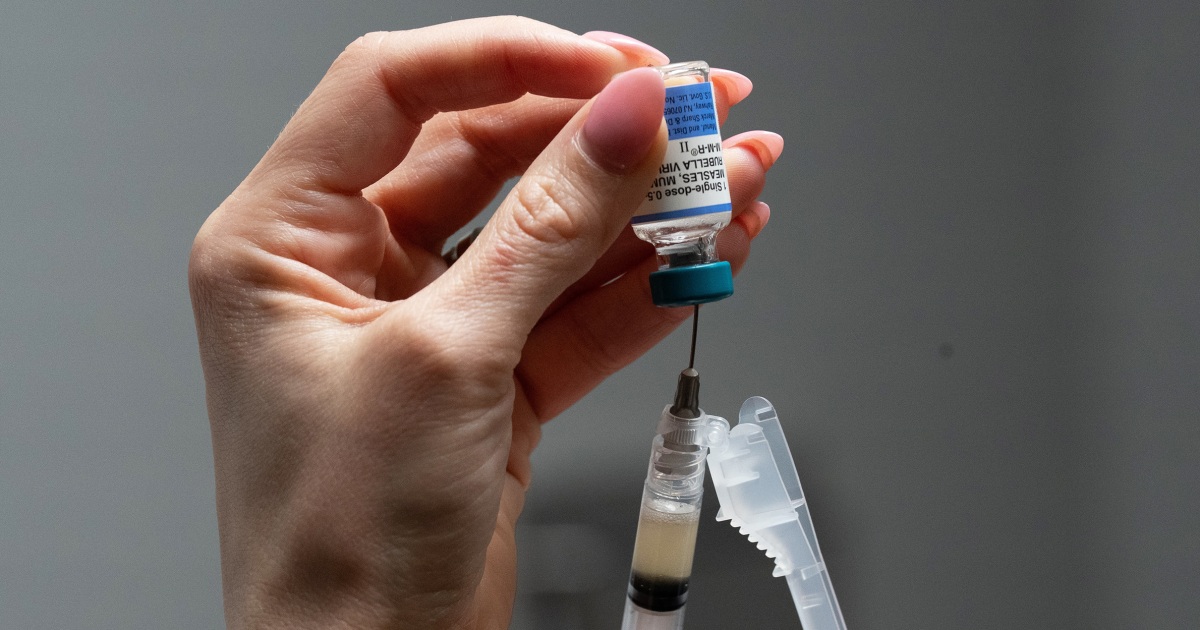
The Centers for Disease Control and Prevention is sending one of its scientists to Pennsylvania to help curb the state’s growing measles outbreak, a CDC spokesperson said Thursday. That person, a “disease detective” within the agency’s Epidemic Intelligence Service, is scheduled to arrive later this week.
It’s the CDC’s first in-person assistance to the state after a social media feud in August between Health Secretary Robert F. Kennedy Jr. and Pennsylvania Gov. Josh Shapiro. The two traded jabs following a press briefing where Shapiro announced that two unvaccinated people had died of measles complications and accused Kennedy of spreading vaccine misinformation.
“I made very clear that his actions and the rhetoric that’s coming from this administration are having a negative impact on communities across America, particularly right here in Pennsylvania,” Shapiro said during the briefing.
Kennedy then suggested that the deaths may have been “fabricated,” and that Shapiro was seeking to profit from them politically.
HealthNews
Mom of 6 Sues Doctors, Hospital After Hysterectomy Allegedly Leads to Paralysis, Quadruple Amputations
NEED TO KNOW
Mom of six Trisha Stevens has filed a lawsuit after she developed sepsis following a hysterectomy
Stevens underwent multiple amputations and became paralyzed after she claims doctors were negligent in providing prompt care, according to the lawsuit
The Portland, Ore., mom is seeking $68.5 million in damages from her medical providers
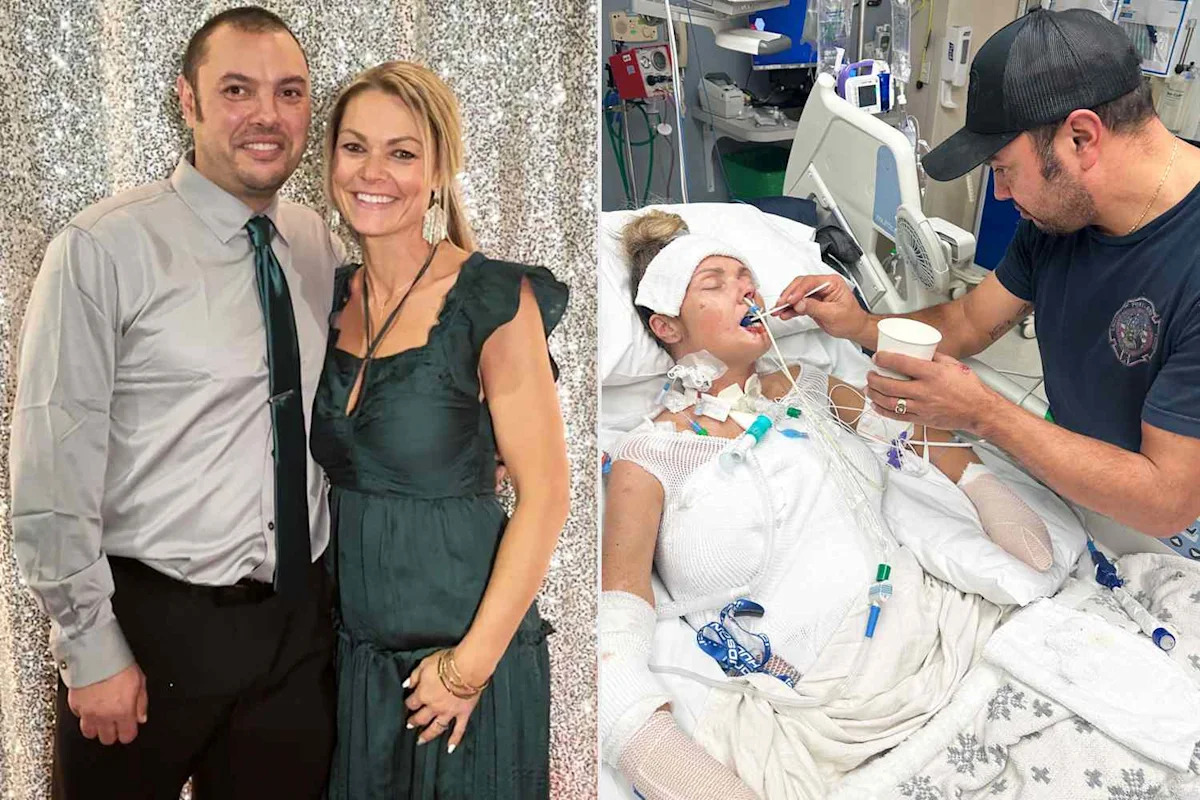
An Oregon woman underwent multiple amputations and is now paralyzed from the lower back down after she claims her medical teams ignored signs she’d developed a serious infection, per a lawsuit.
Portland mom of six, Trisha Stevens, 48, underwent a hysterectomy on Oct. 4, 2024, at Adventist Health Portland, after struggling with abnormal uterine bleeding and adenomyosis, per the complaint.
Stevens claims that four days after the surgery, test results showed inflammation, but her doctor, who is named in the suit, allegedly did not review the results or take “any action in response to them, including communicating the results to Ms. Stevens or initiating any additional treatment, follow-up, monitoring based on those findings.”
PEOPLE has reached out to Adventist Health Portland, who is not named in the suit, for comment.
Two weeks later, on Oct. 19, Stevens was walking down the bleachers at her son’s football game, when she “experienced a sudden tearing and popping sensation in her lower abdomen, followed by vaginal bleeding,” per the suit. Three days later, Stevens called the office of the doctor who performed the hysterectomy, who is named in the lawsuit. Stevens allegedly reported “bright red vaginal bleeding, passage of a blood clot the size of a baseball, a low-grade fever, diarrhea, and stomach cramping.”
She was told by a nurse to rest and hydrate, and was not directed to an emergency room, the suit says. But her condition continued to decline. On Oct. 22, Stevens went to the emergency department at Legacy Mount Hood, where she was found to have a significantly elevated heart rate and low blood pressure. She was also experiencing severe menstrual bleeding and was “saturating vaginal pads with blood at a rate of three per hour.”
She was diagnosed with “peritonitis, lactic acid acidosis, and AKI (acute kidney injury), with septic shock and bacteremia,” which can be life-threatening. But she was allegedly not given antibiotics until the following day. Later, she underwent surgery. But by then, her infection had progressed to the point that amputation was recommended.
Take PEOPLE with you! Subscribe to PEOPLE magazine to get the latest details on celebrity news, exclusive royal updates, how-it-happened true crime stories and more — right to your mailbox.
On Nov. 6, two months after her initial surgery, Stevens had both her legs amputated above the knee. She later had her right hand amputated at the wrist, and her left thumb, as well as fingers on the left hand.
Inadequate blood supply to her spinal cord caused her to become paralyzed from the lower back down, according to the lawsuit. Portions of her lips and tongue were amputated, the suit says. She also had acute kidney injury, a fungal infection, and rhabdomyolysis.
A representative for Legacy Health, which is named in the lawsuit, told PEOPLE, “We are deeply saddened by what Ms. Stevens and her family have experienced, and we extend our compassion to them. Because this matter is now in litigation, we cannot comment on the specific allegations or care involved.”
Stevens is seeking $68.5 million.
“This infection did not just make me sick, it attacked my body so violently that I went into septic shock and multi-organ failure, and I have spent every day since living with what survival cost me,” Stevens tells PEOPLE in a statement. “I cannot fully close my mouth, I struggle to speak and swallow, and the damage and constriction from necrosis and scarring have affected my gums and teeth, leaving me needing dental treatment. I live with chronic pain, wounds, recurring infections, and bowel and bladder problems that require daily care, planning, and help.”
“When I look in the mirror, my eyes fill with tears because I see a body altered from head to toe. The injuries are visible, but the emotional damage is often hidden. Every day, I grieve the person I was, the body I once lived in, and the independence my family and I had before this happened,” Stevens tells PEOPLE.
“Depression is a real battle as I try to process losses that touch every part of my life, but I keep fighting for my husband, my children, and the life we are trying to rebuild together.”
HealthNews
Big Bear bald eagle Jackie’s cause of death revealed

The viral bald eagle known as Jackie, who lived in California’s Big Bear Valley, died of multiple causes, according to a new necropsy report.
The California Department of Fish and Wildlife released the necropsy results this week in partnership with the San Diego Zoo Wildlife Alliance and Ojai Raptor Center after testing of Patient 26-519, more commonly known as Jackie, was completed.
The necropsy found that Jackie had multiple conditions, including a type of infectious avian flu. She died in August following an injury sustained in a fight with other birds.
“Jackie’s necropsy confirmed Highly Pathogenic Avian Influenza (HPAI) as the primary underlying cause of her decline,” Steve Kubiski, San Diego Zoo Wildlife Alliance’s director of disease investigations, said in a statement. “In an uncommon presentation of the virus, the infection caused a severe ulcer in her stomach that led to persistent internal bleeding, anemia, and the development of bacterial sepsis.”
According to the necropsy report, Jackie’s chronic condition led to secondary bacterial infection, severe inflammation and the development of blood clots. Toxicology testing also revealed that Jackie had environmental contaminants and traces of a rodenticide called brodifacoum in her liver.
“Together, the findings showed that Jackie was suffering from multiple severe and interconnected disease processes that had been developing over time and ultimately led to her decline and death,” CDFW said.
The CDFW also noted that Jackie’s remains were cremated by the U.S. Fish and Wildlife Service’s National Eagle Repository.
“We’re grateful to everyone who cared for her and worked to support her well-being. Understanding the results of these tests is an important part of learning from this case and can help inform the care and treatment of other eagles and wildlife in the future,” CDFW Director Meghan Hertel said in a statement.
Jackie was one-half of the bald eagle duo that went viral and gained worldwide popularity in 2023. She and her partner, Shadow, were the stars of a San Bernardino National Forest livestream operated by the nonprofit Friends of Big Bear Valley. They welcomed five eaglets together.


Ilhan Omar’s husband Tim Mynett speaks out as HSI fraud probe grows
While Ilhan Omar, D-Minn., has not been seen publicly since federal agents raided her Washington, D.C., residence on Monday, her...


Disney Inks Dude Perfect to Deal for Original Content
The Walt Disney Co. is cutting another major creator deal, this time with the prolific sports-focused Dude Perfect, The Hollywood...


Brendan Fraser Sequel Gets New Title Ahead of 2027 Release
Brendan Fraser‘s forthcoming installment in Universal Pictures‘ popular The Mummy franchise is alive and well. The studio announced Thursday that...


Troy Aikman addresses reported rift with Joe Buck and says he is leaving ESPN
Longtime Monday Night Football announcer Troy Aikman said he is looking for his “next landing spot” with his ESPN contract...


Diane Paulus-Directed Rhinoceros Replaces The Full Monty Revival in Roundabout Broadway Season
Roundabout Theatre Company has postponed its Broadway revival of The Full Monty. David Yazbek and Terrence McNally’s The Full Monty...


Health officials warn Marion residents after rabid raccoon found
MARION, Mass. — A raccoon found in Marion, Massachusetts, has tested positive for rabies, prompting the town to issue a...


What to know about the delayed EV
Tesla is planning to show off its long-delayed next-generation Roadster on Thursday, almost a decade after Elon Musk’s company started...
Carney, Poilievre bring federalist push to Alberta ahead of referendum vote
Prime Minister Mark Carney and Opposition Leader Pierre Poilievre are both bringing a pro-unity message to Alberta, just days before...


Bryce Hall Asked Court For Protection From Ex Days After Alleged Violent Fight
Bryce Hall rushed to court asking for a restraining order against his ex, Mika Lafuente, days after the alleged fight...


North West, 13, and mom Kim Kardashian address claims she dresses ‘demonic’
Kim Kardashian and her eldest daughter, North West, addressed claims that the teen dresses “demonic.” “Oh no, I’m not demonic,...
-

 Entertainment2 weeks ago
‘Verity’ Posts $4.5M Previews, ‘Digger’ $1.2M
-

 Entertainment2 weeks ago
Rick Devens Wins In Season 28 Finale
-

 Business2 weeks ago
Tesla Cybercab pressure to expand after rocky first month in Austin
-

 Business2 weeks ago
OpenAI safety employee resigns, claiming the company’s ‘culture is broken’
-
 Entertainment1 week ago
Travis Barker reveals why he underwent surgery after concerning hospital photos
-

 Business2 weeks ago
Energy Secretary Chris Wright says Trump was “well aware of the risks to energy flows” before launching Iran war
-

 HealthNews1 week ago
Des Moines clinics stumped by unidentified virus
-
Business2 weeks ago
Leaked Anthropic IPO prospectus: The US government could hurt our business