Connect with us

Food

I Rid My Kitchen of Single-Use Plastic With These 4 Reusable Swaps
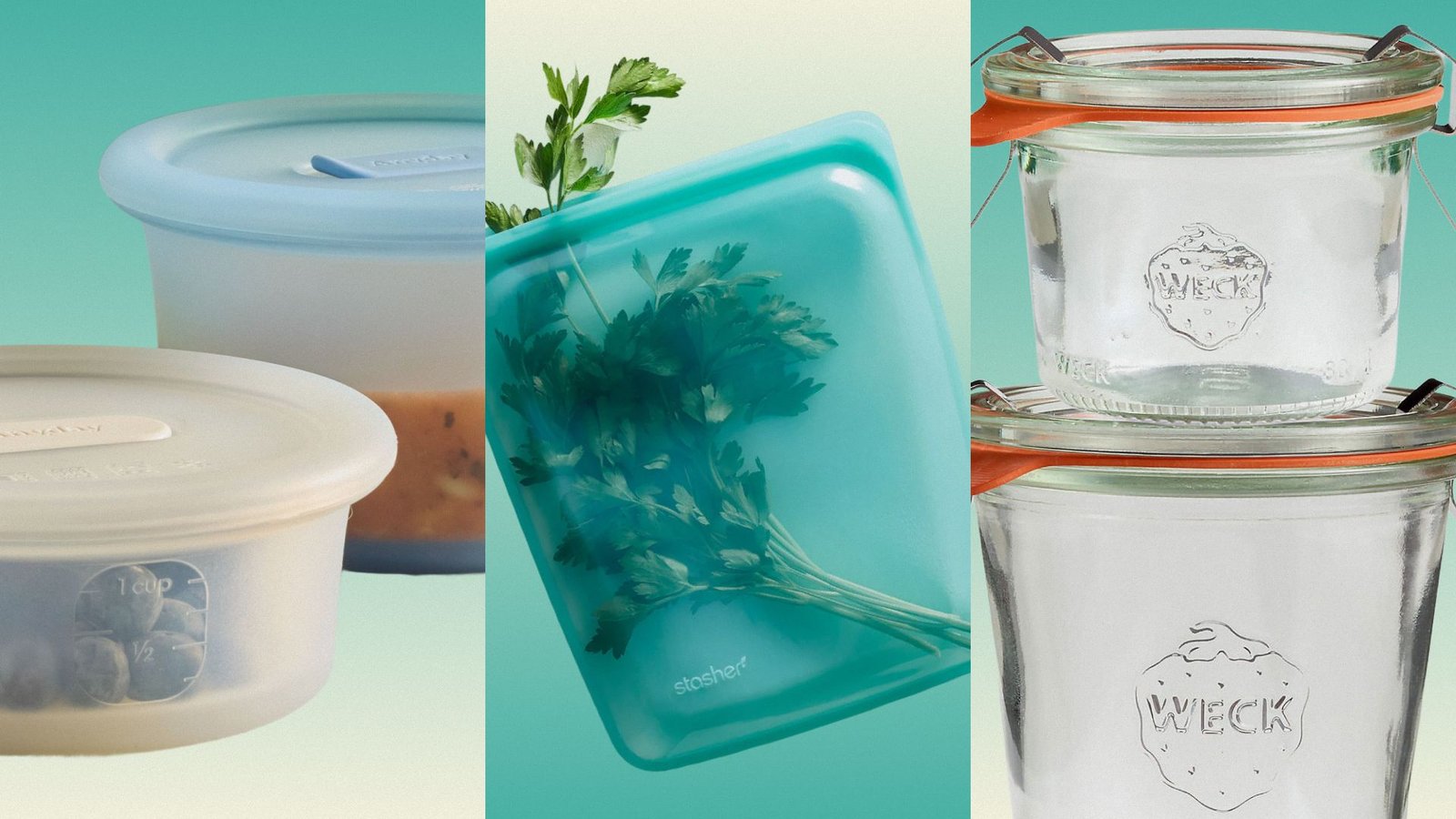
I like to believe that I am a sustainability-minded person in many areas of my life. However, this has not always been the case with my kitchen habits. I keep boxes of plastic bags and cling film in my kitchen drawer at all times. I have always been a proponent of efficiency and utility in the kitchen. I want food storage and cleanup to become a no-brainer so that I can focus on the cooking process. After seeing so many products available on the market that are geared towards replacing single-use plastics, I decided to test out some of the most popular eco friendly kitchen swaps. After over a month of testing, here are the products that have become part of my everyday routine–and the ones I quickly abandoned.AnydayAnydeli Mixed Set 6-Pack$22 AnydayOne of my first assignments when I started this job was a story for our sister site, Epicurious, about whether you should be reusing plastic take-out containers. These containers are made of silicone and retain the same features as classic delis, such as their stackability, one size fits all lid, and lightweight feeling. They’re available in all of the standard deli sizes (8-, 16-, and 32-ounce), each of which are dishwasher-, microwave-, and freezer-safe and have stainless-steel-reinforced rims to help mitigate warping, sealable vents for steam release, and cup and milliliter markings on the sides for easy measuring.I’ve been on a Sunday meal prep kick lately, and these containers have proved ideal for storing a week’s worth of food in the fridge. I’ve transported containers of saucy curry and berry-laden yoghurt to the office without a leak (a real feat!). I love the fact that I don’t have to transfer my food to another bowl to microwave it. Dare I say that I have officially retired my take-out plastic containers? I never imagined the day would ever come.


Continue Reading

Food

The Fiber-Rich Salad I Actually Crave

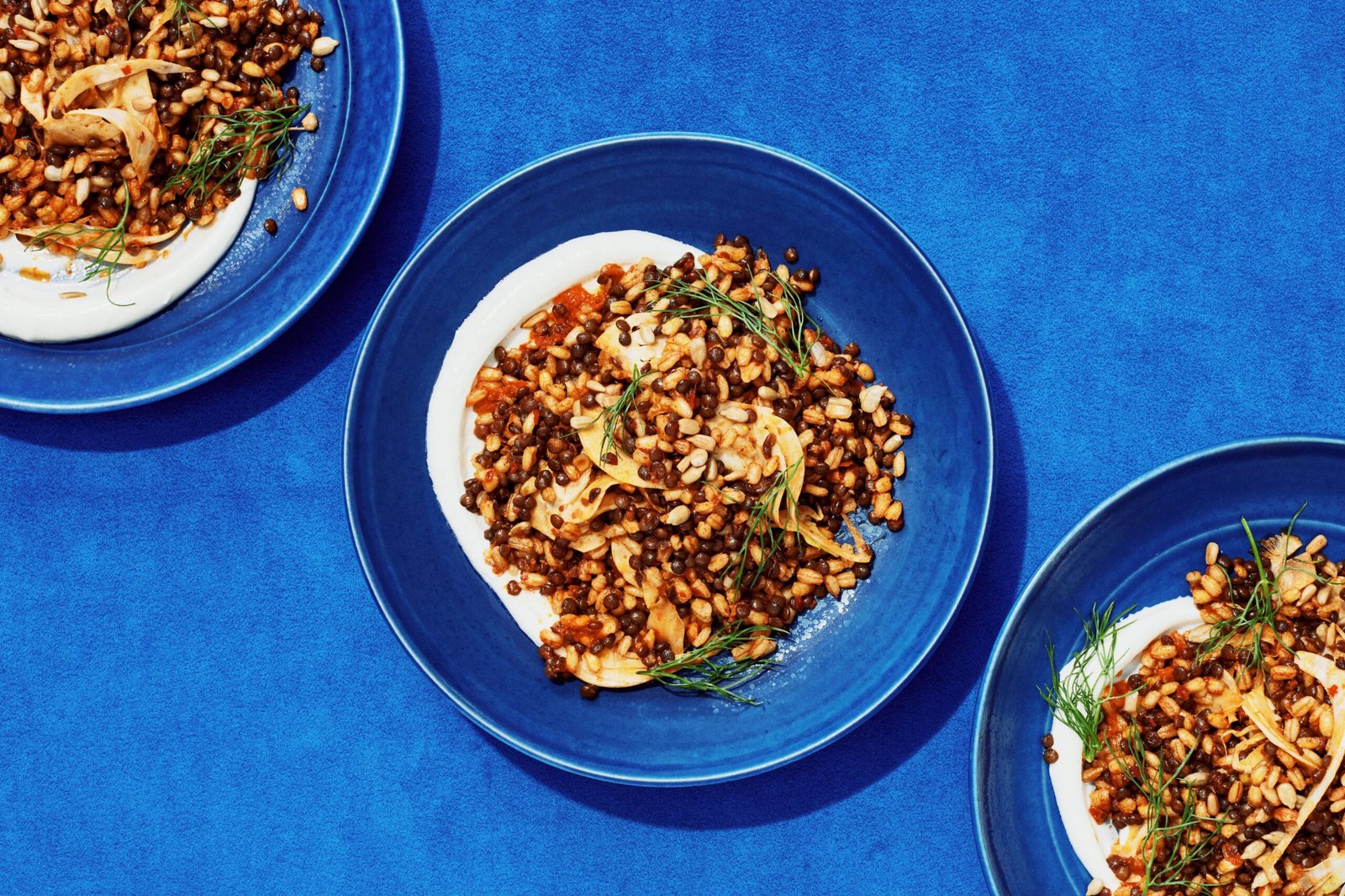
Healthy cooking does not have to be complicated. In fact, what’s the truth? The simpler the recipe, the better. Rebecca Firkser, Test Kitchen’s editor, shares recipes that are nourishing and delicious, with 10 ingredients or less. It’s not for me to judge! We could all benefit from eating more fibre–in reality, only 5% of us do–especially if you eat a lot of proteins. Here’s why: fiber is a plant-derived carbohydrates that cannot be digested. This may sound bad, but it is extremely beneficial for gut health. If you eat a diet that is high in protein and low in fiber – which is the norm for Americans, and it’s not your fault – your digestion can slow down. Fiber, when combined with protein, helps keep things moving. It also aids in protein absorption. How can we achieve this without adding yet another powder to our diet? Many everyday ingredients are high in fiber. Think of whole grains, seeds and vegetables (especially those with the skin on), beans, and fruit. You could pile a grain dish with chickpeas, broccoli, and beans and call it good. Sure. Enter this new Good for You salad, a high fiber–and yes–protein–rich salad that doesn’t seem like a chore. The recipe uses barley, lentils and fennel as fiber-rich ingredients. Sunflower seeds and fennel are also included. The tiny grains and chewy grains provide a solid base that absorbs all the flavors from the warm harissa-spiked salad without going limp. Barley is usually sold in both “hulled” or “pearled”. The former is what I prefer. Hulled barley, which has only the husk removed from it, offers almost twice as much fiber as its branless and germless counterpart. There’s also a double-time cooking requirement, but you can find a simple solution. You can reduce cooking time without losing any fiber by soaking hulled barley over night. The earthy grains are cooked with the nutty lentils. Toss the warm lentils with a caramelized Harissa dressing. Then, top the salad with a layer of seasoned Greek yogurt and a crunchy layer of sliced fennel. Sprinkle over toasty sunflower seeds, and all that’s left to do is grab a big spoon.Need-More-Fiber Lentil SaladBecause most of us do!View Recipe


Continue Reading

Food

Chocolate Olive Oil Cake

Welcome to BA Bake Club. We are a community of curious baking enthusiasts. Jesse Szewczyk, Test Kitchen senior editor, and Shilpa Usokovic, Test Kitchen senior editor, share a must make recipe each month and explain why it works. Come bake with us, ask questions, share photos, listen to our podcast and more. This one-bowl olive oil chocolate cake proves that oil can be better than butter in baking. It produces a rich, moist crumb and keeps the cake moist for several days. It also adds floral complexity and grassy, peppery flavors that complement both cocoa and melted dark chocolate. For the best flavor, use extra-virgin oil when baking. It doesn’t have to be expensive. The batter is mixed with a whisk – no mixer or creaming required. A generous swoosh (with olive oil) of ganache frosting gives the cake a glossy, soft texture. This cake is topped with flaky salt and can be enjoyed as a snack, dessert for a dinner party, or even made ahead to enjoy throughout the week. Can I use regular cocoa instead? This recipe was designed using Dutch-process cocoa, which has less acidity than natural cacao. If you swap one for the other, the baking soda will react differently and result in a denser cake. The Bon Appetit Test Kitchen’s preferred Dutch-process cocoa powder is Guittard Cocoa Rouge.GuittardGuittard Rouge Unsweetened Dutch-Process Cocoa Powder$19 $18 (5% off) AmazonThis is a lot of frosting; do I have to use it all?The recipe makes a generous amount of ganache for creating dramatic swoops, but a thin layer is also fine. The extra frosting can be frozen for up to three months (thaw over night and whisk again to emulsify). My frosting did not set or looked oily or separate–did I make a mistake? Once combined, the frosting will become a glossy, cohesive frosting. If your frosting isn’t ready after 20 minutes, continue to chill and stir. It may take a little longer for the frosting to reach a soft, spreadable, fudge like consistency if your kitchen is warm. This cake and frosting keeps extremely well and the flavor intensifies over time. For best results, bake it a day ahead and store it under a dome at room temperature.


Continue Reading

Food

How to Tell If a Cantaloupe Is Ripe

Cantaloupes are one of the most delicious fruits to enjoy in summer. It’s sweet and juicy, and can be eaten on its own with a little salt. It’s important to know how to tell when a cantaloupe has reached ripeness before you cut into it. Unlike berries and stone fruit, the melon does not advertise its ripeness. Most people will grab one, squeeze it, and hope for best. They then make a bland Cantaloupe Salad with Bacon-Cashew Crunch. But it doesn’t have to be. You can choose a good-quality cantaloupe at any grocery store, no matter how small. Just focus on four factors: the color, texture, smell, and sound. Consider the color and stem. A cantaloupe with raised webbing may be misleading. Look at the skin underneath. You want warm golden or beige shades, such as tan, sand, or pale yellow. If the melon still has a green tint, it’s not ripe. A deeper golden color usually indicates a riper, more flavorful melon. Now, look at the stem (the side that looks like the belly button). A ripe cantaloupe will have a smooth, sunken scar. This is a sign that it was easily removed from the vine. If the stem is still attached, or the scar appears jagged and raised then the fruit may have been picked too early. It might not be as sweet. Pick it up. A ripe cantaloupe that is sweet and heavy should feel heavy compared to its size. This is a sign that it’s packed with juice. The rind should feel firm but not as hard like a watermelon. When you gently press on the stem and blossom end (the side opposite the stem), there should a slight give. If it is completely firm, then it probably needs more time. If you notice any soft spots or mushiness, it is probably past its prime.3. If you only perform one test at the market make it this. Bring the blossom end to your nose. A ripe, musk-like cantaloupe will smell sweet. A lack of scent is usually a sign that it’s not ripe. A strong or slightly fermented odor is a sign that it’s overripe. Tap and listenThis test is not the most accurate, but it will confirm what you see and smell. Give the cantaloupe an easy thump. Listen for a dull, low sound. Checklist for picking a ripe CantaloupeColor : Beige or gold under the netting, with a smooth, sunken scar on the stem. Feel : Heavy, with a slight give at each end. Smell : Sweet, musky scent at the blossom ends. Sound : Low, dull sound (not hollow). Cantaloupes, unlike bananas and peaches do not continue to become sweeter after picking. Cantaloupes are at their best in the summer, usually from late spring to early fall in the US (roughly May through September). Melons will ripen more on the vine during this period, resulting in a sweeter and more robust taste. (You should still use the above checks because ripeness varies from melon-to-melon). Cantaloupe may still be available out of season, but the flavor will be less vibrant. Once it’s been sliced, place it in an airtight container. Refrigerate for up to three days. You can let your melon sit at room temperature to soften its texture, but it won’t sweeten it. What if you cut an unripe melon? All is not lost. Underripe cantaloupe is useful, especially if it’s paired with sweetness or acids. Blend it with honey or agave to make a refreshing agua fressa, add it to smoothies along with riper fruits, or pickle for a bright and unexpected addition to salads, cheese boards, or other dishes. You can also cook it down to make a simple jam with a mellower taste than a sweet one, or get inspired by Thai green papaya (a traditional way to use underripe fruit).


Continue Reading

Food

We Champion Eating Locally, Why Not Drinking Locally?

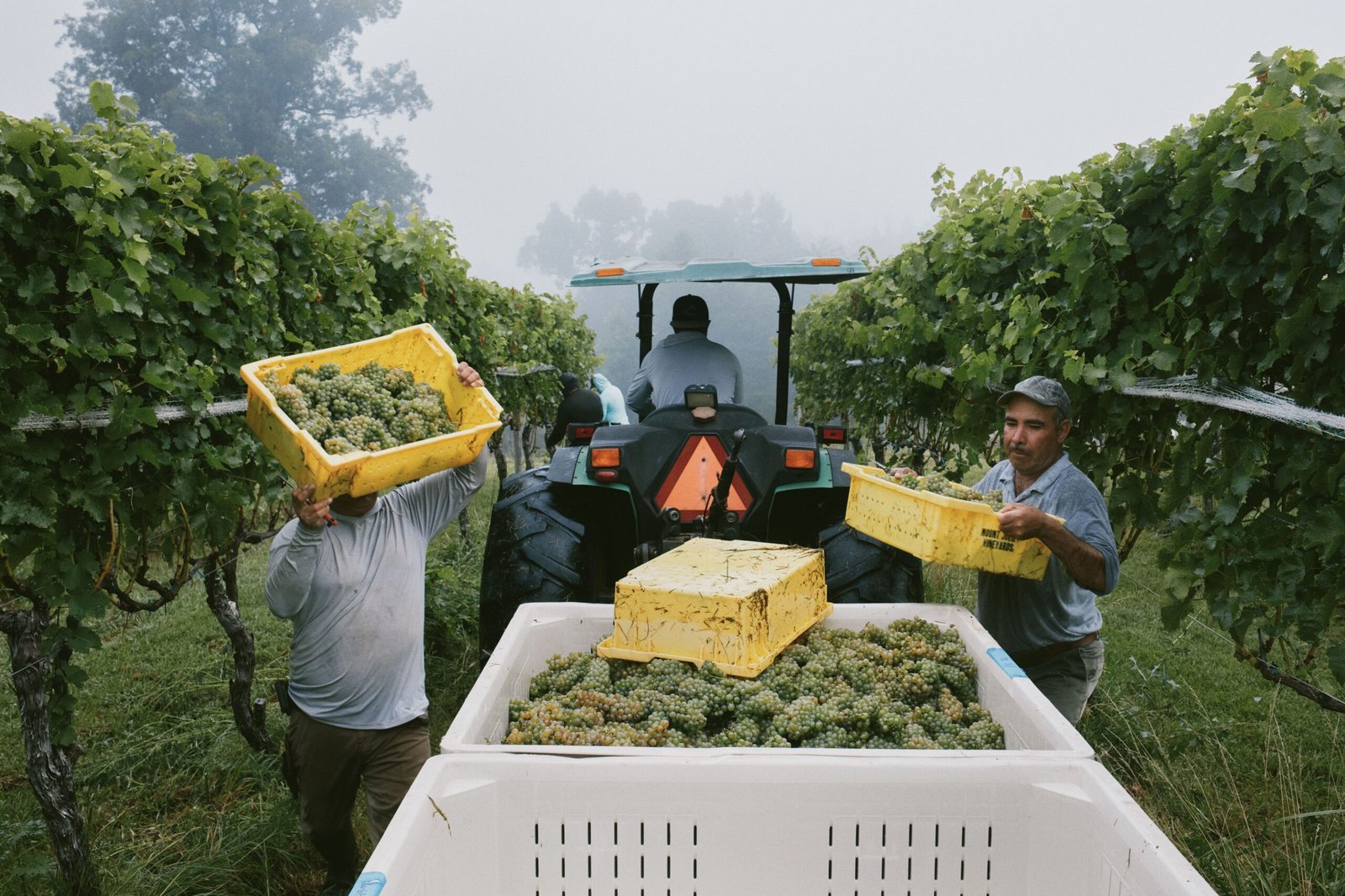
Maryam Ahmed, a Napa-based entrepreneur, is the CEO of Maryam + Company. A certified B Corporation, Maryam + Company translates vision and strategy into experience, often by focusing on food, wine and place. She explains why local hospitality businesses need to champion their regional wines. In another region, I had been taken to the “fanciest” restaurant in town, but they didn’t serve wines from local producers. Wine producers, tourism boards and hospitality operators share responsibility for the success of a region. There’s a disconnect between the U.S. and Europe. Why aren’t these businesses representing the best of their own home turf? One answer lies in the structure of wine industry. The market is dominated by large distributors, who are built for scale and not for specificity. They offer one-stop ordering, reliable inventory, and wines with built-in name recognition or special pricing-tools that make a buyer’s job easier and less risky but ultimately remove a sense of place from a local establishment.Smaller local producers often operate in spite of that infrastructure, but they aren’t exempt from the work of participating in it. Small production, low visibility, and self-distribution can all play a part. Without intentional efforts to build demand and relationships their wines can be just as absent from local list. So, revenue wins over region. Convenience is more important than community. The beverage industry is a complex, multi-layered system that moves according to demand. This puts the power in the drinker’s hands. What you order, how much you spend, and the questions you ask all influence what appears on a menu. Wine lovers and wine professionals alike can benefit from this list. You may choose based upon familiarity or convenience, not on curiosity or location. But when those patterns become the norm, they reinforce a structure that leaves local winemakers-especially small, independent, or BIPOC businesses on the sidelines in their own backyard.That’s a structural failure. When restaurants and hotels ignore local wine, the money leaves the community. It bypasses the vineyard team, the cellar crew, and the small business owner who is trying to pay fair wage. It weakens regional economies and bypasses local tax bases. Reinvesting in local businesses, at a time when federal assistance is becoming increasingly unreliable, and states are left to their own devices, is not a noble act. It’s a shared obligation. Without this reinvestment the places that we love to visit may lose the very character that attracts people. I’m not suggesting every wine list must be exclusively local. Diversity is important, and thoughtful curation makes for good hospitality. When you’re in a wine-producing region and there isn’t a single local glass of wine available, it’s worth questioning. Where will you choose to eat or stay? Smaller, independently-owned businesses are often more flexible in sourcing locally. Your dollars will be more likely to circulate throughout a regional supply chain, rather than strengthening national ones. What do you expect from the places that you visit? Mission statements are now as common as menus. If a business makes a claim about its commitment to local farmers and producers, this value should be reflected in the glass.


Continue Reading

Food

Gochujang Chicken Stir-Fry

Step 1Combine 1 lb. of 1 lb., 2 finely grated garlic cloves. Cut into bite-sized pieces skinless and boneless chicken breasts. 1 Tbsp. Cornstarch and 1/2 tsp. Diamond Crystal or 1/4 teaspoon. Morton kosher in a medium-sized bowl; season with freshly grated pepper. Toss the chicken until it is coated. (Your hands are best for this). Step 2Mix together 3 Tbsp. gochujang (Korean hot pepper paste), 1 Tbsp. mirin, 1 Tbsp. 1 Tbsp. seasoned rice vinegar soy sauce, 1 Tbsp. In a small bowl, combine 1 Tbsp. Set aside the sauce. Step 3Cut 5 scallions into 1 1/2″ pieces. Set aside the white and pale-green pieces. Set aside dark green pieces separately. Step 4Heat 1 tbsp. In a large skillet, heat vegetable oil until it shimmers. Reduce heat to medium high and add 12 oz. haricots vertes or green beans, trimmed and halved across, with white and pale-green scallion pieces. Cook, unattended, for 2 minutes. Toss and cook, unattended, until vegetables have charred spots and are tender, another 1-2 minutes. Add the remaining 4 cloves of garlic, finely shredded, and the reserved dark green scallion. Stir often and cook until fragrant. Transfer green bean mixture onto a large platter. Step 5Heat the remaining 2 Tbsp. In the same pan, heat vegetable oil on medium-high. Step 6Reduce the heat to medium, and return the green bean mixture to the pan. Add the reserved sauce to the pan and stir often until it starts to cling onto the chicken and green beans. This should take 1-2 minutes. Remove pan from heat. Add 1 tsp. Step 7Mound the stir-fry onto a plate and top it with the thinly sliced scallion that you have reserved. If desired, serve with steamed rice.


Continue Reading

Latest News

Video59 minutes ago

Hegseth urges allies to take larger role in Strait of Hormuz

Defense Secretary Pete Hegseth argued the US shouldn’t shoulder the burden of protecting the Strait of Hormuz, saying America …

Video1 hour ago

Iranians expected in Pakistan for 2nd round of peace talks: Sources

Iranian Foreign Minister Abbas Araghchi is expected to arrive in Islamabad tonight with a small delegation, Pakistani government …

Video2 hours ago

Jewish man detained for kippah showing Israeli, Palestinian flags

A Jewish man says Israeli police detained him and cut the Palestinian flag off his kippah. While Israeli law does...

Video2 hours ago

Hegseth: US blockade of Iranian ports is ‘growing and going global’

US Defense Secretary Pete Hegseth told reporters at a news briefing today that the US naval blockade of Iran’s ports...

Video2 hours ago

Meet the 19-metre octopus that prowled the ancient seas | BBC News

Giant octopuses may have ruled the ancient oceans 100 million years ago, when dinosaurs roamed the Earth, according to new...

Video3 hours ago

Will the Mandelson saga impact Keir Starmer and Labour in the elections? | BBC Newscast

Today, Adam, Alex, James and Felicity look at the latest stories from the UK elections campaign trail. Why are public...

Sports3 hours ago

Turkey to return to F1 calendar in 2027

​ McLaren signs 11-year old to young driver program23 hours agoThe Belgian Grand Prix is starting a contract that will...

UsaLocalNews3 hours ago

Forensic genealogy unmasks cold case suspect as strangler, sexual predator decades later: officials

​ NEWYou can listen to Fox News articles now!Years after DNA linked a 1991 murder and a rape in Massachusetts...

Video3 hours ago

UN Peacekeepers replace crucifix damaged by Israeli military

Just days after an Israeli soldier was photographed hitting a crucifix with a sledgehammer in southern Lebanon, Italian UN …

UsaLocalNews3 hours ago

US economic chokehold on Iran reaches peak leverage and more top headlines

​ Fox News First, the morning newsletter from Fox News, is now available for you to listen to! Here’s what...

Trending News

Join Our Newsletter

Stay updated with breaking news and exclusive content.