

HealthNews
Family Blames AI Hospital System After Woman Dies Waiting for ICU Bed
A family in Brazil is blaming an AI-powered medical system for the untimely death of 32-year-old Rebeca Cardoso Tenente Molina.
Brazilian news outlet MG1 reported on Molina’s death late last week. Her family alleges that a state-run AI system used to manage hospital bed allocation incorrectly assessed her condition and waited too long to transfer Molina to an intensive care unit. Molina died just hours after reaching the ICU.
“What we saw was that doctors lost the autonomy to decide if a patient is very seriously ill,” Sâmela Cardoso Tenente Furtado, a lawyer and Molina’s twin sister, told MG1.
Too low a score
According to MG1, Molina was first hospitalized on June 2 with what was believed to be gallstones. She ended up at a hospital in São João Nepomuceno, a municipality in the Brazilian state of Minas Gerais. Her condition quickly deteriorated, and Molina reportedly requested a transfer to an ICU.
Last month, Minas Gerais changed over to a new management system—called Core-MG—in its state hospitals, which incorporates AI. And the family claims this system wrongly downgraded the severity of Molina’s health problems, delaying the care she needed. At one point, they even went to court to try compelling a speedier transfer. Due to this downgrade, the family argues, she had to wait five days until she was transferred to a hospital ICU in another municipality 186 miles (300 kilometers) away, where she soon died.
Molina’s cause of death is currently listed as septic shock, but doctors are still investigating whether other conditions, such as botulism, may have played a role, according to the family.
The state’s response
The State Health Department of Minas Gerais told MG1 that Core-MG has not fundamentally changed the criteria for managing someone’s care or searching for vacant hospital beds. The department further claimed that Molina was immediately registered into the system and that the choice of allocated hospital beds isn’t only affected by geographic proximity but also by the availability of beds according to a patient’s clinical needs.
The family, however, argues that Core-MG failed to accurately assess Molina’s health, even as worsening test results came in, and that it did a poorer job than trained medical professionals would have in the same situation.
“She would have been a 10, and the system only accepted her as a 6.8,” Furtado told MG1. “She wasn’t just a number or a protocol within the system. She had a family, she had dreams, and a whole life ahead of her.”
HealthNews
GLP-1 medications may improve male fertility, study finds

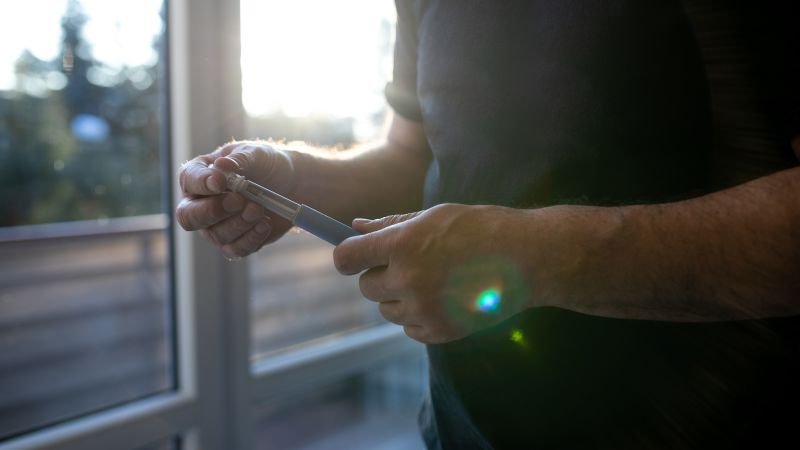
Fertility may not be a reason for men to avoid GLP-1 medications. In fact, they could see an improvement.
After 24 weeks of treatment with GLP-1s, a class of medications that treats diabetes and is prescribed widely for weight loss, men ages 18 to 65 saw improved testosterone levels, sperm count, and size and shape of sperm, said principle investigator of the study Dr. Pratibha Natesh, a consultant endocrinologist at University Hospitals Coventry and Warwickshire and honorary clinical lecturer at Warwick Medical School in England.
About 15% of couples in the United States have trouble conceiving, and more than half of those couples have a male infertility problem, according to Yale Medicine. Healthcare providers define infertility as not conceiving after 12 months of regular, unprotected sexual intercourse.
More studies need to be done before GLP-1s are prescribed as a first-line treatment for male infertility, said Dr. Lidia Mínguez Alarcón, a Spanish reproductive epidemiologist and assistant professor of medicine at Brigham and Women’s Hospital and Harvard Medical School in Massachusetts. She was not involved in the research.
However, the results do suggest that men considering GLP-1s for weight loss or medical conditions may want to ponder possible benefits for their fertility as well, Natesh said.
Why a metabolic drug may improve fertility
Weight loss that often comes with taking GLP-1s can help with healthier hormone function, including testosterone levels, Natesh said. If further studies continue to show that GLP-1s are a good treatment for male infertility, the drugs could provide a better alternative to testosterone replacement therapy, which can suppress sperm production, she added.
Taking GLP-1 medications also may reduce inflammation and metabolic stress, which can limit sperm production, Natesh said.
The research was only conducted on men with high body mass index, so it is hard to say if the rest of the population would also see benefits to their fertility, Minguez Alarcón said.
It is also important to note that some people may have trouble losing weight because of hormone problems, not always that the hormone problems are a result of weight, said Dr. Amin Herati, a urologist and director of male infertility and men’s health at Johns Hopkins Hospital. He was not involved in the research.
To know “if it’s the chicken or the egg,” Herati stressed the importance of having a fertility evaluation with a reproductive urologist.
And not all weight loss is helpful to fertility, Herati added.
A sudden change in the amount of body fat, as seen from bariatric surgery and sometimes from GLP-1 medications, may signal to the brain that it is not a safe time to reproduce and limit fertility, he added. He recommends working with a doctor for guidance on healthy behaviors.
What else men can do to improve fertility
When is it time to ask about your fertility? If you are looking to conceive, it could be after 12 months of unsuccessful attempts. And for everyone, important signs include symptoms like a decrease in libido, low energy, change in body composition and difficulty maintaining erections.
But improving reproductive health isn’t just for those looking to become a parent, Minguez Alarcon said.
Good semen quality and healthy levels of testosterone have been associated with better long-term health in men, she said.
In addition to working with medical professionals, people can improve their fertility and health through restricting ultraprocessed foods, getting regular exercise, limiting sedentary habits, reducing toxic chemical exposures and avoiding wet heat such as hot showers or hot tubs multiple times a day, Herati said.
Getting good sleep and reducing smoking and alcohol consumption are important as well, Natesh said.
And men who do want to conceive a child should keep their healthcare providers informed, as that may influence treatment options, she said.
HealthNews
Californian Contracts Fatal Disease ‘Breeding Wild Rats’

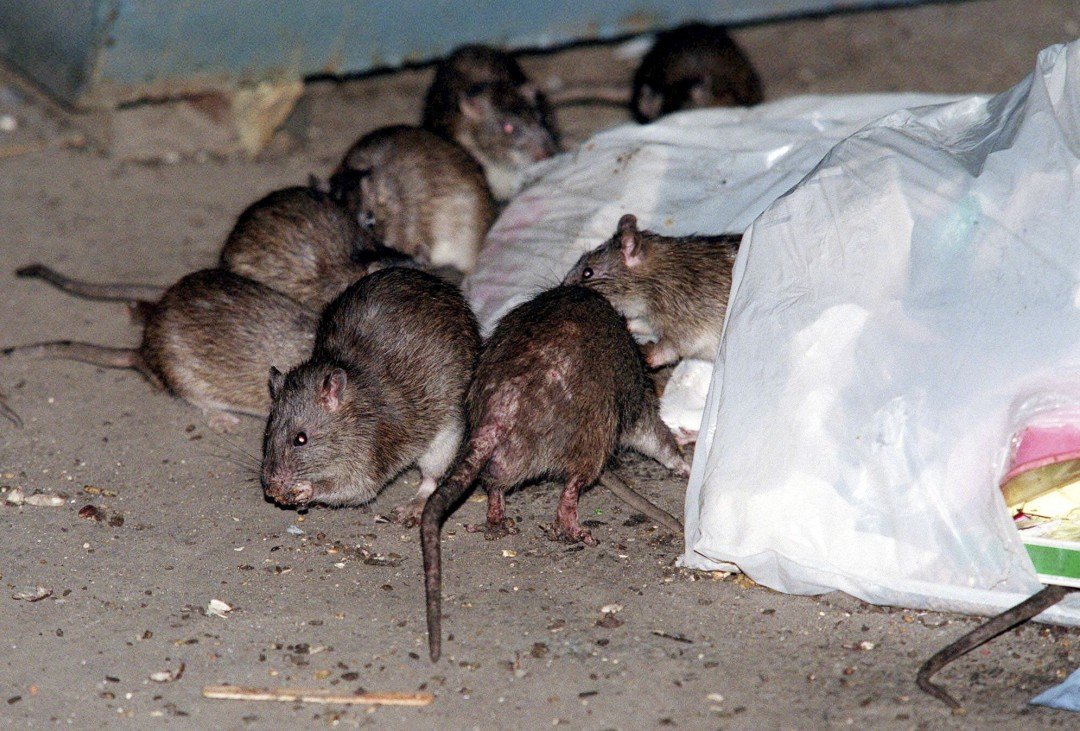
Berkeley’s first leptospirosis death in more than a decade has health officials sounding the alarm over rats and delayed medical care. City authorities say a person living in a rat-infested RV died of the infection in May after waiting weeks, possibly months, to seek treatment; a housemate was also infected but survived after a long hospital stay, per SFGate. Vector control teams removed nearly 200 rats from the RV before it was destroyed, and officials called the case an “extreme situation.” City manager Paul Buddenhagen said the pair were “trapping, feeding and breeding wild rats.”
The RV was parked about a mile from a homeless encampment where rat-linked leptospirosis was previously detected and linked to illness in two dogs, per the Mercury News. However, these were the first human cases of leptospirosis in Berkeley in more than a decade. In humans, the bacterial illness, spread through contact with contaminated rat urine, typically starts with flu-like symptoms and can later damage the kidneys, liver, lungs, and other organs.
UC San Francisco infectious disease expert Dr. Peter Chin-Hong called the death a preventable tragedy, noting “nobody should die of lepto” because standard antibiotics can treat it if caught early, per SFGate. Buddenhagen said the risk to the public remains “extremely low,” per People. Still, Berkeley Public Health is urging clinicians to think of leptospirosis when seeing patients with relevant exposure and symptoms, warning that unfamiliarity with the disease—and patients’ reluctance to seek prompt care—can turn a treatable infection into a life-threatening one.
Read These Next
US, Iran reached a deal to
Climbing digs into the controversy over a boy’s feat
Helicopters collide in Brazil,
Vigilante livestreams innocent man
HealthNews
We’re not as helpless against dementia as we think

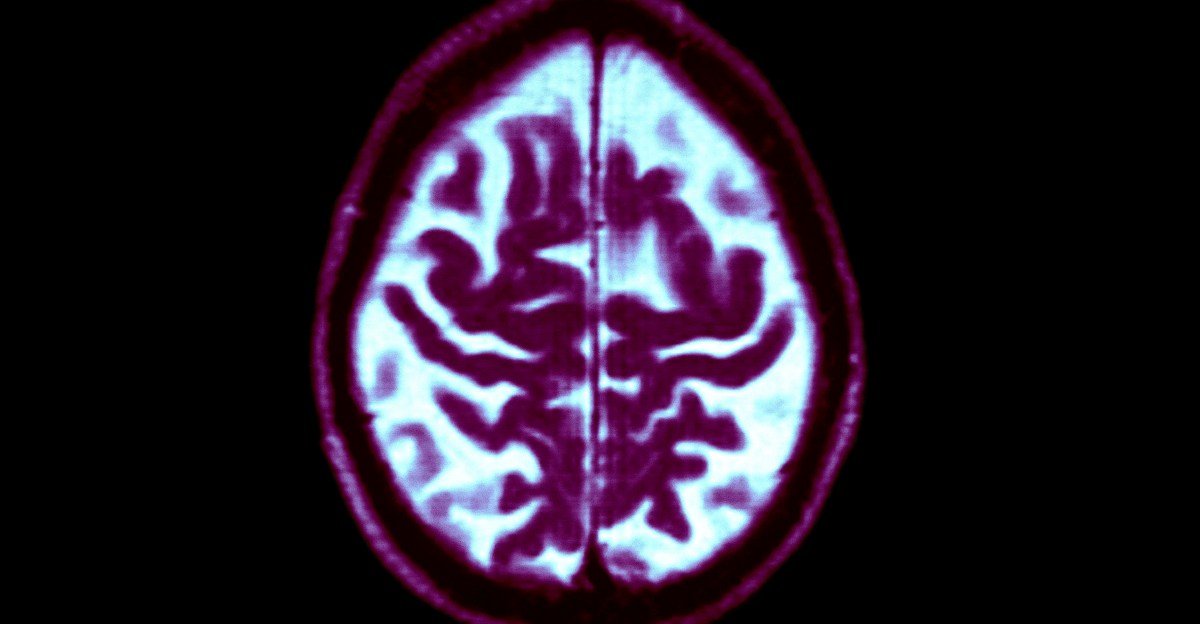
I turned 48 this week, which meant it was time for my annual physical. After the usual battery of questions from my doctor — How much did I drink? Was I exercising? How was I sleeping? — it was my turn to ask a question. I had one prepared: Should I get the shingles vaccine?
Good News
A weekly dose of stories chronicling progress around the world.
Email (required)
By submitting your email, you agree to our Terms and Privacy Notice. This site is protected by reCAPTCHA and the Google Privacy Policy and Terms of Service apply.
Key takeaways
Dementia cases will keep climbing as the population ages — a projected million new US cases annually by 2060 — but your odds of getting it at any given age have been falling for decades. An 80-year-old today is meaningfully less likely to have dementia than one a generation ago.
Across wealthy countries, age-specific dementia rates have dropped roughly 13 percent per decade since the late 1980s, and most of that decline tracks with things we can influence: better-controlled blood pressure and cholesterol, less smoking, more years of school. The brain lives downstream of the heart.
A 2024 Lancet commission estimated that up to 45 percent of dementia could be prevented or delayed by addressing 14 risk factors — and the highest-leverage window is midlife, not old age.
The anti-dementia to-do list: treat your blood pressure and LDL cholesterol, don’t smoke, stay physically active, get your hearing and vision checked, keep learning, and go easy on alcohol. Unglamorous, but it buys time for your brain.
A growing run of studies links the shingles vaccine to lower dementia risk. The evidence isn’t conclusive and the shot is only recommended at 50, but it’s worth a conversation with your doctor.
There is no drug that reverses dementia today. That’s not the same as being helpless.
According to standard medical guidance, the answer would be no. The shingles vaccine is only recommended by the government for people 50 years or older; the only exceptions are adults whose immune systems are weakened by disease or treatment. And despite the way my back feels when I get out of bed each morning, I wasn’t there quite yet. Our immune systems weaken as we age, but at 48, I was probably still capable of beating back the varicella-zoster virus that causes shingles (and chickenpox).
And yet my doctor was open to the idea for the same reason that I was asking about it: because there is early but growing evidence that the shingles vaccine may be protective against neurodegenerative diseases like dementia. For someone my age, with more time behind me than in front of me, the possibility of developing those diseases — and the desire to do anything to prevent them — is suddenly looming large.
I’m far from alone. Dementia already afflicts more than 6 million Americans today, and a 2025 study in Nature Medicine estimated that the lifetime risk of developing dementia after age 55 is 42 percent, with higher figures for women, Black adults, and those who carry the APOE ε4 allele genetic variant, which is known to increase the risk for Alzheimer’s. That same study projected new US cases of dementia would double by 2060, from 514,000 a year in 2020 to more than 1 million annually, due largely to population aging.
Behind those figures is a universe of suffering. Nearly everyone reading this has watched, or will watch, someone they love succumb to dementia. And once you get to my side of your 40s, that risk starts to feel less abstract and a lot more personal.
Yet the frightening story of the rise in dementia cases as the US population ages obscures real progress that is already being made to prevent it — and the even greater progress that could follow. Dementia may feel inevitable, a cruel side effect of longer life. But it doesn’t have to be.
Dementia epidemiology 101
The Nature study is about incidence — new cases, not the total number of people living with dementia. Separate CDC estimates project nearly 14 million older Americans living with Alzheimer’s disease, the most common form of dementia, by 2060.
But the rate hasn’t been holding steady — it’s been dropping. A 2020 study that drew on data from six countries across Europe and North America found that age-specific dementia incidence for people of European ancestry had fallen about 13 percent per decade since the late 1980s, and around 16 percent per decade for clinical Alzheimer’s. A 2016 study tracked five-year dementia rates across four periods between the late 1970s and the early 2000s and found them steadily falling, ultimately dropping 44 percent by the most recent period. The authors of the 2020 study project that if the decline in incidence remains steady in the future, 15 million fewer people might develop dementia by 2040 across high-income countries than if the incidence of the disease remained unchanged.
That good news may not be shared by everyone. The 2016 study found that the decline only showed up among people with at least a high school diploma — more on that below — and even then, it wasn’t evenly shared. And the sheer increase in older people means that a continually dropping incidence only blunts the coming dementia wave, rather than blocking it. One study of older adults in England actually found dementia incidence falling through 2008 and then creeping back up; the researchers also found that when you account for the fact that people headed toward dementia tend to die earlier, the drop gets much harder to see. What’s fallen before can rise again.
But what this likely means in practice is that a person turning 80 today is meaningfully less likely to have dementia than a person who turned 80 a generation ago. And it’s reasonable to hope the same will hold for whoever turns 80 next — like, say, me.
The question, though, is why.
How we learned to fight dementia without realizing it
Here’s a veteran health journalist tip: if anyone ever asks you why something is improving in public health, just attribute it to the decline in smoking. There’s a decent chance you’ll be right.
While Alzheimer’s is a brain disease, and dementia is the umbrella term for several kinds of cognitive decline, there is a growing consensus that they are deeply driven by vascular health — meaning what damages your heart and blood vessels is ultimately what damages your mind. Thanks to the development of blood pressure and cholesterol-lowering medicines, better heart disease and stroke management, and perhaps most of all, drastic reductions in smoking, cardiovascular health has been improving. Even with the rise of obesity and diabetes, most vascular risk factors have decreased over the same time that dementia and Alzheimer’s prevalence fell.
The rise in education over the same time period may play a role as well. Americans turning 80 today went to school during a great mid-century expansion in education, while their parents were schooled — or rather, not schooled — in the 1920s and ’30s. In 1940, only 24.5 percent of Americans 25 and older had a high school diploma, and just 4.6 percent had completed a bachelor’s degree or more. By 2017, high school completion had reached 90 percent, and the share of people with a bachelor’s or more had hit 34 percent. And researchers have correlated higher education attainment with lower dementia and Alzheimer’s rates.
Now repeat after me: correlation is not causation. Researchers don’t really know why more years of schooling seem to be associated with a lower risk of dementia, though there are theories that education might boost the brain’s “cognitive reserve.” But the hopeful take is that the decline in incidence is largely driven by behaviors and life conditions we can change. And one of the most unexpected and promising acts is something as simple as routine vaccination.
The vaccine you need to know about
Last April, I wrote about what I called “one of the brightest spots in an otherwise dark field”: a study in Wales that found that older adults who received a vaccine against shingles were 20 percent less likely to develop dementia in the seven years following vaccination than those who did not receive it. It wasn’t a randomized trial, but it was stronger than the usual observational association: the study harnessed a natural experiment in Wales, where vaccine eligibility turned on a birthday cutoff, meaning it was less likely that the results were because vaccinated people were simply healthier.
Earlier this year, a study in Canada looked at hundreds of thousands of people over the age of 70 and, like the Welsh study, found that those who had taken the shingles vaccine were less likely to develop dementia. And a new analysis from late 2025 of the data in the Welsh study found that the vaccine was associated with benefits that went beyond prevention — it also seemed to slow the disease for those with dementia and reduced deaths attributable to it.
The shingles vaccine in the Welsh study was an older, live-virus version; the current vaccine is a newer recombinant form that can’t accidentally cause shingles, and another study found it was associated with even greater protection from dementia.
These findings are promising but still leave plenty of questions. The Welsh live-vaccine study found a larger apparent benefit in women, who also suffer higher rates of dementia. But the pattern is not settled: the newer recombinant-vaccine study found an association in both men and women, though stronger in women. Shingles may be connected to dementia, though the evidence is still messy: A large 2025 health-records study found recurrent shingles was associated with a modestly higher dementia risk than a single episode, while earlier evidence has been more mixed.
Shingles occurs when the dormant varicella zoster virus — the same virus that causes chickenpox — reactivates. It’s possible that the resulting neural inflammation may feed dementia. A randomized controlled trial published in December tested a related herpes-virus idea, treating 120 adults with early Alzheimer’s or mild cognitive impairment — all with evidence of prior herpes simplex infection — with a medication called valacyclovir. After 18 months, researchers found no significant advantage over a placebo, dampening hopes that herpes antivirals could be an effective Alzheimer’s treatment.
That’s a real strike against the simplest version of the theory that the virus itself is rotting the brain. But it could mean that the shingles vaccine’s possible protective effects don’t come from shingles at all. A 2025 study found that the newer shingles vaccine and an RSV vaccine that share the same AS01 immune-boosting adjuvant were each associated with lower 18-month dementia risk compared with flu vaccination, and researchers did not find a statistically significant difference between the two AS01 vaccines. The implication is that the benefit might come from giving an aging immune system a jolt, rather than from any one bug it’s aimed at.
You can protect yourself
But as the vaccine science sorts itself out, there are lifestyle changes you can make to help protect yourself without getting a shot. A 2024 Lancet commission found that, in principle, up to 45 percent of dementia cases could be prevented or delayed by addressing 14 risk factors, including not smoking; lowering high LDL cholesterol in midlife; treating hearing loss, especially from midlife on; and limiting obesity. The key period here is midlife, which the commission defined (rather widely in my opinion) as 18-65. Which, for someone my age, means there’s no better time to focus on prevention.
I don’t know whether I’ll go ahead and try to get the shingles vaccine early, and to be clear, I’m not telling anyone they should. The science is still uncertain, and I am, obviously, not a medical doctor. But the lifestyle factors that have been shown to protect against dementia — which are largely the same ones that help cardiovascular health — can be adopted by everyone, for their health now and in the future.
No one knows for sure what the future holds, for me or for you. What’s certain is that, barring a medical miracle, the sheer number of dementia cases will continue to rise as our population ages, and that some of us will be in that number. But that doesn’t mean we’re helpless.
A version of this story originally appeared in the Good News newsletter. Sign up here!
HealthNews
Second Pinky Exercise To Reduce Dementia Is Going Viral — And Neurologists Have Thoughts
Could staving off memory loss be as simple as strategically wiggling your pinky fingers around every day? That’s what TikTokers are claiming.
Dubbed “pinky time,” the viral exercise is fairly simple: You hold your hands in front of you with your palms facing each other. Then, you interlace your index and middle fingers, touch your ring fingers to your thumbs together, and move your pinkies up and down for several seconds.
Health: This 1 Activity Is Great For Your Brain — And It’s Extremely Simple To Do
“Just seven to 10 seconds a day of this exercise can help protect against Alzheimer’s and improve brain plasticity,” one wellness influencer, Ana Lučić, says in one of the earliest videos on “pinky time.”
If your picky can move this easily, Lučić says, it’s “a sign your brain is in great shape, because “loss of fine motor control often mirrors cognitive decline.”
Like this article? Keep independent journalism alive. Support HuffPost.
Those who post about pinky time say they do it at the same time each day. (One TikToker claimed she and her friends observe “pinky time” at 7:45 pm on the dot every night.)
Is there any truth to the TikTokers’ claims? Neurologists we spoke to say that research does suggest structured finger exercises can stimulate the brain, support neuroplasticity and help ease symptoms of mild cognitive impairment in older adults.
Health: These 5-Second Hand Exercises For Dementia Are Going Viral. Here’s What Neurologists Think.
That’s because finger exercises boost cognitive health by engaging the massive area of the brain’s motor cortex dedicated to the hands and fingers.
“The hands occupy a disproportionately large amount of the brain’s motor and sensory cortex,” explained Dr. Shaheen Lakhan, a neurologist and pain medicine specialist in Miami. “Activities that require dexterity, coordination, timing and learning can engage multiple brain networks simultaneously.”
But the specific movements used in the “pinky time” trend have not been studied, so it’s important not to confuse a viral exercise with a proven medical intervention, Lakhan told HuffPost.
“And we should distinguish between brain activation and dementia prevention,” he said. “Just because an activity activates the brain does not mean it prevents Alzheimer’s disease.”
Health: This Is The Most Commonly Missed Warning Sign Of Dementia
The value of an exercise like pinky time isn’t focusing on the pinky ― it’s the challenge involved.
“Learning a novel coordinated movement recruits brain networks involved in attention, motor planning, sensory processing, timing and learning,” Lakhan said. “The question isn’t whether the pinky moves; it’s whether the brain is being challenged in a meaningful way.”
One of the most important concepts in neuroscience is that the brain adapts to challenge, he explained. “Neuroplasticity thrives at the intersection of novelty, complexity and repetition.”
What is fascinating is that hand-brain exercises can serve as a window into broader brain function, the doctor said.
“Coordinated movements require communication among sensory, motor, attentional and executive networks,” he said. “In that sense, they are often exercising far more than the fingers themselves.”
Health: 5 Unusual Things Neurologists Do Every Day To Lower Their Risk Of Dementia
There are other drawbacks with pinky time, besides the lack of research on the specific movements. Pinky time provides repetition, but it lacks enough complexity to suggest it would substantially alter long-term cognitive trajectories, Lakhan said.
“As I often tell patients, cognitive decline isn’t prevented by a single movement. It’s resisted by a lifestyle that continuously asks the brain to adapt,” he said.
That’s why it’s a great idea to take up a hobby that calls upon a lot of finger movement, said Dr. Shae Datta, a clinical assistant professor in the department of neurology at NYU Grossman Long Island School of Medicine.
“Performing fine motor tasks or rhythmic finger movements stimulates these neural pathways,” she said. “Things like guitar, playing piano, tai chi and other martial arts, working with your hands and art should all help strengthen these brain pathways.”
Health: This Sign Of Aging Is Surprisingly More Common In Women
Other well-studied activities that have been shown to reduce the risk of dementia include reading, playing board games, crafting and dancing.
As for the TikTokers’ claim that you need to do finger exercises ― or finger-heavy hobbies ― at a designated time every day, that’s bunk. Move those digits whenever you want to get the benefits, Datta said.
Related…
You Might Have ‘Dead Glutes’ And Not Even Know It — Even If You Exercise. Here’s How To Tell.
This Side-To-Side Stepper Is ‘Way Better Than A Treadmill’ For Indoor Exercise — And It’s 60% Off
New Study Says 30 Minutes Of Weekly Exercise Is All You Need — But There’s A Catch
HealthNews
The Best Anti-Inflammatory Foods To Eat, According To Doctors


LOADINGERROR LOADING
Chronic illness is a concern for many Americans, especially those who struggle with arthritis, fibromyalgia, lupus or gout. Help can be found from the medical specialty of rheumatology, which works to reduce inflammation, chronic pain and joint or organ damage. Many rheumatologists take a holistic approach that includes medical and lifestyle solutions, so they have clear ideas about the role diet can play in their patients’ health.
While eating anti-inflammatory foods can help with some symptoms, experts we spoke with noted that there’s no single “magic” food to cure these diseases. “One thing I really want people to hear is that in 99.9% of cases, nothing you ate or didn’t eat caused your autoimmune disease,” said Dr. Amanda Moyer, who practices adult and pediatric rheumatology at OU Health at the University of Oklahoma. “Likewise, there is no one special food that will cure it.”
Advertisement
“Diet is powerful, but it is not a magic on-off switch for autoimmunity,” Moyer said. “That doesn’t mean food doesn’t matter, because it impacts how you feel day-to-day, how your medications work, your weight, your heart health and long‑term risks of complications. But I don’t want patients carrying unnecessary guilt or being blamed for a disease process they did not create with their lunch.”
Here are some of the top foods these experts frequently recommend to patients.
Olive oil has anti-inflammatory effects similar to ibuprofen.
Dr. Kam Shojania is head of the rheumatology division at Vancouver General Hospital in Canada. He tells his patients to think of extra-virgin olive oil as a practical anti‑inflammatory staple to drizzle on food. “People are shocked to learn olive oil contains oleocanthal, a natural compound that data has suggested can lower inflammatory markers and protect blood vessels,” he said. “Oleocanthal has anti-inflammatory effects similar to ibuprofen. There’s also emerging research on its immune effects, including in inflammatory arthritis and lupus.”
Advertisement
Fatty fish has proven results for autoimmune disease.
“The omega-3 fatty acids EPA and DHA have the strongest evidence of any single food intervention in rheumatology,” said Dr. Devon Charlton, a fellow in the American College of Rheumatology and director of rheumatology at the University of Pittsburgh Medical Center. “I recommend eating fatty fish like salmon, mackerel, sardines and anchovies two times per week.”
He cited a randomized, placebo-controlled trial of nearly 26,000 participants that concluded those who consumed 1 gram per day of EPA and DHA showed a 15% to 18% reduction in confirmed and probable autoimmune disease. “It was an effect that grew stronger with longer duration of supplementation and persisted for two years after participants stopped taking it,” he said.
Fibermaxxing can actually help fight inflammation.
Dr. Micah Yu is quadruple board-certified in rheumatology, internal medicine, integrative medicine and lifestyle medicine. He encourages his patients to increase their fiber intake whenever possible. “Fiber helps lower inflammation, and can help reduce joint inflammation,” he said. “In addition, those who eat more fiber have been shown to have a lower weight, which can help with disease symptoms.” Yu encourages his patients to seek out fiber from natural sources like beans, fruits, vegetables and other whole foods, not supplements.
Advertisement
Fermented foods support gut-based immune strength.
If you check in Dr. Yoon Qiu’s refrigerator, you’d probably find a bag of cabbage and a few jars of fermented foods. The rheumatologist and assistant professor of medicine at Emory Healthcare is a big fan of cabbage, since this member of the brassica family contains sulforaphane, which is anti-inflammatory. Even better, Qiu said, “It lasts a long time in the fridge.” Even longer lasting, and possibly even more beneficial, can be fermented foods like kimchi or sauerkraut, which are both made with cabbage. “I recommend eating fermented foods to support the gut biome,” Qiu said.
Since as much as 80% of your immune system lives in and around your gut, the gut microbiome is key for regulating immune responses. Research has shown that a diet high in fermented foods increased microbiome diversity and decreased markers of inflammation, including several directly involved in autoimmune flares. Fermented diets outperformed high-fiber diets for inflammation reduction.
Advertisement
Nuts can calm inflammation.
“If I had to pick one thing to put on every rheumatology patient’s grocery list, it would be a big bag of lightly seasoned nuts, like almonds,” Moyer said.
“They’re easy to snack on, provide protein, fiber and healthy fats, and they fit beautifully into the kind of eating pattern that helps calm inflammation,” she said. “On a practical level, I like sustainable, not punitive, changes. I snack on nuts myself, especially almonds, and I’ll often grab a new flavor when I go to the store, as long as they aren’t sodium bombs.”
What you eat is just one part of your health story.
Charlton often reminds his patients that food is an adjunctive, not primary, therapy. “If you’re on methotrexate, warfarin or other medications, discuss any significant dietary additions with your rheumatologist,” he said. “Patients who stop disease-modifying antirheumatic drugs (DMARDs) or biologic medications in favor of dietary interventions risk irreversible joint damage, organ involvement or even death.”
Advertisement
“No one should be trading methotrexate (a drug that treats severe psoriasis and rheumatoid arthritis) for olive oil shots,” Shojania agreed. “The sweet spot is evidence‑based medication plus a Mediterranean‑leaning eating pattern, ideally designed with a registered dietitian so it fits your culture, budget and real life.”
Finally, Moyer said it’s important to keep the big picture in mind: “My parting advice is to relax, focus on whole foods, mostly plants, with lean proteins and healthy fats, and to be cautious about expensive supplements. And when you do have that scoop of ice cream or piece of birthday cake, enjoy it. Then go back to your overall pattern, which is what really counts.”




Woman dies in Brazil after rope-jumping instructors fail to attach cord. #Brazil #BBCNews


What is the UK’s social media ban? | BBC News
The UK government has announced a social media ban for under-16s, which will be introduced in early 2027. It is...


UK bans social media for under-16s
Prime Minister Keir Starmer announced a social media ban in the UK for users under 16 years of age. With...


Many women may not be using the best pain medication for period cramps. #BBCNews


What does the US-Iran deal to end war mean for Lebanon and Israel? #BBCNews


FAA wants to change this old system
Many of America's busiest air traffic control towers still rely on paper flight strips to track aircraft movements. Now, the...


Why is the UK banning social media for children? | BBC Newscast
Today, the prime minister has announced under-16s will be banned from social media. Speaking at Downing Street Keir Starmer …


'Volnado' spotted during Kīlauea eruption in Hawaii
A "volando" was seen swirling next to lava fountains during the Kilauea volcano's latest eruption on Hawaii's Big Island.


Fan bikes 1,200 miles to watch Japan play World Cup game
Yuto, a 22-year-old student from Japan studying in the US, decided to bike his way from Pittsburgh to Dallas to...


Iranian-Americans face complicated World Cup
CNN's Julia Vargas Jones spoke with players on Arya FC, a Los Angeles-based mostly Iranian rec league soccer team, about...
-

 LifestyleNews2 weeks ago
120 minutes of strength training per week may help extend lifespan
-

 Business2 days ago
How much of Musk’s wealth comes from government help? Virtually all of it
-

 Politics4 days ago
What to know about the stabbing that set off fiery riots in Northern Ireland
-

 Video3 days ago
Download fans say what they love about the festival. #DownloadFestival #BBCNews
-

 Video3 days ago
Why SpaceX IPO isn't about space. #SpaceX #ElonMusk #BBCNews
-

 HealthNews3 days ago
The people of Okinawa, Japan only eat until they are about 80 percent full, then stop — and the practice has been linked in multiple peer-reviewed studies to lower rates of cardiovascular disease, slo
-

 TravelNews3 days ago
My Paternal Instinct Should’ve Warned Me About Netflix’s Maternal Instinct
-

 Food3 days ago
Pope Leo’s plane was grounded. Then the King of Spain stepped in to help