
LifestyleNews
‘I had a bilirubin total of 2.3mg/dl, but don’t have any symptoms. Could it be serious?’
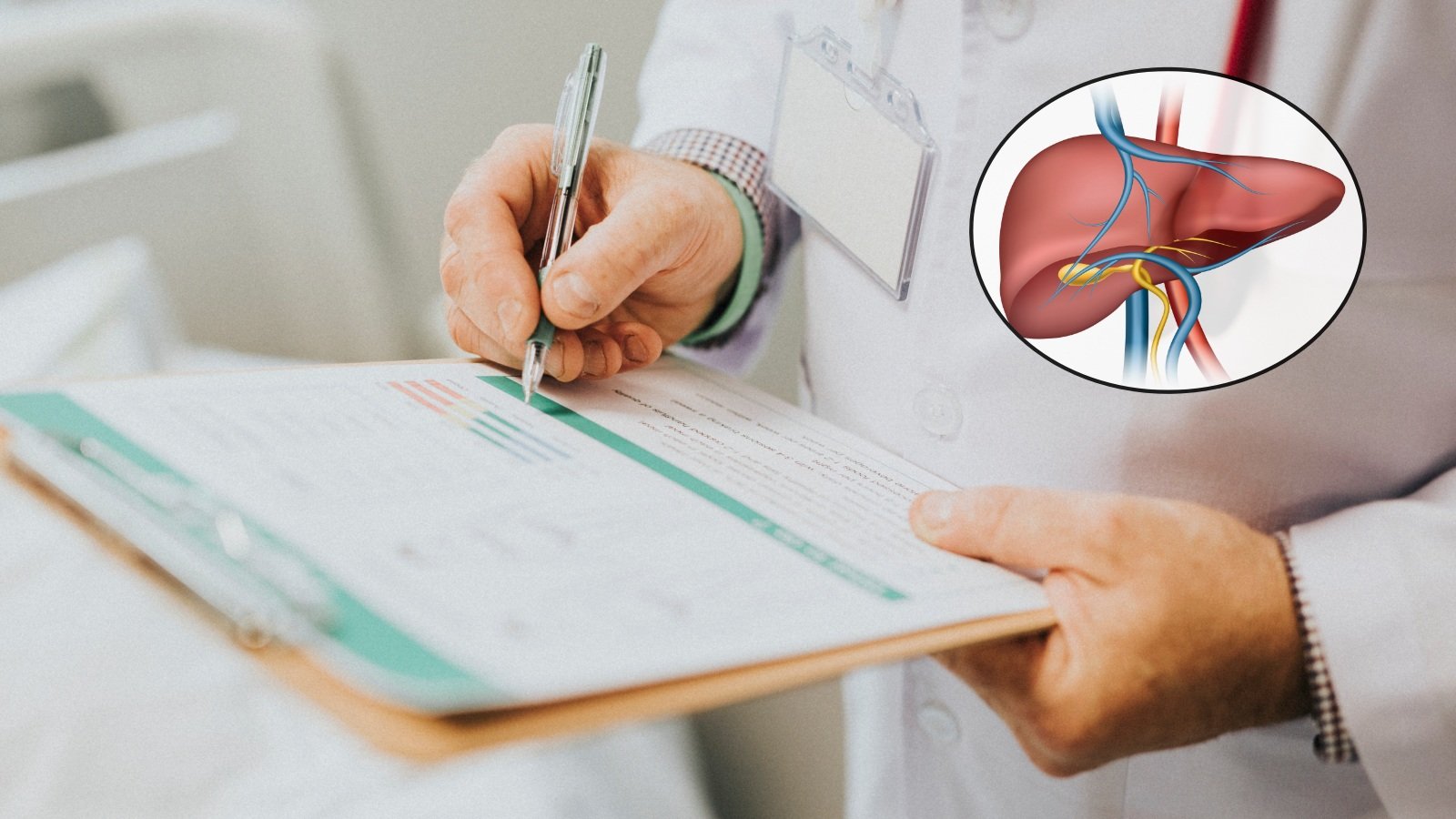
A bilirubin level of 2.3 mg/dL in an asymptomatic person is often mild and may be harmless (Images: Freepik)
Whether or not you know how to interpret your medical reports with absolute precision, elevated levels of any of the mentioned parameters can strike panic. One such common medical term that might raise suspicion is bilirubin, which is commonly assumed to rise in cases of liver distress.
One such confused internet user shared his experience on Quora, seeking answers. The query read: ‘I had a bilirubin total of 2.3mg/dl, but I don’t have any symptoms. Could it be serious?’
We decided to dig deeper and reached out to Dr Chetan Kalal, Assistant Director Hepatologist at Gleneagles Hospital Parel, who assures that this number on its own is not necessarily a cause for alarm.
“A routine blood test showing total bilirubin of 2.3 mg/dL can create unnecessary anxiety, especially in someone who feels perfectly healthy,” the liver specialist explains. “While this value is above the usual normal range, it does not automatically indicate serious liver disease.”
DISCLAIMER: This article is based on information from the public domain and/or the experts we spoke to. Always consult your health practitioner before starting any routine.
What does bilirubin actually indicate?
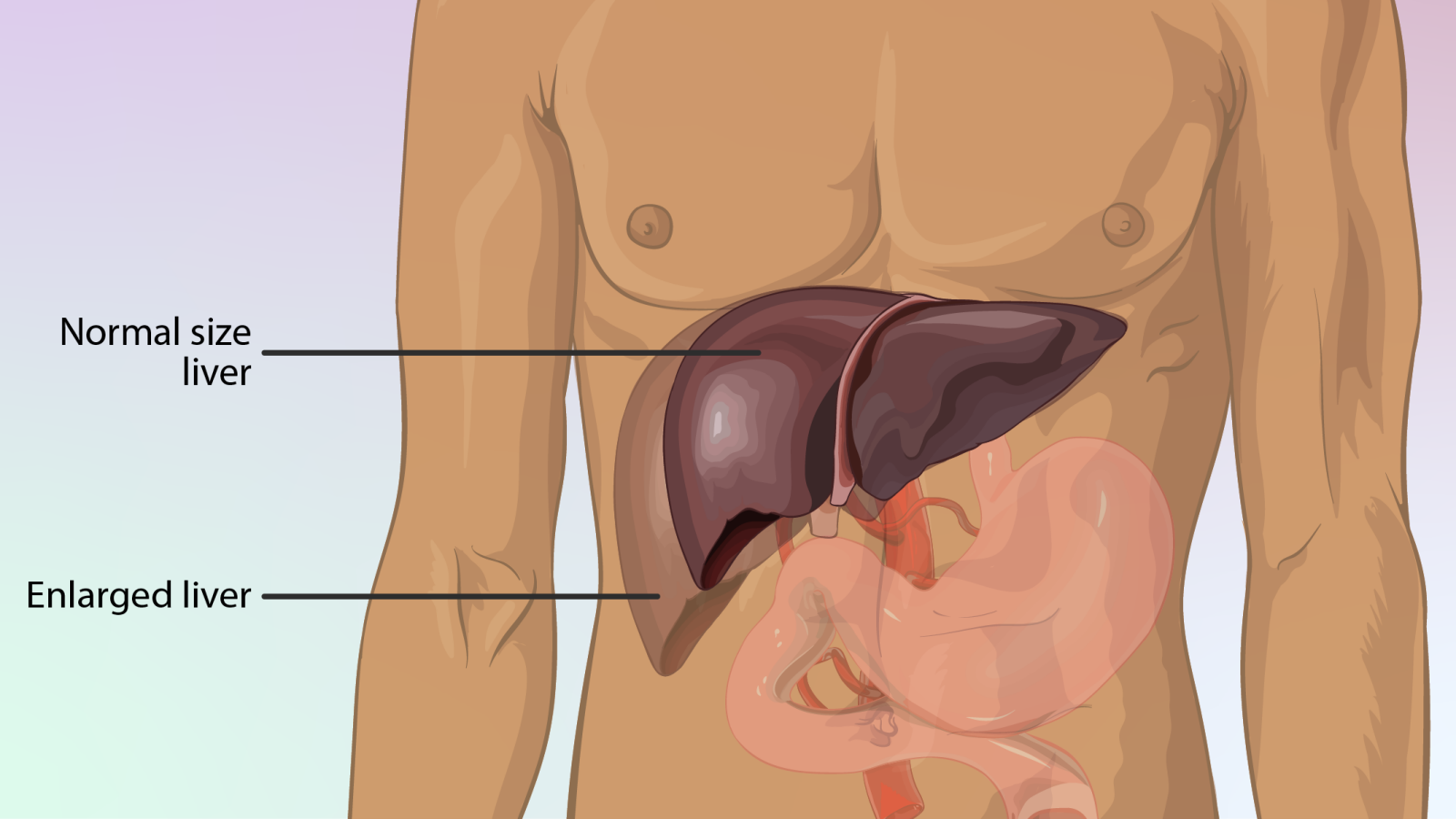 Even if a person has no symptoms, persistent or rising bilirubin levels should be medically reviewed (Image: Wikimedia commons)
Bilirubin is a yellow pigment produced when red blood cells break down. The liver processes it and helps remove it from the body. So, when levels rise, it can sometimes hint at liver-related issues—but not always.
One of the most common benign causes of elevated bilirubin levels is Gilbert syndrome, a mild inherited condition.
Story continues below this ad
“People with Gilbert syndrome are otherwise healthy and may show mildly elevated bilirubin levels during fasting, stress, dehydration, illness, lack of sleep or strenuous exercise,” says Dr Kalal.
He further clarifies that this condition is not dangerous, doesn’t cause liver damage, and usually requires “no treatment.”
Even without Gilbert syndrome, bilirubin levels can fluctuate due to everyday factors such as :
- Mild dehydration
- Fasting or crash dietingRecent viral illness
- Intense physical exertion
- Certain medications
- Increased breakdown of red blood cells
- Early liver or bile duct conditions
Also Read | ‘What are the potential risks of taking high-dose vitamin D supplements for an extended period of time?’
When should your bilirubin count worry you?
While a single elevated reading may not mean much, persistent or rising levels should not be ignored.
Story continues below this ad
“The key question is not just how high the bilirubin is, but what type of bilirubin is elevated and whether other liver markers are normal,” Dr Kalal emphasises.
Seek medical attention if you notice symptoms such as:
- Yellowing of eyes or skin
- Dark urine
- Pale stools
- Abdominal pain
- Fever
- Fatigue or loss of appetite
- Unexplained weight loss
If you have been experiencing any of these, doctors may recommend following tests to find out the exact cause:
- Direct and indirect bilirubin levels
- Liver enzymes (AST, ALT, ALP, GGT)
- Complete blood count
- Tests for red blood cell breakdown
- Albumin and INR
- Ultrasound abdomen, if needed
“A bilirubin level of 2.3 mg/dL in an asymptomatic person is often mild and may be harmless, especially if all other tests are normal. However, it should not be ignored without proper interpretation,” Dr Kalal concludes.
DISCLAIMER: This article is based on information from the public domain and/or the experts we spoke to. Always consult your health practitioner before starting any routine.
LifestyleNews
Ira Khan discusses mental health, calls husband Nupur Shikhare empathetic: ‘Kabhi kabhi, woh mere depression se thak jaata hai’
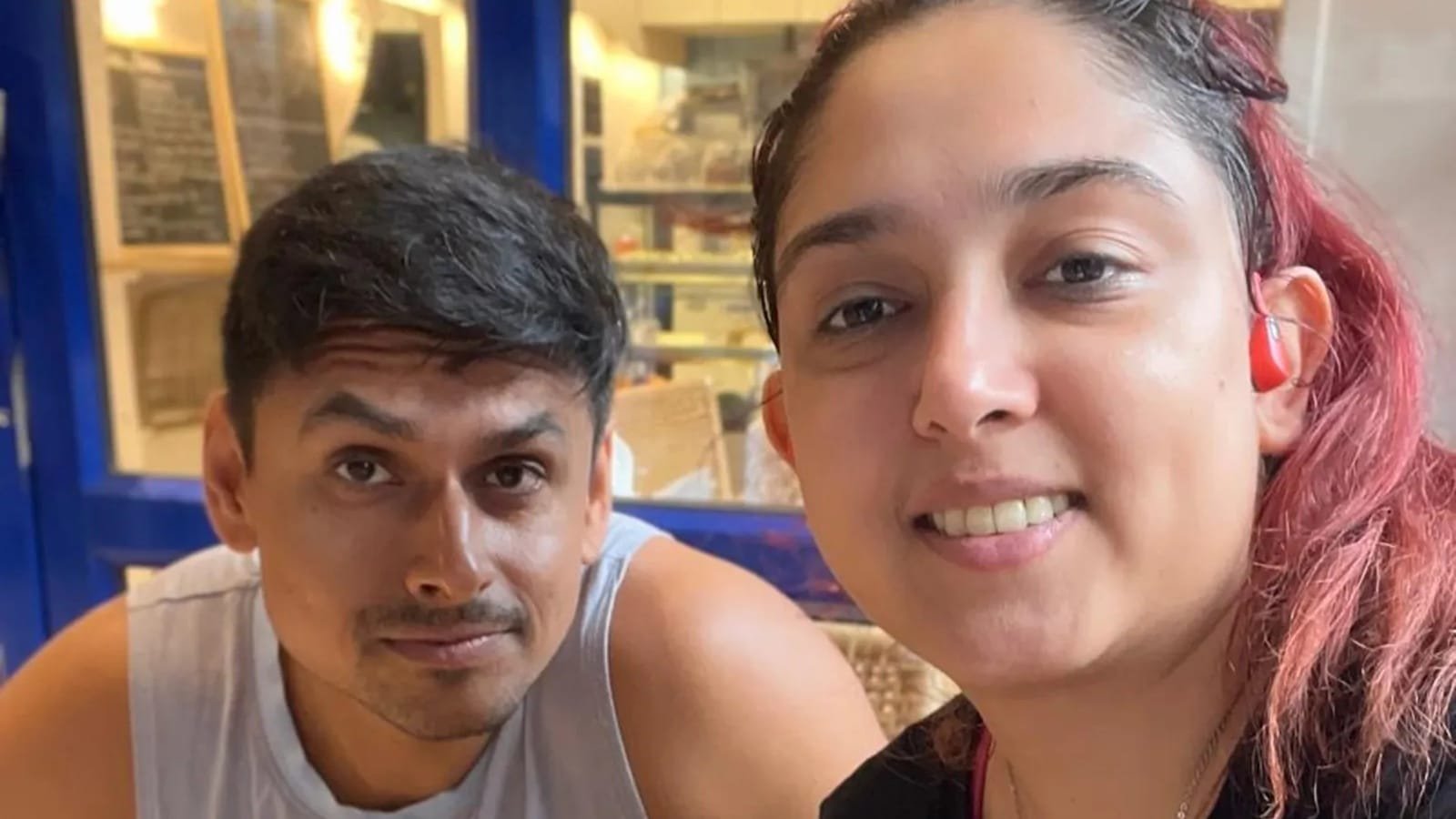
Ira Khan recently opened up about having “cyclical depression,” adding that her husband, Nupur Shikhare, is empathetic. “We have arguments. Kabhi kabhi, woh mere depression se thak jaata hai (Sometimes, he gets tired of my depression). I have cyclical depression…it comes in phases…sometimes, there are dips. Both of us are now better at catching them,” she mentioned in a chat with Vibhor Adnani on his Instagram page, Shutter Bonsai.
Nupur added, “You want to call it depression or whatever…You keep it. I don’t understand….all I understand is that you are in pain. So, we’ll do whatever is needed for that. We’ll fight with this together.”
Ira, who is actor Aamir Khan’s daughter, added, “I think in words. He thinks in feelings. He’s very empathetic.”
Depression is not always constant, said psychotherapist and life coach Delnna Rrajesh. “For many individuals, especially those with recurrent or cyclical depression, it comes in phases. There are periods of emotional heaviness, low motivation, withdrawal, and numbness or exhaustion, followed by phases where things feel relatively stable again. From a psychotherapy perspective, this unpredictability can be difficult for both the individual and their partner. Because just when things seem better, the cycle may return,” expressed Delnna.
From a mental health and emotional intelligence perspective, caregivers often experience emotional fatigue, helplessness when nothing seems to work, and guilt for feeling exhausted. “There may be confusion about how to respond. This is rarely spoken about,” shared Delnna.
 Here’s how support matters (Photo: Freepik)
Supporting someone with depression requires emotional awareness, boundaries, and sustainable care. “Not just effort,” said Delnna.
Understand without trying to fix
You do not always need solutions. From an emotional healing perspective, feeling seen reduces isolation.
Do not take their low phase personally
Story continues below this ad
When someone withdraws or becomes quiet, it is often their internal struggle, not a reflection of the relationship.
From a relationship psychology perspective, separating the person from the condition is essential.
Encourage professional support without forcing it
Therapy, counselling, and structured mental health support are crucial. A partner can support, but cannot replace professional help.
Create small anchors, not big expectations
Instead of trying to “lift them up,” focus on small, manageable actions:
*a short walk
*a meal together
*sitting in silence
From a mental health perspective, consistency matters more than intensity.
Take care of our own emotional health
Story continues below this ad
This is the most important and most ignored step.
If you are constantly giving without refilling, burnout is inevitable.
Support yourself through:
* your own emotional outlets
* boundaries around energy
* time to rest and recharge
From an emotional intelligence perspective, you cannot pour from an empty space.
Normalise honest conversations
It is okay to say:
“I am here for you… and I also feel overwhelmed sometimes.”
This creates a space of honesty, not silent pressure.
When Ira Khan acknowledged that her partner gets tired sometimes, she did something powerful. “She normalised both sides of the experience. The one who is struggling. And the one who is supporting. Because real love is not just about standing strong. It is also about allowing space for vulnerability on both sides.”
View this post on Instagram
If you are supporting someone through depression, remember this:
*Your presence matters.
*But your well-being matters too.
*And sometimes, the strongest form of love is not trying to carry everything.
*It is learning to walk beside each other… even on the difficult days.
Story continues below this ad
DISCLAIMER: This article is based on information from the public domain and/or the experts we spoke to. Always consult your health practitioner before starting any routine.
LifestyleNews
Soha Ali Khan learns why sleeping on the tummy could be ruining women’s skin health: ‘I find myself flat on my face most times’
Pulmonologist Dr Viny Kantroo recently mentioned in a conversation with actor Soha Ali Khan that while most people love to sleep on their tummy, for women, it may not reflect well on their skin health. “Sleeping on your belly may not be good for women because they have poorer skin health when they sleep on their tummy. You get puffy eyes because the level of circulation, which happens when you sleep on your tummy, is lower. You compare yourself to yourself sleeping on your tummy one night and on your back the other night. There is a marked difference which is seen on your face,” she told Khan on her YouTube chat show.
DISCLAIMER: This article is based on information from the public domain and/or the experts we spoke to. Always consult your health practitioner before starting any routine.
Soha also agreed with her observation and shared, “I have tried, but I find myself flat on my face most times.”
To verify, we reached out to experts.
 Here’s what you should consider (Photo: Freepik)
While skincare routines are important, factors like pressure and fluid distribution during sleep also affect the skin, emphasised Dr Ajay Dodeja, junior consultant, dermatology, KIMS Hospitals, Thane.
“The way your face presses against a pillow for hours can influence puffiness, creasing, and the overall look of your skin,” added Dr Dodeja.
Why is sleeping on the stomach linked to puffiness or dull-looking skin?
According to Dr Dodeja, sleeping face down puts constant pressure on the skin, which can block lymphatic drainage and cause fluid to build up, especially around the eyes. “This can lead to morning puffiness, mild swelling, and noticeable sleep lines or creases. Continuous pressure over time may make these lines more visible,” described Dr Dodeja.
Story continues below this ad
Is sleeping on the back or side a better option?
Sleeping on your back is typically the best position for your skin because it avoids directly pressing your face. “Side sleeping is better than stomach sleeping, but it can still create uneven pressure on one side of the face. Over time, consistently sleeping on one side might cause fine lines or slight asymmetry.”
Can sleeping position affect long-term skin ageing?
Yes, but the effect is gradual and subtle. “Ongoing pressure on the skin can lead to ‘sleep lines’, which are different from expression lines. As the skin loses elasticity with age, these lines may become more noticeable if the habit continues for years,” said Dr Dodeja.
What can people do if they can’t change their sleeping position easily?
Story continues below this ad
Not everyone can change their sleep position right away, and that’s okay. Small changes can help reduce the impact:
*Use a soft, clean pillowcase like satin or silk to lower friction.
*Keep the skin well-moisturized at night to support barrier function.
*Elevate the head slightly to reduce fluid buildup around the eyes.
*Practice good sleep hygiene and stick to a consistent sleep schedule.
Are puffy eyes always linked to sleeping position?
No, remarked Dr Dodeja, mentioning that under-eye puffiness can also come from factors like lack of sleep, high salt intake, allergies, sinus congestion, or dehydration. Sleeping position is just one of many factors.
DISCLAIMER: This article is based on information from the public domain and/or the experts we spoke to. Always consult your health practitioner before starting any routine.
LifestyleNews
‘Why do some people with type 2 diabetes manage with just diet and exercise while others need insulin?’
Have you ever, like this Quora user, wondered why some people with type 2 diabetes manage with just diet and exercise, while others need insulin? To gain an insightful understanding, we reached out to Dr Vijay Negalur, HoD of Diabetology at KIMS Hospitals, Thane, who emphasised that type 2 diabetes isn’t the same for everyone.
“Many people, especially in the early stages, still produce insulin but don’t use it effectively. This issue is called insulin resistance. With a proper diet, regular exercise, and weight management, the body can respond better to insulin. This helps keep blood sugar levels stable without medication,” said Dr Negalur.
DISCLAIMER: This article is based on information from the public domain and/or the experts we spoke to. Always consult your health practitioner before starting any routine.
Then why do some people still require insulin?
Over time, the pancreas, which makes insulin, can become worn out. “For some people, this decline happens more quickly, meaning their body doesn’t produce enough insulin. Once this happens, lifestyle changes alone may not be enough, and insulin or other medications may be necessary to keep glucose levels healthy,” described Dr Negalur.
What factors influence who will need insulin?
Several factors play a role. How long someone has had diabetes is important. “The longer the duration, the more likely insulin production may decrease. Genetics, age at diagnosis, body weight, and overall metabolic health also affect this. For example, someone diagnosed at a younger age or with very high blood sugar levels initially might require early medical intervention.”
 Do you struggle with belly fat? (Photo: Getty Images/Thinkstock)
Does needing insulin mean the condition is severe or poorly managed?
Not at all, clarified Dr Negalur. “There’s a common myth that needing insulin indicates failure or that it is a ‘last resort’. In reality, it is just another method to control blood sugar effectively. Many people experience diabetes as a progressive condition, and treatment often needs to change over time,” said Dr Negalur.
 Here’s the query we got a response to (Photo: Quora)
What to note?
The goal remains the same: stable blood sugar levels and preventing complications.
Story continues below this ad
“Whether managed through lifestyle changes alone or with insulin, regular monitoring, a balanced diet, physical activity, and medical guidance are crucial. The approach may vary, but the desired outcome is the same: long-term health and quality of life.”
DISCLAIMER: This article is based on information from the public domain and/or the experts we spoke to. Always consult your health practitioner before starting any routine.
LifestyleNews
Death doulas are changing how the world and India approach dying: Why this end-of-life care is gaining attention
Death is a subject that most of us avoid talking about and want to brush under the carpet most of the time. But we often forget that all of us, our parents, dearest siblings, partners, friends, and every other being, are finite. In the vast ocean of death literacy, ‘death doulas’ are gradually bringing compassion, presence, and dignity to people’s lives. Recently, Hollywood actor Nicole Kidman revealed that she is learning and training to become a death doula after losing her mother, Janelle Ann Kidman, in September 2024 at the age of 84. During a HISTORYTalks event in Philadelphia, she shared, “It’s helping people in the end stage of life. It’s helping the families. It’s being present, impartial. I think it’s fascinating. It’s, it’s really fascinating, it’s very beautiful, and you have to be a certain personality to be able to do it, but I found out that I’m actually that personality.”
DISCLAIMER: This article is based on information from the public domain and/or the experts we spoke to. Always consult your health practitioner before starting any routine.
She mentioned that people often suffer in the last few days of their lives. “There is always suffering in life, right? But if there are people there who can help with that and make those final stages less painful, you can feel the connection and the love, and that is a lovely thing to be able to do. So that’s what I’m exploring.”
She went on to share how death doulas are a “huge necessity” in modern life, considering longer life expectancies, loneliness, and the way in which “people are treated in (that) stage of life”.
 Nicole Kidman lost her mom in October 2024 (Photo: Nicole Kidman/Instagram)
She is not the only one. Director Chloe Zhao admitted to training to be a death doula to help her overcome fears around death.
In most Indian urban households today, death has moved from the home to the hospital. Families dealing with a terminal diagnosis are managing medical decisions, financial strain, and their own grief all at once, often with no one guiding them through what is actually happening emotionally. “The dying person, meanwhile, is frequently sedated, surrounded by machines, and spoken about rather than spoken to. Death doulas are the ones who support the idea that how a person dies matters as much as the quality of care they received while living,” described Dr Chandni Tugnait, MD (A.M), psychotherapist, life alchemist, coach, and healer, founder and director, Gateway of Healing.
All the death doulas
Families are overwhelmed, doctors are focused on the clinical, and the person at the centre of it all is frequently left without anyone whose sole purpose is simply to be there with them, without an agenda, without paperwork, and without the need to fix anything. “This is the gap that death doulas step into,” mentioned Dr Tugnait.
Story continues below this ad
A death doula, sometimes called an end-of-life doula or death midwife, is a trained non-medical companion who supports a dying person and their family through the process of death. “Their work includes helping someone articulate what kind of death they want, facilitating difficult conversations between family members, holding space during the final hours, and guiding families through the immediate period after death. “They are not there to manage symptoms or administer medication. They are there to ensure that the experience of dying is humane, considered, and as closely aligned to the wishes of the person dying as possible,” said Dr Tugnait.
Udaipur-based Bhawna Jain was working as a nurse in oncology and used to see deaths from close quarters. After she left nursing, she started homeschooling her children, and it was then that she started reading more about death. “I started reading and started helping relatives and people on my own. We have midwives to support a mother and child, and we feel safe when someone is holding that space. Just like delivering a baby, the dying person also has a labour. So, I facilitate that space as a death doula, as a channel, from 2022 for active dying, which includes even understanding signs, like not force-feeding people when someone’s health is deteriorating,” Jain, 49, said.
What it actually means to die with dignity
Dying with dignity does not simply mean dying without pain, though that matters enormously. It means having your preferences heard and respected. It means not being alone unless you want to be. It means being able to say what needs to be said, and being treated as a full human being rather than a patient at the end of a clinical process. “Death doulas are trained to hold all of this, practically and emotionally, in ways that exhausted family members and time-pressured medical staff simply cannot,” described Dr Tugnait.
Jain mentioned, “This is not a negative space. It is something that is steeped in the science of care. I try to make the people and their families try and accept the eventuality,” said Bhawna, who doesn’t charge for the same.
Story continues below this ad
Kacie Gikonyo, a 42-year-old based in Cleveland, Ohio in the United States, is a registered nurse, death doula, and death educator. While she has been working as a death doula since 2022, she has been in “end-of-life care since 2011 through my work as a nurse”.
A death doula provides non-medical support to individuals who are dying, as well as their loved ones, as they navigate terminal illness, the dying process, and grief. “My work typically begins months before death, often six months to a year in advance, and focuses on helping people prepare emotionally, practically, and psychologically for what’s ahead,” she described.
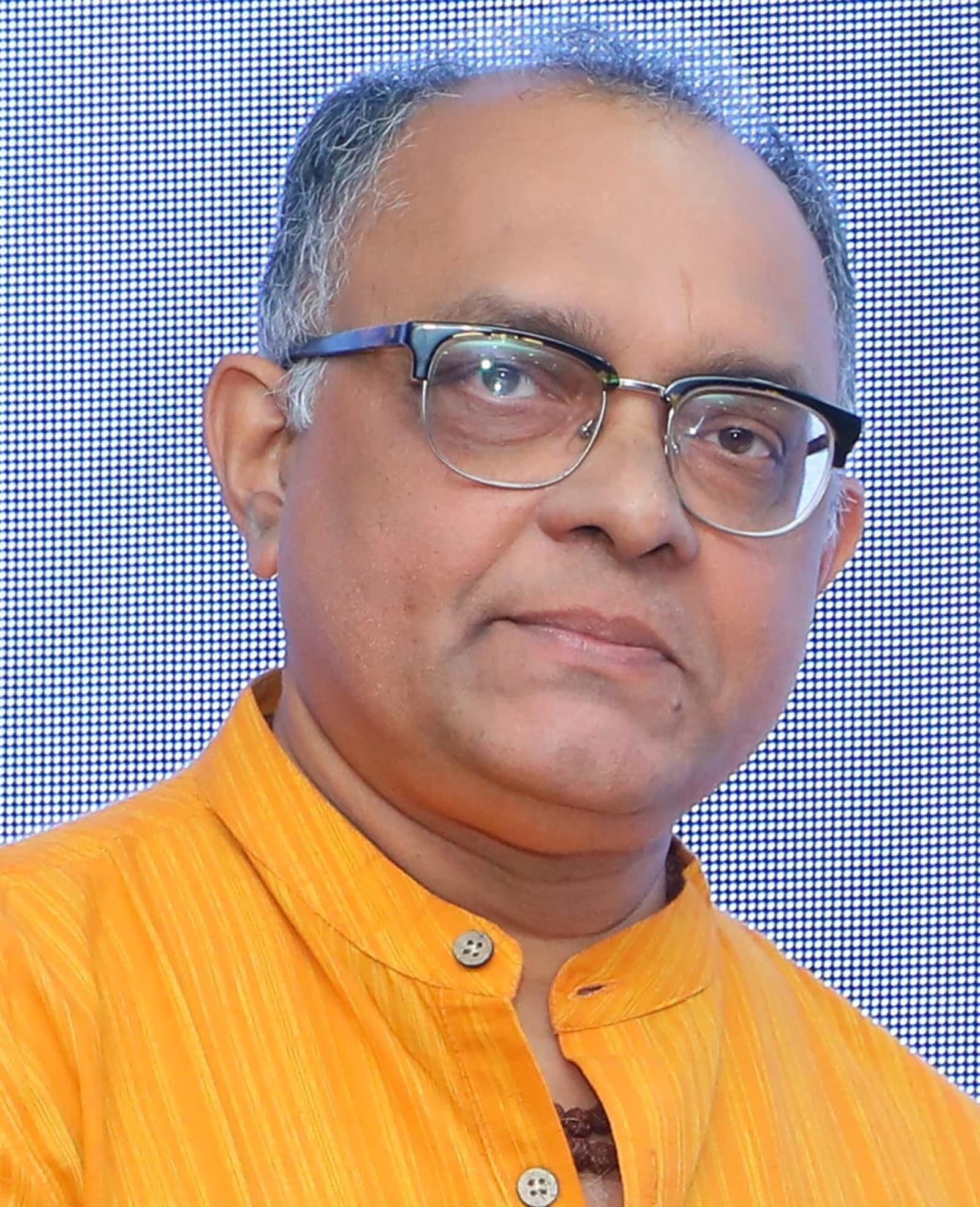 Abhijit Dam (Photo: Abhijit Dam)
Kacie supports her clients in “creating end-of-life plans, understanding what to expect as the body changes, and making informed decisions about their care”. “A large part of my role is helping people maintain a sense of autonomy and control during a time that often feels uncertain. I also help them focus on living fully in the time they have left, not just preparing to die,” she mentioned.
So, her support includes “emotional, spiritual, educational, practical, and logistical care”. “This can look like facilitating legacy projects, helping coordinate additional caregiving services, guiding families through the healthcare system, and providing clear, honest education about the dying process. I work alongside hospice and medical teams, complementing the care they provide by focusing on the human experience of dying,” she told indianexpress.com.
Story continues below this ad
No two days in this work look the same. “Some days I am sitting with an individual having meaningful conversations or working on a legacy project. Other days, I am at the bedside, holding space and supporting both the individual and their family as death approaches. At times, that means simply being present and ensuring no one feels alone,” she expressed.
 Families dealing with a terminal diagnosis are managing medical decisions, and financial strain (Photo: Freepik)
Kacie is also the founder of Death Doula School, an international training programme that has educated death doulas around the world. “Through this work, I provide education, mentorship, and guidance to those entering the field. In addition, I teach and speak at hospitals, healthcare systems, and universities to help bridge the gap between healthcare and deathcare and to improve how we approach end-of-life care as a whole,” she asserted.
At its core, her work is about changing the way people understand and experience death. According to Kacie, who is also the author of Laboring Out of Life: A Death Doula’s Approach to Intentional End-of-Life Care which is expected to be published in September this year (and available for pre-oder), when people are supported, informed, and “given space to approach death intentionally, it can become less chaotic and more meaningful, not just for the person who is dying, but for everyone who loves them”.
Notably, her book expands on her work as a nurse and death doula, offering both practical guidance and a new perspective on how to approach death, dying, and the final chapter of life.
Story continues below this ad
Dr Abhijit Dam, a palliative care specialist who did his MD from AIIMS in 1995, and founder of Kosish-The Hospice in Jharkhand (2004), has been doing a similar work in India’s rural and tribal populations.
“Since my early days, I was fascinated by technology and intensive care. I shifted to Bokaro, and started working with Steel Authority of India, and went there to start their ICU. I was working in the ICU. That was my passion at that time to try to save lives. Over the years, by 2003-04, I suddenly started realising that instead of actually saving lives, what I was actually doing was causing deaths that were painful, lonely, and undignified. People would die in the ICU beds hooked onto ventilators and life-sustaining equipment, devoid of their dignity in vain, with a financial drain on their whole family. That got me thinking that this wasn’t the way that one should die. And that prompted me to embrace palliative care, and I went to Poland to begin my training in the same,” he recalled.
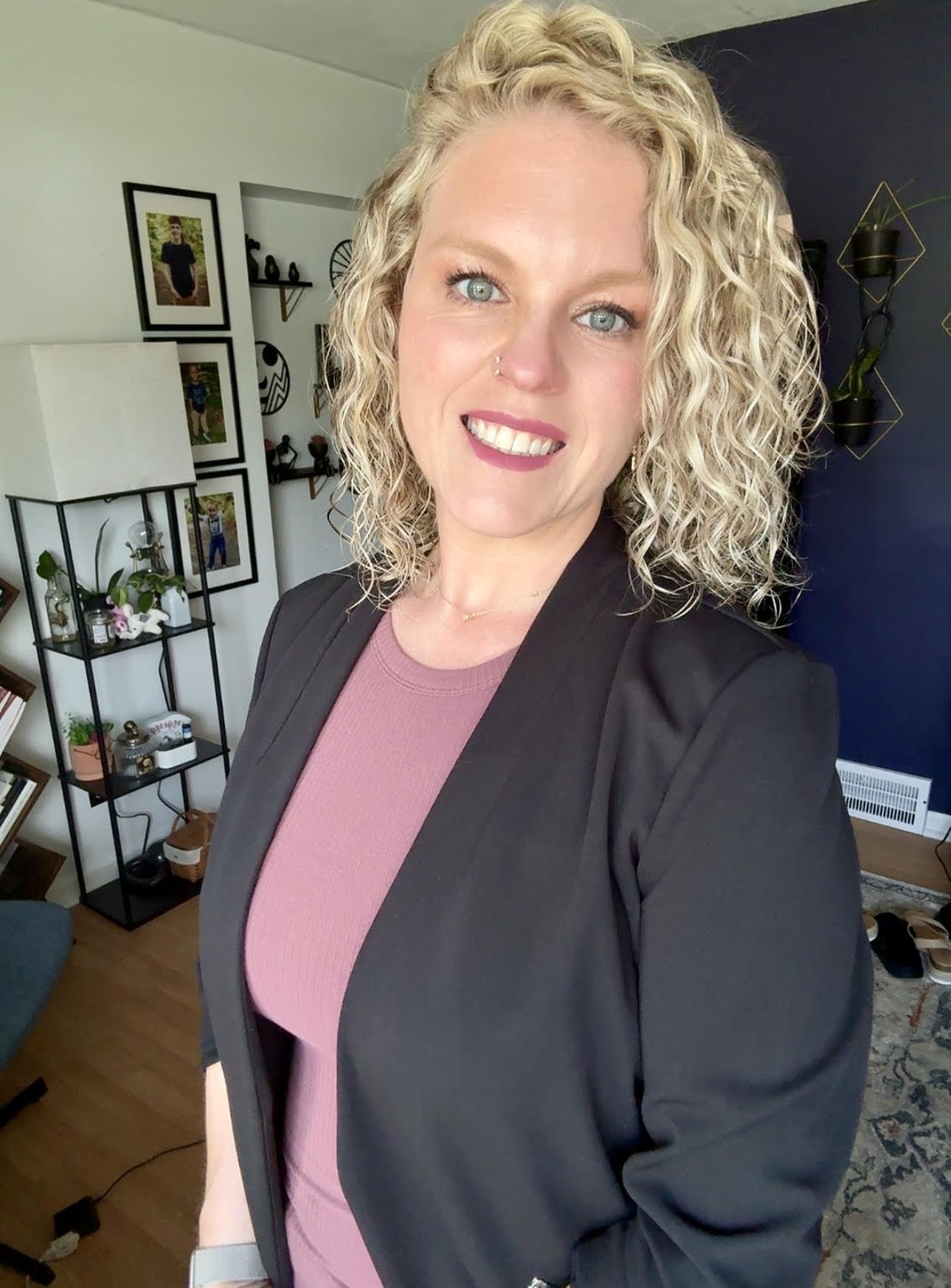 Kacie Gikonyo (Photo: Kacie Gikonyo)
Despite being a strong atheist at that time, he shared that he “read the Vedas, Upanishads, and did advanced courses”, along with studying compassionate end-of-life care. “I am a very scientific person, so I decided to understand the principles of Quantum physics. That too believes that consciousness never dies. The last few days of our lives are very important. In this modern society, people die with neglect and out of loneliness. So, who looks after them? So, I created my own hospice in Jharkhand and started training the village women who were otherwise neglected,” he mentioned.
In 6-month batches, they are taught how to look after and care for bedridden patients so that they don’t die alone and feel supported. “Now, we have the 10th batch enrolled. They were being taught, trained, the passouts were called Farishteys,” he said.
Story continues below this ad
It led him to found the International Death Doula Foundation in 2023, which offers a “culturally appropriate” death doula course in India with its emphasis on the teachings of Quantum Physics, palliative medicine, and spirituality. “So that people from all phases of life..not necessarily healthcare professionals…are taught these things,” said Dr Dam, who also founded the National Association for Palliative Care for Ayush and integrated medicine.
Indian culture has never been afraid of death in the abstract. “Rituals, prayers, and ceremonies around dying are woven deeply into almost every tradition here, and yet, in the very personal, very human experience of sitting with someone who is actively dying, there is often a profound absence,” expressed Dr Tugnait.
Also Read | Are more women being diagnosed with gallbladder stones around pregnancy?
“The concept of death doulas is still new in India, concentrated mostly in metros like Mumbai, Bengaluru, and Delhi, and largely accessed by urban, educated families. But the conversations are beginning, and a generation that has watched parents and grandparents die in hospital corridors is starting to ask whether there is a better way,” reiterated Dr Tugnait.
DISCLAIMER: This article is based on information from the public domain and/or the experts we spoke to. Always consult your health practitioner before starting any routine.
LifestyleNews
Soha Ali Khan discusses latest blood report, says a gene makes her predisposed to heart disease: ‘I have to keep my cholesterol even lower’

Soha Ali Khan, 47, recently opened up about her latest blood work, sharing that she has a gene that makes her “predisposed to heart disease”. “I am so obsessed with being healthy. I have been told that the Mediterranean diet is the healthiest. I just did my blood test. My LDL, which is the bad cholesterol, is good; it is low, and HDL, which is the good cholesterol, is high, which is good, but I have a gene that is genetically predisposed to heart disease. I have to keep my cholesterol even lower than normal. But I have always been into eating healthy, and I thought this diet….which is about fresh food, lean protein, and the fats, oils we use. At some point, we all had vegetable oils, and Kunal (Kemmu; husband) said, out with them and…seed oils are what you should be cooking with,” she told chefs Ranveer Brar and Garima Arora on her YouTube podcast.
DISCLAIMER: This article is based on information from the public domain and/or the experts we spoke to. Always consult your health practitioner before starting any routine.
What does her report actually mean?
Dr Parin Sangoi, consultant interventional cardiologist, Wockhardt Hospitals, Mumbai Central, noted that predisposition means the body may have a higher natural tendency to develop heart issues, even if routine reports look fine. “In these cases, factors like cholesterol should be kept under tighter control. A person may have normal or good levels but may still need to lower them to reduce long-term risk.”
He mentioned that a growing number of people are realising that even with “good” reports, genetics can still affect heart health. This often leads to stricter lifestyle choices and more thoughtful eating.
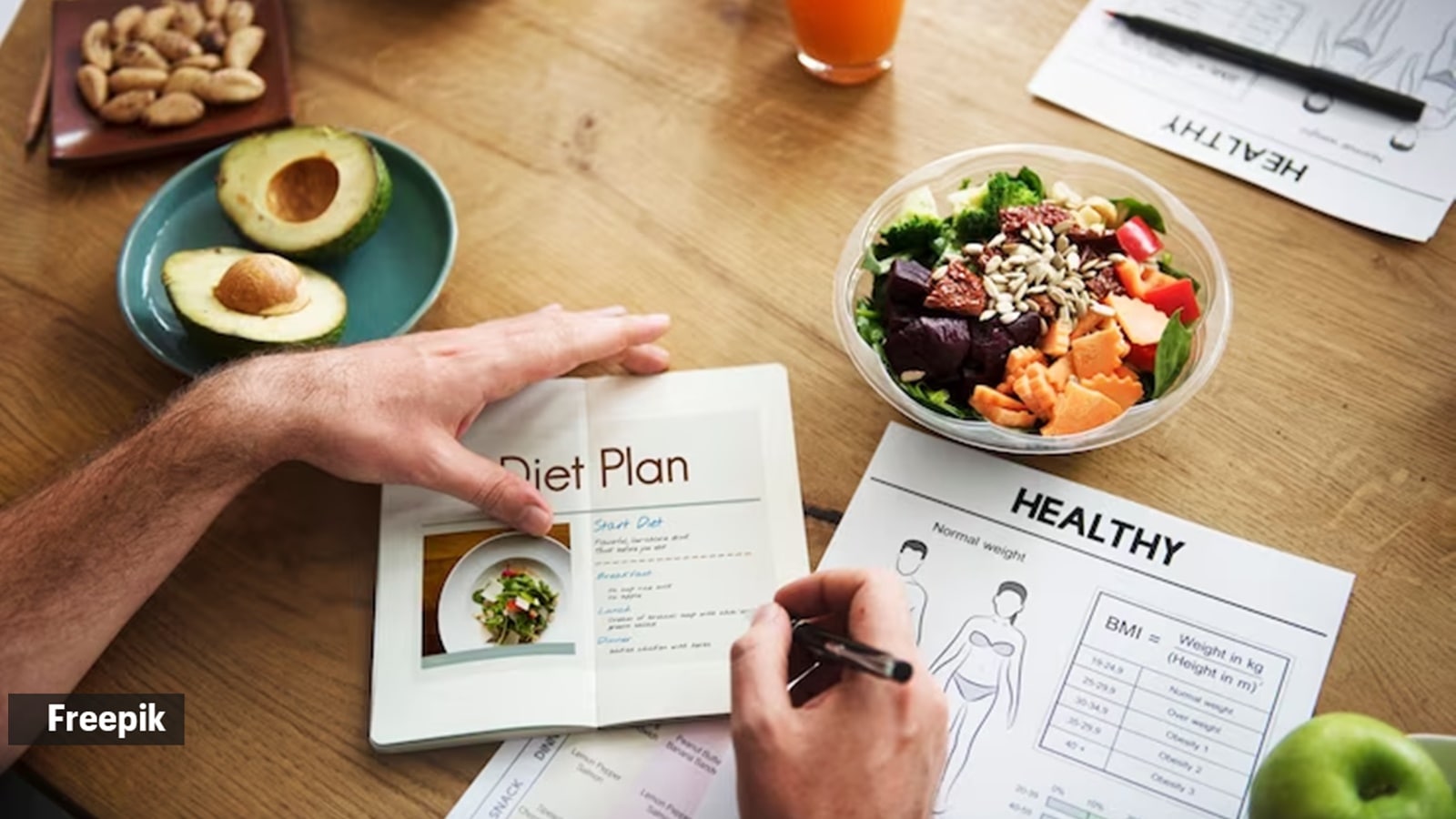 Here’s what you should consider (Photo: Freepik)
If LDL is low and HDL is high, is there still a concern?
While those are positive signs, genetics can change the target range. “For someone with a family or genetic risk, doctors often recommend even lower LDL levels. It is not about panic but about being proactive and preventing future complications,” said Dr Sangoi.
Does following a ‘healthy diet’ like the Mediterranean pattern help?
Yes, a diet focused on fresh foods, lean protein, nuts, seeds, and healthy fats supports heart health. It helps control cholesterol, reduce inflammation, and maintain overall balance. Consistency matters more than occasional healthy choices.
Are seed oils better?
Story continues below this ad
The focus should be on using oils in moderation and choosing those with better fat profiles. “Instead of heavily processed or repeatedly heated oils, it is better to use fresh oils and rotate options like olive oil, mustard oil, or other balanced choices. The way oil is used often matters as much as the type,” said Dr Sangoi.
Even with a strong focus on health, regular check-ups and small adjustments can make a big difference. “When genetics is involved, staying informed and consistent becomes the real advantage,” said Dr Sangoi.
DISCLAIMER: This article is based on information from the public domain and/or the experts we spoke to. Always consult your health practitioner before starting any routine.


Is antisemitism a national security emergency? #BBCNews


Mainoo signs new Man Utd deal until 2031
Image source, Getty Images ByAdwaidh Rajan BBC Sport journalist 30 April 2026, 12:04 BST 127 Comments Updated 20 minutes...


Maritime spies catch $800M oil scheme as Trump’s naval blockade squeezes Tehran and more top headlines
NEWYou can now listen to Fox News articles! Good morning and welcome to Fox News’ morning newsletter, Fox News...


Bodycam footage shows police arrest suspect after stabbing of Jewish men
The Metropolitan Police has released bodycam footage of the moment police apprehended the man suspected to have stabbed …


Israeli military boards aid flotilla bound for Gaza
Israeli forces intercepted an aid flotilla in international waters bound for Gaza Wednesday night. The flotilla left Barcelona on April...


Burnley want Bellamy after Parker leaves
Image source, Getty Images BySami Mokbel, Senior football correspondent, Dafydd Pritchard, BBC Sport Wales and Josh Lobley, BBC Sport journalist 30 April 2026, 10:04 BST...


Antisemitism ‘a national security emergency’, government terror adviser says
Antisemitism ‘a national security emergency’, government terror adviser says 8 minutes ago Sofia Ferreira Santos Attacks on Jewish people...


The 92mph England fast bowler ready to move on from difficult debut
Image source, Getty Images By Stephan Shemilt Cricket Correspondent 2 hours ago 69 Comments Sonny Baker has just started...

15 delicious high-protein foods that will make hitting your protein goals a breeze
I find getting enough protein daily challenging. “Protein is essential for building and repairing every cell in your body,”...


Hereditary peers’ last hurrah as 700-year-old system abolished
Hereditary peers’ last hurrah as 700-year-old system abolished 20 minutes ago Jennifer McKiernan,Political reporterand Joshua Nevett,Political reporter Getty Images...
-

 Entertainment2 weeks ago
Kiss Cam Woman Kristin Cabot Says Chris Martin ‘Never’ Checked On Her After Viral Boss Scandal Ruined Her Career
-

 Video2 weeks ago
Keir Starmer 'furious' he wasn't told about Mandelson failed security vetting | BBC Newscast
-

 Video2 weeks ago
Debate: Who's right about gas prices, Trump or Americans?
-

 Video2 weeks ago
Tell me how to feel about space | The Assignment
-

 BBC News World2 weeks ago
Turkish police detain 162 people over online posts about school shootings
-

 Video2 weeks ago
José Andrés talks about the heavy price of war on food supply
-
 Video2 weeks ago
Let grief be messy: NYTimes writer talks to Anderson Cooper about the life and death of her daughter
-

 Video2 weeks ago
‘Are politicians being honest about election promises?’ | Question Time: Wales Election Special