Connect with us

LifestyleNews

Coffee, Diet Coke, and comfort: Inside Gen Z’s world of ’emotional support’ drinks
 ​

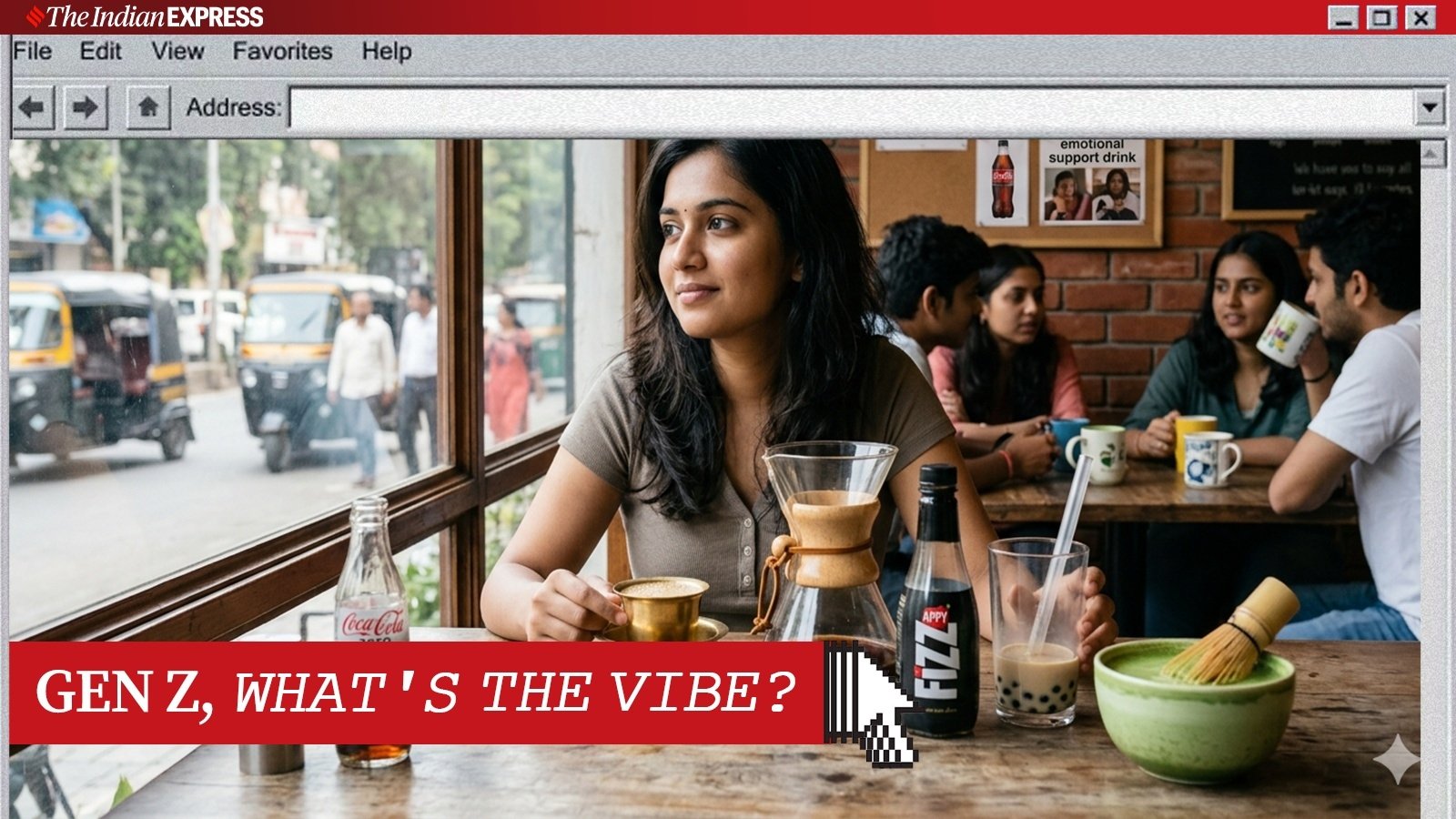
Joshua Thakur’s days are usually very hectic and planned. His mornings start at 5 am with a pour-over. “That’s non-negotiable. Life genuinely feels incomplete if I miss my morning coffee,” he tells indianexpress.com. The advertising executive from Hyderabad treats beverages like “emotional support”, something that helps him stay on track. “They’re like little indicators or rewards I earn after I finish a task,” he says. And when the afternoon slump hits, he needs at least two beverages to pull him out of it. “A pour over and a Coke Zero. One to take the edge off, one to bring it back,” he shares.

With the US-Iran War causing a Diet Coke shortage in India, Gen Z has been struggling without access to their “emotional support drink”. From memes to reels, social media is flooded with their withdrawal symptoms online. And here’s a quick video explaining why:

View this post on Instagram

Popularly labelled ‘fridge cigarette’ a few months ago, soft drinks have long been considered one of Gen Z’s go-to choices of coping mechanism. But with Diet Coke out of the picture for now, what is the youth of India turning to?

Like Thakur, Shivasree Venkateswaran also cannot start her mornings without a shot of caffeine. Her emotional support beverage is a freshly brewed filter kaapi. “I come from a Brahmin family where filter coffee is a daily ritual, so I grew up drinking it. Over time, it just became something I cannot do without,” she says, elaborating how, over the course of time, coffee became a constant in her life.

“When I started working, it slowly turned into my emotional support in a way. Whenever I feel tense or need to focus and get something done quickly, I grab a cup of coffee, sit with it, sip slowly and get into work mode,” adds the senior account executive at Milestone Pune.

What exactly is an ’emotional support’ drink?

From a psychological perspective, clinical psychologist Dr Rimpa Sarkar explains that the idea of an “emotional support drink” is less about the drink itself and more about what it represents emotionally.

“At a basic level, humans are wired to seek comfort, predictability, and small rituals when they feel stressed or overwhelmed. An “emotional support drink” becomes a symbolic coping tool, something familiar, easily accessible, and immediately soothing,” she told indianexpress.com.

Whether it is coffee, matcha, boba, or even a soft drink, it creates a sense of control in moments where emotions may feel unpredictable.

Story continues below this ad

Aaditya Sharma swears by Appy Fizz, which has a flavour profile distinct from the usual rotation and lacks caffeine. For him, it’s less about the drink and more about having one reliable thing when everything else feels uncertain. “You can always go back to that one thing and it will always be the same and bring you the same taste and comfort. Doesn’t have to be deep, it just has to be yours,” the PR professional shares.

“I made a conscious call to stay away from alcohol when I’m stressed. Do it once and the association forms; suddenly you’re reaching for it every time things get heavy, and that’s a habit I don’t want to build,” Sharma further elaborates.

Is Gen Z really not relying on alcohol?

Sharma’s statements go in line with a truth most baby boomers and millennials find it hard to digest. Despite being tagged as partyholics who cannot function without turning everything into a “fun scene” — whether that’s bhajan clubbing or a coffee rave, Gen Z has embraced the sober-curious movement with open arms. Unlike Millennials, who normalised partying and social drinking, Gen Z chooses personal well-being, effectively dismantling the “drinking = fun” myth.

Don’t believe us? The numbers speak for themselves. A 2024 UK study found that consumers aged 20 to 24 are nearly half as likely to prioritise spending on alcoholic beverages compared to previous generations. The Conversation has called Gen Z “the soberest generation.” And in 2023, only 18-20 per cent of Americans under 28 said they regularly drank alcohol, according to Statista.

View this post on Instagram

So, an emotional support (non-alcoholic) drink is just a clean option to turn to whenever life beats you down. And in certain cases, it can also be a convenient excuse to blow your money on pretty-looking cups and saucers. Bhumija Rishi loves her coffee, but more than her caffeine fix, she is a sucker for aesthetic crockery. “I love my gold and white cup. It has an old-world charm,” admits the consultant at Network18 Media and Investments Ltd.

Story continues below this ad

Going deeper

Dr Sarkar decoded a few reasons behind this trend:

Micro coping in a high stress environment: Many people today are dealing with constant low level stress. Instead of large coping mechanisms, they rely on small, repeatable habits. A drink becomes a quick emotional reset during the day.

Ritual and predictability: Having the same drink at a certain time creates structure. This predictability can calm the nervous system and reduce anxiety because it signals familiarity and routine.

Sensory regulation: The act of holding a warm cup, sipping something sweet or flavourful, and slowing down engages the senses. This can have a grounding effect and bring attention back to the present moment.

Story continues below this ad

Identity and self soothing: For many, it becomes part of their identity. Saying “this is my emotional support coffee” is also a way of acknowledging stress while normalising self soothing behaviour in a socially acceptable way.

ALSO READ | Rare drinks in India you may not know about

Social and cultural reinforcement: Social media has amplified this trend by turning everyday coping habits into relatable content. It creates a shared language around stress and comfort.

Coping mechanism — repackaged and made fun

Dr Sarkar reiterated that it is important to understand that while such habits can be helpful, they are surface level coping mechanisms. “They provide temporary relief but do not address deeper emotional concerns. And at the end of the day, the trend reflects something very real where people are looking for accessible, non overwhelming ways to regulate their emotions in daily life,” she concluded.

DISCLAIMER: This article is based on information from the public domain and/or the experts we spoke to.


Continue Reading

LifestyleNews

Vicky Kaushal’s father Sham Kaushal, 70, crushes weights in the gym
 ​

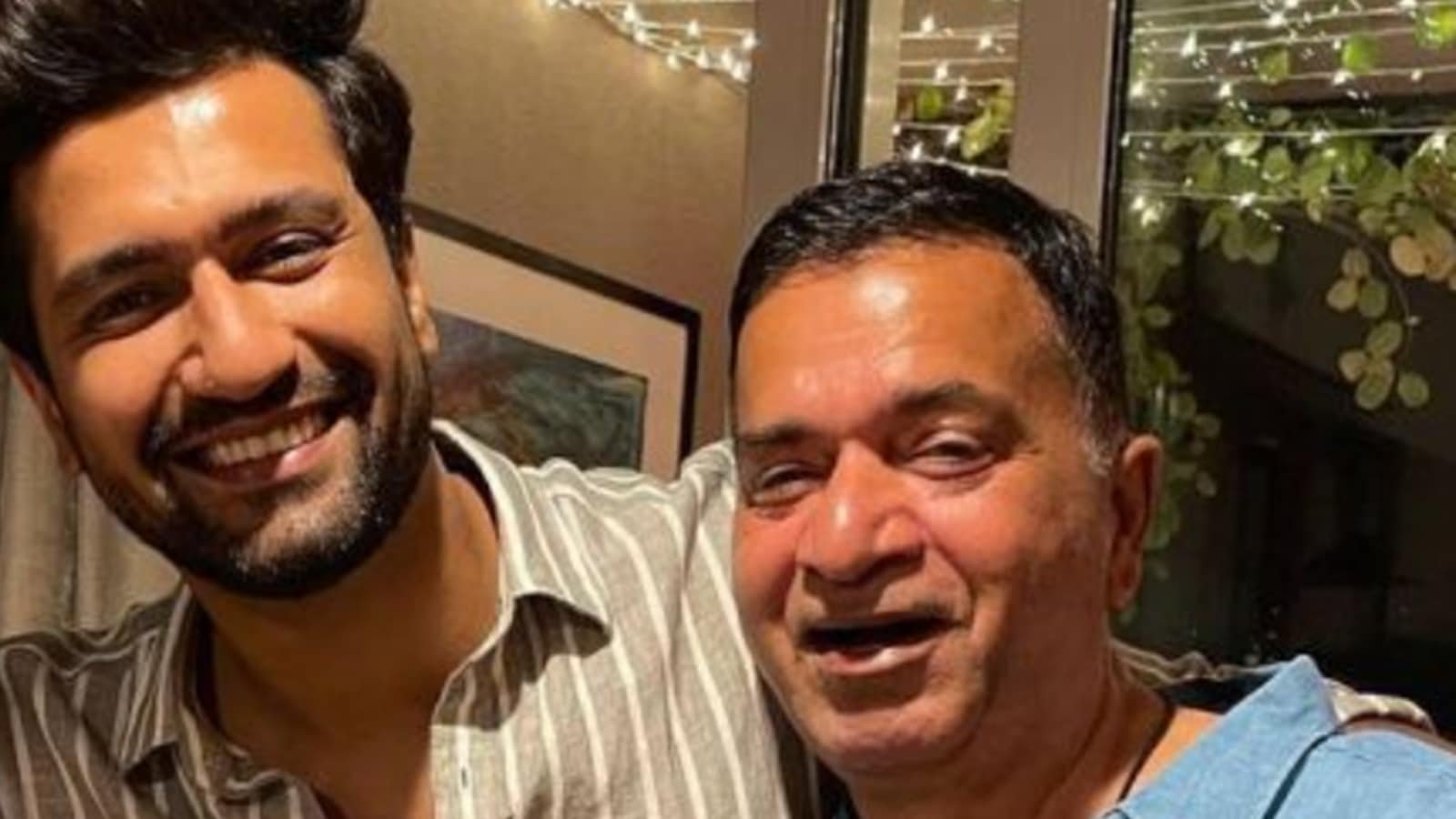
Vicky Kaushal’s father and action director Sham Kaushal, 70, recently shared a glimpse of himself working out in the gym. He could be seen doing resistance exercises like suspension training and bench press in a video shared on his Instagram Stories. He captioned the post, “By God’s grace, small efforts to continue…”

DISCLAIMER: This article is based on information from the public domain and/or the experts we spoke to. Always consult your health practitioner before starting any routine.

Taking a cue from his inspiring glimpses, we asked an expert how essential is it for those in their 70s to strength train.

Consultant dietitian and fitness expert Garima Goyal said that this glimpse is not only about physical strength, but also about long-term discipline and consistency. “It isn’t just a motivational moment, it is a strong reminder that fitness truly has no age limit,” she said.

From a clinical nutrition perspective, what stands out here is the concept of active ageing. “As we grow older, muscle mass naturally declines, a process known as sarcopenia. However, regular strength training can significantly slow down this loss, improve bone density, and enhance metabolic health. It also supports better insulin sensitivity, which is crucial for preventing age-related metabolic disorders like type 2 diabetes,” described Goyal.

Sham KaushalSham Kaushal weight trains in the gym (Photo: Sham Kaushal/Instagram Stories)

Another important takeaway is the role of protein intake and recovery. “At this stage of life, maintaining muscle is not just about exercise but also about adequate nutrition. Sufficient protein, along with micronutrients like vitamin D, calcium, and B12, becomes essential to support muscle repair and strength. Hydration and proper rest further amplify these benefits.”

What’s also inspiring is the mindset behind his caption, “small efforts to continue.” “This highlights that fitness is not about extremes or quick transformations, but about showing up every day, even in small ways. Consistency, not intensity alone, is what builds long-term health,” shared Goyal.

Story continues below this ad

In today’s lifestyle, where many people associate ageing with slowing down, this is a powerful shift in perspective. “Strength training in your 50s, 60s, or beyond is not just safe when done correctly, it is necessary for maintaining independence, mobility, and quality of life,” said Goyal.

The takeaway is simple but powerful. “You don’t stop working out because you age. You age faster when you stop working out,” Goyal shared.


Continue Reading

LifestyleNews

‘There would be a gaddha here’: Lessons from Mini Mathur’s Botox disclosure

 ​

Actor and host Mini Mathur recently opened up about her experience with Botox and why it didn’t work for her. Recalling an incident from years ago, she shared, “15 years ago, I was going to do a show deep in the jungles, and there was a lot of shooting in the daylight, and I would constantly do this (frown), and there would be a gaddha here (in between eyebrows). The team told me that this line really looks like a black line, so aap isko kara lo. I said theek hai, I went and said ye gaddhe ki line hai, ye camera pe dikh rahi hai, the doctor said ya I can freeze it. I couldn’t emote, I died…I said I am feeling sad, but it’s not looking sad, I am emoting, I was acting at that point in time…I was like this is horrible, thankfully it lasted for 3 months.”

To understand what really happens, Dr GS Arora, MBBS, MD (Dermatology, Venereology & Leprosy), breaks it down.

DISCLAIMER: This article is based on information from the public domain and/or the experts we spoke to. Always consult your health practitioner before starting any routine 

Can Botox make you ‘lose expression’?

“A ‘frozen’ or less expressive look can happen, but it is not universal,” says Dr Arora. “This usually occurs when excessive doses are used or when injections are not precisely placed.”

He emphasises that such outcomes are avoidable. “When performed by an experienced practitioner, Botox is designed to soften lines—not eliminate movement entirely.”

View this post on Instagram

Smooth skin vs natural movement

One of the biggest challenges in aesthetic dermatology is achieving visible results without compromising expression. “Every face has unique muscle dynamics, so treatment must be highly individualised,” explains Dr Arora.

He points to newer techniques like micro-dosing, often called “Baby Botox.” “Smaller, strategically placed doses help relax overactive muscles while preserving natural expressions like smiling or frowning. The goal is refinement, not rigidity.”

ALSO READ | Three lifestyle hacks to reverse insulin resistance and protect your liver

Why botox doesn’t last forever

Mini Mathur mentioned that her results lasted about three months, which is fairly typical. “Botox generally lasts between three to four months, though this can vary,” says Dr Arora.

Story continues below this ad

Factors like metabolism, muscle strength, and lifestyle all play a role. “People with more active facial muscles or faster metabolisms may see quicker fading, while others may experience longer-lasting effects.”

Interestingly, repeated treatments may slightly extend longevity over time. “With regular sessions, muscles can become conditioned, sometimes leading to longer intervals between treatments,” he adds.

What are the alternatives

For those hesitant after hearing experiences like Mathur’s, dermatologists say Botox isn’t the only option. “There are several alternatives that offer subtle, natural-looking results without affecting muscle movement,” says Dr Arora.

These include:

  • Dermal fillers to restore volume
  • Microneedling and chemical peels for skin texture
  • Laser treatments for fine lines
  • Skin boosters for hydration and glow

He also highlights the importance of basics. “A consistent skincare routine with sunscreen, retinoids, and antioxidants can significantly delay visible ageing.”

Story continues below this ad

DISCLAIMER: This article is based on information from the public domain and/or the experts we spoke to. Always consult your health practitioner before starting any routine 


Continue Reading

LifestyleNews

‘Why do I pee so much after swimming?’
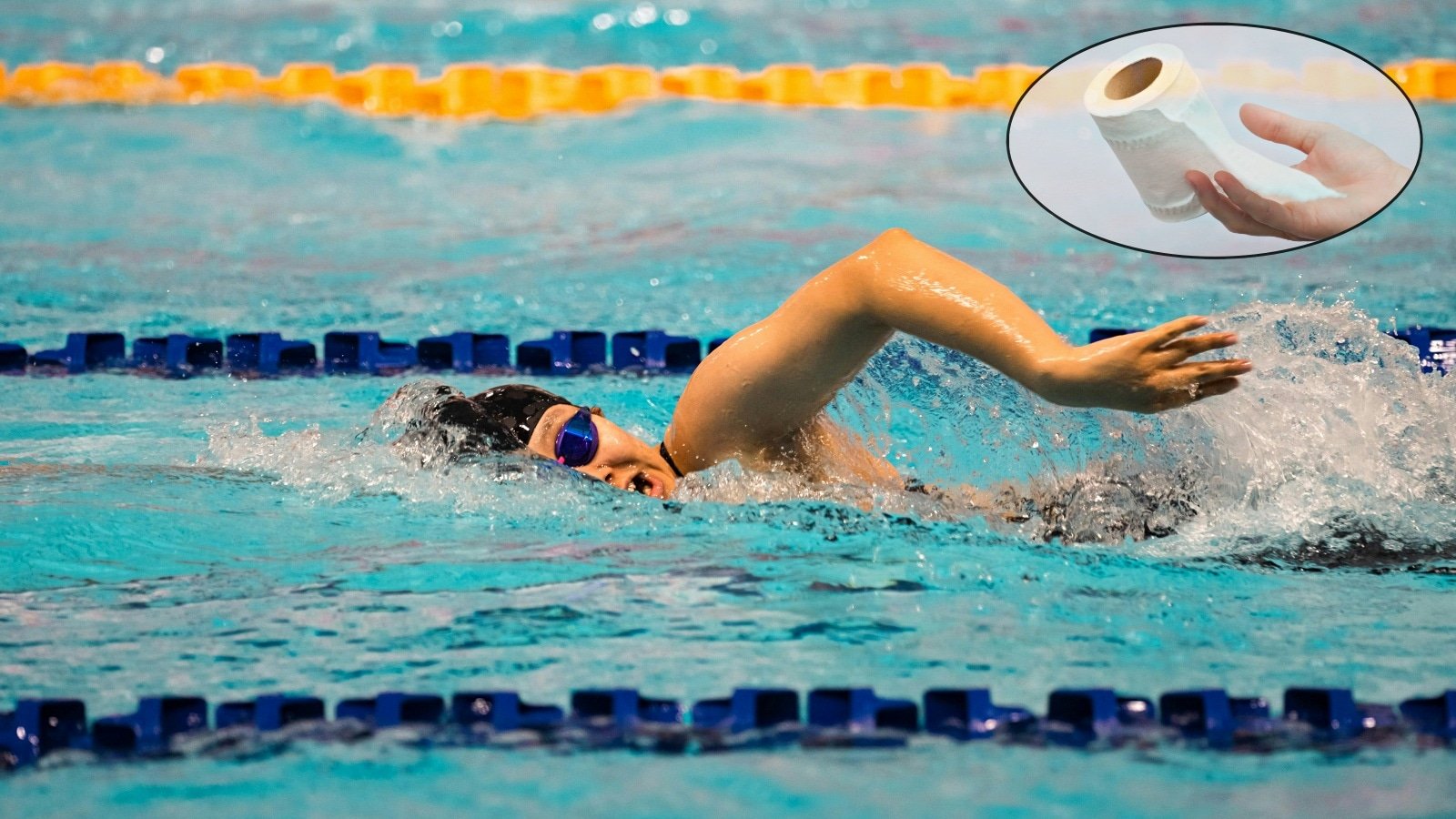
 ​The urge to pee is stronger when swimming in colder water, as compared to warmer ones (Images: Unsplash)

Ever noticed how you suddenly need to pee right after getting out of a pool or the sea? You’re not alone. The question recently came up on Reddit, with a distressed internet user asking  ‘Why do I pee so much after swimming?

Turns out, there’s a clear medical explanation behind it. Dr Tarun Singh, Senior Consultant, Urology, ShardaCare-Healthcity, says this happens because of how your body reacts to being in water.

DISCLAIMER: This article is based on information from the public domain and/or the experts we spoke to. Always consult your health practitioner before starting any routine.

Your body thinks there’s “too much fluid”

“When you get into the water, your body gets a bit confused,” says Dr Singh. “The water pressure pushes blood from your arms and legs towards your chest and the middle of your body.”

Your heart senses this shift and “tells your kidneys that there is too much fluid, so they should get rid of some.” As a result, the kidneys make urine. This process is known as immersion diuresis, wherein “you need to pee” because you are in the water.

Since your brain thinks that there is excess fluid in the body, it tells your kidneys to get rid of it.” This is why it can happen just a few minutes after you get into the water.”

swimmingAthletes who swim for a long time are more likely to feel the need to pee frequenly (Images: Unsplash)

Also Read | ‘What are the potential risks of taking high-dose vitamin D supplements for an extended period of time?’

Why cold water makes it more intense

If you swim often you might have noticed how the urge to pee intensify when you are in cold waters. This isn’t merely a coincidence. “Cold water makes the blood vessels near your skin get smaller which pushes blood towards the important parts of your body. This makes the immersion diuresis effect much stronger,” explains Dr Singh.

Story continues below this ad

That’s why in cold water, like the sea, ocean or an outdoor pool outside, the “diuretic effect” is stronger, and you feel the urge to pee more urgently, compared to warm water.

“Saltwater also makes your skin a little dehydrated, which can confuse your body signals about fluid,” Dr Singh further notes.

So if you feel the urge more after swimming in the ocean than in a pool, temperature is likely the reason.

Why some people feel it more

Dr Singh confirms that some people are more “prone” to this than other.  As per the urologist, people with bladder problem, those who “drink a lot of water before they swim, and older people, whose bladder control may be weaker.

Story continues below this ad

“People who take medications for blood pressure will also feel the effect more,” and “athletes who swim for a time are more likely to need to pee because they are in the water for so long.” However, if it hurts to pee or if you see blood in your urine you should talk to a doctor.

To put it straight, that post-swim urge isn’t unusual; it’s your body responding to water pressure and temperature. However, keeping an eye for accompanying symptoms will help you avoid any health complications.

DISCLAIMER: This article is based on information from the public domain and/or the experts we spoke to. Always consult your health practitioner before starting any routine.


Continue Reading

LifestyleNews

Why we keep looking for red flags in relationships even when nothing is wrong—and what it costs us
 ​

They had been talking for two weeks before they met. Not intense conversations; not in that all-consuming way people sometimes do, but they have been talking enough to establish a rhythm. A few messages through the day, some light teasing, some healthy flirting, the occasional longer exchange at night when neither had anything urgent to do. By the time they sat across each other at a café, there was already a sense of familiarity, the kind that makes the first ten minutes easier.

The conversation moved effortlessly. They spoke about work, about where they grew up, about the predictable things that come up when two people are trying to understand who the other is. At one point, he mentioned he tends to get very focused on his work and sometimes forgets to respond to messages. He said it casually, only as a harmless disclaimer. No biggie, right?

She nodded. It made sense. People do get busy.

But later that night, when she was back home, that line returned with more weight than it had in the moment. Not because it was alarming in itself, but because it now had context. She replayed the past few days of conversation. There was indeed a gap one evening. A delayed reply the next morning. Nothing significant, nothing that had stood out earlier. But now it began to align into a pattern.

“He might be inconsistent,” she thought.

It wasn’t a conclusion, but a label that settled in her head, ready to be used if needed.

When observations become labels

The next day, when his replies came a little later than usual, the label felt validated. Not confirmed, but reinforced enough to be taken seriously.

In reality, nothing had actually changed. The interaction was still pleasant, still open, still moving forward. But something else entered it—a layer of interpretation that was now difficult to remove.

This is how red flag spotting––the most interesting game in the market lately––begins. It starts not with clear warnings, but with small observations that gather meaning over time. The process is subtle enough to feel like awareness rather than judgment, and that distinction is important because it allows the habit of searching for red flags to grow without resistance.

The mind prefers patterns over uncertainty.

Story continues below this ad

There is a reason why red flag spotting feels reasonable. The human mind is built to recognise patterns. It prefers coherence over randomness, explanations over ambiguity. When something happens more than once, even in a limited sample, it begins to draw connections. These connections are not always accurate, but they create a sense of understanding, and that sense is comforting.

In relationships, where outcomes are uncertain and stakes are personal, this tendency becomes more pronounced. People are not just trying to understand what is happening; they are trying to anticipate what might happen next. The present is rarely experienced in its entirety. It is treated as evidence.

Language has changed the way we see people

Like I tried to explain in my last column, what has drastically shifted is not the instinct, but the vocabulary. Words like “inconsistent,” “avoidant,” and “emotionally unavailable” have become part of everyday language. They offer a way to name behaviour quickly, to place it within a framework that feels familiar. Once a behaviour is named, it is no longer neutral. It belongs to a category, and categories carry expectations.

This has made people more articulate about their experiences. However, these experiences are often analysed, defined and judged in haste, and that has reduced the gap between noticing something and deciding what it means. There is less space for ambiguity, less patience for not knowing.

Story continues below this ad

The illusion of control

There is also a deeper layer to this—the desire for control.

Looking for red flags creates the impression that outcomes can be managed. That if you are observant enough, careful enough, you can avoid being hurt later. It feels like a rational approach to something inherently uncertain.

But relationships do not follow predictable rules. You can identify every early sign correctly and still end up in something that does not last. Not because you missed anything, but because human connections evolve in ways that cannot be fully mapped in advance.

The idea of control is comforting, but incomplete.

In the café, the conversation did not suffer. There were no awkward pauses, no visible tension. But the internal experience had already begun to change. What had been a straightforward interaction was now layered with evaluation.

Story continues below this ad

When part of the mind is occupied with interpretation, there is less room for direct experience. You are present, but also slightly removed, watching, assessing, and measuring.

Once a potential red flag is identified, attention begins to organize itself around it. Instances that support the idea stand out more clearly. Instances that don’t fit are often dismissed as exceptions. Over time, the initial observation gains strength, not necessarily because it is accurate, but because it has been consistently reinforced.

This is not a failure of logic; it is how perception works. The mind is guided by what it expects to find.

How vigilance changes experience

At some point, the purpose of interaction begins to change.

Story continues below this ad

Instead of asking, “What is this?” people begin asking, “What could this become?” The question carries an underlying concern: if something goes wrong later, could it have been predicted earlier?

This creates a pressure to identify problems before they fully exist. It encourages a form of vigilance that feels responsible, even necessary. But vigilance changes the quality of attention. It makes people look at each other not just as they are, but as potential sources of difficulty.

The cost of always preparing for what comes next

If every moment is treated as evidence, the present becomes thinner. There is less space for something to unfold without being immediately defined. Interactions are no longer just experienced; they are assessed for future implications. The irony is that in trying to avoid future discomfort, people begin to limit present ease.

This does not mean that red flags are irrelevant or that awareness is unnecessary. There are behaviours that signal genuine concern, patterns that should not be ignored.

Story continues below this ad

But not everything unfamiliar is a problem. Not everything imperfect is a warning.

In that initial story, the line about delayed replies could mean many things. It could indicate a pattern that becomes frustrating over time. It could also be a simple reflection of someone’s working style, something that has little bearing on the overall connection. At that stage, both interpretations are possible.

What determines which one takes hold is not just the behaviour itself, but the framework through which it is viewed.

Take the plunge, people

Having said all of that, it is not that I don’t understand why we look for red flags. It often comes from having been hurt before, from a mind that has learned to stay alert to avoid a repeat of what went wrong last time you gave it a shot. It feels responsible to be careful, to read the signs early, to not walk into something “blindly” again. But being hurt is not separate from being in a relationship; it is part of it, just as much as the good parts are. There is no reward without risk, and no version of connection that comes without the possibility of discomfort.

Story continues below this ad

If you hold on too tightly to control, if you stay hyper-aware of every possible sign, if you never allow yourself to step in without guarantees, you end up experiencing only a fraction of what a connection can offer. It will include uncomfortable conversations, mistakes, moments of doubt, and yes, even pain. That is not failure; that is the process.

And if you remove all of that in the name of safety, it is worth asking what you are really left with in the end.


Continue Reading

LifestyleNews

’10/10 recommend…’: Alaya F, all for romanticising life, shares her morning routine

 ​

Alaya F, Bollywood’s resident wellness enthusiast, has shared a reel that takes us along her morning wellness routine. “10/10 recommend romanticising your life every chance you get,” she mentioned in the caption of her Instagram post, while the video quickly panned through snapshots of matcha latte, a journal and coffee tumbler, yoga mat, her detox tea and chocolate cake.

Matcha

According to Tanisha Bawa, certified nutrition coach and founder of TAN|365 Health & Wellness studio, matcha is a Japanese green tea made from 3-week-old green tea leaves grown in the shade, hand-picked, dried, and ground into a fine powder. Drinking matcha is a tradition in Japan, one that Alaya has inculcated in her daily routine. She likes to start the day with a matcha berry latte, which is packed with antioxidants and has the highest anti-inflammatory potential.

“It contains high amounts of healthy gut polyphenols that feed your good gut bacteria, reduce inflammation, and remove toxins from your body. It is also a source of theanine, an anti-jitter, anxiety-quelling component that is absent in coffee,” said Bawa, adding how drinking matcha leads to fewer spike and crash cycles, more productivity, and satiety.

DISCLAIMER: This article is based on information from the public domain and/or the experts we spoke to. Always consult your health practitioner before starting any routine.

Journaling and coffee

According to the expert, journaling helps process thoughts and emotions, while exposure to sunlight regulates circadian rhythms, improving sleep quality, and, in moderation, caffeine can improve alertness and cognitive function.

Yoga

Sumit Sharma, a certified yoga instructor and founder of StrongByYoga.com, said that practising yoga at any time of day brings numerous benefits, including improved mobility, flexibility, stamina, sleep quality, heart health, and immunity. However, yoga in the morning has some added advantages because of the calmness, clarity of thought, and fresh air it brings, added Sharma.

Morning is also considered the best time to practice yoga by many practitioners because the human mind is far more active and receptive then. Morning yoga can instantly make you feel calmer and more at peace with yourself,” he explained.

View this post on Instagram

Detox drink

Alaya likes to start her day with a detox concoction, that includes some warm water in a glass, a tablespoon of freshly squeezed lemon juice, 2 teaspoons of apple cider vinegar, 2 teaspoons of soaked chia seeds, and a teaspoon of honey.

Story continues below this ad

Her three pointers? “Have it on an empty stomach, first thing in the morning, make sure the water is warm, not boiling, and being consistent for the best results,” she pointed out.

ALSO READ | Alaya F opens up on personal care, work-life balance and best lesson learned from mother Pooja Bedi

Chocolate mousse cake

She likes to snack on gluten free and sugar free chocolate mousse cake which is under 200 calories and has 17 grams of protein, without any protein powder. Just paneer, milk, egg whites, cocoa powder and oat flour blended together and baked on high heat for 22 minutes.

However, Dt Amreen Sheikh, chief dietitian, KIMS Hospitals, Thane pointed out that even a healthier cake is dessert. Enjoy a small piece. Scan the ingredient list for added sugars or syrups. And balance it out, don’t let a “guilt-free” dessert displace your fruits, veggies, proteins, and whole grains. Consider it as a special treat, not as a meal substitute,” said Sheikh.

DISCLAIMER: This article is based on information from the public domain and/or the experts we spoke to. Always consult your health practitioner before starting any routine.


Continue Reading

Latest News

Video43 minutes ago

World's longest tiramisu record broken in London. #London #Shorts #BBCNews

Tech1 hour ago

Today’s NYT Connections: Sports Edition Hints and Answers for April 27, #581

​Here are hints and the answers for the NYT Connections: Sports Edition puzzle for April 27 No. 581.   

Tech1 hour ago

Today’s NYT Connections Hints, Answers and Help for April 27, #1051

​Here are some hints and the answers for the NYT Connections puzzle for April 27, No. 1, 051.   

Video1 hour ago

Trump calls CBS correspondent Norah O’Donnell a ‘disgrace’

US President Donald Trump called CBS News’ Norah O’Donnell a “disgrace” in a terse response after she read excerpts from...

Video2 hours ago

Twin tornadoes spotted in northern Oklahoma

Twin tornadoes were observed in a rural area near Foraker, Oklahoma, as severe storms could threaten parts of the Midwest.

Video2 hours ago

US kills 3 in strike on alleged drug boat

US Southern Command says a US military strike on a suspected drug-trafficking boat along a known narco-trafficking route in the...

Video2 hours ago

Trump says he 'wasn't worried' during shooting, with suspect due to appear in court | BBC News

US President Donald Trump has said he “wasn’t worried” while he was being evacuated from the White House Correspondents’ …

Video3 hours ago

US President Donald Trump on shooting: 'We live in a crazy world'. #WashingtonDC #BBCNews

India Top Stories Feeds3 hours ago

“They Had Child Together, Now She Says Rape?” Supreme Court On Live-In Relationship

​  The observation was made by Justice BV Nagarathna while hearing a petition filed by a woman accusing a man of...

India Top Stories Feeds3 hours ago

CBSE Class 12 Result 2026 Soon: Six Ways To Check Scores, Marksheet

​  CBSE 12th Result 2026: With the Class 12 results expected by April 30, students are advised to keep their login...

Trending News

Join Our Newsletter

Stay updated with breaking news and exclusive content.