

HealthNews
Californian is infected with a rare tick-borne illness. What to know

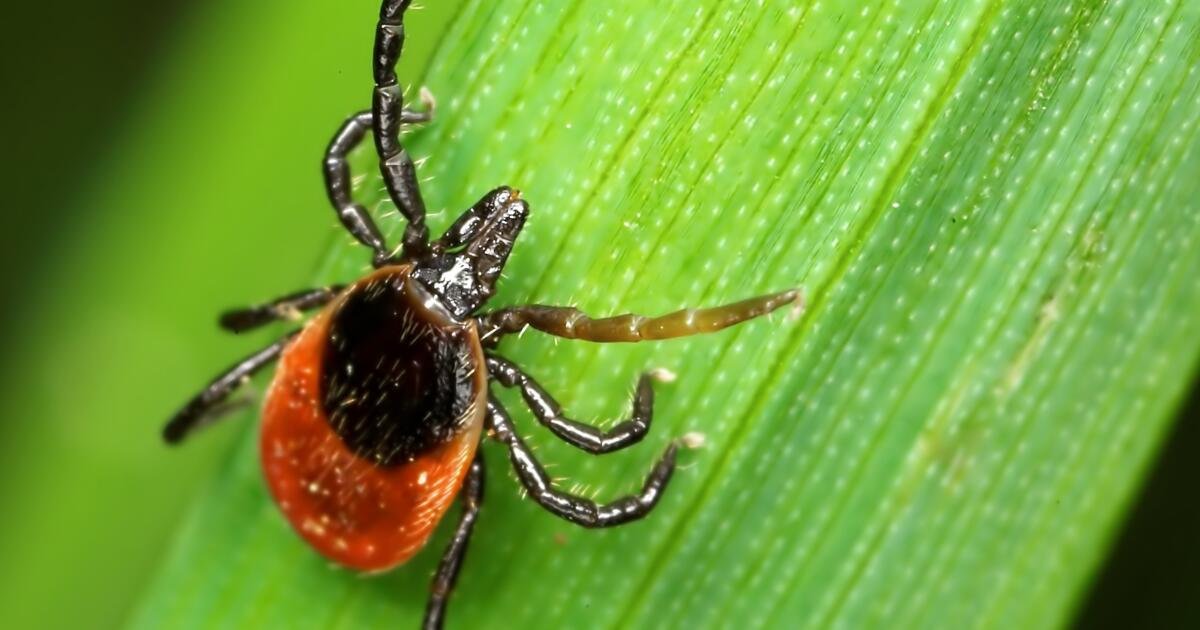
A Northern Californian has been confirmed as the fourth-ever person diagnosed with a newly recognized and rare tick-borne disease that causes symptoms similar to Rocky Mountain spotted fever.
The California Department of Public Health confirmed the latest case of Rickettsia lanei bacteria in a patient who was diagnosed in April of this year. Two other California cases were reported in 2004 and 2023.
Public health officials told The Times that the infected person “was seriously ill, hospitalized and has since been discharged and is recovering.”
It is unclear how long the person was in the hospital or what their symptoms were. The state agency said it could not disclose the home county of the person but confirmed the infected person lived and worked in Northern California.
Rickettsia lanei comes from the spotted fever group Rickettsia, bacteria transmitted to humans from the bite of an infected tick.
In California three types of ticks — the American dog tick (Dermacentor similis), the Pacific Coast tick (Dermacentor occidentalis) and the brown dog tick (Rhipicephalus sanguineus) — can transmit the bacteria that cause Rocky Mountain spotted fever in humans and dogs, according to the California Department of Public Health.
Symptoms of Rocky Mountain spotted fever can range from fever and a rash to long-term effects that include damage to internal organs or neurological disorders.
The tick-borne disease has been spreading globally since the early 2000s, most notably in Mexico and Brazil, with reported fatality rates that can exceed 50%, according to a study published by UC Davis.
What is Rickettsia lanei?
Rickettsia lanei bacteria were identified this year in a few Pacific Coast ticks, including a tick in Contra Costa County, according to SFGate, where the latest case was first reported in April.
The new bacterium was added to the list of potentially transmittable pathogens in 2024 by the state public health department after its severe symptoms were studied in two cases of infected men nearly 20 years apart, according to a report published in the Centers for Disease Control and Prevention Emerging and Infectious Diseases journal.
“Sustained investment in public health has enabled development of the advanced molecular tools that detected these infections,” the California Department of Public Health said in a statement to The Times.
According to the report, both men fell ill after spending time outdoors, one playing golf at five courses in Alameda and Contra Costa counties within 14 days of the onset of his symptoms. This first patient had fever, headaches, muscle pain, malaise, loss of appetite, diarrhea and abdominal pain, among other symptoms. His condition worsened on his third day in the hospital, according to the report. The man was ultimately in the hospital for 22 days, including 11 in the intensive care unit with a primary diagnosis of rocky mountain spotted fever and a secondary diagnosis of acute kidney injury.
The other infected person had visited and camped at a county park and state beach in San Mateo and Marin counties. The second man reported a five-day history of headaches, vomiting, light sensitivity, neck pain and confusion, according to the report. On the third day of hospitalization, the man became comatose and was intubated, the report stated. After 13 days, he was discharged with a primary diagnosis of severe Rickettsia.
Researchers have known about Rickettsia lanei since 2018 when it was detected in rabbit ticks in Sonoma County, but they didn’t know its potential harm to humans because the rabbit tick rarely bites people.
“The Pacific Coast tick, which bites humans more frequently, may occasionally acquire the organism from an infected rabbit, which is the most likely route for the rare human infections that have been identified,” the state health agency said.
Should I be worried about contracting Rickettsia lanei?
Human infections are rare but could be underreported because Rickettsia lanei symptoms are very similar to those of rocky mountain spotted fever, said Janet Foley, veterinarian and disease ecologist at UC Davis.
“I think it’s so new that I don’t know if anybody’s really gotten a grant to study it or put it under a microscope,” Foley said.
Rickettsia lanei bacteria cases could also have gone undetected for so long because some cases were not severe, she said.
Foley said Californians should be aware of Rickettsia lanei and take precautions against tick bites.
How to keep disease-carrying ticks at bay
The best way to avoid ticks and tick bites is to be vigilant in your surroundings, Foley said, noting that ticks can transmit other diseases such as Lyme disease.
To keep a disease-carrying tick at bay, Foley recommends:
HealthNews
Researchers identified a personality profile that combines high empathy with high levels of narcissism, Machiavellianism, and psychopathy, in a finding that has complicated the standard scientific pic

The popular assumption about empathy, repeated across most of contemporary psychology, ethics, education, and public discourse, is that it is one of the unambiguously good human capacities. The empathic person feels what other people feel, understands their suffering, and is for that reason motivated to act in ways that reduce suffering rather than cause it. The assumption is intuitively appealing and, until recently, has been broadly shared across most of the scientific and clinical disciplines that study human behaviour.
The peer-reviewed evidence of the past two decades has substantially complicated the picture.
Empathy, on the strongest current reading of the social neuroscience and personality literature, is selective rather than universal. It is exhaustible rather than inexhaustible. It is exploitable rather than reliable. And in some cases, it can be one of the cognitive resources that the most dangerous personalities in the population use most effectively against the people they are harming.
The Heym 2020 study
In 2020, Nadja Heym and colleagues at Nottingham Trent University published a peer-reviewed study in the journal Personality and Individual Differences that used a statistical technique called latent profile analysis to identify distinct personality patterns within a sample of 991 adults. The participants completed standardised measures of empathy and of the three personality traits collectively known as the Dark Triad: narcissism, Machiavellianism, and psychopathy. The Dark Triad has been studied since the early 2000s as a cluster of socially aversive but non-clinical personality traits that show consistent associations with manipulation, exploitation, and reduced concern for others.
The standard assumption in the personality literature, before the Heym study, was that high empathy and high Dark Triad traits were essentially mutually exclusive. The empathic person was, by definition, not the narcissistic or Machiavellian person. The latent profile analysis tested this assumption.
It did not hold up.
The Heym team identified four distinct profiles in the sample. The Typicals (approximately 34 per cent) had moderate empathy and low Dark Triad traits. The Empaths (approximately 33 per cent) had high empathy and low Dark Triad traits. The Dark Triad group (approximately 13 per cent) had low empathy and high Dark Triad traits, matching the standard assumption in the literature. The fourth group, comprising approximately 19 per cent of the sample, had high empathy combined with high Dark Triad traits. The team called this group the Dark Empaths.
The Dark Empaths were not a hypothesised construct or a clinical category. They were a statistical pattern that emerged from the data, in approximately one in five participants. The proportion has since been broadly replicated in follow-up studies on samples from different countries.
What the dark empath profile actually shows
The follow-up analyses in the Heym study found that Dark Empaths shared some characteristics with each of the other two relevant groups but differed from both in specific ways. Like the standard Dark Triad group, the Dark Empaths showed elevated rates of indirect aggression, including gossip, rumour spreading, social exclusion, and the strategic damage of other people’s reputations. Like the standard Empaths, they showed higher emotional understanding of others and more accurate perception of other people’s mental states.
The combination produced what the team described as an “antagonistic core with empathy.” The Dark Empaths were not simply Dark Triad individuals with a softer surface presentation. The empathy was real, on the measurement instruments used. What distinguished the Dark Empaths from typical empaths was not the absence of empathy but the use to which empathy was put.
Empathy, on this reading, is a cognitive tool. It can be used to identify suffering in others and to reduce that suffering. It can also be used to identify suffering in others and to exploit it. The Heym team’s evidence suggests that approximately a fifth of the adult population is using it for the second purpose at least as often as the first, even while scoring as highly empathic on standard measures.
A short video explains more about the psychology behind dark empaths and why they are so hard to spot – click here to watch it.
Empathy is selective
The Dark Empath finding sits within a broader scientific reassessment of empathy that has been gathering peer-reviewed evidence for approximately two decades.
The most fundamental challenge to the popular framing comes from the social neuroscience research showing that empathy is selective rather than universal. Functional magnetic resonance imaging studies have consistently found that the same neural circuits that activate when a person observes pain in an in-group member fail to activate, or activate substantially less, when the same person observes pain in an out-group member. The effect has been measured across racial, national, religious, political, and team-affiliation categories. People do not, on the neural evidence, feel the same empathy for everyone. They feel substantially more empathy for people who are like them.
The selective activation of empathy is one of the most consistently replicated findings in social neuroscience. It also has direct implications for how empathy operates as a moral guide. A moral system based on empathy is, by the neural evidence, a system that systematically over-weights the suffering of the in-group and under-weights the suffering of the out-group. This is not a bug in the empathy system. It appears to be how the empathy system was designed by evolution to operate.
Empathy is exhaustible
The second major challenge to the popular framing comes from the empathy fatigue research. Tania Singer and Olga Klimecki of the Max Planck Institute for Human Cognitive and Brain Sciences published a foundational paper in Current Biology in 2014 that examined the neural and behavioural consequences of sustained exposure to the suffering of others. The findings, which have since been replicated across multiple populations, indicate that prolonged empathic engagement with suffering activates the same neural pain pathways in the empathiser as in the person being empathised with. Over time, sustained empathic engagement produces measurable distress, anxiety, and depression in the empathiser.
The Singer and Klimecki paper made a further distinction that has become increasingly important in the empathy literature. Empathy, in the technical sense the team used, is the affective sharing of another person’s emotional state. Compassion is different. Compassion involves caring about the suffering of others without sharing it in the same direct affective sense. The two states activate different neural networks. Empathy activates the anterior insula and anterior cingulate cortex, the same regions that process physical pain. Compassion activates the ventral striatum, the medial orbitofrontal cortex, and the ventral tegmental area, the regions that process reward and motivated action.
The practical implication of the distinction is that compassion is sustainable in ways that empathy is not. The healthcare worker who maintains compassion for patients across a thirty-year career does not do so by feeling the patients’ pain on an ongoing basis. The patients’ pain, sustained at that intensity over decades, would damage the worker’s mental health. What the long-career healthcare worker has typically learned to do is to care for patients without sharing their distress, which is a different and more durable cognitive state.
The Bloom case
The most prominent recent popular articulation of these findings is the 2016 book Against Empathy: The Case for Rational Compassion by the Yale psychologist Paul Bloom. The book drew on the social neuroscience and personality research described above to argue that empathy, properly defined, is a poor guide to moral judgment. Bloom argued that the same evidence supporting empathy’s selectivity and exhaustibility also supported a substantial reorientation of how psychology and ethics should treat empathy.
The Bloom argument is not that empathy is bad. The argument is that empathy is a specific cognitive capacity that operates in specific ways and has specific consequences, some of which are good and some of which are not. The popular framing in which empathy is the moral foundation of human goodness does not survive contact with the empirical evidence. What does survive contact with the evidence is a more limited claim: empathy is one of several cognitive resources that humans use in their social and moral lives, with both benefits and costs that depend on how it is deployed.
The Bloom case has been contested by other researchers, including the developmental psychologist Jamil Zaki of Stanford University, who argues that empathy can be trained and refined rather than abandoned. The disagreement is genuine and ongoing in the peer-reviewed literature. What is not in dispute is that the previous consensus, in which empathy was treated as unambiguously good and the only question was how to increase it, is no longer scientifically defensible on the available evidence.
The honest limitations
Several methodological caveats apply to the literature described above.
The Dark Empath construct, while peer-reviewed, is relatively new. The Heym 2020 study has been replicated in some follow-up work but not yet across the breadth of populations and cultures that would establish it as a robust personality category. The 19 per cent proportion identified in the original sample may differ in samples from other cultures, age groups, or socioeconomic contexts. The construct is genuinely supported by the available evidence but should be treated as a current scientific hypothesis rather than as an established personality category.
The neural research on empathy and compassion, while strong, is based largely on laboratory measures of brief emotional responses to specific stimuli. The relationship between laboratory neural patterns and the empathy people actually exercise in their daily lives is plausible but not perfectly direct. The Singer and Klimecki framework has been broadly accepted in social neuroscience but is not the only available model.
The in-group and out-group selectivity of empathy has been measured robustly but is also context-dependent. The same individual can show strong empathy for an out-group member in some circumstances and reduced empathy for the same person in others. The selectivity is not a fixed personality trait but a context-sensitive cognitive bias.
What it means
Several things follow from the differentiated picture of empathy that are worth saying clearly.
The first is that empathy is not, on the strongest current reading of the evidence, a reliable moral compass. It is a cognitive capacity that operates selectively, depletes with use, and can be deployed by people whose intentions are not aligned with the welfare of those they are empathising with. The popular framing in which empathy is the foundation of human goodness underestimates each of these complications.
The second is that the alternative the peer-reviewed literature points to is not the abandonment of empathy but the recognition that compassion is a distinct and more durable mental state. Compassion does not require feeling another person’s pain. It requires caring about another person’s welfare. The distinction has measurable neural correlates and measurable practical consequences for how the two capacities can be sustained across time.
The third is that the existence of the Dark Empath profile, which approximately a fifth of adults appear to display, has practical implications for how individuals navigate their personal and professional relationships. The standard heuristic that emotional understanding equals safety is not, on the available evidence, reliable. Someone can read another person’s emotional state with substantial accuracy and use that reading to manipulate rather than to help. The popular framing that the most dangerous personalities are emotionally cold is, on the Heym evidence, incomplete. Some of them are emotionally warm and using that warmth strategically.
The fourth, on the strongest current reading of fifty years of research that has now substantially shifted in its conclusions, is that empathy is real, important, and useful, but it is not what it has been popularly assumed to be. It is one cognitive tool among several, with specific properties that determine how it operates and what it can and cannot do.
What it cannot do, by the available peer-reviewed evidence, is reliably tell us who is trustworthy and who is not.
HealthNews
NH man hospitalized for weeks after contracting tick-borne illness

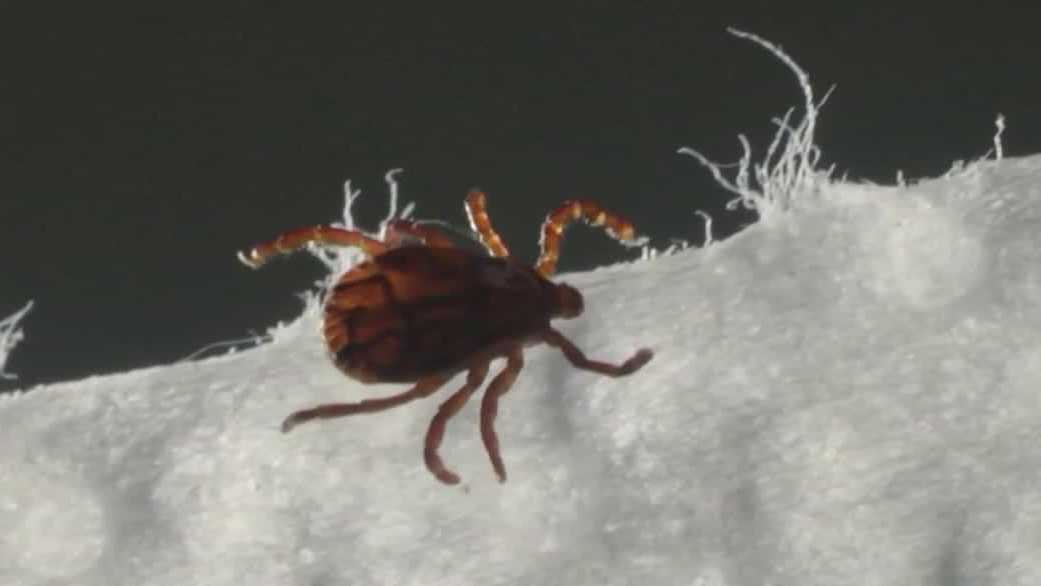
A Concord man has become seriously ill after contracting a tick-borne illness.John Reagan, 66, is an avid outdoorsman, but a tick bite has put him in the hospital with Powassan virus for the past few weeks.Reagan’s friend, Tom Wright, said Reagan felt worn down the day he went to Concord Hospital for the tick bite. The next day, he couldn’t speak and had a hard time moving. After two weeks, he was moved to Massachusetts General Hospital and has needed a ventilator to help him breathe.>> Download the free WMUR app to get updates on the go <> Download the free WMUR app to get updates on the go <<
"I talked to his wife this morning," Wright said. "He was moving his fingers and moving his toes, and even his eyelids were moving. So, they have given him a drug to help him wake up and come out of this."
According to the New Hampshire Department of Health and Human Services, three to four people are diagnosed with Powassan virus each year.
There are no vaccines to prevent Powassan virus or medications to treat it. The virus can cause symptoms ranging from fever, headache and fatigue to confusion, seizures and paralysis.
Doctors provide supportive care for those suffering from serious symptoms.
Reagan's family and friends said they're working hard to get the word out about Powassan virus and other tick-borne illnesses. They urged people to be vigilant when headed outdoors and always check themselves and pets for ticks.
HealthNews
Kennedy Orders Woman to Stay in Hantavirus Quarantine, Despite C.D.C. Recommendation

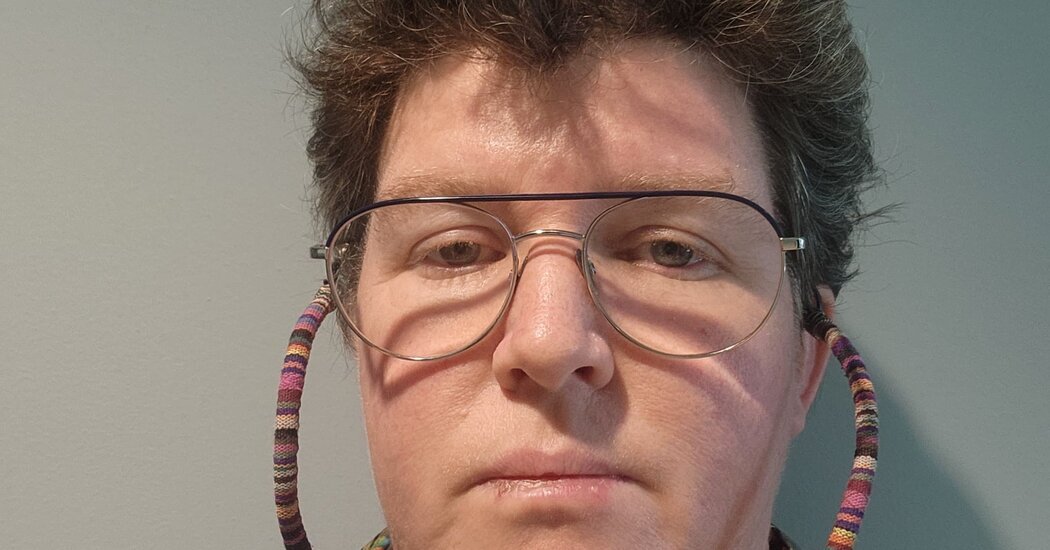
A cruise ship passenger who was exposed to hantavirus in early May is still being held at a quarantine facility in Nebraska, against her wishes and against the recommendation of a medical review from the Centers for Disease Control and Prevention.
On Monday, Health Secretary Robert F. Kennedy Jr., a staunch proponent of medical freedom, signed an order to continue quarantining Angela Perryman, 47, even though others who had been held at the facility have, since May 31, been allowed to return to their homes if they wished to do so.
In a telephone interview with The New York Times, Ms. Perryman, who has tested negative for the virus and says she has not had any symptoms, expressed anger and frustration. She said she learned of Mr. Kennedy’s decision when a copy of his order was slipped under the door to her room.
After a hearing to dispute her quarantine order, Dr. Michael Bell, the C.D.C.’s quarantine medical reviewer, recommended on Thursday that Ms. Perryman be allowed to return home for the remainder of her 42-day quarantine, with remote symptom monitoring once daily and access to 24-hour help “in the event she develops symptoms.”
HealthNews
Heart protection from COVID shots remains amid updates, study finds

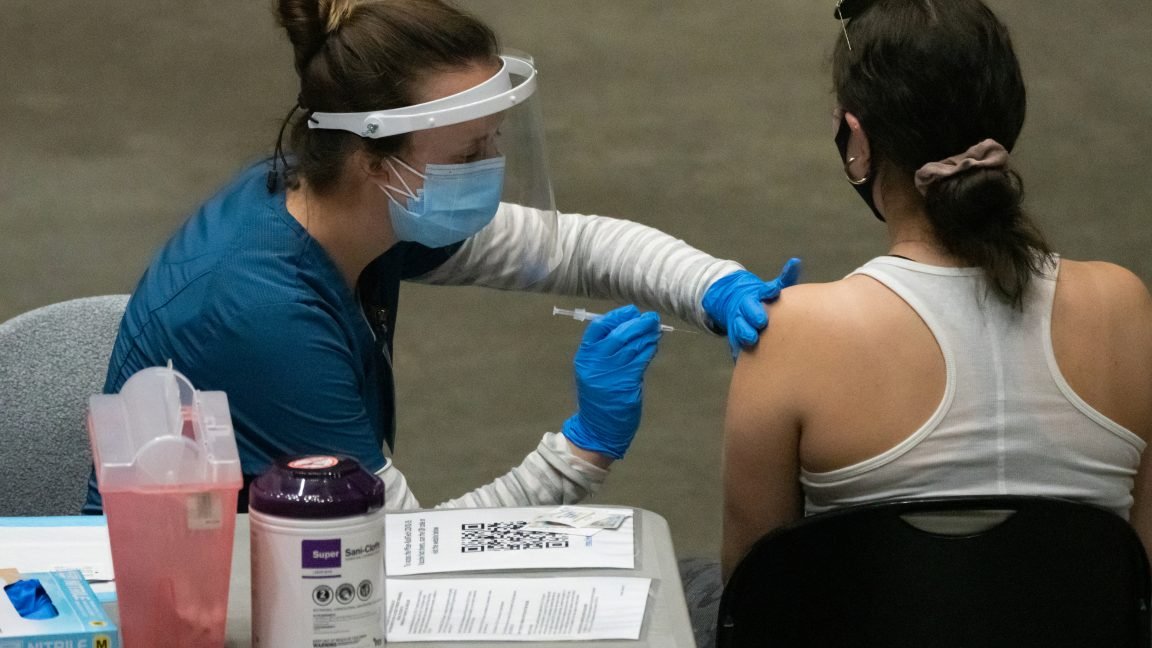
Although most Americans have eschewed seasonal COVID-19 vaccines, the updated shots continue to show significant protection against cardiovascular disease, especially for those over age 75 and those with underlying medical conditions. That’s according to a new study that pulled data from more than 1 million patients in a US Department of Veterans Affairs (VA) health system.
The finding builds on previous data showing that the vaccines significantly lower the risk of COVID-19-associated cardiovascular risks, particularly heart attacks and strokes. But it wasn’t a given that the benefit would hold up over time—as the virus evolved, the vaccines were updated, population-level immunity increased from previous infection and vaccination, and risk of severe outcomes fell.
The new study, published in JAMA Internal Medicine, found that the 2024–2025 COVID-19 vaccine continued to protect against COVID-19-associated “major adverse cardiovascular events” (MACE), which include cardiovascular death, heart attack, stroke, and hospitalization for heart failure.
The study included electronic medical record data from 1,039,659 patients in the VA’s St. Louis Health Care System. All of the patients received a seasonal flu shot between September 3, 2024, and December 31, 2024, with some also getting a COVID-19 vaccine at the same time. Of the 1,039,659 patients, 349,085 received both shots, while 690,574 got just the flu shot. The latter group acted as the control group for the study.
After eight months of follow-up, the researchers looked for documented COVID-19 cases and compared MACE events among the two groups. Overall, the COVID shots’ vaccine effectiveness against MACE events was 38 percent. In terms of absolute numbers, the benefit is modest. The study estimated that the shots dropped the rate of COVID-19-associated MACE events from about 5 in 10,000 to 3 in 10,000. Looking across subgroups, the benefits were strongest among those aged 75 and older and those with underlying health conditions.
Neglected benefits
The researchers, led by epidemiologist Ziyad Al-Aly at the St. Louis VA, also looked at MACE and deaths without documented COVID-19 cases. Here, the benefits of COVID-19 vaccines were stronger, suggesting COVID-19 cases may have been missed or undiagnosed. The shots appeared to drop the rate of MACE from 382 per 10,000 to 358, and the rate of death from 223 to 207.
“Extrapolating these estimates to a population of 1 million people, vaccination could plausibly be associated with averting approximately 2,370 MACE events and 1,580 deaths over an 8-month period,” the researchers note, though they urge caution in interpreting the finding.
The study has limitations, including that most of the US veteran population is older, White, and male, making it likely that the findings can’t be generalized to the whole population. Still, the findings indicate that the vaccines continue to offer cardiovascular protection against COVID-19, which should factor into people’s decisions on whether to get an annual COVID-19 booster. An accompanying study also published in JAMA Internal Medicine on Monday found the vaccines still directly protect against COVID-19, reducing the risk of hospitalization and critical illness by 35 percent and 41 percent, respectively.
In an accompanying editorial, Robert Califf, a cardiologist and former Food and Drug Administration commissioner, wrote that the data from the two studies “provide strong evidence of a favorable balance of benefit to risk for updated COVID-19 vaccine boosters across the population.” But, he lamented that despite that strong evidence, national views are being swayed by the “general antivaccination statements from the US Department of Health and Human Services,” which is run by anti-vaccine Health Secretary Robert F. Kennedy Jr.
Only 17.5 percent of adults and 22.6 percent of people over age 65 in the US have gotten the 2025–2026 COVID shot, according to federal data.
“The politicization of COVID-19 vaccination and messenger RNA vaccines in general has taken a toll on the longevity and functional status of those in the US,” Califf wrote. He called for researchers to collect more data on the vaccine’s benefits and engage with the public about the findings, particularly on social media, to combat anti-vaccine rhetoric.
HealthNews
Measles case detected at SFO days before World Cup start


Travelers at the often bustling international terminal at San Francisco Airport may have been exposed to the highly contagious measles virus days before the start of the World Cup, according to a news release from the Santa Clara County Public Health Department.
The department warned that a person with measles traveled through multiple areas of SFO on June 8, including the international terminal, passport control, customs and the baggage claim area between 8:30 and 11 a.m. On the same day, between the hours of 8 and 10 p.m., the individual also visited two markets in San Jose: a Trader Joe’s store at 635 Coleman Ave. and International Halal Market at 960 E. Santa Clara St.
Advertisement
Article continues below this ad
Measles is a respiratory virus that can spread via airborne particles. The virus is so infectious that it can infect 90% of people who aren’t protected through either vaccination or a previous infection. Even when a sickened person leaves an area, the airborne droplets can infect unvaccinated people for up to two hours, according to the U.S. Centers for Disease Control and Prevention.
The exposures happened three days before the kickoff of the World Cup, held across U.S., Mexico and Canada through mid-July. The weekslong event is expected to bring over 250,000 travelers to the Bay Area with multiple games being played at Levi’s Stadium in Santa Clara County.
Dr. Sarah Rudman, the public health officer for Santa Clara County, said in a video that anyone who has not been vaccinated or had measles before should take steps to protect themselves if they were in those areas at those times.
“We are sharing this information so that anyone who was in these locations at the specified times can do what they need to protect their own health and the health of those around them,” she said.
Advertisement
Article continues below this ad
Dr. William Schaffner, an infectious disease expert at Vanderbilt University Medical Center, said health departments are watching cities hosting World Cup events closely to look for any signs of disease outbreaks that could spread as fans and teams travel for the games.
“As we looked at the World Cup events and wondered what infectious hazards might crop up, measles was at the top of the list,” Schaffner told SFGATE. “It is the most contagious virus.”
Symptoms of measles virus include a distinctive rash, fever and headache. The virus can be severe, with one in five unvaccinated people needing hospitalization. People who aren’t vaccinated may be able to get protection if they get a vaccine within 72 hours of exposure or get short-term protection via immunoglobulin, which contains antibodies for the virus. The Centers for Disease Control and Prevention estimates for every 1,000 children infected, about one to three will die from conditions related to the disease.
Advertisement
Article continues below this ad
Measles generally incubates between eight and 14 days, although it can incubate as long as 21 days. Dr. Matt Willis, the former officer for the Marin County Public Health, said due to the relatively long incubation time, it can take up to 42 days before health officials know for certain no one else was infected. In this case, however, Willis said it’s likely no new cases will appear if none are detected in the next 21 days.
“It is a little bit of a white-knuckle ride, when … you know large numbers of people in your community have been exposed,” he said.
The Bay Area’s best free newsletter.
Stay informed, and entertained.
Email
Your website
By signing up, you agree to our Terms Of Use and acknowledge that your information will be used as described in our Privacy Policy.
There is no cure, but two doses of the measles vaccine is very effective, providing 97% protection against the disease.
Advertisement
Article continues below this ad
Willis said Santa Clara’s overall high vaccination rate will likely help keep the virus from spreading, but as cases increase nationwide, California has still seen an increase in measles outbreaks this year.
“It’s partly because we’re just seeing more and more of those embers kind of landing in our community,” he said. “Occasionally they … arrive in places where small brush fires of measles can arise.”


Protesters gather before Iran's World Cup game
Some Iranian-Americans outside SoFi Stadium called for regime change in Iran and said they want their protests seen inside …


Biden talks politics and family with Jay Leno
Former President Joe Biden and his 1967 Chevrolet Corvette Stingray convertible were featured on the latest episode of “Jay …


‘Love Island USA’ executive producer dies while filming in Fiji
James Barker, an executive producer on “Love Island USA,” died while the hit reality dating show was filming in Fiji...
Iran coach says team ordered out of US right after 2-2 draw with New Zealand in World Cup opener
INGLEWOOD, Calif. (AP) — The coach of Iran’s World Cup team said it was ordered to leave the U.S. and...


Jelly Roll Files for Divorce from Bunnie XO After a Decade of Marriage
Jelly Roll has filed for divorce from wife Bunnie XO after nearly a decade of marriage, first reported by The...


Japan Raises Rates to 31-Year High to Ward Off War Inflation
The Bank of Japan joined other major global central banks in raising interest rates to head off an expected spike...

World Cup fans from around the world gathered at Santa Monica beach in Los Angeles. #BBCNews


Jelly Roll Files for Divorce From Bunnie Xo
Jelly Roll and Bunnie Xo are ending their marriage. According to divorce records obtained by People, the country music singer...


Inside the fight over Claude Mythos 5
As the rest of the country celebrated the USA’s first World Cup win and the New York Knicks championship, Anthropic...


Newsom calls out Trump over DOJ investigation
The Department of Justice is investigating Gavin Newsom's wife, according to a person familiar with the matter, in a move...
-

 Business3 days ago
How much of Musk’s wealth comes from government help? Virtually all of it
-

 LifestyleNews2 weeks ago
120 minutes of strength training per week may help extend lifespan
-

 Politics4 days ago
What to know about the stabbing that set off fiery riots in Northern Ireland
-

 Video4 days ago
Download fans say what they love about the festival. #DownloadFestival #BBCNews
-

 Video4 days ago
Why SpaceX IPO isn't about space. #SpaceX #ElonMusk #BBCNews
-
 HealthNews4 days ago
The people of Okinawa, Japan only eat until they are about 80 percent full, then stop — and the practice has been linked in multiple peer-reviewed studies to lower rates of cardiovascular disease, slo
-

 TravelNews3 days ago
My Paternal Instinct Should’ve Warned Me About Netflix’s Maternal Instinct
-

 Food3 days ago
Pope Leo’s plane was grounded. Then the King of Spain stepped in to help