
HealthNews
SLO County E. coli outbreak leaves 3 kids in intensive care
Three San Luis Obispo County children are in serious condition after contracting E. coli — and the county is investigating a local farm as a potential source.
On Tuesday, the SLO County Department of Public Health reported five total confirmed cases of E. coli throughout the county, potentially linked to Brookshire Farms, located at 4747 Los Osos Valley Road and best known for its 57 years of corn mazes, pumpkin patches and other fall-themed activities.
Public Health Public Information Officer Tom Cuddy confirmed that three of those cases were children who are in “serious condition and receiving pediatric intensive care,” he told The Tribune.
The county declined to provide further information about the children or where they were being treated.
The suspected exposure period at Brookshire Farm is Oct. 16–18, and the source of the infection is still under investigation, a Public Health news release said.
Anyone who visited Brookshire Farms between those dates and is experiencing gastrointestinal symptoms — usually cramping, abdominal pain and bloody diarrhea — should contact their healthcare provider, Public Health advised.
Children under the age of 10 are at highest risk of having complications.
“We are working diligently to identify the source of these infections to protect the health of our community,” County Health Officer Dr. Christy Mulkerin said in the release. “We encourage anyone who may have been exposed and is experiencing symptoms consistent with E. coli infection to seek immediate medical attention.”
According to the release, Brookshire Farms is cooperating with Public Health and closed voluntarily while the investigation proceeds.
Public Health is also gathering information, investigating potential exposures and conducting follow-up activities to determine whether the cases are connected, the release said.
E. coli infections can cause diarrhea, severe stomach cramps and vomiting. Some infection scan lead to serious complications, including kidney damage.
“Anyone experiencing bloody diarrhea, severe abdominal pain, signs of dehydration or other concerning symptoms should seek medical attention,” the release said.
Brookshire Farm posted on Facebook Tuesday that it was temporarily closed, and co-owner Shawn Callaway told The Tribune that their thoughts and prayers were with those who were affected.
HealthNews
Sick? It may not be the flu, as experts say this virus is spreading

Stuck at home sick? It’s probably not the flu, according to infectious disease specialist Dr. Emily Landon at UChicago Medicine, but it may be another rapidly spreading virus.
But what is that virus?
“You probably have rhino enterovirus, and probably not influenza. There is a pretty nasty round of rhino entero going around right now,” said Landon, the Executive Medical Director of Infection Prevention and Control at UChicago.
Flu season did start earlier than usual this year according to federal experts, and numbers are higher than what’s typical for October. However, data reflects cases are still considered low.
According to experts, Rhinovirus and Enterovirus are in the same virus family, which is why they’re often tested together on a lab panel. They are the primary cause of the common cold, but their initial symptoms can be very similar to the flu, leading to patients potentially thinking they’ve got influenza.
“When you first get sick, it can be really difficult to tell. Some people are going to have more severe illness with rhino enterovirus and might have a fever and a cough, but most people are going to have more of a runny nose and just feeling a little tired and maybe that head cold feel. Whereas influenza tends to cause more coughing and more severe illnesses with more fevers,” she said.
According to experts, flu season typically peaks in January in Chicago, and while Landon said no two flu seasons are precisely the same, it’s too early to consider the flu to be the primary health threat.
“Maybe that’ll be earlier this year than usual, but we are definitely not there yet with respect to flu,” said Landon.
Northwestern Medicine says flu and COVID cases are “slightly higher than usual” for this time of year. Rush University Medical Center said there is not one illness spiking but did confirm flu season started early.
Landon says there are some “waning cases from a late summer bump in COVID,” but that numbers are decreasing right now.
As for preventative measures like vaccinations, the flu vaccine takes about two weeks to take full effect, and doctors are urging people not to put off getting the shot.
“We don’t even start looking at whether or not the flu strains match the flu vaccine until the end of October, beginning of November,” said Landon.
“We know that what we’re seeing now are almost entirely H1N1 cases of influenza A,” she continued. “H1N1 influenza is often milder and not as dangerous as H3N2 influenza.”
Landon says regardless if it’s a perfect match, the vaccine is the best bet at protecting from serious illness.
“I would argue that it’s even more important because when the flu vaccine is less effective, then more people need to get it in order for it to have an effect. And you’re going to be exposed more in years where it’s not a good match. And so you want that protection from severe illness even more,” she said.
HealthNews
How many steps do you really need? Expert reveals ‘right where you want to be’

Want to live longer? Step to it.
You don’t necessarily need 10,000 steps a day, a misconception that actually traces back to a 60-year-old marketing campaign.
“Everybody talks about 10,000 steps a day,” a workout that can take over two hours, said Dr. Theodore Strange, a geriatrician and internal medicine specialist at Northwell Staten Island University Hospital.
On the other hand, taking fewer than 2,000 steps is considered sedentary, he noted.
So, what’s the sweet spot between the two?
Strange’s advises tracking your steps for a few days, as increasing your baseline improves health.
Research shows that anything over 2,200 helps steps helps you live longer.
“Get them up to that 5,000 to 6,000 range and then try to get to 7,000 to 8,000 a day,” he suggested, noting that range is “right where you want to be.”
Officially, the National Heart, Lung and Blood Institute recommends 7,000 steps or more, a threshold research shows lowers the risk of mortality by 70%.
“If you can get it to 10,000, it’s great,” Strange says. “Anything more than that, you’re an athlete; you’re a star.”
Step count doesn’t tell the whole story though.
A new study shows that walking speed is also a powerful indicator of longevity.
I’m walkin’ here!
In what might come as no surprise to fast-walking New Yorkers, a quicker pace is associated with a lower risk of untimely death.
Researchers looked at data from over 10,000 older Brits with an average age of 69. They found that walking faster — whether in a lab setting, during everyday activities or when consciously walking faster — was associated with a 17 to 23% lower risk of early death.
Even a tiny speed increase of .1 meters per second correlated with lower mortality.
Importantly, the authors note it isn’t the act of fast walking itself that makes you live longer. Rather, walking fast indicates that the body’s internal systems are working well.
To walk quickly, you need good cardiorespiratory function, muscular strength, balance and a healthy nervous system, explained Strange.
Fast walkers are also more likely to properly fuel their bodies and live free of energy-sapping chronic diseases.
If any of these underlying systems decline, “walking speed may be one of the first functional measures to decline with that,” said Strange. “And as you lose that, you probably have an increased risk for falling, frailty, decreased cognitive decline, and ultimately, increased morbidity and mortality.”
How to walk better
As with any big lifestyle shift, start with baby steps. Well, not literally — just start walking, Strange said.
“Start gradually. Go slowly, meaning at a speed that feels comfortable for you,” Strange said. “Do it consistently.”
Devices like smart watches can be useful to give you “real objective data you can measure” including step count and cadence, as this new study examined.
Once you establish a baseline, Strange says to increase your weekly walking time by just a few minutes.
To prepare for a successful walk, he emphasizes a few key principles.
First, maintain proper posture by standing tall with your shoulders back, keeping your body relaxed and letting your arms swing naturally.
Ensure you stay adequately hydrated and fueled before heading out. To prevent tripping, focus on taking short, controlled steps.
Listening to your body is also crucial. If you feel any discomfort, slow down or stop completely.
HealthNews
Emotion regulation capacity lacks a shared neural signature
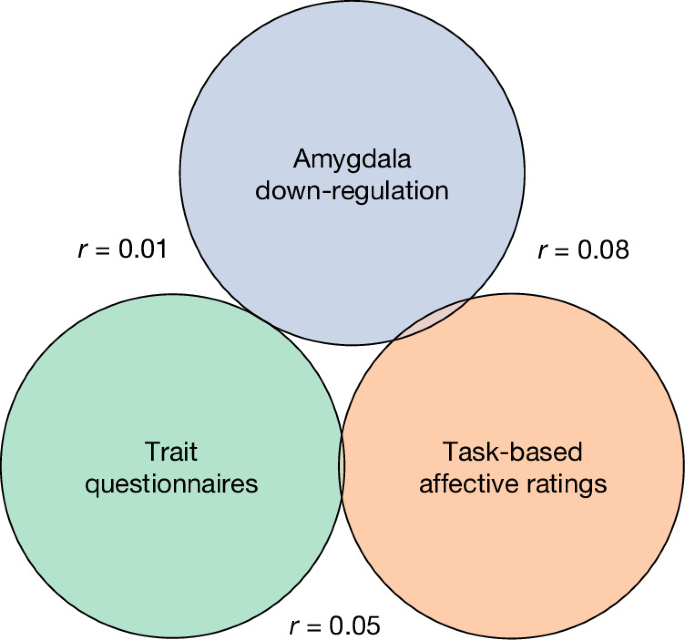
No shared capacity in prefrontal areas
Despite extensive research on the neural basis of cognitive reappraisal, the assumption that brain activity during reappraisal reflects individual differences in regulatory capacity has rarely been tested at the scale needed for robust effects. Here we found a notable lack of convergence among three widely used indices of reappraisal capacity. Only the association between task-based affective ratings and amygdala down-regulation was statistically significant, yet with an effect size (r = 0.08) so small that more than 1,000 participants would be needed for 80% power—far exceeding typical sample sizes in the field. Trait questionnaires showed no association with either index, with Bayes factors favouring the absence of effects. None of the three indices showed the expected relation with activity in canonical prefrontal emotion regulation circuits. These findings call for a fundamental reassessment of how reappraisal capacity is measured and interpreted across behavioural and neural levels of analysis.
The lack of convergence challenges a central assumption in affective neuroscience and clinical neuroimaging: that questionnaires, task-based affective change and neural responses provide complementary windows onto a shared underlying regulatory capacity, albeit with unique aspects. This matters because the extent to which common reappraisal task findings inform claims about emotion, psychopathology and intervention targets may be overstated if individual indices capture only distinct aspects of regulatory functioning. Indeed, research on emotional coherence shows that experiential, behavioural and physiological channels often diverge because they operate on different time scales and are shaped by different causal influences and biases28. Trait questionnaires reflect recollected beliefs about reappraisal habits and ability across diverse real-life contexts; task-based affective ratings capture momentary regulatory effects under constrained experimental conditions; and neural responses may additionally reflect processes outside conscious awareness29, while being shaped by neurovascular and scanner-related factors that are unrelated to regulation. The present findings therefore do not merely show weak measurement convergence; they suggest that common indices of reappraisal capacity, in fact, may carve the construct at different joints, without the widely assumed contribution of the prefrontal cortex.
Amygdala and sensorimotor contributions
For task-based affective ratings, we found associations in emotion-generative rather than prefrontal emotion-regulatory regions: the amygdala, the caudal pons, and—when excluding an outlier dataset from the early COVID-19 era—sensorimotor and dorso-parietal attention networks, outside of canonical emotion regulation regions. The role of the amygdala remains debated: although it tracks concurrent negative affect in well-powered studies30,31, it also responds to positive and otherwise salient stimuli4,32. We further confirmed with four large samples that it is not consistently modulated by reappraisal27. The amygdala is better understood as a neuromodulatory hub facilitating attention, memory encoding and consolidation33, and allostatic responding—processes that are relevant to emotion generation but not specific to it. One possibility is that reappraisal changes the quality or valence of an emotional response without proportionally reducing its salience.
Our finding of sensorimotor associations is consistent with extended process models that assign a role to sensorimotor cortices and the brainstem in the action phase of regulation27. Recent large-scale evidence indicates that even in the absence of overt motor responses, sensorimotor cortices carry rich information about emotion generation27, are modifiable by reappraisal strategies27, are related to individual differences in stress vulnerability12,34, and are a promising target for neuromodulation in depression35. Neurosynth decoding further indicated language-related activation, consistent with the verbal nature of reappraisal. Together, these patterns suggest that individual differences in affective down-regulation are more closely tied to salience-allostasis and perception–action-related processes than to canonical prefrontal regulatory circuits36. Notably, canonical regulatory circuits were similarly engaged during both emotion generation and reappraisal, challenging the commonly assumed dichotomy between bottom-up excitation and top-down control in emotion regulation27.
The trait–task gap
The absence of associations between trait questionnaires and task-based or neural indices points to an explanatory gap that can be understood through process models of emotion regulation1,27. Most trait questionnaires capture habitual tendencies across multiple temporal stages, including encountering and recognizing reappraisable situations, deciding whether to regulate, and selecting reappraisal over competing strategies. From one angle, previous work showed associations between reappraisal habits, ability and neuro-behavioural implementation16,17,18, including causal evidence that neuromodulation affects reappraisal habits19. Similarly, we found a very strong correlation between habit and ability questionnaires, pointing towards a functional relation on a conceptual level. From another angle, standard fMRI tasks bypass much of the naturalistic reappraisal sequence: participants are instructed when and how to regulate, receive practice trials and respond to standardized stimuli optimized for reliable group-level effects. Therefore, individuals with higher reappraisal capacity might derive their real-world advantage less from universally superior neural implementation than from selecting, initiating and sustaining reappraisal in personally meaningful contexts, and from encountering environments that more readily afford successful reappraisal37. Relatedly, higher self-reported reappraisal tendency may partly reflect greater regulatory need rather than greater regulatory success: individuals experiencing stronger negative emotions may have more occasions to engage in reappraisal38. At the same time, highly intense negative emotions may render reappraisal less suitable than alternative regulation strategies39, relating reappraisal success to situational demands and individual differences in emotional reactivity4,12. This aligns with broader arguments that successful self-regulation reflects complex person-situation interactions rather than being governed by a context-general regulatory resource40. Future paradigms should therefore additionally engage other regulatory stages including strategy selection, personally relevant stimuli and spontaneous deployment.
The task–brain gap
The gap between task-based affective ratings and concurrent neural responses raises a different set of issues. Within persons, trial-by-trial affective ratings can be decoded from neural responses with large effect sizes, particularly with distributed multivariate neuro-affective signatures30. Even anatomically localized responses, such as the amygdala, track within-person fluctuations in affect with smaller but theoretically meaningful effect sizes30,31. This robust within-person correspondence demonstrates that brain–behaviour alignment is achievable and supports the value of process-oriented research for identifying neuromodulation targets.
Between persons, however, brain–behaviour associations are systematically much smaller12—a dissociation also observed for non-fMRI physiological markers of emotion28. Neural degeneracy provides one principled account: multiple neural configurations can support similar regulatory outcomes, and the specific configurations recruited may differ markedly across individuals41, particularly in higher-order association cortices where anatomical variability is substantial42. Yet degeneracy alone cannot explain the magnitude of the within–between discrepancy. Process-oriented fMRI studies routinely identify replicable regional response patterns, as reflected in meta-analyses of reappraisal2, and population-level models trained to decode within-person affective states generalize well to unseen healthy and clinical cohorts43. This indicates substantial representational overlap between individuals on a process level.
Three additional factors are likely to contribute. First, we demonstrated that established multivariate neuro-affective signatures can produce large effect sizes (dmax = 0.69) while conflating emotion generation and regulation, limiting their psychological interpretability and showing no association with reappraisal capacity. Second, standard reappraisal tasks were designed for process-based research and may not elicit the stable individual differences needed for strong brain–behaviour associations26. In support of this, we found little variance on the between-person level in task-based affective ratings (7–8%), even in two large samples with population-representative variance on affective traits12. Third, we found that between-person fMRI responses are strongly shaped by person-level whole-brain responsivity—potentially owing to factors such as neurovascular variation22—producing highly correlated regional responses that limit anatomical specificity. This extends to canonical resting-state networks, where correlations reached 0.50 to 0.80 across multiple task domains. This complicates efforts to interpret individual differences in task–fMRI responses through influential clinical models, including the triple-network model, suggesting antagonistic relations between canonical networks44. These global effects are not removed by calculating contrasts between conditions. As a result, most between-person variance in neural responses likely reflects confounded individual differences, in stark contrast to task-based affective responses. This highlights a fundamental misalignment, potentially alleviated by tasks designed to specifically induce individual differences while accounting for whole-brain responsivity12,45.
Towards transdiagnostic neural systems
These findings might have direct implications for how neural correlates are used to guide clinical inference and neuromodulatory interventions. The absence of prefrontal individual-difference associations does not invalidate process-oriented findings: the neural systems identified in within-person reappraisal research could remain viable targets for neuromodulation, as they reflect the implementation of reappraisal regardless of between-person variation. However, our results support caution against inferring individual regulatory capacity from regional brain activation—whether in the prefrontal cortex, amygdala or elsewhere—as is common in clinical neuroimaging models of emotion dysregulation4,5. The success of neuromodulatory interventions targeting these regions8,19 may reflect distributed network reorganization rather than correction of a specific regional deficit35,46, consistent with evidence that different stimulation sites can achieve similar clinical outcomes. This fits a systems neuroscience perspective where single regions cannot be interpreted in isolation. Supporting this, recent well-powered studies linked individual differences in affective functioning with reappraisal-contingent connectivity between the amygdala and prefrontal areas (ventrolateral prefrontal cortex (vlPFC), dlPFC and dorsomedial prefrontal cortex (dmPFC))47, as well as shifts along primary gradients of macroscale neurofunctional organization48. Further testing these approaches represents a natural next step for the NIDER consortium and individual-difference neuroimaging of emotion regulation more broadly.
Our sample comprised non-clinical populations, limiting generalizability to groups with greater symptom severity and variability. A population-representative sample would show 1.3–1.5 times greater variance in reappraisal habits49, potentially enabling slightly larger effect sizes. More importantly, transdiagnostic samples covering the full range of clinical dimensions could reveal meaningful individual-difference associations that are absent in non-clinical adult individuals, while also introducing potential confounders. Most included studies used habit-oriented questionnaires,although the small number of studies with additional ability-focused measures still had sufficient power for most small effect sizes in fixed-effects analyses. Finally, whereas our meta-analytic approach is statistically equivalent to mega-analysis for voxel-outcome correlations, subject-level data would enable person-specific decoding models—a promising direction for future work on neural heterogeneity.
Together, our findings challenge the assumption that prefrontal activation during reappraisal reflects individual differences in regulatory capacity. The three most commonly used indices of reappraisal capacity do not converge, and none relates to canonical emotion regulation circuits in the expected direction. More broadly, person-level whole-brain responsivity represents a pervasive methodological challenge for task-based fMRI research on individual differences—one that extends across emotional, cognitive and pain domains. Large-scale resting-state studies with sample sizes in the thousands have similarly failed to identify replicable neural correlates of emotion-related traits13, underscoring the need for better alignment between theoretical constructs, behavioural tasks, and neural measures12. Progress will require methodological refinements—including connectivity and gradient-based approaches—as well as a conceptual re-framing of what reappraisal capacity means, how its multiple components are best measured, and the level of analysis at which each measure is expected to predict real-world emotional well-being. Until then, strong claims about a person’s emotion regulation capacity based on any specific brain region should be made with considerable caution.
Consortium procedures
Studies were eligible for inclusion if they measured (1) task-based fMRI (2) during a cognitive reappraisal task, (3) using negative stimuli, (4) to compare a down-regulation condition with a view-without-regulation condition, and (5) included a trait-like questionnaire measure for cognitive reappraisal (6) in a healthy sample. The latter criterion was used to avoid excessive heterogeneity in disorder presentation and medications (see ‘Towards transdiagnostic neural systems’).
Contributing research groups were invited using two strategies. First, we conducted a systematic literature search, contacting 64 authors via e-mail or Researchgate. Second, we used mailing lists of academic societies to advertise the consortium. In total, this led to 32 contributing research teams with 40 datasets comprising up to 2,175 participants. For an overview of study characteristics see Supplementary Table 1. Nine studies were unpublished. For 31 studies (77.5%), teams indicated they had not performed any of the targeted main analyses of the present paper. There were no further assessments of selection bias. Most papers used the emotion regulation questionnaire (ERQ)51 to measure reappraisal, while six used the cognitive emotion regulation questionnaire (CERQ)52, and only one study used a different questionnaire (FEEL-E)53. The majority of studies used pictorial stimuli. Two studies used videos, one study used autobiographical memory cues, one study used Cyberball, and one study used a different game task.
Literature search
We conducted a systematic literature search of articles using the PubMed, Web of Science and PsychINFO databases. See Supplementary Fig. 2 for a flow chart depiction of the screening and selection of studies via literature search. We searched for the following keywords: ‘emotion regulation’ cross referenced with ‘fMRI’ or ‘neuroimaging’ or ‘functional magnetic resonance imaging’ or ‘functional MRI’. This search process yielded a total of 2,633 potentially relevant articles on 7 July 2021 (after duplicates were removed). Two independent reviewers (J.Z. and M. Schweizer) systematically examined titles and relevant abstracts using the Rayyan website54 to determine whether an article fulfills the criteria to be screened. The following criteria were applied: The study included original empirical results, was written in English or German, included adult healthy participants, and assessed an explicit emotion regulation paradigm during fMRI measurement. In a next step, for all remaining studies full texts were screened by three independent reviewers (J.Z., M. Boll and D. Lang) and they were included if (1) participants were told to use reappraisal strategies to modulate a negative emotion, (2) an emotion regulation questionnaire was assessed (for example, ERQ), (3) a control condition was included in which participants were confronted with emotional stimuli but did not regulate their emotions, and (4) negative stimuli were used in the emotion regulation task. Finally, a total of k = 61 studies fulfilled all inclusion criteria. Relevant articles in the authors’ library were also reviewed for titles that might have been missed by our literature search. Studies identified in this manner (k = 3) were collected for inclusion. Of the k = 64 studies, k = 17 reported the correlation between fMRI BOLD activation (‘reappraise negative’) and emotion regulation questionnaire data. The authors of all 64 studies were contacted.
Data extraction
Research groups prepared up to three unthresholded group-level statistical images, containing voxel-wise t-statistics for the between-person correlation of the whole-brain neural response in the [reappraise negative – view negative] contrast and the three outcomes of interest. These outcomes were (1) trait questionnaires of cognitive reappraisal, (2) the person-wise averaged decrease of task-based affective ratings during ‘reappraise negative’ versus ‘view negative’ conditions, and (3) and person-wise averaged decrease of amygdala responses during ‘reappraise negative’ versus ‘view negative’ conditions.
A homepage with detailed instructions and a Matlab example analysis script was provided to support analyses. Contributors were instructed to compute the three measures of reappraisal capacity so that higher values correspond to better reappraisal capacity. For task-based affective ratings, this entailed (re-)coding for higher values to correspond to a more negative emotional response and calculating person-wise averaged down-regulation of affect from the contrast [view negative – reappraise negative]; thus, a greater reduction in negative affect via reappraisal leads to higher values. Similarly, for amygdala down-regulation, average activity was extracted from the [view negative – reappraise negative] contrast, as higher values correspond to a better down-regulation of the amygdala for sign congruence with the other two outcomes. A standardized amygdala mask was provided for all research groups based on the intersection of an anatomical amygdala mask (SPM anatomy toolbox v2.2b) and a functional emotion-generating network from an emotion regulation meta-analysis2, which ensures the anatomical and functional specificity of the amygdala region of interest.
Furthermore, contributors provided direct bivariate correlations between the three reappraisal outcomes (for example, trait questionnaires and task-based affective ratings) as well as demographic and other study information (Supplementary Table 1).
Images were quality controlled individually by plotting t-values on a brain template, histograms, and performing brain-wide thresholding at false discovery rate (FDR) = 0.05 to check for plausibility. Collectively, quality was controlled by checking for outlier studies within the same emotion regulation outcome category (for example, mean whole-brain activation, Mahalanobis distance, and covariance matrices). Two images were removed from whole-brain analyses due to insufficient coverage55,56. Effective sample sizes for tests are reported in the results section.
Statistical analyses
Study-level estimates were aggregated within a random-effects meta-analytic framework. Under standard assumptions, this approach closely approximates subject-level mega-analysis for the associations examined here, while reducing barriers to data sharing57 and potentially increasing the number of includable studies and overall precision58,59 (see Supplementary Methods, ‘Meta- vs mega-analytic approaches’ for details).
First, we assessed the concordance between the three outcome measures (trait questionnaires, task-based ratings, amygdala down-regulation) using random-effects meta-analysis implemented in the R package meta using the DerSimonian and Laird approach to estimate between-study heterogeneity60.
Second, we tested associations between the three outcomes and two neural emotion regulation networks based on a recent process-based meta-analysis on emotion regulation2; networks 1 and 2 (Fig. 2). These networks are thought to be predominantly implicated in the cognitive control (versus emotion-generating) aspects of emotion regulation and mostly include regions in the prefrontal, parietal, and temporal cortex. Images were resampled to the same spatial resolution of 2 × 2 × 2 mm³. The statistical core procedure was done in three preregistered stages. In the first stage, we tested the correlation between average activity in the two networks of interest, respectively, and reappraisal capacity, with Bonferroni corrections for two tests. In the second stage, we performed voxel-wise tests in the combined two networks with FDR correction based on the Benjamini-Hochberg procedure (FDR = 0.05, approximately 10,000 voxels). In a third stage, we repeated the second-stage analysis on the whole brain (approximately 180,000 voxels). Between-study heterogeneity was tested for statistical significance based on whole-brain data and corrected with the same FDR procedure.
To perform the image-based fMRI meta-analysis, we developed custom Matlab code which interfaces with the fMRI-specific functionality of the CanlabCore toolbox23. Our procedure converts study-wise unthresholded t-maps to correlation maps and therefore, together with sample size information, offers voxel-wise estimates of effect size, statistical significance, and between-study heterogeneity via the DerSimonian and Laird approach61,62. The code was validated by testing congruence with meta-analytic packages in R as well as performing a small meta-analysis on six openly available group-level images of physical pain, which detected typically involved brain regions and was successfully decoded as ‘pain’ using Neurosynth63 (Supplementary Methods, ‘Testing the custom meta-analytic functions’). Neurosynth decoding was performed analogously as described in the main text.
Bayesian evidence
We calculated Bayesian posterior odds for focal effects to quantify the relative evidence for the null hypothesis (that is, no effect exists) against the alternative hypothesis (that is, an effect exists) based on established interpretational thresholds64. These analyses were performed using Bayesian model-averaged meta-analysis65. We used objective literature-based prior distributions for effect sizes and between-study heterogeneity. For effect sizes, we used a normal moment prior66 approximating the empirical distribution of meta-analytic correlations across individual-difference research67, with a mode at r = 0.20 (Supplementary Fig 3). For between-study heterogeneity (τ), we used a one-sided t-distribution (scale factor = 0.15, df = 1), approximating the empirical distribution found for over 700 meta-analyses68 (Supplementary Fig. 4).
Bayesian posterior odds were not corrected for multiple comparisons in the three preregistered overlap tests (see ‘Divergence of capacity indices’) and the preregistered tests on average network activation. Therein, the null and alternative hypothesis are assumed to be equally likely (prior odds = 1:1), making the Bayesian posterior odds identical to the Bayes factor. For voxel-wise tests, we calculated Bayes factors across all four canonical networks involved in emotion regulation, including both aspects of emotion regulation and generation2, consisting of about 20,000 voxels. Due to this large number of comparisons belonging to the same global hypothesis, we performed Bayesian corrections for multiple comparisons by adjusting the prior odds to be equal for the global null (no effect across all voxels) versus the alternative hypothesis (an effect in at least one voxel) using Jeffrey’s method69. Like Bonferroni correction, this method is conservative when tests are not independent. Therefore, we calculated the number of effective independent tests based on the spatial correlation structure70, indicating 53 independent tests as a basis for multiplicity correction.
Inter-region correlations
Anatomical regions were defined using the CANlab 2018 combined atlas in MNI152 space, which integrates cortical and subcortical regions from several established parcellations23. The full set of 489 regions, including atlas labels, anatomical or network descriptions and references to source parcellations, is provided in the Supplementary Atlas File. For each pair of regions, between-person Pearson correlations were calculated across participants using region-wise activation estimates. Correlations were then summarized across all region pairs to characterize the overall degree of shared between-person variation in regional activation.
Variance decomposition
To obtain trial-level neural responses, additional first-level general linear models (GLMs) were estimated using a beta-series approach in which each trial’s (n = 45) viewing epoch was modelled with a separate regressor, yielding 45 trial-specific parameter estimates for subsequent ROI analyses. Additional regressors in the beta-series GLM included a regressor reflecting all rating periods (to account for motor responses) as well as the six realignment parameters (to account for head motion-related activation). Subsequently, each trial-specific beta map was used to extract mean amygdala and regulatory network response scores for each trial and used for the variance decomposition, parallel to the task-based affective ratings.
To stabilize variance estimates for all three outcomes, we first removed outlier observations outside 3-times the interquartile range within each participant (9–113 out of 16,155 observations). Then, we removed whole outlier participants outside 3-times the interquartile range based on their average ratings (1–4 out of 359 participants). Next, we fit intercept-only linear mixed models to decompose variance between (random intercept) and within (residual) individuals.
Multivariate neuro-affective signatures
Analyses included three candidate signatures: a negative affect decoder trained to predict task-based affective ratings (affective state)30, a decoder discriminating reappraisal from other competing processes (reappraisal state)71, and a decoder trained to predict individual differences in reappraisal success from task-based affective ratings (affective trait)72. All three were developed in relatively large samples, while the first two were additionally validated in multiple independent samples. Generally, these neural signatures consist of brain images containing regression weights. For each decoder, person, and condition, we calculated the signature expression by taking the dot product between the respective contrast (beta) image and the signature image. Pattern-expression scores, as well as the amygdala and regulatory network responses, were z-standardized within studies to transform them from the arbitrary site-specific fMRI metric to a comparable Cohen’s d metric. Specifically, for differences between conditions, values were standardized on the pooled within-condition variance separately for each study. Then, a linear mixed model was calculated with condition, study, and their interaction as fixed effects and a random intercept for each participant. Aggregate estimates and confidence intervals were obtained from estimated marginal means averaged equally across studies73. For correlations with reappraisal capacity, pattern-expression scores were calculated for the contrast [reappraise negative – view negative]. Pattern-expression scores and reappraisal capacity measures were z-standardized within studies and then analysed using pooled individual-level linear regressions across studies. These approaches equate to fixed-effects mega-analysis (that is, without study-specific random intercepts and slopes), as modelling between-study heterogeneity is severely limited with only four studies.
For model-derived contrasts, approximate Bayes factors were calculated from the corresponding t-statistics and denominator degrees of freedom using the default Cauchy prior for standardized mean differences implemented in the BayesFactor package74.
Preregistration
Aims, literature search strategy, and statistical analyses were preregistered on PROSPERO: https://www.crd.york.ac.uk/PROSPERO/view/CRD42021243155. A notable error in the preregistration was the statement that only studies using pictures as stimuli are included. Rather, the meta-analysis included all types of stimuli, which we stated correctly on the accompanying homepage and the mailing list advertisements. Regardless of this error, the overwhelming majority of studies used pictures as stimuli (88%) and the low, statistically non-significant between-study heterogeneities as well as the jackknife procedures indicate that stimulus type does not influence the results.
Ethics statement
The participating studies followed their respective institutional approval processes at the time of data collection, including applicable ethical approval and informed consent procedures. For the present meta-analysis, participant-level analyses were performed locally by the contributing research groups, and only study-level summary statistics and group-level statistical images were shared. No new data were collected and no participant-level or identifiable information was accessed by the meta-analysis team. Therefore, no separate institutional review board approval or formal exemption was sought for the present secondary analysis.
Reporting summary
Further information on research design is available in the Nature Portfolio Reporting Summary linked to this article.
HealthNews
The brain liquidates billions of mutant neurons around the time we’re born

Around the time of birth, the developing human brain mysteriously tidies up by purging itself of a vast number of mutation-riddled neurons, according to a painstaking analysis of more than 2,300 nerve cells.
We are all mosaics: vast genetic diversity found between cells in a single person
The analysis, published in Nature1 on 28 October, found that more than one-quarter of the sampled neurons from the brains of human fetuses had either gained or lost several segments of their chromosomes. By contrast, only about 6% of neurons from the brains of babies after birth had such abnormalities. “It suggests that the neurons that survive may be the ones that have kept the most intact genomes during development,” says Christos Proukakis, a neurologist at University College London, who was not involved in the study.
The findings reveal a new mechanism for regulating how many neurons a person has and for deciding which fetal neurons are allowed to persist in the brain, says Diane Shao, a paediatric neurogeneticist at Boston Children’s Hospital in Massachusetts and first author on the paper.
Learning more about this process could be key to understanding neurological conditions that often appear in childhood, such as autism spectrum disorder (ASD) and epilepsy.
Quality control
Studies in mice2 have suggested that, during early development, mammals eliminate many brain cells by activating a molecular programme that leads to the cells’ deaths. Shao and her colleagues analysed human brain development by studying the brains of deceased individuals ranging from fetuses at 14 weeks of gestation to nonagenarians. The team focused on neurons in the cerebral cortex, a region of the brain responsible for memory, learning and consciousness, among other functions.
How to make a brain: new experiments challenge existing picture
The team analysed the genomes of individual neurons to look for those that had either lost or gained some chromosomal segments, a phenomenon called copy number variation. The analysis revealed that a stunning number of cells with widespread copy number variation were present during fetal development. There were so many that Shao and her colleagues spent years trying to work out whether the results were real. But even after repeating the experiment using a different single-cell sequencing method, the results were similar.
After birth, however, the proportion of these abnormal neurons dropped by more than fourfold, suggesting that they had been culled during development.
How does the brain know which neurons are normal and which are not? One possible clue, says Shao, is that those brain cells with high levels of copy number variation also tended to show abnormal activity of genes involved in forming connections, or synapses, with other neurons.
HealthNews
5 cases of E. coli confirmed in San Luis Obispo, possibly linked to local farm: Health officials
Health officials in central California are reporting cases of E. coli possibly linked to a local farm.
The County of San Luis Obispo Public Health Department (SLOPHD) said on Monday it has confirmed five cases of Shiga toxin-producing E. coli infection.
The five cases are among two adults and three children, Tom Cuddy, public information officer for SLOPHD, told ABC News. The children are “seriously ill and in … pediatric intensive care,” Cuddy said.
The health department said it is investigating a potential link to Brookshire Farms, known for having a pumpkin patch, corn maze, hayrides and other activities during the fall. Cuddy confirmed that all five patients had visited Brookshire Farms.
Anyone who visited Brookshire Farms between Oct. 16 and Oct. 26 and is experiencing symptoms such as abdominal cramping and bloody diarrhea about three to 10 days post-visit should contact their healthcare provider, the department said.
Cuddy said it is possible that additional cases will be identified as the investigation continues.
“We are working to determine whether other people may have been exposed and encourage anyone who visited Brookshire Farms during the suspected exposure period and develops symptoms to immediately contact their healthcare provider,” he said.
The department said the source of the cases is still under investigation, and it is unclear how long the investigation will take.
SLOPHD also encouraged individuals who are contacted by officials to cooperate and answer requests for information to help identify the source of the infections.
The release said Brookshire Farms is cooperating with the health department. SLOPHD said the farm is closing temporarily while health officials complete their investigation.
“We are gathering information about the activities and potential exposures of people who became ill,” Cuddy said. “The investigation is ongoing, and we have not yet confirmed the specific source of the infections or the circumstances of exposure.”
Brookshire Farms did not immediately return ABC News’ request for comment.
E. coli are bacteria found in many places, including in the environment, foods, water and the intestines of people and animals, according to the Centers for Disease Control and Prevention (CDC).
Most E. coli are harmless, but some can make people sick, causing symptoms including abdominal cramping, watery or bloody diarrhea, vomiting and a low-grade fever, the CDC said.
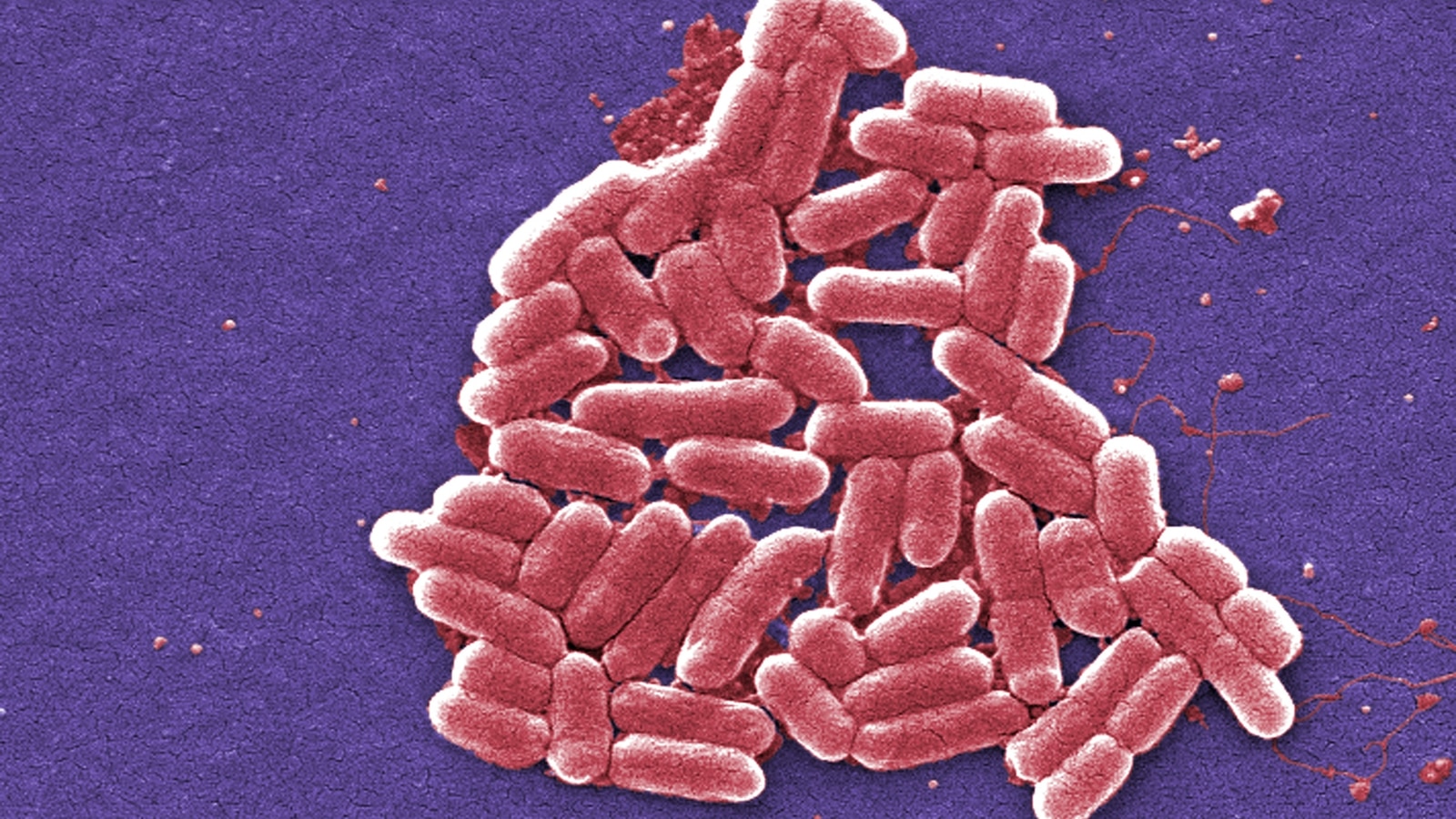
A few strains of E. coli are known as Shiga toxin-producing E. coli, meaning they produce toxins that can cause severe illness. This can lead to a serious condition called hemolytic uremic syndrome, in which small blood vessels become damaged, causing clots to form that can harm the kidneys and, in turn, can lead to sudden kidney failure or death.
The department said children under age 10 are at highest risk of having complications. Cuddy said the laboratory is evaluating additional information to determine the specific strain behind the cases.


A U.S. cruise ship suspends a voyage due to fuel costs, stranding 200 passengers : NPR
SIHANOUKVILLE, Cambodia — A U.S. cruise ship on an around-the-world voyage that touted its cabins as floating homes suspended its...


Jimmy Fallon and Jamie Lee Curtis Spoof ‘You Can See Everything’
On Wednesday night’s episode of “The Tonight Show,” host Jimmy Fallon gave his best Nathan Fielder impression while guest Jamie...


The Milwaukee Brewers win the first World Series title in franchise history, defeating Tampa in 5 games
The Milwaukee Brewers put on a masterclass in every facet of the game as they beat the Tampa Bay Rays...


Brewers win World Series for first time in franchise history with Game 5 victory over Rays
For the first time in franchise history, the Milwaukee Brewers can call themselves World Series champions. The Brewers couldn’t get...


EU and Canada eye now-or-never window to Trump-proof their ties
The EU and Canada are betting they can deepen their partnership while Donald Trump looks inward at the U.S. midterms...


Kalshi, cofounders hit with criminal charges in US state of Utah
The US state of Utah has announced criminal charges against popular prediction market Kalshi and its two cofounders, accusing the...


Crystal Hefner slams Jon Lovitz after mocking her Playboy Mansion ‘perv’ comments
Crystal Hefner is firing back after Jon Lovitz mocked her for calling him the Playboy Mansion’s “No. 1 customer.” “I...
Brewers vs Rays World Series Game 5; live updates, score, highlights
9:42 pm CT Abner Uribe negotiates the seventh; they’re six outs away JR Radcliffe Simpson got to third on a...


Hayden Panettiere’s manner of death revealed as officials conclude case
Officials in South Carolina announced Wednesday that an investigation found Hayden Panettiere’s Aug. 16 death to be accidental and the...
World Series 2026: Brewers beat Rays in Game 5 to win first title in franchise’s 57
A 57-year wait is over. The Milwaukee Brewers are World Series champions for the first time in franchise history. The...
-

 Business2 weeks ago
‘Black Monday’ fears intensify as prediction markets shrug off 2026 crash
-
Business2 weeks ago
Why BlackRock is suddenly more bearish on stocks
-

 Business2 weeks ago
Dow Jones Futures: Stock Market Holds Up As Meta, AMD Lead Buys; ASML, CPI Inflation Due
-
Business2 weeks ago
AI Agent Company Decagon Held Early M&A Talks With ServiceNow, Others
-

 Business2 weeks ago
CPI inflation report September 2026
-

 HealthNews2 weeks ago
Carefree panty liners face lawsuit over dangerous carcinogenic claim
-

 Food2 weeks ago
Wall Street Sees Inflation Easing Even With Oil Above $90
-

 Business2 weeks ago
Endeavor Health, Rush University System for Health to merge