
Business
Alphabet, Microsoft earnings show surging AI demand and spending

Alphabet and Microsoft reported surging demand for artificial intelligence in their quarterly earnings Wednesday, and the technology giants continue pouring billions of dollars into the infrastructure needed to support the growing industry.
Google parent Alphabet expects capital expenditures to increase significantly in 2027 after projecting between $195 billion and $205 billion in spending this year, underscoring the enormous costs associated with expanding AI infrastructure.
Alphabet reported third-quarter revenue of $127.6 billion, up 25% from a year earlier, while Microsoft posted fiscal first-quarter revenue of $92.3 billion, an increase of 19%.
SAN FRANCISCO STARTUP OFFERED $20 AN HOUR TO WALK ROBOT DOGS FOR AI TRAINING: REPORT
Google Cloud revenue more than doubled to $30.7 billion, a 103% increase from the previous year, while Microsoft’s Azure cloud business reported revenue growth of 48%.
“Our AI infrastructure and solutions are the major drivers for Cloud growth, and our customers see us as the leading provider here, so there’s huge demand,” Alphabet CEO Sundar Pichai said during the company’s earnings call.
“We are working hard to bring more capacity online to meet this long-term demand.”
MICROSOFT OFFERS VOLUNTARY BUYOUTS TO 60,000 EMPLOYEES AS TECH GIANT RESHAPES ITS WORKFORCE
Alphabet spent approximately $51.4 billion on capital expenditures during the third quarter, more than double the amount spent a year earlier, with much of the investment directed toward technical infrastructure supporting its AI and cloud businesses.
Chief Financial Officer Anat Ashkenazi also warned that Google Cloud could face near-term margin pressure as the company relies on third-party computing capacity to meet demand.
Microsoft similarly highlighted strong demand for AI services, with Microsoft Cloud revenue rising 30% to $63.9 billion.
Ticker Security Last Change Change % GOOGL NO DATA AVAILABLE – – – MSFT NO DATA AVAILABLE – – –
GET FOX BUSINESS ON THE GO BY CLICKING HERE
The company’s commercial remaining performance obligation, a measure of contracted future revenue across its commercial businesses that has not yet been recognized, climbed 73% to $677 billion.
The results underscore the challenge facing both companies as they seek to capitalize on growing AI demand while managing the substantial costs of building the infrastructure needed to support it.
Business
Kalshi, cofounders hit with criminal charges in US state of Utah

The US state of Utah has announced criminal charges against popular prediction market Kalshi and its two cofounders, accusing the platform and its executives of illegally promoting online gambling.
Utah Attorney General Derek Brown filed the charges against Kalshi, chief executive officer Tarek Mansour and chief operating officer Luana Lopes Lara on Wednesday, a day after US President Donald Trump’s administration sued the state to block its civil enforcement actions against the platform.
Recommended Stories
list of 4 items
list 1 of 4Israelis rally for Jewish-Arab government after election gains
list 2 of 4Riot police deployed in Madrid as protests erupt over deadly train crash
list 3 of 4Bolsonaro in Miami: I am the ‘true president-elect’
list 4 of 4Serbians storm TV studio as pro-Vucic media faces reckoning
end of list
According to the criminal complaint filed in a Salt Lake City court, Kalshi facilitated an undercover law enforcement officer’s wagers on sports events, including games in the NFL.
The charges come after a federal judge in August ruled that Utah was entitled to enforce its stringent anti-gambling laws against online prediction markets, following a legal bid by Kalshi to block enforcement of the law.
The criminal complaint accuses the defendants of 12 counts of online gambling promotion, one count of general gambling promotion and one count of pattern of unlawful activity.
Kalshi and Brown’s office did not immediately respond to requests for comment.
Utah has some of the strictest prohibitions against gambling in the US, with its state constitution explicitly barring lawmakers from legalising the activity.
The charges mark an escalation in a showdown between US states and the Trump administration over the regulation of prediction markets.
On Tuesday, the Commodity Futures Trading Commission filed a lawsuit seeking to block Utah’s enforcement actions against prediction markets, arguing that the platforms fall under federal jurisdiction.
The regulator announced the move after Utah last week filed a civil lawsuit accusing Kalshi of facilitating betting on sports, elections, politics and other outcomes in violation of anti-gambling laws.
Dozens of US states, led by both Republican and Democratic administrations, have argued that the Commodity Futures Trading Commission does not have the authority to regulate prediction markets.
Last month, the state of New Jersey asked the US Supreme Court to rule on whether state or federal authorities have jurisdiction over sports betting on prediction market platforms.
Business
Why Alphabet’s stock could see its worst drop in years after the latest results
Shares of Alphabet were falling hard in after-hours trading as the company reported a third-quarter revenue and earnings miss on Wednesday, stoking fears that artificial intelligence is pressuring its core search-engine business.
Overall revenue for Alphabet GOOGL GOOG grew 25% from a year before to $127.6 billion, missing the $128.0 billion figure expected by analysts. Earnings per share of $2.12 were also lower than Wall Street consensus estimates of $3.02, driven by a $8.6 billion paper loss on equity stakes which the company attributed to its investment in SpaceX SPCX.
Business
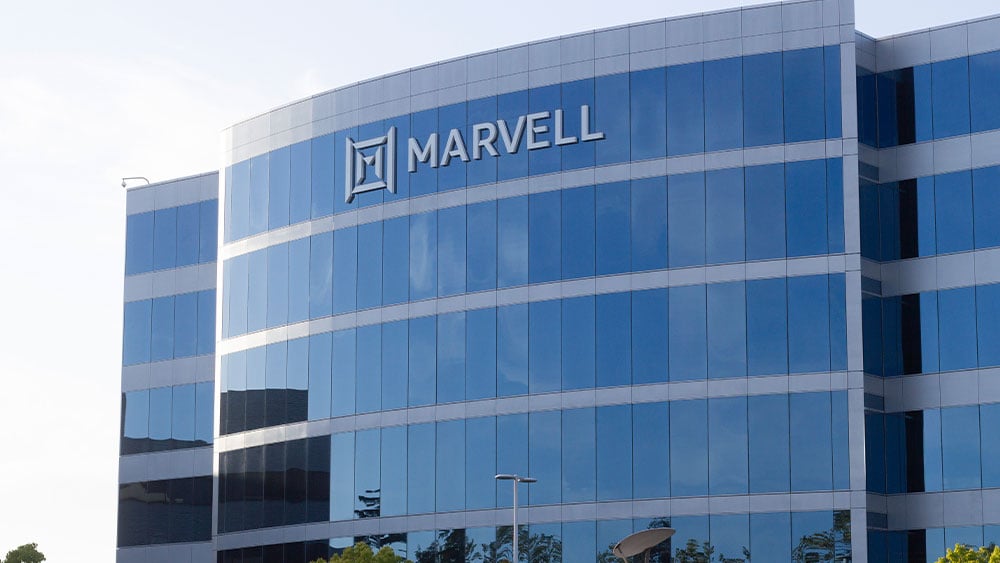
Lumentum Jumps On Marvell Buyout Report
Information in Investor’s Business Daily is for informational and educational purposes only and should not be construed as an offer, recommendation, solicitation, or rating to buy or sell securities. The information has been obtained from sources we believe to be reliable, but we make no guarantee as to its accuracy, timeliness, or suitability, including with respect to information that appears in closed captioning. Historical investment performances are no indication or guarantee of future success or performance. Authors/presenters may own the stocks they discuss. We make no representations or warranties regarding the advisability of investing in any particular securities or utilizing any specific investment strategies. Information is subject to change without notice. For information on use of our services, please see our Terms of Use.
*Real-time prices by Nasdaq Last Sale. Real-time quote and/or trade prices are not sourced from all markets. Ownership data provided by LSEG and Estimate data provided by FactSet.
IBD, IBD Digital, IBD Live, IBD Weekly, Investor’s Business Daily, Leaderboard, MarketDiem, MarketSurge and other marks are trademarks owned by Investor’s Business Daily, LLC.
©2026 Investor’s Business Daily, LLC. All Rights Reserved.
Business
Trump administration will allow pharmacies to make popular peptides
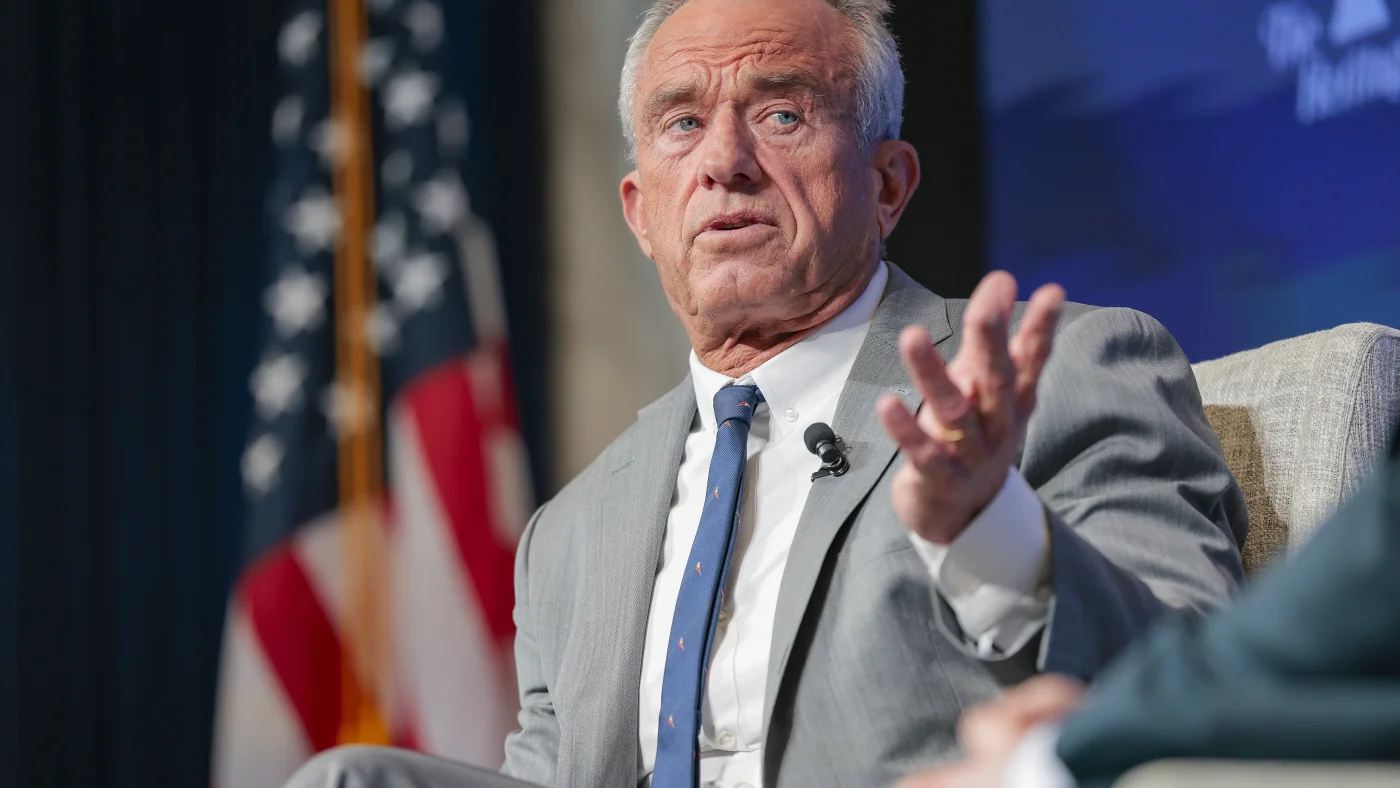
Unproven but popular peptides touted for wellness have been available on the gray market, despite an official ban. Now, the Department of Health and Human Services is looking to bring them out of the shadows.
HHS said in a new policy that it will exercise enforcement discretion for a half dozen peptides, essentially looking the other way when they’re made by small compounding pharmacies.
Health Secretary Robert F. Kennedy Jr. has been a vocal supporter of peptides, saying he has used some of them himself.
Peptides are strings of amino acids, shorter than proteins, that can exert powerful effects in the body. Some occur naturally and others are synthetic variations. Wellness influencers and some clinicians have promoted unproven peptides for a wide range of uses, though the evidence for their safety and effectiveness is sparse.
So even though these peptides have not been through the Food and Drug Administration’s rigorous drug review and approval process, they could become easier to get. But the policy’s focus on smaller producers may mean that pharmacists will have a tough time meeting demand.
In July, a panel of advisers to the FDA voted in favor of expanded access to six peptides through compounding pharmacies. However, at the same meeting the FDA’s own scientists recommended against unwinding the existing restrictions on them.
The new policy says compounding is a safer alternative to illicit “research-use-only” peptides that are available online. They’re often sourced from sketchy suppliers overseas.
The peptides, and some of their unproven uses, are:
BPC-157, ulcerative colitis
Epitalon, insomnia
KPV, wound healing
MOTS-c, metabolic health
Semax, migraine
TB-500, wound healing
Joshua Fritzler, the president of Olympia and Wesley Pharmaceuticals in central Florida, says people have been asking about these peptides for years. But because they were illegal to compound, his company didn’t make them.
The new policy doesn’t change their legal status, but it does create a path for small compounders, called 503A compounding pharmacies. It doesn’t apply to the larger ones, called 503Bs, that are outsourcing facilities producing higher volumes of medicines.
So at Fritzler’s company, only its smaller compounding facility will be able to make the peptides – and only in small quantities, he says.
And that has implications for consumers.
“We won’t be able to meet demand,” he says, explaining that Olympia will likely only compound one of the six peptides and needs to get its facility ready first. “I don’t think all the [503]As in the country could meet the demand.”
The Alliance for Pharmacy Compounding’s CEO Scott Brunner wrote in a statement that his group is pleased with the administration’s decision to allow the peptides to be compounded because it offers a “more accountable alternative” for patients seeking gray market peptides.
“It also brings patients into a system where pharmacy standards, regulatory oversight, and serious adverse event reporting apply,” he says.
Brunner warned, however, that it may take some time for compounding pharmacies to begin dispensing these products to patients. That’s because ingredient suppliers need to make sure their active ingredients meet the policy’s requirements — and pharmacies need to verify that, too.
Several consumer advocacy groups say the policy puts patients at risk, however. The nonprofit Public Citizen noted that Kennedy seems to have acted unilaterally rather than through the typical rulemaking process.
“By allowing unproven and potentially unsafe peptides to be manufactured, marketed and prescribed without concern about potential federal enforcement actions, Kennedy has undermined the FDA and threatened public health,” Dr. Robert Steinbrook, Health Research Group Director at Public Citizen wrote in a statement. “All peptide substances should go through the standard FDA approval process for new drugs. The HHS Secretary should support, not sabotage, needed FDA enforcement actions to protect consumers.”
Steinbrook advised clinicians to talk to their patients and tell them about the risk of contamination and other adverse effects.
The Partnership for Safe Medicines, which includes various pharmacy and pharmacist organizations around the country, filed a citizen petition last week, urging the FDA to ignore the recommendation from its advisory committee in July to allow compounding pharmacies to make the six peptides.
“Today’s decision leaves Americans in a grey area as to whether peptides are safe or not, even though the FDA’s own scientists recommended against voting in favor of these substances due to concerns with evidence,” its executive director Shabbir Safda wrote in a statement.
Business
Peptide peddlers cheer as RFK Jr. unilaterally grants access, overruling FDA
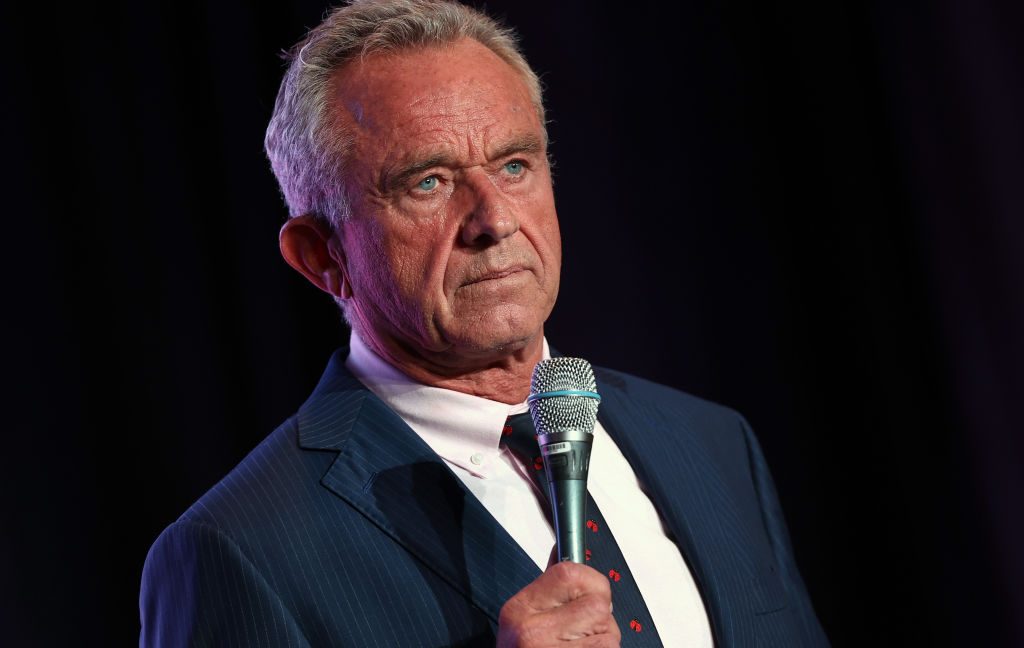
Anti-vaccine Health Secretary Robert F. Kennedy has unilaterally passed a rule that will allow specialty pharmacies to sell six specific peptide drugs, overruling scientists at the Food and Drug Administration.
The peptides are popular among members of Kennedy’s Make America Health Again movement and many prominent MAHA figures and Kennedy allies sell them. Kennedy said he uses some of the peptides and called himself a “big fan.” But FDA scientists continue to say there is insufficient evidence to show if they’re effective and they are potentially dangerous. In 2023, the safety concerns led the FDA to remove the six peptides from a list of drugs that can be made by specialty pharmacies called compounding pharmacies—which make customized formulations of drugs for patients, or, in cases such as this, specialty drugs in bulk.
Kennedy’s new rule sidesteps the need to formally undo that FDA action. The rule is titled “Enforcement Discretion Policy Regarding 503A Compounding Using Certain Peptide Bulk Drug Substances” and was made available Wednesday on the Federal Register, with the final publication data set for October 30. The rule does not change the regulatory status of the peptide; instead, it states the Department of Health and Human Services (HHS) will no longer take enforcement action against compounding pharmacies for making the peptides, essentially giving them a green light to freely produce and sell them. Kennedy had quietly proposed this rule earlier this month.
Questionable rationale
Along with the notice in the Federal Register, HHS also posted a more detailed explanation of the policy today that includes more of Kennedy’s rationale for easing enforcement of the six select peptides, which are: BPC-157, Epitalon, KPV, MOTS-c, Semax, and TB-500.
One reason cited for all the peptides was that an FDA advisory panel voted in July to add these six peptides back to the list of drugs compound pharmacies can make. However, prior to the vote, Kennedy stacked that 12-member committee with eight new members. At least six of Kennedy’s additions have ties to peptide-related businesses and clinics, raising serious conflict-of-interest concerns.
Another explanation for allowing the peptides is that the safety concerns are mainly hypothetical or “inferential” and not based on observed harm in humans. But this is mainly because there are few to no studies involving humans that show either benefits or harms from the peptides.
Still, Kennedy argues in the policy that making the peptides more available through compounding pharmacies will improve safety because it will keep people from buying them on the gray or black market or buying formulas not intended for patient use.
“The Secretary of HHS has determined that this limited enforcement-discretion policy will discourage the continued, widespread use of certain research-use-only peptides supplied by foreign manufacturers that pose a safety risk to US patients,” the HHS policy document states.
Calling the compounded peptides “a more controlled alternative” to illegal versions of the peptides, the document says that “the Secretary has determined that the policy advances patient choice and freedom while appropriately protecting patient safety.”
Responses
Peptide sellers online were quick to celebrate the news. Brigham Buhler, who sells peptides in a wellness clinic he runs, cheered the news on X, thanking Kennedy, President Trump, Calley Means, and Joe Rogan. “Medical freedom just took a major step forward!” he wrote.
Zachary Shurtleff, a marketing executive for a wellness-focused compounding pharmacy, also celebrated, writing, ” Peptides are BACK like they never shoulda left!”
Lee Rosebush, chair of the American Academy of Peptide Medicine, a group formed last year, released a statement thanking Kennedy and the Trump administration for “taking a forward-thinking, evidence-based approach to the regulation of peptides.”
Critics have pushed back, noting that there are already reports of harms from peptides.
In a statement released Tuesday, before the new rule was released, the Center for Science in the Public Interest laid out several reasons why making unproven peptides more accessible is dangerous. For one, reports of harms will “continue to mount,” CSPI said. And if any of the peptides actually showed promise of efficacy, reputable pharmaceutical companies will have less incentive to follow up with thorough clinical trials if the peptide is already widely available. Further, allowing access to peptides based on marketing demand could open the doors for other unapproved products, creating an incentive for illegal sales.
Fred Mills, chief policy officer of Americans for Safe and Effective Medicines (ASEM), said in a statement Wednesday that the new rule “does not resolve problems with untested products, safety risks, questionable ingredients, or misleading claims. In fact, we believe this will worsen what we have already seen—the harms from mass compounding hitting communities hard due to a lack of oversight to rein in bad actors. We need to follow the science, and the reality is that FDA itself has continued to sound the alarm on lackluster data on these peptides. Safety and efficacy aren’t a nice-to-have; they are required.”


A U.S. cruise ship suspends a voyage due to fuel costs, stranding 200 passengers : NPR
SIHANOUKVILLE, Cambodia — A U.S. cruise ship on an around-the-world voyage that touted its cabins as floating homes suspended its...


The Milwaukee Brewers win the first World Series title in franchise history, defeating Tampa in 5 games
The Milwaukee Brewers put on a masterclass in every facet of the game as they beat the Tampa Bay Rays...


Brewers win World Series for first time in franchise history with Game 5 victory over Rays
For the first time in franchise history, the Milwaukee Brewers can call themselves World Series champions. The Brewers couldn’t get...


Kalshi, cofounders hit with criminal charges in US state of Utah
The US state of Utah has announced criminal charges against popular prediction market Kalshi and its two cofounders, accusing the...
Brewers vs Rays World Series Game 5; live updates, score, highlights
9:42 pm CT Abner Uribe negotiates the seventh; they’re six outs away JR Radcliffe Simpson got to third on a...


Hayden Panettiere’s manner of death revealed as officials conclude case
Officials in South Carolina announced Wednesday that an investigation found Hayden Panettiere’s Aug. 16 death to be accidental and the...
World Series 2026: Brewers beat Rays in Game 5 to win first title in franchise’s 57
A 57-year wait is over. The Milwaukee Brewers are World Series champions for the first time in franchise history. The...


Details of thousands of US immigration agents leaked in major hack
Details of more than 41,000 personnel working for the US Department of Homeland Security (DHS), including thousands involved in immigration...


Sunrise on the Reaping’ First Reactions Praise Prequel
“The Hunger Games: Sunrise on the Reaping” has officially premiered, and members of the film press are already calling the...


‘Smile 3’ Sets New Director and Writer to Take Over Franchise
Put on a happy face, because “Smile 3” is officially in the works. Paramount has hired David Bruckner to direct...
-

 Business2 weeks ago
‘Black Monday’ fears intensify as prediction markets shrug off 2026 crash
-
Business2 weeks ago
Why BlackRock is suddenly more bearish on stocks
-

 Business2 weeks ago
Dow Jones Futures: Stock Market Holds Up As Meta, AMD Lead Buys; ASML, CPI Inflation Due
-
Business2 weeks ago
AI Agent Company Decagon Held Early M&A Talks With ServiceNow, Others
-

 Business2 weeks ago
CPI inflation report September 2026
-

 Food2 weeks ago
Wall Street Sees Inflation Easing Even With Oil Above $90
-

 HealthNews2 weeks ago
Carefree panty liners face lawsuit over dangerous carcinogenic claim
-

 Entertainment2 weeks ago
Reese Witherspoon Partners With Mediawan To Buy Hello Sunshine