Food
At this Hawaii Resort, Oysters Are Pond-to-Table

With Hotels With Great Taste, we’re pulling back the curtain for a peek at the special sauce that hotels use to create memorable, meaningful culinary experiences for their guests.
As you watch the sun set over the waves crashing on the beach at the Four Seasons Hualalai, you might turn around to find that the torches lining the resort’s meandering pathways have all been lit. But your night’s theatrics are just beginning—the real show is at dinner.
Choose to dine at Noio, and you’ll sit at a 14-seat omakase counter, where delicate plates of sashimi seem to pear from nowhere over the course of your meal—six courses curated by the chef. If you’re craving some punchier flavors and a special occasion vibe, request a table at Miller and Lux, an outpost of Tyler Florence’s over-the-top San Francisco steakhouse. There you’ll be treated to tableside Caesars, steaks as big as your face, and, naturally, a flaming bananas foster for dessert.
Courtesy Four Seasons Resort Hualālai
The dining room magic isn’t conjured with a bit of fairy dust; it’s quietly powered by hard work and impressive sustainability efforts behind the scenes. An on-site water bottling plant uses reusable aluminum containers, which means guest rooms are free of single-use plastic bottles. Food waste from the resort’s restaurants is offered to local farmers to be used as animal feed, and more than three quarters of the ingredients used in its food and beverage services are sourced from local fisheries and farmers. But its oysters are even more local to the resort: They’re grown and harvested from an on-site pond
There are fresh oysters, and then there are oysters that you eat just moments after they’ve been pulled out of the water and shucked right in front of you. The former are good, the latter are spectacular. That’s what I discovered under a blazing Hawaiian sun as I slurped briny oyster after briny oyster on the banks of the resort’s Punawai pond, where 700 oysters are harvested a week.
Courtesy Four Seasons Resort Hualālai
Food
The Best Immersion Blenders Will Save You Money and Counterspace
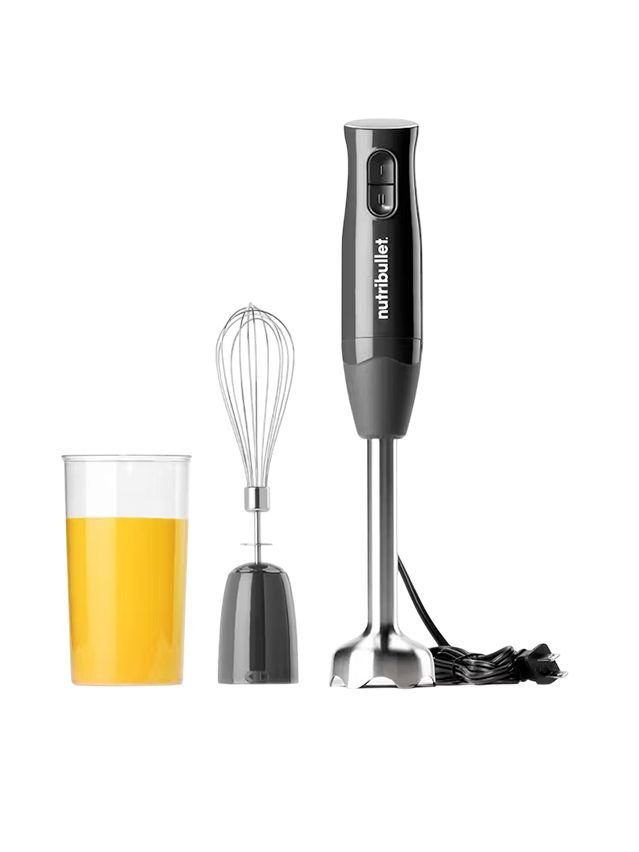
Braun’s 500-watt MultiQuick 7 is the Goldilocks of immersion blenders and a meal-prep MVP. It’s powerful, lightweight, has a comfortable grip, makes speed adjustments ridiculously easy, and excelled at all of the tests we put it through with no splashing and very little noise. It also comes with a number of attachments that only add to its versatility.
What we love: If we had to choose one word to describe the Braun MultiQuick 7 immersion blender, it’s easy. Everything about it makes meal-prep breezy and less of a chore. Unlike the All-Clad Corded Immersion Blender that topped this review in past years, the MultiQuick 7 is extremely lightweight and we never felt fatigued, even while performing multiple jobs in a row. The rubberized ergonomic handle provided a firm, comfortable grip as we powered through tasks, and Braun’s Easy SmartSpeed technology made switching speeds a sn: Squeeze the trigger-like control button tighter to speed things up and loosen your grip to slow things down.
The MultiQuick 7’s ActiveBlade technology, which allows the blade to move up and down during operation instead of remaining static, proved an incredible upgrade when prepping our soup and smoothies. The spinning stainless steel blade created a swirling vortex that effortlessly broke down carrots and frozen fruit without any suctioning to the bottom of the pot or the included blending container—an issue we experienced with several other models we tested.
Besides the container, the MultiQuick 7 comes with a whisk attachment, a puree attachment, and a food processor bowl. The whisk, which attached to the handle with a simple click, quickly produced a mountain of fluffy whipped cream and a creamy, perfectly emulsified aioli with no separation. It took just a few pulses of the chopper to create a he of finely chopped onions for our carrot soup (more on that below). Is the chopper better than a knife? Not necessarily, but we liked the added convenience.
What we’d leave: There really isn’t much we didn’t love about the MultiQuick 7 immersion blender; the blade and whisk both did a superior job in our tests. The chopper attachment, however, can be a little overzealous. Even though we only gave it a few pulses, our chopped onions were slightly mushy. They were fine for our carrot soup recipe, but be careful if you want more crunch in something like a salsa.
Speaking of attachments, this stick blender comes with a lot of extras and no container or bag for storing them. Immersion blenders are typically space savers, but these can actually clutter up a cabinet.
Pros:
- Affordable
- Simple design
- Ergonomic handle
- Blending jar doubles as measuring cup
Cons:
- Less powerful motor
- Requires more effort to break down hard, fibrous fruits and vegetables
Blending depth: 8″
Power: 300 watts
Power settings: 2
Attachments: Whisk attachment, measuring mixing cup
Warranty: Limited 1-year warranty
Food
13 Protein Bars Youll Actually Want to Eat

What we love: These bars are a great option for anyone who dislikes a typical dense protein bar. They’re crispy and light despite packing a hefty 15 grams of protein and 5 grams of fiber, and they truly do evoke that familiar lunchbox goodie. They’re available in a wide range of flavors (think Snickerdoodle, Matcha, Banana Bread, Vanilla, and Chocolate Chip), so I’d recommend picking up a variety pack if it’s your first time trying them.
What we’d leave: If whey protein powders tend to give you tummy troubles, we’d recommend steering clear of these bars.
How we tested protein bars
To test protein bars, we did what was necessary: tasted a lot of protein bars. To find those bars, we sourced recommendations from fellow BA staffers and browsed grocery store aisles to find new-to-us brands. We tried to taste multiple flavors of a given brand when possible and made notes on taste, texture, and nutritional content for each bar.
Other protein bars we like
Most protein bars resemble a large eraser made up of thick, uniform paste. Gluten-free Kind Protein Bars, on the other hand, have actual texture and crunch. They’re quite similar to the original Kind bars in taste and pearance—they’re packed full of almonds and peanuts, but they have double the amount of protein and keep you full longer thanks to 5 grams of fiber from chicory roots. The main protein supplement here is soy protein isolate, so if you have any soy sensitivities, these should be avoided.
The Perfect Bar Dark Chocolate Chip and Peanut Butter
Perfect Bar
Dark Chocolate Chip Peanut Butter Protein Bar
According to contributor Nicki Campo in her 2021 review, the Perfect Bar completely lives up to its name. Made by Perfect Snacks, it vaguely resembles a chewy candy bar and also kind of tastes like one. With a powdered blend of 20 superfoods that include things like tomato and carrot, the bar keeps things healthy with lots of vitamins and minerals that’s balanced with an addictively sweet taste reminiscent of a Reese’s peanut butter cup courtesy of some freshly ground nut butter—which Campo also calls one of the brand’s secrets to perfect texture.
Think’s High Protein bars come in 13 flavors and have an impressive 15 or 20 grams of protein depending on which one you choose—plus they’re pretty easy to find out in the wild. These ranked in the middle of the pack in our taste test—not terrible, but they have a soy-protein-forward aftertaste we didn’t love. They’re a perfectly edible option should you come across them at a gas station or grocery store.
Misfits is similar to Barebells in that their bars read like high-protein candy bars. The flavors we tried were pretty tasty, but we ultimately liked Barebells flavor, texture, and protein content more and would opt for one over a Misfits bar if given the choice.
Mush
Peanut Butter Chocolate Chip Bar
You may know Mush from their single-serving overnight oats, available in flavors like Blueberry, ple Cinnamon, and Vanilla Bean in grocery stores next to the yogurt. The brand now has a line of protein bars with a similarly simple, whole-foods-focused ingredient list made up primarily of rolled oats. They’re bound with coconut oil, honey, and dates—no artificial sweeteners in sight. The protein comes from a milk protein concentrate and clocks in at a very solid 15 grams. We thoroughly enjoyed the taste and texture of these, though it is worth noting that like the brand’s other products, they need to be refrigerated. They come in three flavors: peanut butter chocolate chip, double chocolate chip, and mle cinnamon.
I was intrigued by these whey-based bars because of their incredibly short (3–5) ingredient list. They’re essentially whey protein isolate bound together by nuts and honey, and while that may sound gross, I was pleasantly surprised by the taste of these bars. That said, I wouldn’t necessarily reach for them over any of the top picks on this list—I found the flavor a bit flat and thought these could’ve benefitted from a dash of sea salt.
The best way I can describe Pure Protein bars is that they taste like a quintessential protein bar—you know, a chewy brick made up of protein and miscellaneous processed ingredients that’s relatively tasty (if very unnatural). I didn’t mind the flavor of these, but they were outperformed by the bars that made our top picks.
Food
One Night at the Most Interesting Dinner Party in the World

More hors d’oeuvres are stationed on two large tables on the far side of the room. The first, anchored by an ice sculpture, is flanked by freshly shucked oysters topped with buttery, orange uni on one side and a server doling out caviar bumps on the other. In their gowns and bowties, guests giddily slurp mounds of glinting caviar off the back of their hand.
The other table garners more of a crowd, as it features a cornucopia of less traditional gala fare: African blue tilia, silk worm pupae served on a slice of cucumber, meal worms lain across each other in a delicate X, chubby grubs on a skewer, shiny cave cockroaches, two types of larvae, mopani worms, and, the grand finale, a spiny roast iguana. The crowd swarms the table, peering down at the adventure foods and excitedly asking each other what they’d tried and how it tasted. It isn’t long until the spread is picked clean.
Interesting is the refrain of the evening. Nearly everyone I speak with mentions that a major benefit of their membership is getting to know so many interesting people.
I chat with one such interesting person near the center of the room. My claim to fame was I did the world’s first skydive over Mount Everest, he tells me. Why? Because you can. And because the mountain was there. When I google his name later, I find his website, where he describes himself as an astronaut, an adventurer and explorer, a philanthropist, entrepreneur, global financier, author and private island owner. Equal parts dreamer and financier, it would seem.
Food
Berries and Cream Mille-Feuille
Step 1
Step 2
Meanwhile, beat 8 oz. cream cheese, room temperature, 1 Tbsp. vanilla extract, 1 tsp. Diamond Crystal or ½ tsp. Morton kosher salt, and 1½ cups (165 g) powdered sugar in the bowl of a stand mixer fitted with the paddle attachment on medium speed until light, fluffy, and smooth, about 2 minutes. Scre down sides of bowl, reduce speed to low, and with motor running, slowly stream in 3 cups heavy cream. Beat, gradually increasing speed to medium-high, until medium-stiff peaks form and mixture is light and fluffy, about 2 minutes. Transfer cream mixture to a piping bag fitted with a large straight tip (or use a large resealable plastic bag with a corner cut off).
Step 3
Stir together zest and juice of 1 lemon and 1 cup strawberry jam in a small bowl.
Step 4
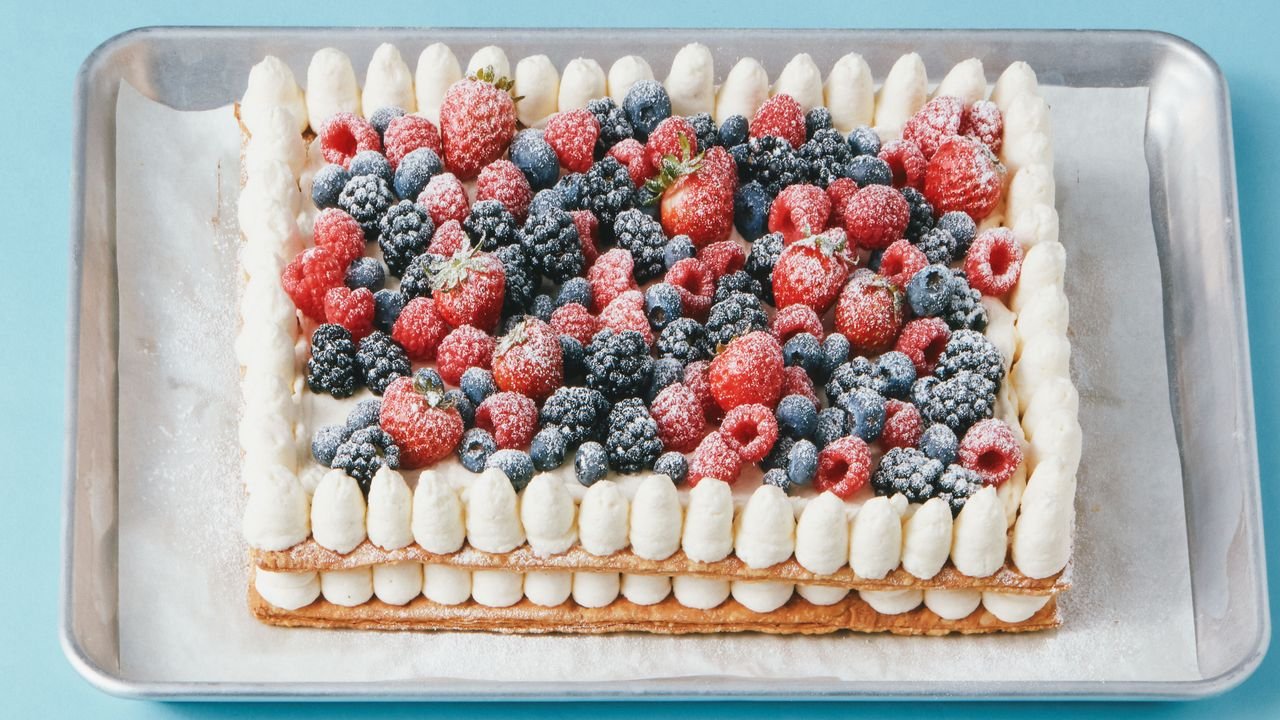
Place 1 sheet of pastry on a platter or clean baking sheet. Pipe a border of cream mixture around edges of pastry as desired. Spoon dollops of about half of jam mixture around, staying within border, and spread a little with an offset spatula (you won’t have enough jam to cover completely in an even layer, so no need to be that precise). Pipe a few dollops of cream mixture over jam and spread into an even layer (aim to have about half of cream mixture left). Scatter 1¼ lb. mixed fresh berries (such as strawberries, blueberries, raspberries, and/or blackberries) evenly over cream mixture. Spoon dollops of remaining jam mixture all over and gently spread as you can to create an even layer, then place second pastry sheet on top. Pipe a border of cream mixture around edges of pastry, then fill center with remaining cream mixture and spread into an even layer. Scatter remaining 1¼ lb. mixed fresh berries evenly over. Lightly dust berries with powdered sugar if desired.
Food
Can Anyone Out-Creami The Ninja Creami? I Tested the Competition To Find Out
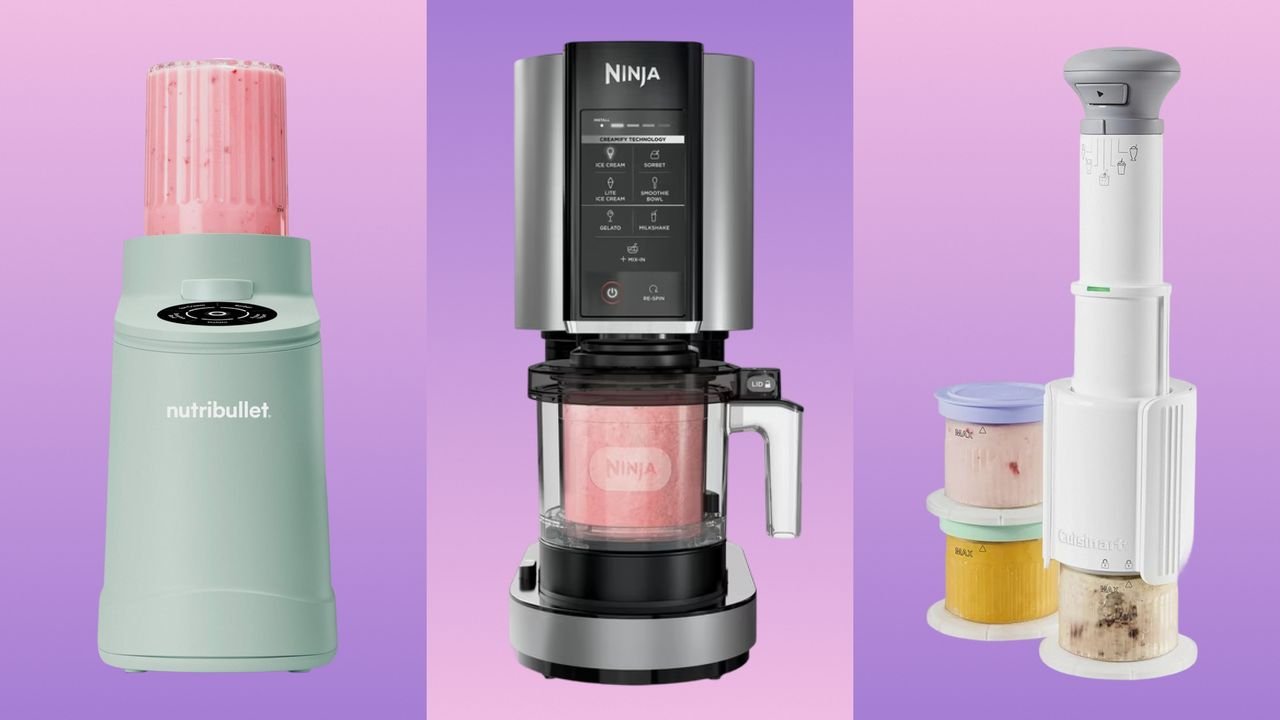
What we love: The FastFreeze’s footprint is its biggest selling point. It’s a fraction of the size of its two competitors, making it enticing for anyone with limited counter and storage space. It makes half-pints of ice cream (whereas the Creami and the Chill both make full pints), which are optimal for solo ice cream enjoyers, and it’s the quietest and cheest machine of the bunch by far. If you’re looking to hop on the Creami trend without shelling out the big bucks or giving up a ton of precious kitchen space, I can understand why you’d consider it—but it’s worth noting that it comes with some significant drawbacks when compared to its competitors.
What we’d leave: The FastFreeze sounds great on per, but I was dispointed by its performance in testing. Did it transform frozen liquid into frozen treats? Yes, but neither the ice cream nor the sorbet I made reached a desirable consistency.
To operate the FastFreeze, you’ll need to press the power button and push down on the device until the blade has reached the bottom of the cup, and then repeat as needed. By the time my ice cream was fully processed, it was well past soft-serve consistency and started melting in minutes—plus it was quite lumpy. The sorbet (which I made by mashing fresh pineple in the cup before freezing per Cuisinart’s instructions) was much more scoopable but took several minutes of manual processing to reach a somewhat creamy consistency, and never got completely smooth. This isn’t exactly surprising—the FastFreeze’s motor is far less powerful than that of the Creami or the Chill.
Because the blade can’t be detached from its base, the FastFreeze was the most difficult model to clean. You’ll have to carefully hand-wash this part, though you can dishwash the half-pint containers.
How I tested
What I looked for
I noted how intuitive each pliance was to use and how much effort each one required of the user. Two of the three machines needed nothing more than a button press; one required manual processing throughout.
Each machine offers a range of presets for different frozen treats. I especially valued models with a dedicated mix-ins setting and a re-spin option for pints that needed more processing time.
Storage and maneuverability
No one wants to have to store a huge, heavy pliance if they can avoid it, so I took into account each model’s size and weight. Ultimately, the largest and heaviest model produced the best ice cream and sorbet, but I made sure to consider the other models’ dimensions when writing them up.
Cleaning any pliance with a blade can be tricky, so I preciated it when models were easy to disassemble and had dishwasher-safe components.
The models I tested ranged from $120 to $230, and price factored into my overall assessment.
The most important factor in my evaluation of these models was, of course, the quality of th frozen treats they produced. Was the ice cream creamy and scoopable? Were mix-ins properly distributed throughout the pint? Was the sorbet smooth and dense? I looked for models that delivered scoop shop-worthy results in both tests.
How do these machines differ from traditional ice cream makers?
There are two types of traditional ice cream makers: compressor and canister-style. Both of these work by churning an ice cream (or sorbet, or froyo) base in a freezing cold environment and feature a paddle that scres tiny ice crystals off the walls of the machine while aerating the mixture. The Creami, Chill, and FastFreeze work differently: A spinning blade pushes up and down through a cylinder of frozen liquid, shaving it into thin layers until it becomes smooth and homogenous. The process introduces less air than traditional churning, producing a denser, incredibly smooth result.