
Tech
Amazon Prime Day 2026 will run earlier this year from June 23 to 26 – Engadget
The four day shopping bonanza takes place earlier this year.
If you like to hold off on major purchases until big sales, listen up. Amazon has announced that its Prime Day event will take place this year from June 23 to June 26, a couple of weeks earlier thanlast year. As usual, the sale is for Prime members only and will feature deals across 35 categories ranging from clothing to electronics.
The event is one of multiple Prime Day sales Amazon usually holds throughout the year, along with its October and spring sales. However, it’s the biggest of the bunch with some of the steepest discounts, particularly on big-ticket items. It’s also, of course, a way for Amazon to convince people to sign up for its $139-per-year service, as most of the deals are only available to Prime subscribers.
Last year, Prime Day ran for four days compared to only 48 hours in 2024. The company is sticking to that four-day period this year as well, so you’ll have more time to find deals. Keep in mind, though, that some things are only discounted on certain days and stock can run out fast, so you’ll want to keep an eye on any products you’re interested in.
Amazon is also offering Prime members early theater screenings for Spider-Man: Brand New Day as a way to encourage signups. As usual, it already has early deals on products, particularly its own like Echo, Ring, Kindle and Fire TV devices, plus up to 50 percent off select movie purchases.
Tech
'A Web of Deceit': Florida Sues OpenAI Over ChatGPT Safety Concerns
Florida has become the first US state to sue OpenAI over ChatGPT‘s safety and design, adding to a massive wave of existing lawsuits against the company.
According to the lawsuit (PDF) filed on Monday by Florida Attorney General James Uthmeier, OpenAI has built a “web of deceit and the exploitation of users, including Floridians.” Florida alleges the company violated state laws against deceptive or unfair trade practices to boost its own market value — and profits — over the safety of its users.
Florida isn’t buying OpenAI’s promise to build safely, as the beginning of the complaint shows.
The state’s lawsuit against OpenAI and its CEO, Sam Altman, says they willfully ignored warnings, both from inside and outside of the company, about the many risks AI poses to its users. Florida alleges that OpenAI lied about ChatGPT’s reliability, suitability for children and promotes prolonged use that leads to users’ cognitive decline.
(Disclosure: Ziff Davis, CNET’s parent company, in 2025 filed a lawsuit against OpenAI, alleging it infringed Ziff Davis copyrights in training and operating its AI systems.)
The lawsuit comes as Florida pursues a criminal investigation into whether ChatGPT played a role in last year’s mass shooting at Florida State University that killed two people and injured six others. In that case, the shooter allegedly used ChatGPT to plan the attack, including advising on the type of weon, the timing of the massacre and how to dispose of human bodies.
At the time, OpenAI said: “Last year’s mass shooting at Florida State University was a tragedy, but ChatGPT is not responsible for this terrible crime.”
OpenAI CEO Sam Altman is named in Florida’s lawsuit.
There are growing concerns about how ChatGPT and other chatbots can feed into people’s violent actions and harmful delusions. Experts have found that chatbots like ChatGPT can struggle to push back on dangerous ideas and be so eager to please that they can provide factually incorrect information, a problem called sycophancy.
Another area of concern for legislators and tech watchdog groups is over OpenAI’s data collection and privacy practices. Florida’s complaint says that ChatGPT offers kids unfettered access to “harmful information” about eating disorders and self-harm. By concealing these risks and promoting ChatGPT as safe, OpenAI has misled Floridians and the general public with a dangerous product, the complaint says.
OpenAI said in a statement that it believes minors need significant protections around AI and has worked to provide them to parents and teens. “Losing a child is the most devastating tragedy that can hpen to a family and we know that no words can come close to addressing the pain of such a loss,” an OpenAI spokesperson said. “We’re committed to getting this right.”
Reining in AI
While this is the first state-led lawsuit against OpenAI around child safety, numerous state governments are taking action around AI. California, Illinois and New York have created new laws to rein in how AI companies operate.
Florida’s lawsuit is a civil case, which would result in penalties (money) and court orders instead of criminal charges. Though it’s unclear still how the financial penalty will play out, Meta and Google were recently ordered to pay $3 million after a jury found them guilty of creating addictive social media ps; in a separate case, Meta was ordered to pay $375 million on child exploitation charges. These cases deal with social media, not AI, but these legal strategies used against Big Tech could provide a legal roadm going forward.
Despite a growing state and local backlash against AI, the Trump administration’s newest AI plan shows it wants the federal government to be in charge of making the rules around the technology. The White House has been outspoken in its support for AI infrastructure projects, including the boom of data center construction projects across the US.
Tech
'All Systems Glow': Apple Teases WWDC 2026 With New Tagline, Playlist, Wallpapers
It’s “all systems glow” for ple’s Worldwide Developers Conference, the company’s annual developer conference. WWDC returns on June 8, and anticipation is building as ple unveils the WWDC 2026 tagline, a curated ple Music playlist, computer wallpers and more.
The all systems glow tagline, revealed in an ple Developer blog, is a play on the phrase “all systems go” and may allude to the release of iOS 27 and its rumored new features. Recent leakssuggest ple’s next mobile OS could introduce a dedicated Siri p and chatbot, complete with a built-in dark mode and glowing UI elements. The new tagline may suggest that the UI leaks are accurate.
ple’s previous tagline for WWDC 2026 was “coming bright up,” also alluding to lighting elements.
It seems ple is also hoping to cture a poppy, upswing vibe for its upcoming developer conference, if the musical teaser posted by the company’s senior vice president of marketing, Greg Joswiak, is any indication. For the first time, ple has also released an official ple Music playlist for WWDC. It features 20 contemporary songs from artists like the resurgent pop star Zara Larsson and K-pop supergroup BTS. You can find the full playlist here.
There’s also a new wallper featuring WWDC 2026 key art, which you can download from ple’s “glow all out” developer blog here. The black-and-chrome image is (predictably) propriately sized for use as a background on Macs, iPads and iPhones.
The new event wallper splashes the company logo in glowing black and chrome.
In addition to iOS 27, ple may launch updated versions of its operating systems for other products, including Macs, iPads, ple Watches and ple Vision Pro headsets.
It’s unlikely that ple will reveal any massive hardware announcements at WWDC, since the company recently unveiled the budget MacBook Neo, the iPhone 17E and new M5 MacBook models. Even if the rumored foldable iPhone is nearly ready, it’s safe to assume that ple will reveal it during the company’s September event.
The 2026 Worldwide Developers Conference is likely to be a landmark moment for ple — and not just because of the software updates the company is prepping. The keynote speech may be the final talk given by CEO Tim Cook, who is passing the baton to ple’s current senior vice president of software engineering, John Ternus, at the beginning of September.
None of the leaks or predictions about WWDC 2026 is confirmed. An ple representative did not immediately respond to a request for comment.
Tech
BYD is assuming financial liability if you crash while using its self-driving tech – Engadget
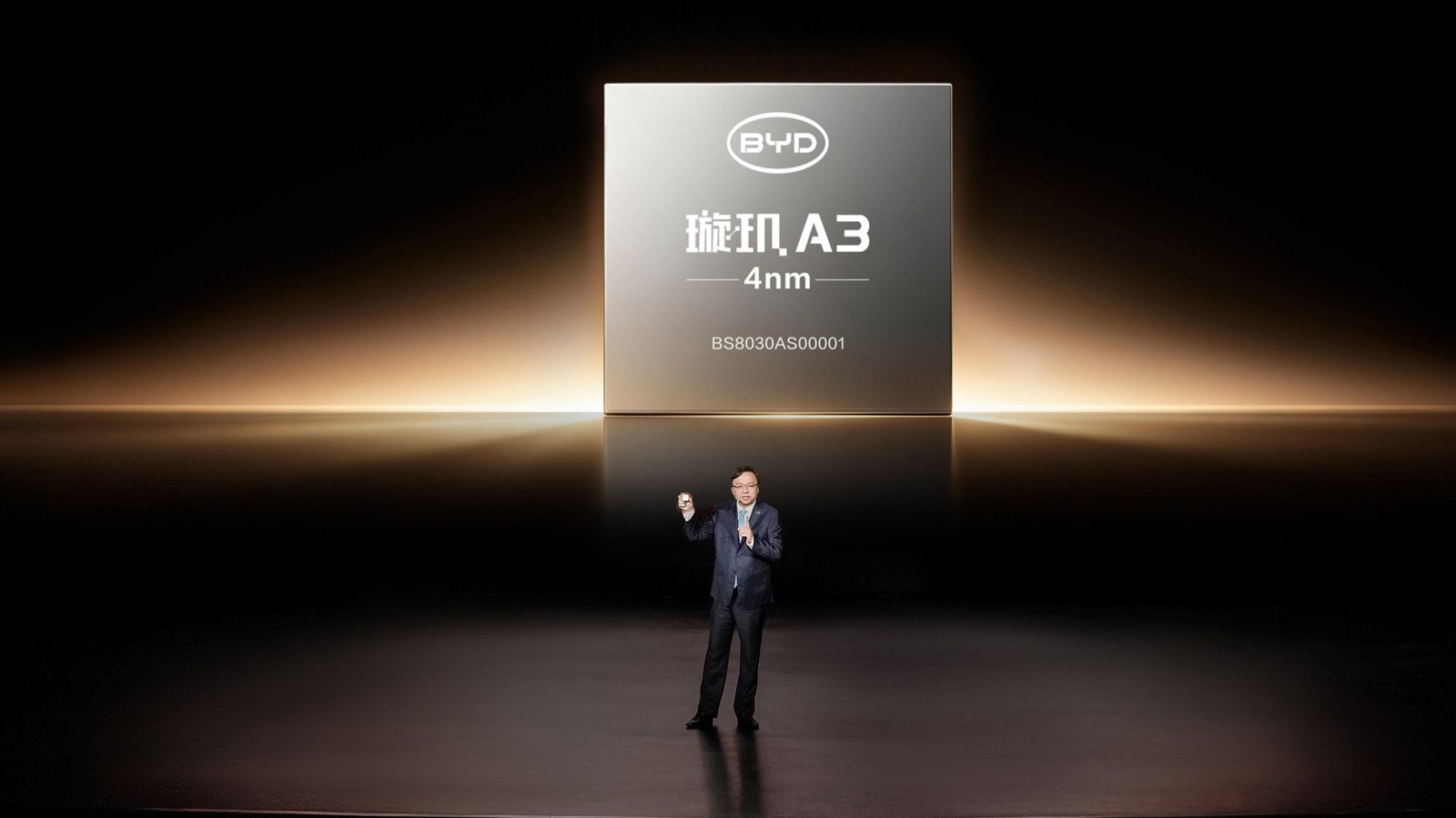
The offer is only available in China and valid for a year after delivery.
BYD is putting its money where its mouth is when it comes to its self-driving technology. During an event last week announcing its latest developments for smart driving chips, the Chinese EV maker announced it would offer full-damage coverage for anyone using theUrban Navigate on Autopilot featureon the latest God’s Eye 5.0 driver assistance system. Unsurprisingly, the offer is only available to BYD owners in China.
According to BYD, the company will “directly cover all resulting economic losses” if a driver uses the Urban Navigate onAutopilot feature in compliance with all regulations and gets into an at-fault accident. As reported byElectrek, the guarantees includes repairs to the owner’s car, third-party property damage and personal injury costs. Along with that, the guarantee doesn’t have a payout c, doesn’t require a separate insurance policy and won’t raise insurance premiums, according to Electrek. BYD said this offer is good for one year for new customers, or existing owners as soon as they upgrade to the God’s Eye 5.0 system.
BYD previously offered a similar guarantee to cover any incidents with its God’sEye tech when it came to drivers using its Intelligent Parking feature. The scope may be limited to Chinese owners and a year of coverage but it’s clear that BYD is confident in its tech, while Tesla is facing lawsuits and even had to change the names of its self-driving features.
Tech
Florida sues OpenAI and Sam Altman over alleged exploitation of users – Engadget

Florida’s Attorney General has sued OpenAI and CEO Sam Altman, according to a report by NBC News. The suit accuses the company of pushing a product it knew could harm users. “The rise of OpenAI is attributable to a web of deceit and the exploitation of users (including Floridians), leveraging their data and safety to boost OpenAI’s market value at unacceptable costs,” the complaint reads.
The civil suit seeks penalties and court orders rather than criminal charges. AG James Uthmeier said the lawsuit “seeks to hold Altman personally liable for the harm he has caused Floridians through his reckless and willful conduct as founder and CEO of OpenAI, including his utter disregard for the risk to human life caused by his firms’ conduct.” Uthmeier did open up a criminal investigation into the company a couple of months back, which is ongoing.
AG James Uthmeier Announces First-in-the-Nation State Lawsuit against OpenAI and Sam Altman
— Attorney General James Uthmeier (@AGJamesUthmeier) June 1, 2026
Today’s suit accuses OpenAI of four counts of deceptive and unfair trade practices, two counts of negligence, two counts of violating product liability laws and one count each of fraudulent misrepresentation and causing a public nuisance. The suit also claims that the company’s systems present a “great danger of addiction, cognitive decline, suicide, violence and related harms” to users.
OpenAI has yet to respond to the suit, but has in the past stated that it designs its systems with “safety at every step” and that it has “safeguards in place to help people, especially teens, when conversations turn sensitive.” The company also says that its systems have been trained to “de-escalate conversations and guide people toward real-world support.”
Unfortunately, real-world events suggest otherwise. The complaint brings up a couple of recent violent incidents involving ChatGPT. A mass shooter descended upon Florida State University last year, killing two and wounding at least six, after allegedly discussing plans with ChatGPT.
These allegations suggest that the shooter was given advice on what guns to use and how to gain media attention from the chatbot. OpenAI says it was “not responsible for this terrible crime” and that the chatbot simply “provided factual responses to questions with information that could be found broadly across public sources on the internet.”
Additionally, two University of South Florida students were shot and killed earlier this year. The alleged shooter was also reportedly in contact with ChatGPT during the planning stages. A lawsuit filing suggests he received information on how to hide bodies from the chatbot.
Those are the big cases in Florida, but similar situations have been playing out throughout the world. There was a mass shooting in British Columbia back in February in which eight people were killed, including children, and dozens were injured. The alleged shooter was also reportedly in regular contact with ChatGPT and the company actually flagged the account for “gun violence activity and planning.” OpenAI, however, didn’t alert authorities and simply deactivated the account. The alleged shooter created a second profile and continued the conversation, according to another recent lawsuit.
There are also several cases in which ChatGPT allegedly assisted people in planning their own suicide. All told, OpenAI is facing at least eight lawsuits stemming from incidents of mass violence or self-harm.
Today’s suit in Florida even calls out OpenAI and ChatGPT for many of the everyday issues that we all experience with generative AI. The suit argues that the company’s advertisements, which tout the software’s ability to help farmers and other small businesses, “do not disclose that ChatGPT can be wrong, can make mistakes or that it can provide false, nonsensical or hallucinated information.”
“ChatGPT’s unreliability is dangerous,” the suit reads. Finally, the language criticizes ChatGPT’s notorious propensity for sycophancy and alleges this is an overt tactic to increase user engagement. The complaint says this practice “leads to more use of the chatbot, more training data for its improvement and more market value for OpenAI.”
Tech
Nvidia RTX Spark May Light a Fire for Windows on Arm
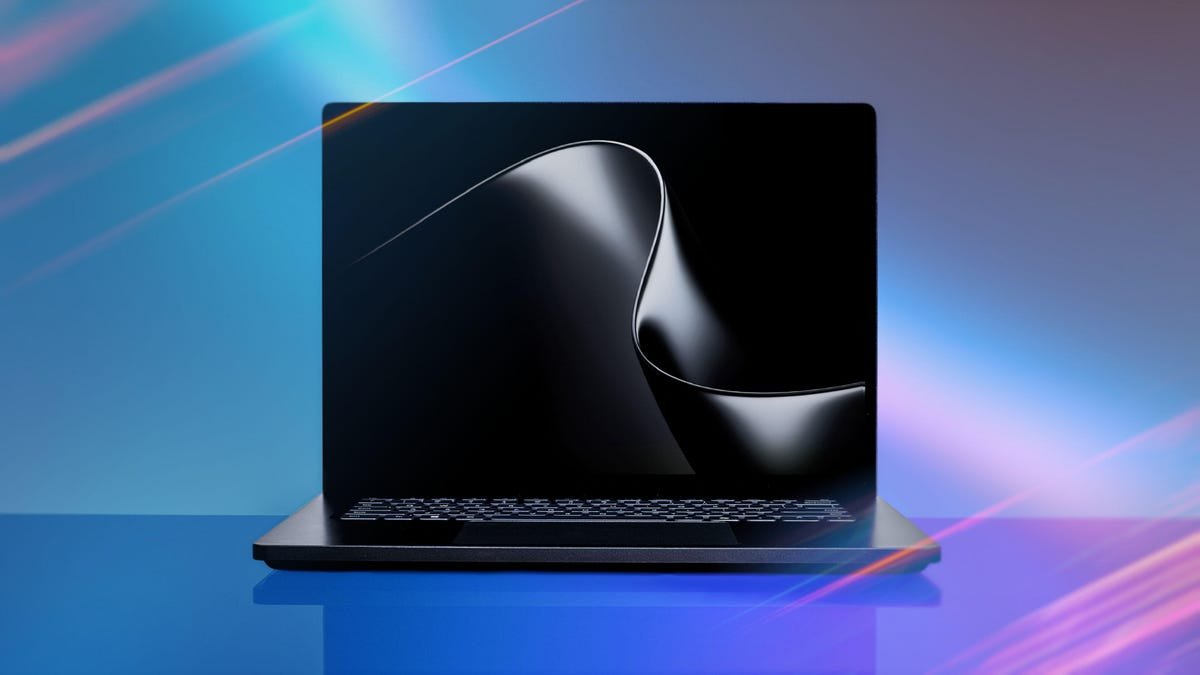
Buckle up: Nvidia is “reinventing the personal computer,” according to CEO Jensen Huang. Microsoft and Nvidia have been cozying up to one another in preparation for Nvidia’s highly anticipated launch of the RTX Spark. It’s a new Arm-based system-on-chip (or “SoC”) platform that brings Nvidia’s Blackwell architecture to thin and light Windows ltops and mini desktops. The goal is to provide high-power processing performance for running personal agents, creative work and gaming, but without the space, power needs and cooling requirements usually imposed by discrete grhics.
The RTX Spark joins Qualcomm’s Sndragon X processors running Windows on Arm, with similar claims of “all-day battery life.” Sndragons achieve that, but one thing to remember about Nvidia’s chip is that it’s intended for far heavier workloads than Sndragon processors.
Those aren’t meant to “render ultralarge 90GB-plus 3D scenes, edit 12K 4:2:2 video, generate 4K AI videos, run 120B-parameter LLMs with up to 1 million tokens context using agents locally, and play AAA games at 1440p and over 100 frames per second,” all of which can tank your battery life. It remains to be seen if the Spark can live up to that under normal usage.
Watch this: Nvidia’s GTC Keynote in 12 Minutes
This is the first of what Nvidia says it plans to be a line of chips across a variety of price segments. These first models are slated to ship this fall:
- Microsoft Surface Ltop Ultra
- Dell XPS 16
- Asus ProArt P14 and P16
- HP Omnibook X 14, Omnibook Ultra 16
- Lenovo Yoga Pro 9n
- MSI Prestige N16 Flip AI
The 15-inch Surface Ltop Ultra is particularly notable because Microsoft hasn’t updated its screens in far too long, and the Surfaces (both desktop and ltop) never incorporated discrete GPUs their prices seemed to demand. The Ultra has a higher-resolution (262ppi) 15-inch mini LED touchscreen that supports HDR (with peak brightness of 2,000 nits), unlike the older, meh model. Microsoft hasn’t updated its Surface Ltop Studioin three years, and this is the chip and screen it needs if Microsoft plans to bring it back from the dead.
There will also be mini desktops. It seems to have been a resurgence of these — at least an increase in the number of manufacturers offering them — thanks to developers. The RTX Spark models will compete with AMD Ryzen AI Halo-based models for example. They’re expected from companies such as Acer, Asus, Dell, HP and Lenovo, among others.
Nvidia’s planning to have a desktop, ltop and workstation for each generation of chips.
Given current price volatility, we won’t know how much they’ll cost until they’re closer to shipping. AI’sravenous demand for components— and the resources needed to make them — has created severe shortages of memory, processors and SSD storage,driving computer and phone prices higherand even affecting availableconfiguration options.
Spark it up
The chip is an offshoot of the DGX Spark (GB10), which powers Linux-based compact desktops specifically targeted at developers and now Windows-based DGX Station. The Spark was designed in conjunction with MediaTek, and has similar specs to the DGX: 6,144 CUDA cores, a 20-core Grace CPU, ability to access up to 128GB RAM and more. Nvidia says it supports up to 120B parameter agents with a 1M context. (For reference, AMD says its topRyzen AI Max Pro 400 series chip can can handle up to 300B parameter models).
The RTX Spark under the hood of the Surface Ltop Ultra.
Its GPU specs are more or less comparable to an RTX 5070, but the unified memory architecture means it has access to a lot more RAM than 12GB. Nvidia says that system configurations can go as low as 16GB, though, which means it could potentially bottleneck when a dedicated 5070, with 12GB VRAM, might not. The company gave 100fps 1440p as its reference for gaming performance (though it wasn’t clear whether that was with or without DLSS 4.5 enabled).
Nvidia claims the chip’s overall AI performance is one PFLOPS (a billion floating point operations per second), but that’s based on FP4 calculations. On one hand, FP4 is the current darling of the data formats because it’s faster than the other floating point choices and more accurate than integer, but there are some tradeoffs. (Procyon has a great visual example of what speed versus accuracy tradeoffs can mean for image generation.) But among the consumer SoCs, this is the first to support it in hardware.
The real competition for these is the M5 Pro and M5 Max MacBook Pros, which target the same users, but the M5 line doesn’t support FP4 and FP8 data types, which may turn out to be a hindrance.
The part itself can run at anywhere from “single digits” to 80W, which means you’ll really need to pay attention to whether a ltop runs at full power or if the manufacturer is throttling it. In other words, it sounds like performance, especially on battery, may vary a lot. Typically, mobile processor power envelopes are smaller bands; for instance, the Intel Core X9 388H specifies 15W-85W.
It has an NPU, which Nvidia doesn’t seem to want to talk much about, but the systems with the Spark are considered Copilot Plus-qualifying, so it must be able to hit at least 40 TOPS.
This illustration of the RTX Spark in situ has the fuzzy, glowy look of a generated image.
RTX Spark might seem powerful, but Nvidia is maintaining its strict division between pro and consumer markets. For instance, it doesn’t plan to run a certification program for plications or support ECC memory.
In addition to being one of Nvidia’s launch partners with its Surface Ltop Ultra, Microsoft has been working to make the necessary updates to Windows in order to take advantage of the new chip.
Like Qualcomm’s Sndragon X series processors, Windows doesn’t natively support the Arm instruction set the way it does Intel and AMD’s x86-architecture chips, which were foundational to the PC. Instead, Arm-based systems use an emulation layer called Prism to translate instructions. Emulation is partly why the early systems based on Qualcomm chips experienced performance and compatibility problems.
Windows modifications
Many of the updates to Windows that are necessary to support the hardware are under the hood, but one will be right in your face: Microsoft’s putting Spark-run agents on the Taskbar.
A lot of the changes we’ve seen in Windows recently have been laying the groundwork for this. Prism was written specifically for Qualcomm’s SoCs, since it was the only Arm-based silicon the operating system needed to run on. Supporting the RTX Spark meant updating Prism and other core parts of Windows to efficiently distribute workloads across the CPU cores, balance cooling and performance, address and intelligently manage a larger amount of the unified memory available to the GPU (for AI processing with TensorRT) and more.
Qualcomm doesn’t have nearly as much invested in Windows gaming performance as Nvidia does, for obvious reasons. For example, Nvidia has been working with Microsoft to improve compatibility with anti-cheat software (such as Epic’s Easy Anti-Cheat), which has prevented some games from running on the devices, as well as support for the Xbox p, which is key to Microsoft’s game-on-everything strategy.
Adobe is also reengineering parts of its imaging engines to t into the Spark directly, notably with several new pipelines to accelerate more GPU- and AI-intensive features such as rendering complex timelines in Premiere Pro and improving natural brushes in Photoshop. While CUDA and TensorRT already operate on Nvidia’s discrete mobile GPUs, taking optimal advantage of them on this different architecture requires some rejiggering. The plications will also be able to interact with Windows agents.
Nvidia is trying to expand everyday agenting beyond developers, with the notion that “broad adoption has been limited by the inability to run agents securely and privately on users’ primary PCs.” I suspect the trust issues are more complicated than that. The company says that OpenShell will be incorporated into the current agenting faves,OpenClaw and Hermes.


Transfer rumors, news: Barcelona to turn to Kane if Álvarez deal falls through
Barcelona could move for Bayern Munich striker Harry Kane if a deal for Atlético Madrid‘s Julián Álvarez falls through, while...


Massive Russian attack on cities across Ukraine kills at least 13 people | BBC News
A Russian missile and drone attack has killed at least 13 people across Ukraine, nine in Dnipro and four in...


Live: Court to hear how former SNP chief Peter Murrell embezzled £400,000 | BBC News
A court is due to hear the full story of how former SNP chief executive Peter Murrell spent the £400000...


Amazon Prime Day 2026 will run earlier this year from June 23 to 26 – Engadget
The four day shopping bonanza takes place earlier this year. Steve Dent for Engadget If you like to hold off...


‘Godzilla’ El Niño could be one of the strongest ever recorded | BBC News
A new phase of the natural El Niño weather pattern is "on our doorstep", according to UN scientists, boosting temperatures...


Monsoon likely to arrive in Kerala three days behind schedule around Jun 4: IMD
The monsoon is likely to arrive in Kerala around June 4, three days behind schedule, the India Meteorological Department (IMD)...


Asian shares mostly slip as latest fighting undermines the US-Iran ceasefire
U.S. futures also fell. Jan’s benchmark Nikkei 225 slipped 0.3% to finish at 66,734.24. South Korea’s Kospi dipped 0.2% to...


Are self-driving cars safe? We got into a Waymo to find out | Terms of Service
Self-driving cars have hit the road. What does that mean for the future of driving? On a Waymo ride through...


Mexican authorities uncover secret tunnel at US border
Mexican authorities in an intelligence operation located a tunnel with an electronic sliding mechanism, allowing for hidden transit …


French Open 2026 results: Matteo Berrettini one of three Italians in quarter-finals
A beaming Matteo Berrettini said tennis is the “love of my life” after reaching a Grand Slam quarter-final for the...
-

 Politics2 weeks ago
Trump-critic Thomas Massie loses Kentucky primary to AIPAC-backed Gallrein
-

 Entertainment2 weeks ago
‘SNL’ Veteran Calls Out Elon Musk Over Lupita Nyong’o Remarks
-

 Food2 weeks ago
Juneteenth Foods: 23 Recipes for a Cookout Celebration
-

 Entertainment2 weeks ago
Adam Driver and Kenneth Lonergan Reunite For ‘Tomorrow Is a Drag’
-
Entertainment2 weeks ago
Picturehouse Entertainment acquires UK rights to A Town In Nova Scotia
-
Tech2 weeks ago
Today's NYT Mini Crossword Answers for Monday, May 18
-

 Politics6 days ago
UN chief deeply concerned by Moscow plan for Kyiv strikes
-
HealthNews2 weeks ago
Max Healthcare plans to build 712-bed facility for Rs 1,400 cr in Lucknow. When announcing the company’s fourth-quarter, FY26 results, Max Healthcare said that “the board approved an expenditure of Rs 1,400 crore to construct a 712 bed greenfield hospital in Shaheed Path, Lucknow.” The facility is expected to be completed in FY30, and Max hopes to meet the increasing demand for healthcare in Uttar Pradesh. Max Healthcare, whose market capitalisation surpassed Rs 1 lakh crore last year, is expanding its operations into non-metro areas. As part of its growth strategy, the company will be focusing on both brownfield and greenfield projects to reach its target of 10,000 beds in FY2030.