
test
UBS Warns El Nino May Intensify Food Inflation Across Asia
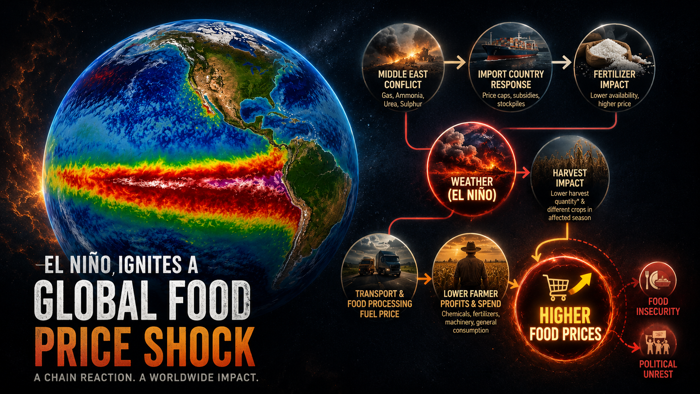
By now, readers have a clear understanding that the Gulf-driven energy shock is on course to collide with a potential super El Niño weather event, creating what could be a dangerous second-order shock to food supply chains around the world.
The concern is that extreme heat and disrupted rainfall patterns could hit top agricultural growing belts, dent harvest output, and amplify existing supply stress. Even before those weather-driven impacts fully materialize, global food prices are already rising, suggesting that fertilizer and elevated diesel prices are beginning to be transmitted through the broader food supply chain.
Our Tuesday note on Thailand white rice, a regional Asian benchmark, surging 20% in May, the largest monthly increase in data going back to 2008, is another warning signal that the price action in the grain feeding half the world has entered a new upward impulse.
The troubling move in rice prices, including a 15% surge in Chicago rice futures last month, indicates that food-inflation pressures are already materializing. The concern is that these pressures could materially worsen once El Niño-driven weather disruptions begin affecting key growing regions.
UBS analysts led by Leigha Miyata published a note titled “Food Inflation & El Niño Evidence Check,” confirming what we have been for months: the Middle East-driven fertilizer shock is now moving through the global food supply chain just as El Niño risks rise, creating the potential for an inflation surge across Asia later this year into 2027.
Miyata noted that El Niño odds currently stand around 82% for May to June and 96% for December into early 2027, raising the risk of hotter, drier conditions across South and Southeast Asia that could pressure harvests.
Via Miyata …
El Niño likelihood raised to 82%; expect Asia to be hotter and have less rain:
The El Niño is likely to emerge soon (82% chance in May-July 2026) and continue through Northern Hemisphere winter 2026-27 (96% chance in Dec 2026-Feb 2027, NOAA). Historical patterns show higher temperatures in Indonesia and northern Australia (Figure 1). Temperatures are normally lower in South Korea and Jan, though a “super El Niño” could reverse this, bringing intense heat and rainfall. Precipitation is lower in South and Southeast Asia, posing risks to harvests (Figure 2). Other El Niño impacts include higher power demand, lower supply, and increased disease risk (see p3).
Fertilizer Prices – Urea prices correcting, now +23% since the Iran conflict started:
Though nitrogen supply remains tight, we have seen diverging trends in the last few weeks on the product level. Ammonia pricing has been stable to higher, UAN pricing has been stable, while urea pricing has seen downward corrections, $190/MT (23%) lower than its peak level in ril. Overall the UBS chemicals team see this pointing to the market having moved past peak seasonal tightness, with 2Q likely marking the high point. We believe structurally tight supply from restricted trade flows and constrained production will continue to support the pricing outlook for 2H26/2027 above the cost curve however, and note that physical market flows have yet to improve (full report).
Gov’t measures have been helpful, but inflation is rising across Asia:
The FAO Food Price Index averaged 130.7 points in ril 2026, up 1.6% from March, marking a third consecutive rise but at a slower pace. Gains in vegetable oils, meat, and cereals were partly offset by declines in sugar and dairy. The index was 2.0% higher year-on-year but remained 18.4% below its March 2022 peak. Inflation across all major Asian economies is increasing with the exception of Indonesia and Jan, and corn futures for 2026/2027 are up 4%/5% since the Iran conflict started. UBS economists explain that inflation was likely lower in many Asian economies due to quick policy-action post Iran conflict, but that inflation will likely rise going forward (full report). In the Philippines, the level of inflation has shot up from 2.3%/3.9% in Feb/Mar to 7.1% in r. In Thailand, deflation in Feb/Mar has shifted to 2.9% inflation in ril (Figure 5). For Jan, there are no clear signs yet of strong inflationary pressure from Middle East tensions. However, we expect national CPI for May to pick up slightly to 1.5% from 1.4% in ril, suggesting ril was likely the trough. Food inflation in Jan decelerated from 4.6% YoY in ril to 4.1% YoY in May, though on a MoM basis, food inflation rose 0.3% (full report).
Packaging and freight costs are up; El Niño in 2026-27, fertilizer impact in 2027:
Plastic packaging prices in Jan are reported to be up 20 to 30%. This together with transport costs are expected to raise food prices, but this is not yet visible in the data for Jan. If El Niño materializes, we may see drought impact the harvests in Sep 2026- and r 2027- in South and Southeast Asia. Higher fertilizer costs may also affect harvests from ril 2027 onwards.
UBS views on El Niño impacts
1. Agri-business: Tightening global balances and large speculative shorts mean an El Niño-driven disruption to India’s monsoon could reduce sugar production by 3–8mn tons YoY and trigger price spikes.
2. Agriculture & Inflation (India): El Niño-driven weak monsoon risks (forecast 92% of normal rainfall) could lift food inflation, though only 21% of CPI is directly impacted, limiting first-round effects but raising second-round risks if shocks persist.
3. Health Care (Brazil): El Niño-driven changes in mosquito patterns could increase dengue cases, with prior events (2023/24) coinciding with record infections (6.6mn cases).
4. Thermal coal / Power demand: A potential “super El Niño” could drive extreme heat across Asia, boosting electricity demand (especially for cooling) and increasing coal demand and imports, tightening seaborne markets.
5. Hydropower / Power supply: El Niño-related rainfall shifts could reduce hydro generation in LatAm and Africa, further supporting demand for thermal coal.
6. Insurance / Reinsurance: El Niño conditions are associated with below-average hurricane activity, which could improve insurers’ near-term book value but pressure pricing due to increased cital supply. In Australia, El Niño years tend to have lower catastrophe losses, though drought and bushfire risks rise.
Figure 6: Real GDP growth %y/y: pre- and post-Iran conflict
Figure 7: Asia’s inflation likely to pick up on base effects
Figure 12: Energy/fertilizer shock impact chain
Figure 13: Thailand and India are likely to be negatively impacted in AC. All importers, including Jan will face higher prices
Related:
We Are 6 Months From Global Food Shortages Because Farmers Are Facing A Quadruple Whammy Crisis
Everyone Talks About The Cost Of Gasoline… Soon Everyone Will Be Talking About The Cost Of Food
Last month, ZeroHedge Debates held a roundtable to ask, “How bad will the food inflation mess get?”
test
On a hunt for gold, one survivor recounts his days stuck in cramped, flooded Laos cave
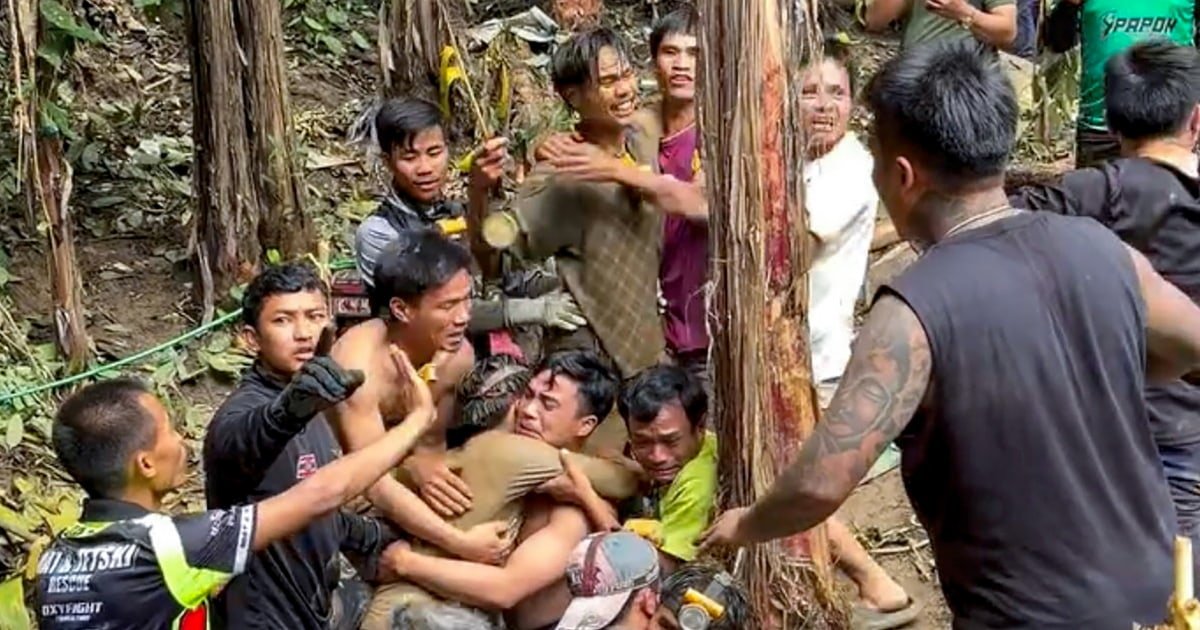
Through the long days and nights he and four other men were trped inside a flooded cave, all Mued Duangsomdy could think about was food.
They had little of it with them when they ventured last month into the mazelike cave network in a remote area of central Laos, carrying prospecting tools to try their luck at finding gold, only to have fortune turn against them.
It was all dark, so we didn’t know days or nights, Mued, 23, told NBC News in an interview, days after he became the first of the men to emerge from the cave amid a high-stakes, multinational rescue operation.
Two other miners who Mued said entered the cave a day or two earlier remain missing after more than two weeks.
Chakkrit Taengtang, a Thai member assisting the rescue operation, said Wednesday that an earthquake had caused the cave entrance to collse, and that the chambers inside the cave were now flooded.
The mission was already difficult, and now it has become even more challenging, he said.
Chakkrit said earlier this week that rescuers were focused on draining water from the cave and finding alternative ways to get in, with diving operations suspended for fear that the divers could also become trped if there were a sudden downpour.
Mued had joined the amateur prospectors from his village several times before, so he was familiar with the dank air and unpleasant conditions inside the cave, which officials had warned the public not to enter. As they worked, they were unaware that the wind outside was swelling into a monsoon-like storm that brought torrential rain.
A flash flood sent water gushing into the cave’s narrow passages, leaving Mued and the others trped more than 800 feet from the entrance.
We tried for three days to find ways out, he said, only to hit dead ends each time. Then we realized we were stuck.
The men waited in darkness with nothing left to eat and only a few small bottles of clean water. They slept, washed their clothes and slept some more. Days in, Mued’s stomach began to ache with hunger and his skin developed blisters. Morale among the men was sagging, as well.
Then, the monotony of the cave’s silence was broken by the sound of splashing as two divers with headlamps bubbled up from beneath the water.
I thought I would be dead, Mued recalled. I didn’t think there would be people helping us.
Since images emerged last week of the five gaunt, smiling men perched on a ledge inside the cave, the rescue effort in Xaisomboun province has riveted a world craving stories of hope.
Dozens of divers, cave experts and volunteer rescuers from at least half a dozen countries have worked around the clock in scenes reminiscent of the 2018 operation to free 12 boys and their soccer coach from a cave in Thailand.
Finding the five men was only the first step. Rescuers knew that getting them out would not be easy in the face of jagged rocks, dirty water, near-zero visibility and the risk of panic.
It is an incredibly hostile environment, Australian diver Josh Richards, who was part of the rescue operation, said in an interview this week.
When you don’t have enough room to be able to put your head up straight between the ceiling and the floor and that area then starts to fill with water, I suppose that’s the thing that scares me most.
In the days after finding the five men alive, rescuers made the perilous journey in and out of the cave multiple times to bring them food and water. They also worked on a plan to give the men enough strength and confidence to go out with divers.
I thought I might not know how to breathe, said Mued, who had previously seen scuba equipment only in movies. I thought if I don’t go out, I could die.
What kept Mued going as he scred and banged through the tunnels between divers was food.
I only thought, I want to eat. I want to eat raw beef with spicy dip. I had to have it, he said.
Nine days after he was trped, Mued emerged from the cave Friday night, covered in mud and unsteady on his feet, to a scene of celebration.
I was so damn hpy, he smiled.
The next day, with water levels having dropped inside the cave, the remaining four men caught rescuers by surprise, crawling out on their own just as divers were getting ready to go in and get them.
So far, there have been two miracles, Richards said, referring to Mued and the four other men emerging separately.
I think people are hoping for a third, he said, with two families that are sitting by the mine entrance in the hope that something will hpen.
I can tell you that the search crews who are staying on are definitely dedicated to trying to make that a reality, he added.
Mued says he knows the two men still missing inside the cave. He described an intersection within the cave system that can take three directions, and he is hopeful they can also survive.
I think they are patient and still waiting because they have responsibilities like wives and kids, he said, adding that he was overwhelmed with gratitude.
I think they can tough it out, he said.
test
How Is Monster Beverage’s Stock Performance Compared to Other Food & Beverage Stocks?
Valued at a market c of $87.1 billion, Monster Beverage Corporation (MNST) is a leading global beverage company best known for its Monster Energy brand, one of the world’s most popular energy drinks. Headquartered in Corona, California, Monster develops, markets, and distributes a broad portfolio of energy drinks, sports drinks, ready-to-drink coffees, alcoholic beverages, and hydration products.
Companies worth $10 billion or more are typically classified as large-c stocks, and MNST fits the label perfectly. Its scale, innovation pipeline, and international growth opportunities have helped it maintain a leading position in one of the fastest-growing segments of the beverage industry.
This energy drinks manufacturer is currently hovering near its 52-week high of $89.86, met on June 1. Shares of MNST have gained 12.7% over the past three months, outperforming the Nasdaq Food & Beverage ETF’s (FTXG) 5.6% decline over the same time frame.
Moreover, on a YTD basis, shares of MNST are up 16.1%, compared to FTXG’s 5.4% return. In the longer term, MNST has rallied 32.9% over the past 52 weeks, notably outperforming the ETF’s 2.4% dip over the same time frame.
To confirm its recent bullish trend, MNST has been trading above its 50-day moving average since early May. Moreover, it has remained above its 200-day moving average over the past year.
On May 15, Monster Beverage’s stock rose 1.5% after the company unveiled a fresh $500 million share repurchase authorization, underscoring its robust cash generation and shareholder-friendly cital allocation strategy. Combined with the roughly $400 million remaining under its prior authorization, Monster now has nearly $900 million available for stock buybacks, a move that could support earnings EPS growth and enhance shareholder value over time.
MNST has outperformed its rival, PepsiCo, Inc. (PEP), which gained 8.1% over the past 52 weeks and dipped marginally in 2026.
The stock has a consensus rating of “Moderate Buy from the 23 analysts covering it, and the mean price target of $90.59 suggests a 1.7% premium to its current price levels.
test
Missing Sherpa found crawling on Everest a week after disappearing

A Sherpa guide whose family had already begun funeral rituals after he vanished on Mount Everest was found alive and crawling toward base camp nearly a week later, surviving alone on the world’s highest peak without food, water or supplemental oxygen in what rescuers called “nothing short of a miracle.”
Dawa Sherpa, 52, dispeared around May 29 while descending Everest after turning back short of the summit with a Polish climber he was guiding. The client made it safely to base camp, but Dawa had not, triggering fears that he had died on the mountain.
A cleanup crew from the Sagarmatha Pollution Control Committee found him Thursday morning crawling through the treacherous Khumbu Icefall, one of the most dangerous sections of Everest, just above base camp, Pemba Sherpa of 8K Expeditions told The Associated Press.
Rescuers carried him to safety, gave him food and water, and flew him by helicopter to a hospital in Kathmandu, where his wife and daughter were waiting.
LONE SURVIVOR RESCUED AFTER FATAL FALL KILLS THREE CLIMBERS ON MOUNT MCKINLEY
By that point, his family had already lost hope.
“When we first heard about it (the rescue), we could not be sure if that person was indeed our father,” she said. “So to be certain we asked for photos to be sent and then only we were sure and very hpy.”
His wife, Damu Sherpa, added that the family learned he was alive through local news reports and phone calls from friends.
“We first heard that he was still alive on the local news and from a person we know who called with the news that … he is being brought down,” she said.
RESCUERS FREE CLIMBER TRPED BENEATH 16,000-POUND BOULDER ON OREGON’S MOUNT HOOD IN COMPLEX OPERATION
Dawa was still wearing his climbing jacket when rescuers found him. His family said he is being treated for frostbite and other complications but is conscious and able to speak.
“He recognized me … is good and speaks,” his daughter told . “We are hpy.”
The Nepal Mount Everest hiking company called his survival extraordinary.
“Dawa survived alone for nearly a week without food, water, or supplemental oxygen navigating the treacherous Khumbu Icefall (even after the fixed ladders were removed for the season),” the company said in a social media post. “This is nothing short of a miracle.”
It was unclear how Dawa became separated from his client during the descent or why there was a delay in launching a search team when he went missing last week. Helicopters were eventually dispatched but failed to locate him.
His rescue came at the end of a record-breaking Everest climbing season. More than 1,000 climbers and guides reached the summit this year after Nepal issued a record 494 permits.
CLICK HERE TO DOWNLOAD THE FOX NEWS P
Officials have said five climbers and guides died on Everest during the season, according to .
test
Are IKEA meatballs really that good? We visited to find out (Syracuse food review)
Syracuse, N.Y. — You’ve heard about IKEA’s Swedish meatballs.
After the furniture store opened its new home in Destiny USA, the meatballs finally made their way to Syracuse. So we had to test them out to see if they live up to their hype.
A friend and I made it our mission to test out the entire menu at the Swedish bistro inside IKEA. The store — and the dining area — were particularly quiet on a Thursday afternoon.
The dining space had multiple sections, all in the chain’s iconic simplistic, clean design.
A variety of circular tables, high tops and soft seating spanned the space between the entrances to both the mall and the exterior.
Multiple kiosks sit off to the left of the counter, where customers use a touch screen to order their items.
Ordering everything on the menu wasn’t hard, as we could count the number of items on two hands.
We could tell when the kitchen got the order, because we heard one of the kitchen staff quietly exclaim, Oh, that’s a big order. parently they aren’t used to people ordering more than an item or two.
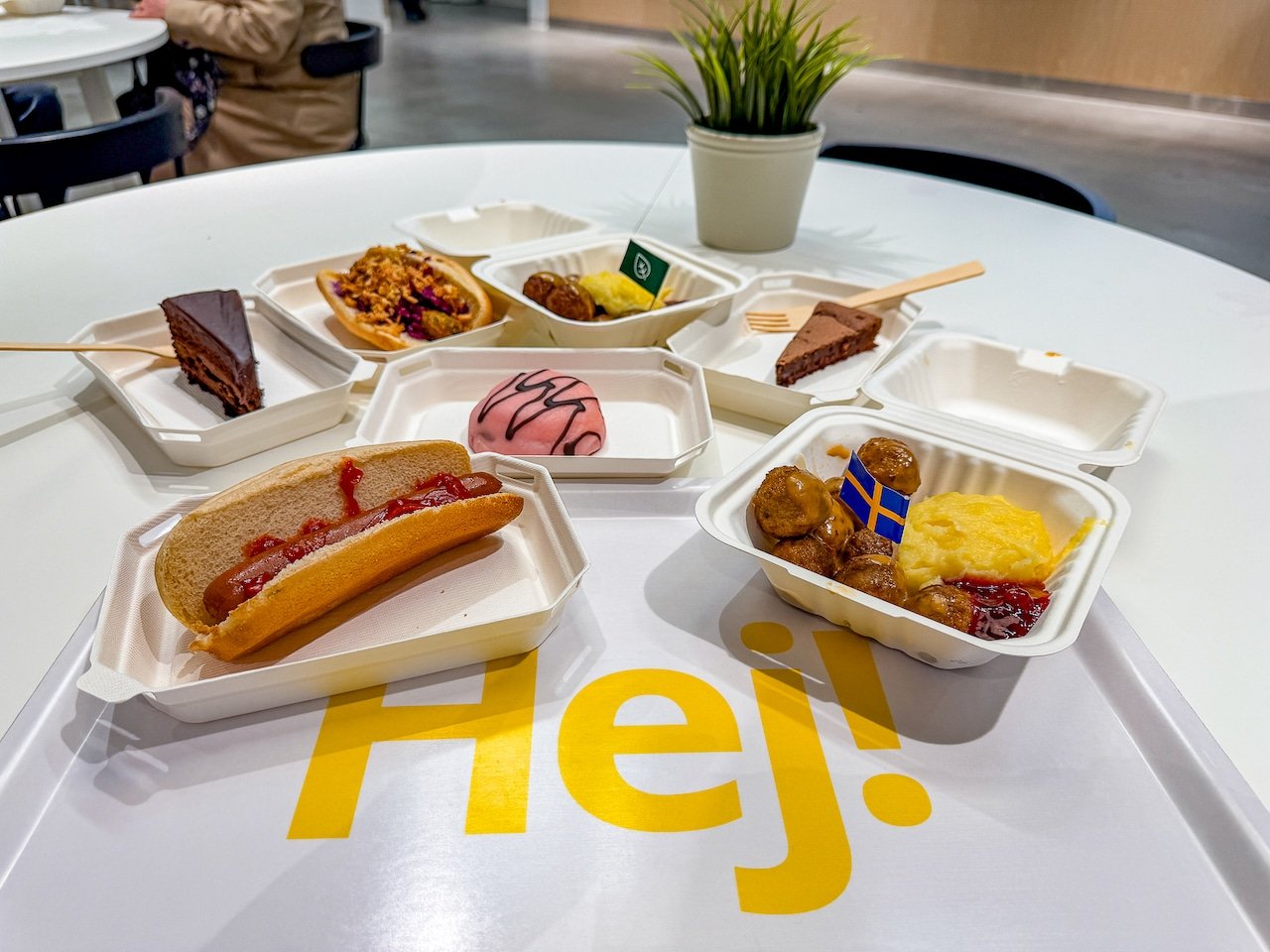
We started with the Swedish meatballs.
Served with mashed potatoes and lingonberry jam, the meal is the most expensive item on the menu.
The meatball meal is $8.49 for eight pieces, $9.99 for 12 pieces, or $11.49 for 16 pieces. (You can also order extra meatballs — an order of 4 is $1.50.)
Many people have raved about IKEA’s Swedish meatballs for years, but this was my first time trying them. I wasn’t sure how they would stack up. But, I have to admit that they were surprisingly good.
The sweetness of the jam paired well with the umami of the meat and saltiness of the gravy without straying too far in one direction.
The potatoes were … potatoes. Nothing fancy, just a nice way to round out a meal. The eight-piece size was enough to sate my petite without getting overly full.
I was also pleased to see plant-based meatballs as a vegetarian option on the menu — and at 50 cents cheer.
Like the beef-and-pork alternative, the plantballs come with mashed potatoes and lingonberry jam. Honestly, the difference in taste was barely noticeable. The meat ones had a slightly greasier texture and were lighter in color.
Of the two, I was surprised to find I enjoyed the plantballs just a little more than the original meatballs.
Onto the other options, because it’s not just about the meatballs at IKEA. They also have an absurdly che hot dog. And when I say che, that’s both in cost and quality.
The hot dog was just an average hot dog, but a bargain at $1. The dry bun was the real downfall, as it seemed it had been sitting out all day.
If you’re looking for better che hot dogs, head to dollar Thursdays at the Syracuse Mets stadium and get $2 Hofmann hot dogs.
Again, there was a vegetarian option, and again it was cheer at 95 cents. This time I opted for both of the available toppings, fried onions and pickled cabbage, at 25 cents each.
They added a nice crunch to the otherwise soft-textured vegetable hot dog. But overall it wasn’t anything special.
The rest of the menu featured dessert options. Of the five options, we ordered three, skipping the frozen yogurt and cinnamon roll.
First up was the Gooey Cake ($1.50). The small, triangular dessert resembled a pale brownie, but with a gooey center that was something between caramel and fudge. It was average, but my friend did prefer the gooey cake the best out of the three.
We both agreed the cream cake ($2.29) was not very good. The small, circular cake was topped with a dome of marzipan cream and covered with a cloying sweet pink frosting and chocolate drizzle. You’ll feel like you need to brush your teeth immediately to get the sugar off.
My favorite of the three desserts was also the most expensive at $4.49. The chocolate cake had two dense, slightly dry layers. But the thick cream filling and fudgy frosting paired nicely with it.
Still, there are plenty of great bakeries in Syracuse where you can find much better cakes.
Instead of ordering the cinnamon roll at the bistro, I bought a six-pack to bring home ($8). I later regretted the decision because the cinnamon rolls were … not great.
Even after warming them in the microwave, they were dry, the dough was tough, and there wasn’t enough filling.
Overall there were a few things about IKEA’s bistro that stood out. In addition to the space feeling welcoming and airy, there is a family station providing a microwave, cutlery and disposable bibs for children.
Additionally, right next to the bistro is the food section of the store, where guests can buy almost everything they serve at the bistro.
Yes, you can get the frozen meatballs (huvudroll), savory sauce, mashed potatoes, lingonberry jam (sylt lingon), and even the gooey cake (kafferep) to take home.
So, did IKEA’s Swedish meatballs live up to their hype? Yes, 100%.
But really, just the meatballs. The rest of the menu just isn’t it.
The Details
The Store: IKEA, inside Destiny USA, 306 Hiawatha Blvd. W., first floor, Syracuse
Reservations? Ha.
Dress: Casual. But I dare you to dress up.
Accessibility: IKEA is located on the main level of Destiny USA and has a spacious dining area that provides adequate room for accessibility.
Credit cards? Required.
Parking: Large mall parking lot.
Noise level: Quiet. Most people are focused on shopping.
Special diets? Vegetarian options available.
Hours: Sunday 10 a.m. to 6 p.m., Monday-Thursday 11 a.m. to 8 p.m., Friday-Saturday 11 a.m. to 1 a.m.
test
NJ food guide for MetLife Stadium World Cup 2026 matches
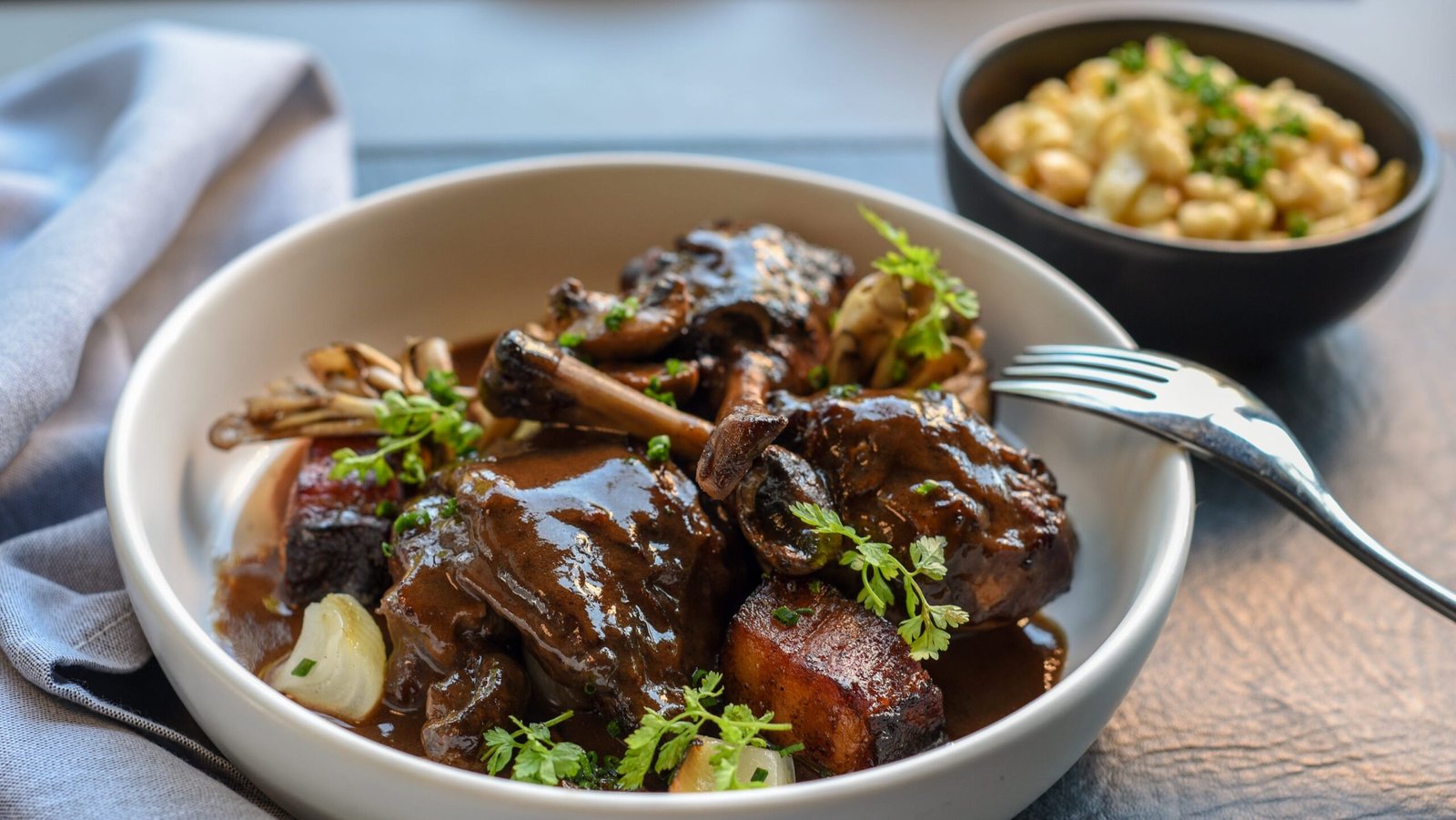
North Jersey being as diverse as it is, we could probably find a restaurant for all the 48 countries participating in the 2026 FIFA World Cup. Throw in New York City, and it’s a guarantee.
While it might be a fun culinary endeavor to try to eat foods from every country participating, there’s a much more manageable option closer to home: MetLife will host five group stage matches featuring nine countries. MetLife will also host one Round of 32 and Round of 16 match each, and the World Cup Final on July 19, but we won’t know who’s in those games until later.
But the teams guaranteed to play at MetLife this summer represent countries with varied cuisines from around the globe, and you can taste them all here in North Jersey and New York City. From Brazilian rodizio to English pasties, German beer and West African peanut stew, you can taste a world of flavors.
Now if all this sounds like too much work but you want to taste the World Cup anyway, Lay’s has 40 globally inspired potato chip flavors launching in May. It’s an option, but plates of steak frites, weinerschnitzel and ceviche from local restaurants would be my choice.
Brazil vs Morocco, June 13
Before or after this match, you’d do well to visit the Ironbound neighborhood in Newark, which is teeming with Brazilian and Portuguese restaurants. For Brazilian fare, head to Brasilia Grill, which offers all-you-can-eat rodizio service and a la carte options like beef Milanese, grilled chicken with passion fruit, paella and more.
Churrascaria Brazeiro, with three locations in North Jersey, serves wood-fired meats rodizio-style as well, with an award-winning wine program and bar offerings centered around Brazilian cachaça. Samba in Montclair, meanwhile, serves homestyle Brazilian fare in a rustic, casual setting. Dishes include a variety of salgandinhos (filled fried pastries), seafood, beef and chicken entrees, and on the weekends, feijoada, Brazil’s national dish.
We’ve got at least two good options in New Jersey for Moroccan cuisine. Marakesh Restaurant in Parsippany is, first and foremost, a treat for the eyes: its interior is a reproduced palace with authentic architecture, carvings, tiles, paintings and crafts. But the food meets the moment; we’re talking kebabs, hummus, tagine, shawarma and more.
Oasis Restaurant in Cranford also has a large menu of tagine, kebab, shawarma, soups, starters and more. Don’t miss out on drinks like Turkish coffee, Moroccan tea and avocado shakes.
France vs Senegal, June 16
We’re fortunate in North Jersey to have options when it comes to French cuisine, from fine dining to casual bistro bites. Faubourg in Montclair and Weehawken straddles both worlds with bar, lunch and dinner menus served in a modern interior. Expect exceptional executions of traditional French dishes like tarte flambee, coq au vin, steak frites and more.
Lorena’s in Mlewood is another gem, serving chicken paillard, escargots, honey-glazed duck, seafood and more; their two- and three-course prix-fixe meals are a good entry point. And Brasserie Mémère in Closter is pitch-perfect, with something for everyone on the menu: duck cassoulet, mussels and snails, savory tarts, steak frites and desserts like pot de creme and kouign amman.
Senegal’s official language is French, but the culture and cuisine diverges; taste the difference in New Jersey. At Touba Restaurant in Irvington, get the Senegalese national dish, thiep (fish, jollof rice, and vegetables cooked in a rich tomato sauce), neems (crispy spring rolls), akara (bean fritters) and more.
At Mawo’s Kitchen in Jersey City, get the traditional fish and jollof rice, served with carrots, yuca, cabbage and eggplant, or order some shawarmas, pastél (fried pastries filled with fish) and wash it down with sorrel, ginger or baobab juice.
Norway vs Senegal, June 22
While you can visit the Senegalese options above, Norway’s a bit trickier. For Norwegian fare, plan to head into the city.
At Nordic Preserves Fish & Wildlife Company on the Lower East Side of Manhattan, you can order a sample board with four kinds of herring, or opt for beet salad, potato pancakes or gravlax. At Björk Cafe and Bistro in Midtown Manhattan, choose from a Scandinavian menu of fish, potato waffles, sausages, soups and more. Try the räckmacka, which is whole wheat bread topped with mixed greens, egg, lemon, dill, mayo and Nordic coldwater shrimp.
Ecuador vs Germany, June 25
These two very different cuisines would be fun to sample in one day, and you can do that here.
For German food, start with Black Forest Inn in Stanhope, a family-owned rustic spot serving traditional dishes for close to 50 years. You can’t go wrong with sausage, from weisswurst to currywurst, or the wienerschnitzel, either veal or pork. But dig deeper into the menu for some exceptional dishes like jagerschnitzel (with a wild mushroom cream sauce), roast pork shank with caraway jus, or a traditional sauerbraten or rouladen.
For a festive environment, check out Zeppelin Hall in Jersey City, a proper beer garden with German bites and plenty of beer. And if you want to explore top-notch German food further, Heidelberg Restaurant on the Upper East Side and Zum Stammtisch in Queens are unbeatable.
For Ecuadorian food, head to Garcia’s Restaurant in Union City for breakfast, lunch or dinner. Get sancocho de pescado (fish soup), chaulafan (a fried rice dish), bolon mixto (plantains with chicharron and cheese), and more. Latitude Zero in Bayonne has conch ceviche, bolones (fried green plantain with meat and cheese), and more Ecuadorian stles, and La Roca in Elizabeth has dishes like seco de chivo (goat stew with yellow rice and sweet plantains), yingacho (potato patties over peanut butter sauce with steak, sausage, eggs and plantains), chaulafan and more.
Panama vs England, June 27
Enjoy a pie and pint when England hits MetLife in late June. For a great pie, head to The Pie Store in Upper Montclair. Their savory pies are phenomenal; choose from options like cheese, potato and onion; shepherd’s pie; steak, ale and mushroom and more. Their sweet pies are worth checking out too; the coconut custard and banoffee pies are undeniable.
Or, grab another traditional football snack with a pasty from Rocky’s Pasties in Wharton. For over a century, Rocky’s has been putting out fresh-made Cornish-style pasties with traditional fillings like beef, potato and onion. And for more of a pub vibe (but with some seriously good eats), check out Muddy Waters Gastropub in Asbury.
For a variety of reasons, Panamanian food is few and far between in New Jersey and New York City. But if you can get to Pana’s Kitchen in Brooklyn, you’ll get a taste of this unique cuisine.
There, you’ll get stew chicken, mondongo stew, tamales, carimanola (fried yuca stuffed with meat), hojaldre (fried dough, often topped with meat) and more.


On a hunt for gold, one survivor recounts his days stuck in cramped, flooded Laos cave
Through the long days and nights he and four other men were trped inside a flooded cave, all Mued Duangsomdy...

How Is Monster Beverage’s Stock Performance Compared to Other Food & Beverage Stocks?
Valued at a market c of $87.1 billion, Monster Beverage Corporation (MNST) is a leading global beverage company best known...


Molly-Mae and Tommy welcome baby Fury after name-reveal hint. #MollyMae #TommyFury #BBCNews


Missing Sherpa found crawling on Everest a week after disappearing
A Sherpa guide whose family had already begun funeral rituals after he vanished on Mount Everest was found alive and...


Student-athletes prepare to welcome Spain's World Cup team
Baylor School in Chattanooga, Tennessee, has the rare opportunity to host Lamine Yamal and the rest of Spain's World Cup...


Are IKEA meatballs really that good? We visited to find out (Syracuse food review)
Syracuse, N.Y. — You’ve heard about IKEA’s Swedish meatballs. After the furniture store opened its new home in Destiny USA,...


Trump compares Reflecting Pool to skyscrapers
Speaking in the Oval Office, President Donald Trump compared the scale of renovations to the Lincoln Memorial Reflecting Pool …

NJ food guide for MetLife Stadium World Cup 2026 matches
North Jersey being as diverse as it is, we could probably find a restaurant for all the 48 countries participating...


Sherpa rescued after going missing on Everest with no food, oxygen
KATHMANDU, June 4 () – A Nepali Sherpa guide has been rescued from Everest after surviving about a week on...

This week’s Knoxville grocery deals include buy-one-get-one offers
The worst part of a grocery run is watching the total cost run up with every beep of the scanner,...
-

 LifestyleNews2 weeks ago
What Your Lifestyle Says About You: Psychology, Habits, and Personality Explained
-

 Video2 weeks ago
Nadal tells Amanpour about extreme solution to 19-year injury
-

 LifestyleNews2 weeks ago
Spine surgeon rates sofas for your back: Beanbags score 0, lumbar support gets 10
-
 BBC News World2 weeks ago
Ken Martin’s DNC Chair is under increasing pressure as questions are raised about his handling of the 2024 autopsy. Subscribe to this story to enjoy it without ads
-

 Video2 weeks ago
What we don't know about Colbert's last 'Late Show'
-

 Tech2 weeks ago
Today's NYT Connections Hints, Answers and Help for May 25, #1079
-

 Video2 weeks ago
911 call reveals more about Kyle Busch’s condition before his sudden death
-

 Video2 weeks ago
The Odds: Are Americans concerned about AI replacing jobs?