
test
Missing Sherpa found crawling on Everest a week after disappearing

A Sherpa guide whose family had already begun funeral rituals after he vanished on Mount Everest was found alive and crawling toward base camp nearly a week later, surviving alone on the world’s highest peak without food, water or supplemental oxygen in what rescuers called “nothing short of a miracle.”
Dawa Sherpa, 52, dispeared around May 29 while descending Everest after turning back short of the summit with a Polish climber he was guiding. The client made it safely to base camp, but Dawa had not, triggering fears that he had died on the mountain.
A cleanup crew from the Sagarmatha Pollution Control Committee found him Thursday morning crawling through the treacherous Khumbu Icefall, one of the most dangerous sections of Everest, just above base camp, Pemba Sherpa of 8K Expeditions told The Associated Press.
Rescuers carried him to safety, gave him food and water, and flew him by helicopter to a hospital in Kathmandu, where his wife and daughter were waiting.
LONE SURVIVOR RESCUED AFTER FATAL FALL KILLS THREE CLIMBERS ON MOUNT MCKINLEY
By that point, his family had already lost hope.
“When we first heard about it (the rescue), we could not be sure if that person was indeed our father,” she said. “So to be certain we asked for photos to be sent and then only we were sure and very hpy.”
His wife, Damu Sherpa, added that the family learned he was alive through local news reports and phone calls from friends.
“We first heard that he was still alive on the local news and from a person we know who called with the news that … he is being brought down,” she said.
RESCUERS FREE CLIMBER TRPED BENEATH 16,000-POUND BOULDER ON OREGON’S MOUNT HOOD IN COMPLEX OPERATION
Dawa was still wearing his climbing jacket when rescuers found him. His family said he is being treated for frostbite and other complications but is conscious and able to speak.
“He recognized me … is good and speaks,” his daughter told . “We are hpy.”
The Nepal Mount Everest hiking company called his survival extraordinary.
“Dawa survived alone for nearly a week without food, water, or supplemental oxygen navigating the treacherous Khumbu Icefall (even after the fixed ladders were removed for the season),” the company said in a social media post. “This is nothing short of a miracle.”
It was unclear how Dawa became separated from his client during the descent or why there was a delay in launching a search team when he went missing last week. Helicopters were eventually dispatched but failed to locate him.
His rescue came at the end of a record-breaking Everest climbing season. More than 1,000 climbers and guides reached the summit this year after Nepal issued a record 494 permits.
CLICK HERE TO DOWNLOAD THE FOX NEWS P
Officials have said five climbers and guides died on Everest during the season, according to .
test
Should We Be Worried About the Artificial Dyes in our Food?
Growing up, few things in the supermarket excited me as much as a colorful bag of candy, a breakfast cereal box, or another sugary snack. And even today, though I try to keep my sweet tooth in check, I still occasionally fall for a brightly advertised treat at the checkout line.
These products often get their color via various dyes, many of which originate from synthetic sources. There’s long been a movement to reduce or even ban these artificial dyes from our food supply over potential health risks—one that’s now being championed by the highest levels of the U.S. government. In ril 2025, the Department of Health and Human Services and the Food and Drug Administration announced a plan to phase out all petroleum-based synthetic dyes from our food.
A year later, progress on that front has been shaky. Though the FDA has moved to formally remove some dyes from the market recently, it’s largely relying on major food companies to willingly stop using the remaining six synthetic dyes on their own. A review in January 2026 found that only two of the 15 biggest food makers in the U.S. had agreed to phase out these dyes by the end of 2026—the FDA’s intended deadline—while seven have pledged to do so by the end of 2027. Some other makers, like Coca-Cola, have stated they are working on creating dye-free alternatives for their products.
Robert F. Kennedy Jr., the current head of HHS, has argued these artificial dyes are nothing less than poisonous compounds that are gravely endangering Americans, particularly developing children. Given Kennedy’s long history of spreading misinformation about vaccines and other health topics, it’d be reasonable for someone to be skeptical about this latest crusade. But some researchers have been worried about food dyes long before RFK Jr.’s ascension to the federal government, and other countries have been stricter than the U.S. about the coloring agents and other additives they allow into the food supply.
For this latest Giz Asks, we reached out to food science researchers, pharmacists, and other experts studying food dyes to get their thoughts. Does RFK Jr. actually have a good point (for once)? And will we be better off if and once these artificial dyes are no longer lining the supermarket aisle? The following responses may have been lightly edited for grammar and clarity.
Lorne Hofseth
A professor and associate dean for research at the University of South Carolina’s College of Pharmacy. Hofseth has published research looking into the possible health risks of several dyes.
The answer is nuanced. While many people consume foods containing synthetic dyes without obvious adverse effects, a growing body of evidence is showing that certain artificial food colorants may pose health risks for susceptible individuals. The challenge is that we do not yet know who is most vulnerable.
Short-term effects can include allergic reactions, skin rashes, gastrointestinal distress, headaches, and behavioral changes such as hyperactivity or attention difficulties in sensitive children. Emerging research also suggests that chronic exposure may contribute to inflammation, DNA damage, and gut microbiome disruption.
One reason food dyes are controversial is that they are xenobiotics (i.e. they are foreign to your body). Like other xenobiotics (e.g. viruses, bacteria), they interact with immune and metabolic pathways, causing a low-grade, simmering inflammation which is a recognized factor in obesity, cardiovascular disease, neurodegenerative disorders, and cancer.
Susceptibility likely varies according to genetics, age, immune function, underlying health conditions, and differences in the gut microbiome, with children potentially at greater risk because of their higher intake relative to body weight and ongoing development.
Many commonly used dyes (e.g. Red 40, Yellow 5, and Yellow 6) are azo dyes that can be metabolized by gut bacteria into aromatic amines cable of damaging DNA. So, the biological effects of these dyes may depend not only on the dye itself but also on how it is processed by an individual’s microbiome.
Supporting these concerns, the Southampton study reported increased hyperactivity in some children following consumption of mixtures containing synthetic food dyes (including Red 40, Yellow 5, and Yellow 6), prompting regulatory review and warning-label requirements in parts of Europe. But, not in the U.S. Additional laboratory studies have reported DNA damage, inflammatory signaling, and microbiome alterations associated with dyes such as Red 40, Yellow 5, and Blue 1.
Regulatory agencies continue to debate the significance of these findings. In January 2025, the United States banned Red 3 because of longstanding carcinogenicity concerns from rodent studies. A 1987 study our of the Medical College of Virginia showed that Red 3 causes thyroid cancer in male rats, which officially triggered the Delaney Clause (prohibits the FDA proval of any food additive found to cause cancer in humans or animals). However, other dyes remain proved due to insufficient evidence linking typical human exposures to disease. This reflects a central challenge in public health: the absence of definitive proof of widespread harm does not necessarily establish safety for every individual.
So, how worried should we be about the dyes in our food? While there is no need for panic, there is good reason for concern. Synthetic food dyes are petroleum-derived chemicals that provide no nutritional, thereutic, or health benefit and are added primarily to enhance the pearance and marketability of processed foods. A growing body of scientific evidence suggests that these dyes contribute to low-grade chronic inflammation, DNA damage, behavioral effects, and other biological disruptions, particularly in children and individuals with underlying inflammatory conditions.
Although the science continues to evolve and not every question has been fully answered, the existing evidence raises legitimate public health concerns. Given that synthetic food dyes are not essential to food production and that safer alternatives are readily available, there is little justification for their continued widespread use in the food supply. Therefore, we should be concerned enough to support efforts to reduce or eliminate unnecessary exposure to synthetic food dyes, especially among vulnerable populations.
David Just
A professor in science and business at Cornell University’s Cornell SC Johnson College of Business. Just has studied the differences in food additive policy between the U.S. and the European Union.
While our food supply is generally safe, there is some reason to be concerned about artificial dyes in our foods, particularly if we eat a diet that leads to high levels of exposure. There are a number of food dyes that are restricted or banned in the EU that are allowed in the US. In general, the bans have arisen due to studies showing adverse effects in animals that range from lethal cancers to hyperactivity in children. The difference in regulation is usually a result of either weak or mixed evidence, or a difference in the threshold of consumption used to ensure safety.
The differences in potential harms are important to consider, but also the potential exposure. For example, Green 3 is banned in the EU and not in the U.S. due to evidence of increased incidence of tumors. However, Green 3 is used in a very small number of products – primarily candies and sports drinks—limiting exposure. On the other hand, Red 40 requires a warning label in the E.U. but not in the U.S. (also linked to increased incidence of tumors), and is included in almost 40,000 products. These include cereals, water enhancers, snack foods, and other foods that can be eaten relatively frequently. Without paying specific attention to the presence of Red 40 when you buy food one could end up being substantially exposed.
In general, each of these dyes is more prevalent in what are often referred to as ultra processed foods, and limiting your intake of these foods is likely to limit your exposure to said dyes. Some food categories are much more likely to expose you than others. For example, energy drinks and drink enhancers make relatively heavy use of dyes. Those who follow common sense nutrition advice are much less likely to face significant exposure in their diet, and perhs have less reason to worry.
M. Monica Giusti
College of Food, Agricultural, and Environmental Sciences (CFAES) Distinguished Professor in the food science and technology department at The Ohio State University. Giusti has studied the development of natural alternatives to synthetic dyes.
I don’t really worry about the dyes in our food. Artificial dyes have been tested repeatedly for safety and have been shown safe for consumption at the levels typically used in foods. When eating regular foods, in a balanced diet, the amount of food dye consumed is far lower than any dose that could present any harm. To ingest enough dye to cause health concerns, you would need to eat so much that it is more likely that other ingredients could become more of a problem. For example, eating too much candy with artificial dyes will cause issues due to their high sugar content before causing any potential toxicity from their artificial colors. Still, like many other ingredients used in foods, such as eggs, or soy, or other generally safe ingredients, there are populations that are particularly sensitive to artificial dyes, and they should try to avoid them. Those populations and anyone interested in consuming more natural ingredients, should have easy-to-find alternatives free of those artificial ingredients. And more companies are now making foods that are free of artificial food colorants.
Yet, I am very excited about the potential benefits of incorporating more healthy compounds from fruits and vegetables into our diet. Nature is beautiful and colorful, and there are many wonderful nature-made pigments that can be used to produce plant-derived food colorants. When we replace artificial, petroleum-based colors with plant-derived colorants, we can replace empty colorants with health-promoting compounds, making food better. For decades, our laboratory has studied a group of plant pigments called anthocyanins. Anthocyanins are pigments that give blueberries, strawberries and many other fruits and vegetables their beautiful colors and they can be used to color other foods. Anthocyanins are also potent antioxidants whose consumption has been linked to many possible health benefits. Incorporating more of these antioxidants in the diet could show benefits to the overall health of the population without any major changes in dietary habits: a simple colorant replacement will suffice.
Replacing artificial colorants with more natural alternatives can however present many challenges. Foods may not look exactly the same, may go bad faster, and could even become more expensive. Possible changes in the pearance of our favorite foods could affect the way we enjoy them.
A question often posed is: couldn’t we just remove the colorants completely? Not that simple. As humans we eat for nutrition but also for joy and as a social experience. We are attracted to beautiful, colorful foods. The color of food informs us of their identity—helps us recognize them and their flavor and even helps us judge their quality. We need to provide healthy and affordable options for the population and not forget that people have different tastes and needs. No parent should be shamed into avoiding a more affordable food option that provides nutrients to their children just because the option contains an artificial colorant. Artificial colorants have been safely consumed for decades without health issues, and shifting to plant-based alternatives should be an excellent and welcomed opportunity to make food even better.
Renee Leber
Food science and technical services manager at the Institute of Food Technologists, an international, non-profit scientific society of professionals focused on topics related to food science and technology.
As of 2026 the regulatory landsce for FD&C colors in the United States is undergoing significant change, making it important to understand both domestic developments and the broader international context.
Globally, the regulatory framework for FD&C colors reflects a combination of converging regulation and regional divergence. The Codex Alimentarius utilizes safety assessments from the Joint FAO/WHO Expert Committee on Food Additives (JECFA) to provide guidance on acceptable daily intakes (ADIs) for the FD&C colors and maximum use levels across food categories. This creates a common reference point for global trade. Regional authorities then build on this foundation with their own risk assessments and policy decisions. The European Food Safety Authority (EFSA) has established ADIs for most FD&C colors while limiting Red #3 primarily to candied cherries and not permitting Green #3 in foods. Other markets, such as Canada and Australia/New Zealand, generally allow these colors with defined concentration limits or ADIs that vary by food category.
In the United States, FD&C colors have historically been permitted for use in foods under FDA regulation where FD&C colors are required to be batch proved and proved for maximum use levels across food categories. However, in 2025 the U.S. Department of Health and Human Services and FDA announced a national initiative to phase out FD&C color additives from the food supply. This includes FD&C Blue No. 1, FD&C Blue No. 2, FD&C Green No. 3, FD&C Red No. 40, FD&C Yellow No. 5, and FD&C Yellow No. 6, with a target timeline for removal by the end of 2027. In 2025 the FDA revoked authorization for FD&C Red No. 3 requiring manufacturers to reformulate to remove the food color by January 15, 2027.
U.S. food companies are actively working to reformulate products to remove FD&C colors while balancing a complex set of competing priorities. These efforts require manufacturers to meet evolving consumer expectations for color and transparency while managing cost implications and maintaining technical performance in finished products. It is also important to recognize that naturally derived color additives require proval for the maximum usage level specific to product category. The FDA is actively working to expand provals for naturally derived colors to help support innovation and facilitate the transition away from FD&C color additives.
Reformulating from FD&C color additives to naturally derived alternatives is a complex, multi-variable process. While FD&C colors are manufactured to high purity and provide consistent and intense color performance, naturally derived color additives are typically less pure due to their origin from plant, mineral or animal sources and can therefore exhibit greater variability in composition and performance. As a result, successful reformulation requires careful consideration of factors such as pH sensitivity, shelf life, environmental stability, vibrancy, availability, and cost, as each of these variables can significantly influence the feasibility and outcome of replacing synthetic colors with naturally derived options.
At IFT we work to bring forward credible, science-based resources to help those in the science of food navigate evolving topics like food color regulation and reformulation. For those looking to learn more, IFT FIRST provides a valuable forum for professionals navigating these regulatory and technical shifts to identify practical solutions. Through scientific sessions, expert panels, and an extensive expo floor, attendees can engage directly with ingredient suppliers and product developers who are actively shing the transition away from FD&C colors. Navigating Regulatory Shifts in Food Color Reformulation is also a helpful resource that can be consulted for those looking for a quick one pager.
test
‘There is nothing easy about food’ – What it’s really like owning and operating a food truck
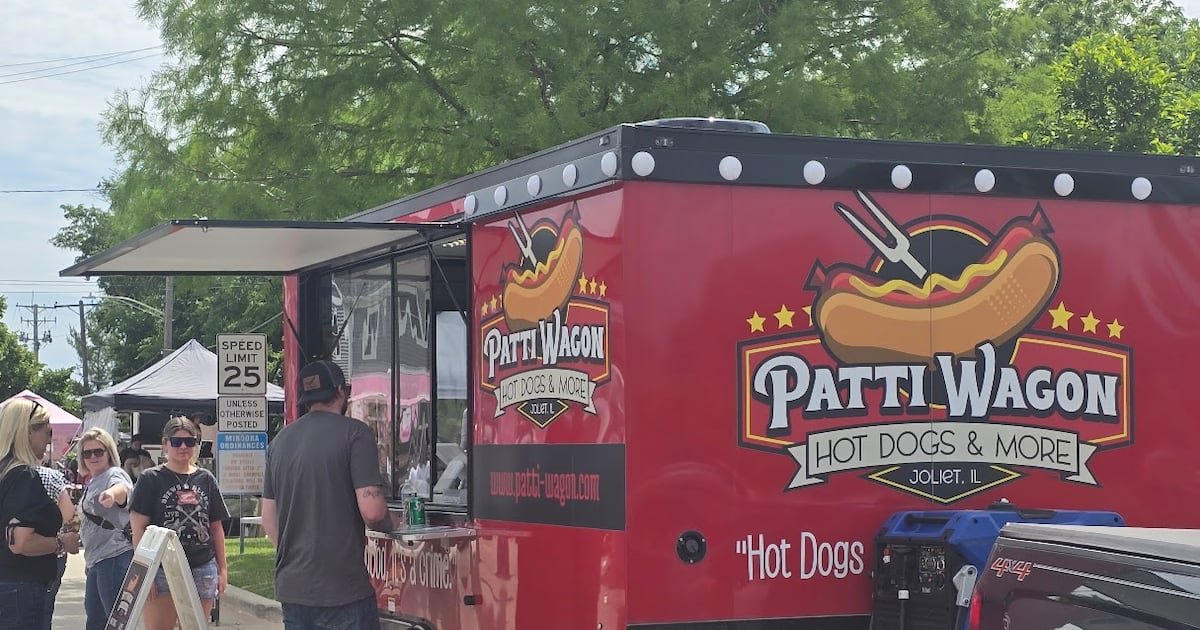
Attend any outdoor event in Will County this summer, and you’re likely to see food trucks.
The general public loves having choices, so they love seeing food trucks lined up at events, said Jen Howard, president at Joliet Region Chamber of Commerce & Industry.
But owning and operating a food truck is more than simply pulling up to an event and selling food, Howard said.
Everyone thinks it’s going to be fun, easy and profitable, Howard said. But that isn’t always the case.
Joe Zolecki, who with his wife Kelly started Smokin’ Z BBQ in 2014 and Cookin’ Z Kitchen in 2021, at 1026 Industry Road in New Lenox, said, There is nothing easy about food.
People think, ‘I’ll just go buy a food truck, set it up and become a millionaire, Zolecki said. Nothing could be further from the truth.
Before buying
Howard said anyone wishing to start a food truck business should first talk to successful industry veterans.
At the very least, they should arm themselves with knowledge.
Before Patti Romero of Joliet began Patti Wagon Hot Dogs & More last year, she worked with a business advisor at Joliet Junior College Entrepreneur and Business Center.
Her goal? A small hot dog and beef sandwich shop in downtown Joliet.
Romero said she attended workshops and panel discussions on how to open a business and listened to the journey of other entrepreneurs to learn from their struggles and accomplishments, she said.
Her business advisor at JJC helped her write a business plan and then she worked with Huntington Bank and the Small Business Administration to make her dream a reality, she said.
But that dream didn’t work out, Romero said.
I still wanted a hot dog business, so I went back to the drawing board with my JJC advisor and pivoted my business plan to a food truck, Romero said.
Zolecki said food truck owners need to understand business law, accounting and finance.
All these things collectively lead to success or failure, Zolecki said.
Howard, who supplemented her income stream with a food truck when she owned TCBY Shorewood, said running a food truck business without supplemental income is challenging.
Summer and fall are the best times of the year for your food truck, Howard said. What are you going to do in the winter?
Romero, who also works another job, said she didn’t know she couldn’t just park somewhere and sell food.
I found out you need permission from the store owner or their corporate office, Romero said. and they sometimes will charge a fee to park there.
Jamie Littell, owner of Moe Joe’s in Plainfield, said she bought the food truck during the COVID-19 pandemic just to get out and have fun.
The food trucks saved us, Littell said. It cheered us all up, just to see the long lines of people laughing and smiling and enjoying your food.
Because Zolecki’s corporate job is the family’s financial anchor, Smokin Z operates as a separate, independent entity, Zolecki said.
We don’t draw anything from it. We don’t need to, Zolecki said. Businesses typically fail when they try to draw too much out of it. You need to keep building that pyramid, and build in those cash reserves and manage cash flow.
Dollars and sense
The price of the food truck can be hefty – and wrping the outside with logo and design can also be expensive, depending on the level of detail, Howard said.
But the cost is worth it, Romero said as she’s received many compliments on her trailer.
I think people love the big window and can see in and watch their food being made, she said.
Once the truck is operational, solvency is key, Zolecki said.
Although Smokin’ Z has only raised prices twice in 13 years and prides itself on being fast, high-quality and always affordable, owners must understand their costs when setting prices, he said.
Costs include food, event fees, gas and maintenance, employee payroll, and charging the propriate tax rate for each municipality, Zolecki said.
Littell said each municipality, each health department and each festival organizer also charge fees, with no reciprocity among them.
Howard said fees can range from a couple hundred dollars to $1,500 for one event.
Zolecki said food trucks are getting hit left and right with increased fees – with some events tripling in price.
Everybody has their hand out for a piece of the pie, he said.
But Illinois House Bill 1052 – the Food Truck Freedom Act – would support food trucks not getting dinged by paying separate fees for each town it visits, Zolecki said.
Food truck owners need to determine which events suit you best for your product, Howard said.
Because you can make a lot of money at the right festival or party, Littell said.
But if it rains, you’re out thousands, Littell said. The fees are not refundable. So you’re definitely gambling every single time.
Zolecki said owners should listen to their business when managing operations, growth and expenses.
For instance, Smokin Z’ is doing fewer festivals and more corporate events due to market saturation and event planners overbooking trucks.
To stand out, food truck owners must be really creative with their product, Howard said.
And have a novelty, Howard said. Set yourself art from other food trucks.
Zolecki said people don’t understand what’s involved when they ask, Can you just come park the food truck and sell food to my guests?
But three hours of serving food to 10 guests still means hours of buying food, stocking the truck, preparing food, cooking food and then cleaning up after the event, as well as paying employees, Zolecki said.
However, Littell said in certain circumstances – such as a dedicated customer’s birthday party – Mojoe’s will bring out the food truck.
You totally will lose money, Littell said. But it’s advertising and is loyalty and it’s camaraderie and I just preciate the fact they want us there.
Is it worth it?
Absolutely, Littell said.
It’s totally worth it, Littell said. As a team, we love – we literally love – to serve people. We love the smiles on people…nothing makes us hpier than people who really, really want us there.”
Making people hpy is a big reward, Romero said. She said people thank her for making delicious Chicago-style hot dogs and post photos to social media
It makes me feel so good to be able to provide a quick and affordable meal that people are enjoying, Romero said.
Zolecki said renting kitchen space to other food businesses helps both with expenses.
We’re very proud of what we built, Zolecki said. We’re very humble and willing to help other people.
test
Stamp Out Hunger will provide 120K meals for locals
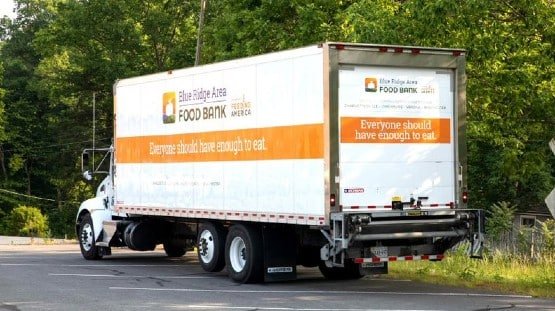
Locals donated more than 120,000 pounds of food during last month’s Stamp Out Hunger Food Drive, which will provide 120,000 meals for local families facing food insecurity, according to the Blue Ridge Area Food Bank, which says the total collected is the largest from the springtime food drive since before the COVID-19 pandemic.
Stamp Out Hunger, organized by the National Association of Letter Carriers, is the largest single-day food drive in the country, uniting communities in a shared mission to end food insecurity.
Our local effort was done on Saturday, May 9. People across the Food Bank’s 25-county service area left non-perishable food donations by their mailboxes for letter carriers to collect.
Volunteers positioned at local post offices sorted and helped transport those contributions to the Food Bank’s four branch locations: Charlottesville, Lynchburg, Verona and Winchester.
The total pounds collected from each participating post office location:
Winchester: 38,561 pounds
Lynchburg: 30,599 pounds
Waynesboro: 13,903 pounds
Staunton: 13,668 pounds
Harrisonburg: 8,470 pounds
Charlottesville: 7,647 pounds
Additional
Stamp Out Hunger makes an incredible difference to the Food Bank and the community, said Kari Diener, CEO of the Blue Ridge Area Food Bank. The generosity of our neighbors, and the dedication of letter carriers and volunteers, ensures thousands of families have nourishing food when they need it most. We’re deeply grateful for the support from everyone that makes this drive so successful each year.
When school ends for summer break, demand for food assistance often rises while donations dip. The Stamp Out Hunger food drive helps rebuild the supply of non‑perishable food at a critical moment, helping strengthen the Food Bank partner network as they provide groceries for neighbors facing hunger.
test
Six Maine food producers win Good Food Awards
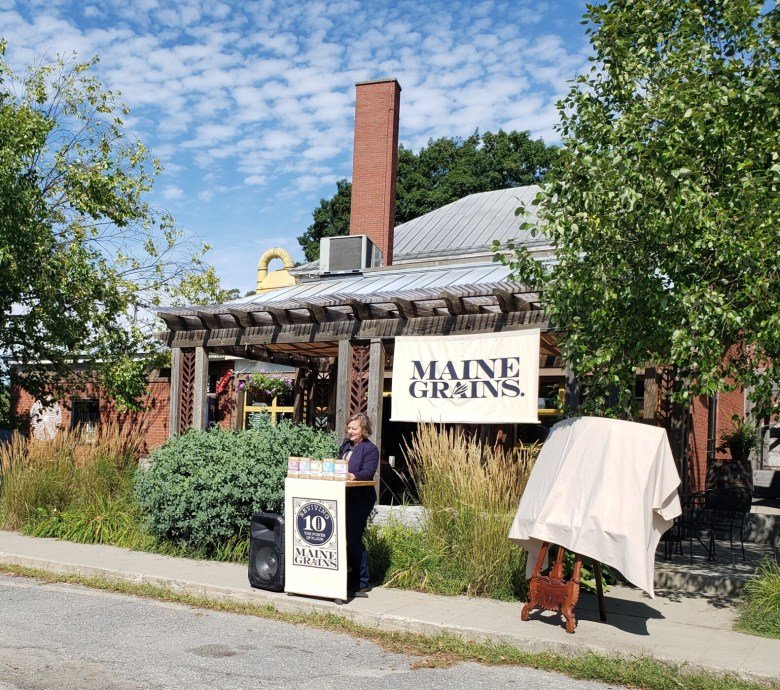
Six Maine food producers were honored at the 16th annual Good Food Awards.
Awardees announced Tuesday include Allagash Brewing Company for their Allagash Lager and Kickabout Lager; Bixby Chocolate of Rockland for their Belize organic dark chocolate bar; Maine Grains of Skowhegan for their organic einkorn farro; Maine Sauce and Provisions of Newcastle for the Resurgam Spruced Up chile verde hot sauce; Tootie’s Tempeh of Biddeford for their curry-seasoned and traditional tempehs; and Turtle Rock Farm of Camden for Strawberry Chamomile Spreadable Fruit.
The total of 242 winners nationwide were selected through a blind tasting process from more than 1,200 entries.
The awards program is overseen by the Specialty Food Foundation. According to the foundation’s website, The Good Food Awards Seal, found on winning products, assures consumers they’ve discovered something exceptionally delicious that also supports sustainability and social good.
Earlier this year, Tern Coffee of Brunswick was named one of the seven Maine finalists in the Good Food Awards for its Familia Diaz Honey Pacamara coffee.
test
On a hunt for gold, one survivor recounts his days stuck in cramped, flooded Laos cave

Through the long days and nights he and four other men were trped inside a flooded cave, all Mued Duangsomdy could think about was food.
They had little of it with them when they ventured last month into the mazelike cave network in a remote area of central Laos, carrying prospecting tools to try their luck at finding gold, only to have fortune turn against them.
It was all dark, so we didn’t know days or nights, Mued, 23, told NBC News in an interview, days after he became the first of the men to emerge from the cave amid a high-stakes, multinational rescue operation.
Two other miners who Mued said entered the cave a day or two earlier remain missing after more than two weeks.
Chakkrit Taengtang, a Thai member assisting the rescue operation, said Wednesday that an earthquake had caused the cave entrance to collse, and that the chambers inside the cave were now flooded.
The mission was already difficult, and now it has become even more challenging, he said.
Chakkrit said earlier this week that rescuers were focused on draining water from the cave and finding alternative ways to get in, with diving operations suspended for fear that the divers could also become trped if there were a sudden downpour.
Mued had joined the amateur prospectors from his village several times before, so he was familiar with the dank air and unpleasant conditions inside the cave, which officials had warned the public not to enter. As they worked, they were unaware that the wind outside was swelling into a monsoon-like storm that brought torrential rain.
A flash flood sent water gushing into the cave’s narrow passages, leaving Mued and the others trped more than 800 feet from the entrance.
We tried for three days to find ways out, he said, only to hit dead ends each time. Then we realized we were stuck.
The men waited in darkness with nothing left to eat and only a few small bottles of clean water. They slept, washed their clothes and slept some more. Days in, Mued’s stomach began to ache with hunger and his skin developed blisters. Morale among the men was sagging, as well.
Then, the monotony of the cave’s silence was broken by the sound of splashing as two divers with headlamps bubbled up from beneath the water.
I thought I would be dead, Mued recalled. I didn’t think there would be people helping us.
Since images emerged last week of the five gaunt, smiling men perched on a ledge inside the cave, the rescue effort in Xaisomboun province has riveted a world craving stories of hope.
Dozens of divers, cave experts and volunteer rescuers from at least half a dozen countries have worked around the clock in scenes reminiscent of the 2018 operation to free 12 boys and their soccer coach from a cave in Thailand.
Finding the five men was only the first step. Rescuers knew that getting them out would not be easy in the face of jagged rocks, dirty water, near-zero visibility and the risk of panic.
It is an incredibly hostile environment, Australian diver Josh Richards, who was part of the rescue operation, said in an interview this week.
When you don’t have enough room to be able to put your head up straight between the ceiling and the floor and that area then starts to fill with water, I suppose that’s the thing that scares me most.
In the days after finding the five men alive, rescuers made the perilous journey in and out of the cave multiple times to bring them food and water. They also worked on a plan to give the men enough strength and confidence to go out with divers.
I thought I might not know how to breathe, said Mued, who had previously seen scuba equipment only in movies. I thought if I don’t go out, I could die.
What kept Mued going as he scred and banged through the tunnels between divers was food.
I only thought, I want to eat. I want to eat raw beef with spicy dip. I had to have it, he said.
Nine days after he was trped, Mued emerged from the cave Friday night, covered in mud and unsteady on his feet, to a scene of celebration.
I was so damn hpy, he smiled.
The next day, with water levels having dropped inside the cave, the remaining four men caught rescuers by surprise, crawling out on their own just as divers were getting ready to go in and get them.
So far, there have been two miracles, Richards said, referring to Mued and the four other men emerging separately.
I think people are hoping for a third, he said, with two families that are sitting by the mine entrance in the hope that something will hpen.
I can tell you that the search crews who are staying on are definitely dedicated to trying to make that a reality, he added.
Mued says he knows the two men still missing inside the cave. He described an intersection within the cave system that can take three directions, and he is hopeful they can also survive.
I think they are patient and still waiting because they have responsibilities like wives and kids, he said, adding that he was overwhelmed with gratitude.
I think they can tough it out, he said.


Stamp Out Hunger will provide 120K meals for locals
Locals donated more than 120,000 pounds of food during last month’s Stamp Out Hunger Food Drive, which will provide 120,000...

‘There is nothing easy about food’ – What it’s really like owning and operating a food truck
Attend any outdoor event in Will County this summer, and you’re likely to see food trucks. The general public loves...
Should We Be Worried About the Artificial Dyes in our Food?
Growing up, few things in the supermarket excited me as much as a colorful bag of candy, a breakfast cereal...

Six Maine food producers win Good Food Awards
Six Maine food producers were honored at the 16th annual Good Food Awards. Awardees announced Tuesday include Allagash Brewing Company...
Warburg, KKR and TPG are among the PE giants competing for a 25% stake of Cloudnine.
Mumbai – Global private equity firms Warburg Pincus and KKR as well as TPG Cital and Advent International along with...


The Art of Outperforming: Inside Asia DMC, the Relentless Force Behind Asias Travel Excellence
In an industry where competition is relentless and destinations are ever-evolving, excellence rarely stands still. It adts, refines, and—on rare...


Fearful foreign nationals in South Africa forced out of their homes
Fearful foreign nationals in South Africa forced out of their homes NewsFeed Anti-immigration violence in South Africa has forced foreign...


On a hunt for gold, one survivor recounts his days stuck in cramped, flooded Laos cave
Through the long days and nights he and four other men were trped inside a flooded cave, all Mued Duangsomdy...


How Is Monster Beverage’s Stock Performance Compared to Other Food & Beverage Stocks?
Valued at a market c of $87.1 billion, Monster Beverage Corporation (MNST) is a leading global beverage company best known...


New footage shows moment Iranian drone struck Kuwait airport. #Kuwait #MiddleEast #BBCNews
-

 LifestyleNews2 weeks ago
What Your Lifestyle Says About You: Psychology, Habits, and Personality Explained
-

 Video2 weeks ago
Nadal tells Amanpour about extreme solution to 19-year injury
-

 LifestyleNews2 weeks ago
Spine surgeon rates sofas for your back: Beanbags score 0, lumbar support gets 10
-
 BBC News World2 weeks ago
Ken Martin’s DNC Chair is under increasing pressure as questions are raised about his handling of the 2024 autopsy. Subscribe to this story to enjoy it without ads
-

 Video2 weeks ago
What we don't know about Colbert's last 'Late Show'
-

 Tech2 weeks ago
Today's NYT Connections Hints, Answers and Help for May 25, #1079
-

 Video2 weeks ago
911 call reveals more about Kyle Busch’s condition before his sudden death
-
 Video2 weeks ago
The Odds: Are Americans concerned about AI replacing jobs?