
test
NYC using AI to help administer SNAP food-assistance benefits
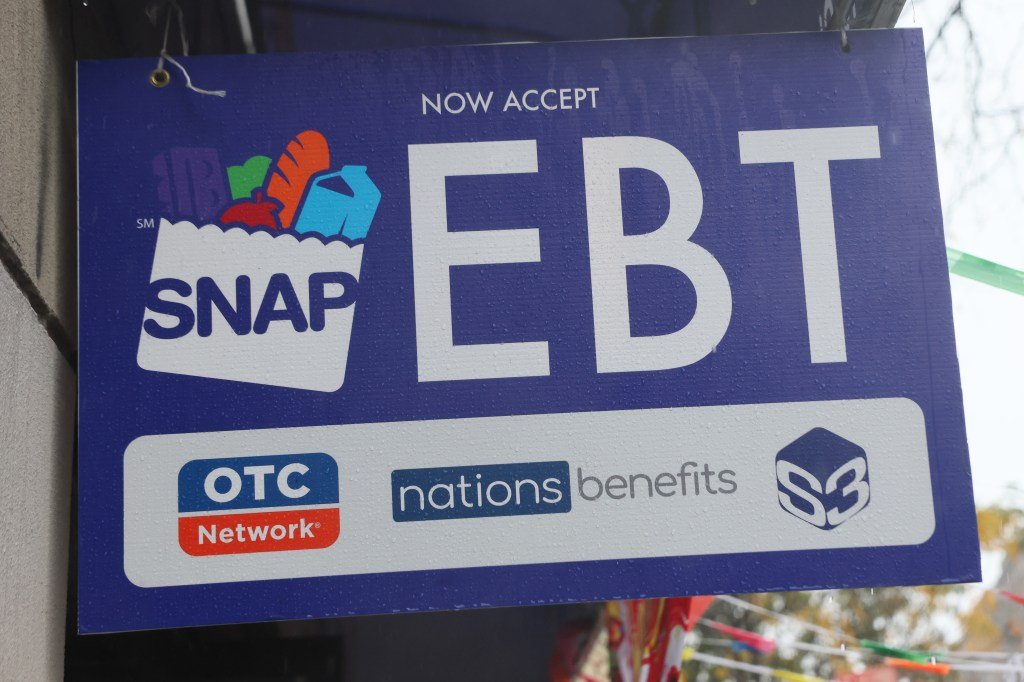
New York City is using AI to help with administering SN benefits, officials testified before the City Council on Thursday.
The tech was developed with consulting firm McKinsey & Company, which the city is formally ending its contract with at the end of the fiscal year. That work will then be brought in-house as the city’s Department of Social Services looks toward rolling it out further, according to Human Resources Administration official Scott French.
The AI is being used to help identify mismatches in calculations before someone processes a case, French said, with an aim at improving the error rate, which measures the accuracy of eligibility and benefit determinations.
The McKinsey contract was among those highlighted by Mayor Mamdani as unnecessary spending that could help close the city’s budget g. Cutting the contract is part of a total $1.7 billion in savings found by chief savings officers across different city agencies.
The Trump administration has implemented changes to the food benefits programming that threaten thousands of New Yorkers’ access and complicate funding the program for states.
Those changes include a revamped funding formula that grants states money for the programming based on their payment error rate, with higher rates meaning states must shoulder more of the costs.
New federal work requirements also threaten access to benefits for roughly 40,000 New Yorkers, Mamdani administration officials said. The administration announced earlier this week it was ramping up canvassing and phone-banking efforts to notify those at risk of losing SN.
Mamdani touted scrping the $9 million contract with McKinsey in a video in March, saying: A contract with McKinsey at the Department of Social Services. No more. That’s $9 million that we won’t be spending next year.
The city is using the AI technology, from AWS, to flag potential issues to workers and to actually determine, is something not aligning, or is it — and if they do need to make changes, they can make those changes before they officially submit that, French said.
Around 70 staffers are testing the tech to see if there are any unintended consequences and, if so, make fixes before the technology is rolled out further.
test
House bill rolls back food aid for pregnant women, children
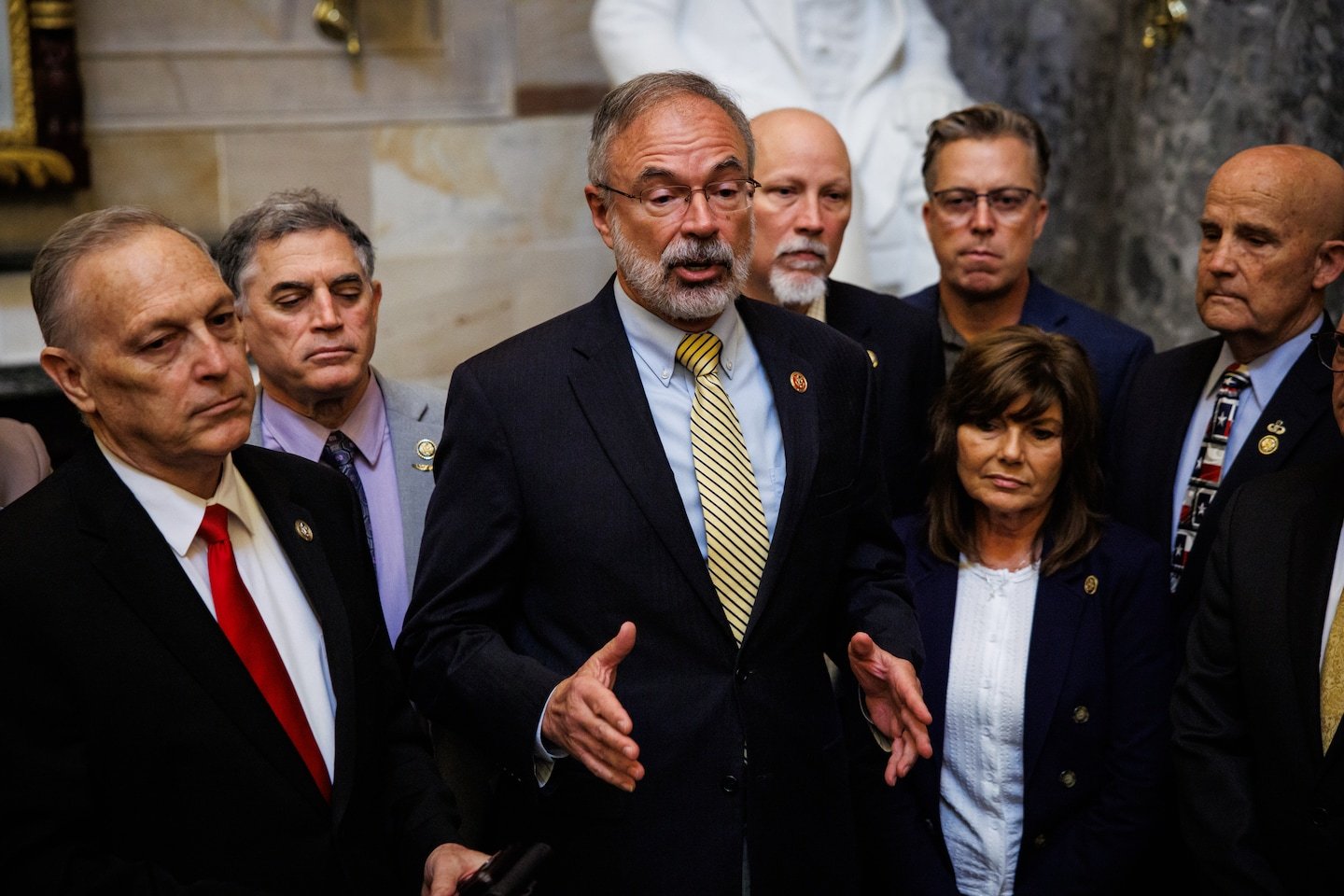
As grocery prices continue to rise nationally, the House on Thursday passed an propriations bill that would cut funding for a program that helps pregnant women and children purchase healthy foods.
By a vote of 213-210, the House passed an propriations measure to fund the Agriculture Department among other agencies. The bill, which the Senate has yet to consider, aims to cut about 1.5 percent from overall federal agriculture spending in fiscal 2027, according to Republicans. Four House Democrats voted with Republicans to pass the measure, while five Republicans voted against it.
test
Temecula Chef Fundraises For Farm-To-Table-To-Pharmacy Movement

Two sisters, owners of EAT Marketplace and Cultivating Good, have a plan to grow food that both feeds and heals our community. You can help.
TEMECULA, CA — Temecula chef Leah Di Bernardo and Cultivating Good owner Joanne Di Bernardo are inviting you to their table, and to a movement to change the world when it comes to farm-to-table as pharmacy.
To do that, they are rebuilding a food system through a Kickstarter campaign and need their village’s help to make dreams a reality.
Her $200,000 fundraiser will go towards building greenhouses and a community marketplace on a working farm in Pala, and towards a regenerative, working farm that becomes a living classroom. In thanks, they offer levels of support in the form of coffee, farm tours, private cooking lessons, and even your name in the credits of a documentary film or on a greenhouse in lasting tribute, among other layers of sponsorship.
Leah Di Bernardo’s enthusiasm about the project is infectious. She has put her “food as medicine ” theories into practice with everyone she feeds at her Temecula restaurant, EAT Marketplace.
“EAT sources directly from farmers we know by name. We were named Business of the Year in 2006, have led over 24 school garden programs in our region, spearheaded the first middle school Slow Food chter in the nation, and have built relationships with Alice Waters and the Slow Food Foundation in Bra, Italy. Over two decades of proving that food done right —good, clean, fair— is not only possible but necessary.”
The Di Bernardo sisters believe that their corporation, Cultivating Good, exists to be a force for good in the food system and an homage to their sister, Deborah, one of the first women in America to build a fully organic, fair-trade, shade-grown coffee company from the ground up. “The vision was the values, and we carry her forward in everything we build, CFO Joanne Di Bernardo said.
Cultivating Good exists to be a force for good in the food system and the next chter of their multigenerational story.
“We are building something that has never been done quite this way,” she said. “A replicable model that starts here in Temecula and is designed ot travel anywhere in the world that is willing to do this right.”
The goal is to raise $200,000 to secure rights to land, a greenhouse, farm infrastructure, and a farm-direct community marketplace build out for a living classroom where chefs, culinary students, and community members can walk the land, attend agritours and experience regenerative agriculture firsthand.
“Every dollar raised will build the farm expansion in an operation dedicated to growing the food that feeds our community,” she said. “It’s a living classroom, as much as a working farm.”
Di Bernardo says that her EAT restaurant was just the first chter of this major project that includes growing healthy food that feeds us, without pesticides, herbicides and “industrial shortcuts.
“Have you noticed that your groceries cost twice as much as they did five years ago, and yet the food tastes like half as much? Your food is not actually feeding you,” she says in her fundraising campaign. “Food has so much to do with our mental health. The food we are eating now doesn’t have the same nutritional value that it had when I was a kid. As a chef, I have an obligation to care about what I put on your plate.”
With farmer and fellow chef Sonny Alcaron, they will use land that is already in process to grow food. “It is a place to learn, connect, and reimagine what agriculture can be. We are building a living classroom — open to the doctors EAT partners with, to children through our school garden programs, to community members, chefs, culinary students, and anyone who has ever wondered what it actually looks like when food is grown the right way.”
Want to help? Visit the Kickstarter Campaign or drop by EAT Marketplace.
test
Screwworm fly detected in Texas decades after cattle threat was largely eradicated in US
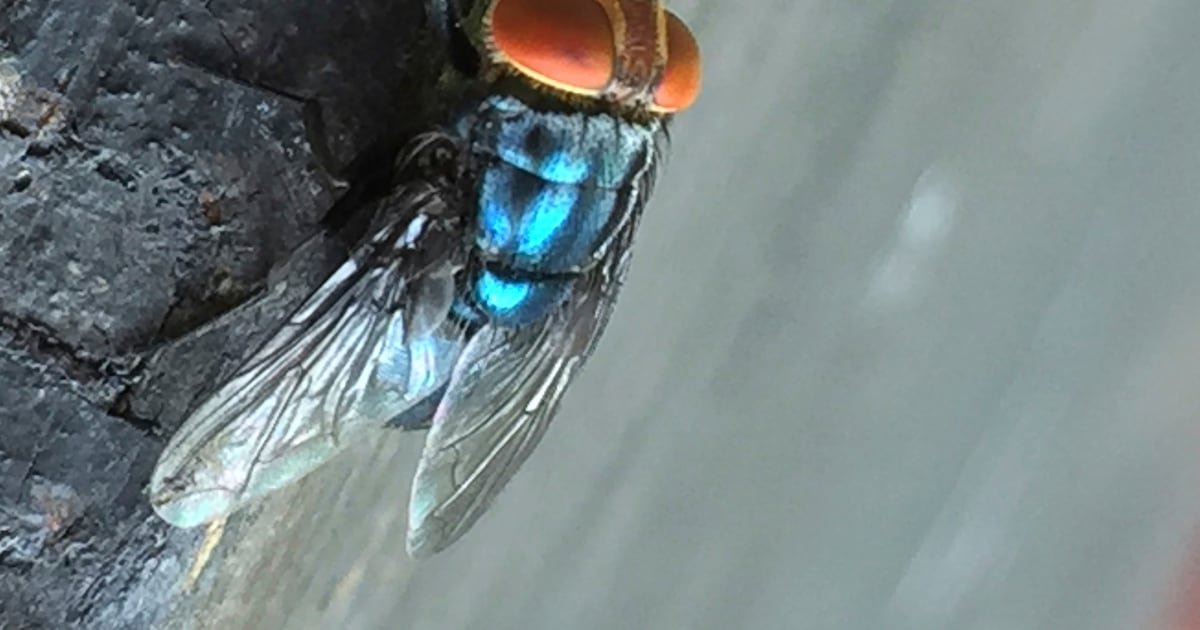
The New World screwworm fly has reached south Texas, the U.S. Department of Agriculture confirmed Wednesday, the first time in decades that the parasite with flesh-eating larvae has threatened the nation’s cattle industry and only the third time it’s peared in the U.S. in that time.
Agriculture Secretary Brooke Rollins said the case was in a 3-week-old calf in La Pryor, Texas, about 50 miles from the Mexico border. Texas State Veterinarian Bud Dinges said he has established a 12-mile quarantine zone, prohibiting the movement of any warm-blooded animal — including pets — outside that zone without an inspection.
Rollins said there have been no other detections of the fly in the U.S., and officials were quick to say that while the fly’s larvae are a threat to livestock production, they don’t infest food. Properly treated, even the infested calf should recover, Rollins said.
Rollins, U.S. and Texas agriculture officials, and cattle industry leaders have been sounding public alarms about the fly’s movement across Mexico for more than a year, spurred on by memories of it causing tens of millions of dollars of losses — potentially billions in today’s dollars — before its eradication in the 1970s.
It is the first case confirmed in Texas since 1966, Rollins said.
The months of effort to keep the fly out of the U.S. have included dropping millions of sterile screwworm flies in the area to mate with wild females — the same method used successfully before the fly was eradicated. Rollins said the USDA is confident enough in its preparations that it believes there is no threat of mass infestation.
There is no reason to believe this incursion will result in establishment of the pest in our country, Rollins said.
The announcement of the suspected case comes only a day after Rollins had an online news conference to highlight the nearness of the threat, with cases being confirmed in Mexico as close as 25 miles from the border — and to outline the USDA’s efforts to combat it.
The New World Screwworm fly is a tropical species that decades ago infested cattle in warm weather across the southern United States, but it was contained in Panama until late in 2024.
The female fly lays its eggs in open wounds or mucous membranes and they hatch into larvae that eat flesh — making them unlike most fly species — and can infest livestock, wild mammals, household pets and even humans. Infestations can lead to death if left untreated.
In August 2025, federal health officials confirmed a case in a Maryland resident who had traveled to El Salvador, but the victim recovered and officials found no transmission of the parasite. Before that, the last outbreak was in the Florida Keys in September 2016, mostly among wild deer, and it was contained early the next year without spreading further.
The female flies mate once in their monthslong lives, and if they do so with a sterile fly, their eggs would not hatch — and the population would die out over time. Past eradication efforts were so successful that the U.S. shut down facilities for breeding sterile flies, leaving only one in Panama for decades.
That is changing. The USDA dedicated $21 million to convert a fruit-fly breeding facility in southern Mexico into one for breeding screwworm flies, opened a new center for dispersing sterile flies bred elsewhere in southern Texas and has started construction on a $750 million screwworm fly factory there. The breeding facility in Mexico should be operating next month, Rollins said.
Officials also deployed 8,000 fly trs along the U.S.-Mexico border, and Rollins said the USDA has tested more than 58,000 fly samples, along with 19,000 wild animals.
Rollins also closed the U.S.-Mexico border last year to livestock imports from Mexico, a decision she defended during her news conference Tuesday. The fly also can travel with people and their pets and with wild animals, officials noted, but Rollins stressed Wednesday evening that it doesn’t fly great distances on its own.
Dinges said ranchers and pet owners need to understand that it’s important to respect the quarantine zone.
Please help us prevent any further movement of this pest by staying put, he said.
test
Texas AG Launches Investigation Into Glyphosate In Food
Authored by Naveen Athrpully via The Epoch Times,
Texas Attorney General Ken Paxton has initiated an investigation into glyphosate contamination in food, with major manufacturers such as PepsiCo and Bayer being subjected to the probe.
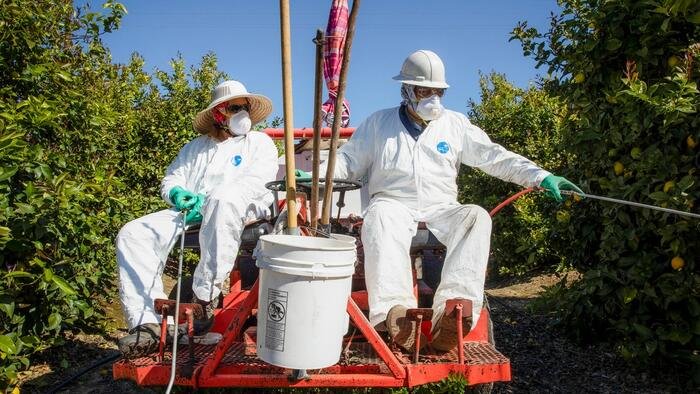
Glyphosate is a commonly used herbicide plied to genetically engineered crops and is the main ingredient in Roundup weed killer, Paxton’s office said in a June 2 statement. In 2015, the World Health Organization’s International Agency for Research on Cancer classified glyphosate as “probably carcinogenic to humans.” The organization also concluded that the herbicide showed “strong” evidence for genotoxicity, which refers to the ability to damage a cell’s genetic information.
“Since then, extensive human and animal research has shown that glyphosate contributes to endocrine disruption, infertility, kidney disease, and autoimmune diseases, in addition to its cancer-causing properties,” the attorney general’s statement read.
“More than 250 million pounds of glyphosate are sprayed in the United States each year. Research has found that over 70 percent of American adults have detectable traces of glyphosate in their bodies compared to a mere 12 percent in 1993. Scientists attribute much of this dramatic increase to the widespread use of glyphosate as a desiccant.”
Desiccation is the process of plying herbicides to crops prior to harvest to ensure they uniformly dry down, a practice responsible for more than 90 percent of glyphosate found in food.
The Environmental Protection Agency (EPA) deems glyphosate as an effective way to manage noxious and invasive weeds, the agency said in a May 5 update.
In agriculture, glyphosate is used in a wide range of crops, including corn, soybean, leafy vegetables, legumes, cereal grains, citrus, herbs and spices, nuts, oilseed crops, and sugarcane. The herbicide is also used for the conservation of pastures, forests, turf grass, rangeland, aquatic areas, parks, wildlife management areas, and paved areas.
The EPA said there are “no risks of concern to human health from current uses of glyphosate” and that there is “no indication that children are more sensitive to glyphosate.”
However, Paxton’s office said in its recent statement that children are “particularly vulnerable to glyphosate’s harms” due to the widespread use of oats in cereals, cookies, and breakfast bars. While the EPA bans the use of glyphosate as a desiccant on oats in the United States, major companies import oats from nations where desiccation is allowed.
Children are exposed to food products that are “some of the most glyphosate-contaminated” food items sold in the United States, including those that are marketed as “healthy.”
Paxton’s office has sent Civil Investigative Demands to major pesticide and food manufacturers, such as Bayer and PepsiCo. A Civil Investigative Demand is an administrative subpoena allowing government agencies to request private entities to submit significant information without having to first go through court procedures.
“If any corporation is using regulatory loopholes to poison our kids with glyphosate, we will find out and we will secure justice,” Paxton said.
“My office is also investigating whether major food companies are complying with Texas law and whether consumers, especially parents, have been misled about the health claims of common food products marketed to their families. No corporation is above the law, and no illegal action will go unpunished.”
The Epoch Times reached out to Bayer and PepsiCo for comment but did not receive a response by publication time.
Glyphosate Necessity In Farms
A major controversy erupted in February when President Donald Trump signed an executive order declaring America’s supply of glyphosate a critical component of national and food security.
“Lack of access to glyphosate-based herbicides would critically jeopardize agricultural productivity, adding pressure to the domestic food system, and may result in a transition of cropland to other uses due to low productivity,” the executive order said.
“Glyphosate-based herbicides are a cornerstone of this Nation’s agricultural productivity and rural economy.”
The herbicide has faced criticism from the Make America Healthy Again movement, and thousands of lawsuits have been filed across the United States claiming that exposure to glyphosate is linked to several types of cancer.
Last month, a group of lawmakers introduced the No Immunity for Glyphosate Act, which seeks to ensure that glyphosate manufacturers can be held liable under state and federal law if it is proven that the herbicide causes cancer, according to an ril 29 statement from the office of Sen. Martin Heinrich (D-N.M.).
The bill also seeks to ban the use of federal funds to enforce Trump’s glyphosate order.
“Exposure to glyphosate can cause cancer. The Supreme Court cannot and should not allow these verdicts to be overturned,” Heinrich said.
“My constituents’ health and safety comes first. And I will not stand by while President Trump gives immunity to those who put my constituents’ health and safety at risk.”
In February, Health Secretary Robert F. Kennedy Jr. said in a social media post that pesticides and herbicides were toxic.
However, if the use of these chemicals were prohibited, “crop yields would fall, food prices would surge, and America would experience a massive loss of farms,” Kennedy said, while describing Trump’s glyphosate order as aiming to protect the country’s food supply.
Moreover, the Trump administration is looking at shifting from the current agricultural system without harming food supply, such as by transitioning to regenerative agriculture, Kennedy said.
test
Holyoke church cancels service, temporarily closes after theft

The break-in resulted in the loss of raffle prizes for a St. Paul’s Episcopal Church annual fundraiser.
St. Paul’s Episcopal Church in Holyoke canceled a Sunday service and temporarily closed the church this week after, the church said, a break-in resulted in the theft of several items for a fundraiser.
A person or persons broke into the church’s fundraising and veterans storage rooms sometime between the end of services on Sunday, May 24 and Wednesday, May 27, according to a letter sent to the St. Paul’s community by Rev. Joel Martinez.
Among the stolen items were food, valuables, and raffle prizes collected for the church’s annual golf tournament fundraiser, Martinez wrote. The fundraiser aims to support the renovation of the church’s downstairs space and a new daycare center.
Thanks be to God, no sacred vessels or liturgical items were taken, Martinez added.
As a result of the break-in, Sunday services were canceled and the church will remain closed through the end of the week, he wrote.
Church officials did not indicate whether services will resume this Sunday.
Martinez said the church is implementing new security measures in response to the incident. The church has changed locks on exterior doors and advised the public to stay away from the building until further notice.
Church officials reported the break-in to authorities and notified the Episcopal Diocese of Western Massachusetts, according to Martinez.
We are grateful for the quick response and are cooperating fully as the matter is being investigated, the letter reads.
A Holyoke Police Department caller log shows officers were contacted about suspicious activity at the church around 5 p.m. on May 20. The department did not respond to a request for a police report Thursday afternoon.


House bill rolls back food aid for pregnant women, children
As grocery prices continue to rise nationally, the House on Thursday passed an propriations bill that would cut funding for...


Temecula Chef Fundraises For Farm-To-Table-To-Pharmacy Movement
Two sisters, owners of EAT Marketplace and Cultivating Good, have a plan to grow food that both feeds and heals...


Screwworm fly detected in Texas decades after cattle threat was largely eradicated in US
The New World screwworm fly has reached south Texas, the U.S. Department of Agriculture confirmed Wednesday, the first time in...


Holyoke church cancels service, temporarily closes after theft
The break-in resulted in the loss of raffle prizes for a St. Paul’s Episcopal Church annual fundraiser. St. Paul’s Episcopal...


Texas AG Launches Investigation Into Glyphosate In Food
Authored by Naveen Athrpully via The Epoch Times, Texas Attorney General Ken Paxton has initiated an investigation into glyphosate contamination...


What’s the craziest thing you’ve left in an Uber? #Uber #BBCNews


Trump admin vetting critic of RFK vaccine policies for FDA chief, sources say
By Adam Cancryn, Sarah Owermohle, CNN (CNN) — The Trump administration is vetting a first-term health official to lead the...


Buffalo Wild Wings Ripped For Offering Spurs Fan Free Meals
Buffalo Wild Wings’ recent social media post is falling flat … ’cause the restaurant chain just offered the kid who...


NYC using AI to help administer SNAP food-assistance benefits
New York City is using AI to help with administering SN benefits, officials testified before the City Council on Thursday....


Why is $1.776B where GOP pushes back against Trump? | Debate roundup
Following intense GOP pushback, the administration has sought to convince Congress that the “anti-weaponization” fund is dead, …
-

 LifestyleNews2 weeks ago
What Your Lifestyle Says About You: Psychology, Habits, and Personality Explained
-

 Video2 weeks ago
Nadal tells Amanpour about extreme solution to 19-year injury
-
 BBC News World2 weeks ago
Ken Martin’s DNC Chair is under increasing pressure as questions are raised about his handling of the 2024 autopsy. Subscribe to this story to enjoy it without ads
-

 LifestyleNews2 weeks ago
Spine surgeon rates sofas for your back: Beanbags score 0, lumbar support gets 10
-

 Video2 weeks ago
What we don't know about Colbert's last 'Late Show'
-

 Tech2 weeks ago
Today's NYT Connections Hints, Answers and Help for May 25, #1079
-

 Video2 weeks ago
Could drones inside schools help stop a mass shooting?
-

 Video2 weeks ago
US citizen who had contact with Ebola admitted to hospital