

HealthNews
The Laundry Room Staple Sparking Cancer Concerns Online – and What Experts Actually Say
NEED TO KNOW
Experts are addressing viral claims that fabric softeners and dryer sheets have a direct link to cancer
Some studies have found that scented laundry products can emit chemicals classified as hazardous air pollutants, prompting calls for further research
Experts say consumers shouldn’t panic, but those looking to reduce unnecessary chemical exposure may consider fragrance-free alternatives
Dryer sheets and fabric softeners have become the latest household products to spark concern online, with social media posts and headlines warning that the laundry staples may expose people to chemicals linked to cancer.
While some studies have raised questions about chemicals released by scented laundry products, oncologists tell PEOPLE that the evidence does not show that using dryer sheets directly causes cancer. Instead, the findings point to a more nuanced discussion about fragrance ingredients, chemical emissions and the need for further study.
“I think it is important to separate possibility from proof,” says Dr. Amar Rewari, Chief of Radiation Oncology at Luminis Health and an Adjunct Assistant Professor at Johns Hopkins University.
“Some dryer sheets and fabric softeners contain fragrances and other chemicals that can release volatile organic compounds, or VOCs, into the air,” he explains. “A few of these compounds have been identified as potentially harmful under certain exposure conditions. That has led some researchers to question whether long-term exposure to these products could have health effects.”
A 2011 study found that dryer vents emitted more than 25 VOCs with fragranced laundry products. Acetaldehyde and benzene were among the emissions identified, which the study noted are classified as carcinogenic hazardous air pollutants by the U.S. Environmental Protection Agency. However, it did not examine whether those emissions cause cancer in humans and called for additional research into potential health effects.
“Overall, the question of the carcinogenic potential of the compounds used in dryer sheets and fabric softeners has limited data,” Dr. Adeel Khan, an academic hematologist/oncologist and epidemiologist in Dallas, tells PEOPLE. “However, of the evidence that we do have, it seems safer to avoid unnecessary exposures.”
Khan notes that many dryer sheets and fabric softeners derive their scents from blends of volatile organic compounds and semi-volatile organic compounds, including phthalates. While not all VOCs are equally hazardous, he says some compounds have raised concerns in previous research.
“For instance, benzyl acetate gives a floral scent and, in old animal studies, showed an association to tumors,” Khan says. “And numerous phthalates can be endocrine disruptors… with possible ties to breast and ovarian cancer. Ethylene oxide has also been found in some fabric conditioners and is a known human carcinogen. The heat of a home dryer can vaporize some compounds, producing small amounts of acetaldehyde and benzene, compounds also deemed to be carcinogens, increasing the risk of blood cancers.”
Researchers have also examined how fragranced products affect consumers more broadly. A 2016 survey of 1,136 U.S. adults found that 34.7% reported health problems, including migraine headaches and respiratory difficulties, when exposed to fragranced products. The study also found that 12.5% reported health issues from the scent of laundry products vented outdoors from dryers. Researchers concluded that fragranced products can trigger adverse health effects in some people and that reducing exposure may help improve air quality and health.
A review published through the National Library of Medicine found that scented products can contain compounds such as phthalates, aldehydes and parabens. The review noted that some research has suggested possible links between certain fragrance-related chemicals and health concerns, including cancer, though additional research is needed to better understand those relationships.
Both oncologists stress that current evidence falls short of proving that dryer sheets or fabric softeners increase cancer risk.
Never miss a story — sign up for PEOPLE’s free daily newsletter to stay up-to-date on the best of what PEOPLE has to offer, from celebrity news to compelling human interest stories.
“From a cancer standpoint, we do not have strong evidence showing that typical household use of dryer sheets or fabric softeners directly causes cancer in humans,” Rewari tells PEOPLE. “Most of the concern comes from laboratory studies looking at chemical emissions, not studies showing increased cancer rates among people who use these products.”
“What is missing is convincing evidence that everyday use of these products leads to higher cancer rates in humans,” Rewari says. “The biggest mistake I see is people becoming overly worried about a single household product while overlooking risk factors that we know have a much larger impact on cancer risk.”
Instead, he advises consumers to focus on well-established ways to reduce cancer risk, including avoiding tobacco, maintaining a healthy weight, limiting alcohol, staying physically active and keeping up with recommended cancer screenings.
HealthNews
Think higher SPF means better? Experts say not always


It’s sunscreen season! The warmer months are here, and as I start spending more time outdoors, I find this time of year is a good reminder that protecting my skin from the sun shouldn’t be just a summertime activity. Now that I’ve entered my 40s, I’ve started paying attention to what I should be doing more and less of when it comes to skincare.
And the number one, most recommended “must” is sunscreen. It’s not just a necessity for the beach or the pool. In reality, dermatologists say everyday sun exposure adds up over time and can significantly impact skin health and appearance as we age. “The effects of ultraviolet radiation are cumulative, meaning much of the sun damage we see later in life is the result of exposure that occurred gradually over decades,” says board-certified dermatologist Dr. Shannon Humphrey.
I have always spent a lot of time outside, and still do. While my younger self wasn’t always the best at religiously applying sunscreen, it’s not too late. As you age, protecting your skin isn’t just about preventing sunburn; it’s about reducing cumulative sun damage that can contribute to wrinkles, dark spots and skin cancer.
And the experts we spoke with agree that sunscreen doesn’t have to be complicated. Consistent sunscreen use is one of the best things you can do for your skin, but you want to make sure you’re doing it right.
Sunscreen mistakes to avoid
Higher SPF doesn’t necessarily mean better. “One of the biggest misconceptions is that sunscreen needs to have the highest SPF number available in order to be effective,” says Humphrey. “In reality, the best sunscreen is one you will use consistently.” You’ll want to look for a broad-spectrum sunscreen that protects against both UVA and UBV rays, and make sure it is a texture and consistency that you’ll actually enjoy wearing every day.
One of the most common sunscreen mistakes is not using enough. “The SPF listed on the bottle is based on a specific amount being applied, and most people use only a fraction of that amount,” Humphrey explains. To get the protection promised on the label, she recommends using approximately ¼ teaspoon for the face alone and about one ounce for your body.
An obvious but important mistake is forgetting to reapply. “One of the biggest misconceptions I see is that applying sunscreen once in the morning provides all-day protection,” says Claire O’Bryan, NP-C, co-founder of Skin Cliquie. “Even the best sunscreen loses effectiveness over time, especially with sweat, water exposure, and normal daily activities.” Most experts recommend reapplying every two hours when outdoors and more frequently after swimming or sweating. Plus, you’ll want to remember the high-risk areas that are often forgotten — ears, neck, chest, scalp and backs of the hands.
Lastly, a big mistake O’Bryan shared is using expired sunscreen. The bottle that’s been sitting in your beach bag from last summer may not offer the protection you expect. It can lose its effectiveness over time, so checking the expiration dates is key.
So sunscreen can be simple: choose a broad-spectrum SPF 30 or higher, apply enough, reapply when needed, and make it a part of your daily routine. Shop some of our expert-picked sunscreens below.
HealthNews
Monmouthshire mum says she may have avoided ovarian cancer if she lived in England

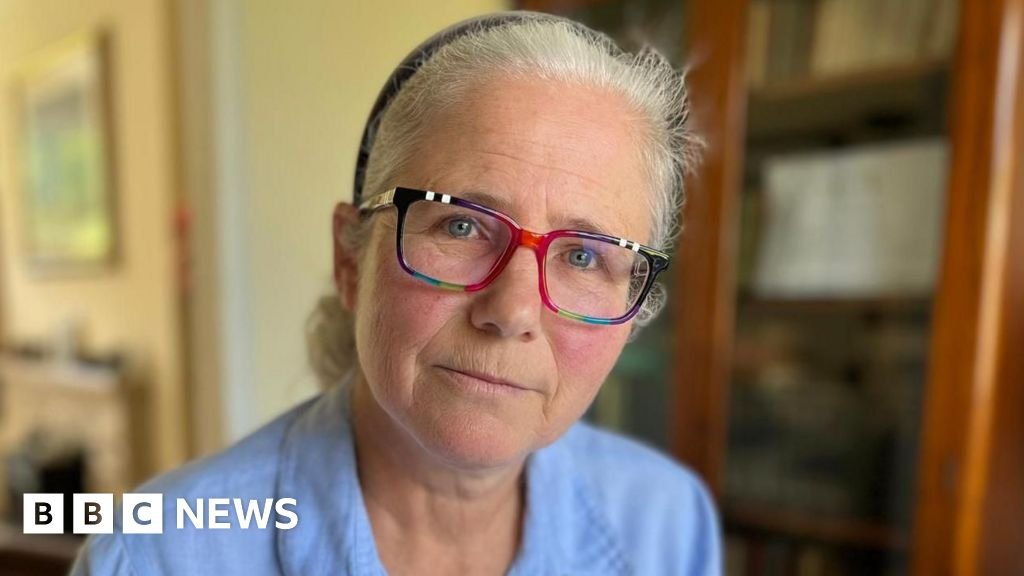
I might have avoided ovarian cancer if I lived in England not Wales
Had Heather Morgan lived in England when she was diagnosed with breast cancer 12 years ago, she feels there is a good chance she would never have gone on to develop ovarian cancer.
But her postcode – eight miles (12km) west of the English border, in Monmouthshire – meant she was not eligible for a test which would have revealed that her genetics put her at a much greater risk of developing the secondary cancer.
In 2014, patients in England with triple negative breast cancer who were under 50 – as Heather was – were immediately put forward for genetic testing. But in Wales, they were not.
If Heather had had the test, she said it would have prompted her to have both ovaries removed pre-emptively.
“I am mad annoyed,” said the 59-year old.
“It’s changed everything,” she added, explaining that statistically her 10-year survival chances are 35%.
The Welsh government said a minister for preventative and public health had been appointed to address issues like this and there would be an emphasis on improving early detection in a cancer plan for Wales.
It was not until 2021 that a visible lump in Heather’s abdomen prompted further tests, and she was diagnosed with ovarian cancer.
She then learned that she had the BRCA1 gene mutation, putting her at a greater lifetime risk of both breast and ovarian cancer.
“Had I been tested [in 2014] we would have immediately known I was at high risk for ovarian cancer,” she said.
“I would have immediately had my ovaries removed. It would have been a no-brainer.
“And if they’d have said to have a double mastectomy at that point, I would have.”
Heather was 46 at the time and has kept the letter from the all-Wales genetic testing service telling her why she was not eligible.
In essence, it explained the Welsh government of the day was committed to meeting NICE guidance within the financial year, but at the time work was still being done to increase capacity for testing.
By 2015 the rules in Wales had changed to align with England, but by then Heather had finished her treatment and was not invited for the test.
“If I’m going to the supermarket and I’ve gone a bit over budget I’ll think, why save money? What’s the point, you’ll be dead next week, just buy it,” said Heather.
“Something came through the post about retirement homes – am I going to live that long? Should I be worrying about that? No.”
Heather now supports the National Hereditary Breast Cancer Helpline, a charity which gives advice to people with inherited cancers to make them better aware of the options and rules.
The helpline recently opened an information centre in Flint, north Wales – its first in the country – and is also now branching out to offer support for the cancers associated with BRCA gene mutations.
The helpline’s founder, Wendy Watson, said disparities were not just cross-border but could exist between health boards and trusts across England and Wales.
“We do have postcode lottery healthcare,” she said.
“We shouldn’t have – NICE guidelines should sort that out, but at least we’re here to provide people with access to the information.”
Heather’s family has seen first-hand that discrepancies exist between English health trusts too.
She has two adult daughters and while her youngest has been invited for genetic testing in the north-east of England, her eldest daughter in the north-west, has not.
What are BRCA1 and BRCA2 gene mutations?
BRCA1 and BRCA2 gene mutations greatly increase an individual’s chance of developing certain cancers, including breast and ovarian.
According to the NHS women in the UK have a 12.5% chance, on average, of developing breast cancer in their lifetime and a 2% chance of developing ovarian cancer.
For women with BRCA1 gene alterations, those lifetime risks increase to 72% for breast cancer and 44% for ovarian.
For women with BRCA2 gene alterations, the lifetime risks increase to 69% for breast cancer and 17% for ovarian.
They both come with an increased risk of developing the cancers at a younger age.
NICE guidance recommends annual MRIs to women with BRCA gene mutations from the age of 30-49, with annual mammograms possible from 40 onwards.
While Louise Owen’s experience is different, there is a common theme of conflicting advice and discrepancies which prompted her to lean on the support of the helpline.
The 36-year-old has known for over a decade that she carries the BRCA2 gene mutation, again putting her at an increased lifetime risk of breast and ovarian cancers.
When she turned 30 she had her first MRI as part of the screening available for those with an inherited risk.
But she was told subsequent annual MRIs were not possible as she was breastfeeding, despite her own research suggesting they were safe.
The issues set out by the Breastfeeding Network, Royal College of Radiologists and Society of Radiographers point to questions around the contrast dye that is injected before a breast MRI.
Each conclude that while personal choice is key, it is safe to continue breastfeeding after an MRI “as there is no evidence of risk to the baby/child”.
However Breast Test Wales said: “MRI breast screening is possible while a woman is breastfeeding but the accuracy of the imaging is reduced due to the changes in breast tissue, which can also lead to unnecessary interventions.”
Louise, a mum-of-two, said: “I’m really angry about it, because I feel like why should I have to choose whether I get screening or whether I stop breastfeeding?”
Having seen her own mother go through years of cancer treatment before she passed away in 2016, Louise said her own risk of developing cancer played on her mind a lot and screening would help allay those fears.
However, as a breastfeeding peer support worker, she also feels strongly that she wants to continue feeding her three-year-old until he is ready to stop.
A spokesperson for Breast Test Wales said: “The All-Wales programme for screening this very high risk group of women was rolled out earlier this year across all regions of the country, to provide a consistent service across Wales which is delivered at a hospital in their region.
“MRI breast screening is possible while a woman is breastfeeding but the accuracy of the imaging is reduced due to the changes in breast tissue, which can also lead to unnecessary interventions.
“Breastfeeding for the first six months of a baby’s life provides them with the best nutrition and also helps in reducing the risk of breast cancer in the mother.
“Breast awareness is always important but particularly so for this group of women at higher risk, and we would advise that they continue to carry out self-examination regularly, and seek medical advice if concerned, while pregnant and breastfeeding.”
Get our flagship newsletter with all the headlines you need to start the day. Sign up here.
HealthNews
Californian is infected with a rare tick-borne illness. What to know

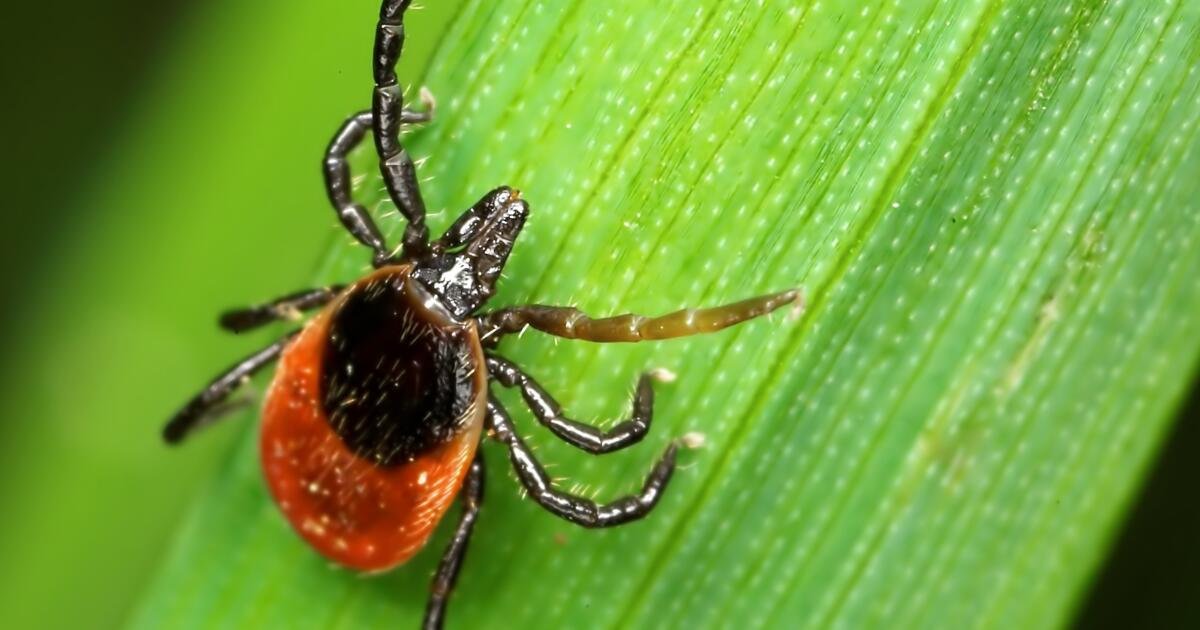
A Northern Californian has been confirmed as the fourth-ever person diagnosed with a newly recognized and rare tick-borne disease that causes symptoms similar to Rocky Mountain spotted fever.
The California Department of Public Health confirmed the latest case of Rickettsia lanei bacteria in a patient who was diagnosed in April of this year. Two other California cases were reported in 2004 and 2023.
Public health officials told The Times that the infected person “was seriously ill, hospitalized and has since been discharged and is recovering.”
It is unclear how long the person was in the hospital or what their symptoms were. The state agency said it could not disclose the home county of the person but confirmed the infected person lived and worked in Northern California.
Rickettsia lanei comes from the spotted fever group Rickettsia, bacteria transmitted to humans from the bite of an infected tick.
In California three types of ticks — the American dog tick (Dermacentor similis), the Pacific Coast tick (Dermacentor occidentalis) and the brown dog tick (Rhipicephalus sanguineus) — can transmit the bacteria that cause Rocky Mountain spotted fever in humans and dogs, according to the California Department of Public Health.
Symptoms of Rocky Mountain spotted fever can range from fever and a rash to long-term effects that include damage to internal organs or neurological disorders.
The tick-borne disease has been spreading globally since the early 2000s, most notably in Mexico and Brazil, with reported fatality rates that can exceed 50%, according to a study published by UC Davis.
What is Rickettsia lanei?
Rickettsia lanei bacteria were identified this year in a few Pacific Coast ticks, including a tick in Contra Costa County, according to SFGate, where the latest case was first reported in April.
The new bacterium was added to the list of potentially transmittable pathogens in 2024 by the state public health department after its severe symptoms were studied in two cases of infected men nearly 20 years apart, according to a report published in the Centers for Disease Control and Prevention Emerging and Infectious Diseases journal.
“Sustained investment in public health has enabled development of the advanced molecular tools that detected these infections,” the California Department of Public Health said in a statement to The Times.
According to the report, both men fell ill after spending time outdoors, one playing golf at five courses in Alameda and Contra Costa counties within 14 days of the onset of his symptoms. This first patient had fever, headaches, muscle pain, malaise, loss of appetite, diarrhea and abdominal pain, among other symptoms. His condition worsened on his third day in the hospital, according to the report. The man was ultimately in the hospital for 22 days, including 11 in the intensive care unit with a primary diagnosis of rocky mountain spotted fever and a secondary diagnosis of acute kidney injury.
The other infected person had visited and camped at a county park and state beach in San Mateo and Marin counties. The second man reported a five-day history of headaches, vomiting, light sensitivity, neck pain and confusion, according to the report. On the third day of hospitalization, the man became comatose and was intubated, the report stated. After 13 days, he was discharged with a primary diagnosis of severe Rickettsia.
Researchers have known about Rickettsia lanei since 2018 when it was detected in rabbit ticks in Sonoma County, but they didn’t know its potential harm to humans because the rabbit tick rarely bites people.
“The Pacific Coast tick, which bites humans more frequently, may occasionally acquire the organism from an infected rabbit, which is the most likely route for the rare human infections that have been identified,” the state health agency said.
Should I be worried about contracting Rickettsia lanei?
Human infections are rare but could be underreported because Rickettsia lanei symptoms are very similar to those of rocky mountain spotted fever, said Janet Foley, veterinarian and disease ecologist at UC Davis.
“I think it’s so new that I don’t know if anybody’s really gotten a grant to study it or put it under a microscope,” Foley said.
Rickettsia lanei bacteria cases could also have gone undetected for so long because some cases were not severe, she said.
Foley said Californians should be aware of Rickettsia lanei and take precautions against tick bites.
How to keep disease-carrying ticks at bay
The best way to avoid ticks and tick bites is to be vigilant in your surroundings, Foley said, noting that ticks can transmit other diseases such as Lyme disease.
To keep a disease-carrying tick at bay, Foley recommends:
HealthNews
Possible measles exposure in three Bay Area locations


A Santa Clara County resident who was exposed to measles visited San Francisco International Airport, Trader Joe’s in San Jose on Coleman Avenue and International Halal Market on E. Santa Clara Street on June 8.
The resident was at SFO from 8:30 to 11 a.m. and at Trader Joe’s and International Halal Market between 8 and 10 p.m. The county’s health department is asking people who may have stopped at any of those locations during the mentioned hours to report any symptoms.
“We want members of the public to be aware if you were in those locations at these times to be aware of possible exposure especially if you’re pregnant, an infant or have compromised immunity or are unvaccinated,” said Dr. Sarah Rodman, Santa Clara County’s public health officer.
UCSF Infectious Disease Specialist Dr. Peter Chin-Hong said there is an increase in measles cases across the United States.
“A lot of this is fueled by the increase in exemptions that people are getting for being vaccinated at the kindergarten level,” Chin-Hong said.
Chin-Hong estimates 5-10% of Californians are not vaccinated for measles.
As visitors from all over the world arrive for events such as the World Cup, concerns arise for health professionals and citizens.
“I wish people who could get vaccinated for preventable disease would do so for everybody,” said Teresa Perkins, who shops at the San Jose Trader Joe’s location that was exposed.
According to Chin-Hong, measles is one of the most transmissible infectious diseases. Symptoms include fever, cough, runny nose, red eyes and a rash, which can appear 7 to 21 days after exposure.
Chin-Hong said the risk of getting sick is low if you have received your two-dose measles vaccine.
Santa Clara County Public Health said no new cases of measles have been reported since the June 8 public exposure.
HealthNews
ADHD diagnoses soar in UK but adults over 65 remain overlooked, study finds
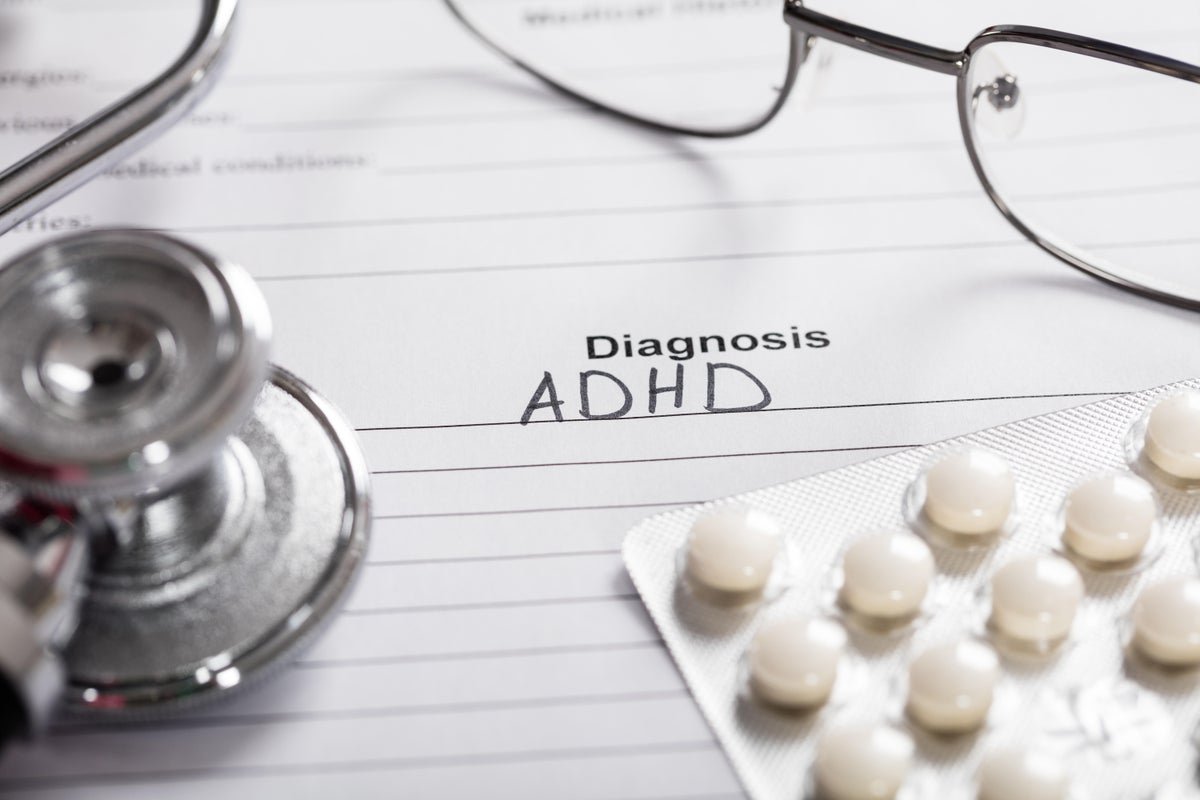
Diagnosis of Attention Deficit Hyperactivity Disorder (ADHD) has soared in recent years, but researchers have found it’s still under-recognised and under-diagnosed, especially in adults over the age of 65.
About 2.5million people in the UK have ADHD, according to the NHS. Data published in March 2026, also revealed a further 683,088 had been referred for an ADHD assessment – an increase of more than 130,000 on the previous year.
A study led by researchers at UCL, University of Liverpool and King’s College London revealed rates of new ADHD diagnoses increased after 2020 across most age groups.
The highest rates were observed in boys under 18-years-old, while increases among adults were particularly notable in women. But diagnosis rates among adults aged 65 and over remained consistently low.
Lead author Dr Amber John, who began the research at UCL before moving to the University of Liverpool, said: “The low rates observed in older adults don’t necessarily mean that ADHD is uncommon in older age.
“Instead, they may reflect historical differences in recognition and access to diagnosis, particularly among generations who grew up before ADHD was widely recognised.”
In the study, published in the journal The Lancet Regional Health Europe, researchers found that while 1.19% of people in England had an ADHD diagnosis in their primary care record, recorded diagnosis rates were notably lower across all age groups compared with the international estimates of actual ADHD prevalence, which typically range between 3% and 5%.
This gap was especially large in older adults, with just 0.05% of men and women over the age of 65 diagnosed with ADHD.
The researchers say their findings show that while diagnosis rates for ADHD have increased substantially over the past decade for children and adults, recorded diagnoses of ADHD in England are still lower than the best available estimates of ADHD prevalence.
Data from more than 3.5 million people registered with GP practices in England in 2025 was used to estimate the proportion of people with a recorded ADHD diagnosis at this time.
Researchers then compared this with published estimates of ADHD prevalence in the general population from international studies and used data from more than 42 million patients in England to examine diagnostic trends in ADHD from 2000 to 2024.
“When we compared recorded ADHD diagnoses with published estimates of how common ADHD is in the population, we found a substantial gap across every age group,” Joint first author Dr Gavin Stewart, British Academy Research Fellow at the Institute of Psychiatry, Psychology & Neuroscience, King’s College London, said.
“This gap was especially large in older adults, suggesting that many people may have gone unrecognised,” he added.
Dr Angela Hind, Chief Executive of the Medical Research Foundation, commented: “ADHD can profoundly affect many aspects of a person’s life – education, work, relationships – and it often co-exists with other neurodevelopmental conditions.
“When it goes undiagnosed or unsupported, people may spend years not understanding the challenges they face.
“We’re proud to support research that will help strengthen ADHD services and ensure more children and adults can get the recognition and help they need.”




Trump said he'd "suggested to Israel to let Syria take care of Hezbollah". #BBCNews
Subscribe to our channel here: https://bbc.in/bbcnews For the latest news download the BBC News app or visit BBC.com/news …


AI may be messing with home prices
A version of this article first appeared in the CNBC Property Play newsletter with Diana Olick. Property Play covers new...


Top Trump officials doubt Iran’s intentions on ‘deal’: Axios
While there are few hard details of what's actually in the memorandum of understanding between the United States and Iran,...


Algae thwarts Trump’s $14.2m attempt to turn reflecting pool ‘American flag blue’
Donald Trump’s $14.2m bid to turn the Lincoln Memorial reflecting pool from what the US president described as a “filthy”...


US President Donald Trump says Iran will 'never have nuclear weapon' under deal. #Iran #US #BBCNews
Subscribe to our channel here: https://bbc.in/bbcnews For the latest news download the BBC News app or visit BBC.com/news …


Iran posts AI-generated propaganda video ahead of World Cup match
An Iranian Foreign Ministry spokesperson posted an AI-generated propaganda video ahead of the country's World Cup opener in …


Jelly Roll files for divorce from wife, Bunnie XO, after nearly a decade
Country singer Jelly Roll filed for divorce from his wife, Bunnie XO, according to Tennessee court records. Jelly Roll, whose...


Yum Brands sells Pizza Hut to LongRange Capital and Yum China
Yum Brands on Tuesday announced it is selling Pizza Hut to private equity firm LongRange Capital for roughly $1.5 billion....


Year 11s show off their leavers shirts on final school day. #GCSE #Leavers #BBCNews


Trump: US 'not investing any money' in Iran
President Donald Trump insisted the US would not be “investing any money" in Iran, looking to ease fears among some...
-

 Business3 days ago
How much of Musk’s wealth comes from government help? Virtually all of it
-

 LifestyleNews2 weeks ago
120 minutes of strength training per week may help extend lifespan
-

 Politics5 days ago
What to know about the stabbing that set off fiery riots in Northern Ireland
-

 Video4 days ago
Download fans say what they love about the festival. #DownloadFestival #BBCNews
-

 Video4 days ago
Why SpaceX IPO isn't about space. #SpaceX #ElonMusk #BBCNews
-

 HealthNews4 days ago
The people of Okinawa, Japan only eat until they are about 80 percent full, then stop — and the practice has been linked in multiple peer-reviewed studies to lower rates of cardiovascular disease, slo
-

 Food3 days ago
Pope Leo’s plane was grounded. Then the King of Spain stepped in to help
-

 TravelNews4 days ago
My Paternal Instinct Should’ve Warned Me About Netflix’s Maternal Instinct