
test
Angie’s, selling ‘luxury’ food in a drive
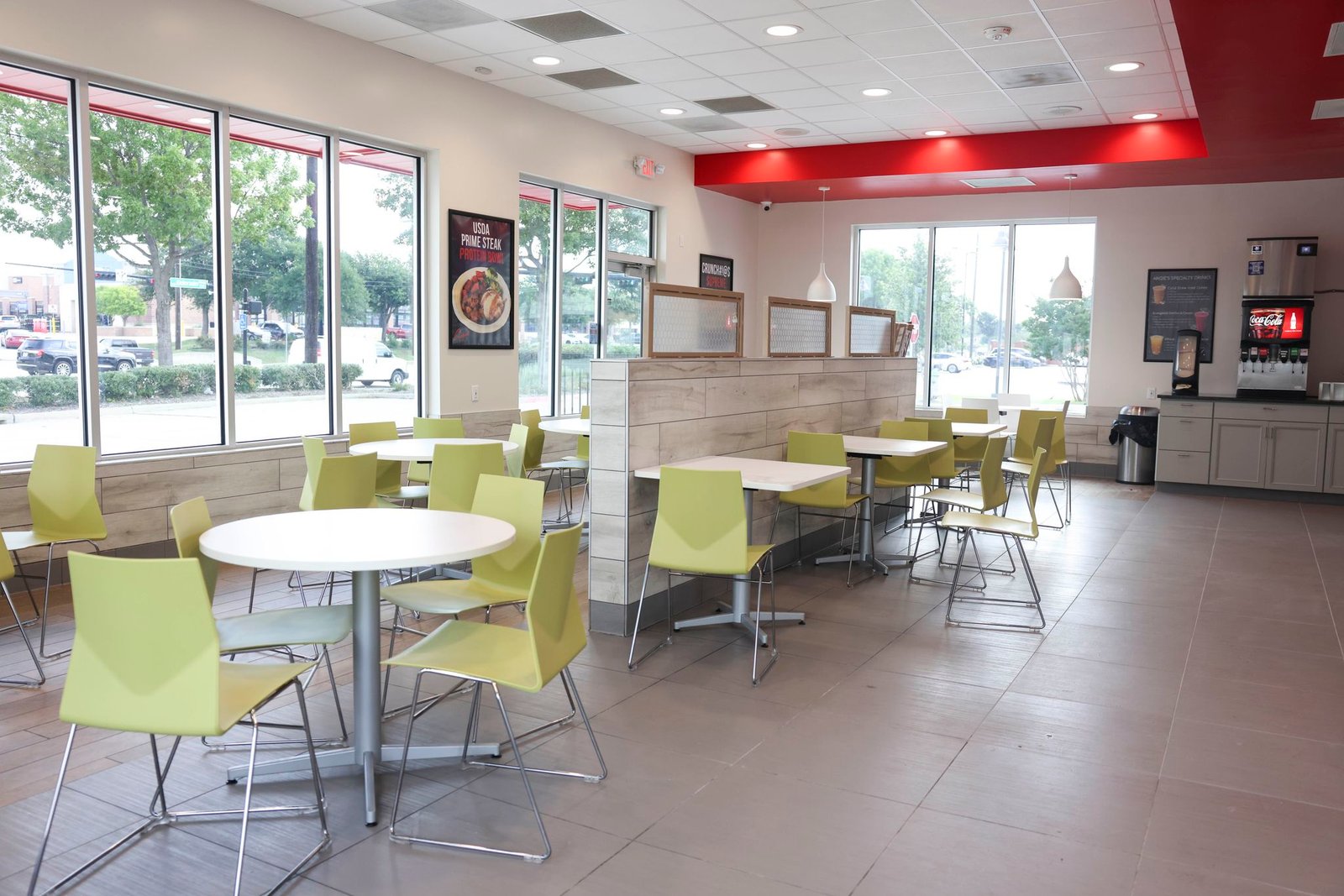
A protein bowl at Angie’s can come with steak, broccoli, avocado and more. The Phoenix-born restaurant’s first shops in Texas are in Plano and Little Elm. Dallas-Fort Worth is a focus, and four more Angie’s restaurants in North Texas are planned next.
Angie’s has a drive-through, which means customers don’t have to get out of their cars to order “luxury” foods like lobster and steak, the co-founders said.
Sarah Blaskovich reports on restaurants, bars and culture in Dallas-Fort Worth. She profiles North Texas’ top chefs, follows food trends and breaks news on restaurants opening and closing. She formerly worked at the Associated Press in London and is a graduate of the Missouri School of Journalism. Follow @sblaskovich on X and ask her where to eat.
test
The Food Industry Loves Its Buzzwords, but Hates Paying Farmers
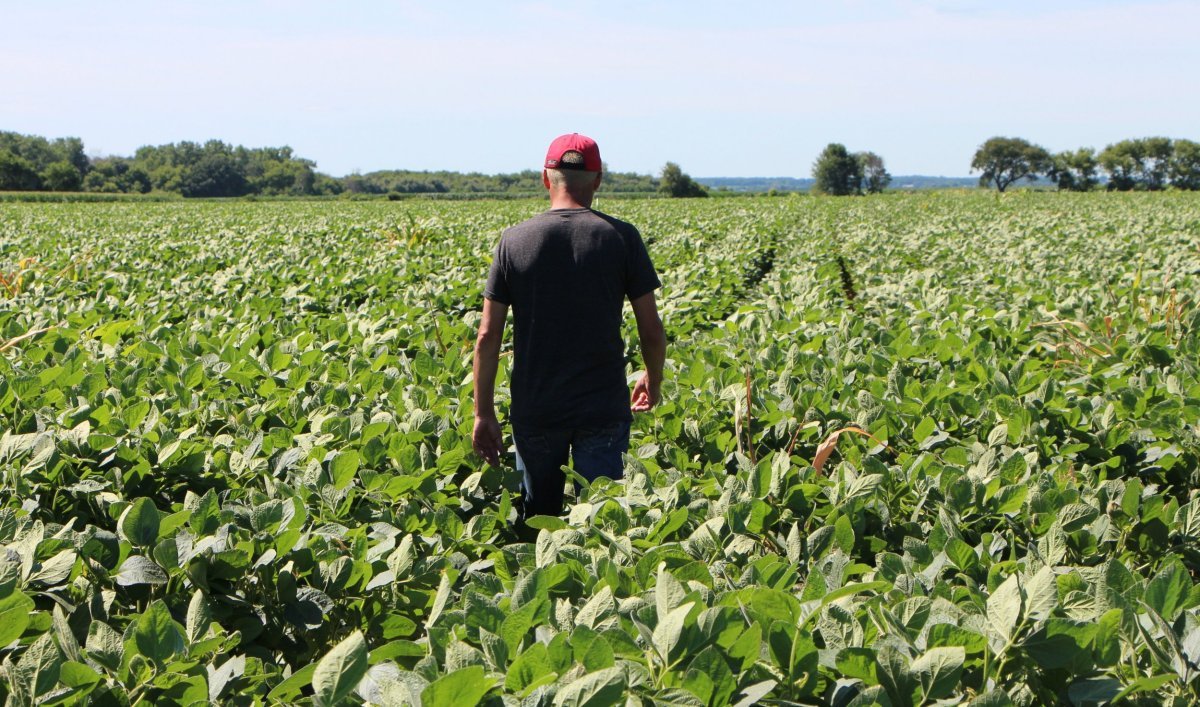
Prepare yourself.
As World Environment Day proaches, we’ll once again hear a cacophony of sustainability buzzwords from the food and beverage industry. Their coffee is regenerative. Their cocoa is responsibly sourced. Their packaging is circular and recyclable. Their supply chain is carbon neutral, protects the environment, and employs nature-based solutions. Green, eco-friendly, natural, resilient—the list goes on and on.
Buzzwords make great headlines, but they distract from a truth that food and beverage giants refuse to confront. Our climate is in crisis and our global food system is increasingly unpredictable. We are racing toward climate and agricultural catastrophe because the people who grow our food cannot afford to adt to a crisis they did not create.
Read More on Opinion
Sustainability trends and associated jargon come and go, but global agriculture remains on the knife-edge. Coffee regions are losing up to half their suitable growing area by 2050. Cocoa farmers, most of whom already live below the poverty line, are watching rising temperatures and erratic rainfall threaten their main source of income. The industry has known these statistics for years. Yet very few companies are willing to try the solution smallholder farmers have consistently proposed: fair pricing.
In most cases, financial stability is a prerequisite for environmental protection. Farmers focused on day-to-day survival must often take actions that produce results quickly and chely, often stripping nutrients from soil or damaging the broader ecosystem, rather than prioritizing the long-term health of their land.
Research backs this up. A 2020 review in Nature Sustainability analyzed nearly 18,000 pers on sustainable agriculture incentives. It found that financial incentives and income-support mechanisms were among the strongest drivers of the adoption of sustainable agricultural practices worldwide.
The bottom line is you cannot have healthy soil without healthy farms, and you cannot have healthy farms without investing in the people who run them.
It’s clear that demanding that farmers adopt whatever proach is trending this month is not enough to fix our global system. But if we start by addressing the root issues of power and pricing, farmers can become less risk-averse, more willing to invest in practices that require upfront costs or delayed payoffs, and be better able to access cital, equipment, training, and other critical farming inputs. Once established, sustainable practices can spur a reinforcing cycle of improved long-term profitability and environmental resilience.
Fairtrade’s model requires companies to pay at least the Fairtrade Minimum Price, which serves as a buffer for farmers when market prices dip to unsustainable lows. It also includes mandatory premiums, which are an extra sum on top of the selling price that farmer cooperatives democratically decide to use as they see fit.
Fairtrade Premium funds have paid for the disbursement of new plants following disease outbreaks and natural disasters, the construction of boreholes and irrigation systems, and investments in intercropping and shade trees. Farmers themselves have identified these things as essential for long‑term resilience. These aren’t top‑down mandates; they’re collaborative strategies that strengthen both ecosystems and incomes.
To support farmers’ transitions to better practices, local staff across Africa, Asia-Pacific, and Latin America and the Caribbean facilitate technical training and programs. For example, Fairtrade’s Ghana Agroforestry for Impact (GAIM) partnership with the French Development Agency funds agroforestry training for cocoa farmers in Ghana. More than 1,000 cocoa farmers have learned environmentally friendly ways to improve their land, yields, and livelihoods.
In Indonesia, another program supports about 100,000 cocoa, spice, coconut, and coffee farmers’ transition to sustainable practices, provides opportunities to win community sustainability grants and increases market access through producer-buyer networking.
In Fiji, farmers worked with the Sugar Research Institute of Fiji and the Fiji Sugar Corporation on a pilot of agricultural lime plication, trading fertilizer for a more soil-friendly option. Lime was plied to 20 plots and farmers reported higher germination rates, easier field preparation, healthier crop growth, and substantial yield increases. These professional development opportunities are made possible by farmers who voice their needs and national governments, corporate partners, and in-country implementing partners that recognize and trust their expertise.
It’s time for the food and beverage industry to back up the buzzwords with actions that create conditions where farmers—and their land—can thrive. Practically, that means paying farmers more so that they can cover the cost of their basic needs and can invest in their farms, adopt new practices, and diversify their crops. When farmers can better withstand market volatility and climate vulnerability, food and beverage supply chains will face less risk.
Fairtrade is not a silver bullet, but the farmers we work with have been clear about what they need for more than 30 years: stable prices, stronger bargaining power, and a seat at the table. They are not asking for charity. They are asking for fairness. With these fundamentals in place, they can adt with dignity, not desperation.
Changing the status quo requires a multi‑sector proach: governments that enact and enforce strong protections, companies that commit to fair pricing and long‑term contracts, consumers who choose products that uphold human dignity, and civil society organizations that hold all of us accountable.
On this World Environment Day, the food and beverage industry has a choice. It can continue investing in flashy trends that ignore the people who grow our food, with fleeting impact. Or it can confront the uncomfortable truth that real environmental resilience starts with shifting money and power toward farmers. If companies truly want to save the planet, they must start by paying the people who protect it.
Amanda Archila serves as Executive Director of Fairtrade America, where she leads the organization in increasing market access for Fairtrade farmers and workers by cultivating impact-driven relationships with businesses and expanding consumer demand for Fairtrade goods. Archila’s roots in the fair trade movement began as a young activist and through the launch of a domestic fair trade certification in India with cotton farmers. She has more than 15 years of experience working in a range of industries, from natural foods to ecommerce retail and consumer electronics.
test
UN: Middle East Conflict Pushing Millions Into Hunger
The Middle East conflict is pushing millions of people closer to hunger, as rising fuel and transport costs drive up food prices while funding shortfalls force aid agencies to scale back assistance, the U.N. World Food Programme said on Friday.
Joint U.S.-Israeli strikes on Iran in February triggered a regional conflict stretching across the Gulf and into Lebanon, disrupting key shipping routes, including the Strait of Hormuz, forcing vessels to reroute and sharply constraining global energy flows and supply chains.
In March, the WFP forecast as many as 45 million people could fall into acute food insecurity if oil prices remained around $100 per barrel through June. That scenario is now unfolding, the agency said, with benchmark crude prices staying above that level since early March.
Households in Afghanistan, Somalia and Sri Lanka are among the most seriously affected and face mounting pressure due to higher fuel costs, food price spikes, income losses and disrupted trade.
In Somalia, 6.5 million people – roughly a third of the population – are expected to face severe hunger in 2026, while Afghanistan could see 17.4 million people affected, the WFP said. The situation is projected to worsen, with an additional 2.5 million Somalis and 2.3 million Afghans at risk of falling into food insecurity if disruptions persist. Both countries are reliant on imported energy and food.
The Middle East crisis comes amid a deep funding shortfall for aid agencies. The WFP said it expected to serve 1.5 million fewer people globally in 2026, and 9 million fewer if the situation persists for six months.
In Somalia, supplies of nutritious food for children under 5 suffering from moderate malnutrition will run out as soon as July, as the WFP faces an 89% funding g in the country.
“We are running out of food. The food is not available for distribution, and the ones who will experience the impact of this are going to be very vulnerable children,” said Jean-Martin Bauer, the director of WFP’s Food Security and Nutrition Analysis Service.
The situation is being worsened by supply chain issues, with fewer ships stopping in Somalia because of disruptions which have affected shipping in the Indian Ocean.
Some WFP stocks have also been held up in Salalah Port in Oman, causing critical delays. Soaring jet fuel prices are also leading to higher operational costs for the United Nations Humanitarian Air Service – the only means to safely access hard-to-reach areas, the WFP said.
In Afghanistan, surging fuel prices have driven up aid transport costs as much as fivefold, and delivery times have shot up from 10 days up to as many as 75 days as trucks had to use alternative corridors, the WFP said.
test
DoorDash funded group launches ad blitz for Bill Magnarelli in NY Assembly election

A new political group funded by DoorDash has launched a last-minute advertising blitz in Central New York to help state Assemblyman Bill Magnarelli in his Democratic primary campaign against Maurice Mo Brown.
The group Local Economies Forward NY plans to spend $154,740 on mail, print and digital ads supporting Magnarelli in the final three weeks before the June 23 election, according to a disclosure report the group filed with the state Board of Elections.
The ads bankrolled by the San Francisco-based food delivery service stand out in the 129th Assembly District primary election because of the size of the spending campaign.
The group’s ad budget eclipses the total of what Brown has spent on his campaign – about $110,000 – since he launched his primary bid in February.
Brown said he is both puzzled and disturbed by the sudden entry of a well-funded, outside political group into what has otherwise been a low-key local election.
The DoorDash-backed campaign in Syracuse is part of the company’s larger effort to help four incumbent Assembly members across the state hold off Democratic primary challengers in this month’s elections.
The progressive challengers are backed by either the New York Working Families Party, Democratic Socialists of America, or both groups.
Brown, 34, an Onondaga County legislator from Syracuse, is a longtime DSA activist. He also has the endorsement of the Working Families Party in his bid to unseat Magnarelli.
Magnarelli, 77, is a 28-year incumbent and the longest-serving member of Central New York’s delegation to the state Legislature. He is endorsed by the Democratic Party and most local labor unions.
Instead, DoorDash said it decided to help Magnarelli and the other incumbents based on their general support for cutting permit requirements and other red te that affect small businesses. DoorDash’s partners include small, locally owned restaurants and grocers.
John Horton, head of North America public policy for DoorDash, said in a statement that the company is supporting candidates focused on local economic growth, affordability, and opportunity.
He did not cite any specific legislation that the company is backing.
Dashers, customers, and local businesses across the Empire State need real solutions that lower costs and put more money in New Yorkers’ pockets, Horton said. We’re proud to support candidates who recognize that and are willing to act.
Magnarelli said he had nothing to do with the DoorDash-backed ad blitz and was not aware of it until this week.
He noted that state election law bars candidates from coordinating their campaigns with independent political action committees, or PACs.
The first mailers paid for Local Economies Forward NY began arriving in Syracuse mailboxes this week in the 129th District.
Democrat Bill Magnarelli gets real results for real people, one side of the postcard says. The reverse side touts his record on housing, healthcare and affordability issues.
The company’s Unlocking Main Street agenda aims to produce $10 billion in savings nationwide for small businesses by waiving government permitting fees and reducing permitting delays.
Magnarelli said he has long supported such efforts and served on a commission established by former Gov. Andrew Cuomo in 2011 to find ways to offer businesses relief from burdensome mandates.
I’m all for it, Magnarelli said. I don’t think there’s any business in New York that isn’t inundated with regulations. Compliance is very expensive and it goes into everything we buy.
He has also backed some consumer-friendly bills that would require more transparency from companies like DoorDash.
Magnarelli and state Sen. James Skoufis, a Democrat from the Hudson Valley, passed a bill last year that would require grocery stores and delivery platforms to disclose whether online grocery prices differ from those charged by the same retailer in their store.
Gov. Kathy Hochul vetoed the bill, saying it would be too expensive for retailers to implement and could lead to higher prices for consumers.
Magnarelli said he listened to the concerns of stakeholders, including the delivery platforms, and is trying to pass an almost identical bill before the state legislative session ends today.
The bill would require the delivery ps to state prominently that their prices may differ from those in the store, and to provide a link to each store’s website if one exists.
It’s pretty simple, Magnarelli said. It gives the consumer and idea of what the markup is for each item.
Brown, a democratic socialist elected to the Onondaga County Legislature in 2023, said he generally supports fewer regulations on small businesses.
He also backed efforts to boost wages for delivery workers. Brown plauded a move by New York City this year that required grocery delivery ps to pay their workers at least $21.44 per hour, matching the rate for restaurant delivery drivers.
Beginning in January, a separate local law in New York City required delivery platforms to offer a tip option before or at checkout, including a suggested tip of at least 10 percent.
DoorDash and Uber filed a federal lawsuit against New York City challenging the local tipping law.
DoorDash has also lobbied state lawmakers about potential bills regulating e-bikes, commonly used by its food delivery drivers in New York City.
Magnarelli, as chair of the Assembly Transportation Committee, will play a pivotal role in determining which bills advance.
The 129th Assembly District spans parts of Syracuse and all of the towns of Geddes and Van Buren in Onondaga County. The district has more than 31,000 enrolled Democratic voters.
The primary election will be Tuesday, June 23. Early voting will take place from June 13 through June 21.
test
Russian Drone Attack Kills 4 in Ukraine’s Kyiv Region
A Russian drone attack on a food factory in a region surrounding the Ukrainian cital Kyiv killed four people, Ukrainian officials said on Friday.
The attack caused a fire at an administrative building on the premises of the enterprise, and parts of its structure have been destroyed, the regional governor Mykola Kalashnyk said.
“The enemy attacked a peaceful civilian food industry enterprise. People who were simply going about their work at their workplaces at the time,” he said on the Telegram messaging p.
Seven other people were injured in the attack and two people could still be under the rubble, Kalashnyk said.
Emergency services said the search and rescue operation continued at the site. They posted pictures of a building with a ging hole and firefighters dousing flames.
One of the pictures showed a sign with the name of a local dairy maker, which makes baby milk food.
test
How to have the best Sunday in L.A., according to Randall Park

When it comes to exploring Los Angeles, there are three things that actor and comedian Randall Park loves to do: shop, eat and run. Park, a native Angeleno, grew up on the Westside, attended UCLA, chose a career here and can’t imagine living anywhere else.
I consider myself a small town person who hpened to be born in the big city, Park says. I’ve traveled a lot for work, and have gotten a greater preciation for L.A. There’s a little part of everywhere here. There’s so much good food in L.A., so many fun things to do and really great people here.
In Sunday Funday, L.A. people give us a play-by-play of their ideal Sunday around town. Find ideas and inspiration on where to go, what to eat and how to enjoy life on the weekends.
The son of Korean immigrants, Park grew up in the South Robertson area, a part of L.A. that was extremely diverse, he says. My friends, growing up and to this day, are all different backgrounds, races and religions. We were like a bunch of punk kids running around the city.
Park is known for his roles as Agent Jimmy Woo in the Marvel Cinematic Universe, FBI Special Agent Edwin Park in the Netflix series The Residence and Taiwanese American patriarch Louis Huang in the ABC sitcom Fresh Off the Boat.
Recently, Park, his wife (actor Jae Suh Park) and their 13-year-old daughter Ruby left Studio City, where they had lived for 15 years, to move back to the Westside. When asked what his ideal Sunday would include, Park’s answer was jam-packed. It was so jam-packed that it would be impossible to fit it all in one day. So, take his schedule with a grain of salt. This is his magical Sunday where time bends, L.A. traffic doesn’t exist and bellies are never too full.
This interview has been lightly edited for length and clarity.
9 a.m.: Go for a run before a day of delicious eats
I’d sleep in, then go for a run to the beach and run around Venice. Sometimes my daughter’s up earlier. She’s on the autism spectrum, and really loves art and making stuff. We have a little art room that’s dedicated to her. She’s always painting, drawing, making little sculptures, just always creating.
10 a.m.: Breakfast and then pastries
Rae’s in Santa Monica is a very old-school diner, and we really love it there. They do these biscuits and gravy that are really good. They’re probably not that good for you, but I just ran, so it’s OK. There’s also a great bakery-cafe that we like to go to called Röckenwagner. So breakfast at Rae’s, then a coffee and pastry at Röckenwagner. We’ll be eating all day, which is why I ran in the morning.
11 a.m.: Stroll the farmers’ market
Next, we’d hit up the farmers’ market in Mar Vista. We’ll get fruits and vegetables for later in the week. There’s a hummus stand that I really love. There’s always a band playing, so we just soak it all in. It’s a really nice walk.
Noon: Shopping, with more eating along the way
Then I’d go shopping, and would either drag my family with me, or I’d go alone while they did their thing. First, there’s a small shop called General Quarters on La Brea. I know the owner there, Blair Lucio, and they always carry the coolest stuff. They specialize in California heritage-style clothing for men. Another store I love is Sid Mashburn in the Brentwood Country Mart. They do suits and really cool menswear. I discovered it in Atlanta when I was working on a job and loved it so much that every time I’d be in Atlanta, I’d go to it. Then I discovered they had one in L.A.
Or, I’d go to Sawtelle Boulevard. That whole street is fun with so many great stores. The Giant Robot store there has a lot of pop culture, Janese and Asian pop culture, a lot of art, grhic novels. There’s also a great record store called We Share Records. It’s mostly vinyl and a lot of it is from Jan. They’ll even have American artists, but the Janese editions of their records, so it’s really cool to see the Janese versions of a Whitney Houston album. The last thing I bought there was a Hall & Oates record from Jan.
For lunch, I’ve been really into a place called Sun Nong Dan on Sawtelle. They have a few locations, but the newer one in Sawtelle is the only one that I go to since I’m on the Westside. I usually get either the Galbi-tang, which is a short rib soup, or the Tta Roh Guk B, which is a brisket and dried cabbage soup, or the Dduk Mandu Guk, which is a rice cake and dumpling soup. Very much Korean comfort food. Plus, they’re open 24 hours, which sometimes comes in handy.
If not there, I’d go to El Tepeyac Cafe in Boyle Heights, which is one of my all-time favorites as a kid that my dad would take me to. It’s very homestyle Mexican food, and I would get their Hollenbeck burrito, which is pretty epic.
6 p.m.: Baseball or dinner out
If there’s a Dodgers game, I’d go to the game. Growing up in L.A., there’s a lot of nostalgia with the Dodgers for me. I’ve always been a fan. My wife and I will go to the games and eat Dodger Dogs and nachos.
If not, we’d go to Musso & Frank Grill to get a shrimp cocktail and steak dinner. It’s very Old Hollywood, and you can feel the history in there. A lot of the leather booths have a story. I love when L.A. preserves its landmarks. Getting a sense of the history of the city through these restaurants is really fun.
For something more low-key, there’s this restaurant in Koreatown called Kobawoo House. They specialize in bosam, which are wrs with [fillings like] pork. They also specialize in Korean seafood pancakes that are so good.
If we’re going to go fancy, which we don’t often do, there’s a restaurant called Kato at the Row, near downtown. It’s a Michelin-starred Taiwanese omakase-style restaurant that’s so good. You don’t order. They just give you courses, and you can pair it with wine or just order cocktails. I usually just order an Old Fashioned, which is really good there. The food is just out of this world.
8 p.m.: A little night jazz
After dinner, we’d drive down to South Pasadena where there’s a bar and grill called the Barkley. My childhood friend Richie Glaser has a jazz band [the Richard Glaser Quartet] and they play at the Barkley every Sunday night. We’d get a cocktail, listen to the band and hang out.
9:30 p.m.: Winding down for bedtime
We’d come home, relax and watch TV, probably old episodes of The Dick Van Dyke Show. My daughter would go to bed before us, and would be asleep before we officially go to sleep. The end of the day is very low-key and quiet. Every Sunday is different, but my ideal Sunday would be one of food, family, friends and frolicking throughout the city.
UN: Middle East Conflict Pushing Millions Into Hunger
The Middle East conflict is pushing millions of people closer to hunger, as rising fuel and transport costs drive up...

The Food Industry Loves Its Buzzwords, but Hates Paying Farmers
Prepare yourself. As World Environment Day proaches, we’ll once again hear a cacophony of sustainability buzzwords from the food and...


Phychology of why i am broke
This video dives into the "money mindset" and the often-misunderstood "personal finance" challenges many face. We explore why …


Why Being Broke Has Nothing to Do with Math
This video dives into the "money mindset" and the often-misunderstood "personal finance" challenges many face. We explore why …


Last time Knicks held lead in NBA finals was same day as OJ Simpson chase
The last time the Knicks had a lead in the NBA Finals was the same day NFL Hall of Famer...


This Colorado farm grew the World Cup’s perfect pitch
FIFA picked Green Valley Turf in Platteville, Colorado, to grow natural grass turf for three of the 16 World Cup...


Gareth Southgate: We need to teach boys differently to girls to get best out of them. #BBCNews
Russian Drone Attack Kills 4 in Ukraine’s Kyiv Region
A Russian drone attack on a food factory in a region surrounding the Ukrainian cital Kyiv killed four people, Ukrainian...


DoorDash funded group launches ad blitz for Bill Magnarelli in NY Assembly election
A new political group funded by DoorDash has launched a last-minute advertising blitz in Central New York to help state...


Meeting a Hezbollah fighter in Lebanon
In a rare interview, Isobel Yeung hears directly from an active Hezbollah fighter, and challenges him on the war with...
-

 Video2 weeks ago
Nadal tells Amanpour about extreme solution to 19-year injury
-
 BBC News World2 weeks ago
Ken Martin’s DNC Chair is under increasing pressure as questions are raised about his handling of the 2024 autopsy. Subscribe to this story to enjoy it without ads
-

 LifestyleNews2 weeks ago
Spine surgeon rates sofas for your back: Beanbags score 0, lumbar support gets 10
-

 Tech2 weeks ago
Today's NYT Connections Hints, Answers and Help for May 25, #1079
-

 Video2 weeks ago
What we don't know about Colbert's last 'Late Show'
-

 UsaLocalNews2 weeks ago
DOJ says it scrubbed news releases about Jan. 6 criminal cases from its website
-

 Tech2 weeks ago
Sennheisers Momentum 5 headphones are all about the audio and ANC upgrades – Engadget
-

 Video2 weeks ago
911 call reveals more about Kyle Busch’s condition before his sudden death