
test
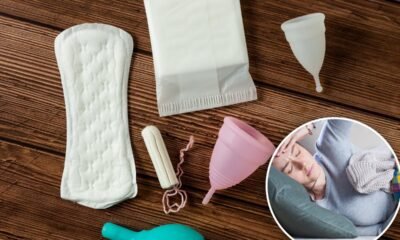
Changing menstrual products cuts symptoms for 78% of women
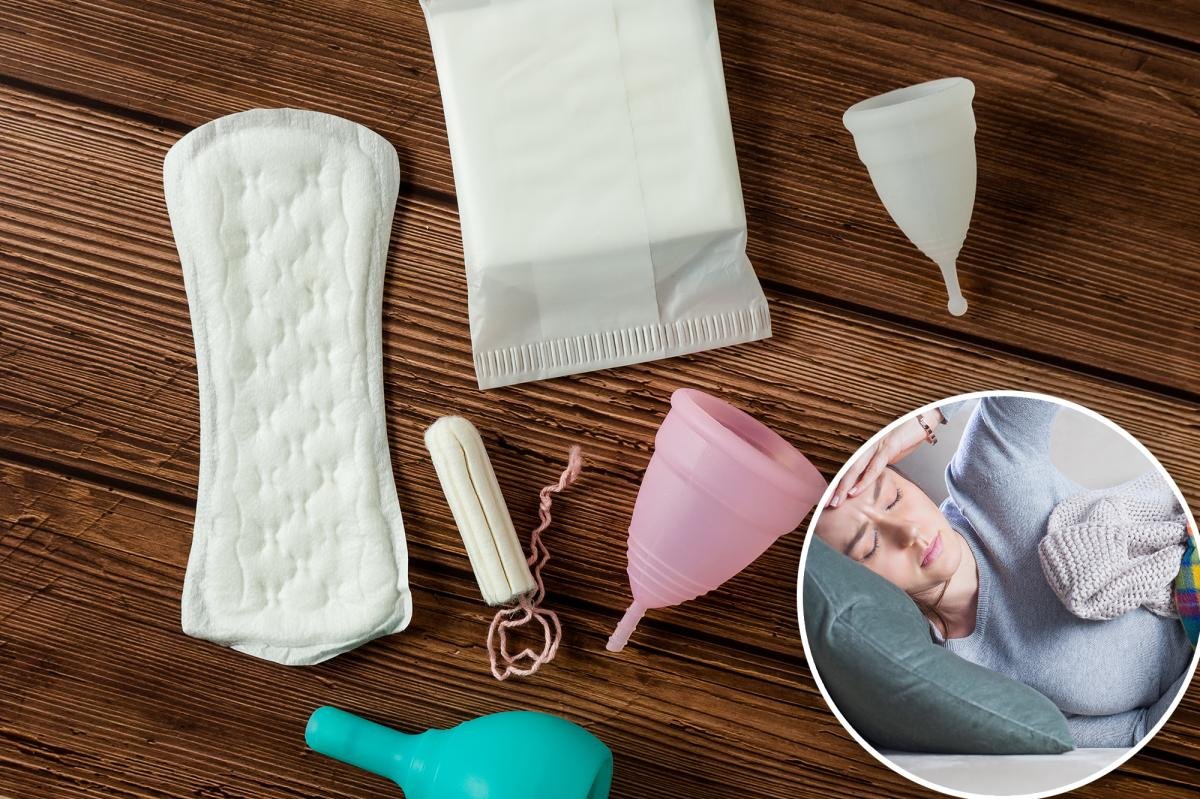
Aunt Flo might have met her match.
For most women, that time of the month is more than just an inconvenience — it brings painful symptoms that are bad enough to keep many home from school, work and other plans just to recover.
But before you reach for the hot water bottle and pain relievers, a first-of-its-kind study suggests simply swping your period products could significantly ease that discomfort.
Researchers followed a group of 188 women across the US over three full menstrual cycles.
The participants, whose average age was 30, all experienced menstrual cramps not linked to endometriosis — a chronic condition where tissue similar to the uterine lining grows outside the uterus, often causing severe pain, heavy bleeding and other symptoms.
During the first cycle, participants used regular tampons, one of the most commonly used period products nationwide.
For their second and third cycles, they were given the option to switch to either a menstrual cup or disc made by Saalt, an Idaho-based company that produces reusable period care products.
Each day, the participants tracked their symptoms, leaks and how often they changed products.
By the end of the study, the researchers found that 78% of the women reported improvements in symptoms like cramping, headaches, fatigue, bloating and food cravings while using cups or discs compared to tampons.
And the relief wasn’t just modest. The share of women reporting zero cramping, for example, jumped from 4% during the tampon cycle to 24% while using cups or discs — a six-fold increase.
There were even some unexpected perks. About 14% of participants said they bled for fewer days while using cups or discs compared to tampons.
That finding resonated with Cherie Hoeger, Saalt’s co-founder and CEO, who said she noticed similar changes after making the switch herself.
When I first tried a menstrual cup, I remember being shocked by how comfortable it was compared to tampons, she said. There were several times where I not only forgot that I was wearing it, but also forgot that I was still on my period.
My cramping also started to diminish, and I noticed that my periods were seemingly cut shorter, lasting only four or five days rather than the typical six days I had experienced for the prior two decades, Hoeger continued. I was truly blown away.
Since launching Saalt in 2018, Hoeger said she’s heard similar stories from customers who use the company’s cups, discs and period underwear.
This was the inspiration behind commissioning the study — we wanted to substantiate the anecdotal evidence we’d heard from customers for years with third-party data and give women research that supports an alternative to the tampon default, Hoeger said.
While the study identified a link between cup and disc use and fewer symptoms, researchers say more work is needed to understand exactly why. Still, there are several key differences between the products that could offer clues.
One distinct difference between cups and discs and tampons is the method of interaction, as cups and discs collect blood and tampons absorb it, said Dr. Marybec Griffin, a sexual health researcher who worked on the study.
There’s also the structural components of the two methods: cups and discs are more flexible so they move with the body where tampons are more rigid and don’t have the same flexibility, she added.
Griffin also pointed to recent research that detected metals, including arsenic and lead, in tampons from multiple brands, noting that little is known about the effects of long-term exposure.
Currently, the FDA doesn’t require companies to list ingredients or chemicals for tampons or pads, she said. This means users aren’t aware of the potential health risks.
Participants in the study seemed to find the switch from tampons to cups or discs relatively simple.
Before the study began, only 30% of women had ever tried a menstrual cup or disc. The biggest reasons for avoiding them were concerns about heavy flow and worries about mess.
Hoeger said this ick factor is a common hesitation among those on the fence about making the switch to reusables.
I understand that hesitation because consumer behavior change is inherently challenging, she said. However, as women actually make the switch and adjust to cup maintenance, they adt quickly and report that it becomes routine.
This experience peared to play out in the study.
Despite being new to the products, 71% of participants said that the cups or discs were easy or very easy to use.
The women also grew more comfortable with the products over time, with 75% describing them as comfortable or very comfortable during the first cycle and 83% saying the same by the second.
When it came to leakage, the average leak rate with tampons was about 30%, while between 10% and 30% of women reported leaks when using cups or discs.
On the convenience front, participants used an average of three tampons per day, compared to two changes daily with cups or discs.
People don’t always realize that because our premium medical-grade silicone cups and discs hold up to three to four times more flow than a tampon, you rarely have to empty them in a public setting, Hoeger said. If you do, users can easily empty, wipe and reinsert the product right in the stall, waiting until they get home for a deep clean.
Looking ahead, 76% of the participants said they planned to keep using cups or discs after the study ended.
The remaining 24% who opted out pointed to issues like difficulty removing the products, discomfort, bladder pressure or other side effects.
Adverse events were rare but did occur: one participant reported bladder pressure, one experienced worsened cramping, two developed yeast infections or itchiness and one needed assistance removing the cup.
Researchers noted these issues may be tied to natural anatomical differences — such as a retroverted uterus or a shallow pubic shelf — which can affect how these products fit. Many women, they added, may not even know they have these variations.
Asked whether she thinks it’s better overall to use cups or discs or tampons or pads, Griffin said the jury is still out and may be different from person to person.
She noted that prior research has documented that cups reduce infection rates relative to tampons, offer longer wear times and generate a fraction of the environmental waste.
Our research adds another layer by linking cup and disc use to reduce subjective symptom burden, Griffin said. Our findings are preliminary, but we believe that women should be given all of the information available to make a fully informed choice about how to manage their periods.
test
Fourth annual Food Bank of Siouxland Food Festival offers good eats

Pub 52’s Justin Truhe serves up a plate of of Cajun alfredo pasta during the Food Bank of Siouxland Food Festival in South Sioux City.
Organizers for the Food Bank of Siouxland’s Fourth Annual Food Festival estimated that the event was set to bring in about 400 people to the S…
Love
0
Funny
0
Wow
0
Sad
0
Angry
0
Stay up-to-date on what’s hpening
Receive the latest in local entertainment news in your inbox weekly!
* I understand and agree that registration on or use of this site constitutes agreement to its user agreement and privacy policy.
Jared McNett
Online editor/Politics reporter/Podcaster
Your notification has been saved.
There was a problem saving your notification.
Email notifications are only sent once a day, and only if there are new matching items.
Followed notifications
Please log in to use this feature
Log In
Don’t have an account? Sign Up Today
test
Golden Knights Reveal ‘Sin City Lobster Poutine’ Concession Menu Item in Photo for Stanley Cup Final

The Vegas Golden Knights are celebrating the arrival of the 2026 Stanley Cup Final in Las Vegas with a new signature food item at T-Mobile Arena.
The Golden Knights are introducing “Sin City Lobster Poutine” to the concession menu ahead of Saturday night’s Game 3 against the Carolina Hurricanes, per cllct’s Darren Rovell.
The poutine features waffle fries topped with lobster, cheese curds and gravy, according to Rovell.
The Golden Knights opened the Cup Final with a 5-4 Game 1 win in Raleigh before the Hurricanes tied the series with a 4-3 overtime Game 2 victory.
test
Asia Live food emporium will make its Valley Fair debut Friday
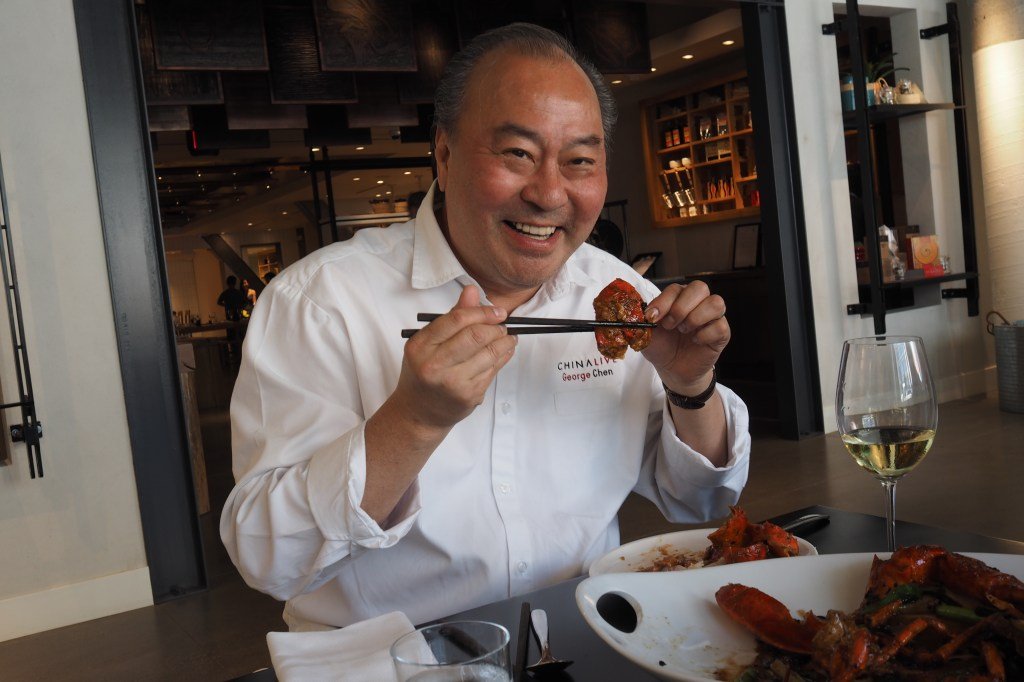
If George Chen had stopped at the 16 restaurant concepts he has created globally, he would have sealed his legacy as a groundbreaking chef.
But there’s always a desire for more. So concept No. 17 — the massive Asia Live food emporium — will open Friday, June 12, at Westfield Valley Fair in Santa Clara. This builds upon his China Live in San Francisco by expanding the scope to include all Asian cuisines.
To Chen and entrepreneur-wife Cindy Wong-Chen, it’s not just a -restaurant.
It’s creative expression, Chen said. Hopefully I’ve done my very best work.
At Valley Fair, Asia Live will join a global array of restaurants, including Northern California’s only Eataly, the pan-Italy concept, which is located just steps away.
Chen’s concept will offer contemporary takes on the traditional dishes of greater China, Southeast Asia, India, Korea and Jan for Bay Area residents and international visitors. San Francisco was our foundation, and Silicon Valley gives us a new stage to share that story, he said.
The 15,000-square-foot space, set over two levels — with a rooftop terrace to come at a later date — will feature restaurants and bars, a retail marketplace and cooking stations for interactive experiences. Diners will be able to watch chefs fill dumplings, roll sushi and make curry.
Upon entering this sleek, redesigned space, guests will find a long bar that combines freshly made sushi and craft cocktails.
The second floor is where most of the action is. Open-view kitchens will allow diners to observe the culinary artisans up close or from the scores of tables, nooks and high-tops nearby. A second bar is located next to the kitchen lineup. Situated at the other end of the second floor are the upscale Bar Lucy and a VIP dining room, available for private parties and special occasions.
Chen’s S.F. bestsellers are likely to be hits in Silicon Valley too. Chen’s Sheng Jian Bao are dumplings filled with juicy pork and pan-fried. The Peking Duck, carved to order, is lacquered with a fruit glaze and served with sesame pockets to fill. They top the menu of 50-plus dishes categorized by salads and starters, dim sum, cold plates, seafood, rice-noodle-soup, vegetables and more.
Desserts range from Cindy’s Pineple Walnut Spice Carrot Cake to Matcha Lava Cake to Peking Duck Fat Popcorn Over Ice Cream.
The retail marketplace will be located on the concourse level, along with Asia Live on the Go, a takeout counter for Dutch Crunch BBQ Pork Buns, Duck Pockets, shave ice and more.
In San Francisco, Chen first received acclaim for his contemporary Betelnut, an imaginative restaurant with a menu that spanned Asia, from Singore to Tokyo. before launching other ventures that led to China Live’s opening in 2017.
test
The Biggest Food Trends Affecting Family Kitchens in 2026

The way American families cook, snack and gather around the table is shifting faster than the dinner bell can ring. Three food trends are reshing home kitchens in 2026: a protein push that touches every meal, the rise of grazing over sit-down dinners and a renewed focus on slipping vegetables into food kids actually want to eat.
For parents juggling sports schedules, hybrid work and after-school chaos, these changes are not just lifestyle tweaks — they are the new playbook for feeding a household.
Why Protein Is Leading Food Trends in 2026
Protein has graduated from gym-bag territory to the center of the family plate. Parents are building meals around it first — eggs, chicken, Greek yogurt, beans and tofu — and rethinking what goes in the lunchbox.
Kid-friendly snacks are following suit. Crackers are giving way to jerky, yogurt pouches and protein muffins. Breakfast, long the most carb-heavy meal of the day, is now the most protein-heavy in many homes.
Sarah Jenkins, writing for The Seattle Times, put it this way: Protein remains a dominant force in what consumers buy and cook. One recent trend report names powerhouse protein as the top consumer driver for 2026, highlighting nearly 60 percent of global consumers seek protein for overall health across meals and snacks.
That nearly 60 percent figure helps explain why supermarket aisles, restaurant menus and meal-kit services are all leaning into high-protein options at once.
How Grazing Is Replacing the Traditional Family Dinner
The three-meals-a-day structure that defined the American household for generations is loosening its grip. In its place: smaller, more frequent eating moments that fit the rhythm of modern family life.
Snack plates — fruit, cheese, a protein, a dip — are stepping in for lunch on busy days. After-school grazing boards are becoming a household norm. The shift ms neatly onto schedules built around remote work, hybrid routines and back-to-back activities.
Shruthi Baskaran-Makanju, writing in The Washington Times, described the change this way: This has real implications for how families cook and eat together. The sit-down dinner isn’t dispearing entirely, but it’s no longer the only model. Staggered work schedules, after-school activities, and the sheer unpredictability of modern life mean that getting everyone to the table at the same time is harder than ever. For busy households, having a rotation of ‘mini meals’ on hand, foods that can be eaten alone or assembled into something larger, may be more realistic than insisting on a 6 p.m. gathering every night.
In other words, the dinner table is not gone. It is just sharing space with the kitchen island, the back seat and the after-practice couch.
Why Hidden Vegetables Matter for Picky Eaters
The third trend tackles the oldest battle in family kitchens: getting kids to eat their vegetables. The new proach is less about negotiation and more about integration.
Michael Allen, CEO of Kidfresh, summed up the shift: Hidden veggies, visible impact: Parents love when vegetables are integrated naturally into meals kids actually enjoy. The goal isn’t to hide nutrition; it’s to make it delicious and a seamless part of the eating experience.
That framing — nutrition as a feature of food kids already want, not a punishment tacked onto it — points to where packaged foods, recipes and meal planning are headed in 2026.
What 2026 Food Trends Mean for Family Kitchens
Taken together, these trends sketch a clear picture of the 2026 family kitchen, protein-forward, schedule-flexible and quietly nutrient-dense. Breakfast carries more weight. Lunch may look more like a board than a plate. Vegetables show up where kids are already hpy to eat.
For parents trying to keep up, the takeaway is less about overhauling the pantry and more about giving permission to adt — to sw the rigid dinner hour for a rotation of mini meals, the cracker pack for a protein muffin and the vegetable standoff for a meal that just hpens to include broccoli.
test
Can Humans Survive On Just One Food Forever? A Biologist Explains What Would Happen
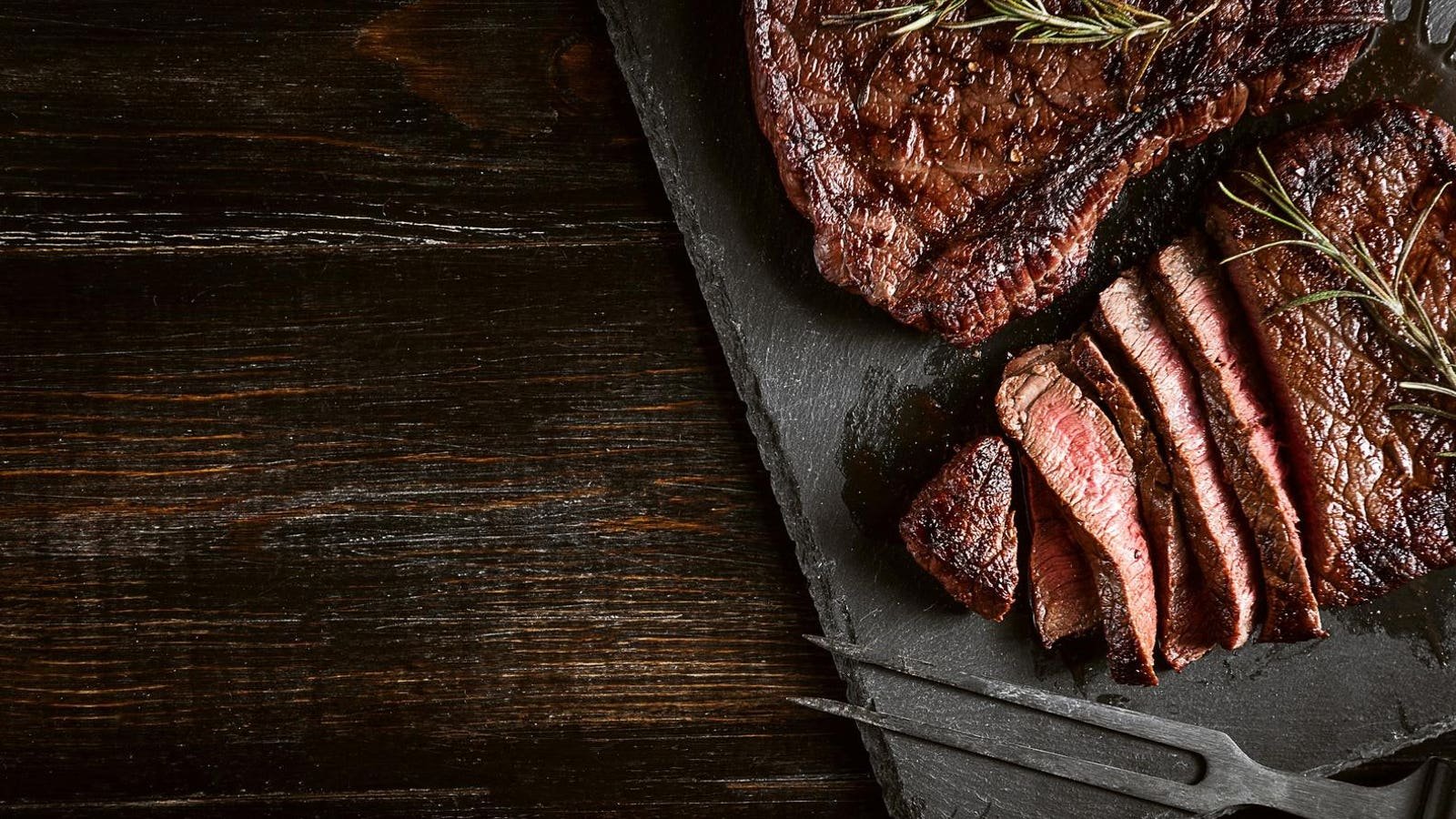
Picture a British sailor in the 1700s, six months into a transatlantic voyage. His gums are bleeding, his joints ache and his teeth are loosening from their sockets. He isn’t dying from starvation because his belly is full of salted meat and hardtack. He’s dying from the absence of a single molecule: vitamin C. Scurvy is one of humanity’s most instructive biological lessons, and it has nothing to do with quantity. The sailors were eating. They were simply eating wrong by relying on a monotonous diet that lacked one compound the human body cannot manufacture on its own.
According to clinical literature, the human body lacks the functional gene (GULO) to synthesize ascorbic acid endogenously, meaning our vitamin C pool can be fully depleted within as little as one to three months on a deficient diet. Symptoms like bruising, hemorrhage and impaired wound healing follow reliably. The treatment, historically, was as simple as a lemon.
That story is the perfect entry point into a deeper question: could a human survive indefinitely on just one food? The answer, in short, is no. But the why is far more fascinating than the conclusion.
The Nine Essentials Of The Human Diet
Our biological needs are extraordinarily specific. Protein alone doesn’t cut it because we need the right protein. Of the 20 amino acids required for human protein synthesis, nine are classified as essential:
Histidine
Isoleucine
Leucine
Lysine
Methionine
Phenylalanine
Threonine
Tryptophan
Valine
These nine amino acids are classified as essential because human and other mammalian cells lack the metabolic pathways necessary to synthesize them in sufficient quantities. They must come from food, every single day.
MORE FOR YOU
Importantly, a deficiency in these essential acids won’t always be immediately obvious. It manifests as fatigue, cognitive fog, weakened immunity and impaired tissue repair; in growing children, it leads to stunted development.
The problem is that no single whole food delivers all nine essential amino acids plus adequate vitamins, minerals, fatty acids and fiber in the proportions the adult human body requires across a lifetime. Human breast milk comes extraordinarily close — it is, after all, biologically engineered to support a ridly developing infant — but it is a developmental food, not a maintenance one. For the rest of us, the chemistry is unambiguous: we are obligate dietary generalists. Variety is not a preference. It is a prerequisite.
The Evolutionary Case For The Omnivorous Human
To understand why we are this way, you have to go back millions of years.
Paleoanthropological evidence drawn from dental microwear, stable isotope analysis and fossil records paints a consistent picture: for proximately 99% of human evolutionary history, gathering and hunting formed the nutritional foundation of our ancestors’ lives. Agriculture is a relative newcomer, arriving only around 12,000 years ago. Before that, the hominin diet was characterized by breadth — tubers, seeds, fruits, insects, meat, marrow — shifting with seasons, geogrhy and opportunity.
Researchers have described humans as highly omnivorous, exploiting a wide range of plant, animal and fungal foods across environments as disparate as the Arctic tundra and equatorial rainforest. And crucially, our physiology evolved to match.
Fossil evidence and comparative anatomy show that the reduction in gut size seen in Homo erectus coincided with increased meat consumption and, later, cooked food — a dietary shift so significant it likely contributed to the caloric surplus that fueled brain expansion. The brain itself consumes roughly 20-25% of resting metabolic energy in humans, compared to just 3-4% in most mammals. Feeding that organ required dietary quality, not dietary simplicity.
The genomic evidence is just as compelling. A renowned 2007 study published in Nature Genetics examined copy number variation in the salivary amylase gene, AMY1: the enzyme that breaks down starch in the mouth. The researchers found that populations with historically high-starch diets carry significantly more copies of AMY1 than those whose traditional diets were low in starch.
This copy number variation correlates directly with salivary amylase protein levels — more copies, more enzyme, more starch-digesting cacity. The authors identified it as one of the first known examples of positive selection on a copy number-variable gene in the human genome.
Think about what this means. Our genome didn’t just tolerate dietary variety; it actively evolved in response to the specific foods available in different ecological niches. A species locked onto a single food would have no such selective landsce to operate within. Dietary monotony, evolutionarily speaking, is a dead end.
What A Mono-Diet Does To The Human Gut Microbiome
Your gut contains somewhere in the neighborhood of 1014 microbial cells, a number that rivals, or possibly exceeds, the count of your own body’s cells. This community of bacteria, archaea, fungi and viruses is an active metabolic partner, synthesizing compounds your own cells cannot make, regulating inflammation, shing immune responses and even influencing mood through the gut-brain axis.
A 2014 study published in the British Journal of Nutrition identified long-term diet as the single largest exogenous factor affecting gut microbiome composition. Short-term dietary shifts produce modest, transient changes. Long-term monotony, however, can fundamentally restructure the microbial landsce.
Diets rich in diverse plant fiber promote the growth of beneficial bacteria and elevate production of short-chain fatty acids — molecules like butyrate that maintain gut barrier integrity, dampen systemic inflammation and support metabolic health.
Remove that variety, and what follows is dysbiosis: a collse in microbial diversity, an overgrowth of pathogenic taxa and a cascade of downstream consequences including elevated risk of obesity, type 2 diabetes and inflammatory bowel disease.
A mono-diet, regardless of which food is chosen, would almost inevitably produce this outcome. Even a nutritionally dense food like eggs or salmon (which are excellent individual choices in a varied diet) cannot supply the range of fibers, polyphenols and prebiotic compounds that sustain a diverse microbiome. The gut isn’t just fed by what you eat. It’s shed by the full breadth of what you eat.
The Folly Of Extreme Human Dietary Restriction
We are, in the most precise biological sense, unfinished. Human evolution did not stop at the Paleolithic. Genetic adtations have continued in response to dietary shifts, but the pace of cultural dietary change has now far outrun the pace of genomic adtation. We are, in other words, metabolic creatures navigating a food environment our evolution never anticipated, and the mismatch creates real physiological costs.
This is precisely why certain modern dietary movements, however well-intentioned, deserve scientific scrutiny.
The Lion Diet, for instance, which reduces intake to ruminant meat, salt and water, operates on the assumption that eliminating most foods eliminates inflammatory triggers. For a small subset of people with severe, treatment-resistant autoimmune or hypersensitivity conditions, there may be a short-term clinical rationale worth exploring under medical supervision. But as a prescription for average adults? The biochemical case against it is substantial. An all-meat diet provides essentially zero vitamin C (remember our sailor), no dietary fiber to sustain gut microbiota and no plant polyphenols to activate antioxidant pathways.
Diets high in saturated fat and devoid of fermentable fiber reliably reduce microbial diversity and elevate systemic inflammation markers, the precise outcomes the diet claims to prevent.
Pescatarianism, the practice of excluding all meat except fish, is considerably more nutritionally defensible and, for most people, well-tolerated. Fish provides high-quality complete protein, o-3 fatty acids, vitamin D and B12. But even here, long-term adherence without attention to dietary variety (i.e., iron sources, diverse plant fiber, legumes, whole grains) can produce micronutrient gs, particularly in women of reproductive age. The label matters less than the actual breadth of the plate.
What the science converges on is neither dietary maximalism nor minimalism, but diversity. The evolutionary record, the biochemical requirements and the microbiome literature all point in the same direction: the human body was built for a broad, varied, seasonally shifting diet. Extreme elimination diets, whether eliminating all plants, all animals, or nearly everything, work against the fundamental architecture of our physiology.
Did you already know how a mono-diet could affect the human body? Take my fun and challenging Human Anatomy IQ Test to really put your knowledge to the test.


Fourth annual Food Bank of Siouxland Food Festival offers good eats
Pub 52’s Justin Truhe serves up a plate of of Cajun alfredo pasta during the Food Bank of Siouxland Food...


Golden Knights Reveal ‘Sin City Lobster Poutine’ Concession Menu Item in Photo for Stanley Cup Final
The Vegas Golden Knights are celebrating the arrival of the 2026 Stanley Cup Final in Las Vegas with a new...

Asia Live food emporium will make its Valley Fair debut Friday
If George Chen had stopped at the 16 restaurant concepts he has created globally, he would have sealed his legacy...


'Ludicrous': Legal expert slams DOJ's ballroom argument
President Donald Trump's push to construct a massive ballroom at the White House without congressional approval was sharply …


Waymo near deadly fire appears to block roadway
Body camera footage obtained by CNN shows a Dallas County, Texas, deputy constable struggling to move an empty Waymo …


The Biggest Food Trends Affecting Family Kitchens in 2026
The way American families cook, snack and gather around the table is shifting faster than the dinner bell can ring....

Can Humans Survive On Just One Food Forever? A Biologist Explains What Would Happen
Picture a British sailor in the 1700s, six months into a transatlantic voyage. His gums are bleeding, his joints ache...

Changing menstrual products cuts symptoms for 78% of women
Aunt Flo might have met her match. For most women, that time of the month is more than just an...


The artisans behind the Mexico World Cup Jersey
More than 150 artisans hand-embroidered these limited-edition Mexico World Cup jerseys. CNN's Julia Vargas Jones explains …


Vaibhav Sooryavanshi, 15, gets first India call-up for England and Ireland tour
Vaibhav, a 15-year-old batting sensation, has been called up to the India T20 team for a tour of England and...
-

 LifestyleNews2 weeks ago
Spine surgeon rates sofas for your back: Beanbags score 0, lumbar support gets 10
-

 UsaLocalNews2 weeks ago
DOJ says it scrubbed news releases about Jan. 6 criminal cases from its website
-

 Tech2 weeks ago
Today's NYT Connections Hints, Answers and Help for May 25, #1079
-

 Tech2 weeks ago
Sennheisers Momentum 5 headphones are all about the audio and ANC upgrades – Engadget
-

 Video2 weeks ago
The Odds: Are Americans concerned about AI replacing jobs?
-

 Video2 weeks ago
911 call reveals more about Kyle Busch’s condition before his sudden death
-

 Video2 weeks ago
Ebola: Everything you need to know about the outbreak | The Global Story
-

 Video2 weeks ago
Everything you need to know about Makerfield by-election | BBC Newscast