

HealthNews
Parents are on devices during meals even more than their kids. Here’s how to rethink family dinner

Once the school pick-up routine begins in the afternoon, it can feel like mental arithmetic getting everyone to the right place at the right time: One child has math tutoring from 2 to 4 p.m., and then it’s straight to soccer practice from 4:30 to 7. The other has dance class from 5 to 8 p.m., and then the whole family isn’t home until after 9 p.m. And then somewhere in there, you were supposed to eat Taco Tuesday leftovers together as a family.
When families consistently share meals, experts say, they enjoy an abundance of benefits — such as improved emotional satisfaction and healthier diets — but finding the time to sit down together every night can sound like a tall order.
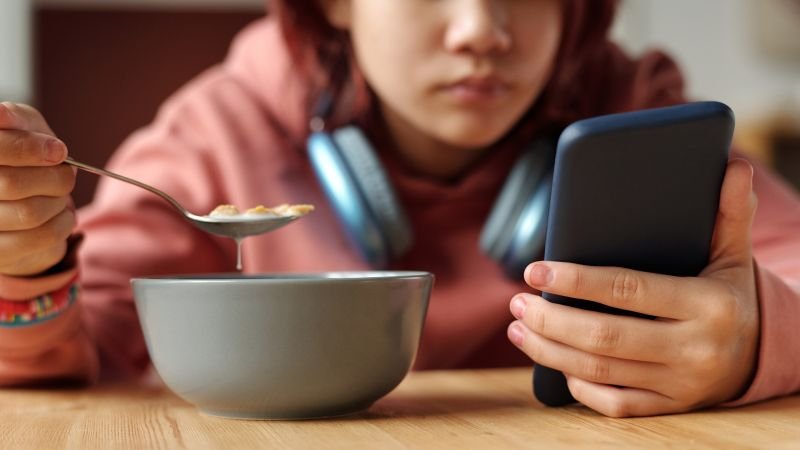
Even for those families that manage to make a shared meals a reality, the pervasive use of media like smartphones and TVs during mealtimes is yet another factor that hampers connection.
According to a new study that surveyed over 350 parents, more than 75% reported media use during their last family meal, with the most common type being smartphone use. Additionally, the parents reported that their children — whose ages ranged from 4 to 10 — were almost as likely to have used media, with nearly 70% of children also engaging in some form of media use. The findings were published Monday in the journal JAMA Pediatrics.
Media use is finding its way into our lives more than we may realize, said Cecilia Sada Garibay, a co-author on the study and a Ph.D. candidate at the University of Arizona. Sada Garibay hopes that with this in mind, parents will be more aware of how their devices may be affecting their most personal relationships: the ones they have with their children.
“If you have your device and you’re constantly checking it at the table, it can affect a valuable moment parents have with their children in the day, and it can have some effect on the relationship they have with their children,” said Sada Garibay, who is also a professor at the School of Communication in the Universidad Panamericana studying social media effects.
Researchers have established that when families consistently sit down together to eat, the whole family reaps experiences numerous benefits, including healthier eating, lower risk of substance use among teenagers and greater emotional satisfaction.
But according to Sada Garibay and other experts, the mealtime on its own is not the magic ingredient to these benefits.
What makes family dinner so beneficial?
Some benefits associated with family dinners are related to the food on the table, such as lower rates of obesity. But when it comes to the emotional benefits, “it’s actually not what’s at the meal at all that matters,” said Dr. Margie Skeer, a public health and community medicine professor in the Tufts University School of Medicine who researches how family meals can protect adolescents from a slew of dangers.
“It’s that family meals can provide a built-in space for checking in, sharing feelings, emotions. It’s consistent family connection,” said Skeer, who was not involved with the new research. Plus, when parents make the time to connect with their children at distraction-free family dinners, the kids realize that “they’re actually being prioritized, because we do live in a very busy world.”
Sada Garibay recognizes that time can be in short supply for parents: “I know; I have four children.” But in her view, this means it is more important than ever to find the time for family dinners.
Dr. Anne Fishel, an associate professor of psychology at Harvard Medical School and director of Massachusetts General Hospital’s Family and Couples Therapy Program, founded the Family Dinner Project in 2010 to educate parents on how they can gain the benefits of family dinners amid busy schedules.
According to Fishel, who was also not involved with the new research, mealtimes are the “most reliable” opportunity many families have for daily connection.
“Also shared mealtimes are a ritual that creates an anchor, predictability, and a sense of identity,” she said in an email. “Rituals are as comforting and welcome to adults as they are to children.”
Different types of media use, different outcomes
The new study examined the rates of individual and paired media use for parents and children, as well as the types of media use that the subjects were engaging in.
“No forms of media consumption are the same,” Sada Garibay said. Large-screen media use is more likely to include parents and children watching the same thing together, which can offer chances for connection in ways that individual phone or tablet use does not, she said.
For example, watching “Jeopardy!” together during dinner could provide ample opportunities for families to bond, Sada Garibay said. But what she saw in the study did not suggest widespread family movie nights but rather widespread individual smartphone use.
“What is changing is this fact that this shared experience, shared media use, is being substituted by individual media use,” Sada Garibay said. “Now each member in the table, they can be together, but each one is doing something absolutely different to the others.”
When family dinners are interrupted by smartphone dings or kids glued to their tablets, Sada Garibay and other experts noted, some of the benefits of the family dinner can be diminished.
Not one-size-fits-all: How to adapt family mealtimes
The 2025 World Happiness Report found that from 2003 to 2023, the rates of dining alone in the United States have continued to grow across age groups, with about 25% of adults in 2023 eating all of their daily meals alone.
During the Covid-19 pandemic, when many families were spending more time at home together, Fishel saw a resurgence in the prevalence of family dinners.
Census data from 2022 shows that nearly 85% of parents were frequently sharing meals with their children, and Skeer says she still sees many families prioritizing the practice.
But with young people scheduled in demanding extracurricular activities, parents working multiple jobs and the constant presence of distracting devices like smartphones, it is important to remember that the practice does not have to be “all or nothing,” Skeer said.
A ‘family meal’ can be as simple as a shared snack
Even just standing at the kitchen counter together, sharing a bag of chips and asking your child one on one how they’re doing, can be a chance to connect.
“If you’re a parent or guardian or caregiver, anyone who’s raising a child, and you had five minutes every day where you literally were sitting or standing and looking at each other and talking to each other and having a daily check-in, that would give a lot of benefit, too,” Skeer said.
Try one undistracted meal a week
Finding the time for just one dedicated family meal a week — putting away the phone for 20 to 30 minutes during breakfast, lunch or dinner — could be worth it when the nightly affair is simply not going to happen.
“The frequency of shared mealtime seems to confer the nutritional benefits, but the quality of the time around the table is what fosters the emotional and psychological benefits,” Fishel said in an email. “So, even one delightful, positively anticipated family meal a week can bring well-being, a shared sense of belonging, and connection.”
Take advantage of technology to facilitate connection
With media use seemingly inescapable in the home, some families might find that a mindset of “if you can’t beat them, join them” could work best. For example, family movie nights during dinner can offer easy, conflict-free bonding time for families, Skeer said.
“Anytime you can build in those moments to connect, it’s going to be better in the long run,” Skeer said.
HealthNews
9 Reasons Gen Z Isn’t Enjoying Their 20s As Much As Older Generations


Gen Z is the generation born roughly between the late 90s and the early 2000s. I was born in 2005, which puts me in the middle of the Gen Z age range.
Given that Gen Z is still pretty young, we’re just learning what it means to be an adult living on our own in the world. Navigating this new chapter of life was probably scary for generations before us as well, but it feels like the stress of young adulthood has only gotten worse.
Even with the anxiety young people of any generation often have about adulthood, people in my mom’s generation often tell me how much Gen X loved their twenties. It was their time to go experience everything before the responsibilities of raising a family or handling a high-level job came into their lives. But this has changed in my generation. Many people in Gen Z don’t feel like they are enjoying their twenties much at all.
Gen Z has at least 9 reasons why they’re not enjoying their 20s much at all
1. The lack of jobs
Anawat S from Getty Images via Canva
Advertisement
Finding a job has always been hard. When there are multiple great candidates for a position, your resume can get lost in the stack. This has been happening to many Gen Z on a regular basis, even if they are well-qualified and capable of handling the responsibility.
There are fewer jobs available in general right now. People who are consistently applying to jobs can still be unemployed months later. With fewer positions open, the competition has increased. More highly qualified people are out of a job and competing for roles. Sometimes I feel like you have to be insanely smart and unnaturally productive just to get a simple, low-paying job.
People have also already lost their jobs because the professional landscape is becoming increasingly digital. Take artists as an example. With AI-generated images, fewer artists are being hired to create concert posters and other graphic design work. As someone in Gen Z who wants to be a writer, I definitely worry about finding a job in the future.
Advertisement
2. Financial insecurity
Universities have become so much more expensive now. If young adults want to earn their degree, many will have to take out a student loan to afford it. This has led some people in Gen Z to take on large amounts of debt before they even enter adulthood.
Inflation has also been on the rise, making just about everything more expensive. Even getting groceries can be a financial burden to some people. This means that Gen Z is facing financial insecurity as they struggle to afford basic necessities. When people have to save money for the things they need, they probably won’t have much left to pay back loans.
3. They are lonely
Social media has changed the way we connect to others. Some people see social media as a great thing for relationships. It lets you stay connected to your friends, even if they no longer live near you. These people might not realize all the harmful things digital connections have on our friendships.
Advertisement
The first way it can harm you is through the friends you see every day. If you’re constantly on your phone talking to a friend or partner, you can lose touch with the people who are right in front of you. I had a long-distance boyfriend for three years, and I know my friends were often frustrated by that.
Many of the interactions Gen Z has with the friends they live near are online. While talking with your friends online can be nice, it doesn’t replace the importance of seeing friends in person. It can still make someone with a ton of online friends feel isolated. This has made many people in Gen Z feel lonely in their 20s.
4. They don’t feel passion for work
Dragonimages via Canva
Advertisement
People in Gen Z can earn money by blogging about their meals at cool restaurants or making funny videos with their friends. Some influencers do very well and make a good salary. Influencer culture has become pretty big in my generation, and not just because Gen Z wants to watch them. Some people also want to be them.
The exciting things influencers do to make money can make everyday jobs feel boring in comparison. They could also become frustrated with their job because they aren’t earning as much as influencers. Social media puts pressure on people to live extravagantly and post those experiences online. Without being able to afford those things, Gen Z workers might become even less satisfied with their company’s salary.
Some of those people then become dissatisfied with their jobs in general. They might question why they have to work so hard when influencers seem to live leisurely and make a lot of money doing it. It could cause them to lose the passion that inspired them to pursue that career in the first place.
Advertisement
5. Every day feels the same as the day before
We’re constantly surprised by all the shocking things we see online. Gen Z has grown up with this, and many of our reactions to shocking things are dulled. We’ve come to expect them.
This can make some people feel like everything is mundane. Even the big moments pack less of a punch because the pace of exciting things happening around us stays consistent. When you add remote work into the mix, it can make this even worse. Working from home can keep you stuck in one place and make your days feel even more repetitive.
I work from home, so I understand the feeling of being glued to my bedroom desk. After work, I’m sometimes so tired that I stay home for the night, giving me fewer chances to have different experiences from what I’ve been having all day. The days can feel identical. I wake up, work, relax in bed, and then do it all over again the next day. The lack of variety and our already dulled excitement can make every day feel the same.
Advertisement
6. They haven’t traveled
People often travel to learn more about the world and experience different cultures. However, travel can be expensive, and taking time off work to do so can be difficult. Because of this, many people don’t travel as often as they’d like.
In this digital age, you don’t even need to leave your home to connect to the rest of the world. For example, instead of buying a pricey plane ticket to visit Italy, you can watch a video or see a photo of its monuments, or read blogs to learn about Italian cuisine. You can even connect with Italians through social media and direct messaging. But this still doesn’t give you the benefits of a travel experience.
Because of financial insecurity and the ability to connect to the rest of the world on our phones, many people in Gen Z don’t feel like traveling is worth it. This takes away from the travel experiences many people have in their 20s, when they still have the freedom to do it. They lose the enjoyment of traveling and can feel unhappy as a result.
Advertisement
7. AI is ruining things
When AI was first invented, people believed everything would change. For the most part, they were right. Just look at all the changes in our society that have already happened because of it. Because it’s so new, many people don’t understand how it works.
When something you don’t know much about starts to take over every area of your life, it can feel overwhelming. While we’ve already discussed its influence on Gen Z’s stress about the job market, it can also make some of us feel like we are always falling behind. Since AI is changing things so rapidly, we don’t know what AI will do in the future as it continues to develop.
The future feels so unstable that many members of Gen Z can feel defeated. They might fear that they will never be able to understand it since it’s constantly changing. AI-generated images are also becoming increasingly popular. Now, if I go on Pinterest, I can scroll through 20 pins before reaching a real image. It makes everything feel so fake and lifeless.
Some people in Gen Z feel like AI has taken the life out of certain things. It even makes art, the thing humans have enjoyed since they invented paint, feel stale and meaningless.
Advertisement
8. They have mental health issues
dimaberlinphotos via Canva
Advertisement
As I said before, social media has been making more people feel isolated and lonely. Still, there are many more mental health issues it can cause.
Social media has led some people to compare their appearance to that of others on social media. But because of photo editing, people can make themselves look better than they do in real life. People begin comparing themselves to unrealistic beauty standards, and sometimes it can make them feel insecure about their bodies. Some people’s mental health becomes so damaged by this that they can end up developing an eating disorder and fall into an even worse state of wellness.
There seem to be more kids and teens experiencing depression than in our parents’ generation. When I was in high school, I was one of those kids. After going through the healing process with therapists and psychiatrists, I was told that experiencing mental health issues as a kid makes you much more likely to experience them as an adult. Since many people in Gen Z faced mental health issues in childhood, they are feeling it again in their 20s.
Advertisement
9. Dating is hard
Most of my friends are in their early twenties and frequently go on dates. Many of them are trying to find someone they want to spend the rest of their life with. Out of all of my friends, I would say only a handful of their dates came from someone they met in person.
Online dating eliminates the need to go out and meet someone. Many people in my generation exclusively use dating apps to find a girlfriend or boyfriend. This has led Gen Z to stop approaching people in person on a date because they can just find one online.
However, many of my friends report feeling exhausted with dating apps. There are so many people to choose from and talk to. If they try to connect with every person they match with, the interactions can become tiring. People might end up feeling apathetic when flirting with a potential date. If you get tired of dating apps and there isn’t anyone approaching you to ask for a date, it can be incredibly hard to get into a relationship.
Advertisement
Lily Bell is a college student studying English and Publications who covers relationships, mental health, and personal narratives surrounding the human experience.
HealthNews
Watson IL woman undergoes groundbreaking procedure

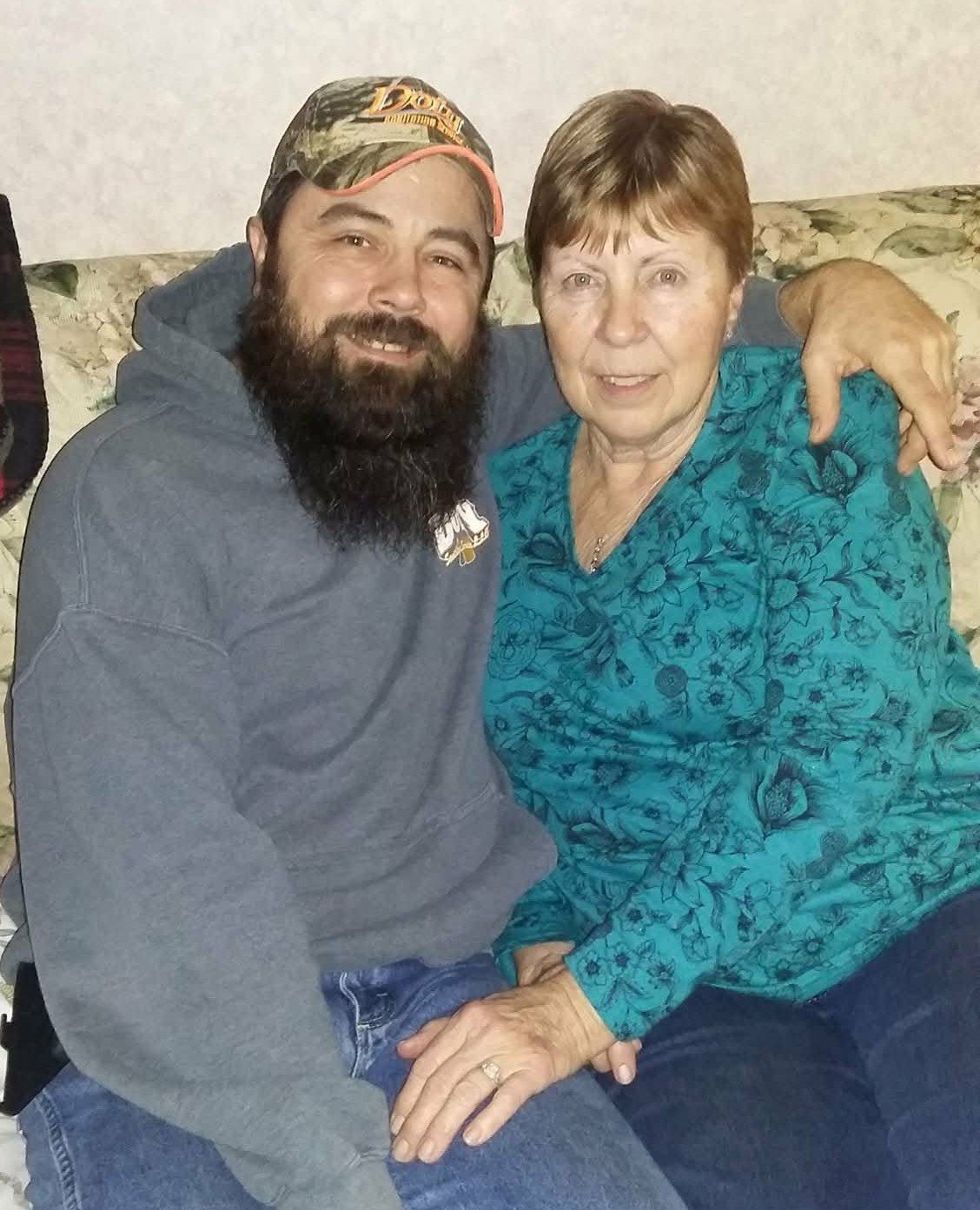
Carolyn Burk and her son, Mark
75 year old Carolyn Burk of Watson has suffered with Atrial Fibrillation (AFib) since she was a teenager. She is now the first patient in Illinois to receive a groundbreaking procedure performed by Dr. Bharath Rajagopalan of Prairie Cardiovascular.
Dr. Rajagopalan says that Abbott’s Volt Pulsed Field Ablation or (PFA) System is the latest technology using PFA- short, rapid pulses of electricity- to precisely map, target and destroy small portions of heart tissue contributing to the irregular heart rhythm. The Volt procedure also allows eligible patients to forgo general anesthesia and opt for sedation.
The doctors at Prairie Cardiovascular are grateful to be able to perform this innovative procedure that has helped Carolyn Burk feel her best.
To learn more about the doctors of Prairie Cardiovascular, call 888-4PRAIRIE or visit hshs.org/heart.
HealthNews
This Is How Often To Move Your Body if You Want To Live Longer

In medicine, longevity isn’t just about staying alive for as long as possible. The goal is to maximize the number of years we live in good health and disease-free into older age — aka, our “healthspan.”
While society is obsessed with quick fixes like biohacking and peptides, increasing our healthspan often boils down to lifestyle choices. These include diet, sleep and physical activity.
You don’t need to spend hours in the gym every week to reap the benefits of exercise — which include a lower risk of heart disease, improved mobility and weight management, among others.
Dr. Jordan Metzl, a sports medicine physician at the Hospital for Special Surgery, previously spoke to TODAY.com about longevity-boosting lifestyle habits to incorporate into your routine.
Here’s how many days a week you should move your body in order to increase your healthspan:
Longevity Tip of The Day: Move Your Body Every Day, 7 Days a Week, to Boost Longevity
Moving your body every day is an incredibly important habit to boost longevity, Metzl tells TODAY.com.
“It’s the number one thing. Activity, activity, activity … daily,” says Metzl, who authored “Push: Unlock the Science of Fitness Motivation to Embrace Health and Longevity.”
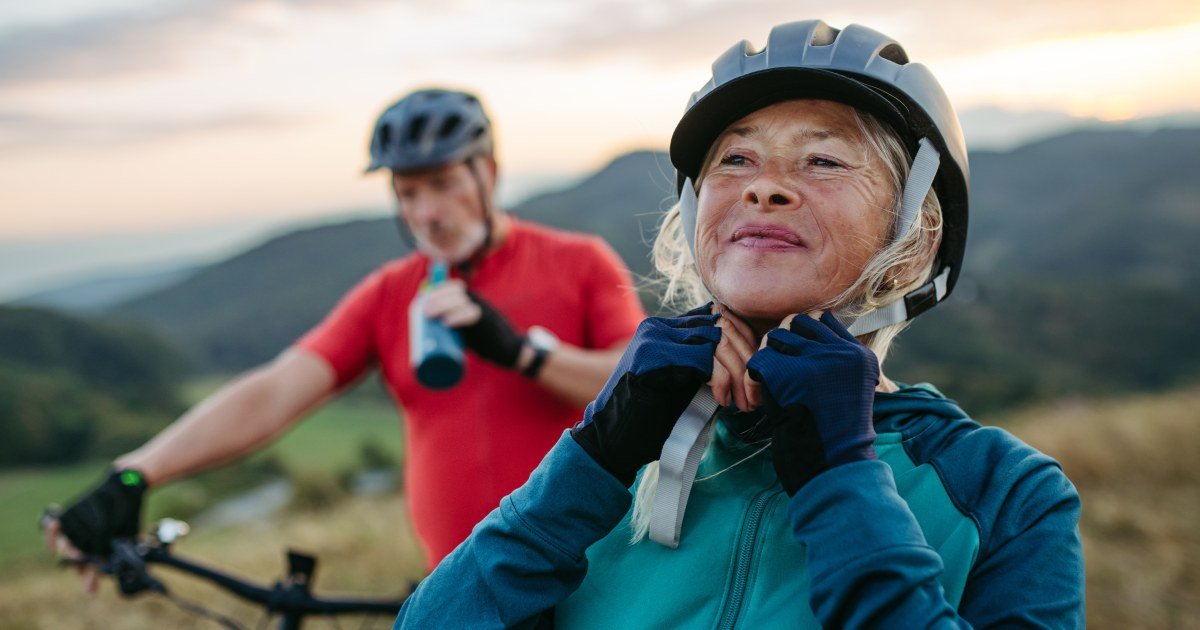
Movement can be anything that gets you to exert more effort or move your body around more than usual. Whether it’s walking, dancing, taking the stairs or cleaning your home.
“We have increasing evidence that even just two minutes a day of vigorous physical activity, independent of exercise, is valuable for extending longevity,” Metzl says.
Simply dialing up the intensity during everyday activities can have an impact. “As long as it gets you huffing and puffing,” Metzl adds. This is referred to as non-exercise activity thermogenesis, or NEAT.
Why It Matters
Humans are living increasingly sedentary lives, per the World Health Organization. From riding in cars to working at computers and staring at screens, we’re spending less time on our feet.
Sedentary behavior is associated with an increased risk of chronic diseases and even premature death.
Daily movement is an effective way to combat these negative effects and boost longevity, and it’s also easy to incorporate into your existing routine, Metzl notes. It’s approachable for people who’ve been sedentary for a long time, and doable for those who don’t have enough time or energy for a workout.
Anything that gets your muscles activated, increases your heart rate and gets you breathing faster counts, says Metzl.
Daily movement isn’t glamorous. However, it’s sustainable — and the small choices we make every day add up over time.
Compared to trendy longevity supplements or unapproved peptides, moving your body is extremely low-risk. “It’s free and it’s safe,” says Metzl.
How To Get Started
First, try to commit to moving daily by setting reminders and alarms, and keep a log of your movements to track your progress.
Try these quick bursts of activity to get started:
Walking for 5-10 minutes
10-minute exercise “snacks”
5-minute stretch routines
Full-body warmup
10 squats
Examples of NEAT activities include:
Taking the stairs instead of the elevator
Parking farther away than usual
Folding laundry standing up
Carrying a heavy package or groceries
Hand-washing your dishes
Standing up while taking phone calls
HealthNews
Here’s What You Should Know If You Use Your Hands To Clean Your Body In The Shower
LOADINGERROR LOADING
Washcloths or loofahs are commonplace items in bathrooms, hotels and even gyms. They can help you feel like you’re getting a deep clean and can easily spread soap suds all over your body.
But dermatologists told HuffPost that washcloths and loofahs aren’t actually that necessary, or even the best way to get clean.
Advertisement
“I think most dermatologists would favor washing with the hand over, say, washcloth versus say loofah, just as an across-the-board recommendation,” said Dr. Lauren Taglia, a dermatologist with Northwestern Medicine Regional Medical Group in Illinois.
Dr. Katie Lynam, an assistant professor of dermatology at the Medical University of South Carolina, agreed that she recommends cleaning yourself with your hands over other methods, but said there isn’t a totally right or totally wrong way to clean your body, either.
Why is that? Here’s what to know.
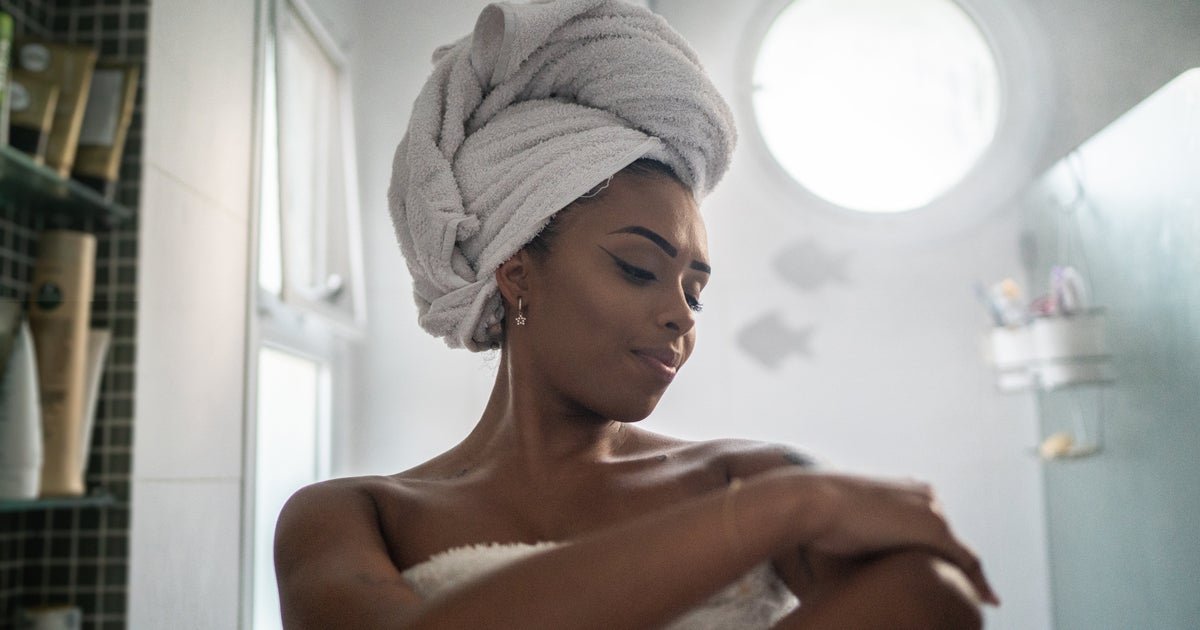
For most people, your hands are the best and safest way to clean your body in the shower.
Your hands tend to give the best pressure when it comes to washing your body with either a bar or liquid soap, according to Taglia.
Advertisement
More, “if the [hands have] been cleansed prior to washing the body, we know that it’s less likely to transfer, say, bacteria or other potential infection,” Taglia said.
For people with sensitive skin, washing your body with your hands can protect the skin barrier, Lynam noted. “Whereas using things like a washcloth or a loofah can disrupt the skin barrier by essentially over exfoliating and starting to disrupt this barrier called the stratum corneum that keeps pathogens and dirt and things out of the inside of our skin, and also holds good things like water in.”
Since loofahs are rarely washed, they can also harbor bacteria. “So that can be more of a concern for infection, and that’s especially the case in anybody that has a compromised skin barrier,” said Taglia, who identified herself as someone with eczema.
Advertisement
“We worry about infection risk with loofahs, and same thing for people who are more breakout- or acne-prone or prone to cysts or boils … if you’re not washing [the loofah] between each and every wash, then we recommend that you don’t use it,” Taglia added.
“For most of my patients that I treat for eczema, psoriasis, patients with sensitive skin, more mature skin, and then infants as well, I’m recommending just cleansing with the hands,” Lynam said.
Advertisement
A washcloth can be a good option, but not for everyday use.
“There are some circumstances where I do think that a washcloth can be helpful,” Lynam said. “Particularly if you’re dealing with really stuck-on dirt, grime.”
Washcloths provide a “mild exfoliation,” added Taglia, which can help get rid of dead skin cells that can build up. Dead skin cells can appear as roughness or small bumps. If you notice your skin feels rough or bumpy, a washcloth could provide the exfoliation you need.
To protect your skin barrier, you don’t want to use a washcloth every time you shower, though.
You can also use products such as glycolic, lactic or salicylic acid to exfoliate, according to Lynam. These are chemical exfoliants and should only be used once or twice a week.
Advertisement
But you might want to avoid those fancy body scrubs. “I usually don’t recommend using physical exfoliants, like a scrub, things with beads or a grit in them. Those disrupt the skin barrier,” Lynam noted.
And “if you are going to use a washcloth, I do recommend that it be washed at least once a week. Some experts even recommend daily washing,” Lynam said.
Taglia is one of the experts who recommends that folks wash their washcloths after each use. If you don’t wash it every time, you need to make sure you store it properly.
Advertisement
“It needs to be hung to dry, not just balled up in the corner of the shower. Otherwise, it can grow bacteria and actually put you at more risk for developing an infection than washing with your hands would,” Lynam added.
In the end, you don’t need to turn to washcloths or loofahs to get a good clean, even if washing your body with your hands feels like a shortcut or something you only do when you’re in a vacation rental. Just as washing your hands with soap and water can get them totally clean, washing your body with your hands can do the same.
“You can usually get an adequate clean from our day-to-day with your hands,” Lynam said.
HealthNews
Commonly Missed Signs Of Bowel Cancer

LOADINGERROR LOADING
Kirsten Jackson, known as “The IBS Dietitian,” has seen a common trend: People not paying enough attention to their gastrointestinal concerns — and the scary ramifications that can have.
“On numerous occasions, people have self-diagnosed as IBS and skipped over seeing their [doctor] for routine testing, which means they could have missed a [cancer] diagnosis,” she said. “The other thing I am routinely hearing is that people suffer with symptoms for months before seeking help, which is the difference between getting life-saving treatment and a terminal diagnosis if they were to have a cancer diagnosis.”
Advertisement
Mistaking bowel or colorectal cancer for IBS is especially easy since a person can have both conditions. Jackson recalled working with a client who thought their symptoms were just “down to their usual IBS they had had for years.” The patient was later diagnosed with colorectal cancer.
Dr. Andrew Dam, a gastroenterologist at Pomona Valley Hospital Medical Center, has seen similar situations in which patients (and even medical providers) attribute new gastrointestinal symptoms to stress. Attributing serious symptoms to benign conditions is “one of the most concerning patterns” he sees in his practice.
Dr. Dianne Pearre has witnessed this, too, especially in young and otherwise healthy patients. “Almost all of them wished they had sought medical attention sooner,” said the board-certified gynecologic oncologist at The Roy and Patricia Disney Family Cancer Center at Providence Saint Joseph Medical Center in Burbank, California.
Advertisement
Statistics back these concerns up further: One in three adults can’t name a single symptom of bowel cancer, even though almost 1.5 million people in the U.S. live with it.
To help other people avoid this, and to encourage them to get treatment before the cancer worsens, medical providers share commonly missed signs of bowel cancer, what they’re often mistaken as and when to see a doctor.
Unexplained Weight Loss
While diet culture praises weight loss regardless of the cause, it’s not inherently “good” or benign. “People presume they are stressed or not eating enough,” Jackson said. “They overlook it until it becomes quite drastic.”
Advertisement
In fact, unexplained weight loss can be a sign of cancer. Jackson explained that when a person has cancer, their metabolism increases significantly, which can explain the otherwise unexplained weight loss.
Dam mentioned this sign, too, saying it’s often mistaken for stress, diet or aging. He added it’s often the first or an earlier symptom.
“Patients, and sometimes clinicians, may not connect mild weight loss with GI disease, especially if appetite seems normal,” he said. “This is significant because cancer can cause systemic metabolic changes leading to weight loss, even before severe GI symptoms appear.”
Advertisement
He encouraged seeking medical evaluation if you lose more than five to 10 pounds without trying, or if the weight loss is accompanied by fatigue, anemia or bowel changes.
Black Or Dark Stools
Darker poops aren’t necessarily “just from something you ate.”
“Black stools can be a sign of blood from higher up in the gut,” Jackson said.
The stool may not even look totally black. According to Pearre, “dark stools” are a common sign of colorectal cancer that are often missed or misattributed.
Advertisement
Rectal Bleeding
This symptom can be mistaken for hemorrhoids, especially if the blood is bright red and the patient is younger. While hemorrhoids are common, Dam said, rectal bleeding is also a “classic symptom” of colorectal cancer and “always warrants evaluation,” especially if it’s persistent.
“Patients should see a doctor if the bleeding lasts more than one to two weeks, the blood is mixed within the stool (not just on toilet paper) or if the bleeding is associated with fatigue or anemia,” he said.
To keep it simple, consider rectal bleeding a concern, period.
“If you do experience rectal bleeding, regardless of whether it is bright red or dark, slow or brisk, let your doctor know,” Pearre said. “A quick exam and trial of medical management can determine whether it actually is from hemorrhoids or whether further investigation, such as a colonoscopy, is needed. Even if it isn’t due to cancer treatment, [knowing] the cause of bleeding is necessary.”
Advertisement
Gastrointestinal Changes
Constipation and diarrhea are two scarily common symptoms that can also indicate a person has bowel cancer, especially if the symptoms are new.
“IBS is very common, and symptoms like constipation, diarrhea or alternating patterns overlap heavily with early colorectal cancer,” Dam said. “In colorectal cancer, a tumor can physically alter how stool passes through the colon, leading to new or progressively worsening bowel habit changes.”
You may also experience these “gastrointestinal changes” as unexplained, persistent bloating or pain, Pearre added.
Advertisement
If you experience bowel habit changes after age 45, if the change persists longer than four to six weeks or if you notice a narrowing of stools or incomplete evacuation, Dam urged you to seek medical evaluation.
Pearre agreed. “Appropriate management and timely follow-up for unexplained constipation, diarrhea or bloating can also get you to a colonoscopy and catch cancer promptly,” she said.
Overnight Symptoms
Did your gastrointestinal issues come on suddenly? That’s another commonly missed sign. In other words, bowel cancer isn’t just about symptoms, but the timing of them, too.
Advertisement
“This indicates there is some inflammatory disease process going on because IBS is typically driven by the gut-brain axis, and those symptoms do not appear overnight,” Jackson explained.
To be clear, it doesn’t automatically indicate cancer. “Sometimes, overnight symptoms can also indicate other conditions, like bile acid diarrhea or IBD,” she clarified. It’s still worth getting checked out, though.
Remember: No one wants to think they (or a loved one) would ever get cancer. Denial and even self-gaslighting are normal, but don’t let them negatively affect your health.
Advertisement


How will life change for UK kids after social media ban? | BBC Newscast
Today, what difference will banning social media make to children's lives? Speaking the day after the announcement of a ban...


Toy Story 5 Review
Toy Story 5 is in theaters on June 19. Woody, Buzz and the gang are back in theaters for Toy...


Linkin Park on their favourite UK rappers, gaming and headlining Download | BBC News
Linkin Park have made history by becoming the first female-fronted band to headline Download Festival in a major moment for...


German Chancellor Merz gifts Trump soccer jersey at G7
President Donald Trump was presented a soccer jersey with the number 47 printed on the back by German Chancellor Friedrich...


What the tentative Iran deal means for the Middle East
Displaced families are beginning to return to southern Lebanon after the US and Iran signed a memorandum of understanding …


Trump says he may read Iran agreement on camera
President Donald Trump vowed to publicly release the text of the agreement with Iran "in a couple of days" and...


White House attack thwarted: Arrests made for drone plot at UFC fight
Federal officials have arrested multiple people who they claim discussed plots to attack the UFC fight night event at the...


Kamala Harris: ‘This is a war the American people did not want’
Former U.S. Vice President Kamala Harris talks with CNN's Elex Michaelson and Arnold Schwarzenegger at the Austrian World …


MLB issues warning to Giants pitchers who wrote Bible verses on Pride Night caps
After three San Francisco Giants pitchers appeared in Friday’s game with Bible verses written on their Pride Night caps, Major...
Verizon breaks industry mold
NEW YORK—Verizon (NYSE, Nasdaq: VZ) today announced the next step in its ongoing transformation, replacing complexity and friction with simplicity...
-

 Business3 days ago
How much of Musk’s wealth comes from government help? Virtually all of it
-

 LifestyleNews2 weeks ago
120 minutes of strength training per week may help extend lifespan
-

 Politics5 days ago
What to know about the stabbing that set off fiery riots in Northern Ireland
-

 Video4 days ago
Download fans say what they love about the festival. #DownloadFestival #BBCNews
-

 Video4 days ago
Why SpaceX IPO isn't about space. #SpaceX #ElonMusk #BBCNews
-

 HealthNews4 days ago
The people of Okinawa, Japan only eat until they are about 80 percent full, then stop — and the practice has been linked in multiple peer-reviewed studies to lower rates of cardiovascular disease, slo
-

 Food4 days ago
Pope Leo’s plane was grounded. Then the King of Spain stepped in to help
-

 TravelNews4 days ago
My Paternal Instinct Should’ve Warned Me About Netflix’s Maternal Instinct