

HealthNews
Parents are on devices during meals even more than their kids. Here’s how to rethink family dinner

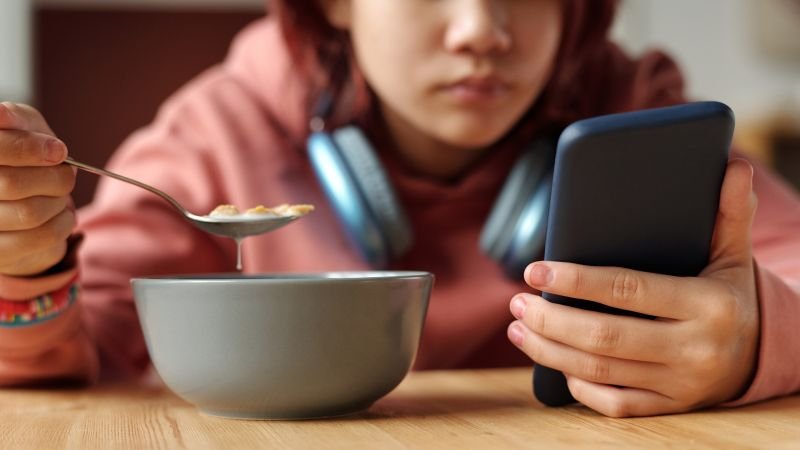
Once the school pick-up routine begins in the afternoon, it can feel like mental arithmetic getting everyone to the right place at the right time: One child has math tutoring from 2 to 4 p.m., and then it’s straight to soccer practice from 4:30 to 7. The other has dance class from 5 to 8 p.m., and then the whole family isn’t home until after 9 p.m. And then somewhere in there, you were supposed to eat Taco Tuesday leftovers together as a family.
When families consistently share meals, experts say, they enjoy an abundance of benefits — such as improved emotional satisfaction and healthier diets — but finding the time to sit down together every night can sound like a tall order.
Even for those families that manage to make a shared meals a reality, the pervasive use of media like smartphones and TVs during mealtimes is yet another factor that hampers connection.
According to a new study that surveyed over 350 parents, more than 75% reported media use during their last family meal, with the most common type being smartphone use. Additionally, the parents reported that their children — whose ages ranged from 4 to 10 — were almost as likely to have used media, with nearly 70% of children also engaging in some form of media use. The findings were published Monday in the journal JAMA Pediatrics.
Media use is finding its way into our lives more than we may realize, said Cecilia Sada Garibay, a co-author on the study and a Ph.D. candidate at the University of Arizona. Sada Garibay hopes that with this in mind, parents will be more aware of how their devices may be affecting their most personal relationships: the ones they have with their children.
“If you have your device and you’re constantly checking it at the table, it can affect a valuable moment parents have with their children in the day, and it can have some effect on the relationship they have with their children,” said Sada Garibay, who is also a professor at the School of Communication in the Universidad Panamericana studying social media effects.
Researchers have established that when families consistently sit down together to eat, the whole family reaps experiences numerous benefits, including healthier eating, lower risk of substance use among teenagers and greater emotional satisfaction.
But according to Sada Garibay and other experts, the mealtime on its own is not the magic ingredient to these benefits.
What makes family dinner so beneficial?
Some benefits associated with family dinners are related to the food on the table, such as lower rates of obesity. But when it comes to the emotional benefits, “it’s actually not what’s at the meal at all that matters,” said Dr. Margie Skeer, a public health and community medicine professor in the Tufts University School of Medicine who researches how family meals can protect adolescents from a slew of dangers.
“It’s that family meals can provide a built-in space for checking in, sharing feelings, emotions. It’s consistent family connection,” said Skeer, who was not involved with the new research. Plus, when parents make the time to connect with their children at distraction-free family dinners, the kids realize that “they’re actually being prioritized, because we do live in a very busy world.”
Sada Garibay recognizes that time can be in short supply for parents: “I know; I have four children.” But in her view, this means it is more important than ever to find the time for family dinners.
Dr. Anne Fishel, an associate professor of psychology at Harvard Medical School and director of Massachusetts General Hospital’s Family and Couples Therapy Program, founded the Family Dinner Project in 2010 to educate parents on how they can gain the benefits of family dinners amid busy schedules.
According to Fishel, who was also not involved with the new research, mealtimes are the “most reliable” opportunity many families have for daily connection.
“Also shared mealtimes are a ritual that creates an anchor, predictability, and a sense of identity,” she said in an email. “Rituals are as comforting and welcome to adults as they are to children.”
Different types of media use, different outcomes
The new study examined the rates of individual and paired media use for parents and children, as well as the types of media use that the subjects were engaging in.
“No forms of media consumption are the same,” Sada Garibay said. Large-screen media use is more likely to include parents and children watching the same thing together, which can offer chances for connection in ways that individual phone or tablet use does not, she said.
For example, watching “Jeopardy!” together during dinner could provide ample opportunities for families to bond, Sada Garibay said. But what she saw in the study did not suggest widespread family movie nights but rather widespread individual smartphone use.
“What is changing is this fact that this shared experience, shared media use, is being substituted by individual media use,” Sada Garibay said. “Now each member in the table, they can be together, but each one is doing something absolutely different to the others.”
When family dinners are interrupted by smartphone dings or kids glued to their tablets, Sada Garibay and other experts noted, some of the benefits of the family dinner can be diminished.
Not one-size-fits-all: How to adapt family mealtimes
The 2025 World Happiness Report found that from 2003 to 2023, the rates of dining alone in the United States have continued to grow across age groups, with about 25% of adults in 2023 eating all of their daily meals alone.
During the Covid-19 pandemic, when many families were spending more time at home together, Fishel saw a resurgence in the prevalence of family dinners.
Census data from 2022 shows that nearly 85% of parents were frequently sharing meals with their children, and Skeer says she still sees many families prioritizing the practice.
But with young people scheduled in demanding extracurricular activities, parents working multiple jobs and the constant presence of distracting devices like smartphones, it is important to remember that the practice does not have to be “all or nothing,” Skeer said.
A ‘family meal’ can be as simple as a shared snack
Even just standing at the kitchen counter together, sharing a bag of chips and asking your child one on one how they’re doing, can be a chance to connect.
“If you’re a parent or guardian or caregiver, anyone who’s raising a child, and you had five minutes every day where you literally were sitting or standing and looking at each other and talking to each other and having a daily check-in, that would give a lot of benefit, too,” Skeer said.
Try one undistracted meal a week
Finding the time for just one dedicated family meal a week — putting away the phone for 20 to 30 minutes during breakfast, lunch or dinner — could be worth it when the nightly affair is simply not going to happen.
“The frequency of shared mealtime seems to confer the nutritional benefits, but the quality of the time around the table is what fosters the emotional and psychological benefits,” Fishel said in an email. “So, even one delightful, positively anticipated family meal a week can bring well-being, a shared sense of belonging, and connection.”
Take advantage of technology to facilitate connection
With media use seemingly inescapable in the home, some families might find that a mindset of “if you can’t beat them, join them” could work best. For example, family movie nights during dinner can offer easy, conflict-free bonding time for families, Skeer said.
“Anytime you can build in those moments to connect, it’s going to be better in the long run,” Skeer said.
HealthNews
This Is How Often To Move Your Body if You Want To Live Longer


In medicine, longevity isn’t just about staying alive for as long as possible. The goal is to maximize the number of years we live in good health and disease-free into older age — aka, our “healthspan.”
While society is obsessed with quick fixes like biohacking and peptides, increasing our healthspan often boils down to lifestyle choices. These include diet, sleep and physical activity.
You don’t need to spend hours in the gym every week to reap the benefits of exercise — which include a lower risk of heart disease, improved mobility and weight management, among others.
Dr. Jordan Metzl, a sports medicine physician at the Hospital for Special Surgery, previously spoke to TODAY.com about longevity-boosting lifestyle habits to incorporate into your routine.
Here’s how many days a week you should move your body in order to increase your healthspan:
Longevity Tip of The Day: Move Your Body Every Day, 7 Days a Week, to Boost Longevity
Moving your body every day is an incredibly important habit to boost longevity, Metzl tells TODAY.com.
“It’s the number one thing. Activity, activity, activity … daily,” says Metzl, who authored “Push: Unlock the Science of Fitness Motivation to Embrace Health and Longevity.”
Movement can be anything that gets you to exert more effort or move your body around more than usual. Whether it’s walking, dancing, taking the stairs or cleaning your home.
“We have increasing evidence that even just two minutes a day of vigorous physical activity, independent of exercise, is valuable for extending longevity,” Metzl says.
Simply dialing up the intensity during everyday activities can have an impact. “As long as it gets you huffing and puffing,” Metzl adds. This is referred to as non-exercise activity thermogenesis, or NEAT.
Why It Matters
Humans are living increasingly sedentary lives, per the World Health Organization. From riding in cars to working at computers and staring at screens, we’re spending less time on our feet.
Sedentary behavior is associated with an increased risk of chronic diseases and even premature death.
Daily movement is an effective way to combat these negative effects and boost longevity, and it’s also easy to incorporate into your existing routine, Metzl notes. It’s approachable for people who’ve been sedentary for a long time, and doable for those who don’t have enough time or energy for a workout.
Anything that gets your muscles activated, increases your heart rate and gets you breathing faster counts, says Metzl.
Daily movement isn’t glamorous. However, it’s sustainable — and the small choices we make every day add up over time.
Compared to trendy longevity supplements or unapproved peptides, moving your body is extremely low-risk. “It’s free and it’s safe,” says Metzl.
How To Get Started
First, try to commit to moving daily by setting reminders and alarms, and keep a log of your movements to track your progress.
Try these quick bursts of activity to get started:
Walking for 5-10 minutes
10-minute exercise “snacks”
5-minute stretch routines
Full-body warmup
10 squats
Examples of NEAT activities include:
Taking the stairs instead of the elevator
Parking farther away than usual
Folding laundry standing up
Carrying a heavy package or groceries
Hand-washing your dishes
Standing up while taking phone calls
HealthNews
Here’s What You Should Know If You Use Your Hands To Clean Your Body In The Shower

LOADINGERROR LOADING
Washcloths or loofahs are commonplace items in bathrooms, hotels and even gyms. They can help you feel like you’re getting a deep clean and can easily spread soap suds all over your body.
But dermatologists told HuffPost that washcloths and loofahs aren’t actually that necessary, or even the best way to get clean.
Advertisement
“I think most dermatologists would favor washing with the hand over, say, washcloth versus say loofah, just as an across-the-board recommendation,” said Dr. Lauren Taglia, a dermatologist with Northwestern Medicine Regional Medical Group in Illinois.
Dr. Katie Lynam, an assistant professor of dermatology at the Medical University of South Carolina, agreed that she recommends cleaning yourself with your hands over other methods, but said there isn’t a totally right or totally wrong way to clean your body, either.
Why is that? Here’s what to know.
For most people, your hands are the best and safest way to clean your body in the shower.
Your hands tend to give the best pressure when it comes to washing your body with either a bar or liquid soap, according to Taglia.
Advertisement
More, “if the [hands have] been cleansed prior to washing the body, we know that it’s less likely to transfer, say, bacteria or other potential infection,” Taglia said.
For people with sensitive skin, washing your body with your hands can protect the skin barrier, Lynam noted. “Whereas using things like a washcloth or a loofah can disrupt the skin barrier by essentially over exfoliating and starting to disrupt this barrier called the stratum corneum that keeps pathogens and dirt and things out of the inside of our skin, and also holds good things like water in.”
Since loofahs are rarely washed, they can also harbor bacteria. “So that can be more of a concern for infection, and that’s especially the case in anybody that has a compromised skin barrier,” said Taglia, who identified herself as someone with eczema.
Advertisement
“We worry about infection risk with loofahs, and same thing for people who are more breakout- or acne-prone or prone to cysts or boils … if you’re not washing [the loofah] between each and every wash, then we recommend that you don’t use it,” Taglia added.
“For most of my patients that I treat for eczema, psoriasis, patients with sensitive skin, more mature skin, and then infants as well, I’m recommending just cleansing with the hands,” Lynam said.
Advertisement
A washcloth can be a good option, but not for everyday use.
“There are some circumstances where I do think that a washcloth can be helpful,” Lynam said. “Particularly if you’re dealing with really stuck-on dirt, grime.”
Washcloths provide a “mild exfoliation,” added Taglia, which can help get rid of dead skin cells that can build up. Dead skin cells can appear as roughness or small bumps. If you notice your skin feels rough or bumpy, a washcloth could provide the exfoliation you need.
To protect your skin barrier, you don’t want to use a washcloth every time you shower, though.
You can also use products such as glycolic, lactic or salicylic acid to exfoliate, according to Lynam. These are chemical exfoliants and should only be used once or twice a week.
Advertisement
But you might want to avoid those fancy body scrubs. “I usually don’t recommend using physical exfoliants, like a scrub, things with beads or a grit in them. Those disrupt the skin barrier,” Lynam noted.
And “if you are going to use a washcloth, I do recommend that it be washed at least once a week. Some experts even recommend daily washing,” Lynam said.
Taglia is one of the experts who recommends that folks wash their washcloths after each use. If you don’t wash it every time, you need to make sure you store it properly.
Advertisement
“It needs to be hung to dry, not just balled up in the corner of the shower. Otherwise, it can grow bacteria and actually put you at more risk for developing an infection than washing with your hands would,” Lynam added.
In the end, you don’t need to turn to washcloths or loofahs to get a good clean, even if washing your body with your hands feels like a shortcut or something you only do when you’re in a vacation rental. Just as washing your hands with soap and water can get them totally clean, washing your body with your hands can do the same.
“You can usually get an adequate clean from our day-to-day with your hands,” Lynam said.
HealthNews
Commonly Missed Signs Of Bowel Cancer

LOADINGERROR LOADING
Kirsten Jackson, known as “The IBS Dietitian,” has seen a common trend: People not paying enough attention to their gastrointestinal concerns — and the scary ramifications that can have.
“On numerous occasions, people have self-diagnosed as IBS and skipped over seeing their [doctor] for routine testing, which means they could have missed a [cancer] diagnosis,” she said. “The other thing I am routinely hearing is that people suffer with symptoms for months before seeking help, which is the difference between getting life-saving treatment and a terminal diagnosis if they were to have a cancer diagnosis.”
Advertisement
Mistaking bowel or colorectal cancer for IBS is especially easy since a person can have both conditions. Jackson recalled working with a client who thought their symptoms were just “down to their usual IBS they had had for years.” The patient was later diagnosed with colorectal cancer.
Dr. Andrew Dam, a gastroenterologist at Pomona Valley Hospital Medical Center, has seen similar situations in which patients (and even medical providers) attribute new gastrointestinal symptoms to stress. Attributing serious symptoms to benign conditions is “one of the most concerning patterns” he sees in his practice.
Dr. Dianne Pearre has witnessed this, too, especially in young and otherwise healthy patients. “Almost all of them wished they had sought medical attention sooner,” said the board-certified gynecologic oncologist at The Roy and Patricia Disney Family Cancer Center at Providence Saint Joseph Medical Center in Burbank, California.
Advertisement
Statistics back these concerns up further: One in three adults can’t name a single symptom of bowel cancer, even though almost 1.5 million people in the U.S. live with it.
To help other people avoid this, and to encourage them to get treatment before the cancer worsens, medical providers share commonly missed signs of bowel cancer, what they’re often mistaken as and when to see a doctor.
Unexplained Weight Loss
While diet culture praises weight loss regardless of the cause, it’s not inherently “good” or benign. “People presume they are stressed or not eating enough,” Jackson said. “They overlook it until it becomes quite drastic.”
Advertisement
In fact, unexplained weight loss can be a sign of cancer. Jackson explained that when a person has cancer, their metabolism increases significantly, which can explain the otherwise unexplained weight loss.
Dam mentioned this sign, too, saying it’s often mistaken for stress, diet or aging. He added it’s often the first or an earlier symptom.
“Patients, and sometimes clinicians, may not connect mild weight loss with GI disease, especially if appetite seems normal,” he said. “This is significant because cancer can cause systemic metabolic changes leading to weight loss, even before severe GI symptoms appear.”
Advertisement
He encouraged seeking medical evaluation if you lose more than five to 10 pounds without trying, or if the weight loss is accompanied by fatigue, anemia or bowel changes.
Black Or Dark Stools
Darker poops aren’t necessarily “just from something you ate.”
“Black stools can be a sign of blood from higher up in the gut,” Jackson said.
The stool may not even look totally black. According to Pearre, “dark stools” are a common sign of colorectal cancer that are often missed or misattributed.
Advertisement
Rectal Bleeding
This symptom can be mistaken for hemorrhoids, especially if the blood is bright red and the patient is younger. While hemorrhoids are common, Dam said, rectal bleeding is also a “classic symptom” of colorectal cancer and “always warrants evaluation,” especially if it’s persistent.
“Patients should see a doctor if the bleeding lasts more than one to two weeks, the blood is mixed within the stool (not just on toilet paper) or if the bleeding is associated with fatigue or anemia,” he said.
To keep it simple, consider rectal bleeding a concern, period.
“If you do experience rectal bleeding, regardless of whether it is bright red or dark, slow or brisk, let your doctor know,” Pearre said. “A quick exam and trial of medical management can determine whether it actually is from hemorrhoids or whether further investigation, such as a colonoscopy, is needed. Even if it isn’t due to cancer treatment, [knowing] the cause of bleeding is necessary.”
Advertisement
Gastrointestinal Changes
Constipation and diarrhea are two scarily common symptoms that can also indicate a person has bowel cancer, especially if the symptoms are new.
“IBS is very common, and symptoms like constipation, diarrhea or alternating patterns overlap heavily with early colorectal cancer,” Dam said. “In colorectal cancer, a tumor can physically alter how stool passes through the colon, leading to new or progressively worsening bowel habit changes.”
You may also experience these “gastrointestinal changes” as unexplained, persistent bloating or pain, Pearre added.
Advertisement
If you experience bowel habit changes after age 45, if the change persists longer than four to six weeks or if you notice a narrowing of stools or incomplete evacuation, Dam urged you to seek medical evaluation.
Pearre agreed. “Appropriate management and timely follow-up for unexplained constipation, diarrhea or bloating can also get you to a colonoscopy and catch cancer promptly,” she said.
Overnight Symptoms
Did your gastrointestinal issues come on suddenly? That’s another commonly missed sign. In other words, bowel cancer isn’t just about symptoms, but the timing of them, too.
Advertisement
“This indicates there is some inflammatory disease process going on because IBS is typically driven by the gut-brain axis, and those symptoms do not appear overnight,” Jackson explained.
To be clear, it doesn’t automatically indicate cancer. “Sometimes, overnight symptoms can also indicate other conditions, like bile acid diarrhea or IBD,” she clarified. It’s still worth getting checked out, though.
Remember: No one wants to think they (or a loved one) would ever get cancer. Denial and even self-gaslighting are normal, but don’t let them negatively affect your health.
Advertisement
HealthNews
Higher vitamin C levels linked to healthier brain structure, study finds

NEWYou can now listen to Fox News articles!
Higher levels of vitamin C were linked to healthier brain structure in older adults, suggesting a potential role for nutrition in brain aging.
That’s according to new research from Japan, published in the journal PLOS ONE.
The observational study included 2,044 participants living in Hirosaki City, Japan, who were originally included in a study exploring dementia and heart disease risk. The average age was 69, and 61% of them were female.
SKIP THE MULTIVITAMIN: 5 NUTRIENT-RICH FOODS RECOMMENDED BY DOCTORS INSTEAD
The researchers measured the participants’ vitamin C levels using blood samples and performed MRI scans to calculate the volume of gray matter and white matter in their brains.
Even after accounting for external factors like age, smoking habits, diabetes and other lifestyle behaviors, they found that those with lower vitamin C levels appeared to have lower brain tissue volumes and weaker structural network patterns.
“Our study demonstrates that older adults with higher blood levels of vitamin C tend to have better-preserved brain structure (gray matter) and stronger connections within the default mode network (DMN), a crucial brain network involved in memory and cognitive function,” Tomohiro Shintaku, MD, PhD, assistant professor in the Department of Radiology Graduate School of Medicine at Hirosaki University, told Fox News Digital.
BRAIN AGING MAY SLOW WITH GREEN TEA, WALNUTS AND TINY SWAMP PLANT, STUDY FINDS
“While diets rich in vitamin C are known to lower the risk of cognitive decline, our study is the very first to demonstrate a direct association between actual blood plasma vitamin C levels and the structural connectivity of the DMN,” he added.
This network is often affected by conditions such as Alzheimer’s disease and depression, according to the researchers.
The vitamin C measurement was more accurate than studies that relied on dietary estimates, the researchers noted.
“What I found most fascinating is that we could detect such clear associations between a single nutritional factor (vitamin C) and large-scale brain networks in a robust cohort of over 2,000 older adults,” Shintaku said. “It highlights how significantly our everyday dietary habits might impact brain structure.”
BRAIN HEALTH WARNING SIGN COULD BE HIDING IN PLAIN SIGHT, SAY RESEARCHERS
The study underscores the importance of obtaining vitamin C from the daily diet, as humans cannot synthesize it on their own, the researchers noted.
CLICK HERE FOR MORE HEALTH STORIES
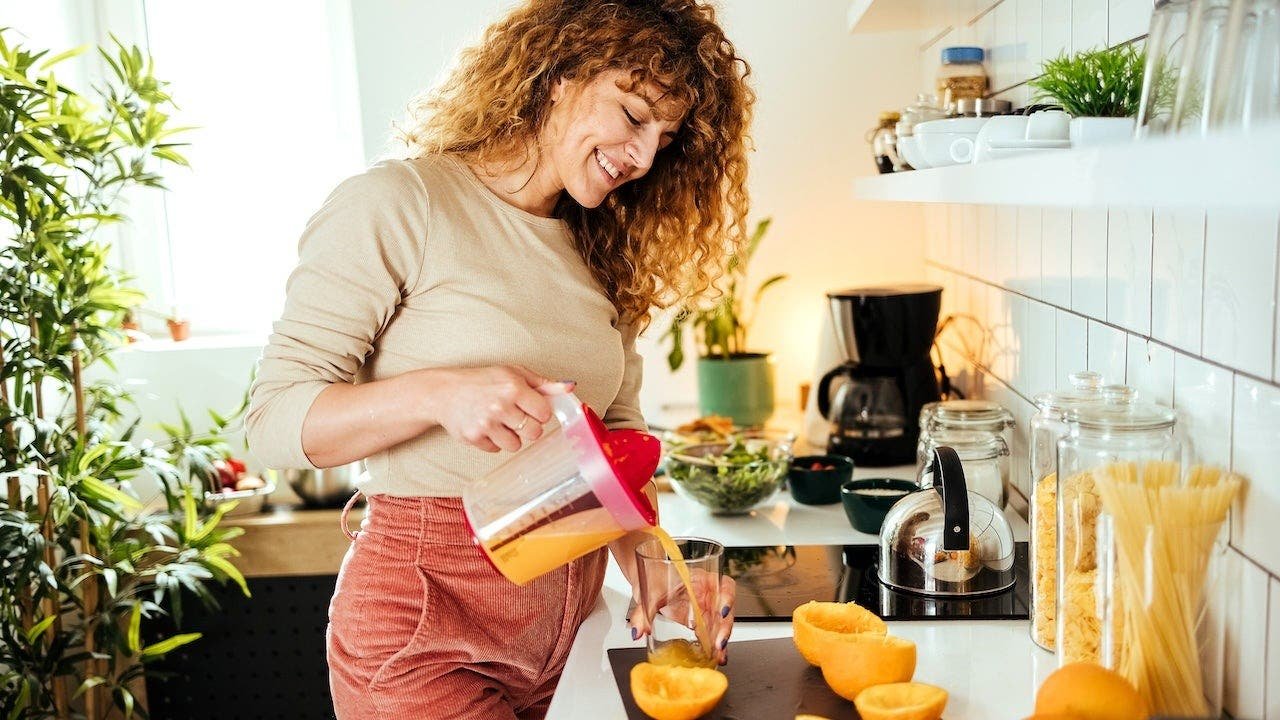
“Our findings suggest that maintaining optimal vitamin C levels through a healthy diet — rich in citrus fruits, berries, tomatoes and green leafy vegetables — could be a simple yet powerful way to support brain health as we age,” Shintaku said.
The study did have some limitations, the researchers noted.
“Because our study is observational and cross-sectional, we can only show an association, not a cause-and-effect relationship,” Shintaku told Fox News Digital. “Other limitations include relying on a single blood measurement per participant.”
CLICK HERE TO SIGN UP FOR OUR HEALTH NEWSLETTER
Other external factors, such as dietary intake, body mass index and socioeconomic variables, could have played a role in the outcomes.
Also, the link was relatively modest compared to established risk factors like high blood pressure and blood sugar, the researchers noted.
CLICK HERE TO DOWNLOAD THE FOX NEWS APP
Findings from other, larger studies, including UK Biobank research with more than 9,000 people, suggest that vitamin C is just one of several factors that may influence brain health.
Because the participants were almost all older Japanese adults, the findings may not be generalized to other populations.
“It is best viewed as a signal that vitamin C status may be one piece of a much larger brain-health picture.”
“This study found an association between higher plasma vitamin C levels and MRI markers of brain health, including gray matter volume and connectivity in the default mode network, which is involved in several cognitive functions,” Dung Trinh, MD, an internal medicine physician and founder of the Healthy Brain Clinic, commented to Medical News Today.
TEST YOURSELF WITH OUR LATEST LIFESTYLE QUIZ
HealthNews
Think higher SPF means better? Experts say not always


It’s sunscreen season! The warmer months are here, and as I start spending more time outdoors, I find this time of year is a good reminder that protecting my skin from the sun shouldn’t be just a summertime activity. Now that I’ve entered my 40s, I’ve started paying attention to what I should be doing more and less of when it comes to skincare.
And the number one, most recommended “must” is sunscreen. It’s not just a necessity for the beach or the pool. In reality, dermatologists say everyday sun exposure adds up over time and can significantly impact skin health and appearance as we age. “The effects of ultraviolet radiation are cumulative, meaning much of the sun damage we see later in life is the result of exposure that occurred gradually over decades,” says board-certified dermatologist Dr. Shannon Humphrey.
I have always spent a lot of time outside, and still do. While my younger self wasn’t always the best at religiously applying sunscreen, it’s not too late. As you age, protecting your skin isn’t just about preventing sunburn; it’s about reducing cumulative sun damage that can contribute to wrinkles, dark spots and skin cancer.
And the experts we spoke with agree that sunscreen doesn’t have to be complicated. Consistent sunscreen use is one of the best things you can do for your skin, but you want to make sure you’re doing it right.
Sunscreen mistakes to avoid
Higher SPF doesn’t necessarily mean better. “One of the biggest misconceptions is that sunscreen needs to have the highest SPF number available in order to be effective,” says Humphrey. “In reality, the best sunscreen is one you will use consistently.” You’ll want to look for a broad-spectrum sunscreen that protects against both UVA and UBV rays, and make sure it is a texture and consistency that you’ll actually enjoy wearing every day.
One of the most common sunscreen mistakes is not using enough. “The SPF listed on the bottle is based on a specific amount being applied, and most people use only a fraction of that amount,” Humphrey explains. To get the protection promised on the label, she recommends using approximately ¼ teaspoon for the face alone and about one ounce for your body.
An obvious but important mistake is forgetting to reapply. “One of the biggest misconceptions I see is that applying sunscreen once in the morning provides all-day protection,” says Claire O’Bryan, NP-C, co-founder of Skin Cliquie. “Even the best sunscreen loses effectiveness over time, especially with sweat, water exposure, and normal daily activities.” Most experts recommend reapplying every two hours when outdoors and more frequently after swimming or sweating. Plus, you’ll want to remember the high-risk areas that are often forgotten — ears, neck, chest, scalp and backs of the hands.
Lastly, a big mistake O’Bryan shared is using expired sunscreen. The bottle that’s been sitting in your beach bag from last summer may not offer the protection you expect. It can lose its effectiveness over time, so checking the expiration dates is key.
So sunscreen can be simple: choose a broad-spectrum SPF 30 or higher, apply enough, reapply when needed, and make it a part of your daily routine. Shop some of our expert-picked sunscreens below.




German Chancellor Merz gifts Trump soccer jersey at G7
President Donald Trump was presented a soccer jersey with the number 47 printed on the back by German Chancellor Friedrich...


What the tentative Iran deal means for the Middle East
Displaced families are beginning to return to southern Lebanon after the US and Iran signed a memorandum of understanding …


Trump says he may read Iran agreement on camera
President Donald Trump vowed to publicly release the text of the agreement with Iran "in a couple of days" and...


White House attack thwarted: Arrests made for drone plot at UFC fight
Federal officials have arrested multiple people who they claim discussed plots to attack the UFC fight night event at the...


Kamala Harris: ‘This is a war the American people did not want’
Former U.S. Vice President Kamala Harris talks with CNN's Elex Michaelson and Arnold Schwarzenegger at the Austrian World …


Ebola outbreak in DR of Congo could take year to end, Red Cross says | BBC News
The Red Cross said it could take a year to end the Ebola outbreak in the Democratic Republic of Congo....


Wildfires light up Southern California night
Evacuations are underway as the "Shore Fire" blazes through Riverside County in Southern California.


Trump says Netanyahu needs to be 'more responsible' with Lebanon
President Donald Trump criticized Israeli Prime Minister Benjamin Netanyahu during bilateral meetings at the G7 summit, saying …


Which social media platforms will be banned for under-16s in the UK? | BBC News
Millions of children in the UK will be forced off social media after the government announced it would ban under-16s...


Meet the World Cup tourists going viral
Tourists visiting the United States for the FIFA World Cup are gaining the attention of thousands online after posting their...
-

 Business3 days ago
How much of Musk’s wealth comes from government help? Virtually all of it
-

 LifestyleNews2 weeks ago
120 minutes of strength training per week may help extend lifespan
-

 Politics5 days ago
What to know about the stabbing that set off fiery riots in Northern Ireland
-

 Video4 days ago
Download fans say what they love about the festival. #DownloadFestival #BBCNews
-

 Video4 days ago
Why SpaceX IPO isn't about space. #SpaceX #ElonMusk #BBCNews
-

 HealthNews4 days ago
The people of Okinawa, Japan only eat until they are about 80 percent full, then stop — and the practice has been linked in multiple peer-reviewed studies to lower rates of cardiovascular disease, slo
-

 Food4 days ago
Pope Leo’s plane was grounded. Then the King of Spain stepped in to help
-

 TravelNews4 days ago
My Paternal Instinct Should’ve Warned Me About Netflix’s Maternal Instinct