
test
The Food Industry Loves Its Buzzwords, but Hates Paying Farmers
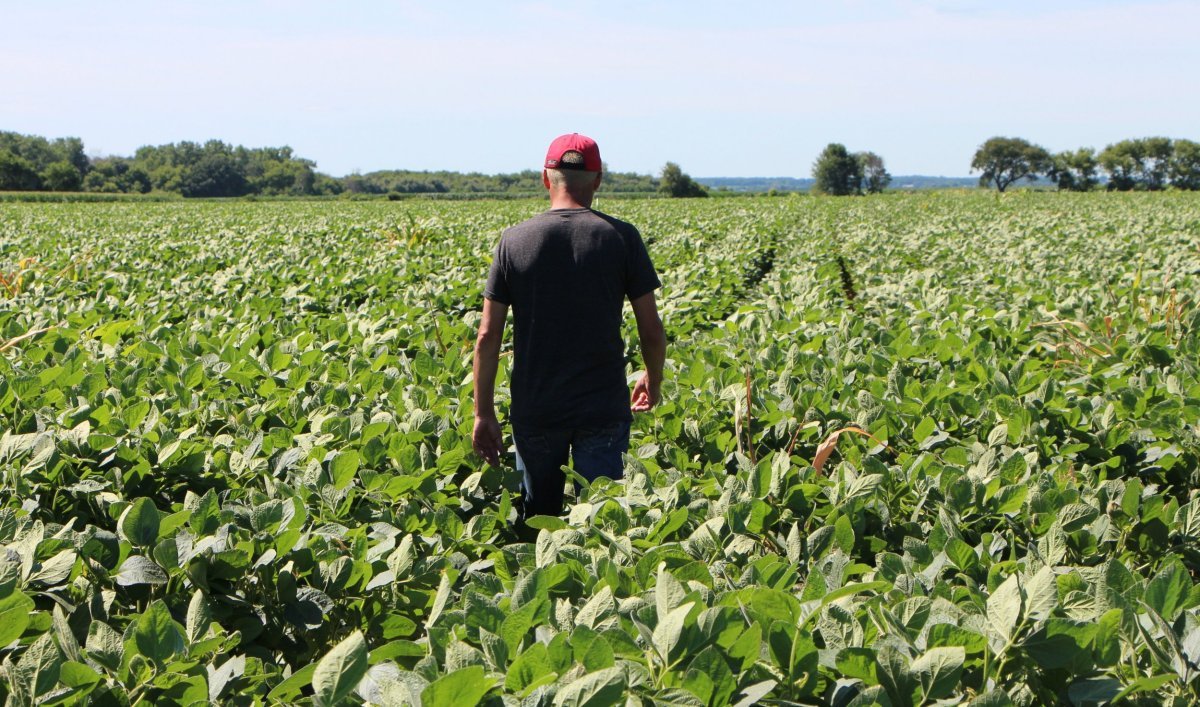
Prepare yourself.
As World Environment Day proaches, we’ll once again hear a cacophony of sustainability buzzwords from the food and beverage industry. Their coffee is regenerative. Their cocoa is responsibly sourced. Their packaging is circular and recyclable. Their supply chain is carbon neutral, protects the environment, and employs nature-based solutions. Green, eco-friendly, natural, resilient—the list goes on and on.
Buzzwords make great headlines, but they distract from a truth that food and beverage giants refuse to confront. Our climate is in crisis and our global food system is increasingly unpredictable. We are racing toward climate and agricultural catastrophe because the people who grow our food cannot afford to adt to a crisis they did not create.
Read More on Opinion
Sustainability trends and associated jargon come and go, but global agriculture remains on the knife-edge. Coffee regions are losing up to half their suitable growing area by 2050. Cocoa farmers, most of whom already live below the poverty line, are watching rising temperatures and erratic rainfall threaten their main source of income. The industry has known these statistics for years. Yet very few companies are willing to try the solution smallholder farmers have consistently proposed: fair pricing.
In most cases, financial stability is a prerequisite for environmental protection. Farmers focused on day-to-day survival must often take actions that produce results quickly and chely, often stripping nutrients from soil or damaging the broader ecosystem, rather than prioritizing the long-term health of their land.
Research backs this up. A 2020 review in Nature Sustainability analyzed nearly 18,000 pers on sustainable agriculture incentives. It found that financial incentives and income-support mechanisms were among the strongest drivers of the adoption of sustainable agricultural practices worldwide.
The bottom line is you cannot have healthy soil without healthy farms, and you cannot have healthy farms without investing in the people who run them.
It’s clear that demanding that farmers adopt whatever proach is trending this month is not enough to fix our global system. But if we start by addressing the root issues of power and pricing, farmers can become less risk-averse, more willing to invest in practices that require upfront costs or delayed payoffs, and be better able to access cital, equipment, training, and other critical farming inputs. Once established, sustainable practices can spur a reinforcing cycle of improved long-term profitability and environmental resilience.
Fairtrade’s model requires companies to pay at least the Fairtrade Minimum Price, which serves as a buffer for farmers when market prices dip to unsustainable lows. It also includes mandatory premiums, which are an extra sum on top of the selling price that farmer cooperatives democratically decide to use as they see fit.
Fairtrade Premium funds have paid for the disbursement of new plants following disease outbreaks and natural disasters, the construction of boreholes and irrigation systems, and investments in intercropping and shade trees. Farmers themselves have identified these things as essential for long‑term resilience. These aren’t top‑down mandates; they’re collaborative strategies that strengthen both ecosystems and incomes.
To support farmers’ transitions to better practices, local staff across Africa, Asia-Pacific, and Latin America and the Caribbean facilitate technical training and programs. For example, Fairtrade’s Ghana Agroforestry for Impact (GAIM) partnership with the French Development Agency funds agroforestry training for cocoa farmers in Ghana. More than 1,000 cocoa farmers have learned environmentally friendly ways to improve their land, yields, and livelihoods.
In Indonesia, another program supports about 100,000 cocoa, spice, coconut, and coffee farmers’ transition to sustainable practices, provides opportunities to win community sustainability grants and increases market access through producer-buyer networking.
In Fiji, farmers worked with the Sugar Research Institute of Fiji and the Fiji Sugar Corporation on a pilot of agricultural lime plication, trading fertilizer for a more soil-friendly option. Lime was plied to 20 plots and farmers reported higher germination rates, easier field preparation, healthier crop growth, and substantial yield increases. These professional development opportunities are made possible by farmers who voice their needs and national governments, corporate partners, and in-country implementing partners that recognize and trust their expertise.
It’s time for the food and beverage industry to back up the buzzwords with actions that create conditions where farmers—and their land—can thrive. Practically, that means paying farmers more so that they can cover the cost of their basic needs and can invest in their farms, adopt new practices, and diversify their crops. When farmers can better withstand market volatility and climate vulnerability, food and beverage supply chains will face less risk.
Fairtrade is not a silver bullet, but the farmers we work with have been clear about what they need for more than 30 years: stable prices, stronger bargaining power, and a seat at the table. They are not asking for charity. They are asking for fairness. With these fundamentals in place, they can adt with dignity, not desperation.
Changing the status quo requires a multi‑sector proach: governments that enact and enforce strong protections, companies that commit to fair pricing and long‑term contracts, consumers who choose products that uphold human dignity, and civil society organizations that hold all of us accountable.
On this World Environment Day, the food and beverage industry has a choice. It can continue investing in flashy trends that ignore the people who grow our food, with fleeting impact. Or it can confront the uncomfortable truth that real environmental resilience starts with shifting money and power toward farmers. If companies truly want to save the planet, they must start by paying the people who protect it.
Amanda Archila serves as Executive Director of Fairtrade America, where she leads the organization in increasing market access for Fairtrade farmers and workers by cultivating impact-driven relationships with businesses and expanding consumer demand for Fairtrade goods. Archila’s roots in the fair trade movement began as a young activist and through the launch of a domestic fair trade certification in India with cotton farmers. She has more than 15 years of experience working in a range of industries, from natural foods to ecommerce retail and consumer electronics.
test
Tourists crowd this Istanbul street food stall – but not just for the food

In the internet’s latest viral moment, an Istanbul street food vendor is pulling crowds from across the world, just to sn a selfie with him.
Alper Temel, a chestnut and corn seller, has been working at his family’s street food stall in Istanbul for seven years, alongside his two brothers. But, since 2024 when videos of Temel and his good looks went viral on social media, the stall in the historic waterfront district of Karaköy has attracted an influx of tourists and fans.
Now a famous tourist attraction, the stall is crowded not just with people looking for a quick bite to eat, but also fans wanting to meet, talk to and take pictures with Temel.
He has become so popular that tour guides in the area have added the stall to their intineraries while numerous influencers have made their own videos about him — adding to his growing fame.
Temel’s celebrity has also spotlighted the street food his family has been selling at the stall for over 15 years.
I’m very grateful to them for their support, Temel says. Like any young person, I try to help and support my family in the best way I can. This fame has helped speed that process up for me.
Since the 25-year-old created his own social media profiles in October 2025, he’s amassed over 960,000 followers on Instagram and over 695,000 followers on TikTok.
Many of the videos on Temel’s page show him serving chestnuts and corn to tourists, as well as interacting with them and taking photos. Occasional smoldering glances into the lens and some crafty camera work have helped attract more than 11 million likes.
Temel’s TikTok Lives show him taking selfies with the line of fans, blowing kisses to the camera and recording videos for them all while answering questions and saying hi to the more than 4,000 fans watching from their phones.
And, if the comments are anything to go by, people are eating it up.
Turkey here I come, one user writes. Some drop selfies they have taken with him, and others ask him if he is signed with a modeling agency.
He said he has been offered contracts with agencies, acting roles in movies and TV shows and marriage proposals. A Turkish digital news site, Fayn Studio, even named him their 2025 Man of the Year.
It’s very meaningful when people show us preciation and love. But at the same time, it comes with a lot of responsibility, he says. Because of that, I try to stay focused on my work.
Temel wants the newfound fame to showcase Turkey and invite them to experience it for themselves.
I would like people to come and experience this diversity, the beautiful landsce and the people, he says. For us, those who come from abroad are not tourists — they are guests, and we do our best to welcome them.
test
Texas Roadhouse family meals: A cheaper option than fast food?

Texas Roadhouse family meals are gaining attention online for what fans call generous portions, quality food and affordable prices.
While family meal options, availability and cost vary by location, most typically feature steak, chicken, burgers and ribs. The deals have become popular on social media, where users have highlighted the value and portion sizes in reviews posted to TikTok, Instagram and Facebook.
“Did you know Texas Roadhouse has a family meal that is almost cheer than going out to fast food?” a Facebook user posted on the group “Mommy needs a recipe.”
An Instagram post highlighted the cost (under $40) of the restaurant’s Family-Sized Chicken Critters meal, which comes with 24 all-white-meat chicken tenders, a family-sized salad, two 16-ounce sides, and fresh-baked bread, according to the Texas Roadhouse website.
It’s important to remember that family meals are not available at all Texas Roadhouse locations, and the cost varies by restaurant. You can check for availability by looking up your nearest location here.
Here are some options for Texas Roadhouse family meals.
Family Sized Chicken Critters
Twenty-four all-white-meat chicken tenders, served with a family-sized salad, two shareable 16-ounce sides, and fresh-baked bread. Serves three to four.
The cost averages about $45 but varies by location.
Family Sized BBQ Chicken
Four marinated breasts in BBQ sauce, served with a family-sized salad, two shareable 16-ounce sides, and fresh-baked bread. Serves three to four.
The cost averages about $40 but varies by location.
Family Sized Sirloins
Two eight-ounce sirloins, two six-ounce sirloins, cooked to medium temperature (hot pink center), served with a family-sized salad, two shareable 16-ounce sides and fresh-baked bread. Serves three to four.
The cost averages about $55 but varies by location.
Family Sized Ribs
Four half slabs with a blend of seasonings and BBQ sauce, served with a family-sized salad, two shareable 16-ounce sides and fresh-baked bread. Serves three to four.
The cost averages about $65 but varies by location.
Family Sized Pork Chops
Four seven-ounce boneless pork chops, served with a family-sized salad, two shareable 16-ounce sides and fresh-baked bread. Serves three to four.
The cost averages about $40 but varies by location.
Family Sized Cheeseburgers
Family Sized Pulled Pork
Tender, slow-cooked pork covered in BBQ sauce, served with a family-sized salad, two shareable 16-ounce sides and fresh-baked bread. Serves three to four.
The cost averages about $40 but varies by location.
test
Istanbul ‘corn star’ becomes tourist attraction

Video by Leroy Ah-Ben and Edward Scott-Clarke, text by Avni Trivedi
(CNN) — In the internet’s latest viral moment, an Istanbul street food vendor is pulling crowds from across the world, just to sn a selfie with him.
Alper Temel, a chestnut and corn seller, has been working at his family’s street food stall in Istanbul for seven years, alongside his two brothers. But, since 2024 when videos of Temel and his good looks went viral on social media, the stall in the historic waterfront district of Karaköy has attracted an influx of tourists and fans.
Now a famous tourist attraction, the stall is crowded not just with people looking for a quick bite to eat, but also fans wanting to meet, talk to and take pictures with Temel.
He has become so popular that tour guides in the area have added the stall to their intineraries while numerous influencers have made their own videos about him — adding to his growing fame.
Temel’s celebrity has also spotlighted the street food his family has been selling at the stall for over 15 years.
I’m very grateful to them for their support, Temel says. Like any young person, I try to help and support my family in the best way I can. This fame has helped speed that process up for me.
Since the 25-year-old created his own social media profiles in October 2025, he’s amassed over 960,000 followers on Instagram and over 695,000 followers on TikTok.
Many of the videos on Temel’s page show him serving chestnuts and corn to tourists, as well as interacting with them and taking photos. Occasional smoldering glances into the lens and some crafty camera work have helped attract more than 11 million likes.
Temel’s TikTok Lives show him taking selfies with the line of fans, blowing kisses to the camera and recording videos for them all while answering questions and saying hi to the more than 4,000 fans watching from their phones.
And, if the comments are anything to go by, people are eating it up.
Turkey here I come, one user writes. Some drop selfies they have taken with him, and others ask him if he is signed with a modeling agency.
He said he has been offered contracts with agencies, acting roles in movies and TV shows and marriage proposals. A Turkish digital news site, Fayn Studio, even named him their 2025 Man of the Year.
It’s very meaningful when people show us preciation and love. But at the same time, it comes with a lot of responsibility, he says. Because of that, I try to stay focused on my work.
Temel wants the newfound fame to showcase Turkey and invite them to experience it for themselves.
I would like people to come and experience this diversity, the beautiful landsce and the people, he says. For us, those who come from abroad are not tourists — they are guests, and we do our best to welcome them.
test
Buffalo food farmers combat Buffalo’s third
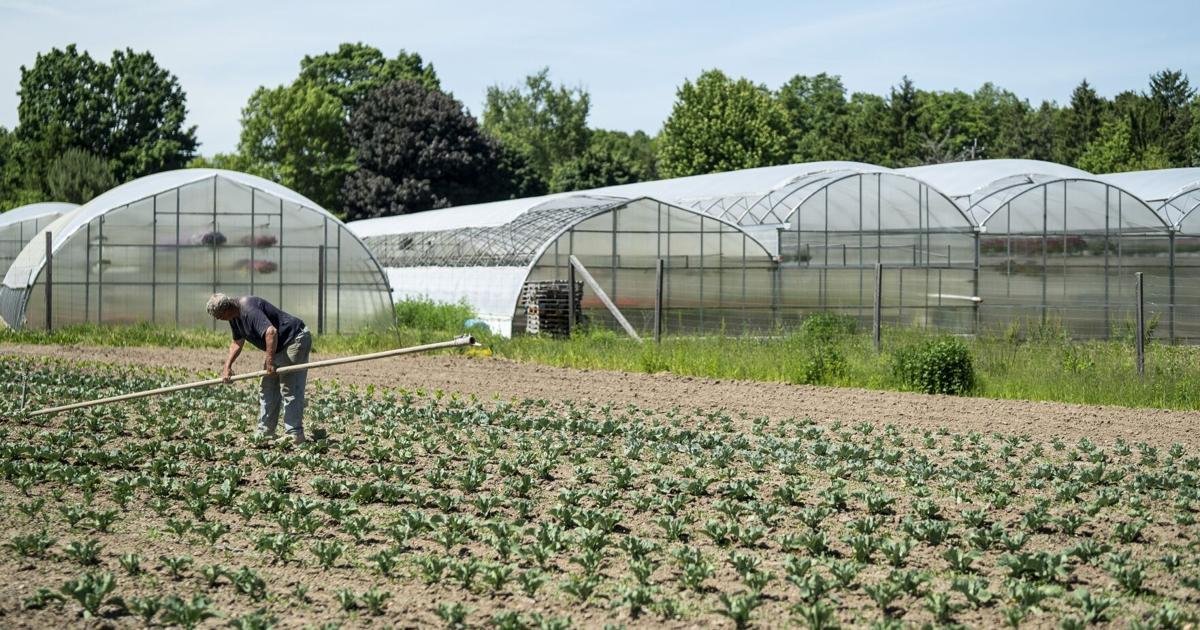
New York’s growing mle syrup industry is facing challenges from a warming climate.
Five Western New York organizations were awarded a total of nearly $1 million from the New York State Department of Environmental Conservation for fighting environmental injustice.
Local Weather
Get the daily forecast and severe weather alerts in your inbox!
* I understand and agree that registration on or use of this site constitutes agreement to its user agreement and privacy policy.
Mackenzie Shuman
Environment and climate reporter
Your notification has been saved.
There was a problem saving your notification.
Email notifications are only sent once a day, and only if there are new matching items.
Followed notifications
Please log in to use this feature
Log In
Don’t have an account? Sign Up Today
test
Top Picks For Members: May

May was a month of institutions under pressure—and of people trying to decide what still deserves their faith.
A fast-food icon fought to prove it still has a future. Women who exposed China’s repression found themselves targeted with a new and deeply personal form of digital abuse. Adults who chose not to have children looked back from midlife with a message for those who assume regret is inevitable. Britain’s pageantry masked a country wrestling with decline. Ukraine found signs of momentum against Russia. And in Cuba, young people looked toward the Stars and Stripes in ways that reveal a profound generational break.
Here are six of my favorite articles from the month that made sense of it all for Newsweek members.
Read More on News
Wendy’s: The Burger Chain That Dared To Be Different Fights for Survival
Once one of America’s most distinctive burger chains, Wendy’s now finds itself in a fight for relevance. This story looks at a brand caught between worlds: not as dominant or affordable as McDonald’s, not as premium or culturally fresh as Shake Shack or Five Guys, and no longer riding the edge that once made it stand out. With Nelson Peltz weighing another take-private push, declining domestic sales and a depressed share price have turned a familiar fast-food name into a case study in how quickly cultural momentum can fade. The question running through the piece is not just whether Wendy’s can survive, but whether it can remember what made it different in the first place.
Read the story >
For Exposing China’s Repression, Women Are Targeted With Deepfake AI Porn
For women who challenge Beijing, intimidation no longer stops at surveillance, censorship or harassment. This story explores how female activists who expose China’s repression are being targeted with deepfake AI pornogrhy—an attempt to humiliate them, silence them and make political dissent feel personally unbearable. But the article also shows how some women are pushing back by refusing to hide what has been done to them. By publicizing the abuse, they are trying to take away its power. It is a chilling look at how authoritarian pressure can merge with misogyny and emerging technology—and how courage can mean confronting not only the state, but the shame others try to impose.
Read the story >
They Chose Not To Have Children—Now in 50s They Have a Message
For years, people who chose not to have children were told that time would change their minds. This piece revisits that assumption through adults now in their 50s who made the decision deliberately and are living with its consequences—not as a cautionary tale, but as a more complicated portrait of fulfillment, freedom, partnership and self-knowledge. The story does not flatten child-free life into slogan or lifestyle branding. Instead, it asks what hpens when people reach the stage of life when regret is supposed to arrive and find something else there instead. Their message is a reminder that adulthood has more than one script, and that a meaningful life does not have to look the same for everyone.
Read the story >
Fool Britannia: Behind the Crown, the UK Is a Country Struggling To Keep Up
Britain still knows how to stage the symbols of power: the crown, the ceremony, the history, the global brand. But behind the pageantry, this cover story examines a country increasingly defined by low growth, creaking infrastructure and shrinking influence. It ctures a national mood that now cuts across party lines, with leaders on the left, right and populist right all finding political use in the language of decline. The piece is not a simple obituary for Britain, which remains a wealthy and influential country. But it does ask why so many people who live there feel that things no longer work as they should—and whether the old machinery of British confidence can still keep up with the present.
Read the story >
Ukraine Has Gained the Upper Hand Over Russia
This analysis looks at a striking shift in the war: Ukraine, battered but not broken, showing signs of renewed momentum against Russia. Its forces have stepped up operations along the front while expanding deep- and mid-range strikes designed to pressure Russia’s economy and disrupt logistics behind the lines. The article does not mistake momentum for victory. Instead, it focuses on why the next several months could prove critical, as Ukraine tries to turn tactical successes into strategic leverage and Moscow faces questions about exhaustion, manpower and the limits of its offensive cacity. In a war often described through stalemate and attrition, this piece asks whether the balance is beginning to move.
Read the story >
In Cuba, Young People Are Wearing the Stars and Stripes
In Cuba, the American flag carries a history too heavy to be merely decorative. Yet this reporting from the island finds young Cubans wearing the Stars and Stripes at a moment of deep crisis, disillusionment and generational change. For some, the symbol reflects frustration with a system that has failed to provide basics such as reliable power, working infrastructure and economic opportunity. For others, it sits uneasily alongside the long shadow of the U.S. embargo and Washington’s pressure campaign. The story’s power lies in that tension. It shows a country squeezed by outside force and internal failure, and a younger generation increasingly unwilling to inherit the old certainties.


When Adult Children Cut Off Their Moms, Here's Why Therapists Say It Happens
This video explores the complex reasons why some adults choose to distance themselves from their mothers on "mothers day".


Tourists crowd this Istanbul street food stall – but not just for the food
In the internet’s latest viral moment, an Istanbul street food vendor is pulling crowds from across the world, just to...


Istanbul ‘corn star’ becomes tourist attraction
Video by Leroy Ah-Ben and Edward Scott-Clarke, text by Avni Trivedi (CNN) — In the internet’s latest viral moment, an...


Texas Roadhouse family meals: A cheaper option than fast food?
Texas Roadhouse family meals are gaining attention online for what fans call generous portions, quality food and affordable prices. While...

Buffalo food farmers combat Buffalo’s third
New York’s growing mle syrup industry is facing challenges from a warming climate. Five Western New York organizations were awarded...


Top Picks For Members: May
May was a month of institutions under pressure—and of people trying to decide what still deserves their faith. A fast-food...
Paras Healthcare files preliminary documents with Sebi in order to raise Rs 1,800 Crore through an Initial Public Offering (IPO)
New Delhi, Paras Healthcare Ltd. which operates hospitals under “Paras Health” brand has filed preliminary perwork with cital market regulator...


FIFA cancels World Cup tickets for about 60 fans who got them for free
Mispriced tickets were sold through the official World Cup site ahead of next week’s showpiece event for FIFA. Published On...


Pouring New Meaning into Indigenous Luxury
In the misty uplands of Southwest China, Anantara Guiyang Resort’s wine insider Jason is engaged in a delicate tightrope act....


A-level maths exam 'monitored' after students 'in tears'. #ALevels #Maths #BBCNews
-

 Video2 weeks ago
Nadal tells Amanpour about extreme solution to 19-year injury
-

 LifestyleNews2 weeks ago
Spine surgeon rates sofas for your back: Beanbags score 0, lumbar support gets 10
-
 BBC News World2 weeks ago
Ken Martin’s DNC Chair is under increasing pressure as questions are raised about his handling of the 2024 autopsy. Subscribe to this story to enjoy it without ads
-

 Tech2 weeks ago
Today's NYT Connections Hints, Answers and Help for May 25, #1079
-

 Video2 weeks ago
What we don't know about Colbert's last 'Late Show'
-

 UsaLocalNews2 weeks ago
DOJ says it scrubbed news releases about Jan. 6 criminal cases from its website
-

 Tech2 weeks ago
Sennheisers Momentum 5 headphones are all about the audio and ANC upgrades – Engadget
-

 Video2 weeks ago
911 call reveals more about Kyle Busch’s condition before his sudden death