
Food
CDC identifies drug-resistant superbugs threatening Americans
Germs that can’t be treated with even the strongest antibiotics cause more than 50,000 deaths in the United States per year, according to a new report from the Centers for Disease Control and Prevention.
The agency’s Antimicrobial Resistance Threats Report, which tracks pathogens that are becoming a growing threat to Americans, was released Oct. 27 for the first time in seven years. It lists drug-resistant bacteria and medication-resistant fungi, including four categorized as “urgent,” 13 as “serious threats” and two as “concerning threats.”
The 19 bacterial and fungal threats included in the report caused an estimated 9.7 million infections and 50,800 deaths annually in the United States, it found, and drug-resistant infections caught in healthcare settings accounted for over 42,000 deaths and created more than $12 billion in costs.
These numbers represent a significant uptick from the last such report in 2019, which confirmed 2.8 million infections. The CDC noted, however, that its methodologies and data sources have changed, so these reports may not be a one-to-one comparison.
“These numbers are alarming by any measure but are particularly sobering when infectious diseases physicians connect real patients with these statistics in their everyday experience,” Wendy S. Armstrong, president of the Infectious Diseases Society of America, said in a statement. “Drug-resistant infections prolong hospital stays, drive up health care costs and make it increasingly difficult — and sometimes impossible — for doctors to safely provide care like cancer chemotherapy, organ transplants, hip and knee replacements, and other medical care and surgeries.”
The overuse or misuse of antibiotics was noted as a major driver behind the rise of drug-resistant germs, also known as “superbugs.” Sometimes, medications we use to treat certain illnesses stop working when germs change. Microorganisms like bacteria can mutate to become less sensitive, or even immune, to certain treatments, either naturally or in response to improper medication use.
“Antimicrobial resistance threatens modern medicine and puts millions of Americans at risk every year,” CDC Director Dr. Erica Schwartz said in a statement.
The most urgent threats, per the CDC
These four germs were categorized as “urgent” by the CDC, meaning they are the biggest threats to Americans’ health.
Candida auris (C. auris):C. auris is a fungus that grows as a budding yeast and most commonly spreads in healthcare settings, such as hospitals and long-term care facilities. It spreads through direct contact with an infected person or contaminated surface. It isn’t naturally occurring on your body like some other types of Candida.
The fungus can cause serious illness, ranging from mild skin infections to life-threatening sepsis, USA TODAY previously reported. Generally speaking, people with a healthy immune system can fight off a C. auris infection, but those with weakened immune systems are at risk.
C. auris infection cases have increased every year since 2019, with the largest annual jump occurring between 2022 and 2023, when cases rose 53.7%. As of Oct. 17, the United States has reported 6,762 confirmed cases, exceeding the 6,560 cases reported during all of last year. While the total number of detected infections has grown annually, the CDC said the rate of increase has declined since 2022-2023.
Carbapenem-resistant Enterobacterales (CRE): Earning itself the title of “Nightmare bacteria,” CRE is a class of bacteria that have become resistant to carbapenems, some of the most powerful, broad-spectrum antibiotics often used to treat infections caused by drug-resistant bacteria. “Enterobacterales” are a class of bacteria naturally present in human and animal digestive tracts, but can also cause infections, USA TODAY previously reported.
CRE is often associated with hospital stays and clinical settings and can be spread from contact with contaminated hands, wounds, or poop, as well as contaminated medical equipment and devices.
A 2025 CDC warning noted a sharp rise in these types of infections. An accompanying study found a 69% increase in carbapenem-resistant infections between 2019 and 2023 and attributed the increase to the NDM gene being present in large quantities of bacteria. This gene produces an enzyme that increases antibiotic resistance; the study discovered a 460% increase in NDM-CRE infections between 2019 and 2023.
Carbapenem-resistant Acinetobacter: Another class of bacteria like the CRE mentioned above. Also resistant to powerful carbapenems, the “Acinetobacter” in the name refers to a type of bacteria that is common in the environment and on surfaces, including human skin. According to the CDC, it can cause infection almost anywhere in the body, including the lungs, wounds, urinary tract, and blood.
Like the aforementioned CRE, it is most commonly found in healthcare settings, such as hospitals or nursing homes. It is transmitted through contact with contaminated surfaces and equipment, and people can carry and spread the bacteria without knowing it.
Drug-resistant Neisseria gonorrhoeae: Neisseria gonorrhoeae is the bacterium that causes the sexually transmitted infection gonorrhea. One of the most common STIs in the United States, gonorrhea can cause several more serious illnesses when untreated, including pelvic inflammatory disease, life-threatening ectopic pregnancy and infertility. Because it is treated with antibiotics, the high number of infections has led to widespread drug resistance.
543,409 cases of gonorrhea were confirmed in the United States in 2024, according to CDC data, which was actually a 9.6-point decrease compared to 2023. While numbers peaked in 2021 at 710,151, total infections dropped by 19.8 percentage points over the past five years.
Other ‘serious threats’
The “serious threats” category is larger than its predecessor, but contains a few notable points.
C. diff (Clostridioides difficile), one of the most feared infections in healthcare settings, was downgraded to a “serious threat” as opposed to an “urgent one” after years of public health efforts to curb its spread.
Drug-resistant forms of salmonella, shigella, strep, meningococcus and tuberculosis were also on the list of concerns. Unlike most germs on the “urgent” list, some of these appear outside healthcare settings. Meningococcus, for example, is usually transmitted from person to person via kissing, sharing drinks or other close contact in day-to-day settings; meanwhile, drug-resistant Shigella recently made the news for its sexually transmissible nature.
The report likewise included successful initiatives by the CDC and other health agencies to limit and reduce the spread and development of drug-resistant pathogens, such as the campaign to curb C. diff.
“This data shows both the progress we’ve made and the significant work that remains,” Schwartz said. “High-quality data help drive action and CDC is committed to providing easily accessible information to help protect people from drug-resistant infections.”
Practicing good hygiene is the best way to prevent contracting or spreading many of the infections on the list. Thoroughly washing your hands with soap and running water after using the bathroom, changing a diaper or caring for a sick person, before and after handling or eating food and before and after engaging in sex is the surest way to stay safe, says the CDC.
Food
Russian drone kills 14 at Ukraine train station, but local truce credited to Melania Trump brings some hope

Kherson, Ukraine — A jet-powered Russian drone hit two passenger trains stopped at a station in Dnipro in central Ukraine Thursday, killing at least 14 people and injuring 14 more, including a 40-year-old man whose legs were amputated, officials said.
A Russian cruise missile killed two 15-year-old girls in the northern city of Chernihiv, meanwhile, and three more civilians died when a Russian drone hit an apartment block in the central city of Kremenchuk, Ukrainian authorities said.
In all, 56 people were injured in the strikes, including 10 children, as Russia continued its deadly attacks on civilians even as a localized ceasefire credited by both sides to U.S. first lady Melania Trump held in the stricken city of Oleshky.
Humanitarian aid was poised to roll into Oleshky, a Ukrainian official said Thursday, as the limited ceasefire between Russia and Ukraine stretched into a third day and military units cleared away landmines.
Moscow and Kyiv have observed the truce in and around the devastated southern Ukrainian city since Tuesday, but the neighboring nations remain otherwise locked in the war that began with Russia’s full-scale invasion more than 4 ½ years ago. Previous efforts to secure ceasefires either never worked out or the truces quickly fell apart.
Russia’s Defense Ministry said air defenses downed 1,214 Ukrainian drones overnight in one of the largest drone attacks launched by Kyiv. Around half of the drones were heading to the Russian capital, Moscow Mayor Sergei Sobyanin said.
The planned six-day ceasefire around Russian-occupied Oleshky has brought a rare and welcome stillness for civilians in the nearby city of Kherson, which is held by Ukraine and has also been wracked by the war.
Both sides thanked Melania Trump for what the White House said was her role in helping broker the temporary ceasefire so food and medical supplies can be delivered to some 2,000 desperate people trapped in Oleshky. Pope Leo XIV also pressed for a truce.
“The parties are fully adhering to the agreements, and no violations of the ceasefire have been reported,” Ukrainian ombudsman Dmytro Lubinets said Thursday, adding that aid deliveries were due to begin the following day.
His Russian counterpart, Yana Lantratova, confirmed the truce was holding and that Russian engineers are working on demining Oleshky’s roads.
“Both sides are fully honoring their commitments, and no violations have been recorded,” she said. “This allows military personnel to continue clearing roads of mines and to prepare a safe passage for the humanitarian convoy.”
Local people will also be able to evacuate, either into Russia or Ukraine, per their wishes, officials say. The mechanics of how that might work remained unclear.
Lantratova said she and her team were on their way to Oleshky for the aid delivery, adding that the operation was five months in the making.
Russian and Ukrainian representatives met in the Belarus city of Homel on Thursday to fly together to the Kherson region, Belarus state media reported.
A volunteer from Oleshky, Ksenia Arkhipova, told The Associated Press roughly 1,000 residents had told her they want to leave the city.
She said it was important that the Ukrainian delegation was present in Oleshky because many residents fear Russian authorities would identify individuals with pro-Ukrainian views or ties to Ukraine’s military.
In the nearby city of Kherson, growing numbers of people were out on the streets as the truce held.
Nataliia Myronenko, 42, had a steady stream of customers at her coffee kiosk since early Thursday.
“Now, during the quiet, we have people at lunchtime and in the evening, which we didn’t have under the attacks,” she said. “For a while, people would race down this street because they were afraid to stop.”
The pause has brought a sense of relief, she said. “It’s a breath of freedom, when you don’t look at the sky. You keep looking at your feet because of the mines, but you’re not afraid of dying. It’s so great,” she said, adding: “It’s such a privilege and a joy, but we understand it will end soon.”
Moscow and Kyiv are keen to curry favor with Washington ahead of possible three-way talks next month.
American military support is vital for Ukraine, but President Trump has waived sanctions on Russia and publicly chided Zelenskyy, indicating he is disengaging with Kyiv.
Tankers carrying Russian diesel are sailing to the United States, and Russian Foreign Minister Sergey Lavrov is expected to attend a G20 ministerial meeting in Atlanta, Georgia, starting Friday, according to Russian Foreign Ministry spokesperson Maria Zakharova.
European leaders, on the other hand, have been trying to diplomatically isolate Russian President Vladimir Putin over Moscow’s invasion and what they call a campaign of sabotage across the continent.
Ukraine earlier this month reported sudden and unexpected limits on Starshield, the military-grade version of the Starlink satellite internet service owned by Elon Musk’s SpaceX that is the backbone of Ukraine’s drone operations and communications.
Putin said Russia has been in contact with the American tech titan to coordinate their orbiting activities because it is building its own equivalent of Starlink.
“Elon Musk is a genius. Truly, a real genius,” Putin said late Wednesday. “We and our American partners value this relationship, and despite all the political issues, we continue to work closely together.”
Food
DoorDash gobbles up Instacart in $17 billion deal

DoorDash said Thursday that it will buy Instacart for $17 billion, uniting one of the nation’s top grocery delivery services with a major food delivery company.
DoorDash, which will pay $65 per share for Instacart, said the acquisition will benefit communities by enabling more supermarkets to use Instacart’s platform to run their websites.
“Instacart has spent years learning to do that well for grocers, while DoorDash has built a delivery network and technology that local stores rely on every day,” Tony Xu, co-founder and CEO of DoorDash, said in a statement. “Together, we could give stores of every size more of those tools and unlock the potential of grocery delivery.”
Consumers will benefit by having more stores to choose from, speedier delivery options and access to savings when they shop locally, DoorDash also said in announcing the acquisition.
“Instacart customers could shop at more than 50,000 additional stores, on top of the nearly 100,000 stores on the Instacart platform today,” DoorDash said.
Instacart, founded in 2012, specializes in grocery and convenience store delivery in the U.S. and Canada.
DoorDash was founded a year later in San Francisco as a restaurant-delivery business and expanded into grocery delivery in 2020 amid a pandemic-induced surge in demand. The San Francisco-based company later teamed with the supermarket chain Kroger in 2022 and with Costco last month.
The deal will beef up DoorDash’s grocery delivery services, making it a more potent competitor to Amazon and Walmart.
DoorDash’s most recent earnings report, released on Wednesday, shows its revenue grew 34% from a year ago. Its total number of orders rose 28%, a sign the company is continuing to grow in the highly competitive delivery business. By the end of 2024, DoorDash held nearly 61% of the food delivery market share, topping Uber Eats and Grubhub, which held around 26% and 6%, respectively, according to Consumer Edge.
Survival of the biggest
The acquisition is the latest sign of consolidation in the delivery services industry, which is increasingly dominated by larger players. As competition intensifies, companies like Instacart have struggled to maintain their market share. Instacart now commands 18% of spending on U.S. delivery platforms, down from 26% five years ago, according to Consumer Edge, a market research company.
DoorDash’s acquisition of Instacart also comes as more people migrate from in-person stores toward apps to order their weekly groceries. Nearly 150 million Americans grocery shopped online as of 2025, according to Capital One.
As online shopping becomes more prevalent, some companies are experimenting with personalized pricing, which involves using AI and consumer data to charge shoppers different prices for the same item.
The advocacy group Groundwork Collaborative has slammed the practice as unfair and predatory. In a months-long investigation last year, the group found that identical grocery items on Instacart could differ in price by as much as 23% from one customer to the next.
Federal regulators are now scrutinizing such practices. The Federal Trade Commission on Thursday said it has opened a probe into DoorDash and Instacart, along with seven other companies across retail and transportation, to examine how they set prices.
DoorDash, which has a market value of $73 billion, said the companies will operate as separate entities until the merger is finalized, which is expected in late 2027 or early 2028. After the deal closes, DoorDash said it plans to maintain Instacart’s brand, technology and app.
Food
Russian drone attack on Ukrainian train station kills at least 14, officials say

At least 14 people have been killed after a Russian jet-powered drone hit a crowded platform at the main railway station in the central Ukrainian city of Dnipro, local officials have said.
Dnipropetrovsk regional head Oleksandr Hanzha said at least 14 others were wounded in the attack, including an 11-year-old boy.
Ukraine’s state railway operator, Ukrzaliznytsia, said a passenger train headed for the southern city of Zaporizhzhia was at one of the platforms in Dnipro when the drone hit.
In Dnipro, an elevated threat level was announced ahead of Thursday’s strike, according to the railway operator chief, Oleksandr Pertsovsky.
“But unfortunately there were still a large number of people on the platform” when the drone struck, he said.
Dnipro Mayor Borys Filatov said the incident was a tragedy, adding that a drone hit an electric civilian train.
Pictures from the Ukrainian rescue services show a large hole in a platform that is strewn with blurred-out bodies, near a blast-damaged train with smashed windows.
Ukrainian President Volodymyr Zelensky said “the Russians used a drone to attack a platform where a regular commuter train and a regular passenger train were standing.”
He called for further US, European and G7 sanctions on Russia and repeated his criticism of a controversial deal that was struck earlier this month between Donald Trump and Vladimir Putin, which eased some sanctions on Moscow, allowing the US to import Russian diesel.
Elsewhere in Ukraine, two girls aged 15 were killed in a Russian missile attack on the centre of Chernihiv city, in the north of the country, regional head Vyacheslav Chaus said. At least 25 others, including four children, were injured, he added.
A day of mourning has been declared for Chernihiv and Dnipro on Friday.
In the city of Kremenchuk, in the central Poltava region, three people were killed and 28 injured in a Russian drone attack that hit residential buildings and a school, regional head Vitaliy Diakivnych said.
The latest Russian strikes came during efforts to uphold a fragile ceasefire in the besieged city of Oleshky, which has been under Russian occupation since 2022 and where residents have been trapped without food, water, medicine and electricity for years.
Ukraine’s human rights ombudsman, Dmytro Lubinets, wrote on Telegram that the truce was holding into a third day.
Meanwhile, the Kremlin has condemned Ukrainian drone attacks on Moscow whilst the city hosts the Russia-Africa Summit, the Tass news agency has reported. The two-day event is attended by African leaders and government delegations from 48 countries.
The mayor of Moscow said 613 Ukrainian drones were launched overnight towards the region, most of which were shot down during their flight.
Russia’s defence ministry has always denied targeting Ukrainian civilians and says its attacks on railways target the infrastructure used to transport military personnel and equipment.
However, the dangers to passengers are very real, and attacks on Ukraine’s train infrastructure have risen sharply.
Food
Trump’s speeches take on darker tone and DHS hack exposes 40,000 workers: Morning Rundown

Trump veers into profanity and stereotyping in rally speeches. Contact information of more than 40,000 DHS employees exposed in a hack. And why some consumers are hunting their dinner amid concerns over meat quality.
Here’s what to know today.
Trump’s final campaign swing is taking on a darker tone
President Donald Trump has traveled 22 of 28 days in October, appearing in a total of 19 states. His remarks have averaged 1½ hours. At 80 years old, this frenzied pace is testing his stamina and his ability to deliver a compelling rationale for preserving the Republicans’ slim majority in Congress.
This is Morning Rundown, a weekday newsletter to start your day. Sign up here to get it in your inbox.
But between messages about the economy — during which he has touted numbers without substantiation — viewers are getting profanity, physical objectification and ethnic stereotyping.
For example, he emphasized Democratic Senate candidate Abdul El-Sayed’s middle name, Mohamed, at a rally in Michigan. Upset that he didn’t win the Nobel Peace Prize, Trump called Norway a “s—house country.” He’s commented on Ohio Senator Jon Husted’s muscular “a–” and said rapper Nicki Minaj’s is “hard to miss.” At a South Carolina event, after punches were thrown at a protester, Trump said, “That was incredible!”
White House communication director, Steven Cheung, insists Trump is “making a significant impact on races.”
While Ronald Reagan popularized “Morning in America,” Trump rallies tell of a gathering darkness. His closing message before the elections leans into the notion that jihadists and communists are hiding in plain sight — and on the ballot.
Subscribe to read the full analysis.
Dive deeper into the 2026 election:
See the latest polling and the battleground states in play.
Track early voting tallies by age, gender and more.
Find out how candidates are polling in competitive Senate races.
The races to watch in Ohio? See who’s running and how Republicans and Democrats fared in past elections. Then, scroll to the end of the page to explore data in other states.
Senate What If: Explore different paths to a Republican or Democratic Senate majority, mapped out by NBC News chief data analyst Steve Kornacki and “Meet the Press” moderator Kristen Welker. Then, create your own scenarios.
More politics news:
Trump is calling for criminal charges against Mary Peltola, the Democratic candidate in Alaska’s Senate race, after the New York Times reported that she and other Democrats worked to recruit a candidate with the same name as GOP Sen. Dan Sullivan. But finding another Dan Sullivan to run doesn’t necessarily run afoul of election laws, legal experts said.
A federal judge refused the Trump administration’s request to segregate 20,000 mail-in ballots in California from alleged noncitizens.
For subscribers: Election prediction markets became less accurate as primaries neared, a new analysis found, challenging the notion that they can predict the likely outcome of a race.
For subscribers: Newly obtained court records reveal Ohio gubernatorial candidate Amy Acton’s estranged mother, who was featured in GOP rival Vivek Ramaswamy’s attack ad, showed signs of instability in recent years.
40,000 DHS employee names exposed in hack
Anti-fascist activists opposed to the Trump administration said they hacked the Department of Homeland Security and created a database of names and contact information for over 40,000 agency employees. The searchable database is hosted by Distributed Denial of Secrets, a transparency nonprofit that often makes hacked government files available to the public, similar to WikiLeaks.
The group behind the attack calls itself the Department of Peace, and the alleged hackers and DDoSecrets said the release was to protest DHS and its deportation operations.
The 40,000 agency employees whose personal information was shared represent roughly 15% of the more than 260,000 people directly employed by DHS. The data includes work contact information, which can be sensitive because DHS keeps many employees’ identities secret, including those of ICE officers.
What else to know about the hack.
Study estimates three-fourths of NFL players who died in 15-year span had CTE
An estimated 75% of football players who died from 2008 to 2023 had signs of chronic traumatic encephalopathy, or CTE, a new study found, marking the highest estimate to date. “I had to double-check the numbers,” said study leader Yorghos Tripodis, the director of statistics and data management at the Boston University Alzheimer’s Disease and CTE Center, expressing shock at the results.
One huge hurdle in studying CTE, which affects parts of the brain involved with regulating behavior and emotions, is that the condition can only be diagnosed after a person has died. Plus, 99% of the brains donated to research by NFL players had signs of CTE, according to a previous study.
To estimate how many players had CTE more accurately, Tripodis and his team combined data from Boston University’s UNITE Brain Bank with national death records for other former NFL players.
A closer look at the calculations.
Milwaukee Brewers claim their first World Series title
After a 57-season wait, the Milwaukee Brewers are champions. They beat the Tampa Bay Rays 4-1 in Game 5 of the World Series, then poured onto Tropicana Field, in St. Petersburg, Florida, after closer Trevor Megill induced a soft grounder for the final out.
“This is one of the greatest moments of my life,” Brewers shortstop Cooper Pratt said on Fox after the game. “Oh my gosh. It doesn’t even feel real. This is surreal.”
Milwaukee is the MLB’s smallest market, and its payroll ranked only 19th out of 30 teams. But the Brewers still completed one of the most dominant postseason runs in MLB history. The team’s 12-2 postseason record is among the best since 1995, when the league expanded the playoffs to include wild-card teams.
Recap the Brewers’ path to their World Series triumph.
Staff Pick: Want cheap, high-quality meat? Hunt your own game
Ground beef prices are near record highs, and concerns about meat quality are mounting. For a growing number of consumers, the solution is to hunt their own dinner.
The National Deer Association, a hunting and conservation advocacy group, says demand for its introductory online hunting course is soaring, particularly among urban and suburban residents in the Northeast corridor.
Meanwhile, local butchers say they are seeing a growing demand from consumers who want beef caught or processed close to their homes.
“There’s a mood in the nation that commercial meat is becoming less and less attractive,” said Kyle Peterson, the owner of Whitleyville Station, a meat and game processing store in Jackson County, Tennessee. “It’s, ‘Where’d this beef come from, where did this pig come from, what’s it been fed?’”
— Rob Wile, business reporter
Read All About It
Actor Hayden Panettiere’s death has been ruled an accident and the case is now closed, police said. The 36-year-old was found unresponsive on Aug. 16 in a South Carolina apartment complex where she was staying.
Labor and civil rights leader Dolores Huerta, who co-founded the United Farm Workers and was dubbed “the most famous Latina that has ever been in the labor movement,” has died at age 96.
The Federal Reserve’s chairman said yesterday that the central bank will devote fewer meetings to voting on interest rates and more to broader questions about the economy.
Progressive pundit Hasan Piker has sued conservative commentator Scott Jennings for $72.5 million, claiming Jennings falsely portrayed him as someone who supports the lynching of Black people.
NBC Selected: Online Shopping, Simplified
Over 1 million pounds of bacon and other meat were just recalled. Here’s what you need to know to stay safe. Plus, how to clean wooden utensils and avoid getting splinters in your food, according to cleaning experts.
Food
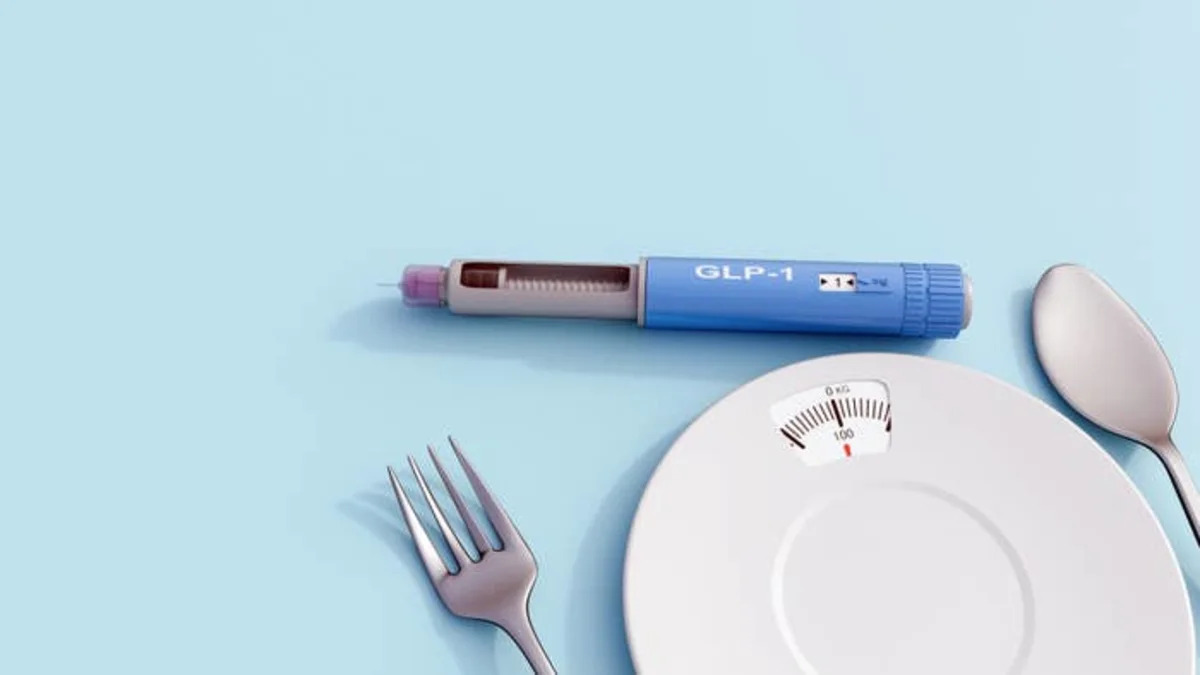
31 Shocking GLP-1 Side Effects That Have Nothing To Do With Weight Loss
Lily Grossinger
Thu, October 29, 2026 at 10:01 AM UTC
22 min read
Add Yahoo as a preferred source to see more of our stories on Google.
This post contains mentions of eating disorders, addiction, and mental illness.
Recently, we rounded up stories from a viral Reddit thread about the surprising personality, mood, and behavioral changes people noticed in loved ones taking GLP-1 drugs like Ozempic, Wegovy, and Mounjaro. As it turns out, a LOT of people could relate, and readers flooded the comments with even more of their own experiences.
So, we’re back with 31 more firsthand accounts about the unexpected ways GLP-1s have affected people’s lives beyond the number on the scale, from shifts in their interests and hobbies to changes in how they experience joy and connect with others.
Submissions have been edited for length and/or clarity.
1. “I went through a very bad divorce. My daughter died five years ago at the age of 24. I didn’t want to live anymore; I was drinking, smoking, and making poor decisions. My psychiatrist had me heavily medicated, but I wasn’t getting any relief. Then, I was offered a GLP-1 to lose some weight I’d put on, but I had done my own research and read that it could also have some benefits for substance abuse, depression, and anxiety, so I went for it. Now, I don’t drink, I don’t smoke, and lost the weight. But it was never about the weight — I’m functional now, have a part-time job, and I do think about the future. I miss my daughter every single day, but I’m coping. GLP-1s saved my life!!”
—Anonymous, 52, F
2. “My husband was on it for a year and a half, and it masked his symptoms of colon cancer. He went in for annual bloodwork and was extremely anemic. Had he not gotten a yearly physical, we would never have known and would have chalked the symptoms up to being GLP-1-related. So my PSA is please use it under medical supervision, go in for follow-ups, and do not buy it online!”
—Anonymous, 41, F, USA
Related: “15 Patients Who Learned The Hard Way To Never Lie To Their Doctor”
3. “I can’t take normal ADHD meds because they trigger some negative mental health side effects and panic. So I’ve mostly been raw-dogging my ADHD. I started on Wegovy almost two months ago, and I’ve dropped maybe eight pounds. But even if I don’t drop another pound, I plan on staying on it because the impulse control is life-changing. The ability to go into Target and buy the one thing I planned on going in there for and not walk out with two other little treats because I couldn’t control the impulse, on its own, is worth its weight in gold. I can look at the healthy food in my fridge and pick the thing I want to eat because I know it will give me energy, instead of the thing that sounds so good but I know will give me a sugar crash. It’s like I’m back in the driver’s seat of my own mind again.”
—Anonymous, 41
4. “My partner and friends on Ozempic are struggling to eat more than a single bite when we go out now. They are tired, dizzy, and have instant diarrhea after meals. Rising anhedonia, which is the inability to experience pleasure. Chronic low-grade nausea and fullness. It’s completely changed meals for us as a social thing, and I feel alienated when I eat an average portion and actually finish it while others are staring at me. It’s really triggering for my past eating disorder, and I hope to see more regulation with these medications and a ban on advertising this as an aesthetic drug for weight loss.”
—Anonymous, 32, F, Canada
5. “My dad has always been heavy, and he gained a lot of weight after a cross-country move. He has also always suffered from depression. After starting to take GLP-1s, his depression and flat disinterest in life have only gotten more severe. He got into a fight with my mom and just left, totally disappeared, turned off his phone, went totally dark for several hours. My mom was at the point of calling the police; she was so scared that he had harmed himself. He has always suffered from depression, but now I’m genuinely scared for his life. Yes, he has lost some weight. But is it worth it?”
—Anonymous
6. “My sister and I discovered that our grown daughters, aged 50 and 40, were both taking GLP-1s and were blowing up their lives. We had been very close to our daughters, and they both abruptly cut us out of their lives. It was as if they had been talking to each other and had agreed to do this at the same time. (They didn’t.) This wild behavior lasted about six months (for both girls), and we’ve been slowly rebuilding the relationship. They both have been on this med for around the same time. Over a year now. Also, my ex-husband blew up his life while on these meds. He cheated on his girlfriend and moved out after a very long-term relationship. While I’m not sure the exact medical reasoning for this, I know that the GLP-1s changed my loved ones profoundly. Wild times.”
—Anonymous
7. “I began using Zepbound six months ago. The hidden, non-physical side effects are: steady mood. Able to negotiate the grief of losing my daughter to cancer more easily; it’s still there, but it doesn’t control my life. No food cravings or alcohol cravings.”
—Anonymous, 68, F, CA, USA
8. “My mother is on it. She’s so much smaller than she’s ever been, and I mean that physically and emotionally. She just seems flat. Uninterested in things, listless, with zero energy. She used to be such a foodie, but that’s all gone. She gets violently ill for three days after every shot, and her migraines have at least doubled, as far as I can tell. However, she’s lost, like, 30 pounds. I mean, you can decide for yourself if that’s worth it.”
Advertisement
Advertisement
Advertisement
Advertisement
—Anonymous, 25, F, Charlottetown, Canada
9. “I have been on a GLP-1 for two and a half years. Nothing but positive things to say about my experience, other than the fact that I need a facelift to deal with my saggy skin! I’ve lost 80 pounds, which I would never have been able to achieve on diet and exercise alone. Trust me — I’ve been on that roller coaster my entire adult life. It’s such a relief to feel healthy and not have any more cravings. The most dramatic side effect has been a reduction in inflammation. My hands and feet were always swollen, and that went away immediately, even before I lost any weight.”
“The first six months, I felt pretty emotionally dull, but that went away when I found things like gardening and exercising to replace consumption when I got bored. My experience has been so positive that at least eight of my friends have started taking them as well. It’s so great to see people I care about getting healthy, too. 10/10 would recommend to anyone willing to do it in a healthy way.”
—Anonymous, 56, F, Maine
10. “I was on the medication for three to four months. It gave me severe, debilitating anxiety and depression. I am now 18 months off and finally starting to stabilize. But when it was bad, it was horrible. I got to a point where I could not speak because my brain fog was so bad. I’ve been to the ER over 10 times in a year, diagnosed with a panic attack every single time. I have memory loss from the experience, and my brain definitely doesn’t operate the same way that it used to. I have days when I want to run away from the family I built. I never felt this way before in my life.”
Related: “20 Unsexy Hygiene Habits People Swear By”
“If I could go back in time, I would’ve never taken the GLP-1s. It also caused hallucinations, delusions, and suicidal thoughts. I work in the mental health field, and none of the normal coping mechanisms worked for me. I had to start emergency medicine to calm myself down. I’ve never had to even take an SSRI before. There’s something much more serious going on in the brain from this medication, and it doesn’t just stop after you go off. And I lost no weight on it. It is my biggest regret in life.”
—Anonymous, 30, F, USA
11. “I’m disabled after a car accident. I eat pretty healthy, but I do walk with a cane. GLP-1s have cheered me up. I feel more confident about myself. I don’t obsess over food. My bloodwork is so much better. My blood pressure is steadily going down. Mentally, it’s a huge load off my mind, as I’m not sitting around getting fatter and sicker. I can do gentle exercise. I feel better about growing older, and I’ve started socializing again for the first time in a decade. That has cheered me up as well.”
—Anonymous
12. “I have always been thin, but when COVID got serious, and there was so much uncertainty at work (I work in a medical clinic), and we also had an earthquake, I suddenly developed major anxiety or something (panic attacks in my sleep, which was so scary). I gained, like, 100 pounds in just a few years. I went on semaglutide about two years ago, and it felt like I instantly was back to my previous weight (it took about a year total, but the majority of the weight loss happened early). The thing is, since I hadn’t been overweight for years, like a lot of people, I was just excited to be ‘me’ again. But, I didn’t go back to what I was; I look much older than I expected. My self-esteem didn’t really return, because I still don’t see ‘me’ in the mirror. I think when you’ve been overweight for years, the transformation is exciting because it’s a new you.”
“But if you are expecting to look like your old self, even from just a few years ago, you will be surprised and maybe not as confident as you expected you’d be. I was excited to be the ‘me’ I knew, but I got a ‘me’ that looks much different. Still better than being overweight, much better, but I didn’t get my confidence back (if that makes sense?), so I’m a little jealous of everyone excited to see a new them. Oh, and my libido is nonexistent. I never had much before, but now it’s not there at all, so weigh your pros and cons!”
—Anonymous, 46, F, Utah, USA
13. “Within a week of starting Zepbound, I just feel better and clearer mentally. I’m not as anxious, and food is a thing, not a craving. I now understand what it feels like to just ‘be’ in my life without worrying and obsessing constantly about everything. If I don’t lose a pound, it is still worth taking it to just feel normal feelings at normal volume.”
—Anonymous, 70, F, Texas
14. “I’ve been on GLP-1s for two months and have lost 11 pounds. I am bouncing with energy, happy to cook and eat good food, and things are great. I’m at the lowest dosage. Silencing the food noise has meant everything, but so has my husband, who goes to the gym with me five days a week. He’s losing weight, too, even though he isn’t taking a GLP-1 medication. Note: If anyone says you’re ‘cheating’ by losing weight with the help of the meds, look them in the eye and ask, ‘Who, exactly, is being cheated?’ and don’t let them change the subject. Make them say it OUT LOUD. They would prefer to have us suffering the shame of struggling instead of us living our best healthy lives as we now can!”
—Anonymous, 67, F, Washington
15. “People who have never struggled with food noise will not get it. It literally goes away — it’s incredible: the amount of brain energy I had spent my entire life on what I was eating, what I was going to eat next, how many calories were in this, what the next diet was, etc., etc., etc. It is a miracle drug. Do not knock it till you try it. I was on Ozempic, and a full dose was too much for me, so I lowered the dose, and now I can enjoy food and yet don’t overeat. Incredible. I wish these drugs were around 20 years ago.”
—redcactus632
Related: “People Are Sharing The Hygiene Tips That Changed Their Lives”
16. “This medication is like pretty much all drugs. It works for some people, and not others. I’ve tried the pill form of GLP-1s and had nausea and explosive, bloody diarrhea. I had a colonoscopy after, and it was fine. So, no clue why I had such an extreme reaction. We have one daughter who tried the shots and lost 20 pounds, but was nauseous the whole time. We have another daughter who has been on the shots for about nine months and has lost 50 pounds with no negative side effects. I do worry, though, that super-skinny body styles are going to make a comeback. Looking like a walking skeleton is just as unhealthy as being overweight.”
—rlstahr
17. “I’ve known a couple of people on it, and I’m seeing a trend here that I’ve noticed personally as well. The drug ‘quiets the food noise,’ however, it makes you completely ignore food for most of the day. By evening, the people I know who were or are on it are NASTY. This is because we literally need food to function. Due to the drug, your stomach might not be telling you you’re not hungry, but your brain is literally screaming for food. You have to remind yourself to eat smaller meals throughout the day, otherwise you turn into a cranky asshole.”
—oldtoaster86
18. “I have a friend who thinks that starting GLP-1s will fix everything that is wrong in her life. She has an abusive husband who only gives her money when he feels like it, even if the shelves are empty. She has had a number of surgeries for spinal issues and takes a large amount of narcotic pain meds, and I think she’s somehow thinking that this is the ‘magic fix’ to all her problems. She talks of nothing but being able to start taking it in December. She tried it once before and was sick for almost three weeks after the first dose, so she stopped. I’m truly very worried.”
Advertisement
Advertisement
—Anonymous, 65, F, USA
19. “I’m on my return to paying for GLP-1s out of pocket since getting a new steady job, and after three months being back on the meds, I’m reminded why I missed them so much when I lost my previous job and couldn’t afford them anymore. My insurance doesn’t acknowledge GLP-1s unless in specific cases, and even then, they’re looking to take some of those cases away, and the process itself is incredibly long (like probably about almost a year to get to have the conversation about it being prescribed, depending on the doctor/clinician), so I didn’t bother and went through an online company.”
“The biggest changes, besides no longer craving junk food, are that I haven’t been nearly as financially irresponsible. I can be patient and wait for the price of something I like to come down instead of impulse-buying from scalpers. I actually shop around for lower prices and ways to save! I’m really on top of using my phone and rewards apps/accounts to my full advantage, too, to have their rewards points pay for gift cards to put toward the hobbies/activities that I enjoy. This has extended to me saving money on groceries, too, which has been super helpful against the rising cost of everything. No more fast food, except for maybe once in a blue moon when I’m exhausted.”
—Anonymous, 30, F, USA
20. “My daughter has had many mental health issues, including self-medicating with alcohol and food. It was so important for her to gain control that we paid full price for Wegovy (ouch), but it’s been well worth it. She has completely backed away from alcoholism, doesn’t overeat, and is much more mentally stable. She was absolutely incapable of handling any kind of stressor, and around her menstrual cycles, she was a nightmare. All of that is gone now! She’s been slowly losing weight, but even if she wasn’t, we’d finance the whole endeavor just for her mental health. Not all react this way to the meds, but she is one of the very lucky ones. I only hope the medical profession starts treating this medication as a medical need so more people are able to afford it. Fingers crossed!”
—Anonymous, 62, F, California
21. “My husband had a slightly elevated blood sugar, so he was put on Ozempic. He lost 40 pounds in two months, and essentially stopped eating and communicating. He was divorced from life. So he tried Mounjaro, and it was a little better, but the constipation and diarrhea were from a horror/comedy movie. I called his doctor’s office, crying. I didn’t know if we could make it. So we went over all his meds and eliminated some that did too much dehydration, and now he’s on Jardiance. So much better. Excess sugar is excreted in urine, not in the stomach. Do not let someone close to you disappear into these drugs if they’re not working.”
—Anonymous, 67, F, Arizona
22. “I am a nurse practitioner and own a med spa. We fill prescriptions for many GLP-1 meds. One thing I noticed right away is that GLP-1 meds affect Botox and fillers…our spa has MANY clients who notice that fillers and injections burn off in about half the time. GLP-1s raise your metabolism, which also affects how the body handles fillers and Botox! Make a choice that really matters to you, or get your injections twice as often. I’m surprised that hardly anyone knows or talks about this side effect outside of my industry!”
—Anonymous, 50, F, Colorado
23. “My (former) best friend takes a GLP-1. She became increasingly irritable and negative almost from the get-go. I confronted her about something she did that I thought was out of line — not a fight, just a ‘please don’t do this in the future’ thing — and she snapped, ‘Well, it’ll never happen again!’ And hung up on me. I tried to call her back, but she wouldn’t answer. That was seven months ago, and we haven’t talked since. She was never like that before taking GLP-1s.”
—Anonymous, 62, F, Virginia
24. “Soooo, I found out that my stepdad has become addicted to exercise after starting Zepbound for his diabetes. I didn’t know that was a thing, and apparently, a small group of people who were in the drug trials became addicted to the dopamine and endorphin rush from exercising. He will literally exercise for, like, an hour before going to the gym, then work out there for three to four hours, and then go to physical therapy for an hour, and then go do tai chi for two hours. My mom has been really worried about him because he’s lost SO much weight in such a short time, and he looks sick. He was only about 10 pounds overweight when he started it, and now he looks positively skeletal.”
—ogsassytaco
25. “I am on Mounjaro. I have lost almost half my starting weight. Positives: everything. I have the labs, A1C, and BMI of a thin person half my age (I am old). Negatives: Emotionally flat, but because I’m flat, I don’t care. I am more judgy about overweight people, even as I know that not everyone’s insurance will pay for it. When people ask me how I lost the weight, I say, ‘My doctor and I worked out a plan.’ It’s none of their business. Most people probably have guessed, but I’m an intensely private person and don’t talk about my body with anyone except my spouse, siblings, and one best friend.”
—nyc4ever
Related: “29 Women On GLP-1s Share The Side Effects No One’s Been Talking About”
26. “I have been on GLP-1 meds for some years now; maybe almost four? It’s hard to remember. I got on them for weight loss, as I was pre-diabetic, and I’m staying on them because…when you stop, the weight comes right back. I have never felt better than I do when taking the meds. I’m running at the same pace I ran at almost 20 years ago. My wedding ring, which I haven’t worn since my second pregnancy, fits. Downsides: Life’s a little flatter, that part’s true. But so am I!”
—Anonymous
27. “A relative of mine was on it for diabetes, and it has been a nightmare. He got so snappish that his assistant at work quit. His GI system is so bad that he can barely leave the house. His balance became so bad that he fell numerous times. He was also dizzy. His wife thought he had Parkinson’s. And he only lost maybe 10 lbs. His doctor keeps taking him off it and restarting it. Evil drug.”
—shelleye
28. “I tried the GLP-1 drugs for about four months. Really horrible side effects, like I was so lightheaded I almost passed out when I stood up. Very nauseous to the point I couldn’t even drink water and got dehydrated. I kept weight training, but it was hard to eat enough to work out, and I felt like I was going to throw up after every set. No energy or interest in anything. I would just lie on the couch and stare. I am prone to depression anyway, and this wasn’t helping at all. Now off all drugs, and it took over a month to feel normal again. My strength is back, and I will tell people I will ‘raw dog’ my weight loss using old-fashioned exercise and a calorie deficit.”
Advertisement
Advertisement
—magicalscissors71
29. “Since being on GLP-1s for almost a year, I have lost 68 pounds, my type 2 diabetes has gone into remission, I’m off Metformin and insulin, and my A1C is 5.7. I feel wonderful. My self-esteem is through the roof. My sex drive is amazing, and my libido is OMG. I found love and am deliriously happy. My skin started to sag, and I started losing hair before I realized l had to eat more protein, so once I started walking and exercising, that all improved. I eat protein, take Nutrafol for hair growth, and have noticed great improvements.”
—Anonymous, 73, F, Washington
30. “I entered my ‘menopause era’ three years ago, and do not know when I entered my ‘perimenopause era,’ but before any of that, I did not have a weight problem. About six years ago, I started gaining weight that I could not take off. I have always been one that could lose weight easily with exercise, but this was different. The more I exercised, the worse I felt, and I was still gaining weight. It was starting to negatively affect everything about who I was. I tried diets, and I even hired a ‘food coach’ who helped guide me. She promised she could turn my weight around. I lost a whopping seven pounds. Nothing in comparison to what I had gained.”
“Then, in 2023, I entered full-blown menopause. It felt like someone lit my insides on fire! My doctor eventually started me on Zepbound. I started losing weight immediately. Out of the miserable 40-plus pounds I gained in five to six years, I lost 60 pounds in 10 months. I did not experience any mood flatness, thankfully. I am so thankful for the research that has been done and just feel for all the women who had to live life during menopause, not feeling like themselves. This has been a total game-changer for me!”
—Anonymous, 53, F, Indiana
31. And finally, “GLP-1s took away my urge to drink alcohol. I lost my husband a few years ago, and before his death, we were bordering on alcoholism, if not outright functional alcoholics. After his death, booze became the only thing that took away the pain for a few hours and allowed me to sleep. I’ve been on Zepbound for six months and have lost 45 pounds. The weight loss has been great, and I have a new confidence I haven’t had in years, but to me, not craving booze anymore has been the real win. The loss of food noise has been very beneficial to me as well.”
—Anonymous, 59, F, California
Did you or a loved one notice any unexpected changes in mood, personality, emotional well-being, or relationships after starting a GLP-1? Whether the changes were positive, negative, or somewhere in between, we want to hear about it.
Share your experience in the comments or use the anonymous form below, and your contribution could be featured in an upcoming post.
Note: Submissions have been edited for length and/or clarity. This post contains mentions of eating disorders, addiction, and mental illness.
Your daily brain workout: I’m Convinced You Need A PhD To Solve This Word Puzzle
Also in Health: “People Are Revealing The Hygiene Products They Quit Buying For Good”
Also in Health: “27 Things Doctors Wish They Could Tell Their Patients—But Can’t”
Read it on BuzzFeed.com


Dax Shepard Says He Gave Kate Hudson ‘111%’ of His Charm While She Was Married to Chris Robinson
Dax Shepard knew Kate Hudson was married to Black Crowes singer Chris Robinson when she joined a poker game at...


Patrick Stewart, actor known for iconic roles in ‘Star Trek’ and ‘X-Men,’ dies at 86
Beloved actor Patrick Stewart has died following a diagnosis of Alzheimer’s disease and Lewy body dementia, his representative confirmed. He...
A yearslong cruise suddenly ended. Residents had 7 hours to pack
The Villa Vie Odyssey residential cruise ship suspended its multi-year voyage, leaving passengers stranded in Cambodia. Villa Vie Residences cited...


Pregnant Savannah Chrisley Marries Jason Galanis in Secret Church Wedding in the Cayman Islands (Exclusive)
NEED TO KNOW Savannah Chrisley and Jason Galanis are married, per marriage records obtained by PEOPLE The couple wed in...
Intel Earnings: 2 Reasons the Stock Is Down So Much
You are now leaving Barron’s website By clicking on the “Proceed” button below, you will be redirected to a third-party...


Skydance TV’s JB Perrette Unveils Leadership Team, Exec Departures
Team, As you learned from David and Ynon earlier this month, my role in the company is one that purposefully...
Did Bears overpay for Jeffery Simmons? What recent DL trades from Cowboys, Rams, Packers might teach
In the short term, the Minnesota Vikings, Green Bay Packers and Detroit Lions should shudder. Kyler Murray, Jordan Love and...


This Simple Fiber Supplement Reduced Arthritis Pain in Just 6 Weeks
A daily dose of dietary fiber did something that six weeks of physiotherapy couldn’t. It improved handgrip strength in people...
Ex Olivier Martinez granted primary custody of Maceo
Halle Berry will remain without primary custody of her 13-year-old son. A decision has been made in the ongoing legal...


Christina Aguilera bares all in steamy bathtub selfie as fans go wild
NEWYou can now listen to Fox News articles! Christina Aguilera is giving fans a Halloween treat. The 45-year-old pop powerhouse...
-

 Business2 weeks ago
‘Black Monday’ fears intensify as prediction markets shrug off 2026 crash
-

 Business2 weeks ago
CPI inflation report September 2026
-

 Business2 weeks ago
Endeavor Health, Rush University System for Health to merge
-

 Business2 weeks ago
Netflix Layoffs Cut 6% of Employees, Eliminating 1,000 Jobs
-

 HealthNews6 days ago
E. coli cases possibly linked to Bengtson’s Pumpkin Farm, Will County health officials say
-

 Tech2 weeks ago
Bank of America fined $1.2bn for money laundering failures
-
Business2 weeks ago
AI Companies Play Cat-and-Mouse With Secret-Stealing Spies
-
Entertainment2 weeks ago
Parents are embracing ‘whimsymaxxing.’ The results might surprise you