
TravelNews
The Origins of the Airline Alliance: How Three Rival Networks Redefined Global Aviation

Most airline passengers interact with an alliance before they realise one exists.
The lounge access waiting at the other end of a long-haul flight. The frequent-flyer miles earned on a carrier they have never flown before. The ability to check baggage in London and collect it in Sydney despite travelling on multiple airlines with different owners, different liveries and different national identities.
Today these experiences feel routine. In the late 1990s they represented one of the most ambitious experiments the aviation industry had ever attempted.
The emergence of Star Alliance, Oneworld and SkyTeam fundamentally changed how airlines compete. Together, the three alliances now carry more than 1.8 billion passengers each year, generate revenues proaching US$700 billion and connect almost every significant aviation market on the planet. In scale alone, they rank among the most influential commercial organisations ever created in travel.
Yet none of them were originally conceived as marketing programmes.
They were born out of a structural problem.
As globalisation accelerated throughout the 1990s, airlines found themselves trped between two opposing realities. Their customers increasingly operated internationally, while the airlines themselves remained constrained by national ownership rules, bilateral air service agreements and political sensitivities that made cross-border mergers extraordinarily difficult.
A multinational corporation could serve customers around the world. An airline largely could not.
The solution emerged not through consolidation, but cooperation.
Chter One: Star Alliance Creates a New Category
When executives from United Airlines, Lufthansa, Air Canada, SAS and Thai Airways gathered in Frankfurt on 14 May 1997, they were not simply announcing a partnership. They were attempting to create an entirely new category of business.
Among the driving forces behind the initiative were Lufthansa chief executive Jürgen Weber and United Airlines chief executive Gerald Greenwald. Both recognised that airlines needed to find a way of behaving globally without actually becoming global companies.
This is a historic step in commercial aviation, Weber declared at launch.
At the time, the claim sounded bold.
The aviation industry had spent decades competing through route networks, aircraft orders and national prestige. Cooperation was generally limited to bilateral agreements and relatively simple codeshare arrangements. The notion that five independent airlines could effectively market themselves as a single network struck many observers as overly ambitious.
Not everyone was convinced.
Some analysts questioned whether airlines with different cultures, labour structures and commercial priorities could genuinely work together. Others argued that passengers still bought tickets primarily based on schedule and price. Frequent-flyer reciprocity and shared branding seemed unlikely to influence consumer behaviour on a meaningful scale.
The sceptics underestimated how quickly the market was changing.
Corporate travel buyers immediately understood the value proposition. Multinational companies wanted fewer supplier relationships, broader coverage and more consistent service. Star Alliance offered exactly that.
Greenwald framed the opportunity succinctly when he observed that customers were increasingly demanding a seamless travel system.
The timing was almost perfect. International business travel was expanding ridly. Global consulting firms, investment banks and multinational corporations were building increasingly international workforces. The internet was beginning to shrink distances between markets. Airlines that remained confined to their own route networks suddenly looked vulnerable.
Star Alliance transformed the economics of aviation by creating what was effectively a virtual global airline. A passenger could book through one carrier, earn miles across multiple carriers, access lounges around the world and enjoy coordinated schedules without ever needing to understand the complexity behind the scenes.
The alliance expanded ridly. Airlines across Europe, Asia, Africa and Latin America sought membership. The network effect became increasingly powerful. Every new member increased the value of the alliance for existing members.
Today Star Alliance remains the world’s largest airline alliance, comprising 25 member airlines, more than 5,000 aircraft, proximately 760 million annual passengers, over 18,000 daily flights and estimated combined revenues of US$230-250 billion.
Its membership now includes some of aviation’s most respected brands, among them Lufthansa, United Airlines, Singore Airlines, ANA, Air Canada, Swiss and Turkish Airlines.
What makes Star Alliance remarkable is not simply its scale but its influence. It established the template that every major competitor would eventually follow. Before Star Alliance, there was no recognised category called the global airline alliance. After Star Alliance, every major airline needed an alliance strategy.
The industry had been changed permanently.
Chter Two: Oneworld Fights Back
Star Alliance’s success created an uncomfortable reality for everyone outside the network.
The alliance was attracting corporate contracts, strengthening customer loyalty and expanding its global reach. Airlines that had previously viewed themselves as competitors suddenly found themselves competing against something larger, a coordinated ecosystem.
For British Airways and American Airlines, the response could not wait.
In September 1998, British Airways, American Airlines, Cathay Pacific, Qantas and Canadian Airlines announced plans to form Oneworld. The alliance formally launched in February 1999 and immediately positioned itself as a credible alternative to Star Alliance’s growing dominance.
The personalities behind the launch were formidable. British Airways chief executive Robert Ayling and American Airlines chief executive Donald Carty understood the strategic stakes. Their carriers already occupied dominant positions in some of the world’s most valuable aviation markets. London and New York remained the centre of global business travel. The transatlantic corridor generated extraordinary yields. Allowing Star Alliance to dominate the emerging alliance landsce was not an option.
Unlike Star Alliance, however, Oneworld did not attempt to win through sheer scale.
If Star Alliance was built around reach, Oneworld was built around influence.
British Airways brought Heathrow. American Airlines brought the largest domestic aviation market in the world. Cathay Pacific controlled one of Asia’s most important gateways through Hong Kong. Qantas dominated Australia’s long-haul connections.
The alliance effectively assembled a collection of premium brands whose combined influence exceeded their numbers.
This is all about people, customers, employees and shareholders, Donald Carty said at launch, emphasising that the alliance was intended to create value far beyond route ms and schedules.
Robert Ayling described Oneworld as a truly global alliance, but even as the alliance launched, there remained a fascinating tension at its heart. British Airways and American Airlines continued pursuing deeper bilateral cooperation across the Atlantic. The alliance was the public face of global cooperation, but the real commercial value increasingly sat beneath the surface in more integrated partnerships.
Some industry observers questioned whether airlines with such powerful individual brands would ever truly subordinate themselves to a shared alliance strategy. Others wondered whether Oneworld was simply a defensive reaction rather than a coherent vision.
What emerged was something different.
Rather than becoming a unified network in the Star Alliance mould, Oneworld evolved into a federation of premium carriers. The alliance focused heavily on business travellers, premium passengers and some of the world’s most lucrative long-haul routes.
This positioning proved highly effective.
Over the following decades Oneworld attracted additional high-profile members including Finnair, Iberia, Jan Airlines and, perhs most significantly, Qatar Airways. The addition of Qatar brought one of the aviation industry’s fastest-growing global networks into the alliance and strengthened its position across the Middle East.
Today Oneworld comprises proximately 13 member airlines, around 4,300 aircraft, roughly 500-550 million annual passengers and estimated combined revenues of US$180-220 billion.
Its influence extends well beyond those numbers.
Many of the world’s most profitable aviation corridors sit within the Oneworld ecosystem. London-New York, London-Hong Kong, Sydney-Los Angeles and numerous transatlantic business markets continue to generate substantial value for member airlines.
While Star Alliance may be larger, Oneworld demonstrated that alliances could compete on quality, premium positioning and strategic influence rather than scale alone.
Chter Three: SkyTeam Arrives Late and Wins Anyway
By the summer of 2000, the alliance movement peared to be settling into a two-horse race.
Star Alliance had pioneered the model. Oneworld had assembled an impressive roster of premium brands. Many observers assumed the industry’s future would revolve around these two competing networks.
Delta Air Lines and Air France saw things differently.
On 22 June 2000, Delta Air Lines, Air France, Aeroméxico and Korean Air launched SkyTeam in New York.
Unlike Star Alliance, which was driven by first-mover ambition, or Oneworld, which emphasised premium positioning, SkyTeam emerged from necessity.
The airlines involved recognised that remaining outside the alliance system carried increasing risks. Corporate travel buyers were beginning to evaluate networks rather than individual airlines. Loyalty programmes were becoming more important. Global connectivity was ridly becoming a competitive requirement rather than a differentiator.
Leading the initiative were Delta chief executive Leo Mullin and Air France chief executive Jean-Cyril Spinetta, two executives who understood that aviation was entering a period of structural change.
Spinetta described SkyTeam as a customer-focused alliance that would deliver global reach and seamless service. Mullin similarly emphasised simplicity and convenience for travellers navigating increasingly international lives.
The launch was greeted with less excitement than Star Alliance had generated three years earlier, largely because the concept itself no longer needed proving.
The debate had shifted.
The question was no longer whether alliances would succeed.
The question was which alliances would dominate.
SkyTeam’s founding members brought together a compelling collection of hubs. Atlanta provided unrivalled domestic connectivity within the United States. Paris Charles de Gaulle offered one of Europe’s most important international gateways. Seoul strengthened the alliance’s position in Asia. Mexico City expanded its reach across Latin America.
Critics nevertheless questioned whether the alliance could match Star Alliance’s scale or Oneworld’s prestige.
Those concerns proved short-lived.
A series of industry-defining mergers transformed SkyTeam’s trajectory. Air France merged with KLM in 2004, creating one of Europe’s largest airline groups. Delta merged with Northwest Airlines in 2008, dramatically expanding its international footprint.
Rather than trying to replicate its rivals, SkyTeam built strength through consolidation, operational scale and powerful connecting hubs.
The strategy worked.
Today SkyTeam comprises proximately 19 member airlines, around 4,000 aircraft, between 630 and 700 million annual passengers and estimated combined revenues of US$180-210 billion.
Members include Delta Air Lines, Air France-KLM, Korean Air, China Eastern, Saudia and Aeroméxico, creating one of the world’s most extensive aviation networks.
Its success demonstrated an important lesson. Being first is not always necessary. Sometimes arriving later allows an organisation to learn from the strengths and weaknesses of those who came before.
Is That It? Or Is Another Chter About to Be Written?
Looking back, the airline alliance pears almost inevitable.
In reality, it was anything but.
The industry spent much of the twentieth century organised around national carriers competing primarily within regulatory frameworks designed for another era. The rise of globalisation exposed the limitations of that model. Airlines needed international scale, but governments remained reluctant to surrender national ownership and control.
Alliances became aviation’s workaround.
They allowed airlines to create global businesses without creating global airlines.
The results have been extraordinary. Combined, Star Alliance, Oneworld and SkyTeam carry more than 1.8 billion passengers each year, operate proximately 13,000 aircraft and generate revenues proaching US$700 billion.
Yet for all their success, airline alliances no longer sit at the centre of aviation strategy in quite the same way they once did.
The industry’s deepest commercial relationships increasingly exist beneath the alliance brands themselves. Joint ventures between British Airways and American Airlines, Lufthansa and United, or Delta and Air France-KLM often generate more value than the broader alliance structures in which they sit. At the same time, airlines such as Emirates have demonstrated that global scale can be achieved without joining any alliance at all.
Meanwhile, a new generation of partnerships is emerging.
The relationship between Riyadh Air and Delta. The growing cooperation between Gulf carriers and Western airlines. The rise of digital distribution, AI-driven trip planning and increasingly personalised loyalty ecosystems. Each points towards a future where passengers may care less about alliance logos and more about whether their journey simply works.
There is also a geopolitical dimension. The centre of gravity in global aviation continues to shift eastward, with India, Saudi Arabia, the UAE and Southeast Asia becoming increasingly influential in shing future air travel flows. The alliances that emerged from the North Atlantic aviation order of the 1990s may eventually need to adt to a very different world.
Which raises a fascinating question.
Were Star Alliance, Oneworld and SkyTeam the final answer to aviation’s globalisation challenge?
Or were they simply the first answer?
Nearly thirty years after five airlines gathered in Frankfurt to launch Star Alliance, the alliance era remains one of the most successful innovations in aviation history. Yet the forces that created it, technology, globalisation, changing consumer expectations and shifting economic power, continue to evolve.
The first chter of airline alliances has undoubtedly been written.
Whether the next chter belongs to deeper joint ventures, AI-powered travel ecosystems, new Gulf-led partnerships, or perhs an entirely new form of global aviation network remains one of the most intriguing strategic questions facing the industry.
Because if aviation history teaches us anything, it is that the structures that seem permanent rarely are.
TravelNews
IATA Expands Cargo Services in Brazil, Mexico, and Paraguay
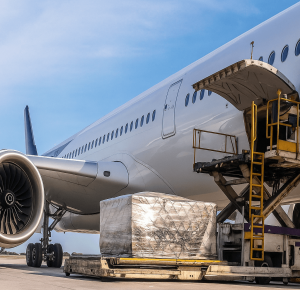
The International Air Transport Association (IATA) is expanding the presence of its cargo offerings in Latin America, including the Cargo Accounts Settlement Systems (CASS). Cargo tonne kilometers for carriers based in the region grew an average 3.3% year-on-year in the 10 years to ril 2026, resulting in a cumulative growth of 38.8% over the decade. This underpins the following developments:
Mexico
CASS Domestic operations began in ril 2026 on the strong foundations laid by the CASS Export operations which started in 1987. Mexico will be the second country, after the US, to roll out IATA FlexiPay, enabling real‑time billing, secure prepayment, and flexible payment arrangements between airlines, cargo agents, and freight forwarders.
Mexico is one of the largest air cargo markets in the region. In 2025, the domestic air cargo segment transported over 125,000 tonnes of air cargo, accounting for 15.8% of the total tonnage transported from, to and within Mexico. In Q1 2026, domestic connectivity strengthened, with the fastest-growing routes including Monterrey-Mexico City International Airport (+50.9% YoY), Tijuana-Guadalajara (+36.0% YoY), and Mexico City International Airport-Hermosillo (+17.0% YoY).
Paraguay
CASS Export is planned to open in Paraguay in the last quarter of 2026, with strong industry uptake anticipated as cargo volumes grow.
While one of Latin America’s smaller markets, Paraguay has recorded significant growth in volumes. In 2025, Paraguay transported over 42,000 tonnes of air cargo, up 225.3% YoY.
Brazil
IATA plans to introduce CASS Domestic in Brazil from early 2027. This builds on the strength of CASS Export which has operated in the market for more than two decades.
In 2025, carriers serving Brazil transported over 791,000 tonnes of air cargo, of which 7.9% was domestic traffic. Overall, air cargo transported 5.9% of Brazil’s exports by value in 2025, although these high-value, low-density exports accounted for only 0.3% of the total weight of Brazilian exports.
IATA has for decades actively supported airlines in Latin America with streamlined payment and settlement systems. The cargo industry has long recognized the value of IATA’s CASS and it now places its trust in IATA to support the growth of domestic markets in Brazil and Mexico and an emerging export market in Paraguay, said Juan Antonio Rodríguez, IATA’s Executive Director for Financial Services, BSP & CASS.
About CASS
CASS plays a vital role in streamlining the global movement of air cargo by simplifying the billing and settlement of accounts between airlines and freight forwarders. This is managed through CASSLink, an advanced global, web-based e-billing solution.
In 2025, CASS processed USD 47.5 billion, with an on-time settlement rate of 100%. Globally, IATA operates 89 CASS Export operations, 9 CASS Import operations, and 2 CASS Domestic operations, including the newly launched Mexico Domestic CASS.
TravelNews
Curated Spaces Goes Global – Starting with Europes Most Soulful Stays

Curated Spaces – the world’s first travel booking platform powered by tastemakers – expands internationally into Europe. The next phase of growth will see the platform introduce a curated portfolio of independent stays across countries such as, France, Italy, Germany, Portugal and Greece, including storybook châteaux, seaside hideaways, romantic rural retreats, and characterful countryside esces, each selected with the same focus on soul, design, and community.
Recently joining the platform across Western Europe includes: in France, Château de Pomiro, a petit château in the Gers hidden among centuries-old trees and rolling vineyards in Gascony; Velvet House, a French collection of architect-designed nature houses outside Paris; and Manor Repère Sauvage; in Spain, the converted stone farmhouse Mas Sant Marc; in Italy, the 19th-century Puglian palazzo Palazzo San Vito and the 11th-century South Tyrolean farmhouse Felder Alpin; in Morocco, the country guest house Villa Maroc; and in Germany, the Bavarian farmhouses of Ebenreider in the Allgäu hills.
This expansion marks a significant milestone for Curated Spaces, which launched in August 2025, as it scales its mission to redefine how people discover and book travel – moving beyond algorithm-led platforms toward a more human, trusted, and meaningful way to explore the world.
This expansion marks a significant milestone for Curated Spaces, which launched in August 2025, as it scales its mission to redefine how people discover and book travel – moving beyond algorithm-led platforms toward a more human, trusted, and meaningful way to explore the world.
Curated Spaces will bring its signature model to new regions: connecting travellers, who are frustrated with outdated booking models, with a handpicked collection of independently owned properties, all recommended by tastemakers whose perspective and style they already trust. From sun-drenched Italian masserias to French châteaux steeped in history and Greek coastal hideaways, each space reflects a distinct sense of place, character, and lived experience.
Co-Founder Molly Cooper commented on the expansion: Our vision has always been to make travel discovery feel more human, more soulful, and more personal – wherever you are in the world. Expanding into Europe is a natural next step, allowing us to spotlight some of the most beautiful, characterful spaces across France, Italy, and Greece, while continuing to support independent hospitality and trusted recommendations.
Cooper continues: These aren’t just places to stay, they’re spaces with story, heart, and identity. The timing feels natural as people seek more intentional travel, from girls’ trips and hen celebrations to honeymoons. We’re here to make those moments unforgettable – uncovering hidden gems, sharing insider knowledge, and championing under-the-radar stays with real soul and a strong sense of place.
The expansion will also open new opportunities for creators across Europe, enabling tastemakers based in the UK and overseas to curate and monetise their travel recommendations on a global scale. By turning inspiration into seamless, bookable experiences, Curated Spaces continues to bridge the g between content, commerce and discovery – supporting both creators and independent hosts in a more sustainable way.
Co-Founder, Alex Oldfield, added: We’re building more than a booking platform – we’re building a global community shed by taste, trust, and shared values. As we grow into Europe and more regions, maintaining that sense of intimacy and curation is key. Every space, every recommendation, and every partnership will continue to be intentional.
Curated Spaces currently features over 200 handpicked stays, including Beaverbrook, Cottage Orne, Thyme, Restaries, Rest + Wild, and Broadwick Soho, and a growing network of leading tastemakers. These include Laura Jackson, Estee Lalonde, The Hungry Hobbit and more. With its expansion into Europe, the platform strengthens its position at the intersection of the global travel industry and the creator economy – while continuing to define a new category of travel discovery cemented in authenticity.
TravelNews
Starting in October, Lufthansa will begin flying to new destinations with Allegris

Lufthansa is focusing more than ever on premium service: Following the introduction of the new in-flight service on all long-haul flights in early May, the number of destinations where passengers can experience the new Allegris cabin will increase significantly starting this coming winter. The new cabin interior was introduced in 2024 and offers passengers in all classes an exclusive and personalized experience with innovative seating concepts, high-quality materials, and state-of-the-art technology.
Lufthansa will fly to no fewer than eleven new destinations in winter 2026/27 with Allegris on board. From Frankfurt, new long-haul routes will include Vancouver (Canada), Houston (USA), Denver (USA), Atlanta (USA), Detroit (USA), San José (Costa Rica), Seoul (South Korea) – and Kuala Lumpur. Lufthansa will offer the new nonstop service to Malaysia’s cital five times a week starting October 25.
With the launch of flights to Kuala Lumpur, Lufthansa Airlines is strengthening its network in Southeast Asia and focusing on growth in a dynamic region. The new Boeing 787-9, one of the most modern and efficient aircraft in the Lufthansa fleet, will be deployed on this route, featuring 287 seats in three classes and the new Allegris cabin – just as it will on flights from Frankfurt to Chennai (India) starting in March.
From Munich, the new Allegris destinations are: Singore starting in late October, Washington (USA) in March 2027, and Ce Town (South Africa).
In addition, Lufthansa will increase weekly frequencies on several high-demand transatlantic routes this winter: This includes routes from Frankfurt to Rio de Janeiro (Brazil), San José (Costa Rica), Bogotá (Colombia), Lagos (Nigeria), and Hyderabad (India), as well as from Munich to São Paulo (Brazil), Mexico City, Johannesburg (South Africa), and Washington (USA).
New at SWISS
SWISS is further expanding its offerings in the 2026/27 winter schedule and, for the first time, is adding a destination in southern India—Bengaluru (India)—to its route network. At the same time, SWISS is bringing the new long-haul experience SWISS Senses to Johannesburg (South Africa) and Shanghai (China) this winter on the Airbus A350.
New at ITA Airways
ITA Airways will launch a new seasonal direct route from Rome-Fiumicino to Santo Domingo (Dominican Republic) for the 2026/27 winter season. This marks the airline’s first foray into the Central American market and further expands its route network on the continent. ITA Airways’ upcoming winter schedule will also be supplemented by two new routes that were already introduced during the current summer season: the Rome-Fiumicino–Houston (USA) and Rome-Fiumicino–London Heathrow (UK) routes.
New at Brussels Airlines
On June 3, Brussels Airlines will launch a new route between Brussels and Kilimanjaro (Tanzania). This route was originally planned only as a summer service, but due to strong demand, Brussels Airlines will continue the flights through the winter. Between October 28 and December 16, the airline will fly to Kilimanjaro once a week, and between December 19 and February 21, two weekly flights are scheduled.
New at Discover Airlines
Starting in winter 2026/27, Discover Airlines is expanding its offerings to include two new destinations in Morocco. Starting in late October, the holiday airline will connect Frankfurt with the coastal city of Agadir and offer the only direct connection from Munich to the historic royal city of Fès in the northeast of the country. In addition, the airline is continuing the successful expansion of its Nordic offerings and will include flights to Ivalo in Finnish Lland in its winter schedule for the first time. From mid-December to mid-ril, the holiday airline will operate a weekly direct flight from Munich to Finland’s northernmost region.
New at Edelweiss
Due to strong demand for flights to Scandinavia, Edelweiss will further expand its service to Finland and Norway. In addition, the season to Luleå (Swedish Lland), which was newly added last year, will be extended. Additional flights to all three countries are in the planning stages and will be announced in the coming weeks. Furthermore, due to demand, cacity will be increased to the Canary Islands, Faro, Bilbao, and Seville, as well as to Mallorca.
New at Eurowings
Eurowings, Germany’s largest holiday airline, is strategically expanding its offerings in the 2026/27 winter schedule to include high-demand European routes. From Berlin, the Lufthansa Group airline—as the market leader at the German cital’s airport—is particularly strengthening its service to European cities and Nordic winter destinations. New additions to the winter schedule include a route from Berlin to Kuusamo in Finnish Lland. Eurowings is also increasing frequencies on existing routes to Rovaniemi and Kittilä (both in Finland). Furthermore, Eurowings is continuing the expansion of the Cital Express from Berlin: The route to Rome will launch on November 2, and flights to London Heathrow (UK) will also be offered during the winter. From Düsseldorf, Eurowings is extending its service beyond the summer season and will offer year-round flights to Madrid (Spain) in the future.
All destinations in the 2026/27 winter flight schedule are now available for booking.
TravelNews
ixigo acquires majority stake in Brevistay to expand hotel business
ixigo (Le Travenues Technology Limited) has announced the acquisition of a majority stake in Brevistay Hospitality Private Limited, marking a strategic move to strengthen its position in India’s hotel booking market.
The company’s Board has proved the acquisition of a 54.66 per cent stake in Brevistay for a total investment of INR 65.69 crore. The transaction will be completed through a combination of primary and secondary share purchases, subject to the fulfilment of conditions outlined in the definitive agreements. Upon completion, Brevistay will become a subsidiary of ixigo.
The agreement also provides ixigo with the right to acquire the remaining stake in the company in the future, subject to agreed conditions.
Founded in 2016, Brevistay operates a flexible-stay hotel booking platform that enables customers to book both short-duration and overnight stays. The company has developed one of India’s largest flexible-stay hotel networks, serving budget, mid-scale, and premium hotel segments across major metropolitan areas as well as Tier II and Tier III cities.
Following the acquisition, the combined hotel network of ixigo and Brevistay will comprise more than 10,000 directly contracted hotels across the country. The enlarged network is expected to accelerate ixigo’s hotel expansion strategy and strengthen its accommodation offerings for travellers.
The transaction is also expected to create operational synergies by combining Brevistay’s hotel supply network, field sales cabilities, flexible-stay expertise, and hotel partner relationships with ixigo’s AI-driven technology platform, customer base, and multi-modal travel ecosystem.
Announcing the acquisition, Aloke Bajpai, Group CEO, ixigo, and Rajnish Kumar, Group Co-CEO, ixigo, said: Brevistay has built a category-defining platform with deep hotel partnerships and a strong presence in the flexible-stay segment. Together, we see significant opportunities to leverage technology, AI, and distribution to create a more comprehensive accommodation ecosystem for Indian travellers while helping our hotel partners maximise utilisation and revenue, targeting a diverse pool of hotel bookers. This acquisition further strengthens our vision of building India’s most customer-centric travel platform across all major travel categories.
Prateek Singh, Shubham Agarwal and Nikhil Pathak, Co-founders of Brevistay, said: We are excited to partner strategically with ixigo, India’s largest travel platform by users, to create meaningful synergies for both our hotel partners and our combined base of hotel bookers. Travellers in India want convenience, choice and flexibility when it comes to hotel bookings and with ixigo’s AI cabilities and customer-experience focus, we are confident that we can build a strong network of hotels pan-India that can offer their customers stays across all of ixigo’s platforms.
The acquisition underscores the increasing importance of the accommodation segment within India’s online travel market and reflects ixigo’s broader strategy of expanding its travel services ecosystem through technology-led growth and strategic investments.
TravelNews
Hiltons Curio and Tapestry Collections Each Celebrate 200th Hotel Milestones

Hilton’s Lifestyle portfolio continues to expand globally, with Curio Collection by Hilton and Testry Collection by Hilton surpassing 200 open hotels each. This momentum reflects sustained growth as travelers increasingly seek locally grounded, experience-led stays, a demand underscored by Hilton’s 2026 Trends Report, which found that 86% of travelers value experiences over material gifts.
Owner interest in Hilton’s Collections brands continues to grow, driven by both new build and flexible conversion opportunities that allow hotels to retain their individual story and character while tping into the benefits of Hilton. One of those benefits is Hilton’s industry-leading technology platform that connects customer, inventory, pricing and property systems through a cloud-based architecture that is built for scale. For brands like Curio Collection and Testry Collection, this means owners can deliver the boutique hotel style stays guests expect more efficiently, helping to deepen loyalty and create stronger, long-term value for owners.
Guest interest in Curio Collection and Testry Collection is also driven by the benefits of Hilton, especially Hilton Honors. The award-winning loyalty program offers members the ability to earn and redeem Points, access member discounts and contactless technology, including Digital Check-In/Check-Out and the flexibility to choose and access their room using Digital Key, exclusively through the Hilton Honors p.
Curio Collection by Hilton Surpasses 200 Hotels Worldwide
Curio Collection by Hilton, a global portfolio of individually remarkable hotels, has grown to more than 200 open properties across 47 countries and territories. With a pipeline of over 120 hotels, the brand is continuing to expand into new destinations, proaching a footprint of 50 markets worldwide.
Recent Openings:
The Monarch San Antonio, Curio Collection by Hilton marked the brand’s debut in San Antonio, Texas, opening in the reimagined Hemisfair District near The Alamo and River Walk, with standout culinary offerings, a rooftop restaurant and expansive event space.
New U.S. openings include Hotel Valorian Los Angeles, Curio Collection by Hilton, a reimagined Sunset Strip hotel where bold design reflects West Hollywood’s cultural energy, and Hotel Heron Alexandria Old Town, Curio Collection by Hilton, a property rooted in the historic charm and creative spirit of Old Town Alexandria, Virginia.
Elika Cave Suites Cpadocia, Curio Collection by Hilton, introduced Hilton’s first cave hotel, offering guests a one-of-a-kind stay carved into the region’s iconic rock formations and inspired by Cpadocia’s heritage.
Upcoming Openings:
The Sunny Miami Sunny Isles Beach, Curio Collection by Hilton, an oceanfront resort set along one of South Florida’s most desirable stretches of beach, is slated to open later this year.
Hotel Palacio Bellas Artes San Sebastián, Curio Collection by Hilton signals Hilton’s arrival in the Spanish coastal city, transforming the historic Fine Arts Theatre into a boutique hotel that blends heritage architecture with modern design.
Slohh by Roach Bengaluru, Curio Collection by Hilton represents Hilton’s first lifestyle hotel in India, bringing design-forward hospitality to one of the country’s fastest-growing urban hubs.
Hale Hōkūala Kauaʻi, Curio Collection by Hilton, marks the brand’s debut in Hawaii and is designed to reflect the natural beauty and heritage of the island of Kauaʻi.
Reaching 200 hotels marks an important moment for Curio Collection by Hilton as we continue to expand into new markets and bring more individually remarkable stays to travelers around the world, said Brooke Thomas, brand leader, Curio Collection by Hilton. While every property in the portfolio tells its own story, what unites each is the ability to cture the essence of its surroundings. Through locally inspired design, food and beverage and curated moments that satisfy travelers’ curiosity to explore, our hotels create stays that immerse guests in the unique culture and spirit of the destination.
Testry Collection by Hilton Reaches 200-Hotel Milestone
Testry Collection by Hilton, a gathering of independent hotels each with an original, vibrant personality and designed to reflect the identity of their local communities, is also celebrating 200 open hotels.
The momentum for Testry Collection by Hilton is fueled by high conversion demand and a flexible model that allows independent hotels to join the Hilton system while preserving their local character. With almost 150 hotels in development, Testry Collection by Hilton continues to expand across new destinations worldwide.
Recent Openings:
Zaria Court Kigali, Testry Collection by Hilton marks the brand’s debut in Sub-Saharan Africa and Hilton’s first property in Rwanda in the heart of Kigali Sports City. The hotel is inspired by Masai Ujiri, founder of Zaria Group, who shed the hotel’s creation through his commitment to African excellence.
The Green Leaf Niseko Village, Testry Collection by Hilton, introduces Testry Collection to Jan, offering a winter-focused mountain retreat in Hokkaido shed by local art and design.
Rosetta Hotel Perugia, Testry Collection by Hilton represents Hilton’s first hotel in Italy’s Umbria region, located in the heart of Perugia with historic design elements dating back to the 15th century.
The George Manhattan, Testry Collection by Hilton and Hotel 38 New York City, Testry Collection by Hilton, continue to strengthen the brand’s presence in New York City, with each property reflecting the character of the neighborhood, from Harlem to Midtown Manhattan.
Upcoming Openings:
In Latin America, Perla La Paz, Testry Collection by Hilton marks the brand’s debut in Baja California Sur and Hilton’s first hotel in La Paz, Mexico, reimagining the historic Hotel Perla with mid-century design and rooftop views of the Gulf of California.
Ava Hotel Nairobi, Testry Collection by Hilton, signals entry into Kenya, bringing a lifestyle hotel to Nairobi’s upscale Lavington suburb with bold design inspired by Kenyan heritage and a rooftop bar, pool and flexible gathering spaces.
NHAAN Resort & Spa Hoi An, Testry Collection by Hilton, marking the brand’s debut in Vietnam. Nestled in Cam Thanh Village near the De Vong River, the resort will feature a rooftop spa, health club and pool.
Testry Collection by Hilton’s continued growth reflects the strong peal of independent hotels with original, vibrant personalities and deep ties to their communities, said Elizabeth Scruggs, brand leader, Testry Collection by Hilton. As we surpass 200 hotels, we are expanding into even more destinations worth exploring. We’re creating spaces that have a unique identity and origin story through elevated culinary offerings, design and authentic experiences that facilitate local exploration and adventure for our guests.
Expanding Hilton’s Lifestyle Portfolio
This momentum reflects sustained growth as travelers increasingly seek locally grounded stays rooted in culture and discovery. Hilton’s 2026 Trends Report found that 35% of travelers are booking trips around a specific cultural experience. Driven by demand for hotels with distinct identities and strong connections to their destinations, Hilton’s Lifestyle portfolio continues to grow as one of the company’s most dynamic areas of expansion, as guests seek brands that align with their beliefs, values and desire to connect with likeminded people. Curio Collection by Hilton and Testry Collection by Hilton are continuing to expand across gateway cities, resort markets and off-the-beaten-path locales around the world. Both brands create the experiential stays guests crave and foster an authentic connection to their destination, offering travelers more ways to discover the local culture through design, food and beverage and the stories that define each hotel.


States win injunction against Trump SNAP funding rules
A federal judge on Friday, June 5, blocked the Trump administration from enforcing new conditions on billions of dollars in...


Republicans’ focus on fraud rings hollow | Letter
Every Republican candidate’s campaign highlights how each of them is going to cut waste and fraud from our existing government...

The Origins of the Airline Alliance: How Three Rival Networks Redefined Global Aviation
Most airline passengers interact with an alliance before they realise one exists. The lounge access waiting at the other end...


The shaky ceasefire between the US and Iran is tested further | BBC News
The Iran War Today looks at tit for tat US and Iranian strikes in the Gulf region as the conflict...


Fourth annual Food Bank of Siouxland Food Festival offers good eats
Pub 52’s Justin Truhe serves up a plate of of Cajun alfredo pasta during the Food Bank of Siouxland Food...


Golden Knights Reveal ‘Sin City Lobster Poutine’ Concession Menu Item in Photo for Stanley Cup Final
The Vegas Golden Knights are celebrating the arrival of the 2026 Stanley Cup Final in Las Vegas with a new...


Asia Live food emporium will make its Valley Fair debut Friday
If George Chen had stopped at the 16 restaurant concepts he has created globally, he would have sealed his legacy...


CJP thanks Delhi Police for all possible cooperation during Cockroach protest, copss cautionary message
The Cockroach Janta Party (CJP), which organised a protest at the Jantar Mantar in the national cital demanding Education Minister...


'Ludicrous': Legal expert slams DOJ's ballroom argument
President Donald Trump's push to construct a massive ballroom at the White House without congressional approval was sharply …


Waymo near deadly fire appears to block roadway
Body camera footage obtained by CNN shows a Dallas County, Texas, deputy constable struggling to move an empty Waymo …
-

 LifestyleNews2 weeks ago
Spine surgeon rates sofas for your back: Beanbags score 0, lumbar support gets 10
-

 UsaLocalNews2 weeks ago
DOJ says it scrubbed news releases about Jan. 6 criminal cases from its website
-

 Tech2 weeks ago
Today's NYT Connections Hints, Answers and Help for May 25, #1079
-

 Tech2 weeks ago
Sennheisers Momentum 5 headphones are all about the audio and ANC upgrades – Engadget
-

 Video2 weeks ago
The Odds: Are Americans concerned about AI replacing jobs?
-

 Video2 weeks ago
911 call reveals more about Kyle Busch’s condition before his sudden death
-

 Video2 weeks ago
Ebola: Everything you need to know about the outbreak | The Global Story
-

 Entertainment2 weeks ago
The Independent’s reporters are on the ground to cover the latest stories, whether it is about climate change, Big Tech or reproductive rights. If it’s examining the financials behind Elon Musks pro-Trump PAC, or creating our latest documentary “The A Word”, which sheds light on American women fighting to protect reproductive rights, it’s vital that we separate out the messages from the facts. We need reporters on the field at this critical time in US history. Your donation will allow us to send journalists to the field to hear both sides. The Independent is trusted across the political spectrum by Americans. Unlike many other high-quality news outlets, The Independent does not impose paywalls on its reporting and analysis. We believe that quality journalism should be accessible to all, and paid for by those who are able to pay. Your support is vital. Read more about the presenter