
Food
7 New Restaurants to Try in Chicago
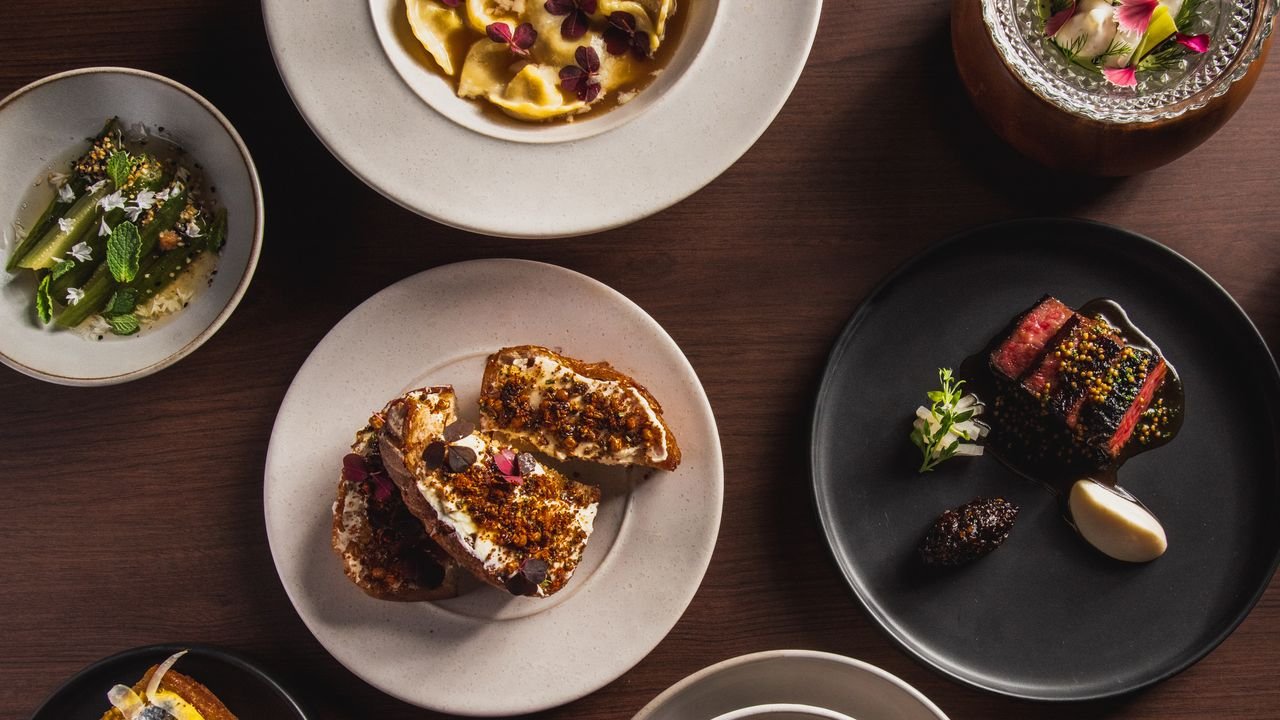
1360 W. Randolph St., Chicago
@creepieschicago
With a name that started as a joke between chefs and IRL partners David and Anna Posey (owners of Elske, next door), Creepies is a neighborhood neo-bistro that is anything but. Creeping, lurking, or even gawking at the table over comes with the territory here: don’t feel weird if another diner asks you what you ordered, because they thought about getting that, too. It’s that sort of establishment.
Start with the warm gougères, airy choux puffs with a molten brie center that arrive drizzled with honey and dusted with parmesan. Follow up with too many vegetable dishes. See: one of the best gem salads in the city, dressed with parsley root, ple and sunflower seeds. Did I mention the tarte flambé and the freekeh crepe filled with peak-season produce (currently artichoke, spring onion and fromage blanc)… I could go on.
Ready for entrees? The roast chicken won’t do you wrong. Its rigorous, three-day prep includes being cured, poached, and roasted, guaranteeing one extremely juicy bird. The whole shebang is anchored by a deeply rich pool of dry white wine sauce reduced with finely chopped chicken livers, shallots, garlic, and fresh herbs. And you’ll want to break the big chip of fried feuille de brick atop the French ravioli, creme brulee-style, instead of simply removing it because it’s much more fun.
Kanin’s main goal is to make a meal of snacks. Here, nurse-turned-chef Julius Tacadena’s marries Filipino heritage with his childhood growing up on the island of Kauai.
There’s the bento box of tender slow-roasted pork or classic adobo loco moco. Or perhs you want a two-scoop, half-pound poke bowl that will run you less than $20. Or you can get as go ham (Spam?) on as much musubi as possible while still pack away an order of ube-banana pudding before calling it a day.
What started as Tacadena’s passion project quickly escalated when he met entrepreneur and collaborator Francis Almeda. The latter’s Side Practice Coffee is known locally as an incubator for rising talent. (Almeda also helped give life to West Loop’s Drip Collective cafe and community space, and Novel Pizza Cafe in Pilsen.) Kanin keeps it all in the family, from recipes to staff. The storefront also stocks Tacadena’s snack line he shares with his brother, Krackish Snack Co..
But seriously: Let’s talk musubi. With seven options available from 9 a.m. until they’re sold-out, we understand why folks waited in line in the early pop-up days. The tomato jam and egg and spicy Spam are easy favorites, but it’s the Grand Slam (bacon jam, hashbrown and egg atop a molded boat of rice) you’ll really want to start the day with.
3268 W. Fullerton Ave., Chicago
@txatxaclub
Pronounced like cha cha,” this beloved, avant-garde pop-up found its first brick-and-mortar home a few months ago and has already become one of the buzziest all-day cafes in the city. Known for its retro and whimsical proach to plating and communal dining, the cafe takes some of the best elements of Txa Txa’s well-known supper club series, distilled into something pealing to both discerning diners and neighborhood families.
Food
Macerated Strawberries Need 2 Ingredients and 0 Skills
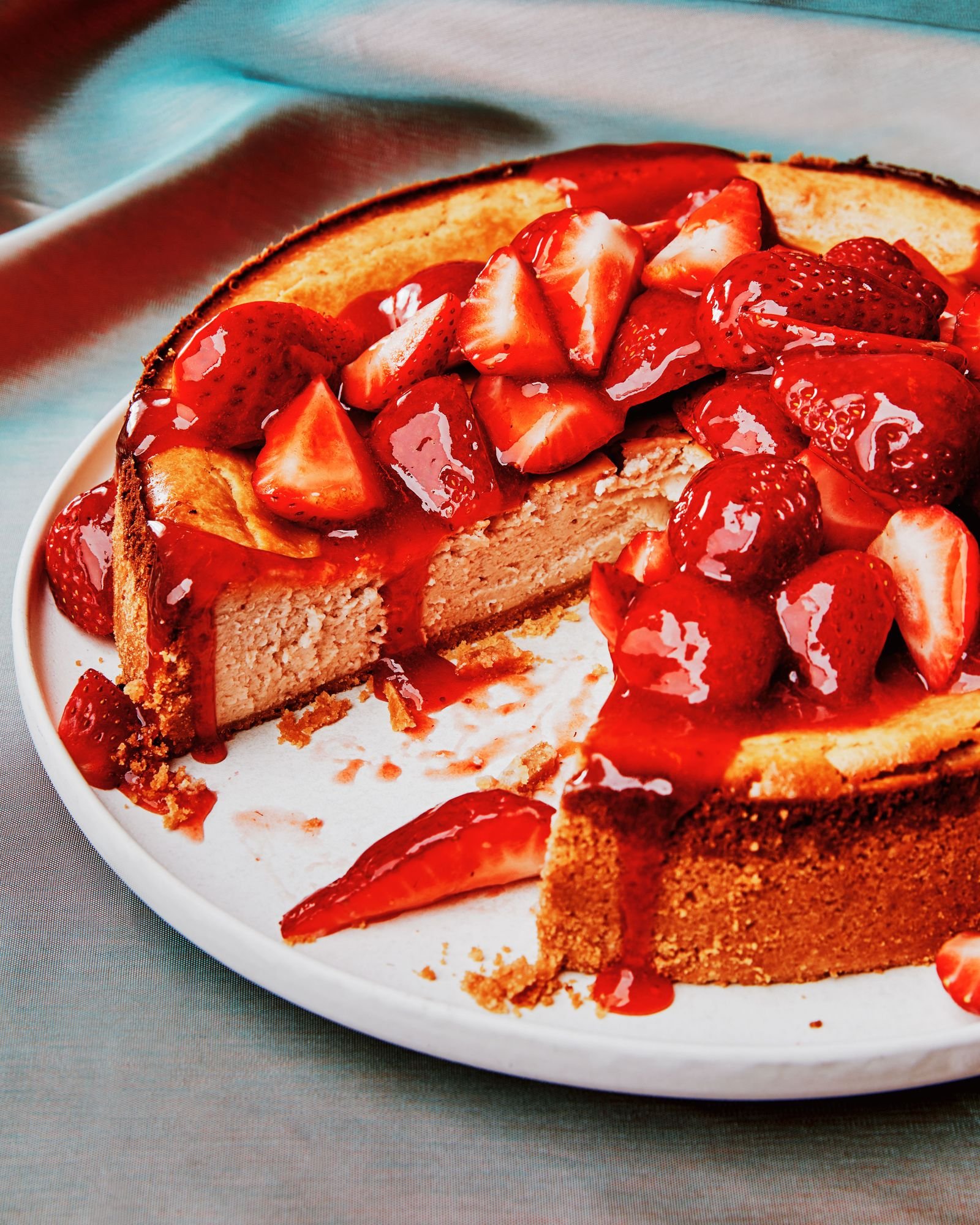
The pleasure of peak-season produce is that you don’t need to do much to make it taste spectacular. Often a piece of ripe fruit is best eaten just as it is, but macerated strawberries are a worthy exception. This simple technique requires no heat and little work beyond stirring, and it can bring that pint of rosy red strawberries to a whole new level of juicy sweetness. All you need is the berries, some sugar, and a little downtime.
What is maceration?
Maceration is a process in which produce (usually fruit) sits in a flavorful substance such as sugar, vinegar, or juice. The process tenderizes the ingredient and intensifies its natural flavor. Stone fruits, berries, and even tomatoes can benefit from maceration, which helps concentrate sweetness and soften texture.
Strawberries are particularly well-suited to sugar maceration. Sugar draws moisture from the fruit, creating a glossy syrup while gently softening the berries. Depending on how long they sit, the strawberries can remain slightly firm or become soft and jammy.
How to macerate strawberries
Ingredients
- 1 lb. strawberries
- 1 Tbsp. sugar
Method
- Wash 1 pound strawberries and dry them thoroughly. (We like to use a salad spinner for this; see how to wash and store strawberries in this guide from Epicurious.)
- Hull the strawberries by inserting a paring knife into the stem end and twisting (alternatively, slice off the top to remove the stem). At this point, you can halve or slice the strawberries, or leave them whole. Halved berries work well for topping cheesecake, pavlova, and strawberry shortcake; sliced berries are ideal for strawberry galettes and ice cream sundaes.
- Transfer strawberries to a large bowl and toss with 1 Tbsp. sugar; refrigerate at least 30 minutes. As the berries sit, they’ll release their juices and soften slightly, creating a sweet, syrupy mixture that’s delicious spooned over ice cream, cheesecake, yogurt, pavlova, and strawberry shortcake.
Additions: For even more flavor, add the zest of a lemon, lime, or orange, or a squeeze of any of their juice. You can also add a splash of almond or vanilla extract or a sprinkling of spice like black pepper, cardamom, or coriander. Meanwhile, a pinch of salt goes a long way to making the berries’ flavor more vibrant.
Food
37 Summer Desserts Thatll Sweeten Even the Hottest Days
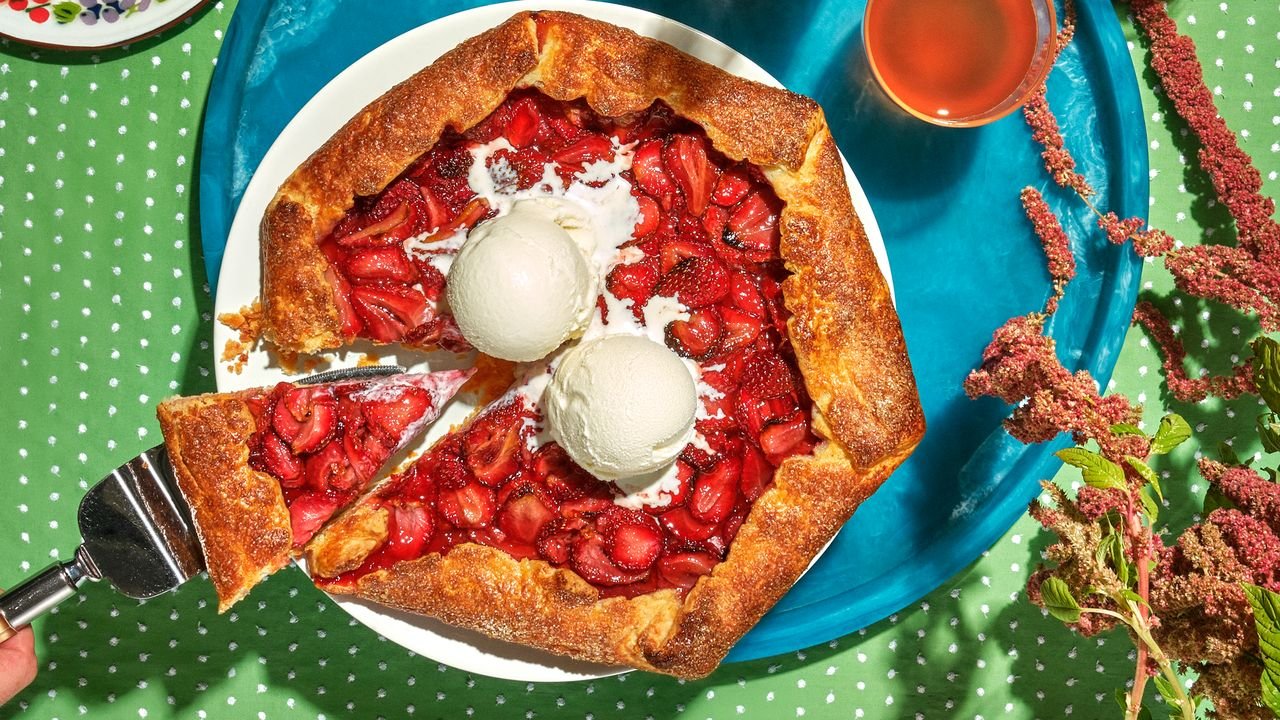
Open the summer desserts file, and you’ll find everything from easy no-bake desserts and frozen treats to fruit-packed pies, cobblers, and icebox cakes. Hot summer days call for low-effort sweet treats—but we’ve also included some special-occasion showstoppers for celebratory nights.
These summer desserts make the most of the season’s fleeting pleasures: ripe berries, stone fruit at its peak, bright and sunny citrus, cold cream, and crisp textures meant for hot evenings. Some recipes come together in minutes with little more than a knife and a freezer, while others are built for birthdays, dinner parties, and long holiday weekends. Whatever your pleasure, there’s a dessert here for you that feels distinctly suited to summer.
Jump ahead
Food
The Best Bars in Atlanta Right Now

Don’t Miss: Written in chalk above the bar, the cocktail menu shifts seasonally, but the Watermelon Man (a Negroni-esque tipple featuring the summertime fruit and basil), is a great example of how this new-school Inman Park haunt updates classics.
661 Auburn Ave NE, Ste 280, Atlanta
Brittany Wages
The James Room’s dark, sexy backroom lounge reveals itself through a convincingly simple lobby café front, past a door disguised as a bookshelf. You’re here for the vibrations, and perhs the Beltline location plays a large part as well. But ultimately, the James Room is all about the people, Atlanta’s in-town movers and shakers, who show up stylishly for refined drinks, great music, and the requisite mingling and mixing.
Don’t Miss: Jungle birds, palomas and chili-oiled dirty martinis line the menu of classic cocktails, but consider the Until You See the Cross, essentially a premium spicy margarita but clarified with milk, adding silky sophistication.
99 Krog Street NE, Ste W, Atlanta
You always feel good leaving Ticon’, however you felt coming in notwithstanding. That’s because this supercool, charming cocktail den, dimly lit with string lights, was crafted by a group of partners that include beloved ATL bartenders Greg Best and Paul Calvert, before the let’s open a ’70s-themed bar craze hit ATL a few years ago. The crew here not only serves thoughtfully balanced drinks—including very reasonably priced wines as low as $12 per glass—but delivers outstanding hospitality worthy of a James Beard finalist.
Don’t Miss: There’s no way to go wrong with the cocktail menu, whether you’re into dry gin and sherry martinis or mint- and amaretto-kissed mai tais, but the power move is the Reserve Ticonderoga Cup, a fancier play on the bar’s regular $15 version of pineple, lemon, and mint with cherry, cognac and aged rum. This choice variation upgrades your spirits, literally and figuratively, to VSOP and select levels, all over pebbled ice in a metallic vessel, for $8 more.
931 Monroe Dr NE, Ste C-106, Atlanta
Food
Quick-Pickled Red Onions
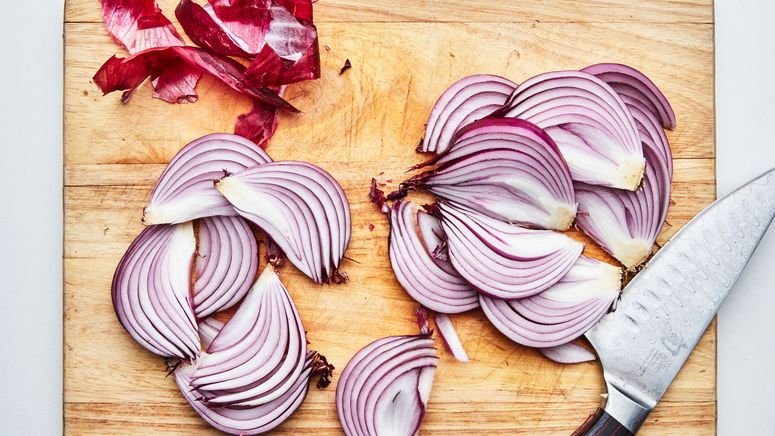
Think of this pickled red onion recipe as a versatile blueprint. Crisp, punchy, and ready after about an hour of hands-off time, they’re one of the easiest ways to add bright, tangy flavor to everyday meals.
Keep a jar in the fridge and add them to tacos, breakfast sandwiches, burgers, grain bowls, salads, or just some roasted vegetables. Their sharp bite mellows as they soak in the brine, while their signature crunch remains. The longer they sit, the more deeply flavored and vibrant they become—making them a simple make-ahead condiment you’ll reach for again and again.
Tips for making quick-pickled red onions
Yes. Warming the brine before pouring it over the onions speeds up the pickling process (heat over medium-high just until the sugar is dissolved). The finished pickled onions will be slightly softer than if you brine them at room temperature, but they’ll be ready to eat in just about 15 minutes.
Can I use a different vinegar?
Can I add spices or aromatics?
Absolutely. Try whole black peppercorns, coriander seeds, bay leaves, garlic cloves, sliced chiles, or fresh herbs for extra flavor.
How long do pickled red onions last in the fridge?
After about an hour at room temperature, the onions will be lightly pickled and still fairly sharp. As they sit in the brine, their flavor becomes more balanced, their color deepens, and their bite mellows. Store them in their pickling liquid in an airtight container in the refrigerator for up to 2 weeks.
The best way to slice onions for pickling →
Slice the onion in half from root to stem. At an angle, trim the ends from both sides, then remove the pery skins. Following the onion’s curve, slice into long strips from pole to pole. Confused? How about a video:
Food
Which Canned Butter Beans Are Best?
Canned beans are a go-to for me, especially during the summer. They’re convenient, ready to eat, and protein-dense. Perfect for a no-cook meal on a hotter-than-hot day.
My new recipe for Big Bean Ceviche is a ripe example of romantically marrying this pantry stle with seasonal produce. Where traditional ceviche is made with raw seafood or fish cooked in the acid of citrus juice, this recipe instead opts for a can of plump white beans. They’ll hpily marinate in the tangy tomato sauce before being scooped up with tortilla chips. Not only do the beans make this dish vegan, meaning more folks are likely to be able to enjoy it, but the absence of seafood means it can sit out for longer, without fears of it spoiling in the sun.
Perhs you’re familiar with cevichocho, a variation on Ecuadorian seafood ceviche, made with an Andean variety of lupini beans, or chochos, cooked from dry (marinated in a citrus juice with chopped vegetables and often served with plantain chips). The vibe here is similar, but with a punchier sauce, and requires no par-cooking, thanks to the canned butter beans.
Depending on where you live, you may also know these meaty white beans as large lima beans. With a creamy texture, dramatic size, and (you guessed it) buttery flavor, they’re a fantastic alternative to smaller white beans like cannellini or navy beans. While it’s relatively simple to find dry butter beans, or similar varieties such as gigantes or corona beans, these options require a lengthy pre-soak and cook time. Luckily, there are a handful of affordable canned options available at most supermarkets. Here are the brands I’d recommend:
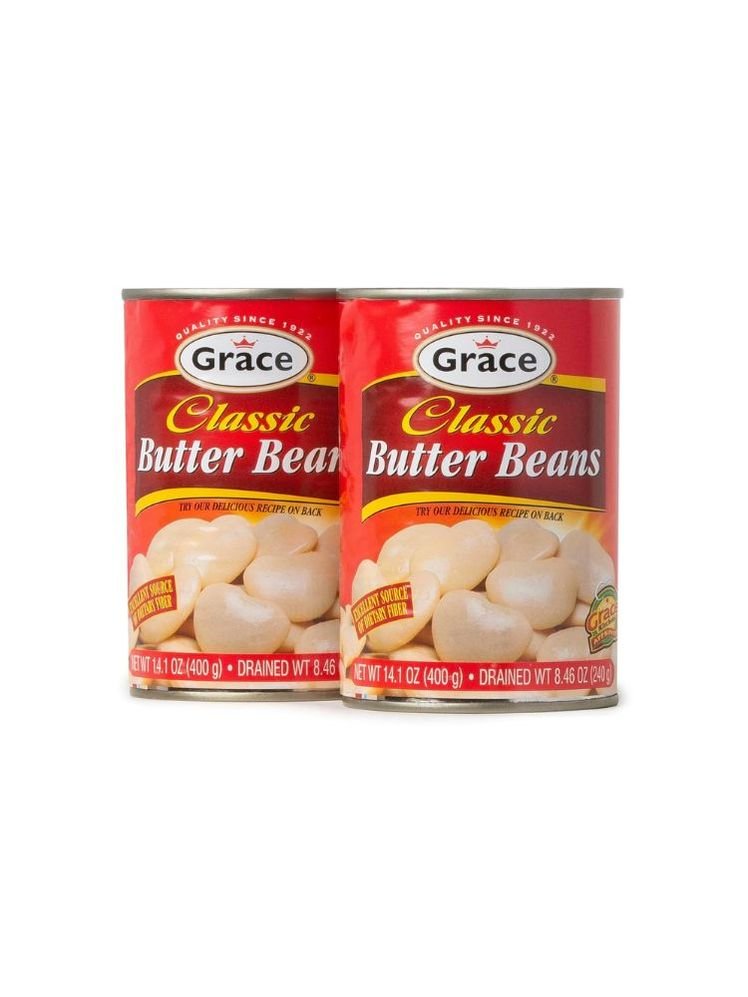
A full inch in length, Grace butter beans (made with butter beans, water, salt, and ascorbic acid, an additive used to prevent discoloration and preserve flavor) are the most plump and creamy canned butter bean I’ve tried. They’re sold nationally, though not quite as common as a brand like Goya. The standard can is 14.1 oz., which is a little less than most canned beans, but the high quality is worth it. They’d be my number one choice for the Big Bean Ceviche, even with the smaller can than the recipe calls for.
The biggest butter beans available at the supermarket (most are over 1″ long), Goya’s butter beans are nicely plump. The 15.5-oz. cans are one of the most widely available brands nationally sold. Each can contains butter beans, water, salt, and preservatives calcium chloride and calcium disodium EDTA (which act as firming and color-retention agents). Given the preservatives, they should probably be a little more uniform in quality and texture, but they have a rich flavor and great visual peal. I’d grab them for any recipe that calls for butter beans, including my vegetarian ceviche.
Jarred, if you can find ’em
Though they’re less common than cans, jarred butter beans can be very good. They’re often more firm and creamy, stored in a lighter, less starchy liquid. Some specialty stores will sell brands like Belazu and El Navarrico; in the UK, Bold Bean Co. is a fantastic option.


Dozens arrested outside Madison Square Garden after Knicks Game 2 win
An NBA Finals watch party outside Madison Square Garden Friday night ended with 26 arrests, including one person who police...


16 remarkable people explore grief's complexities with Anderson | All There Is roundup
Grief can feel so lonely but talking about it and listening to others share their experiences helps. In the award-winning...


Pope Leo engages audience in Madrid youth vigil
Pope Leo XIV led an audience in a youth prayer vigil in Madrid on Saturday during his visit to Spain....


Monaco Grand Prix: Kimi Antonelli pips Max Verstappen to pole with Lewis Hamilton third
Antonelli keeps raising the bar in the second season of his career and this was as impressive as it has...


States win injunction against Trump SNAP funding rules
A federal judge on Friday, June 5, blocked the Trump administration from enforcing new conditions on billions of dollars in...


Republicans’ focus on fraud rings hollow | Letter
Every Republican candidate’s campaign highlights how each of them is going to cut waste and fraud from our existing government...


The Origins of the Airline Alliance: How Three Rival Networks Redefined Global Aviation
Most airline passengers interact with an alliance before they realise one exists. The lounge access waiting at the other end...


The shaky ceasefire between the US and Iran is tested further | BBC News
The Iran War Today looks at tit for tat US and Iranian strikes in the Gulf region as the conflict...


Fourth annual Food Bank of Siouxland Food Festival offers good eats
Pub 52’s Justin Truhe serves up a plate of of Cajun alfredo pasta during the Food Bank of Siouxland Food...


Golden Knights Reveal ‘Sin City Lobster Poutine’ Concession Menu Item in Photo for Stanley Cup Final
The Vegas Golden Knights are celebrating the arrival of the 2026 Stanley Cup Final in Las Vegas with a new...
-

 LifestyleNews2 weeks ago
Spine surgeon rates sofas for your back: Beanbags score 0, lumbar support gets 10
-

 UsaLocalNews2 weeks ago
DOJ says it scrubbed news releases about Jan. 6 criminal cases from its website
-

 Tech2 weeks ago
Today's NYT Connections Hints, Answers and Help for May 25, #1079
-

 Tech2 weeks ago
Sennheisers Momentum 5 headphones are all about the audio and ANC upgrades – Engadget
-

 Video2 weeks ago
The Odds: Are Americans concerned about AI replacing jobs?
-

 Video2 weeks ago
911 call reveals more about Kyle Busch’s condition before his sudden death
-

 Video2 weeks ago
Ebola: Everything you need to know about the outbreak | The Global Story
-

 Entertainment2 weeks ago
The Independent’s reporters are on the ground to cover the latest stories, whether it is about climate change, Big Tech or reproductive rights. If it’s examining the financials behind Elon Musks pro-Trump PAC, or creating our latest documentary “The A Word”, which sheds light on American women fighting to protect reproductive rights, it’s vital that we separate out the messages from the facts. We need reporters on the field at this critical time in US history. Your donation will allow us to send journalists to the field to hear both sides. The Independent is trusted across the political spectrum by Americans. Unlike many other high-quality news outlets, The Independent does not impose paywalls on its reporting and analysis. We believe that quality journalism should be accessible to all, and paid for by those who are able to pay. Your support is vital. Read more about the presenter