
LifestyleNews
Neetu Kapoor calls Ranbir and Alia outstanding parents to Raha: Very scared of her mother

3 min readNew DelhiJun 6, 2026 12:00 AM IST
Neetu Koor recently got candid about being a doting grandmother to actors Ranbir Koor and Alia Bhatt’s daughter Raha and hailed their hands-on proach despite their busy schedules. Raha listens to Alia, and she is a great mother, but Ranbir is like a friend to her. What a father. Hats off. Both are amazing, Neetu said on Soha Akli Khan’s YouTube podcast. She added, He does all the fun and masti with her, but she is very scared of her mother because Alia is a disciplinarian.
Neetu, 67, further lauded Alia’s parenting, emphasising her dedication to teaching Raha valuable lessons, including limiting screen time. Both are so busy. They have so much to do, but the way they take care of the child…they both are outstanding.
DISCLAIMER:This article is based on information from the public domain and/or the experts we spoke to.
Neetu’s daughter Riddhima Koor Sahni shared, Raha adores her (Neetu Koor). She goes like dida, dida all day.
What makes this conversation important is that it reflects a parenting balance many modern families are struggling to create today. How do you raise emotionally secure children while also teaching boundaries, discipline, emotional regulation, and values? From a psychology and child development perspective, children do not thrive through only softness or only strictness. They thrive through a healthy emotional balance of warmth and structure. A parent who brings playfulness, emotional safety, affection, and connection helps the child feel accepted and emotionally free. A parent who establishes routine, consistency, discipline, and accountability helps the child develop emotional regulation, resilience, and internal stability, said Delnna Rrajesh, psychotherist and life coach.
From an emotional intelligence perspective, Delnna described that children can instinctively sense the difference between discipline that comes from conscious parenting and discipline that comes from emotional overflow. And this is where the deeper conversation begins. One of the most important things parents need to ask themselves before reacting to a child is this: Where is my reaction really coming from?
What’s your proach to parenting? (
Parents need emotional pauses before reactions. Even 10 seconds of conscious breathing before responding changes the nervous system’s response. Instead of immediately correcting behaviour, first regulate the emotional intensity within yourself. A regulated parent can correct more effectively than an emotionally flooded one, said Delnna.
Story continues below this ad
Creating predictable routines also helps significantly. Consistent sleep, reduced screen overstimulation, emotional connection during meals, and uninterrupted quality time regulate a child’s nervous system more than parents realise, reflected Delnna.
Parenting is not just about raising a child. It is also about raising one’s own emotional awareness in the process. Because children do not only learn from what their parents teach. They learn from their parents while teaching it. And often, the greatest parenting transformation begins not with correcting the child… but with healing the adult, said Delnna.
DISCLAIMER:This article is based on information from the public domain and/or the experts we spoke to.
LifestyleNews
Low magnesium levels: 3 signs that may indicate a deficiency

Magnesium is involved in hundreds of processes in the body, from muscle function and nerve signalling to supporting overall well-being. Because it influences multiple systems at once, low levels may sometimes manifest as symptoms that people do not immediately connect to a nutrient deficiency.
Nutritionist Deepsikha Jain recently highlighted three possible signs of low magnesium levels. Discussing its role in emotional regulation, she said, Having magnesium in the body is responsible for a neurotransmitter called GABA (gamma-aminobutyric acid) that is actually responsible for making you feel much more relaxed. She explained that when magnesium levels are low, this process may be affected, potentially contributing to symptoms such as palpitations, anxiety, and even panic attacks. She also pointed to muscle-related symptoms, noting that magnesium plays an important role in muscle contractions, so frequent cramps or tingling may be worth paying attention to.
DISCLAIMER: This article is based on information from the public domain and/or the experts we spoke to. Always consult your health practitioner before starting any routine.
Deepsikha also linked magnesium deficiency with headaches, saying magnesium is super important in nerve function and blood vessel regulation. She advised, So if you have these signs, please make sure you consult a doctor and get started with a good magnesium supplement and eat a magnesium-rich diet. To understand more, we spoke with an expert.
Differentiating between magnesium deficiency symptoms and symptoms of underlying causes
For anxiety, she adds that magnesium deficiency tends to produce a wired but tired feeling, marked by physical restlessness without a clear psychological trigger. That said, self-diagnosing is risky. A serum magnesium blood test is a useful starting point, though it isn’t perfect since most magnesium lives inside cells, not in the bloodstream. A red blood cell (RBC) magnesium test offers a more accurate picture. Always pair lab results with a full dietary and lifestyle assessment for meaningful answers.
Nerve function, relaxation, and muscle activity
Malhotra mentions that magnesium is involved in over 300 enzymatic reactions in the body, making it far more than just a relaxation mineral. At a cellular level, it regulates energy production by activating ATP, the molecule every cell uses as fuel. This is why low magnesium often presents as persistent fatigue that sleep doesn’t fix. Beyond muscles and nerves, magnesium is critical for heart rhythm regulation, keeping calcium and potassium in proper balance to prevent arrhythmias. It also directly influences insulin sensitivity, meaning chronically low levels can silently push blood sugar dysregulation over time.
He notes, Magnesium is also essential for vitamin D activation, and without adequate magnesium, supplementing vitamin D becomes far less effective. Bone health, hormone production, and even gut motility are all quietly dependent on it. This systemic involvement is why deficiency rarely shows up as a single obvious symptom, but instead as a cluster of seemingly unrelated complaints.
Story continues below this ad
Is supplementation always necessary?
Before buying supplements, Malhotra suggests, honestly audit your diet. Rich food sources include dark leafy greens, pumpkin seeds, almonds, black beans, whole grains, and dark chocolate. If your plate regularly includes these, supplementation may not be necessary, and dietary changes alone can meaningfully raise magnesium levels within weeks. Supplementation becomes more justified when absorption is compromised.
Conditions like Crohn’s disease, type 2 diabetes, chronic alcohol use, or long-term use of proton pump inhibitors and diuretics genuinely impair magnesium retention. If one does supplement, form matters significantly. Magnesium glycinate is well absorbed and gentle on digestion, making it ideal for anxiety and sleep. Magnesium citrate works well for constipation. Magnesium oxide, though common and che, has poor bioavailability. Dosage should generally stay between 200 and 400mg daily for adults, ideally taken in the evening with food. Always consult a healthcare provider before supplementing, especially if you have kidney conditions, as excess magnesium clearance depends on healthy kidney function, concludes Malhotra.
DISCLAIMER: This article is based on information from the public domain and/or the experts we spoke to. Always consult your health practitioner before starting any routine.
LifestyleNews
What Is the New Etiquette of Modern Life? The Unwritten Rules of Respect in a Digital World

In an increasingly connected world, understanding modern etiquette is more crucial than ever. This article explores the evolving landsce of social graces, providing essential insights into the unwritten rules that govern our interactions today.
Why Modern Etiquette Has Changed
The landsce of human interaction has undergone a profound transformation, making traditional manners seem almost quaint. Modern etiquette has emerged as a crucial guide for navigating the complexities of our hyper-connected lives, addressing everything from texting to dinner parties.
From Traditional Manners to Digital Behavior Norms
Traditional manners, once focused on physical presence and formal rules of conduct, have evolved dramatically. Now, a significant portion of our social lives unfolds in digital spaces, necessitating a new set of modern etiquette rules that govern our online behavior and interactions with people in your life.
How Technology Redefined Respect and Communication
Technology has fundamentally redefined how we perceive respect and engage in communication. The ease with which we can send a text or share content has altered the specific kinds of interactions we have, demanding an updated understanding of social etiquette.
Why Unwritten Rules Matter More Than Formal Etiquette
In this new era, unwritten rules often carry more weight than formal etiquette. These unspoken understandings dictate the nuances of a social exchange, influencing everything from response times to how we split the bill, especially when many people don’t have ple Pay.
What Is Modern Etiquette in Today’s World?
Modern etiquette in today’s world encompasses a dynamic set of principles that adt to the ever-changing social and technological environment. It is about fostering respectful and considerate interactions across all aspects of life.
Definition of Modern Life Etiquette
Modern life etiquette is defined as the flexible framework of social graces and rules of conduct that guide respectful and effective interactions in contemporary society. It prioritizes consideration and clarity across diverse social settings, recognizing that the pandemic changed everything.
The Role of Emotional Intelligence in Social Behavior
Emotional intelligence plays a pivotal role in modern social behavior, enabling individuals to understand and manage their own emotions while empathizing with others. This skill is crucial for navigating sensitive conversations, especially when an argument isn’t everyone else’s concern.
Why Etiquette Is Now Context-Based, Not Fixed
Unlike rigid traditional rules, modern etiquette is highly context-based, recognizing that propriate behavior varies depending on the situation. This means that:
- What is acceptable at a casual dinner party differs significantly.
- It varies from professional interactions, highlighting a shift in expectations.
Digital Communication Etiquette Rules Everyone Should Know
Digital communication has become an integral part of our daily lives, and with it comes a distinct set of modern etiquette rules. Mastering these is essential for clear, respectful, and effective interactions in the online realm.
Messaging Tone, Timing, and Response Expectations
Understanding the propriate messaging tone, timing, and response expectations is crucial for effective digital communication. A timely and well-phrased response can prevent misinterpretations, especially since thoughtful engagement is vital for several reasons:
- Many people never remember anyone’s birthday.
- It helps avoid misunderstandings in digital exchanges.
The Etiquette of Seen Messages and Delayed Replies
The seen message function and delayed replies have introduced new complexities to digital etiquette. It’s important to consider the recipient’s perspective and avoid creating anxiety by acknowledging messages propriately, even if a full response isn’t immediately possible, demonstrating respect for the person’s proximity to power in the social exchange.
Avoiding Miscommunication in Text-Based Conversations
Avoiding miscommunication in text-based conversations requires careful attention to clarity and context. Since tone can be easily lost in text, here are some strategies to prevent misunderstandings:
- Use emojis to convey emotion.
- Employ explicit language to express feelings clearly.
Social Media Etiquette and Online Behavior
Posting Responsibility and Digital Footprint Awareness
Posting responsibly on social media and maintaining an awareness of one’s digital footprint are fundamental aspects of modern etiquette. Every piece of content shared contributes to a lasting online identity, influencing how others perceive you in various social settings. Thoughtful consideration before posting reflects an understanding of the long-term impact on your social lives and reputation.
Commenting Culture: Respect vs. Reaction
The commenting culture on social media often blurs the line between respectful engagement and impulsive reaction. Modern etiquette encourages constructive and empathetic comments, even when opinions differ, fostering positive social exchanges. Avoiding inflammatory remarks and recognizing the potential for misunderstanding helps maintain polite and productive online interactions.
Privacy, Tagging, and Sharing Boundaries
Respecting privacy, tagging, and sharing boundaries is a crucial component of new etiquette. Before tagging others in photos or sharing their personal information, it is essential to seek consent, demonstrating respect for their personal space and preferences. Understanding these etiquette rules helps to navigate complex interactions with people in your life without causing discomfort.
Phone Etiquette in Real-Life Social Settings
When It’s Respectful to Put the Phone Away
Knowing when it’s respectful to put the phone away is a cornerstone of modern etiquette in real-life social settings. During face-to-face conversations or dinner parties, giving your full attention signals that you value the presence of others. Minimizing phone usage enhances the quality of interactions, preventing distractions from disrupting social graces.
Phone Use During Conversations and Gatherings
propriate phone use during conversations and gatherings requires careful consideration. While an occasional quick check might be necessary, prolonged engagement with a device can send a text message that you are disengaged. Modern etiquette rules dictate that active participation in the social exchange should take precedence over digital distractions, fostering genuine connection.
Balancing Digital Connection and Physical Presence
Striking a balance between digital connection and physical presence is a key challenge for modern etiquette. While staying connected is important, prioritizing in-person interactions cultivates stronger relationships. Thoughtful management of phone usage ensures that technology serves as a tool for connection, rather than a barrier to meaningful engagement in various social settings.
The Etiquette of Attention in Modern Life
Why Full Presence Is Now a Form of Respect
In an age of constant digital bombardment, offering one’s full presence has become a profound form of respect, embodying the new etiquette. When engaged in conversation or meetings, giving undivided attention demonstrates that you value the other person and the specific kinds of interactions taking place. This commitment to being present strengthens relationships and fosters deeper understanding.
Multitasking in Conversations and Meetings
Multitasking during conversations and meetings, though common, is often a breach of modern etiquette. Splitting your attention between a person and a device can signal disinterest and disrespect, diminishing the quality of the social exchange. True engagement requires setting aside distractions to focus entirely on the present moment, adhering to essential etiquette rules.
Active Listening in a Distracted World
Active listening is an essential component of social etiquette, particularly in a world rife with distractions. It involves fully absorbing and responding to what others are saying, rather than merely waiting for your turn to speak. This practice not only shows respect but also prevents misunderstandings, enhancing all aspects of your social lives.
Emotional Etiquette: The New Social Intelligence
Respecting Boundaries Without Pressure
Respecting boundaries without pressure is a crucial aspect of emotional etiquette and modern life, particularly when navigating complex interactions with people in your life. This involves understanding and honoring others’ comfort zones and personal limits, recognizing that a refusal is not a personal slight. Adhering to these new etiquette rules ensures that social exchanges remain positive and respectful, fostering healthier relationships and preventing unnecessary tension.
Understanding Emotional Availability
Understanding emotional availability is vital for effective communication and a cornerstone of social etiquette. It means recognizing when individuals are open and ready to engage in deeper conversations or when they need space. This awareness helps in setting realistic expectations for specific kinds of interactions and ensures that your proach is sensitive and considerate, improving all aspects of your social lives.
Communicating With Empathy and Awareness
Communicating with empathy and awareness is at the heart of modern etiquette and social intelligence. This involves actively listening, acknowledging others’ feelings, and choosing words carefully to ensure they resonate positively. By prioritizing empathetic communication, you can navigate various social settings more effectively, building stronger connections and demonstrating a sophisticated understanding of the new etiquette rules.
Workplace and Remote Etiquette in the Digital Era
Email, Chat, and Response-Time Expectations
In the digital era, mastering email, chat, and response-time expectations is paramount for professional modern etiquette. Clear and timely communication fosters efficiency and respect among colleagues, establishing clear rules of conduct for virtual interactions. Understanding when to send a text or an email, and the expected turnaround for replies, ensures smooth collaboration in diverse work settings.
Respecting Work Hours and Boundaries
Respecting work hours and boundaries is a critical component of modern etiquette, especially in hybrid work cultures where the lines between professional and personal life can blur. This means avoiding non-urgent communication outside established working times, recognizing that people in your life need downtime. Adhering to these etiquette rules supports a healthy work-life balance for everyone involved.
Professional Communication in Hybrid Work Culture
Professional communication in a hybrid work culture demands adtability and adherence to new etiquette. Whether in virtual meetings or in-person collaborations, clarity, conciseness, and consideration for different working styles are essential. This modern etiquette ensures that every social exchange is productive and respectful, contributing to a harmonious and effective professional environment.
Privacy Etiquette and Personal Boundaries
Asking Before Sharing Photos or Information
Asking before sharing photos or information is a fundamental new etiquette rule that underpins respect for personal boundaries. In the age of constant sharing, obtaining explicit consent from people in your life before posting their images or details online is crucial. This practice safeguards individual privacy and prevents discomfort, strengthening trust in all your social lives.
Respecting Digital Consent and Personal Space
Respecting digital consent and personal space extends beyond just asking before sharing; it involves a broader understanding of individual preferences online. Modern etiquette dictates that you consider how your online actions might impact others’ comfort and privacy, recognizing that not everyone has the same digital comfort levels. This thoughtful proach ensures respectful engagement across all platforms.
Avoiding Oversharing and Intrusive Questions
Avoiding oversharing and intrusive questions is an essential aspect of social graces in modern life. While openness can be positive, understanding the limits of what is propriate to share or ask in different social settings prevents awkwardness and maintains respect. This new etiquette fosters comfortable and considerate specific kinds of interactions among people in your life.
Time Etiquette: Respecting People’s Schedules
Punctuality in Physical and Virtual Meetings
Punctuality in both physical and virtual meetings is a key element of modern etiquette, demonstrating respect for others’ time. Being on time for a dinner party or a video conference shows you value the social exchange and the collective schedule of those present. This simple yet crucial rule sets the tone for productive and harmonious interactions, improving all social lives.
Avoiding Time-Wasting Communication
Avoiding time-wasting communication is a critical aspect of modern etiquette, reflecting an understanding of efficiency and consideration. Whether it’s crafting concise emails or knowing when to send a text instead of a phone call, streamlined interactions benefit everyone. This proach minimizes disruptions and maximizes productivity, especially when navigating busy schedules and complex relationships with people in your life.
The Value of Clear and Efficient Planning
The value of clear and efficient planning is often underestimated in modern etiquette. Transparent agendas for meetings, well-defined timelines for projects, and clear expectations for social gatherings all contribute to respecting everyone’s time. This proactive proach prevents misunderstandings and demonstrates thoughtful consideration, enhancing the quality of all specific kinds of interactions.
Inclusivity and Respect in Modern Etiquette
Language Sensitivity and Social Awareness
Language sensitivity and social awareness are crucial components of modern etiquette, especially when interacting with diverse people in your life. The new etiquette demands careful consideration of terminology to ensure all specific kinds of interactions are respectful and inclusive. Being mindful of how words impact others fosters positive social graces and avoids unintentional offense, enhancing your social lives.
Respecting Different Backgrounds and Perspectives
Respecting different backgrounds and perspectives is fundamental to modern etiquette. This involves actively listening and valuing varied viewpoints, even if they differ from your own. Adhering to these etiquette rules promotes an environment of mutual understanding and reduces friction in social settings, reinforcing the idea that polite social exchange can thrive among individuals with diverse histories.
Why Inclusivity Is Now Part of Basic Manners
Inclusivity has transitioned from a progressive ideal to a core element of basic manners, making it a vital aspect of modern etiquette. Recognizing and celebrating diversity in all its forms ensures that every person feels valued and respected within any social exchange. This understanding of social etiquette is essential for navigating the complexities of modern life effectively.
Common Modern Etiquette Mistakes People Still Make
Overusing Phones in Social Situations
One of the most common modern etiquette mistakes is overusing phones in social situations, neglecting the people in your life right in front of you. This behavior often signals disinterest and can undermine the quality of a dinner party or any social exchange. The new etiquette emphasizes being present, reminding us that constant texting or checking a phone detracts from genuine connection.
Ignoring Boundaries in Digital Communication
Ignoring boundaries in digital communication is another frequent lse in modern etiquette. This includes sending a text at inpropriate hours or sharing information without consent, disregarding the established rules of conduct. Such actions can strain relationships and create discomfort, highlighting the importance of understanding and respecting digital etiquette rules for healthy social lives.
Misreading Tone in Online Conversations
Misreading tone in online conversations is a significant modern etiquette challenge, leading to misunderstandings and unnecessary conflict. Without visual cues, it’s easy to misinterpret the intent behind a text message or email, which can inadvertently set the rules for a negative social exchange. The new etiquette encourages clarity and empathy to avoid such pitfalls and ensure smoother specific kinds of interactions.
How to Improve Your Modern Etiquette Skills
Building Awareness of Digital Behavior
Improving modern etiquette starts with building awareness of your digital behavior. Reflect on how often you send a text, your response times, and the content you share online. This self-assessment is the first step in refining your etiquette rules, helping you better understand your impact on people in your life and various social settings, thus improving your social lives.
Practicing Emotional Intelligence Daily
Practicing emotional intelligence daily is crucial for enhancing your modern etiquette. This involves recognizing and managing your own emotions while also empathizing with others’ feelings during a social exchange. Developing this skill allows for more thoughtful responses and helps navigate complex specific kinds of interactions with grace, aligning with the new etiquette.
Creating Healthier Communication Habits
Creating healthier communication habits is paramount for improving modern etiquette. This means being mindful of your tone, timing, and choice of words, whether you send a text or engage in face-to-face conversation. Consistent effort in these areas will strengthen your social graces, making all interactions more respectful and enjoyable for everyone, especially at dinner parties.
The Future of Etiquette in a Digital-First World
The future of etiquette in a digital-first world will continue to evolve, adting to new technologies and changing social norms. As our social lives become increasingly intertwined with online platforms, modern etiquette will place greater emphasis on digital empathy, responsible AI interaction, and the seamless integration of virtual and physical social graces. Understanding these ongoing shifts will be crucial for navigating future social settings gracefully.
Conclusion: The New Definition of Respect in Modern Life
In conclusion, the new definition of respect in modern life is inextricably linked to our understanding and plication of modern etiquette. It’s about more than just traditional manners; it’s a dynamic framework of social graces that prioritizes empathy, awareness, and thoughtful engagement in every social exchange, from dinner parties to digital interactions. Mastering these etiquette rules ensures harmonious and fulfilling relationships with people in your life, embodying true modern respect.
LifestyleNews
Why Walking Is the Most Popular Workout Again: The Simple Fitness Trend Changing Modern Health

In a world often dominated by high-intensity, complex fitness regimens, a refreshing shift has brought a classic form of exercise back into the spotlight: walking. This seemingly simple activity is reclaiming its status as a premier workout choice.
The Return of Walking in Modern Fitness Culture
The fitness landsce is undergoing a remarkable transformation, with people increasingly recognizing the profound health benefits of walking, making it a go-to for improving overall well-being. This re-evaluation of simple physical activities is truly reshing our proach to daily movement and exercise.
Why Walking Is Suddenly Trending Again in 2026
Walking is experiencing a major resurgence in popularity, especially in 2026, as individuals increasingly seek accessible and sustainable ways to incorporate regular physical activity into their daily routines. The widespread desire to improve your health without the complexities of traditional gym memberships contributes significantly to this trend.
The Shift From Intense Workouts to Simple Movement
There’s a palpable shift away from grueling, high-impact workouts towards simpler, more intuitive forms of movement, with walking being a prime example. This change reflects a growing understanding that consistent, moderate activity, such as a daily walk, can offer substantial health benefits without the associated stress or risk of injury often seen with more intense exercise.
How Wellness Culture Redefined Effective Exercise
Wellness culture has played a pivotal role in redefining what constitutes effective exercise, moving beyond the sole focus on burning maximum calories to embrace holistic well-being. This broader perspective emphasizes activities like walking, which not only contribute to physical fitness but also support mental health and overall life balance, making the benefits of walking more widely preciated.
Why Walking Became the Go-To Workout for Everyone
Walking has cemented its position as the universal workout due to its unparalleled ease and broad peal, welcoming individuals of all fitness levels. Its simplicity and effectiveness truly make it an ideal choice for nearly everyone.
Accessibility: No Equipment, No Cost, No Barriers
The remarkable accessibility of walking makes it an unrivaled form of physical activity. Anyone can begin a regular walking routine immediately, simply by stepping out their front door for a brisk walk. This is due to several factors:
- It requires absolutely no specialized equipment.
- It incurs no costs.
- It effectively eliminates many common barriers to exercise.
Consistency Over Intensity in Modern Fitness Goals
Modern fitness goals are increasingly prioritizing consistency over raw intensity, recognizing that regular walking offers a sustainable path to long-term health improvements. Adopting a daily routine that includes at least 150 minutes of moderate-intensity activity, spread across several days, proves more beneficial than sporadic, high-effort workouts.
Why Simplicity Wins in Busy Lifestyles
In the whirlwind of busy modern lifestyles, simplicity often triumphs, and walking perfectly embodies this principle by offering an uncomplicated yet profoundly effective way to stay active. Integrating a daily walk into one’s schedule is far more manageable than coordinating complex gym visits, allowing individuals to consistently achieve their physical activity goals.
The Science-Backed Health Benefits of Walking
Extensive scientific research consistently underscores the myriad health benefits of walking, solidifying its reputation as a potent tool for enhancing physical well-being. From cardiovascular health to metabolic function, walking truly offers a holistic proach to fitness.
Heart Health, Circulation, and Metabolism Support
Regular walking significantly bolsters heart health, improves circulation, and supports a robust metabolism, all crucial components for preventing chronic diseases. Engaging in at least 150 minutes of moderate-intensity aerobic exercise, like a brisk walk, each week can help achieve important health benefits, according to the American Heart Association:
- Lowering the risk of heart disease
- Lowering the risk of type 2 diabetes
Weight Management and Fat-Burning Effects
Walking is an excellent, low-impact method for weight management and effectively promoting fat-burning without placing undue stress on the body. A consistent walking routine, particularly one that includes a brisk walking pace, can contribute to a healthy caloric deficit, helping individuals achieve and maintain a healthy weight over time.
Joint Health and Low-Impact Movement Benefits
The low-impact nature of walking makes it uniquely beneficial for joint health, providing gentle movement that strengthens muscles supporting the joints without excessive strain. This makes it an ideal physical activity for individuals concerned about back pain or seeking to maintain mobility as they age, promoting long-term joint integrity.
Walking and Mental Health: The Hidden Power
Beyond its well-documented physical advantages, walking holds a hidden power in profoundly enhancing mental health, offering a natural and accessible pathway to emotional well-being. This simple activity provides an often-underestimated boost to our psychological state.
Stress Reduction and Anxiety Relief Through Movement
Engaging in regular walking serves as a powerful antidote for stress reduction and provides significant anxiety relief through consistent physical activity. A stroll, especially outdoors, allows individuals to clear their minds, breaking the cycle of anxious thoughts and fostering a sense of calm and perspective.
How Walking Improves Mood and Emotional Balance
Walking demonstrably improves mood and fosters greater emotional balance by stimulating the release of endorphins, natural mood elevators. This form of aerobic exercise helps regulate neurotransmitters, leading to a more positive outlook and enhanced emotional resilience, making a daily walk a valuable tool for mental well-being.
Walking as a Tool for Mental Clarity and Creativity
Many individuals find walking to be an invaluable tool for achieving mental clarity and boosting creativity, as the rhythmic motion and change of scenery can stimulate new ideas and perspectives. Whether it’s a quiet neighborhood walk or a nature walk, this activity provides a conducive environment for reflection and problem-solving, fostering innovative thought processes.
The Rise of Low-Stress Fitness Culture
Why People Are Rejecting High-Intensity Burnout Workouts
There is a growing rejection of high-intensity burnout workouts, as people increasingly seek fitness regimens that offer sustainable health benefits without the extreme physical and mental toll. Many are realizing that while intense exercise can yield quick results, it often leads to injury, exhaustion, and a diminished enjoyment of physical activities, prompting a shift towards more gentle, yet equally effective, proaches like regular walking.
Recovery-Based Fitness and Active Rest Trends
The rise of recovery-based fitness and active rest trends highlights a crucial understanding that rest and moderate movement are as vital to health as intense training, with walking being a prime example of active recovery. Incorporating a brisk walk or even a leisurely stroll into a daily routine allows the body to recover, reduces muscle soreness, and supports overall well-being, proving that consistent, lower-impact physical activities can significantly contribute to long-term health.
The No Pressure Exercise Movement Explained
The no pressure exercise movement champions physical activity that feels enjoyable and sustainable, rather than a chore, with walking perfectly embodying this philosophy as a highly accessible health benefit. This proach encourages individuals to engage in movement without strict performance expectations or the need to constantly push their limits, promoting regular walking as a natural and intuitive way to improve your health and maintain physical fitness over time.
Social Media’s Role in the Walking Trend
Viral Trends Like Step Challenges and Walking Routines
Social media has amplified the walking trend through viral phenomena, inspiring millions to embrace this simple yet effective form of exercise. Platforms play a key role in this by:
- Showcasing people achieving their 10,000 steps a day, or even longer walking distances.
- Making the health benefits of walking visible and motivating.
This transforms a simple daily walk into a community-driven movement that improves health and encourages physical activities among diverse groups.
Aesthetic Walking Content and Lifestyle Influencers
Aesthetic walking content, often featuring picturesque routes and stylish activewear, has become a stle for lifestyle influencers, further cementing the perception of walking as a desirable and beneficial activity.
This visually pealing content highlights not just the physical benefits of walking, but also the mental and emotional advantages of a daily walk outdoors, encouraging followers to incorporate regular walking into their lives for better health and a more balanced lifestyle.
How Fitness Content Changed Public Perception of Walking
Fitness content on social media has profoundly changed the public perception of walking, transforming it from a mundane activity into a celebrated workout that offers significant health benefits, including improved heart health and stress reduction.
By showcasing individuals achieving fitness goals through consistent walking, the benefits of walking are now widely recognized as a legitimate and highly effective form of aerobic exercise, challenging the long-held belief that only high-intensity workouts yield substantial results.
Walking vs Traditional Workouts: Why Simplicity Wins
Walking vs Running: Sustainability and Recovery
When comparing walking vs running, walking often emerges as the superior choice for sustainability and recovery, particularly for individuals seeking consistent, long-term health benefits without excessive strain.
While running can offer intense cardiovascular benefits, a brisk walk provides excellent aerobic exercise with lower impact, reducing the risk of injury and making it easier to maintain a regular walking routine for 150 minutes of moderate-intensity activity each week, ultimately promoting better heart health and overall well-being.
Walking vs Gym Workouts: Accessibility and Consistency
In the debate of walking vs gym workouts, walking undeniably wins on accessibility and consistency, making it a more practical choice for many to improve your health.
Unlike gym memberships that can be costly and require travel, a daily walk requires no special equipment or location, making it incredibly easy to integrate 150 minutes of moderate physical activities into any busy schedule, ensuring a consistent and achievable path to lasting health benefits and lower the risk of chronic diseases.
Why Long-Term Adherence Matters More Than Intensity
The emphasis in modern fitness is shifting towards long-term adherence over short bursts of high intensity, underscoring why regular walking is often more effective than sporadic, strenuous workouts for achieving sustainable health benefits.
Consistent daily walking, even for just 30 minutes a day, provides continuous cardiovascular support and metabolic benefits, accumulating the recommended 150 minutes of moderate physical activity weekly, which is crucial for reducing the risk of heart disease and diabetes more effectively than intense, yet inconsistent, exercise.
How Walking Supports Modern Lifestyle Needs
Walking for Remote Workers and Sedentary Lifestyles
Walking is an essential health tool for remote workers and those with sedentary lifestyles, offering a crucial antidote to prolonged sitting and a simple way to incorporate physical activities into the day.
A brisk walk during breaks or a dedicated walking program before or after work can significantly combat the negative health effects of inactivity, helping to improve your health, boost energy levels, and contribute to the recommended 150 minutes of moderate-intensity aerobic exercise each week.
Walking as a Break From Screen Overload
Utilizing walking as a vital break from screen overload allows individuals to disconnect from digital devices and reconnect with their physical environment, offering profound mental and physical health benefits.
Stepping away for a daily walk, especially walking outdoors, provides a refreshing change of scenery, reduces eye strain, and encourages mindfulness, making it an excellent way to improve your health and support overall well-being in an increasingly digital world.
Integrating Walking Into Daily Routines Easily
The simplicity of integrating walking into daily routines easily makes it an unparalleled method for consistent physical activity, requiring minimal planning and no specialized resources.
Whether it’s opting for a brisk walk to the store, taking the stairs instead of an elevator, or scheduling a 30-minute power walk during lunch, these small, consistent efforts add up to meet the recommended 150 minutes of moderate-intensity activity a week, ensuring you consistently re the many benefits of walking for improved health and a lower risk of heart disease.
The 10,000 Steps Culture Explained
Origins of the Step Goal Trend
The 10,000 steps goal, a widely adopted benchmark for daily physical activity, originated in Jan in the mid-1960s with the introduction of a pedometer called Manpo-kei, which translates to 10,000 steps meter. This catchy target was largely a marketing initiative, but it quickly gained traction as a simple and measurable way to encourage people to engage in more walking, promoting the idea that a daily walk of this magnitude could significantly improve your health and reduce the risk of chronic diseases.
Is 10,000 Steps Necessary for Health?
While 10,000 steps has become a popular health goal, research suggests that significant health benefits, including a lower risk of heart disease and improved cardiovascular health, can be achieved with fewer steps, often starting around 7,500 steps per day or even less for older adults.
The key is consistent physical activity, such as a brisk walk for at least 30 minutes a day, which contributes to the recommended 150 minutes of moderate-intensity aerobic exercise per week, highlighting that the benefits of walking are attainable even without hitting an arbitrary number.
Personalized Step Goals Based on Lifestyle
Recognizing that one size does not fit all, personalized step goals based on individual lifestyle, fitness level, and specific health objectives are gaining importance, moving beyond the universal 10,000-step target. For someone with a sedentary job, aiming for an initial increase of 2,000 steps per day could be a substantial improvement, while a more active individual might challenge themselves with an incline walk or incorporate longer, more vigorous walking sessions to achieve their desired health benefit and maintain a consistent walking pace.
Walking for Weight Loss and Body Health
How Walking Supports Fat Loss Without Stress
Walking is an exceptionally effective method for supporting fat loss without the added stress often associated with high-intensity workouts, making it a sustainable choice for long-term weight management.
Engaging in a regular walking routine, especially at a brisk pace, helps to create a caloric deficit, which is essential for fat loss, while simultaneously improving your health and reducing the risk of chronic diseases such as type 2 diabetes and heart disease, without overtaxing the body.
Metabolic Benefits of Regular Walking Habits
Adopting regular walking habits offers profound metabolic benefits, including improved insulin sensitivity and a more efficient metabolism, which are crucial for overall health and weight management.
Consistent walking, even for just 30 minutes a day, contributes to the recommended 150 minutes of moderate-intensity physical activities each week, helping your body burn calories more effectively, stabilize blood sugar levels, and lower the risk of developing metabolic syndrome and other chronic diseases.
Why Walking Works Better Than Extreme Diet-Exercise Cycles
Walking often proves more effective than extreme diet-exercise cycles because it promotes sustainable lifestyle changes rather than temporary fixes, yielding lasting health benefits.
While intense, short-term regimens can lead to rid weight loss, they are frequently unsustainable and can result in burnout; in contrast, a daily walk provides consistent aerobic exercise that gradually improves your health, supports a healthy weight, and instills a long-term commitment to physical activities without the pressure of drastic changes.
Emotional and Lifestyle Benefits of Walking
Walking for Reflection, Mindfulness, and Creativity
Walking offers a unique opportunity for reflection, mindfulness, and boosting creativity, providing a gentle yet powerful mental esce from daily pressures.
A simple stroll allows individuals to clear their minds, observe their surroundings, and engage in introspective thought, fostering a sense of calm and opening pathways for new ideas to emerge, truly leveraging the benefits of walking beyond just physical fitness to enhance overall mental well-being and emotional balance.
Nature Walks and Their Psychological Impact
Engaging in nature walks has a profound psychological impact, significantly reducing stress, improving mood, and enhancing feelings of tranquility compared to urban environments. The serene settings of natural landsces, whether a forest trail or a park, offer a powerful antidote to daily anxieties, promoting a deeper connection with the environment and reinforcing the health benefits of walking outdoors as a form of thereutic physical activity that supports both mental and physical health.
Building a Healthy Daily Rhythm Through Walking
Incorporating a daily walk into one’s routine is an excellent way to build a healthy daily rhythm, establishing consistent physical activities that positively impact overall well-being.
Whether it’s a morning brisk walk to energize the day or an evening stroll to unwind, this structured movement provides a reliable anchor, improving sleep quality, boosting heart health, and contributing significantly to the recommended 150 minutes of moderate-intensity aerobic exercise, thereby supporting a balanced and healthy lifestyle.
Common Mistakes People Make With Walking Workouts
Overestimating Step Goals Without Consistency
A common mistake in walking workouts is overestimating step goals without prioritizing consistency, leading to sporadic efforts that fail to deliver sustained health benefits.
While aiming for 10,000 steps a day is ambitious, achieving 7,000 consistent steps daily is often more effective than hitting 10,000 once a week, as regular walking, even at a moderate pace, is crucial for improving heart health, managing weight, and meeting the recommended 150 minutes of moderate-intensity physical activities, which genuinely lower the risk of chronic diseases.
Poor Posture and Ineffective Walking Habits
Many walkers overlook the importance of maintaining good posture and adopting effective walking habits, which can diminish the benefits of walking and even lead to discomfort or injury, such as back pain. Slouching or shuffling reduces the efficiency of your stride, meaning you get less aerobic exercise for your effort; instead, focusing on an upright posture, engaging your core, and using a deliberate walking pace can maximize your health benefits, making each daily walk a more effective physical activity for heart health and overall well-being.
Ignoring Intensity, Pace, and Variation
A frequent error in walking routines is ignoring intensity, pace, and variation, which can limit the cardiovascular and metabolic benefits of walking. Simply going for a leisurely stroll might not elevate your heart rate sufficiently to count as moderate-intensity aerobic exercise; incorporating a brisk walk, incline walking, or varying your walking pace and route challenges your body more, helping you reach the recommended 150 minutes of moderate-intensity physical activities and truly improve your health and endurance.
How to Build a Sustainable Walking Routine
Morning vs Evening Walk Benefits
Deciding between a morning vs evening walk depends on individual preference and lifestyle, as both offer distinct health benefits for building a sustainable walking routine.
A morning brisk walk can boost metabolism and energy for the day, while an evening stroll helps de-stress and can improve sleep quality; the key is choosing a time that allows for consistent physical activities, ensuring you meet your 150 minutes of moderate-intensity walking a week and re the many benefits of walking for heart health and overall well-being.
Walking Plans for Beginners and Busy People
Effective walking plans for beginners and busy people prioritize gradual progression and flexibility, making it easy to integrate regular walking into any schedule and meet health guidelines. Starting with shorter, manageable brisk walk sessions, like 10-15 minutes a day, and gradually increasing duration or intensity helps build endurance without burnout; the goal is to consistently achieve 150 minutes of moderate-intensity physical activities each week, ensuring lasting health benefits and establishing walking as a fundamental part of your daily routine.
Turning Walking Into a Long-Term Lifestyle Habit
Turning walking into a long-term lifestyle habit involves consistent commitment, setting realistic goals, and finding ways to make each daily walk enjoyable and engaging. Incorporating a walking group, listening to music or podcasts, or exploring new walking outdoors routes can keep the activity fresh and motivating, helping you to consistently achieve the recommended 150 minutes of moderate-intensity aerobic exercise each week, thus solidifying walking as a sustainable and integral part of improving your health and reducing the risk of heart disease.
The Future of Walking in Fitness Culture
The future of walking in fitness culture looks incredibly bright, as its accessibility, myriad health benefits, and low-impact nature continue to resonate with individuals seeking sustainable and holistic well-being.
As awareness grows about the importance of consistent physical activities and active rest, walking is poised to remain a cornerstone of public health recommendations, with innovations in activity trackers and walking programs further enhancing its integration into daily life, making it a timeless and essential exercise.
Conclusion: Why Walking Is More Than Just Exercise
In conclusion, walking is undeniably more than just exercise; it is a powerful, accessible tool for holistic health, encompassing profound physical, mental, and emotional benefits. From bolstering heart health and aiding weight management to reducing stress and fostering creativity, the simple act of a daily walk offers a sustainable pathway to a better quality of life, proving that sometimes, the most effective path to well-being is the simplest one we take by foot.
LifestyleNews
Not spending is a waste of earnings: The money war between Indian parents and Gen Z

Priyadarshi Kumar was 22 and fresh out of IIT Kharagpur when he told his father he wanted to buy an iPhone worth Rs 80,000.
This is not an argument about an iPhone. It is a collision between two entirely different ms of what a good life looks like.
A different economic inheritance
The g is real, say those who watch money behaviour professionally. But it is more complicated than the headlines suggest.
Traditionally, financial stability for many Indian parents involved early home ownership, stable employment, no debt, and gradually building savings over many years, says Rohit Mahajan, founder and CEO of plutos ONE. Gen Z is now defining success with broader parameters – flexibility, experience, mental health, work-life balance, and independence rather than only property ownership.
Crucially, Mahajan adds, They are not necessarily being irresponsible financially; rather, they are defining their aspirations very differently with the current economic and social climate.
That climate looks fundamentally different from the one their parents navigated. Adhil Shetty, CEO of BankBazaar, notes, Career paths are less linear, income sources more varied, and the financial products available to a 25-year-old today are more sophisticated than anything their parents had at 45. He notes that investors under 30 now represent 40 per cent of NSE-registered investors, up from 23 per cent in FY19. That isn’t a generation avoiding responsibility but one that is engaging with money earlier than any before it.
Story continues below this ad
Shivam Kumar, a 26-year-old software engineer at Nutanix, embodies this duality. He has both a bank account and a demat account, thinks in terms of inflation-beating investments, and yet also believes that not spending money is a waste of earnings. The inheritance from his parents was solid, with the motto: ‘save diligently, avoid frivolity,’ but he has rewritten the terms. The toy bank with the guard dog is gone. The philosophy of security remains; its definition has expanded.
Role of social media
Into this generational negotiation walks an uninvited third party: the algorithm.
Constant exposure to curated success, be it luxury travel, premium gadgets, or aspirational careers, is reshing the internal calculus young Indians use to measure themselves. Shivam Kumar mentions, The idea of ‘Sharma ji ka ladka’ has become omnipresent. There is always someone excelling in every possible field, travelling more, earning more, or living a seemingly perfect life online.
Constant exposure to curated success, be it luxury travel, premium gadgets, or aspirational careers, is reshing the internal calculus young Indians use to measure themselves. (
The response, he observes, is often performative spending – concerts, branded goods, travel – as a way of signalling success, even if they come at the cost of long-term financial stability.
Story continues below this ad
Priyadarshi Kumar offers an example: social media led him to spend Rs 1,700 on a book simply because a podcaster he followed was reading it. The purchase was not irrational, but it was entirely socially mediated.
Finance experts acknowledge both sides of this equation.
Financial content online has brought investing vocabulary and basic money habits to people who never had access to a financial advisor, a well-informed family member, or even a branch in their town, says Adhil Shetty. For a first-generation investor, a well-made video explaining SIPs or credit scores can be the nudge that changes the entire trajectory of how they handle money. But, he cautions, the line between inspiration and instruction has never been thinner – or more consequential. Much of what circulates online may not clear the bar for sound advice, and aspirational content rarely shows the debt sitting behind the story.
Vishal Bhati, founder of Credit4Sure, a product by Mahavira Finlease Limited, frames the dual nature succinctly, saying, The influence of social media on finance can lead to both overspending and financial literacy.
The psychological impact
Money rarely stays in the realm of pure numbers, says Puja Roy, health psychologist (Gold Medalist) and art therist at The Empathy Couch. It tends to carry meaning, safety, sacrifice, love, responsibility, and even identity. What may look like an argument about spending or career choices is often about something deeper – tension around dependence, autonomy, or feeling valued.
Story continues below this ad
The generational difference in how success is defined, Roy explains, usually reflects different life experiences rather than different values. Parents who lived through financial uncertainty may associate stability with survival itself, while younger adults may place more weight on meaning and well-being. The trouble begins when these differences become personalised – interpreted as disrespect or rejection rather than simply a different lens.
This is precisely what Shivam Kumar describes when he writes about his internal conflict between the values I inherited and the life I want to live. The disagreement is not always a direct argument with his parents. It is a negotiation with himself, watching his parents make frugal choices, and then wondering whether his Sunday dinner with friends is a betrayal of their sacrifice.
For those in careers that deviate from the conventional path, the tension runs deeper. Priyadarshi Kumar points out that Indian parents often struggle to understand why someone would hpily prepare for the defence services and accept a much lower salary just to esce a corporate job they hate. To them, a high salary is not merely financial; it is proof of a life well-built. Rejecting it can feel like a rejection of everything they worked for.
Roy explains, Framing wellbeing and financial security as competing goals can create unnecessary conflict; they are not mutually exclusive.
Story continues below this ad
What a bridge might look like
The good news, say experts across disciplines, is that neither generation is wrong. They simply need better frameworks for the conversation and better frameworks for the money itself.
On the financial side, Krishna Patwari, founder and managing director of Wealth Wisdom India Pvt Ltd, offers a practical structure for young earners: allocate 10 per cent of income to direct equity for long-term wealth creation, 20 per cent to mutual funds for diversified growth, and 20 per cent to cash and emergency reserves – ideally building up to one year’s income. The remaining funds lifestyle, travel, and personal goals. This proach allows financial flexibility without compromising future security.
Adhil Shetty’s roadm is similarly grounded: build an emergency fund covering three to six months of expenses, get health insurance early, and start an investment habit as soon as possible. Save first, spend from what remains. For parents, he advises shifting from protection to preparation: Teaching younger family members how credit works, why starting early matters, and how to take sensible risks will do more than any lump sum.
Maulii Kulsreshtha, 25, a PR professional who has navigated these tensions herself, reveals, Over time, we understood each other’s perspectives better and found a balance between saving responsibly and enjoying experiences. What made that possible, she suggests, was a willingness on both sides to hold their own position without dismissing the other.
Story continues below this ad
That willingness, Roy argues, begins with how conversations are structured. The way money conversations hpen matters just as much – sometimes even more – than the actual topic being discussed, she says. A small shift in language can make a big difference. Speaking from personal concern rather than blame often creates more space for connection. ‘I worry about your future’ can feel very different from ‘You are making poor decisions.’ One opens a conversation; the other can feel like an attack.
For Prachi Kumari, 24, a PR account executive who has lived through these moments, the evolution was gradual and mutual. Her parents began to understand that experiences and mental well-being are not luxuries but necessities; she came to recognise that financial discipline is not their paranoia but their love, expressed in the only language they learned.
I think both perspectives are important, she says. Saving provides stability. But people need to experience meaningful things which help them learn and build confidence – and find hpiness in ways that cannot be evaluated through financial means.
Disclaimer: This article is for informational purposes only and does not constitute financial or investment advice. Individual financial situations vary, and readers are advised to consult a qualified financial planner, advisor, or mental health professional before making financial decisions.
LifestyleNews
Expect you to bring food for them: The rise of friend bombing in offices

I have always believed in nurturing friendships. As an ambivert who takes time to pour her heart out, I have never viewed friendships as a numbers game. For me, it has always been about quality over quantity. Perhs that is why, whenever I meet new people, my instinct is to hold back a little. Not out of arrogance or distrust, but out of habit. I take my time to understand people before allowing them access to my emotional world.
It is, in fact, an organic process; even calling it a process feels too calculated. This is simply how I allow bonds to bloom: naturally, gradually, and without force. And isn’t friendship supposed to feel that way? Perhs not in today’s world.
Increasingly, people seem eager to fast-track emotional intimacy, not necessarily because they genuinely value connection, but because they enjoy the convenience and perks that come with friendship. They overwhelm you with generosity in the earliest stages of acquaintance, even while you are still trying to understand your comfort level with them. They go overboard, not to make you feel at home, but to burden you.
And the moment a connection feels like an obligation rather than a comfort, that is your cue to pause and reassess.
But how does one truly judge the stage of a friendship?
Healthy friendships feel unmeasured. Conversations flow without pressure, silences are comfortable, and there is no constant need to prove loyalty. On the other hand, when interactions begin to feel emotionally taxing, when plans start feeling like duties, when you find yourself avoiding meet-ups, or when words and actions constantly contradict each other, it may be time to reevaluate the bond.
The biggest red flag, however, is convenience disguised as closeness. Take a common workplace example. Someone gradually befriends you and begins showering you with unnecessary care and attention. They insist on paying for meals, expect you to bring food for them, get offended if they are excluded from your plans, and repeatedly invite you over to their house. On the surface, these gestures pear affectionate. Yet internally, you feel overwhelmed, almost pressured to match an emotional intensity you never agreed to.
Story continues below this ad
Still, many of us ignore our instincts because we do not want to pear ungrateful. We continue valuing their kindness, even when it begins to feel performative.
The turning point usually arrives when their words are tested against reality. Imagine someone pestering you for months to visit their home, only to make you feel unwelcome the moment you finally do. The warmth dispears. The hospitality vanishes. You feel less like a guest and more like an inconvenience. Suddenly, all those grand gestures begin to feel hollow.
The final nail in the coffin often comes during moments of emotional vulnerability. You open up about something deeply personal, hoping for comfort or empathy, only to realise they are emotionally absent. When confronted, their response is indifferent: Main kya bolun?
And in that moment, the illusion shatters. You realise the bond was never as deep as it peared. You were not valued; you were merely convenient. A backup plan. Someone to fill the empty spaces. The painful part is that your instincts probably sensed it from the very beginning. But like most people, you gave them the benefit of the doubt.
Story continues below this ad
You ignored the discomfort when they ordered food for you without asking, insisted on paying on your behalf, borrowed your belongings under the guise of friendship, or subtly imposed emotional expectations before trust had even formed. All the while, a small voice in your head kept asking: ‘Are we really that close as friends?’ These are the red flags we often overlook because we confuse familiarity with friendship.
The truth is that friendship should never feel forced. It should not demand emotional indebtedness. Real bonds are built slowly, through consistency, respect, and mutual emotional safety, not through pressure, guilt, or performative affection.
The rise of Friend Bombing (
From corporate spaces to college corridors
As PR professional Nupur Redkar points out, this dynamic is especially common in corporate spaces, where colleagues often claim friendship long before genuine closeness develops.
She recalls joining a company where she bonded with a group of female colleagues over lunch breaks and shared commutes. However, when one of her closest college friends later joined the same workplace through her reference, her priorities naturally shifted. She spent more time with her old friend, helping her settle into the new environment.
Story continues below this ad
One of my colleagues called me a hypocrite for this, Redkar says. She expected me to prioritise her over someone who had already been a part of my life for years. I had known these colleagues for only a few months, while my friend had been with me through significant phases of my life. Naturally, my priorities reflected that.
For Shambhavi Singh Sengar, who is currently on sabbatical, the experience was even more emotionally draining. I became a victim of friend bombing during my college days, she shares. Some people seemed extremely trustworthy at first, and I became deeply emotionally attached to them. But over time, they slowly sidelined me. The emotional fallout left her devastated.
I was naïve back then, she says. I cried, ologised, and kept wondering if I had done something wrong. I used to post stories celebrating these friendships because I genuinely believed I had found ‘my people.’ But eventually, I realised I was the only one emotionally invested.
The experience, she says, took a serious toll on her mental health. It took me a very long time to heal and accept that if I am constantly being sidelined somewhere, then maybe I simply do not belong there.
Story continues below this ad
According to Dr Pavitra Shankar, Associate Consultant in Psychiatry at Aakash Healthcare, Delhi, the rise of friend bombing reflects a larger emotional void many people are experiencing today.
People who engage in friend bombing often create intense emotional closeness very quickly through constant messaging, excessive praise, emotional dependence, and urgency, she explains. It may pear affectionate initially, but it can actually be an attempt to gain emotional control, validation, or quick access to someone’s vulnerabilities.
Dr Shankar notes that not everyone who exhibits such behaviour is consciously manipulative. In many cases, it stems from loneliness, insecurity, or a fear of rejection. The concern begins when affection becomes conditional, boundaries are repeatedly crossed, or guilt and pressure replace respect, she says.
Genuine friendship or convenience?
According to Dr Shankar, the answer lies in boundaries. Healthy friendships allow space for individuality, delayed responses, disagreements, and separate priorities. They are not threatened by distance or occasional absence. Trust develops naturally over time.
Story continues below this ad
Friend bombing, however, accelerates emotional intensity too quickly. Instead of making you feel emotionally safe, it makes you feel emotionally obligated.
One of the strongest indicators, Dr Shankar explains, is whether the relationship remains secure even after you say ‘no,’ take a step back, or assert a boundary. Genuine friendships survive space. Manipulative ones often collse under it.
Parallels between friend-bombing and love-bombing
Communication specialist Myron Braganza also draws parallels between friend-bombing and love-bombing. It started quietly, he recalls. There was no dramatic entry, just someone who became important very quickly. There were gifts, grand gestures, emotional urgency after fights, and constant reminders of our connection. At first, it felt flattering.
But over time, the intensity became suffocating. The same behaviour that initially felt comforting slowly began to feel overwhelming, he says. Every disagreement was followed by emotional flooding, messages, dramatic reconciliations, and attempts to pull me back in.
Story continues below this ad
Years later, when the same person repeared with the same pattern of intense affection, Braganza recognised the cycle instantly. What once felt like connection revealed itself as a pattern, intense, cyclical, and emotionally imbalanced, he reflects. This time, I chose to break the pattern.
Perhs that is the lesson many of us eventually learn the hard way. Some people offer warmth to create a sense of dependence. Others confuse attention with intimacy. And sometimes, the most important thing we can do for ourselves is trust the discomfort we feel long before the truth fully reveals itself. Because real friendship does not rush. It earns its place in your life, gently, consistently, and without making you feel burdened.


How to have a Perfect Philly Day, according to Angela Val, president and CEO of Visit Philadelphia
For Angela Val, experiencing the charms of Philadelphia is far more than just a personal pastime. It’s part of her...


Popular CT restaurant adding ‘secret garden.’ Hopes to be biggest outdoor dining space in state.
When it comes to his destination restaurant Viron Rondo Osteria, Viron Rondos always goes big. The Cheshire parking lot and...


Southbridge Mass. McDonald’s employee charged with contaminating fries
A former McDonald’s manager shown in a viral video allegedly contaminating food peared in court on Friday, where her ex-girlfriend...


Loyal to govt, not Constitution: Allahabad HC tears into UP police, flags encounter killings, selective crackdowns
The Allahabad High Court has issued a sharp rebuke to the Uttar Pradesh police and bureaucracy, flagging targeted actions and...


Everest guide survived by eating chocolate and 'chewing ice'. #Everest #Rescue #BBCNews


The pope is in secularized, polarized Spain, where the Catholic Church has a complex legacy
Leo’s weeklong visit begins Saturday in Madrid, where upon landing he was greeted by the country’s Catholic monarchs, King Felipe...


TV chef talks food at Roswell creator complex and more
Plus, a restaurant serving Haitian-French-Creole cuisine and non-alcoholic drinks has opened in Midtown. An exterior view of Big Shots, the...


New store aims to shrink North Baton Rouge’s food desert
For North Baton Rouge residents, fresh food is far less accessible than fast food. About 14% of East Baton Rouge...


South Bend police to host annual School’s Out Cookout June 12
SOUTH BEND — School is out and it’s time to get summer started. The South Bend Police Department will host...


Derek Fisher on what Knicks fans represent
Former Lakers player and five-time NBA Champion Derek Fisher tells CNN's Elex Michaelson what makes New York Knicks fan …
-

 Video2 weeks ago
Nadal tells Amanpour about extreme solution to 19-year injury
-

 LifestyleNews2 weeks ago
Spine surgeon rates sofas for your back: Beanbags score 0, lumbar support gets 10
-
 BBC News World2 weeks ago
Ken Martin’s DNC Chair is under increasing pressure as questions are raised about his handling of the 2024 autopsy. Subscribe to this story to enjoy it without ads
-

 UsaLocalNews2 weeks ago
DOJ says it scrubbed news releases about Jan. 6 criminal cases from its website
-

 Tech2 weeks ago
Today's NYT Connections Hints, Answers and Help for May 25, #1079
-

 Tech2 weeks ago
Sennheisers Momentum 5 headphones are all about the audio and ANC upgrades – Engadget
-

 Video2 weeks ago
What we don't know about Colbert's last 'Late Show'
-
 Video2 weeks ago
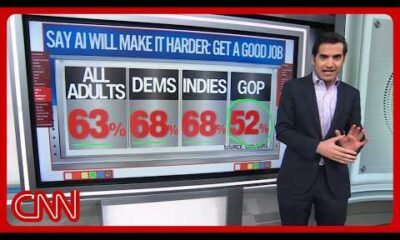
The Odds: Are Americans concerned about AI replacing jobs?