

HealthNews
Taking laxatives can help with memory and attention span problems


Talk about a gut-brain connection.
Scientists have long known about the link between our stomachs and our brains, warning that our diets and gut health have a large impact on mood and mental health.
And a study published Monday may have found a way to flush the brain fog and attention issues that accompany depression down the toilet.
Cognition issues are common with depression and mental disorders, including trouble with thinking, planning tasks, and both short- and long-term memory.
A team of researchers from the University of Birmingham and the University of Oxford conducted a study looking at the effects of prucalopride, a prescription drug for constipation, on cognitive issues.
Those who took the laxative performed better and faster on cognitive tests to measure focus, attention span, planning, balancing multiple tasks, short- and long-term memory and emotional cognition tasks.
Fifty patients between 18 and 40 with a history of depressive episodes were recruited to take either a two-milligram dose of the laxative — the amount used for chronic constipation — or a placebo for seven to 10 days.
Both before and after taking the drug, participants took a variety of tests that included a working memory task, an auditory verbal learning and memory task and a task on attention and processing speed.
Prucalopride works by gently stimulating bowel movements, but it also activates a serotonin receptor in the gut and brain known as the fourth serotonin receptor, or 5HT4.
These receptors work both to increase gut motility and how fast the bowels empty, and are heavily involved with learning, memory, mood and anxiety.
According to researchers, the medication could help an often overlooked effect of depression.
“For many people, recovery from depression is incomplete because difficulties with memory and concentration persist,” senior author professor Susannah Murphy said in a press release.
“This study provides early evidence that 5HT4 receptor agonists could help restore aspects of cognitive function, opening an exciting new direction for treatment development,” she added.
This study follows previous research from 2024 that also showed 5HT4 receptor agonists used for constipation may also reduce the risk of depression in those with no history of the illness.
Another study found that experiencing depressive symptoms could lead to worsened memory and thinking skills when hitting middle age.
And what we eat can play a role in brain health, especially as we age.
HealthNews
RFK Jr. orders passenger from hantavirus-stricken cruise to remain in quarantine in Nebraska, despite CDC recommendation


A woman who was exposed to hantavirus on the MV Hondius cruise has been ordered by US Health and Human Services Secretary Robert F. Kennedy Jr. to stay in federal quarantine, despite being cleared to return home to Florida by a federal health expert.
Angela Perryman says that she feels like she is “in prison” and that the health system has used her as “a prop and a political stunt.”
Perryman is one of 18 cruise passengers from the US who were sent to the National Quarantine Unit at Nebraska Medical Center in early May for medical monitoring after being exposed to a rare strain of hantavirus on board the ship.
Some passengers have been willing to stay voluntarily for the entire 42-day quarantine period, but most have left the facility to continue quarantine at home. Passengers who departed were allowed to go if their state health departments agreed to conduct daily symptom monitoring and continuous 24/7 oversight of each person through June 21, and 10 have left.
But Perryman — who initially hoped to leave by June 1 — has not been able to go. Her home state of Florida has not agreed to the federal government’s monitoring requirements.
On Monday, Kennedy signed an order stating that the federal quarantine remains in effect for her.
“At this point, it’s just a state-federal spat, and I’m just a hostage,” Perryman, 47, told CNN.
The initial federal quarantine period for Perryman was set to end May 31, but it was later extended by the US Centers for Disease Control and Prevention through June 21.
Perryman requested a medical review of the extended quarantine order, which was led by Dr. Michael Bell, a quarantine medical reviewer with the CDC. Expert testimony was provided by Dr. Christopher Braden, acting director of the CDC’s National Center for Emerging and Zoonotic Infectious Disease, and Dr. David Fitter, director of the agency’s Division of Global Migration Health.
In a report last week, Bell concluded that the federal quarantine order should be rescinded so Perryman could return home for the remainder of the 42-day quarantine period, as long as the Florida Department of Health “agrees to accept responsibility” for her public health monitoring and has a plan in place for hospital care if the need arises.
Instead of the federal government’s requirements for continuous monitoring, Florida proposed once-daily telehealth monitoring. And Bell said this would meet the intent of the quarantine order, which was to ensure that the public is not exposed to someone who may be infectious.
“In my professional judgment, this less restrictive alternative is adequate to protect public health,” Bell wrote.
“The testimony at the medical hearing persuaded me that measures CDC is imposing on Ms. Perryman are not the least restrictive available and that CDC should allow Ms. Perryman to complete her monitoring period at home subject to alternative restrictions.”
On Monday, Kennedy disagreed.
“Having considered the medical reviewer’s findings and recommendation and the evidence in the administrative record, I find that the requirements for Federal quarantine continue to be met,” Kennedy wrote in the order, and “continuation of the order is necessary to protect public health.”
Kennedy’s order did not respond to any of the detail outlined in Bell’s nine-page report.
“Secretary Kennedy specifically considered the medical recommendation before deciding to continue the current order consistent with [Acting CDC Director Dr. Jay Bhattacharya],” HHS spokesperson Courtney Spencer said in a statement to CNN. “In the absence of proper home monitoring by state authorities, the Administration’s quarantine order is necessary to ensure both Ms. Perryman’s and her community’s wellbeing.”
Nebraska Medical said that any questions about quarantine orders should go to the CDC, and the Florida Department of Health has not responded to CNN’s request for comment.
Perryman says she has completely lost trust in doctors, public health and the CDC because there have been too many rescinded promises.
“If it had been from the beginning that ‘this is the reason that we need to do this, and there is an actual scientific justification,’ then that would have been OK,” she said. “If there was a scientific reason for this, if I could see that, yes, this actually does further public health, I would have agreed.”
Perryman says Dr. Michael Wadman, medical director of the quarantine unit at Nebraska Medical, promised her that she would be able to return home after a few weeks of voluntary quarantine.
“He appealed to our citizenship, our desire to protect the community, our goodwill, basically,” she said.
Perryman spent $4,000 to rent a house in Florida for a month so she would have a place to stay that was completely private and away from others while she finished the end of the quarantine period, she says.
Nebraska Medicine says the quarantine unit team shared the information that they believed was accurate based on the information they had at the time of the initial quarantine order.
“But the federal agencies still needed to coordinate with the home states, so the logistics of those discussions would need to be confirmed through them,” a media relations coordinator said in an email.
When Wadman came to deliver the news about Kennedy’s order on Monday, Perryman said, she asked him to slip the paper under her door. She didn’t want to talk with him.
“We are not patients. We are just detainees, which is a much lower level of responsibility,” she said.
At the quarantine unit in Nebraska, staff stop by in full personal protective equipment to check their temperatures twice a day and deliver meals, she says. She gets about an hour of outside time each day.
“I can check my temperature in a living room just as easily as I can check my temperature in whatever you call this room,” Perryman said. “It’s like solitary confinement.”
HealthNews
Kennedy orders American exposed to hantavirus to stay quarantined against her will, WSJ reports
June 16 (Reuters) – U.S. Health Secretary Robert F. Kennedy Jr. has ordered an American passenger exposed to hantavirus on a cruise ship to remain in quarantine despite medical advice and against her will, the Wall Street Journal reported on Tuesday.
The passenger, Angela Perryman, 47, was one of 18 Americans quarantined in the U.S. after Andes hantavirus cases were found aboard a cruise ship earlier this year. The group had initially been placed at a Nebraska quarantine unit.
A Department of Health and Human Services official told Reuters that midnight June 21 would mark the completion of the 42-day monitoring period.
Reuters was unable to reach Perryman at the facility by phone.
According to the official, the remaining passengers at the quarantine unit will leave Nebraska on June 22. The 42-day period began following their return to the United States on May 10, the official added.
Eight U.S. residents who were on the hantavirus-hit MV Hondius returned to their home states following three weeks of monitoring at the National Quarantine Unit, the University of Nebraska Medical Center said earlier this month. Ten others remained under observation.
The Centers for Disease Control and Prevention (CDC) had requested that the individuals from the cruise ship remain at the quarantine unit through May 31.
QUARANTINE TERMS AT ISSUE
The New York Times recently reported that some passengers were allowed to quarantine at home until June 22 — 42 days after arriving at the Nebraska facility — provided local health officials committed to having a law enforcement or community health worker monitor them.
The WHO recommends monitoring and quarantining high-risk contacts for 42 days after exposure.
Perryman wished to go to her home in Florida, but the state refused to provide the monitoring, the Wall Street Journal and the Times reported.
The Times added that the CDC, in a quarantine hearing, said she should be able to return home for the remainder of the quarantine. The Journal reported that a CDC medical review said the chances of her developing symptoms were decreasing with time.
Perryman told the Journal and the Times that a copy of an order from Kennedy was slipped under the door to her room informing her that she could not return home.
Kennedy’s order said despite the doctor’s report, Perryman was reasonably believed to be infected with or exposed to the disease, according to the Journal.
(Reporting by Sneha S K in Bengaluru; editing by Caroline Humer and Joyjeet Das)
HealthNews
Two habits beat out diabetes wonder drug metaformin: study
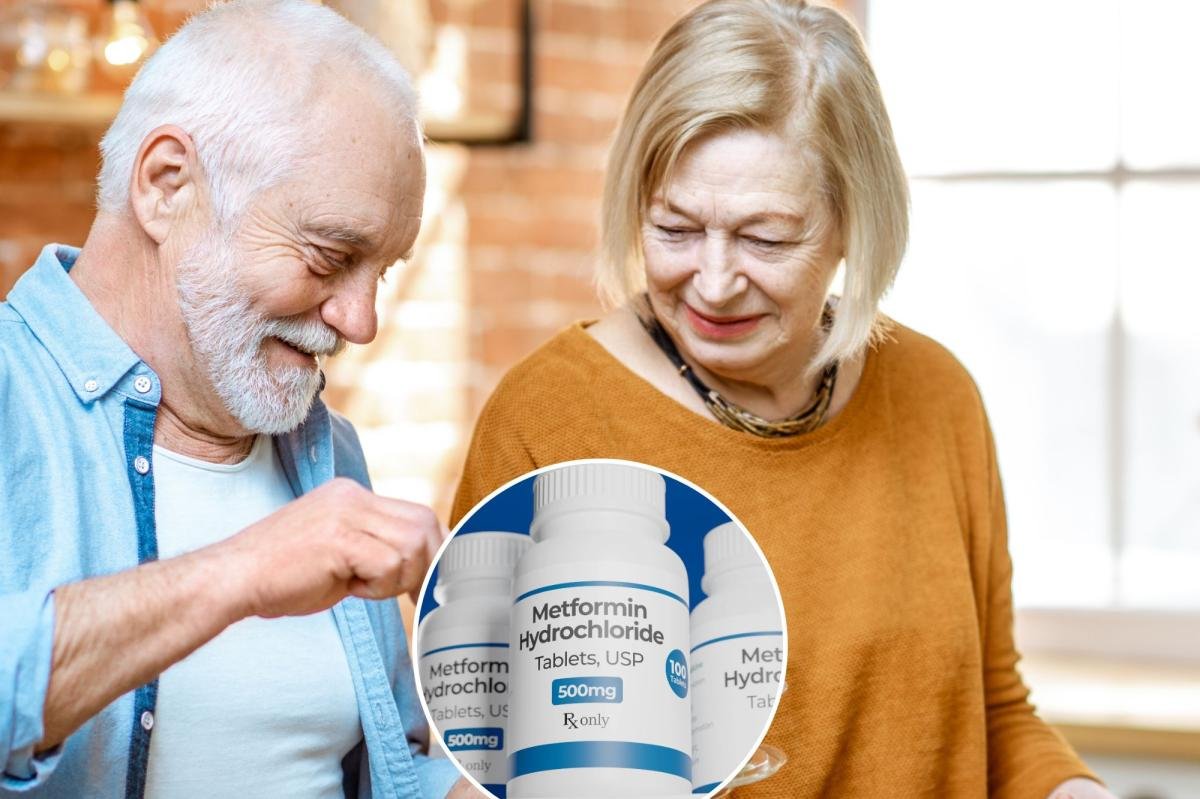
A buzzy diabetes drug that’s been hailed as a longevity booster may have some competition.
The decades-old medication metformin has been touted for everything from treating Type 2 diabetes and reducing the risk of long COVID to potentially slowing the aging process. But a new study published in JAMA found that another intervention did a better job of reducing the risk of developing multiple chronic diseases over two decades of follow-up.
And unlike a prescription medication, it’s available to virtually everyone.
The findings come from an analysis of participants in the landmark Diabetes Prevention Program (DPP) and its follow-up study, the Diabetes Prevention Program Outcomes Study DPPOS, which tracked thousands of adults from 1996 through 2021.
The winning strategy? Rigorous exercise and a healthy, balanced diet.
Researchers found that among adults with prediabetes, lifestyle intervention — specifically a low-fat, low-calorie diet and at least 150 minutes of physical activity each week — was associated with a lower burden of multimorbidity over more than two decades of follow-up.
Metformin, meanwhile, performed no better than a placebo.
Multimorbidities refers to having two or more chronic health conditions at the same time. In this study, researchers looked at 15 common conditions in the Medicare claims database, including hypertension, cancer, dementia, Alzheimers disease, chronic kidney disease, heart failure, osteoporosis and stroke.
The original program enrolled 3,234 adults at high risk of developing diabetes. Participants were randomly assigned to intensive lifestyle intervention, metaformin or placebo for three years before entering a long-term follow-up study.
Among 1,173 participants enrolled in Medicare and followed for 21 years, 82% of those in the lifestyle intervention group developed multimorbidity, compared with 85% in the metformin group and 87% in the placebo group.
Researchers say that the study is especially important because efforts to prevent or slow multimorbidity have largely fallen short in real-world medicine. Once patients start accumulating multiple illnesses, it’s been difficult for doctors to meaningfully stop that progression, since the conditions tend to feed into each other over time.
That challenge is even more pressing given the rise of what the study authors referred to as “high-cost condition dyads,” combinations of chronic diseases such as heart failure and kidney disease, or cancer paired with mental health conditions, which make up a disproportionate share of healthcare spending and complexity.
Against that backdrop, the study’s authors turned to metformin and lifestyle intervention because both have already been shown to reduce the risk of type 2 diabetes in high-risk patients.
The question was whether either approach could also extend those benefits further and blunt long-term multimorbidity.
Dr. Shirin Jaggi, DO, an endocrinologist at Northwell Health who was not involved in the study, described the findings as “powerful,” as she would be able to “speak with my patients and tell them it’s not just a pill that I need to give you.”
She also emphasized that lifestyle changes are not one-size-fits-all and “could be very different” for everyone, stressing the importance of adopting healthier nutrition and fitness habits gradually over time.
“We have to start slow and work our way up to it,” Dr. Jaggi told The Post, noting the importance of frequent check-ins with patients to see whether goals are being met. “So, for somebody who’s been sedentary, we work slowly, whether that means including 10 to 15 minutes once or just twice a day, and then working our way up.”
As America’s population continues to age, multimorbidity has become increasingly common among adults ages 65 and older. Preventing or delaying its onset is considered one of the biggest challenges in modern healthcare.
“For me to be able to tell patients that there is something they can do beyond prescription, which could be even more powerful than a prescription, I think it’s amazing,” said Dr. Jaggi. “I think it gives patients motivation.”
HealthNews
Why Women Worry About This Aging Body Part


Women All Over The Internet Are Worried This 1 Part Of Their Anatomy Can Disappear With Age, But Doctors Are Explaining What’s Actually Happening
A viral tweet claims that this part of the female anatomy can “go away,” so we consulted experts and put that statement to the test.
As someone who writes about sex and relationships, people usually assume that I have the most consistent, orgasmic sex life of all time.
And while my sex life has definitely had its highs, right now it’s reached a low. Worse than low. It’s non-existent, and it’s been that way for several months. Normally, I don’t mind having a dry spell for a while. That’s something that comes with the territory of being single.
However, I recently noticed a viral tweet currently circulating that almost made me rethink my somewhat involuntary period of abstinence. It said, “Did you know your clitoris is ‘use it or lose it’? Like deadass it can go away?!” The tweet has 6.5 million views, with over four hundred people in the comments expressing confusion and concern about whether the clit can actually “go away.”
@maskedhottiee / Via x.com
Channeling my inner Carrie Bradshaw, I couldn’t help but wonder… will my clit eventually disappear from my lack of use?
So, I put my inquiry to the test by interviewing doctors, healthcare providers, and educators who specialize in human sexuality. The consensus? The clitoris doesn’t necessarily disappear, but many factors may change its size and sensitivity. Let’s get into it.
Suzette E. Johnson, MD, a Board-Certified OB-GYN and Menopause Certified Practitioner (MCP), explains that the clitoris doesn’t simply “go away,” but if someone experiences prolonged low estrogen, that may cause physical changes in the clitoris.
The clitoris is just one piece of the puzzle, though. Johnson says that low estrogen can trigger changes throughout the vulva, vagina, and urinary tract as well.
Here’s where things get a little tricky: Desire, arousal, and sensitivity are often lumped together, but they’re actually different parts of the sexual experience.
According to Soum Rakshit, PhD, CEO and Co-Founder of MV.Health, desire is your interest in having sex, arousal is your body’s physical response to sexual stimulation, and sensitivity refers to how your nerves respond to touch.
So, if you’re noticing changes in your clitoral sensitivity or sex life in general, here’s what you can do moving forward to reconnect with sensation and pleasure.
“Some strategies here can include expanding what counts as arousal (for example, not just lubrication or orgasm, but any positive sensation or even lack of pain),” says Pavita Singh, EdD, MPH, an Adjunct Professor of Human Sexuality Education at Teachers College, Columbia University.
Dr. Singh also recommends slowing down, experimenting with different types of stimulation, and incorporating tools such as lubricants or vibrators if they enhance pleasure.
For some people, that may mean testing different styles of vibrators, adjusting pressure levels, or exploring areas of the body beyond the clitoris that may feel pleasurable.
“It is important to recognize that a lack of response doesn’t necessarily mean a lack of desire or pleasure,” Dr. Singh adds. “Relationships go through phases, and it is important to embrace those changes and invite exploration. Pleasure doesn’t disappear, but rather changes.”
Of course, the fact that experts can now offer this kind of guidance speaks to a larger shift in how we think about women’s sexual health.
“In my experience, discussions about sexual activity, arousal, and pleasure in cisgender women have become more common among health care professionals and patients,” says Elizabeth Abad, MD, a family medicine doctor. “Previously, these topics were rarely addressed, and it was widely accepted that cisgender women naturally lost interest in pleasure and arousal with age, particularly during and after menopause.”
Today, more people are questioning long-held assumptions about what is and isn’t a normal part of aging. Instead of quietly accepting changes in desire, arousal, or sensitivity, many are seeking answers on their own and finding a growing number of healthcare professionals willing to have those conversations.
Maybe that’s why questions like “Can my clit shrink or disappear?” have become so common in the first place. It’s less about fear and more about how people are paying closer attention to their bodies and feeling empowered to ask questions that previous generations were often discouraged from asking.
So, as Dr. Johnson previously confirmed, “This isn’t a ‘use it or lose it’ situation. It is about understanding what is changing in the body and knowing there are ways to support it.”
What do you think? Any other questions? Let us know in the comments below.
HealthNews
Weight loss drugs slash risk of 4 types of cancer by 50% or more, study finds
The use of GLP-1 medications such as Ozempic and Wegovy for weight loss has been increasing.
Researchers continue to examine how GLP-1s might affect a person’s health beyond type 2 diabetes management and weight loss.
A new study found a potential link between taking GLP-1 medications and a decrease in the overall risk of developing obesity-related cancers in people without diabetes.
The use of glucagon-like peptide-1 (GLP-1) receptor agonist medications continues to rise, with a 155% increase in the percentage of people with type 2 diabetes taking these drugs from 2018 to 2022.
The use of GLP-1s for weight loss is also increasing. The latest polls report that of the one in eight Americans who have taken a GLP-1 medication, about 38% have only taken them to help lose weight.
As interest in GLP-1s continues to grow, researchers are beginning to examine how these medications might affect a person’s health beyond diabetes management and weight loss.
“Hundreds of millions of people are taking or will soon take GLP-1 medications for the treatment of obesity and diabetes,” Aparna Kamat, MD, director of the Division of Gynecologic Oncology at Houston Methodist Hospital, told Medical News Today.
“That scale means even an unexpected benefit, or an unexpected harm, becomes a public health event. We have an obligation to understand the full biology of these drugs, not just the intended effect. Identifying additional benefits could help us understand the biological pathways influenced by these drugs and uncover new opportunities for disease prevention and treatment, including cancer prevention.” — Aparna Kamat, MD
Kamat is the senior author of a new study published in the journal Annals of Oncology that found a potential link between taking GLP-1 medications, such as Ozempic, Wegovy, Zepbound, and Mounjaro, and a decrease in the overall risk of developing obesity-related cancers in people without diabetes.
GLP-1 users: Those with diabetes vs. those with obesity
For this study, researchers analyzed the health data from a national database of more than 229,000 obese, non-diabetic people.
“Most previous studies examining GLP-1 medications and cancer risk were conducted in patients with type 2 diabetes,” Kamat explained.
“However, the majority of individuals now receiving GLP-1 medications are using them for obesity management and do not have diabetes. This is the population that has been invisible in the literature, and it is now the largest group using these drugs. They are younger, they don’t have diabetes, and they are experiencing some of the sharpest increases in obesity-associated cancers we’ve seen in decades,” she said.
Researchers have linked 13 cancers to obesity, including:
Meningioma (a type of brain tumor)
Multiple myeloma (a type of bone marrow cancer)
Stomach (gastric)
GLP-1 use linked to 41% lower overall obesity-related cancer risk
Between December 2014 and June 2025, 38% of study participants received a GLP-1 prescription, and the remaining 62% received diet and exercise counseling.
At the study’s conclusion, researchers found that participants who took GLP-1 medications containing semaglutide or tirzepatide had a 41% decrease in their overall risk of developing an obesity-related cancer.
“A 41% reduction across more than 229,000 patients is not a small signal,” Kamat said. “That is the kind of number that, in any other context, would already be driving clinical guidelines.”
Kamat and her team found even higher cancer risk reductions in specific cancers, including a 58% lower risk of endometrial cancer.
“Endometrial cancer is rising fastest in younger women, it is tightly linked to obesity, and we have almost nothing to offer for prevention,” Kamat explained. “A 58% reduction is extraordinary. If that holds up in prospective studies, it changes how we think about this disease entirely, and this finding provides a strong rationale for further mechanistic and clinical studies focused on endometrial cancer prevention and treatment.”
The most dramatic drops in risk, where this reduction was by 50% or more, also occurred in multiple myeloma, pancreatic cancer, and colorectal cancer, in addition to endometrial cancer.
“We are not ready to say these drugs prevent cancer — our study cannot prove causation. But we are ready to say this finding demands a serious answer. Given the rapidly increasing use of these medications, even a modest reduction in cancer incidence could have important public health implications.” — Aparna Kamat, MD
How might GLP-1s help lower risk of obesity-related cancers?
When asked how GLP-1s might help lower obesity-related cancer risk, Kamat said it’s probably a combination of weight loss and other factors.
“Separating them is one of the most important questions in the field right now. We know GLP-1 receptors are expressed directly on certain cancer cells. That means the drug could be acting on the tumor itself, not just shrinking the patient,” she said.
“If that’s true, weight loss is not the whole story but weight loss is likely an important contributor because excess adiposity promotes chronic inflammation, hormonal dysregulation, insulin resistance, and other processes linked to cancer development. Determining the relative contribution of these mechanisms remains an important area of ongoing investigation,” she explained.
David Greenberg, MD, FACP, section chief of Hematology/Oncology at Hackensack Meridian Jersey Shore University Medical Center in New Jersey, who was not involved in this study, commented that he was not surprised by this study’s results, as we’ve known for decades that lifestyle, obesity, and toxic exposures play a critical role in the development of cell mutation and cancer.
“My cardiology colleagues have promoted GLP-1 drugs for several years to potentially improve a patient’s overall health,” Greenberg told Medical News Today.
“We know these [GLP-1] drugs not only diminish appetite and aid weight loss, but they also likely affect cardiovascular health, improve insulin sensitivity, and thus decrease overall inflammation in the body. Anything that decreases inflammation likely also decreases a person’s overall cancer risk. So I believe other factors are at play besides losing weight.” — David Greenberg, MD, FACP
Why more long-term research on GLP-1s is needed
MNT spoke with Lauren Carcas, MD, a medical oncologist with Miami Cancer Institute, part of Baptist Health South Florida, about this study’s findings, who commented that while they’re exciting, the data must be interpreted in context.
“The observational design of the study allows for potential confounding of results as it does not take into account socioeconomic status, physical activity levels, dietary quality, and health-seeking behavior from the persons evaluated,” Carcas, who was not involved in this study, explained.
“Additionally, the results have only a median two-year follow-up. Most obesity associated cancers have a longer latency, meaning that the recurrence of their disease may not occur within the time frame evaluated,” she added.
Anton Bilchik, MD, PhD, surgical oncologist, chief of medicine, and director of the Gastrointestinal and Hepatobiliary Program at Providence Saint John’s Cancer Institute in Santa Monica, CA, who was also not involved in this study, agreed.
“Obesity is a well-established risk factor for numerous cancers, including colorectal, pancreatic, liver, uterine, ovarian, and breast cancers,” Bilchik detailed.
“It is therefore reasonable to hypothesize that sustained weight loss could reduce cancer risk. While findings from this new study are encouraging, more robust and long-term research is needed before physicians can confidently prescribe GLP-1 medications to non-diabetic patients with obesity specifically for cancer risk reduction,” he said.


Why the Kennedy Center’s name is still hidden
Days after President Donald Trump's name was removed from the John F. Kennedy Center for the Performing Arts following a...


Daniel Dae Kim gets a Korean zombie makeover
Zombies are a mainstay of K-movies and dramas, from the Netflix blockbuster series “Kingdom" to "All of Us Are Dead."...


British couple describe having warning shots fired at them by Russian warship. #BBCNews


Boy George debuts AI ‘ethical re-recording’ of ‘Karma Chameleon’
Singer-songwriter Boy George talks to the “CNN News Central” anchors about working with the new company, Artists Included …


What Would You Give Up to See Messi Play?
Lionel Messi is competing in a record-equaling 6th FIFA World Cup. CNN's Patrick Snell asks fans what they would be...


White House attack plot: The 'disturbing' new details
Federal officials have charged multiple people who they claim discussed plots to attack the UFC fight night event at the...


Trump renews criticism of Israel’s actions in Lebanon during remarks at G7 summit. #BBCNews


Sphere ‘Rocky Horror Picture Show’ Experience Planned In Las Vegas
Days after Jim Dolan won a long sought-after chip with his New York Knicks, the billionaire mogul is ready to...


Man arrested more than 9 years after woman pushed in front of London bus
Police say they have arrested a 44-year-old man on suspicion of attempted grievous bodily harm, nine years after a woman...


RFK Jr. orders passenger from hantavirus-stricken cruise to remain in quarantine in Nebraska, despite CDC recommendation
A woman who was exposed to hantavirus on the MV Hondius cruise has been ordered by US Health and Human...
-

 Business3 days ago
How much of Musk’s wealth comes from government help? Virtually all of it
-

 LifestyleNews2 weeks ago
120 minutes of strength training per week may help extend lifespan
-

 Politics5 days ago
What to know about the stabbing that set off fiery riots in Northern Ireland
-

 Video4 days ago
Download fans say what they love about the festival. #DownloadFestival #BBCNews
-

 Video4 days ago
Why SpaceX IPO isn't about space. #SpaceX #ElonMusk #BBCNews
-

 HealthNews5 days ago
The people of Okinawa, Japan only eat until they are about 80 percent full, then stop — and the practice has been linked in multiple peer-reviewed studies to lower rates of cardiovascular disease, slo
-

 TravelNews4 days ago
My Paternal Instinct Should’ve Warned Me About Netflix’s Maternal Instinct
-

 Food4 days ago
Pope Leo’s plane was grounded. Then the King of Spain stepped in to help