
test
SF’s Fisherman’s Wharf food scene is about to change forever
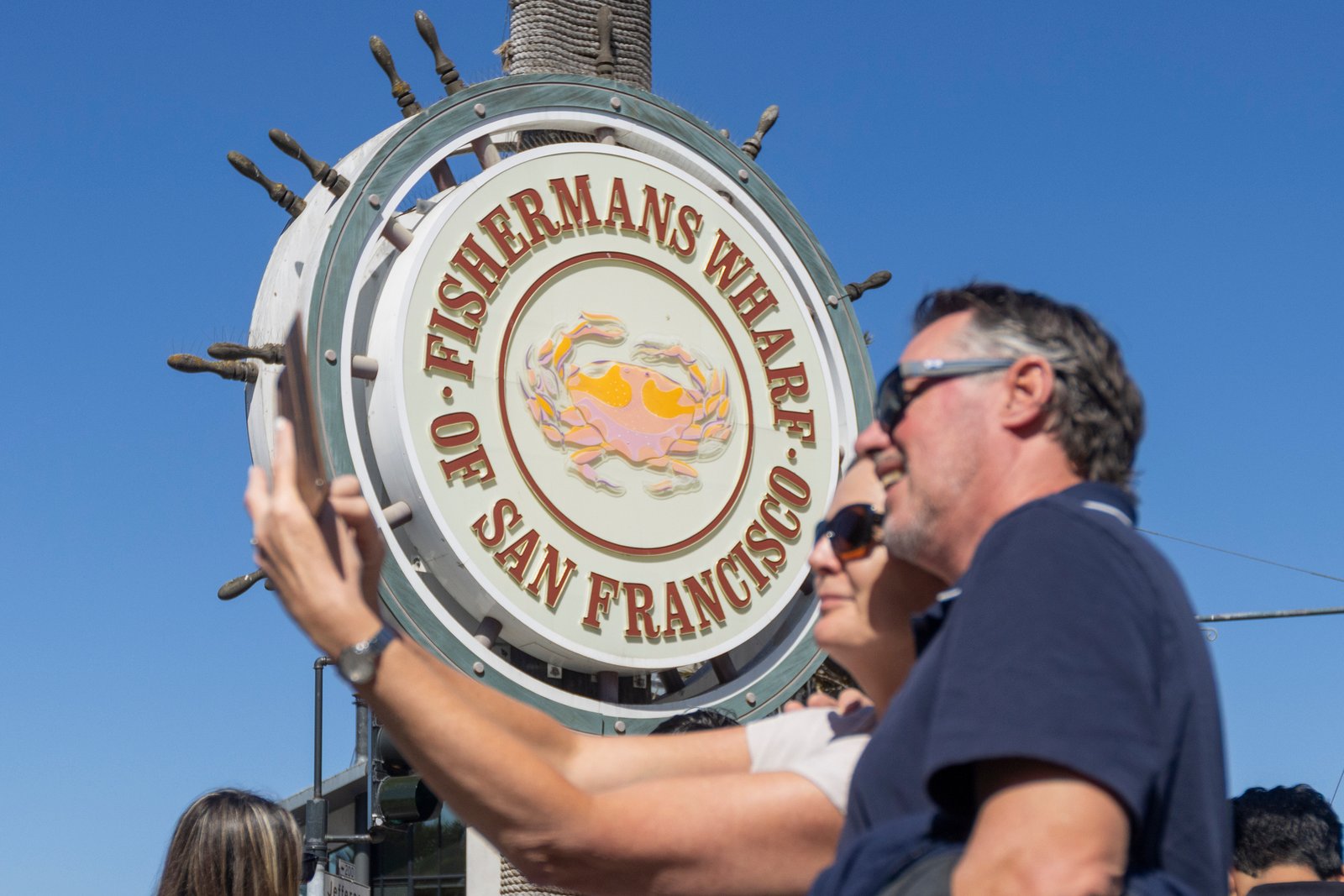
Take a walk down Jefferson Street in Fisherman’s Wharf, and you’ll see a neighborhood in flux. On one side of the pavement sits the past: kitschy souvenir shops flanking the boarded-up entrance of Castagnola’s, a century-old seafood stle that has been closed since March 2020. On the other side sits the future: the shiny new Taco Bell Cantina, flashy LED video boards and an entire block of newly renovated empty storefronts.
Once buoyed only by the gravitational pull of In-N-Out, the shopping center formerly known as Anchorage Square and recently renamed Anchor’s Landing will soon become its own food and entertainment destination. Tenderloin banh mi legend Saigon Sandwich, local boba chain Little Sweet and a karaoke lounge called Space Karaoke are all set to open in the shopping center, as first reported by the San Francisco Business Times.
I think the big emphasis for us is to have a retail mix that is a better representation of San Francisco, said Graham Grealish, vice president of CBRE, the leasing partner to Anchor’s Landing owner BH Properties. … We saw an opportunity to bring in some great local tenants that you might find walking some of the best neighborhoods in San Francisco.
Advertisement
Article continues below this ad
Known for its $5.50 banh mi, Saigon Sandwich is taking over a former Subway, and will add soju cocktails to its menu, the Business Times reported. While SFGATE could not reach Saigon Sandwich for comment, Grealish said they are expecting the new location to bring more locals to the Wharf, due to its loyal following.
Advertisement
Article continues below this ad
It’s not lost on us that most locals still think of Fishermen’s Wharf as being more popular with visitors, he said. So, we would love for more locals to come.
BEST OF SFGATE
Travel | Disneyland’s likely 3rd theme park has been nearly 30 years in the making
Culture | The 18-foot-high fence that turned Sonoma and Marin communities upside down
Food | The SF tech worker whose unhinged order broke In-N-Out forever
Politics | Gen Z students are embracing the ‘Kirk doctrine’ on California campuses
Get SFGATE’s top stories sent to your inbox by signing up for The Daily newsletter here.
Little Sweet, which was founded in San Francisco in 2012, is slated to open its 10th boba shop in the city at Anchor’s Landing. The owner of Little Sweet also owns K-Box Karaoke in Jantown, which makes sense considering their other upcoming venture: turning a former Walgreens into Space Karaoke, a 6,000-square-foot entertainment space with a bar. All of the new businesses plan to stay open late — adding a sorely needed influx of evening activities to the Wharf. Saigon Sandwich and Little Sweet are expected to open in the fourth quarter of this year, while Space Karaoke won’t open until 2027.
BH Properties, which bought Anchor’s Landing in 2023, recently completed its first phase of renovations to the property, reported the Business Times, from upgrading outdoor lighting to the new storefront exteriors on Jefferson. In the courtyard behind In-N-Out, little kids now run around beneath behemoth video screens showing cartoon crabs and sea lions bouncing under the text Hello, San Francisco! These screens could eventually be used for game-viewing parties, according to the Business Times.
Advertisement
Article continues below this ad
Meanwhile, the shopping center’s Taco Bell Cantina — like a regular Taco Bell, but with a bar — opened in January to great success. It even inspired the viral Taco Bell 5K, in which hundreds of people ran between the Taco Bell Cantina near Oracle Park to the new Fisherman’s Wharf restaurant.
Beyond Anchor’s Landing, Fisherman’s Wharf is slated to see even more new restaurants. Oakland’s Everett and Jones Barbeque is set to open a San Francisco location in the former home of Lou’s Fish Shack by September, the owners of the historic Castagnola’s plan to reopen by the end of the year, and a Salvadoran restaurant called Chasca Rio is set to debut in the former Pompei’s Grotto in early 2027. National chains are also still part of the wharf’s future: A highly anticipated Raising Cane’s is slated for late summer and a Coldstone Creamery (dual-branded with Kahala Coffee Traders) plans to open in the next two months, a representative told SFGATE.
Earlier this year, crews demolished classic seafood restaurant Alioto’s to make way for a $10 million public plaza, expected to open this summer. Over on Pier 39, Love on Haight, a Haight-Ashbury legacy business selling hippie merch, expects to open in about four weeks, Pier 39 representative Sue Muzzin told SFGATE. Last year, Pier 39 also added Santa Cruz’s Humble Sea Brewing Co. troom, giving both locals and visitors a seriously good reason to visit the tourist tr as SFGATE’s Lester Black wrote, as well as Massachusetts-born all-you-can-eat Mongolian grill chain FiRE + iCE.
Advertisement
Article continues below this ad
Sancia Scoma, for one, is excited for all the changes. As the co-owner of Scoma’s, one of Fisherman’s Wharf’s oldest remaining restaurants, she said that while she loves the nostalgic feel of the neighborhood, she thinks new blood is needed — and believes it will ultimately bring more foot traffic to Scoma’s.
We have to move forward in time, so I’m for it, she said. I’m not intimidated by it. I welcome it. I think it’ll bring more interest to people visiting San Francisco. People are going to want to check it out, versus discarding it as a tourist attraction.
Bri Maughan, executive director of the Fisherman’s Wharf Community Benefit District, also told SFGATE in a statement that the district welcomes all the new businesses.
New businesses bring fresh energy, new customers, and renewed confidence to one of San Francisco’s most visited neighborhoods, she wrote in an emailed statement. Fisherman’s Wharf is strongest when we offer a mix of longtime San Francisco institutions and fresh new concepts. We see these openings as a positive sign for Fisherman’s Wharf and for San Francisco’s broader recovery.
Advertisement
Article continues below this ad
The Bay Area’s best free newsletter.
Stay informed, and entertained.
Email
Your website
By signing up, you agree to our Terms Of Use and acknowledge that your information will be used as described in our Privacy Policy.
Foot traffic at Fisherman’s Wharf is already starting to rebound. According to the SF Examiner, new data from the Fisherman’s Wharf Community Benefit District shows that the neighborhood crossed 1 million visitors in March for the first time since the start of the COVID-19 pandemic, and that foot traffic during the first quarter of this year was up 11.4% from last year. And that’s still with dozens of empty storefronts.
Grealish said that Anchor’s Landing has seen a lot of interest from other local and national food and beverage tenants, although he could not share any names just yet. He said they hope to add a cafe, as well as more full-service restaurants and fast-casual concepts.
Even in the time that we’ve been working on this, the neighborhood is just storming back, he said. We’re so excited.
Advertisement
Article continues below this ad
test
Adopting a garden bed at FISH is a small way to make an impact
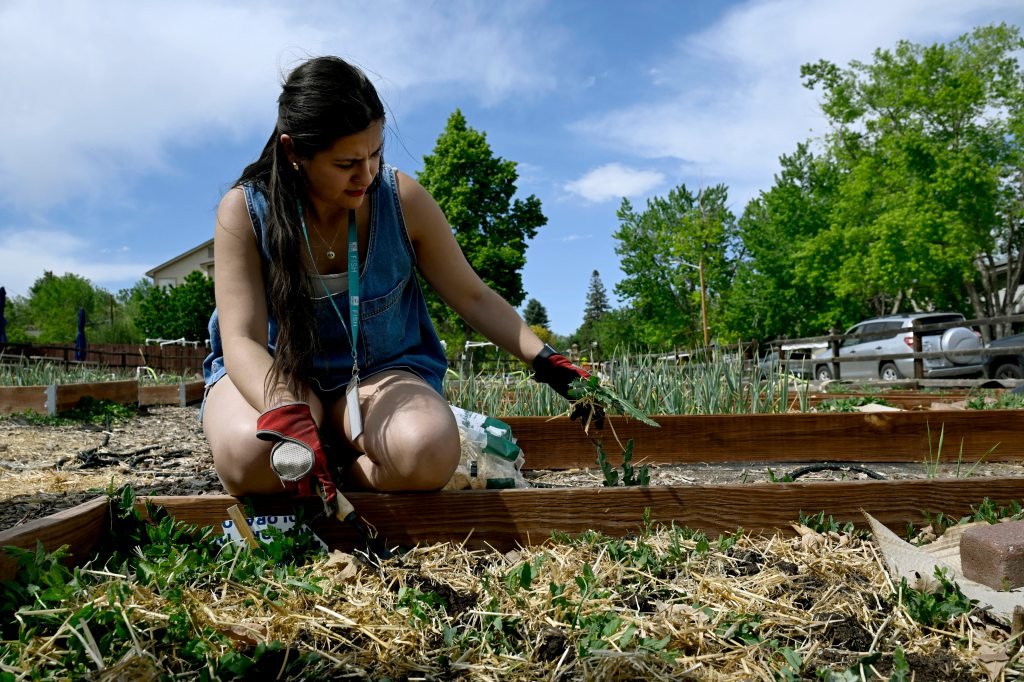
At Broomfield’s food pantry and resource center, folks with green thumbs and kind hearts can grow vegetables to support the community through the center’s new Adopt-A-Garden-Bed program.
Among the work to connect people to resources and distribute food hpening at Broomfield FISH, the food pantry tends to many gardens that ensure a fair share of literal dirty work — and in its new program, community members can help out.
Our Adopt-A-Shelf program led to Adopt-A-Garden-Bed, and folks adopting shelves helps us get our high-need items, said Crystal Egli, FISH’s community engagement manager. Adopting a garden bed costs less money, and instead of a monetary donation or bringing in items, people grow vegetables for the marketplace.
FISH stands for Fellowship In Serving Humanity, and at the heart of the organization is its self-serve marketplace where visitors, for free, can shop for their own food just like a grocery store.
Our fresh fruits and vegetables leave the shelves fast, Egli said. We don’t even worry about storage or running out of space because it’s all gone so quickly.
The marketplace gets its fresh produce from a variety of sources, including partnerships with grocery stores, donations from the community and FISH’s own gardens that are tended by volunteers and employees, Egli said.
Broomfield’s Salvation Army location nearby had donated some gardening space for FISH to grow produce, but this year FISH has access to even more growing space.
We had some garden beds last year, but now we have access (to) the whole space, said Butter Wilde, FISH’s garden coordinator. It’s the most generous thing — letting us use all this space.
FISH now has over 50 garden beds to tend at the Salvation Army, according to Egli, and with additional space comes a need for additional labor.
Through the Adopt-A-Garden-Bed program, community members can help with that labor. FISH provides the garden bed and all the watering, so hopeful farmers just need to plant vegetables and tend to their beds. FISH asks that a portion of the produce grown comes back to the marketplace, but volunteers are welcome to keep some as well.
FISH also asks that growers stick to proved vegetables, such as Roma tomatoes, zucchini and squash, salad greens and other high-yield crops that are in demand in the marketplace. Some produce is not allowed in the gardens, including invasive species such as oxeye daisies or plants that tend to monopolize garden space like mint.
Wilde estimates that adopting a garden bed requires six to eight hours of labor per month, which is a small contribution that can make a huge impact.
With support from the CO Garden Foundation, we expanded our growing space by partnering with the Salvation Army. This allowed us to increase the number of raised beds, diversify crops, and grow more than 1,400 pounds of fresh produce, its recent annual report says. In FY2025, FISH distributed food to more than 15,000 unduplicated people, according to a financial statement document for FISH. That’s equal to roughly one in five people in Broomfield.
By adopting a bed, you don’t need a farm, and you don’t even need a yard, to help feed your neighbors, Egli said.
test
Companies are testing baby formula for heavy metals – a new bill would make them share results
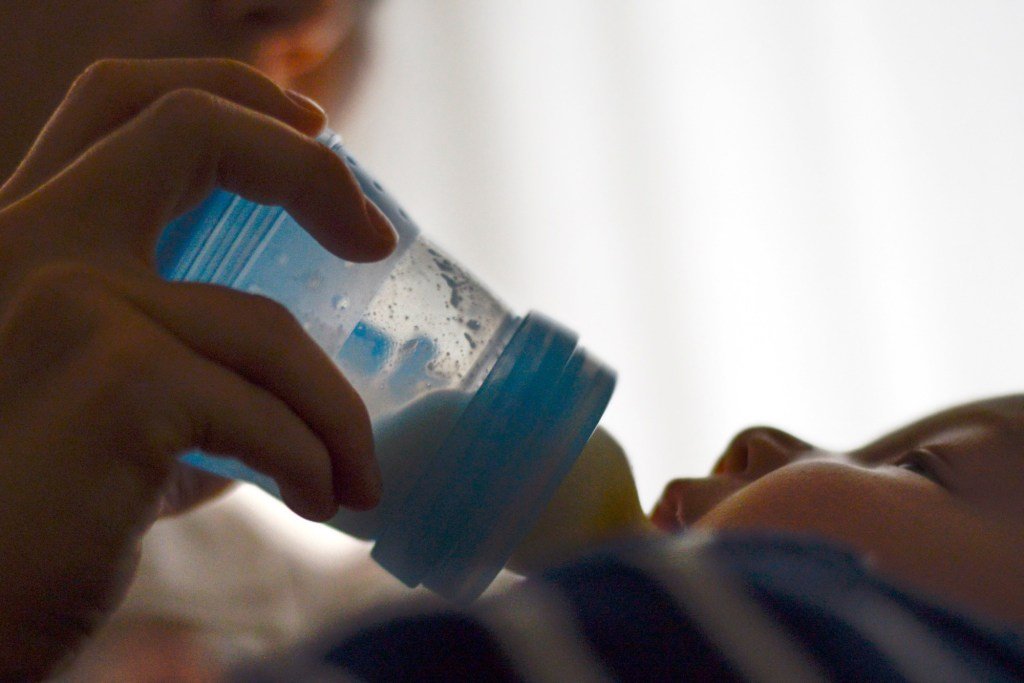
Assembymember Celeste Rodriguez was pregnant with her second daughter last year when she first learned about the dangers of toxic elements in baby formula.
Before the San Fernando Valley lawmaker joined the Legislature, California had already passed laws that require monitoring of heavy metals in both prenatal vitamins and baby food. But, Rodriguez wondered, what about baby formula?
To me, there was an obvious g, she said.
Further research showed Rodriguez that, since 2022, California Attorney General Rob Bonta had settled two lawsuits with major companies over lead in formula — one in 2022 with Perrigo Co. over levels of lead that exceeded the Proposition 65 warning threshold, and one in 2024 with Mead Johnson over missing lead exposure warnings on their products.
So, Rodriguez authored a state bill that would require formula companies to provide information on heavy metals in any infant formula sold in California. If passed, Assembly Bill 2302 would require manufacturers to post the levels of arsenic, cadmium, lead and mercury in each formula batch online. In stores, this information would be retrieved by scanning a QR code.
California and other states enacted similar laws in 2023 requiring heavy metal testing and disclosure for baby food, but, at that time, formula was not included.
We trust parents to make the best decisions for their children, said Carley Clemons, senior policy associate at the nonprofit Children Now, which is sponsoring the bill. Especially if information is presented to them accessibly.
Bipartisan movement
The effort to monitor toxic chemicals in baby formula is part of a larger movement that has bipartisan support nationwide, from Democratic officials in California and Maryland to Republican Gov. Ron DeSantis of Florida. In January, at a rally in Pennsylvania, Health and Human Services Secretary Robert F. Kennedy Jr. promised to publish a study that would examine contaminants such as cadmium, mercury and lead in formula.
We’re going to be regulating baby formula companies so they’re giving you something that is as close to mother’s milk as we can get, Kennedy said. Though the FDA recently began testing infant formula for chemical contaminants, the agency has not yet set action levels for them.
While states around the country have proposed similar legislation, California is poised to be a leader on the issue. Rodriguez, who gave birth to her second daughter in February, said she’s in a unique position to bring the bill forward. She was the first state Assembly member to give birth in six years, she said, and she’s returning from maternity leave just in time to see her bill to the finish line.
Ab 2302, which recently passed the Assembly, will be voted on by the Senate by the end of the summer.
Moms Agenda
The formula bill is part of a larger, coordinated effort her team calls the Moms Agenda, a set of bills focused on maternal and infant health, financial stability and essential services access. When you’re a parent, you’re naturally worried about your child at all times, she said.
But a national industry formula industry group called the Infant Nutrition Council of America (INCA) has been attending state-level hearings around the country to oppose such bills, including California’s. INCA’s members include Abbot Nutrition, which produces Similac; Perrigo Nutrition, which produces store brand formulas for chains such as Costco, Target and Walmart; and Reckitt, which produces Enfamil via its subsidiary, Mead Johnson. Together, these three manufacturers make up more than 80% of the United States formula market.
In a letter opposing one of the bills, INCA’s government affairs director, Craig Felner, wrote that the proposed action might unjustifiably erode confidence in U.S. infant formula products.
Concern over alarming parents
Formula companies already are testing their products for heavy metals and other toxic elements, INCA representatives confirmed.
I can unequivocally tell you that our members test under the international European Union standards, Felner said at a California Assembly Health Committee hearing on March 24. Heavy metals and arsenic pear in trace amounts, he clarified, and infant formula is already heavily regulated.
Their concern is how these labels may be potentially alarming for parents, INCA representative Missy Johnson said.
The decision to feed babies formula usually doesn’t come lightly, Felner explained. If a mom or a dad is in a store, and they’re trying to figure out parts per billion, parts per million, and they don’t quite know what it means – maybe they just found out for the first time that heavy metals is (sic) actually in infant formula. They’re also in breast milk, he pointed out.
They might find out for the first time there at that store, and it might make them really anxious, he said. We don’t want them to put down the can and Google homemade recipes or go grab some almond milk. INCA wants to make these decisions easier on parents, Felner said.
‘A huge point of stress’
Not having information on toxic element levels actually made choosing between formulas more difficult, said Leah Dennis, a Los Angeles mother who had her first child in December.
After her daughter was born, she said she had to rely on formula much sooner than she expected because of issues with her breastmilk supply. Dennis, a 35-year-old music editor, said she started doing research on the best formula brands just days after her daughter was born. Before then, she didn’t even realize heavy metals could be in formula.
In the end, she only had one day to choose the best formula option for her baby. It was a huge point of stress, she said. It would have been very much helpful to have more transparency.
Rodriguez pointed out that California laws monitoring toxic elements in baby food haven’t negatively affected parents. The law is being implemented right now, and there’s no mass confusion, she said. Parents aren’t panicking, they’re informed.
Because companies are already testing, this bill doesn’t change a single thing for them, Rodriguez said. Keeping parents in the dark is not consumer protection.
Waiting on California
This isn’t the first time INCA has opposed releasing this data — the council fought a similar bill in Maryland that would have included infant formula and infant cereal in the definition of baby food, which is already tested for toxic elements.
Ultimately, the bill failed after INCA lobbyists argued that although its products already are tested, the disclosure could alarm parents.
INCA’s members don’t want to be held accountable, said Maryland Delegate Deni Taveras, who sponsored the bill. If you are as heavily regulated as you say you are, and you’re doing all the right things, as you say you are, then we shouldn’t have a problem.
INCA also opposed a similar bill in Vermont. They know that once one state does it, the other states are going to do it, said Tom Neltner, director of the nonprofit Unleaded Kids.
Vermont’s bill, which recently passed, hinges on California’s decision — it stipulates that formula would be included in the definition of baby food only when either California or two other states have enacted legislation with requirements substantially comparable.
Vermont’s not going to move the market, Neltner said.
Other states are interested in proposing their own bills, but are looking to follow California’s lead, Taveras said. She’s been working with Pennsylvania, Virginia, Michigan and Wisconsin to craft their own bills. New York also has passed a bill that would require infant formula testing and disclosure. It’s waiting on the governor’s signature.
If California’s bill is killed like Maryland’s was, it could have a chilling effect on other states, she said.
California has a history of pushing the boundaries forward on protecting our kids and families, said Kelly Hardy, senior managing director of health and research with the nonprofit Children Now. Hopefully, there’ll be positive reverberations throughout the country.
Parents who use formula deserve to know the products are safe, Rodriguez said. By the time they’re 3 months old, more than 73% of Orange and San Bernardino county babies receive at least some formula, according to data from the California Department of Public Health. The same is true for 74.4% of Los Angeles County and 67.9% of Riverside County babies.
Breastfeeding isn’t always an option, especially for working mothers, Rodriguez said. That’s an issue she’s dealt with firsthand. I have to go to floor session and feed my baby somehow simultaneously, she said. I’m still struggling to make it work.
Lagging formula regulations
Heavy metals and other toxic elements are, unfortunately, omnipresent, pearing in everything from seafood and vegetables to rice and baby food — and even breast milk.
They’re also in baby formula. Last year, Consumer Reports tested 41 formulas for contaminants such as lead and arsenic, and about half contained potentially harmful levels of at least one. This year, Consumer Reports tested 49 more formulas and found concerning levels of contaminants in 26 of them.
Consumer Reports’ 2025 report found that Abbott Nutrition, Mead Johnson Nutrition, and Perrigo Co. each had products in both the best and worst categories. That means all of the large manufacturers are actually already creating formula with no or low levels, just not all of their products, Clemons said.
The prevalence of these toxins is associated with neurodevelopmental disorders such as autism, ADHD, learning disability, intellectual impairment, and behavioral disorders, according to Project TENDR, an alliance of scientists and advocates working to protect kids from toxic chemicals. In California, the cost of educating disabled students is nearly triple the cost of educating students without disabilities.
In 2021, the FDA launched its Closer to Zero program to regulate heavy metals in baby food — but not formula. On its website, the FDA acknowledges, We have prioritized foods commonly eaten by babies and young children because their smaller body sizes and metabolism make them more vulnerable to the harmful effects of these contaminants.
That Closer to Zero does not include baby formula is a loophole, Hardy said.
A day after Consumer Reports shared its test results with the FDA in 2025, the agency announced Operation Stork Speed, an initiative to expand options for safe, reliable, and nutritious infant formula for American families. Recent testing established that contaminant levels in formula were low, but even small exposures matter for newborns, said Kennedy, the HHS director, in the FDA’s press release.
It’s unclear what level of priority that is for the federal government right now, Clemons said, and California babies can’t afford to wait.
test
How Sandra Bosben changed how thousands of dogs eat
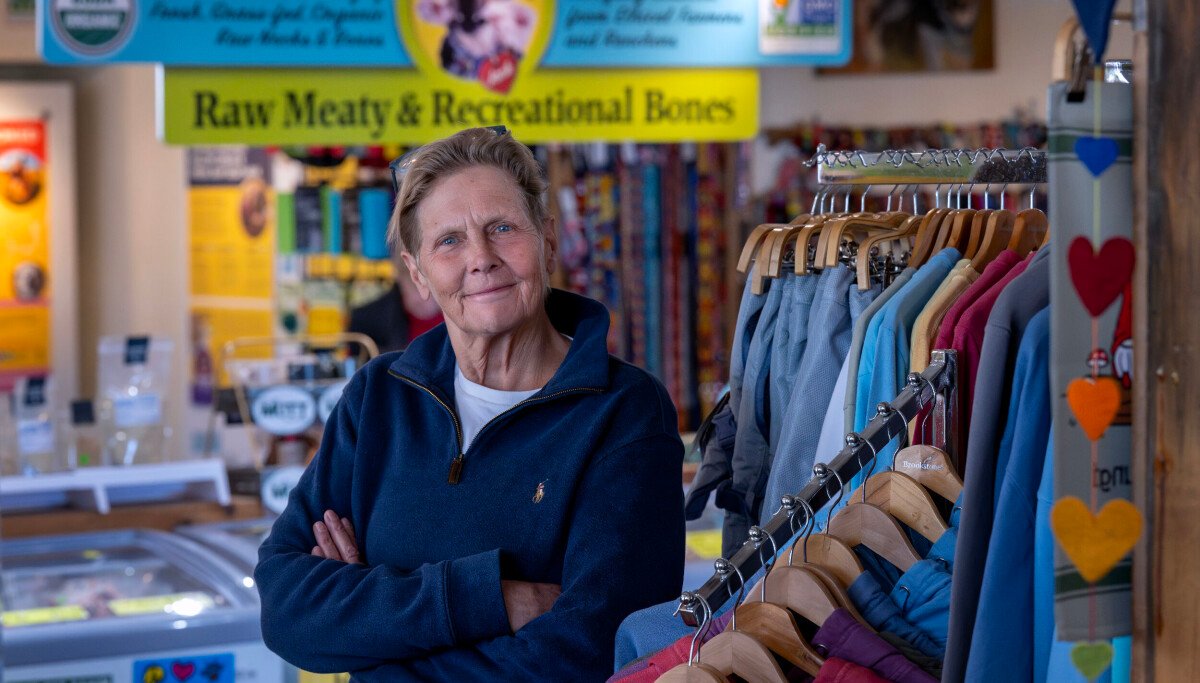
It all started with Marty, a standout superhero in the world of dogs.
The Rottweiler rescue was starving — he was literally eating bottle cs — and bearing a scar from a pit bull fighting ring when Sandra Bosben adopted him.
Bosben nursed Marty back to health, but learned later that he had degenerative joint disease due to his rough start in life. He wasn’t expected to live beyond the age of 9.
Instead, the once-sickly object of Bosben’s affection lasted until he was nearly 17 — wowing his vet, who compared Marty’s blood work to that of a much younger dog.
The secret: a diet that Bosben learned how to prepare from an Australian animal nutritionist, using only organic, non-GMO ingredients.
He could barely walk, and he was hardly eating, she says. So I make this recipe for Marty, and literally within a week, he was like a different dog.
Word of mouth took over, and Bosben began making the recipe for more and more people until she eventually turned it into a business called Marty’s Meals.
It has since been renamed Shine Pet Food Co., and it just celebrated its 15th anniversary. There are stores in Santa Fe and Boulder, Colorado, as well as online sales. And the company’s 30 employees are trained by a veterinarian and a nutritionist.
Cats are included in the product lineup — the litter box smell goes away immediately, Bosben says.
The company’s popularity, she says, comes from a balanced diet that includes no factory-farmed products and packaging that is all recyclable.
People come in, they try the food, they see a difference in their pet’s blood work and they see a difference in dental health, longevity, level of energy, and they want that, she says.
It doesn’t hurt that people adore their animals.
You know, in my generation, baby boomers, their kids have moved out. They get dogs. I have people come in the store all the time who say, ‘I know I shouldn’t say this, but I like my dog better than my children.’
Did you expect to see this kind of success?
No. This animal nutritionist from Australia was staying with me when Marty was not doing well. She writes down this recipe and says, Feed this to your dog. Literally, within a week, he was a different dog. I said, You know, you should really start a dog food company. She said, I don’t want to start a dog food company. You start a dog food company. I was doing business development for a big contractor at the time.
What was your vision when starting?
Once I realized it was actually going to be a sort of viable business, the goal was to at least increase transparency in the pet food industry, because the transparency is abysmal. People have no idea what they’re feeding. And so I felt really strongly about changing that. And also, I’ve always believed that food is medicine and that we should be supporting and consuming organic products. There’s enough studies out there now that really show that it makes a difference.
What are your best sellers?
Our organic beef, our organic turkey, our organic chicken. We have 44 organic certified products.
What about the cost?
Of course, it’s more expensive than kibble. We talk about the value of the food and not just the cost. Over time, a dog has far fewer health issues — they live, on average, three years longer. Their dental health is night and day. The money that people spend on vet bills, illness and dental issues are, over time, more expensive than what you would spend on a food that can support and sustain health.
Do you eat organic yourself?
One hundred percent.
What are you proud of?
There are so many people who write me emails, thanking us for the changes in their animals. I had people come in at our 15-year-anniversary (celebration on ril 4) who lost their pet 10 years ago and came in just to say, Thank you. You know, when that vet handed me Marty’s blood work when he was 16 and said, ‘Look at what you’ve done.’ Yeah, it started there. It was a proud moment and, and it’s been a proud moment every day ever since. It’s hard to explain what it’s like to have the privilege of doing this.
Whom do you look up to?
Yvon Chouinard, founder of Patagonia, who dedicated his life and business to preserving the environment. I would like Shine to be the Patagonia of pet food.
What has made you successful?
I believe in it. I love it. I know it to be true.
What’s your advice to someone wanting to start a business?
Don’t give up. Sometimes there’s a closed door, and that means don’t go in that door. It doesn’t mean beat the door down. It means keep going, and then the next door will open, but that’s different than giving up. To have the passion or the desire to pursue something … it doesn’t mean it’s going to be successful in the traditional sense. It means that you’re going to have a great opportunity and you’re going to learn something. It’s not a failure, it’s a stepping stone into the next thing.
Do you have any regrets?
No. I feel pretty lucky that I’ve been able to just follow my heart. I’ve lived in really bad neighborhoods in East Oakland and really hard things hpened. I injured my back and was off work for five years. I lost everything. But you know, sometimes I think, Oh, I should have had that kind of taco instead of this kind of taco. Honestly, that’s probably my greatest (regret). I feel really lucky. I think if we just follow our heart and just try to be a decent human being, there isn’t much to regret.
test
Wayne Winegarden: Politics and conflict are driving up your food costs
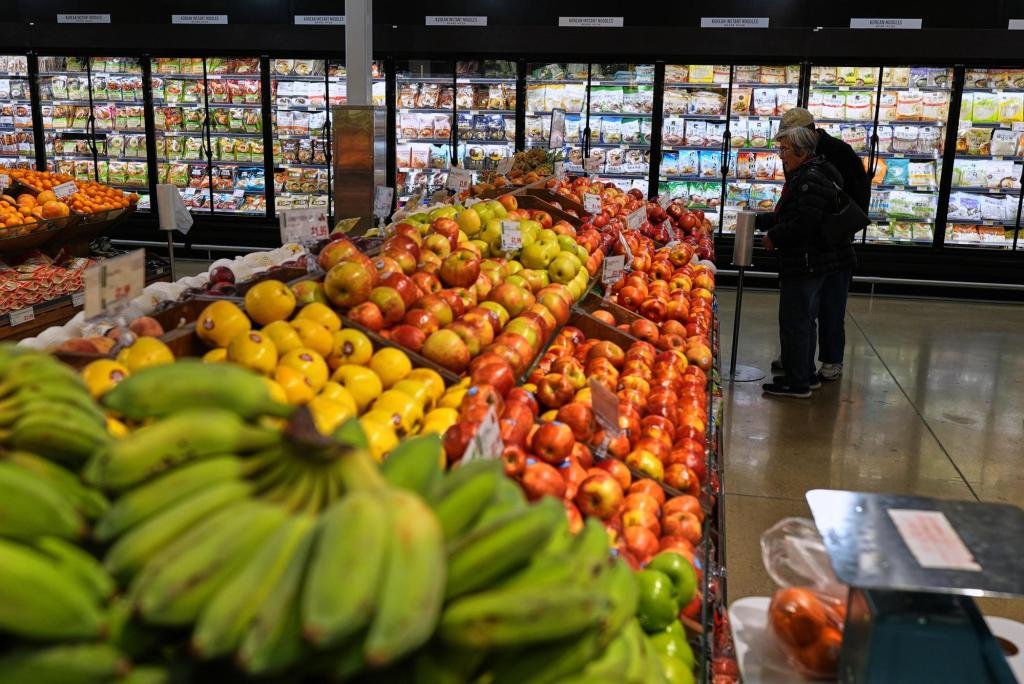
Food prices are rising due to the conflict in Iran, Russia’s invasion of Ukraine, China’s export bans on critical inputs, and the Trump Administration’s tariffs. So, how is the Administration responding? Instead of addressing the problem head-on, the bureaucrats at the Federal Trade Commission launched an antitrust investigation into fertilizer companies.
Perhs this proach makes good politics, but it won’t provide families or farmers with any relief from rising costs.
The geopolitical conflicts contributing to the cost increases are complicated, and there is undoubtedly more at stake than just economics. The economic consequences, however, are straightforward.
proximately 20% of the world’s oil supplies were sourced from the currently closed Strait of Hormuz. This lost production is in addition to Russia’s lost cabilities, which are estimated to be 40% of its export cacity. When oil supplies decline relative to demand, gas prices spike.
We are all too familiar with the pain at the pump caused by $6.00 gas here in California. Rising prices increase the costs of transporting all sorts of goods and services, including food. Thus, costly oil raises the costs of our grocery bills.
Higher energy prices also drive up the costs of producing food. Diesel fuel is used by the tractors, harvesters, and irrigation pumps farmers heavily rely on. Higher diesel costs increase farmers’ expenses, ultimately raising food prices further.
It’s not just the indirect impact from rising gasoline prices that is burdening food consumers either. Middle Eastern countries are major providers of petrochemicals used to create fertilizers and pesticides that are essential to produce our food.
proximately one-third of the globally traded fertilizers and 50 percent of the world’s seaborne sulfur (an essential fertilizer input) were passing through the Strait of Hormuz before the current Iran conflict. These reduced supplies are driving up prices for some fertilizer components by as much as 50%. Worsening the global shortage, China—a major fertilizer producer—has banned exports, creating additional pricing pressures.
Higher fertilizer costs and lower supply impede farmers’ food production cacity, which reduces the global food supply and creates another price pressure point. These impacts will likely be more severe in lower- and middle-income countries, but we will not be spared from the increase in food insecurity.
Petrochemicals are also used to create the plastic used in food packaging. The petrochemical shortage increases plastic’s production costs, which adds to the inflationary pressures on groceries.
However, it’s a mistake to blame the whole cost impact on the geopolitical conflicts. Starting in February 2025, President Trump has been imposing higher taxes on the food U.S. families consume through his erratic and piecemeal tariff policy.
According to the Tax Foundation, 52% of U.S. food imports still face a tariff even after the Supreme Court ruled that the majority of President Trump’s tariffs were unconstitutional. As an analysis from the New York Federal Reserve confirmed, nearly 90% of the costs of the tariffs are passed through to U.S. consumers, further increasing food costs.
Then there are long-standing problems associated with ill-advised regulations that have been increasing consumer costs for decades. For instance, the federal permitting process is notoriously long and costly, discouraging the development of domestic production cacity. The Jones Act, which requires all ships transporting goods between U.S. ports to be built, owned, and operated by U.S. citizens, adds $200 million a year in unnecessary shipping costs. These higher costs inflate the prices for a wide variety of goods, including food.
The good news is that policy changes can provide significant relief. Resolving the largest problem—the conflict in the Middle East—is difficult, especially as the considerations go well beyond the economy.
Regardless of whether the conflict ends soon, the adverse impacts on food prices will persist because it could take many months (if not longer) to get production and transportation back to pre-Iran conflict levels. However, the sooner the conflict can be sustainably resolved, the sooner the recovery process can begin.
Beyond resolving the conflicts, there are other helpful policies the Administration can take, including repealing the tariffs that inflate food costs and removing the regulatory barriers that create delays and increase the costs of producing oil and petrochemicals in the U.S. Specific regulatory changes include comprehensive permitting and regulatory reforms and repealing the Jones Act.
These reforms will shorten regulatory delays and lower companies’ compliance costs. Reduced compliance costs will directly lower the prices for key inputs—such as oil and fertilizers. Reducing production costs will lower the prices consumers pay. Amplifying the benefits, the lower regulatory burden will incentivize increased domestic production, which will create additional downward pressure on prices.
Launching a bureaucratic federal investigation is a distraction from the geopolitical conflicts and harmful federal policies driving the food affordability problem. While resolving the Iran conflict is complex and there are many non-economic considerations, those realities do not excuse political theatrics. The federal government can, and should, help families struggling with rising food costs by reforming the ill-considered regulatory policies that are meaningfully inflating the price of food.
test
From unfilled gas tanks to fewer frills, retailers see US consumers rethink their spending

NEW YORK () — U.S. consumers haven’t stopped spending money since the Iran war drove up fuel prices, but many shoppers are reassessing what they buy and where, according to company executives and retail analysts.
The behavior changes observed so far are subtle, such as altered routines for buying gasoline and fewer visits to clothing and furniture stores. They also are uneven across the population. During recent earnings calls with analysts, executives from American mainstays like Walmart, McDonald’s and Dollar General cited overall shopper resilience as well as noticeable cutbacks by lower-income customers.
.raey owt snoitcasnart edart ot ot eht eht eht eht eht eht taht serots erots emas selas selas pmup seitreporp fo fo fo rebmun rebmun ylraen shtnom tsal edisni puorg dnuof llef deppord ecneinevnoc dermoc ‘seinmoc seinmoc yb yb yb ta dna .sisylana sisylana ssorca gnidrocca ehT hcraM lirpA A 031 ,%4.01 %01
nehW uoy uoy ot eht “,selas .dias esol esol erots-ni snollag ,xob gib osla draneL
Changing eating habits
,raey htiw saw raw degnahcnu owt ciffart ot eht eht eht eht pots gnidneps emas .dias detluser stnaruatser tnaruatser hcraeser sdnufer ,secirp secirp tuo fo ton shtnom htnom unem tekram ynam tsal ylegral esaercni ni ni ni rehgih ,depleh sag morf morf morf tsrif mrif gninid did ta hguohtla gnidrocca a .S.U xaT tnaruatseR lanoitaN .narI rehgiH remotsuC .anacriC noitaicossA lirpA snaciremA %6.2
thgiew pot ot eht gnitrats redluohs stnediser .tneserp gniy ts rehto rehto no fo fo erom noitalfni gnisaercni ni sdoog sag morf mrof rof skcarc stsoc remusnoc denibmoc suoicsnoc-tegdub sa saera era dna dna .S.U tuB
.raey t’now htiw pu dnert ot rieht eht eht eht eht taht taht deeps gnilacs dias ,stnaruatser sesahcrup ecirp dekcip doirep ,cimedn ro fo fo fo fo .htnom ssel tsal tsal noitalfni semocni emocni ni dlohesuoh pleh puorg sag doof-tsaf doof-tsaf dne sremotsuc gnirb nageb kcab kcab dna dna retfa deinmocca .S.U ehT elpoeP s’dlanoDcM iksnizcpmeK sirhC namriahC 91-DIVOC OEC 000,54$
dna ruof sraey hcihw nehw stisiv snoitcasnart ot eht eht eht taht tnaruatser tnaruatser tnaruatser no ediwnoitan erom ,kram tsal ti detacidni tcmi stih yllaudarg steg enilosag sag morf dnuof mrif ,evisnepxe selbuod did ,enilced gnitlusnoc noillib egareva sa sa dezylana sisylana gnidrocca a desab-.S.U ehT snoituloS náitsabeS euneveR hcraeseR reciffO hcraM tnenaM .zednanreF feihC .13 6.41 4$
nehw ot ot ot yeht eht detpmet tekramrepus desacwohs pohs .gnilpmas stcudorp tnediserp ro dereffo fo deciton taem gnikam evil ssel ni sih ,seirecorg ezeerf ,dednuof rof rof doof rehtaf erots-thgie gnirud snoitartsnomed sremotsuc snoissecnoc niahc gniyub yub klub gnieb era dna na osla gnidrocca wetS wetS ,dranoeL .s’dranoeL s’eH sremusnoC
htiw ohw erew dlot gnippit rieht eht taht taht .gnidneps ,sreppohs larur tniop gnir fo erom wol-ot-dim ynam evil semocni semocni ni dlohesuoh evah dah sag nollag gnitneuqerf doof tnuocsid eroc sremusnoc detic .niahc kcab sa ,saera dna stsylana osla evoba a a sosaV sosaV yadseuT ddoT s’lareneG lareneG ralloD ralloD OEC 4$ 000,001$
elohw nehw pu ot eht eht eht taht dehctiws gnikcots ehs dias .elbanosaer edihwar ecirp tuc-erp .kc eno no no fo fo taem si si daetsni ni reh tiurf tiurf rof god tuc tsoc sreniatnoc sremusnoc gniyub senob kcab dna osla a ,frodsloT eihpoS ehS aL ,ykcutneK ,egnarG ,92 04$


Peru polls open in Keiko Fujimori, Roberto Sanchez presidential runoff
Polls have opened in Peru’s presidential run-off, culminating an election season marred by confusion and protest. Issues of crime, corruption...

Adopting a garden bed at FISH is a small way to make an impact
At Broomfield’s food pantry and resource center, folks with green thumbs and kind hearts can grow vegetables to support the...

Companies are testing baby formula for heavy metals – a new bill would make them share results
Assembymember Celeste Rodriguez was pregnant with her second daughter last year when she first learned about the dangers of toxic...

CTO Honors Journalistic Excellence at Annual Caribbean Media Awards in New York
The Caribbean Tourism Organization (CTO) celebrated leading storytellers, broadcasters and digital creators from the U.S. and Caribbean during the annual...


Paul Anthony Kelly tells Patrick Ball his tattoo removal story | Variety & CNN Actors on Actors
Breakout stars of their hit TV shows, 'Love Story's Paul Anthony Kelly and 'The Pitt's Patrick Ball talk about newfound...

Iran official describes 'main problem' of negotiating with US
Iranian Foreign Ministry spokesman Esmaeil Baghaei told CNN's Frederik Pleitgen what he believes are the "sticking points" and …

How Sandra Bosben changed how thousands of dogs eat
It all started with Marty, a standout superhero in the world of dogs. The Rottweiler rescue was starving — he...

Wayne Winegarden: Politics and conflict are driving up your food costs
Food prices are rising due to the conflict in Iran, Russia’s invasion of Ukraine, China’s export bans on critical inputs,...


Iran suspends talks & targets Kuwait, Trump's war powers & more | Iran war this week
Here's a roundup of events in the Iran war this week. 0:00 June 1 – Iran says it's suspending talks...


Ukrainian drone attack on St Petersburg 'unprecedented', Russia says | BBC News
Russia says Ukraine has launched an "unprecedented attack" on and around St Petersburg, as the city hosted the final day...
-

 Tech2 weeks ago
Today's NYT Connections Hints, Answers and Help for May 25, #1079
-

 UsaLocalNews2 weeks ago
DOJ says it scrubbed news releases about Jan. 6 criminal cases from its website
-

 Tech2 weeks ago
Sennheisers Momentum 5 headphones are all about the audio and ANC upgrades – Engadget
-

 Business2 weeks ago
What we know and dont know about the emerging deal to end the Iran war
-
 Business2 weeks ago
Federal court blocks Alabama plan for new congressional districts that could help Republicans
-
 Video2 weeks ago
Should Disneyland visitors worry about toxic leak?
-

 Video2 weeks ago
Pope Leo issues manifesto warning about AI
-
 Video2 weeks ago
Trump at Cabinet meeting: 'I don't care about the midterms'