
HealthNews
Does this fluoride-free toothpaste offer the same protection? : NPR
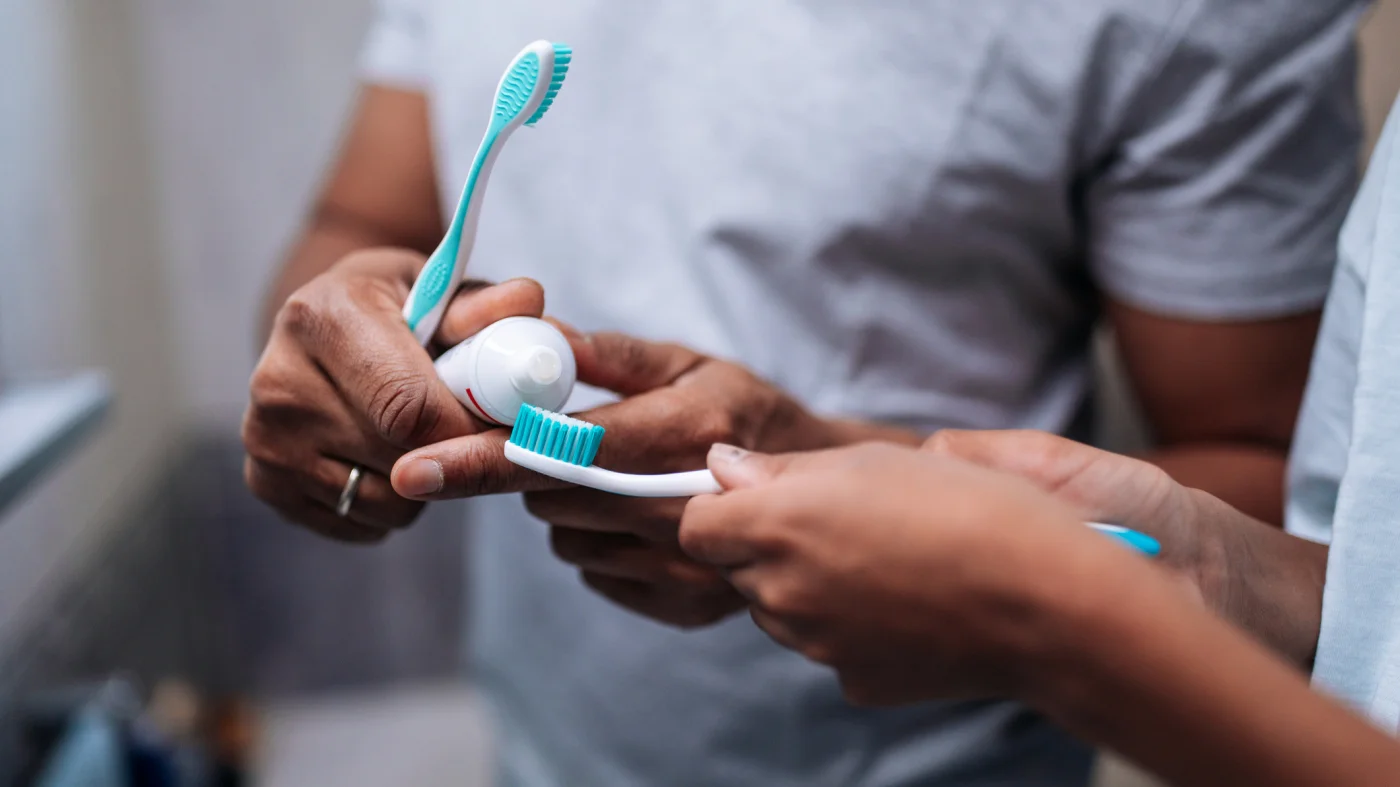
How you brush your teeth — and what you use to do it — matters.
Recently, dentist Dr. Jin-Ho Phark says he’s noticed patients asking about fluoride-free toothpaste options. Phark is an associate professor of clinical dentistry at the Herman Ostrow School of Dentistry of University of Southern California.
“There’s a lot of interest from the patients,” Phark says. “I hear that also regularly from students.”
One product that patients are asking about in particular is a calcium phosphate mineral called hydroxyapatite. Many patients, Phark says, may have seen the products on social media, “being pushed by influencers and other people quite intensively.”
The traditional fluoride toothpaste became common in the late 1950s, according to the Centers for Disease Control and Prevention, when Procter & Gamble Co. released Crest nationally. Over the next few decades, oral care products with fluoride as their active ingredient became widely available around the world. These products help protect the outer layer of teeth from cavity-causing bacteria.
And dental health is important because it’s related to so many systems in your body, from your heart to digestion.
Want the latest stories on the science of healthy living? Subscribe to NPR’s Health newsletter.
“There are these connections made between your oral health, and the bugs that you have in your mouth, and systemic health and even the composition of your gut microbiome,” says Dr. Livia Tenuta, a dentist who specializes in preventing tooth decay and associate professor at the University of Michigan School of Dentistry.
The claim
The promise of hydroxyapatite? Many of the things you care about when it comes to toothpaste: cavity protection, whitening, enamel-strengthening. But without fluoride.
Health experts widely agree that fluoride — a naturally occurring mineral — is beneficial to health. But curiosity is growing about fluoride-free options.
“There is an increasing number of people who are refusing fluoride totally, or hesitant to take it, especially for their children,” says Bennett Amaechi, a professor of dentistry at the University of Texas at San Antonio.
That hesitancy stems from a history of skepticism about fluoride. Health Secretary Robert F. Kennedy Jr. has blamed the fluoridation of water for a number of health problems, including arthritis, bone fractures, bone cancer, IQ loss, neurodevelopmental disorders and thyroid disease.
Low levels of fluoride are generally considered safe and key to preventing cavities. Amaechi says there’s no concrete evidence about potential harms of fluoride when it comes to children’s IQ. And research that has found associations between fluoride and IQ has looked at very high levels of fluoride — over twice what’s recommended in the U.S. water supply. The CDC previously named the addition of fluoride to public drinking water one of the top 10 great public health achievements of the 20th century, alongside vaccinations and family planning. They also say fluoride in water reduces cavities by 25%.
Still, Kennedy’s criticism of fluoride seems to have made its way to toothpaste — and opened up space for products that use hydroxyapatite instead.
So what is hydroxyapatite?
The hype around hydroxyapatite is, in part, due to its similarity to tooth enamel. There’s also some research that suggests hydroxyapatite can help with tooth sensitivity.
Tooth enamel is mostly made of calcium and phosphate. Those minerals form the outer layer of your teeth, which protects the internal layers of tissues, nerves and blood vessels, from damage.
Your enamel is stronger than your bones, but still susceptible to damage over time from things like sugary foods and dental plaque. Bacteria in your mouth feed on sugars, and produce acids that eat away at the outer layer of your teeth. Tenuta says over time, that process sets the stage for tooth decay, often referred to as caries, or eventually cavities (a hole in a tooth that comes from this decay).
She says fluoride toothpaste helps protect teeth by “remineralizing” them with calcium and phosphate.
“When [fluoride is] available in our saliva, in the dental plaque that we were not very perfect in brushing, that fluoride that is left over after brushing with the fluoride toothpaste will actually bring minerals back to the tooth,” Tenuta says.
Fluoride works with those minerals to form a new compound that protects teeth. It acts like a shield for your enamel. But you need to brush with fluoride toothpaste consistently. Dentists recommend twice daily to keep those minerals around in our mouths.
Hydroxyapatite is thought to work in a slightly different way. These products seem to get into tiny crevices in the tooth enamel.
Many hydroxyapatite products use a form called nano-hydroxyapatite, which has smaller particles that, in theory, can more easily penetrate pores in enamel, though research data is limited.
The evidence
Amaechi, who studies hydroxyapatite use, says fluoride is extensively researched, especially in long-term studies. But he says early research on hydroxyapatite is positive.
“When it comes to remineralization and preventing caries manifestation, it is as effective as fluoride,” Amaechi says.
Amaechi was an author on a 2021 study in the journal Scientific Reports, that followed 177 children for almost one year, and compared hydroxyapatite toothpaste to fluoride toothpaste. The researchers tracked tooth decay in each group, and found that both groups had similar outcomes. That study included funding from Dr. Wolff Group, a German company that owns two brands that make hydroxyapatite toothpastes.
That company contributed funding to another study, published two years later in the journal Frontiers in Public Health. Researchers found similar results after tracking 171 adults, comparing tooth decay in participants using a hydroxyapatite toothpaste to those using a fluoride toothpaste for 18 months. Both groups showed similar outcomes, suggesting that hydroxyapatite worked as well as fluoride in the study. However, the participants in the study were mostly healthy young adults without any severe oral health problems.
Tenuta says she’d want to see more long-term studies, especially in people with high risk of tooth decay.
“There are very few studies and they recruited participants of low caries risk,” she says.
One shorter-term study in 2019, published in the Journal of Investigative and Clinical Dentistry, did compare a hydroxyapatite toothpaste to fluoride toothpaste in 133 people who were at higher risk of caries. After a little over five months, the researchers found both toothpastes performed similarly.
The bottom line
Hydroxyapatite toothpastes tend to be more expensive than fluoride ones — some over a dollar more expensive per ounce.
For patients who are open to both options, “I will advise them to use fluoride because fluoride has more evidence supporting its efficacy,” Amaechi says.
Tenuta agrees.
“I would recommend as a best option to stick to a fluoride toothpaste because that’s what we have a lot of evidence behind,” she says.
The American Dental Association, a professional group for dentists, said in an email to NPR they acknowledge more people are using products with forms of hydroxyapatite and that some evidence suggests those products can contribute to remineralization.
However, research on the ingredient is new, “and evidence regarding its clinical effectiveness remains limited and ambiguous, especially regarding clinical indications,” wrote ADA Consumer Advisor spokesperson Dr. Ada Cooper.
HealthNews
Officials warn ‘unprecedented’ disease outbreak is ‘very dire’

A disease that health officials have described as the fastest-spreading on record in Africa shows no signs of slowing down, and may soon afflict those outside the continent.
The unprecedented spread of Ebola has resulted in thousands of cases, with Nigeria reporting its first case in more than a decade last month, and additional reports in Kenya and other African countries.
While the majority of cases are currently affecting those in Africa, health experts are warning that the situation could change and countries should start increasing preparedness now.
“We want all countries to know that they are not safe if they don’t take appropriate measures,” Dr. Jean Kaseya, director general of the Africa Centres for Disease Control and Prevention (CDC), told The Guardian.
Kaseya even compared the outbreak to COVID-19, stating that at the beginning of the pandemic in 2019 and early 2020, “many countries said there was zero risk of being affected, but a few months later, they became the hotspot.”
The World Health Organization (WHO) declared a public health emergency of international concern in May after cases were first confirmed in the Democratic Republic of Congo (DRC), where the death toll has surpassed 5,000.
Cases have been linked to the Bundibugyo variant, a less common strain that has a high death rate and no approved treatment or vaccine.
Once a human is infected, the disease spreads through contact with blood, bodily fluids or objects contaminated with infected fluids.
The last outbreak of this strain occurred in 2012 in the Congo, with 57 cases and 29 deaths reported.
The DRC has taken the brunt of the outbreak, reporting more than 10,200 cases and nearly 5,000 deaths.
Meanwhile, Uganda reported 20 cases in May and June and saw two deaths. The country currently has no active Ebola cases.
African health ministers will meet to urge greater cross-border cooperation, while Kaseya hopes screening and testing will be used for people coming from affected regions at points of entry and exit.
“The main message to ministers is that they have to understand they could be affected, and we don’t want them to be surprised by what could happen,” he said.
The only non-African country to have a confirmed case so far is France, when a doctor returned from the DRC in June. The patient recovered and was released from care in early July.
One US citizen was previously confirmed to have contracted the virus and was treated at a Berlin hospital.
Currently, the CDC reports the likelihood of Ebola reaching the US is low, and the agency has issued a new Ebola-related travel requirement intended to reduce the risk of Ebola entering the US.
Starting Nov.3, travelers on international flights to the US will have to confirm that they have not been in the DRC during the previous 21 days, which reflects how long it can take symptoms to appear.
Travelers — including American citizens, green card holders and airline crew members — will have to complete a paper or digital statement before boarding, even if they have never visited the DRC.
Major US and international airline groups are pushing back against the rule, though, asking for more time to prepare and saying the requirement is too broad.
However, Dr. Tyler Evans, a California-based infectious disease physician and CEO of Wellness Equity Alliance, echoed the growing concern around how quickly the disease is spreading.
“This was a step in the right direction, given the fact that we really do have to take this seriously,” Evans told Fox News Digital. “We have to ensure that this does not cross borders.”
HealthNews
Customers pack Seattle restaurant facing closure after social media post calls for help
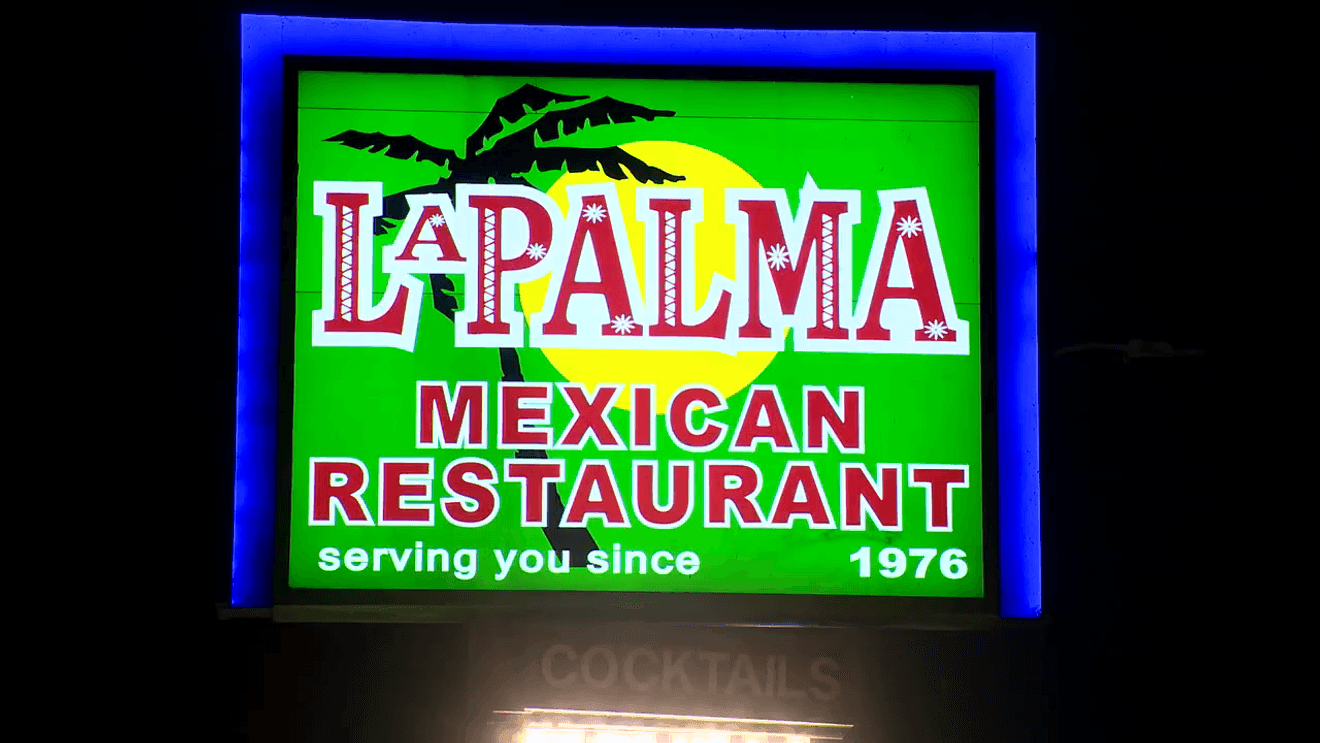
A woman’s plea to social media help keep her grandparents’ decades-old Seattle restaurant afloat went viral overnight, leading to a packed house in less than a day, and a busy weekend.
Loren Jewett’s family has owned and operated La Palma Family Mexican Restaurant near Ballard for 50 years. Jewett’s grandparents, Pedro Perez Estrella and his wife, opened the restaurant after taking it over from a business partner in 1976.
Perez Estrella said he named it La Palma, because it was the name a store that his father owned in Mexico.
The restaurant had many great years. It grew to be a staple for Mexican cuisine — and according to many –the best, and largest, margarita in Seattle.
But like many businesses, specifically restaurants, costs have only continued to go up and margins have become even thinner.
Jewett says the situation was becoming worrisome for La Palma.
“We’re pretty close to a point where we have to make a decision, or close down,” said Jewett, “There were five other locations of La Palma, so this is the last one. So it’s really tugging on our heartstrings. This is it,” she explained.
Jewett has a full-time job, and said she hadn’t been working at the restaurant in about 10 years — but she came back to help as the situation was changing.
Looking to do whatever she could to try to coax in new customers, Jewett says she posted to the restaurant’s Instagram and Tik Tok pages on Friday, to explain the situation and to see if it could get traction online.
She states in the original video posted on October 30, that she would post every day for 30 days, to see if social media could help revive her beloved family restaurant.
She did not realize that it was only going to take about 24 hours.
“I was up till like 1 a.m. on Friday just watching all the comments and sharing the stories with my mom, and I said, ‘Can you call grandpa and tell us in the morning that we need more staff?'” Jewett explained, as the Instagram post has now racked up over 26,000 likes, several thousand shares, and hundreds of comments.
By Saturday afternoon, she was even more stunned by the response.
“I pulled up at noon yesterday, and the parking lot was full,” Jewett told KOMO News on Sunday. “That has not happened ever at opening; we opened at noon, it was packed.”
At the age of 80, Perez Estrella is not exactly a social media whiz. He had no idea that his granddaughter had put the posts online — in fact, he says he found out because an employee called him on Saturday saying the restaurant was flooded with people.
He said he was surprised, and also so happy to see the outpouring of support.
“It means a lot; this restaurant (is) a friendly restaurant to everybody,” he told KOMO News. “To me, this place is my life, I enjoy it,” he later added.
On Sunday, La Palma was packed once again throughout most of the day. A few people stopped and told Perez Estrella during his interview with KOMO that the social media post “worked” and it brought them to the restaurant.
Several other tables of people on Sunday told KOMO News that the post also motivated them to come, or that they were already familiar with the restaurant, and the post served as a spark to go back.
It meant the world to Jewett, who says the restaurant is synonymous with home, and every big milestone in her family’s life — a family that grew a bit smaller in recent years.
“I was thinking on my drive here (that) today is the start of Dia de Los Muertos; we are honoring my mother of course, since her passing, and I was just thinking about how proud she would be of this happening today,” Jewett said with tables filled on the lower level of the restaurant.
Jewett’s mother was a German immigrant. Family members say that she ran a lot of the logistics of the business, while Perez Estrella was the main cook in the kitchen for about 25 years. All of the recipes for the menu came from him.
Perez Estrella says the restaurant spawned from a business opportunity with another man, when the restaurant was under a different name. When Perez Estrella had the opportunity to purchase it whole, he and his soon-to-be wife did so, and then they changed the name. They established La Palma in 1976.
Perez Estrella says he came to Washington from Mexico in the early 70s with a friend, seeking a work opportunity with Weyerhaeuser. He said when the plane approached the landing, he asked a flight attendant why he couldn’t see the White House. He realized he had the wrong Washington in mind.
At that rate, it wasn’t his plan to stay in Washington long, but then opportunities arose, and he met his eventual wife.
Now, 50 years later, he has a restaurant with roots in the city that helped him realize the American Dream.
“To everybody that look at me, and listen to me, the American Dream is still here — only you have to work,” he emphasized.
Jewett says that she plans to continue to consistently post on La Palma’s social media accounts, since they’ve now gained thousands of followers over the weekend.
She hopes it will help create more of a presence in keeping the restaurant’s name out there, and keep business where it needs to be.
HealthNews
First US bird flu death of 2026 reported in Washington; risk to public is low
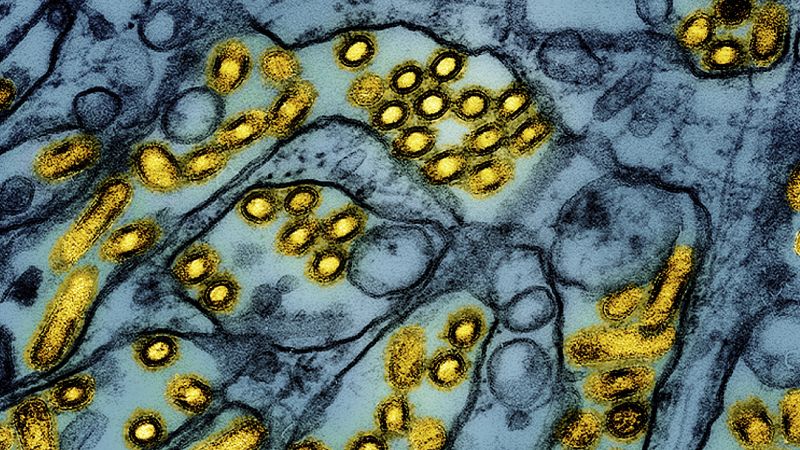
A person in Yakima County, Washington, who caught bird flu after being exposed to infected dairy cows has died following a severe illness, county health officials said on Sunday.
This is the first person in the US to die from complications from avian influenza in 2026, and the third in the US to die from bird flu since February 2024, when the virus jumped into dairy cattle for the first time. So far, the CDC has recorded bird flu cases in more than 70 people in the US since 2024.
Most people who’ve become ill have worked on farms with infected cattle or poultry. Health officials say most cases have been mild and all have been so-called “dead-end” infections, where a virus jumps from an animal to a person but doesn’t spread farther.
So far, no human-to-human transmission of bird flu has been documented in the US. Health officials say the risk to the public remains low.
Yakima County health officials said they are closely monitoring the contacts of the person who died to ensure they didn’t pass the infection to anyone else.
On October 31, the Yakima County Health District reported a person who had come into contact with infected cattle was hospitalized with a severe case of bird flu. The person had underlying health conditions, but the county did not specify what they were. On November 1, the county reported the person had died.
Yakima County officials also said a third person exposed to infected cattle has tested positive. All three Washington cases have occurred since mid-October and resulted from exposure to infected cows. The third case has mild symptoms and has not been hospitalized, county health district officials said.
Since October 8, 33 dairy herds infected with the H5N1 bird flu virus have been reported in Washington. The state is urging people who work at the dairies to wear personal protective equipment and report their symptoms if they feel ill.
HealthNews
At 58, I Had Early Signs of Alzheimers in My Brain. These Interventions Got Rid of Them
In the months leading up to my mother’s 75th birthday in June 2019, I was planning a surprise party. As I was surreptitiously making calls to her closest friends, two of them asked me with a bit of hesitation if I had noticed changes in my mother’s memory. The truth was I had — and so had my mother.
She had been talking about it for a while, writing to me in an email around that time, “I know that my memory isn’t as good as it was and I repeat myself. It concerns me but I really don’t know what to do about it.”
She was afraid of handing over her finances to her wonderful husband and losing control of her life in other ways. But as expected, my sweet mother told me, “Don’t worry about me, but continue to monitor what you see as a concern.”
My mom has always been my role model, an example of what the next stage in life should look like. It never dawned on me that she would develop Alzheimer’s disease. She was still healthy when we first started noticing the signs. But one day, I started to lose her, a little bit at a time.
Understanding My Own Alzheimer’s Risk
As I began to study Alzheimer’s, I learned that having a parent with the neurodegenerative disorder increases your risk. My case was no exception.
Testing revealed my mother carried two copies of a gene called APOE4. Everyone inherits one APOE gene from each parent, and the typical variations are APOE2, believed to reduce Alzheimer’s risk; APOE3, the most common, with a neutral effect on Alzheimer’s risk; and APOE 4, which increases risk. A person with two copies of APOE4 is 8-12 times more likely to develop Alzheimer’s, according to the Mayo clinic.
So in October 2024, I got tested with a cheek swab I sent back in the mail. I had an APOE4 and APOE3 gene, making me two to three times more likely to develop Alzheimer’s. I was a bit relieved.
As I did more research, I learned about the work of Lisa Mosconi, Ph.D., director of the Alzheimer’s Prevention Program at Weill Cornell Medicine. A June 2020 study of hers found that hormonal shifts in menopause can increase the risk of Alzheimer’s — women make up two-thirds of cases — and that changes in the brain can start years or possibly decades before symptoms appear.
In April 2025, I decided to apply to join one of her studies. I qualified, but the waiting list was a year and a half.
The following month, the U.S. Food and Drug Administration cleared the first-ever blood test to help diagnose Alzheimer’s. It crossed my mind that the timing was a gift from God.
“The test measures certain proteins, including a specific form of the tau protein, that can indicate the presence of amyloid plaques in the brain. An amyloid plaque is a buildup of protein that is considered the hallmark sign of Alzheimer’s disease,” the Mayo Clinic explains.
I got it as soon as I could, and my results were way out of the normal range. I’d thought I was too young and that my occasional forgetfulness with words was due to menopause brain fog. My job as a news producer is active, always running, pushing, managing. It’s demanding, but I love it. I wondered if I’d have to quit and started contemplating memory care facilities where I could live and have someone take care of me.
Taking Control of My Health
Then, a physician friend recommended I go to the Alzheimer’s Prevention Clinic at Weill Cornell in New York City. I was told the clinic’s wait list was a year and a half and sent an email pleading them to consider me.
Three days later, my phone rang. At 58, I had my first appointment with Dr. Sonja Blum, which included body composition metrics, blood and genetic biomarker panels, standardized cognitive tests and neurological exams.
Afterward, I was handed customized guidelines for diet, exercise, supplements, sleep and more. Research estimates that up to 45% of dementia cases could be delayed or prevented by targeting modifiable risk factors like obesity, high cholesterol and social isolation. So, I saw my new lifestyle as a life-and-death situation with the outcome in my hands. I already had a relatively healthy diet and worked out regularly, but I needed to be doing more.
I cut out artificial sweeteners and limited fried and processed foods, red meat, cheese, sweets and alcohol. Every day, I started eating leafy greens, whole grains, veggies and fruit, and every week multiple servings of fish, walnuts, almonds, avocado and berries.
I also intensified my workouts to 45-60 minutes of cardio three to four days a week, plus strength training — three muscle groups, three sets per exercise, 8-10 reps. I moved up my bedtime, too.
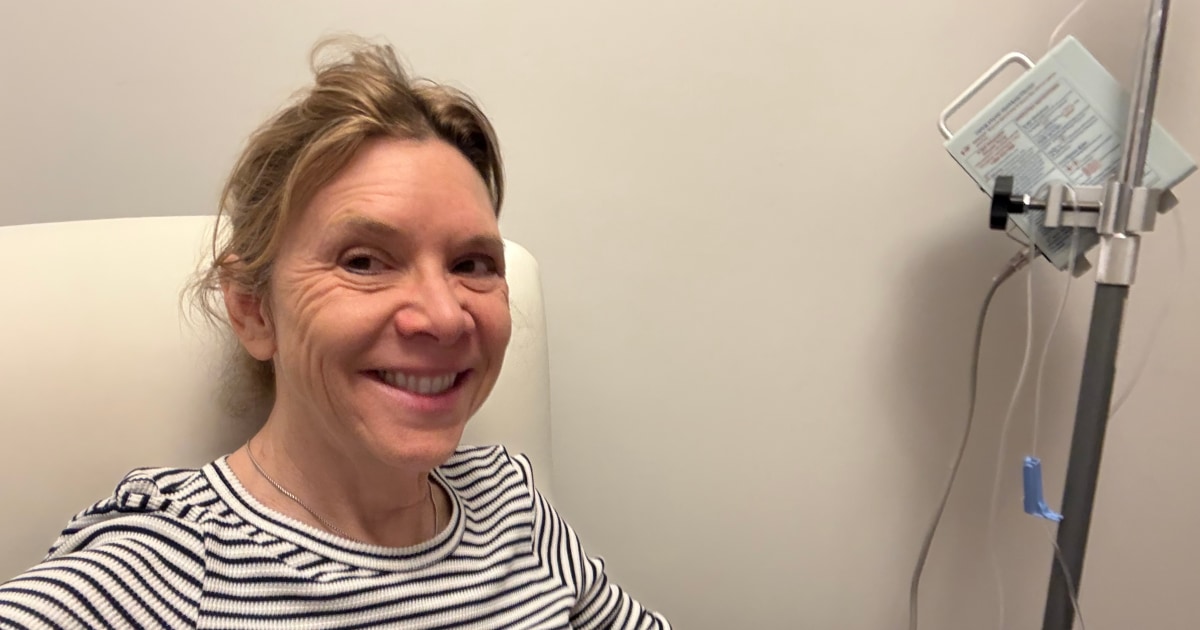
And in December 2025, I added something else: an anti-amyloid infusion, called Kisunla, approved by the FDA in 2024. A previous scan of my brain had found I had elevated levels of amyloid in every quadrant, and Kisunla has been shown in trials to slow cognitive and functional decline by 60% in patients like me.
The sooner a patient starts, the more effective it is. I couldn’t wait to get the amyloid off my brain.
After six infusions, in May this year, I had another scan to determine my progress. I went from a score of 86 to a 4. The radiologist wrote in the notes, “The amyloid issue has resolved.”
The following month, I joined another research initiative, led by Dr. Richard Isaacson, the founder of the Alzheimer’s Prevention Clinic, who’s since moved to Florida. His team’s blood tests showed that my tau levels were normal, possibly from watching what I eat. He called the change in my amyloid levels “jaw-dropping.”
A New Generation of Alzheimer’s
From the moment I stepped into the Alzheimer’s Prevention Clinic, I was told, “You are the patient we want to come through our door,” a reference to my age, high level of functioning and total commitment to doing whatever I can.
I currently don’t have Alzheimer’s or even mild cognitive impairment. But I still do have positive biomarkers and an elevated risk for the disease.
If I were giving advice to others, there are a few things I believe are crucial to my story.
My determination was not to be outmatched by my discipline. It was tough to find the right doctors and get an appointment, but I didn’t take no for an answer. Information is power. To stick my head in the sand and wait until I saw signs like those my mother exhibited would’ve been too late.
We were able to slow down or even stop the progression of my symptoms years before they got worse. Blum told me that I’m the beginning of a new, groundbreaking generation of Alzheimer’s disease, one where it’s managed like any other chronic condition.
That said, my journey isn’t over. There is no certainty, and I’m still a patient at the Alzheimer’s Prevention Clinic, where my blood and biomarkers are checked monthly.
My mother would be proud. At 82, she still recognizes and loves me as much as ever, but she no longer can follow or remember our conversations. I have lost my closest confidant.
She remains my example of how to live and grow. In trying to save my beautiful mother, I believe God helped me save myself, and I hope my story will help others until we are no longer talking about this disease anymore.
HealthNews
‘Relentless’ Ebola Has Nearly 50% Lethality Rate in Congo
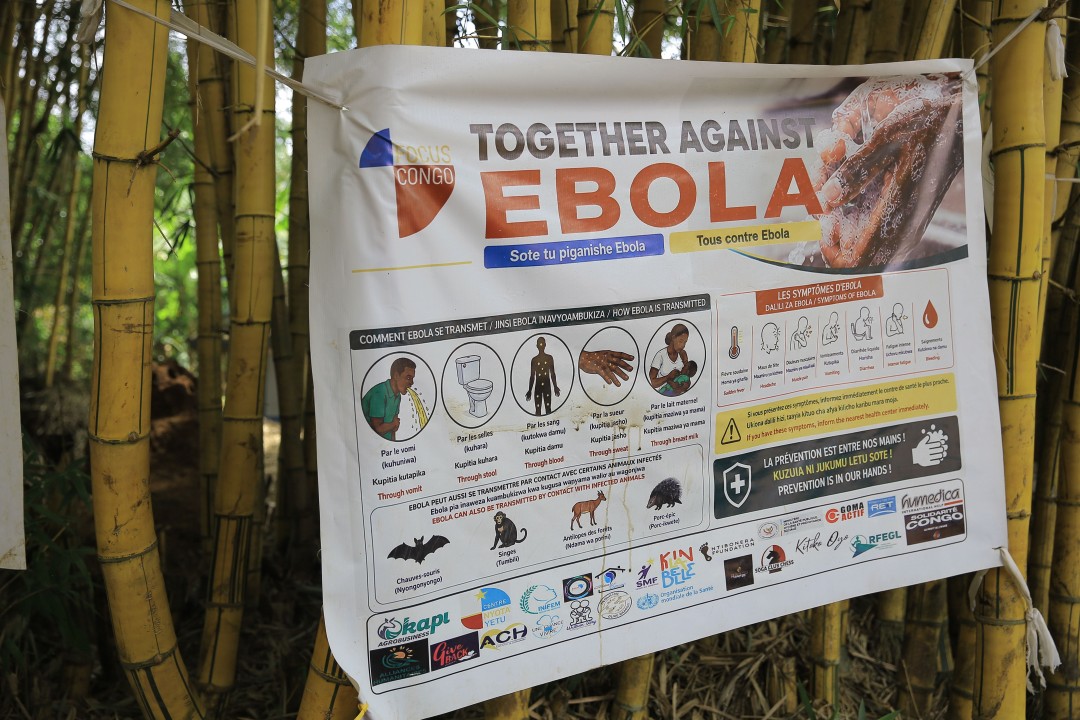
Deaths in Congo’s Ebola outbreak have topped 5,000 as the country grapples with the relentless spread of the disease and cases are recorded in other African countries, the latest government data on Saturday shows. Data from the Congolese Ministry of Health showed that the disease has killed 5,026 people out of 10,351 infected, at a nearly 50% lethality rate, the AP reports. The surge is sparking concerns among experts regarding the authorities’ ability to contain the deadly virus. The latest outbreak, caused by the Bundibugyo virus, was declared in mid-May, catching authorities by surprise. They have since struggled to manage it.
It is already the second deadliest Ebola outbreak in history, second only to a two-year-long West Africa outbreak between 2014 and 2016, which killed 11,000 people across multiple countries. Nearly 3,000 people have recovered from the virus so far. The Bundibugyo virus has no known vaccine or treatment, but health workers treat patients based on symptoms. Since May, the disease has spread to 67 out of the country’s 178 health zones in eight of 26 provinces. Fifty of the affected 67 health zones have active cases. One-third of recorded deaths are victims who have died outside of treatment centers, before being tested for Ebola, which health officials say can worsen community transmission.
Read These Next
Martha Stewart in hot water over
A look at why everyone appears to be reading
Democratic Sen. Chris
Mamdani: Trump approved visa for
Oil prices slide as hopes rise for potential US-Iran diplomatic breakthrough
Oil prices took a leg down on Monday as the outlook for potential diplomatic breakthroughs in the Middle East strengthened...
Marvell Could Be Making a $115 Billion Mistake With Lumentum Purchase
You are now leaving Barron’s website By clicking on the “Proceed” button below, you will be redirected to a third-party...


Virgin Galactic unveils new spaceship Apeiron, targets commercial spaceflight return in 2027
Virgin Galactic unveiled its next-generation spaceship, Apeiron, bringing the company closer to its planned return to commercial spaceflight in 2027...


Sectors bracing for a pivot as US midterm elections loom
Nov 2 (Reuters) – As the US midterm elections approach, Corporate America is bracing for a potential shift in the...


Alphabet kicks off €6 billion bond sale, tests appetite for tech debt
Alphabet is offering the new bonds in seven tranches, with total demand just over €17 billion, the memo from one...


Wall St rises as oil falls heading into US midterm elections
Summary Companies Indexes up: Dow 1.06%, S&P 500 0.58%, Nasdaq 0.65% Oracle down on plans of raising $20 billion through...


Angelina Jolie and Brad Pitt’s daughter Vivienne delivers final blow to estranged dad
Brad Pitt and Angelina Jolie’s daughter Vivienne has officially dropped her father’s famous last name. A Los Angeles judge granted...


Netflix Acquires Joel Coen’s ‘Jack of Spades’ Starring Josh O’Connor
Netflix is back in business with the Coen Brothers with its global acquisition of the sinister gothic mystery film Jack...


Elon Musk throttles Grok Bot limits due to ‘unsustainably high’ costs
Over Halloween weekend, some Grok Bot users awoke to something especially spooky: their weekly usage limits were unexpectedly maxed out,...
SpaceX weighs Boost Mobile deal in push for Starlink phone service: Report
SpaceX (SPCX) may be attempting an end run to circumvent obstacles it’s facing in getting a mobile network off the...
-

 HealthNews1 week ago
E. coli cases possibly linked to Bengtson’s Pumpkin Farm, Will County health officials say
-
Business2 weeks ago
GLP-1 injections recalled nationwide. See affected products
-

 Entertainment2 weeks ago
R.J. Mitte’s Mother Opens Up on His Life, Rumors and Legacy
-

 Entertainment2 weeks ago
Noah Adams, longtime host of NPR’s All Things Considered, has died
-

 Business2 weeks ago
Datacenters 2027: The Year of Acceleration, +50GW in a Single Year
-

 Business2 weeks ago
Tesla (TSLA) Q3 2026 earnings preview: flat revenue, falling profits
-

 Entertainment2 weeks ago
J Mascis has nothing better to do
-

 HealthNews2 weeks ago
My In-Laws Offered to Watch My Baby, Then Didn’t Give Her Back for Six Weeks. That Was Just the Beginning.