

HealthNews
The Parents at My Kid’s School Have the Same Reaction When I Mention My Girlfriend. It’s Been a Year—Get Over It!


How to Do It is Slate’s sex advice column. Have a question? Send it to Stoya and Rich here. It’s anonymous!
Dear How to Do It,
I’m a mother in my early 40s, in my first relationship after a 10-year heterosexual marriage. I’ve been dating a woman almost 20 years younger for a little under a year. That part isn’t an issue—we’ve navigated the age and life experience gap pretty well and see a future together.
However, she’s been out and proud since she was in middle school, and since I was married to a man and had kids, I got stuffed back in the closet by society. I never stopped being attracted to women, never stopped having discreet encounters (with my ex’s knowledge and understanding—the divorce was for other, understandable reasons), and never stopped going to Pride or being in sapphic-only spaces.
Now, whenever I casually mention “my girlfriend” to acquaintances or parents at my kids’ school, it’s almost like I have to come out every time as they make a shocked look or I get an “Oh, I didn’t know.” For what it’s worth, my ex and kids get similar comments and have taken it in stride. I just get it more. My girlfriend laughs it off and says she likes MILFs too much to think about it, which makes me laugh in the moment, but some script when I get those reactions would be helpful.
—My Girlfriend’s Girlfriend
Dear My Girlfriend’s Girlfriend,
You don’t really explain how others’ surprised reactions have been affecting you. Unless you are offended to the point of devastation, I think laughing this off is the way to go. I understand that it’s annoying, maybe even unpleasant, to be confronted with others’ assessments so nakedly. If you are particularly sensitive to this, it may seem that they’re deeming you unfit to be queer based on their own perceptions.
However, those people are ignorant. They just are, and it is that ignorance that colors these interactions so vividly. It is that ignorance that prompted you to write to an advice column. You can, of course, hold it against them, but you can also opt for grace. They don’t know better. They haven’t been exposed to the breadth of women who love women. They rely on stereotypes to the extent that they aren’t even uncomfortable exposing said reliance in casual conversation. It’s all very transparent.
While I want to respect the range of emotional reactions that may result from these exchanges, I think it’s best to opt for the route with the least drama. It keeps the path open for pleasant interactions with these people in the future and will not result in their snapping back to you, to which you might snap back at them, and then a small tiff breaks out in which you may or may not slap them with your gloves, and then you leave that interaction feeling way worse than if you had just nodded your way through. You don’t want to have to avoid these parents at the drop-off line for years to come.
If someone tells you they “didn’t know,” you can just reply, “Well, now you know.” And it’s true. For something a bit less neutral that can impart your annoyance at these kinds of reactions, you can flatly say something like, “Yeah, I get that a lot,” or, “You’re far from the first person who said that.” Maybe that’ll make them think about what they said after, and you will have created a quietly teachable moment. But I wouldn’t dress them down, get combative, or do anything that leads to a verbal altercation. Ignorant people aren’t worth the energy.
Dear How to Do It,
I’m a guy in my mid-20s, and I recently broke up with my girlfriend of four years. It’s definitely been difficult, but all things considered, it’s been very amicable between us, and we haven’t gone strict no-contact. For emotional reasons, I don’t plan on being intimate with anyone soon.
We’d been medium-distance for about eight months: I would go to her place and she to mine every few weekends. Naturally, she had the essentials at my apartment (preferred body wash, toothpaste, etc.), as well as some lingerie she liked to wear and a couple of vibrators and other toys we used together.
Is there a protocol for returning and/or disposing of these items? Calling her up and asking to bring her lingerie back feels incredibly awkward for multiple reasons, but I’m not a person who enjoys just throwing things away if they aren’t broken. I’m guessing that donation spots won’t take them either. What can I do with lingerie and vibrators I won’t be using?
—The Vibes Are Off
Dear the Vibes Are Off,
You have to sort out why a conversation about your ex’s personal property is so awkward. You haven’t gone full no-contact, and an interaction about giving her back her belongings is about as practical a conversation as possible. You don’t have to call her up; text or send an email. You also don’t have to see her if she wants the items back; you can mail them to her. Communication here may be difficult, but it’s better than simply throwing out someone’s things, which is just wrong.
If you hear back and she doesn’t want the items, you can refer to this previous column for some tips on how to recycle sex toys. Not every organization that recycles e-waste will accept sex toys, but some do. For lingerie, it really depends. Some organizations accept bra donations, like The Bra Recyclers and Bras for a Cause. You can also look up textile recycling in your area. There are also mail-in programs like Retold Recycling and Subset, which will take your unwanted unmentionables for a small fee. Both specifically mention accepting underwear on their websites.
Share Your Story With How to Do It!
Readers often have great suggestions for our letter writers, occasionally disagree with a point our How to Do It writers make, or simply want to provide some additional advice. Each month, Jessica and Rich will be replying to some of these comments and suggestions from readers. Write to us!
Dear How to Do It,
I came across an old podcast of yours on “COVID dick” and was kind of shocked. I thought I had made this up myself! I’m a sufferer of long COVID, and one of the bizarre symptoms I had was a slight shrinkage (almost 20 millimeters, or a little under an inch). I heard you mention RestoreX, and I will look into purchasing that, but you also talked about vacuum pumps. Do you have any recommendations on those? I’ve seen ads for Bathmate—would you recommend that instead, or are standard vacuum pumps good enough?
—I Want My COVID-19(mm) Back
Dear I Want My COVID-19(mm) Back,
For help with this one, I went back to Dr. Charles Welliver, director of men’s health at Albany Medical College, with whom Jessica and I spoke for that podcast episode (he often lends his expertise to this column).
RestoreX is a traction device that is sometimes used for this very issue: restoring length that was lost due to a medical condition. In an email, Welliver wrote: “RestoreX was developed by a urologist friend of mine who is an absolute genius. He has done legit scientific research on it, mostly for Peyronie’s disease but also for penile stretching. It has by far the best scientifically rigorous data in this area. Length gain is on average 1.5 cm.” Note that the cost is $525 for the standard RestoreX. However, the website notes that with a prescription, it is FSA/HSA eligible.
There are pumps that are also available through prescription, which may be the way to go if your insurance will cover them. If you are looking for over-the-counter devices, I’d go with something more medical in its presentation, like the Soma Therapy or the Encore Impo Aid. If your urologist is prescribing, they undoubtedly have brands/models that they prefer. “Vacuum device (dynamic stretching) and RestoreX (static) have both been used for penile rehab/stretching/jelqing or whatever we are calling it these days,” wrote Welliver. “VED [vacuum erection device] has been around for many, many years and is a reasonable option. The scientific data is pretty good for penile rehab as an oxygenation therapy after prostate cancer surgery. The data for straight-up stretching is minimal.” He added that he had to look up Bathmate, and it seems to be “a fairly standard VED.” However, added Welliver, “I couldn’t say it’s any better than any other VED.”
—Rich
More Advice From Slate
About a year ago my wife began a side hustle. It’s taken off quite unexpectedly and we’ve come to a bit of a crossroads. Does she lean into this side hustle and maximize her earning potential or does she scale back? It’s a pretty common and frankly a good problem to have. The complicated part of what the side hustle is… pictures and videos of her feet. She began it as almost a joke after one of her coworkers turned her on to the idea. My wife has a knack for photography, marketing, and social media so she’s created an incredibly lucrative little side business…
HealthNews
Cervical cancer deaths fall to zero in young women given vaccine

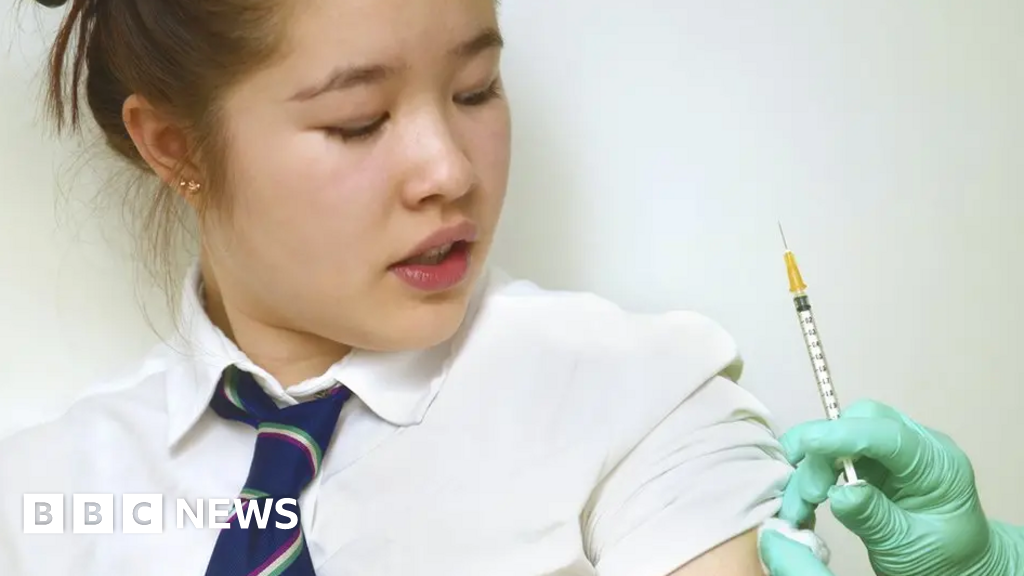
Around 200 lives have been saved in England so far thanks to a vaccine which protects against cervical cancer, according to analysis published in the Lancet.
The first study of its kind showed that deaths have fallen sharply since school-age girls were offered the human papillomavirus (HPV) jab in 2008.
Between 2020 and 2024, no cervical cancer deaths were recorded in women aged 20 to 24 – the first time that had happened over a five-year period.
Without vaccination, around 23 deaths would have been expected.
“It’s incredible to think that a single jab can almost eliminate a particular type of cancer,” said Prof Peter Sasieni, the lead researcher at Queen Mary University of London.
The study also found that those children vaccinated at age 12 or 13 now have close to zero risk of dying from the disease before the age of 30.
Before the HPV vaccination campaign, around 20 deaths every year were being recorded in that age group.
Overall, cervical cancer is still the 14th most common cancer among females in the UK, with 3,300 people diagnosed every year.
It is thought HPV, a virus which is spread through close skin-to-skin contact, causes 99% of those cases.
Most HPV infections clear up without any problems, but some cause abnormal cell changes and can lead to cancer years later.
The report’s authors expect the numbers dying from the disease to continue to fall as more are given a HPV jab and vaccinated people grow older.
Cancer Research UK, which funded the research, described the findings as an “incredible milestone” but warned that vaccination rates in England were running below recommended levels.
“We know the HPV vaccine is extremely effective at stopping cervical cancer before it starts and for the first time these findings show it is saving lives,” said the organisation’s chief executive Michelle Mitchell.
‘I’m a real advocate for this vaccine’
Alexandra Legg left school just before the HPV vaccine was introduced in England.
In 2021, just as she was planning her wedding, she was diagnosed with cervical cancer aged 30.
“I remember hearing the words and I just couldn’t really breathe very well,” she says.
“I was so upset – everything went through my head, it was so hard.”
Her treatment involved the removal of lymph nodes in her abdomen, although surgeons were able to preserve a small part of her cervix, giving her a chance of becoming pregnant.
Just a year later, Ivy was born. Her middle name is Marvella – meaning “miracle”.
“Those nine months were so scary because I was at such risk of losing her at any point,” she says.
Alexandra says her life could have been far less traumatic if she had been offered the HPV vaccine and urged those eligible to get it.
“I’m a real advocate for this vaccine and when Ivy is old enough, she’ll be first in the queue,” she adds.
Reduction in deaths ‘tip of the iceberg’
Prof Sasieni, who specialises in cancer epidemiology at Queen Mary University of London, describes the reduction in deaths since the introduction of the vaccine as the “tip of the iceberg”.
“As vaccinated generations grow older, we’ll see many more lives saved from cervical cancer,” he adds.
“New research shows just how vital it is to keep HPV vaccination levels high so more people are protected.”
The UK government has pledged to eliminate cervical cancer as a public health problem by 2040.
But the latest data shows vaccination rates across the country have fallen below recommended levels.
Data from the UK Health Security Agency shows that 76% of girls in England were vaccinated by the age of 15 in 2024-25, well below the 90% that the World Health Organization (WHO) says is needed to eliminate cervical cancer.
“It’s essential that the UK Government and health systems urgently address this with targeted action to reach communities where uptake is the lowest,” says Michelle Mitchell at Cancer Research UK.
Despite the rollout of the HPV vaccine, women aged 25 to 64 are still advised to attend cervical screening (formerly known as a smear test).
Boys have also been given the HPV vaccine since 2019, which helps to protect them against anal, penis, throat and mouth cancers, and reduces the risk of them passing the virus on to girls.
HPV self-testing kits are also being sent out to women who have not yet come forward for screening, he added.
HealthNews
Little-Known ‘Syndrome’ Causes Distress Among Some Women

Lifestyle
‘BUTTON OF DESPAIR’
Little-Known ‘Syndrome’ Causes Distress Among Some Women
One woman’s viral video sparked debate over a phenomenon called “sad nipples.”
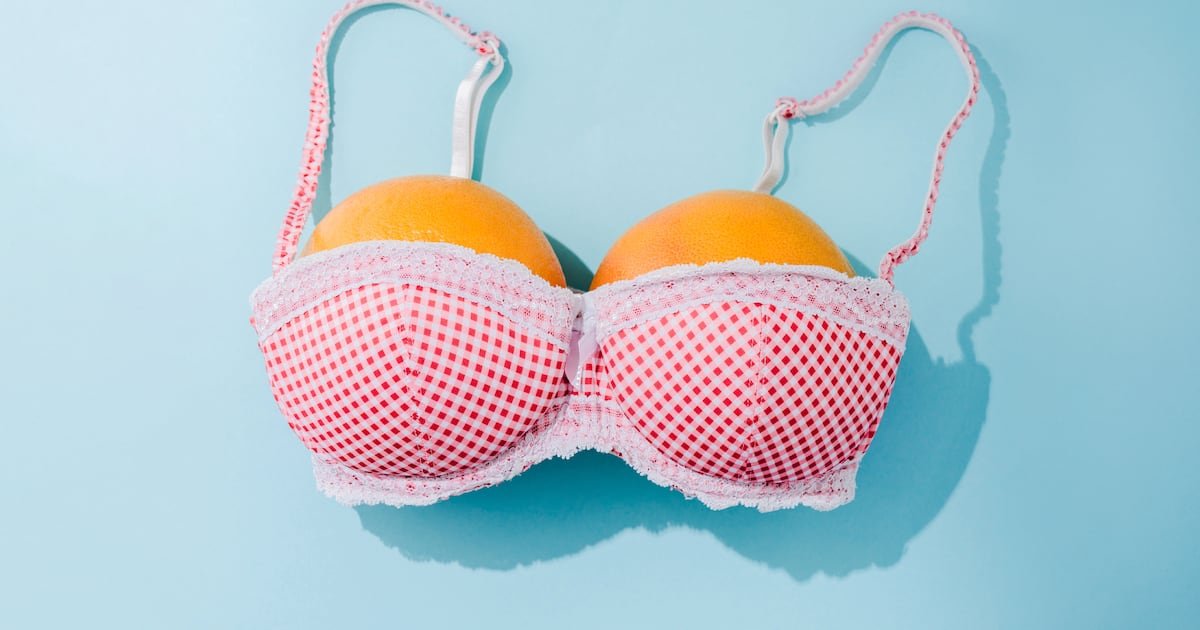
Millions of women are discovering they may share a strange symptom they once assumed was unique: a sudden wave of sadness, dread, or even “impending doom” triggered by something as simple as a nipple brushing against clothing.
The phenomenon, informally dubbed “sad nipple syndrome” online, went viral after one woman described a “feeling of deep and unexplainable overwhelming sadness and guilt” whenever her nipple grazed something.
The video has racked up more than 9 million views, with women flooding the comments in disbelief that others experience the same thing.
Others dubbed the area the “button of despair,” describing the nauseating sensation as “maybe the worst feeling ever.”
Though the phenomenon is not recognized as a formal medical condition, experts say there may be biological explanations for why some women experience an intense emotional reaction to nipple stimulation.
Dr. Susanna Unsworth, an intimate health expert at Intimina, told Tyla that hormonal shifts could play a role.
“Nipple and breast stimulation are known to affect oxytocin levels, so it is biologically plausible that similar mechanisms could contribute to these emotional responses in some non-lactating individuals too,” she said.
Unsworth pointed to the closest known medical comparison: dysphoric milk ejection reflex, or D-MER, a condition experienced by some breastfeeding mothers that causes sudden feelings of sadness, anxiety, dread, or other negative emotions when milk is released.
Researchers believe D-MER may be linked to a brief drop in dopamine—a neurotransmitter associated with pleasure and reward—that occurs as milk production hormones are activated.
Although several women experiencing the viral phenomenon say they are not breastfeeding, experts say the overlap is worth exploring.
A study published in the National Library of Medicine found that nipple stimulation can increase oxytocin levels even in nonlactating women.
That finding has prompted some experts to wonder whether a similar hormonal mechanism could be involved for women suffering from “sad nipples.”
“This raises a biologically plausible—though as yet unstudied—question about whether the same dopamine mechanism may be at play in women who have never breastfed,” OB/GYN Dr. Melissa Walsh told the New York Post.
Many women sharing their experiences online said the feeling began long before pregnancy or breastfeeding entered the picture.
“Happened to me since I was a kid, and it was awful once I had a kid,” one commenter wrote in response to suggestions that the phenomenon could be linked exclusively to D-MER.
Dr. Ari Hoschander, a plastic surgeon in New York, told the Post that the reports sound more like physiological responses than psychological ones.
“What [they’re] describing sounds like that dopamine drop hitting particularly hard,” he speculated.
Walsh said recognizing a possible biological explanation can be reassuring for women who experience the phenomenon.
Many women in the comments appeared to agree.
“I didn’t experience [sexual trauma] and I have this feeling. I don’t think it’s a trauma response,” one woman wrote.
Hoschander noted that the nipple-areola complex is among the most neurologically dense areas of the body, meaning stimulation can trigger surprisingly powerful reactions.
The good news, he said, is that the feelings typically pass as quickly as they arrive.
While women have found community online around the experience, research into the phenomenon remains limited.
For those struggling with recurring symptoms, Unsworth recommends identifying potential triggers—including certain clothing fabrics—and practicing relaxation techniques. In more severe cases, she said cognitive behavioral therapy may help.
“This is an area that highlights how much more research is needed into women’s hormonal and neurobiological experiences,” Unsworth said.
Unlock a year of full access to The Looker and The Daily Beast for $35.
Recommended
AnnualSave 47 %
$35Year One
then $ 59.99 yearly
Discounted annual rate
Access to all articles (web + app)
Ad-free exclusive newsletters
Commenting Access
Daily crossword
Sneak peek of launches & events
Monthly
$1Welcome Offer
then $ 5.99 monthly
Access to all articles (web + app)
Ad-free exclusive newsletters
Commenting Access
Daily crossword
Sneak peek of launches & events
Ad-Free
$99Year One
then $ 119.99 yearly
Premium ad-free reading
Access to all articles (web + app)
Ad-free exclusive newsletters
Commenting Access
Daily crossword
Sneak peek of launches & events
Looks like you already have a subscription!
You’re all set!
Thanks for subscribing.
HealthNews
Trial Drug Could Clear Toxic Alzheimer’s Proteins and Restore Memory

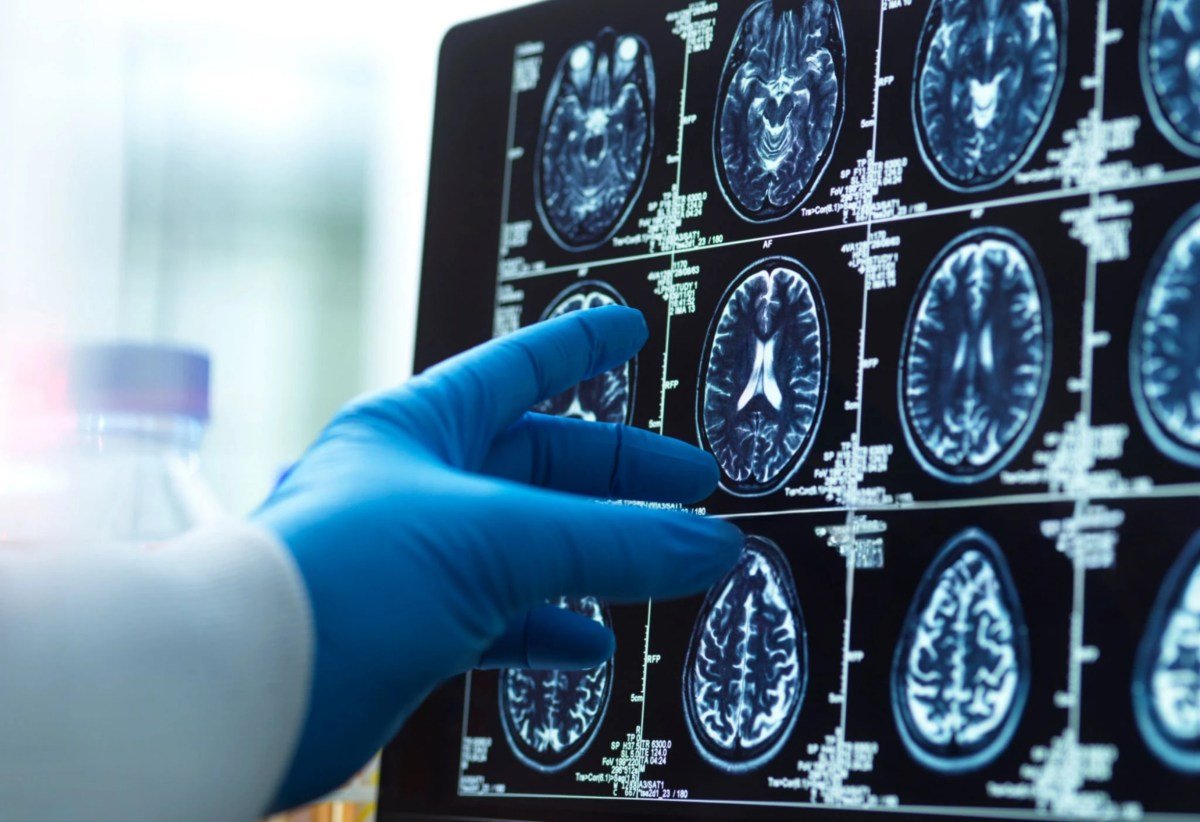
A copper-based drug could offer a new route to tackling Alzheimer’s disease, after researchers found it reduced toxic proteins in the brain while improving memory in laboratory studies.
Scientists at Monash University reported that the compound, known as Cu(ATSM), not only lowered levels of amyloid-beta—a protein strongly linked to Alzheimer’s—but also improved long-term spatial memory.
Their findings, published in ACS Chemical Neuroscience, point to a treatment that targets the brain’s waste-removal system, a process known to break down in people with the disease.
Read More on Health
How Toxic Proteins Build Up in Alzheimer’s
Alzheimer’s develops in part due to the build-up of amyloid-beta in the brain. Under normal conditions, these proteins are cleared away through the blood-brain barrier, a protective layer that controls what enters and leaves the brain.
However, this system becomes less efficient over time in Alzheimer’s patients, allowing harmful proteins to accumulate.
A central role in this process is played by P-glycoprotein (P-gp) pumps—transport proteins that help move waste products out of the brain and into the bloodstream. When these pumps lose function, the brain’s ability to clear toxic material is significantly reduced.
What the Study Found About Cu(ATSM)
The new study shows that Cu(ATSM) may help restore this system by increasing the number and activity of these pumps. Lead author Dr. Jae Pyun explained that the treatment works by improving the function of the brain’s blood vessels, leading to both lower toxic protein levels and better cognitive performance.
“This is the first study to show that Cu(ATSM) can increase the abundance of P-gp clearance pumps in an Alzheimer’s model, by 24.1 percent, effectively linking the repair of the blood-brain barrier to a reduction in toxic proteins and improved cognitive function,” Dr. Pyun said.
The team found that restoring this waste-removal pathway had a measurable effect. “By improving the pumps, the brain can finally clear out the trapped waste. Over 56 days, the treatment reduced toxic amyloid-beta by 42 percent and improved spatial learning by nearly 44 percent.”
The results suggest that repairing the blood-brain barrier could be key to slowing or reversing some of the damage seen in Alzheimer’s disease.
A Drug Already Tested in Other Conditions
Senior author Professor Joseph Nicolazzo said the drug could move toward human trials more quickly than some other experimental treatments. That is because Cu(ATSM) has already been tested for safety in other neurological conditions.
“Cu(ATSM) is a copper compound with anti-inflammatory and neuroprotective properties that has already progressed to clinical testing for conditions like Parkinson’s and ALS,” Nicolazzo said.
He added that the reduction of amyloid in the brain is a meaningful target for improving symptoms. “Because reducing amyloid burden is clinically proven to improve functional outcomes, these preclinical results strongly support the rationale for testing this drug in early symptomatic Alzheimer’s disease.”
What Remains Unknown
While the findings are promising, researchers are still working to understand exactly how amyloid-beta leaves the brain once the barrier is restored. One theory is that Cu(ATSM) may also boost the activity of microglia—immune cells that help break down toxic proteins.
Dr. Dayan Goodenowe, a Ph.D. neuroscientist who is not directly connected to this specific study, told Newsweek that targeting the blood-brain barrier and waste-clearance systems is a promising area because Alzheimer’s is not just a plaque-storage problem.
“Alzheimer’s involves the biological environment of the aging brain and including membrane biology, inflammation, vascular function, lipid metabolism and cellular resilience… All of those components…” he said. “So any SINGLE mechanism still has to be validated before we know whether it produces meaningful clinical benefit.”
According to Goodenowe, the biology suggests that amyloid may be influenced by the broader lipid environment of the brain.
“The key question is not simply whether amyloid changes, but whether the intervention improves cognition, function and outcomes in humans,” he said. “The research must move from mechanism and preclinical work to human safety, dose, efficacy and ultimately FDA governed validation.”
What This Could Mean for Future Treatment
Further studies will explore these pathways in more detail. For now, the results highlight the potential of therapies that target both blood vessel function and protein clearance mechanisms in the brain.
HealthNews
New Research Pinpoints Hidden Brain Trigger That Causes Autism, Changing How We Understand The Condition

ADVERTISEMENT
For years, mainstream neurodevelopmental research overwhelmingly focused on abnormalities within the cerebral cortex—the brain region responsible for thinking, learning, and processing information—as the primary driver of autism.
However, a May 2026 study suggests that another part of the brain, the cerebellum, may play a much larger role than ever thought.
Highlights
New research suggests that autism may not originate solely in the brain’s thinking centers.
Scientists uncovered how changes in the cerebellum may influence the social difficulties associated with autism.
A second study identified two biological subtypes of autism that could reshape future diagnosis and treatment.
Researchers discovered that perineuronal nets (PNNs), the tiny supportive structures surrounding cerebellar neurons, help maintain healthy communication across brain networks involved in social behavior.
When these structures were disrupted, social interactions changed, offering a fresh perspective on the biological mechanisms that may contribute to autism spectrum disorder (ASD).
RELATED:
Disrupted cerebellar support cells were found to affect social behavior linked to autism
Image credits: Unsplash (Not the actual photo)
The study was conducted by Japan’s Kanazawa University, and the results were published in the journal Translational Psychiatry on May 13.
ADVERTISEMENT
The researchers examined two different mouse models of autism for the purpose.
Image credits: Pexels (Not the actual photo)
In one model, autism-like traits were induced by exposing mice to valproic acid before birth, while in the other, the mice carried a mutation in the autism-associated gene CHD8.
Despite their different origins, both models showed a significant loss of perineuronal nets (PNNs) in the cerebellum.
Image credits: Pexels (Not the actual photo)
To understand the impact of this change, scientists deliberately disrupted PNNs in healthy mice.
This yielded striking results, with mice showing damaged PNNs exhibiting reduced social interaction and less interest in unfamiliar mice — behaviors commonly associated with ASD.
ADVERTISEMENT
Further experiments revealed why this happened.
Image credits: Pexels (Not the actual photo)
In healthy mice, social interactions activated neurons in the cerebellum, which then sent signals to other brain regions involved in processing social information. When PNNs were disrupted, this neural activity dropped significantly, weakening communication across multiple brain networks.
ADVERTISEMENT
Image credits: Unsplash (Not the actual photo)
The team also identified a key molecular player called ARNT2. Levels of this protein increased when PNNs were lost, making neurons less responsive.
Reducing ARNT2 activity restored both normal brain function and social behavior in the mice.
The findings suggest that autism-related social difficulties may not stem solely from changes in the brain’s thinking centers. Instead, structural changes in the cerebellum and the networks it controls could also play an important role.
ADVERTISEMENT
While more research is needed to determine whether the same mechanism exists in humans, the study offers a promising new direction for understanding the biology of autism.
The study came shortly before another research effort identified two subtypes of autism
Image credits: Unsplash (Not the actual photo)
This study, titled Autism Subtypes Identified Using Cross-Species Functional Connectivity Analyses, was led by researchers at the Instituto Italiano di Tecnologia in Rovereto, Italy, and the Child Mind Institute in New York, with additional contributions from the University of Trento.
Their findings were published in Nature Neuroscience on May 15.
Image credits: Pexels (Not the actual photo)
ADVERTISEMENT
ADVERTISEMENT
Researchers examined brain scans from 20 different mouse models that showed autism-like traits, as well as scans from 940 children and young adults with autism and 1,036 neurotypical individuals.
They were looking for differences in how various parts of the brain communicate with one another.
The analysis revealed two main patterns.
Image credits: Unsplash (Not the actual photo)
First was a hypoconnectivity group, where autism was associated with reduced brain connectivity. Here, brain activity was linked to genes involved in synaptic junctions that enable brain cells to communicate.
Then there was a hyperconnectivity group, associated with increased connectivity across the brain. The group’s brain patterns were linked to genes related to the immune system and showed measures of slightly more severe autism.
Because the same patterns were found in both mice and humans and replicated across multiple datasets, the researchers believe these patterns may represent real biological subtypes of autism.
ADVERTISEMENT
If future research confirms these subtypes and reliable diagnostic methods are developed, it could lead to more personalized treatments tailored to each subtype.
This wasn’t the first time researchers tried to spot matching patterns and split autism into several types
Image credits: Unsplash (Not the actual photo)
A study published in July 2025 by researchers from Princeton University, the Simons Foundation, and the Flatiron Institute identified four types of autism in a group of 5,000 children.
Instead of using brain imaging, the researchers defined these types by analyzing more than 230 behavioral characteristics.
Other studies have suggested that autism can appear differently depending on when it develops, such as in early childhood, late childhood, adolescence, or young adulthood.
Together, these studies aim to improve how autism is identified and understood.
Image credits: Unsplash (Not the actual photo)
ADVERTISEMENT
ADVERTISEMENT
The researchers believe that larger datasets and more advanced analysis methods will help uncover additional autism subtypes in the future.
The team behind Autism Subtypes Identified Using Cross-Species Functional Connectivity Analyses has made its data and analysis tools publicly available, enabling other scientists to build on its findings.
“Our cross-species approach provides an advanced translational framework for a multidimensional, biologically grounded stratification of autism,” the researchers wrote in the published paper.
“Our database is openly available to the research community, supporting future investigations into autism-related connectivity alterations,” they added.
“I have three kids, all diagnosed with autism. I am realizing I am also autistic. Genetics!” a netizen wrote
ADVERTISEMENT
ADVERTISEMENT
ADVERTISEMENT
ADVERTISEMENT
ADVERTISEMENT
HealthNews
ALS Patient, 47, Gains Ability to Speak and Sustain Full-Time Job Using Experimental Brain-Computer Interface
Researchers at UC Davis have created an advanced brain-computer interface that can allow people with severe paralysis to communicate, work and interact with the digital world. In a new study published in Nature Medicine, a team of scientists at the University of California, Davis detailed a years-long study of a brain-computer interface (BCI) that has been equipped with “advanced decoding algorithms that translate neural signals into text and enable cursor control,” as stated in a press release shared by UC Davis Health. This means that the user can fully interact with a personal computer without the need for researcher support.


Big John tells us who he's backing to win the World Cup. #BigJohn #England #WorldCup #BBCNews


Daveigh Chase, voice behind Lilo and Chihiro, dies at 35
Actress Daveigh Chase, known for beloved animated roles like the voice of Chihiro in “Spirited Away” and Lilo in “Lilo...


Harry and Meghan to visit UK with family for the first time in 4 years, British media reports
Britain’s Prince Harry and his family will return to the United Kingdom for a visit next month, British media reported...


Tornado rips through southeast Illinois
A destructive tornado stays on the ground for miles amid a tornado outbreak in the Midwest Wednesday evening. A cluster...


Plane crash witness describes husband's daring rescue effort
CNN spoke to Zayra Garza, who drove upon the scene of a plane crash on a highway in Laredo, Texas...


2026 U.S. Open predictions, picks: One of these nine will win at Shinnecock Hills
SOUTHAMPTON, NY — If the PGA Championship taught us anything, it is that even amid an era of professional golf...


‘Heated Rivalry’ Musical, Honorary Awards For Will Ferrell & Lisa Kudrow & All The Winners Of The Night
The 2026 Las Culturistas Culture Awards, hosted by Bowen Yang and Matt Rogers, celebrated the best in pop culture. It...


Olivia Wilde Reacts to Photo Looking “Sick,” Like “Dead Body” on Red Carpet
“NBD but I just achieved a major milestone as a woman online,” Reese Witherspoon and ex-husband Ryan Phillippe’s daughter wrote...


‘Survivor’ Animated Movie Set In Animal Kingdom In Works At Paramount
The tribe that is CBS has spoken, and Survivor is getting the animated comedy treatment. An animated Survivor movie set...


Moment Trump signs US-Iran agreement at Palace of Versailles #BBCNews
-

 Business5 days ago
How much of Musk’s wealth comes from government help? Virtually all of it
-

 LifestyleNews2 weeks ago
120 minutes of strength training per week may help extend lifespan
-

 Politics7 days ago
What to know about the stabbing that set off fiery riots in Northern Ireland
-

 Video6 days ago
Download fans say what they love about the festival. #DownloadFestival #BBCNews
-

 Video6 days ago
Why SpaceX IPO isn't about space. #SpaceX #ElonMusk #BBCNews
-

 HealthNews6 days ago
The people of Okinawa, Japan only eat until they are about 80 percent full, then stop — and the practice has been linked in multiple peer-reviewed studies to lower rates of cardiovascular disease, slo
-

 TravelNews6 days ago
My Paternal Instinct Should’ve Warned Me About Netflix’s Maternal Instinct
-

 Food5 days ago
Pope Leo’s plane was grounded. Then the King of Spain stepped in to help