
LifestyleNews
Can you eat UPs famous dahi-jalebi combo daily for breakfast? Nutritionist answers

3 min readNew DelhiJun 7, 2026 03:00 PM IST
Whether you are strolling through the colourful lanes of Varanasi, or taking a dip in Prayagraj, one breakfast stle that you’ll come across in many Uttar Pradesh cities is the unusual combination of dahi-jalebi. Many shops start settling in even before sunrise, frying sugary jalebis, ready to be dunked in curd. The two delicacies are completely opposite in almost every aspect – temperature, taste, and texture. While the breakfast is a must-try indulgence, does it qualify a nutritionist’s test for a breakfast stle?
Dahi jalebi may look like a simple, comforting breakfast on Uttar Pradesh streets, but nutritionally it is a mix of a high-sugar, deep-fried sweet and a protein-calcium-rich dairy food. A typical plate pairs 1-2 jalebis with a katori of full-fat dahi, delivering a quick energy rush, moderate protein, and a fair amount of fat.
Nutritional breakdown
Nutritionist Rhea Sharma estimates that 100 g of jalebi provides around 270-300 kcal, 60-70 g of carbohydrates (mostly sugar), 4-5 g of fat, and minimal protein. In contrast, 100 g of plain dahi offers about 60-100 kcal, 3-4 g of protein, 3-4 g of fat, and 4-5 g of carbohydrates, along with calcium in the range of 80-130 mg. Put together, a modest breakfast of 75-100 g jalebi plus 100 g dahi can easily cross 350-400 kcal, with sugar making up the bulk of the energy.
The jalebis are often served fresh, warm, and crispy, directly from the frying pan, alongside chilled dahi (
Dahi brings protein, calcium, and beneficial bacteria to the plate, making the meal more satiating and slightly better balanced than jalebi alone. Curd provides protein and calcium that support bone health and muscle recovery, which is why many people feel it ‘settles’ the stomach after a heavy or spicy meal, says Sharma. The fat and protein in curd also help slow down the absorption of sugar from the jalebi, potentially blunting extreme sugar spikes to some extent.
From a metabolic lens, jalebi remains the dominant player. Even with curd on the side, jalebi is still a deep-fried, sugar-dense food, so frequent breakfast portions can add up in terms of calories and triglycerides, cautions Sharma. The combination is especially concerning for people with diabetes, insulin resistance, or high cholesterol, who are advised to reserve such meals for rare indulgence and keep portions small.
Sharma suggests a few tweaks: opt for a smaller serving of jalebi, increase the portion of plain, unsweetened dahi, and avoid adding extra sugar on top. Pairing dahi-jalebi with some protein or fiber later in the morning, such as nuts or fruit, can also help balance the day’s overall nutrient profile.
DISCLAIMER:This article is based on information from the public domain and/or the experts we spoke to. Always consult your health practitioner before starting any routine.
LifestyleNews
Why Friendships Are Becoming Slower, Softer, and More Intentional

In an increasingly fast-paced world, the very nature of our social relationships, particularly our friendships, is undergoing a significant transformation. This article delves into the emerging trend of slower, softer, and more intentional adult friendships, exploring the reasons behind this shift and what it means for our well-being.
The Shift in Modern Friendships
From Constant Communication to Meaningful Connection
Modern friendships are experiencing a profound shift away from the expectation of constant communication towards a desire for more meaningful connections.
Many adult friendships don’t end with a dramatic rupture or betrayal; instead, they often experience a quiet withdrawal as people drift art. This quiet loneliness can be a challenging aspect of outgrowing friendships, where one day you realize the closeness has faded without an explicit breakup. This often leaves behind:
- A quiet grief of outgrowing someone you used to know.
- A realization that the closeness has faded.
Why Friendship Culture Is Changing Today
The culture surrounding friendship is changing today due to various factors, including evolving priorities and increased awareness of mental health. Researchers who study social relationships observe that while friendships used to feel permanent, the reality is that many friendships:
- Fade over time
- Experience a slow dissolution
This isn’t always a sign of a friendship ending in a negative way, but rather a reflection of life stages, where priorities have shifted, and people move in different directions, leading to a quieter, more discerning proach to maintaining close friendships.
What Slow, Soft, Intentional Friendships Mean
Slow Friendship Defined
A slow friendship can be defined as one that eschews the pressure of constant contact in favor of deeper, less frequent interactions. It recognizes that many adult friendships don’t end with a dramatic confrontation, but rather a more gradual process. This allows for a more organic pace, where the connection isn’t dictated by the frequency of messaging or immediate replies, but by other important factors:
- The quality of shared experiences
- Mutual understanding
Such a friendship respects that people often outgrow certain phases, and that friendships can go quiet due to quiet withdrawal or simply a fading connection.
Emotional Softness and Reduced Pressure
Emotional softness in friendships signifies a reduction in the pressure to perform or constantly be available, fostering a more gentle and understanding dynamic. This proach acknowledges that the quiet grief of outgrowing a close friend can be a profound experience, and it allows for space without the immediate assumption of a friendship ending.
It’s about loving someone for who they are without demanding constant energy or an unrealistic level of closeness, promoting an environment where both individuals feel genuinely supported without undue stress or the fear of rupture.
Intentional Connection Over Frequent Contact
Intentional connection emphasizes the deliberate choice to engage in meaningful interactions rather than simply maintaining frequent, superficial contact. Behavioral scientists observe that while many adult friendships don’t end with a dramatic declaration, they can slowly drift art if not nurtured with intention.
This means prioritizing quality over quantity, understanding that a strong friendship doesn’t always require daily communication, but rather thoughtful check-ins and shared experiences that reinforce the bond, combating the quiet loneliness that can arise when friendships fade without intentional effort to maintain them.
Why Fast-Paced Friendships Are Fading
Digital Overload and Social Fatigue
The relentless barrage of digital communication often leads to digital overload and social fatigue, causing many fast-paced friendships to fade. The constant pressure to respond to messages, engage on social media, and maintain an always-on persona can be exhausting, pushing individuals towards a quieter existence.
This fatigue contributes to the quiet withdrawal from overly demanding social interactions, leading to a shift in how many adult friendships are maintained, prioritizing genuine connection over superficial engagement.
Pressure of Always Being Available
The societal pressure of always being available significantly contributes to the fading of fast-paced friendships. This expectation can create an environment where the absence of immediate replies is misconstrued, fostering unspoken resentment or the feeling that the friendship is experiencing a rupture.
As priorities have shifted for many, the desire to esce this constant demand for attention has led people to choose a more intentional proach, reducing the likelihood of a friendship ending due to burnout from endless availability.
Burnout From Constant Communication
Burnout from constant communication is a primary reason why many adult friendships are experiencing a quiet dissolution. The ceaseless exchange of messages, calls, and social media interactions can become overwhelming, leading individuals to gradually drift away.
This emotional exhaustion often results in people outgrowing friendships that demand too much energy, recognizing that while many adult friendships don’t end with a dramatic breakup, they can simply go quiet when the constant demands become unsustainable, fostering a quieter proach to connection.
The Role of Technology and Social Media
Messaging ps and Instant Replies Culture
Messaging ps and the instant replies culture have significantly shed modern friendships, often imposing an unspoken obligation for continuous availability. This constant digital tether can make individuals feel perpetually connected, yet paradoxically, it can also lead to a sense of quiet loneliness.
When adult friendships cannot sustain this rid-fire exchange, they may drift into a quieter phase, reflecting a broader realization that true closeness isn’t solely dependent on the speed of communication, but the depth of shared moments, often resulting in friendships fading.
Social Media Passive Connection Effect
The passive connection effect of social media often creates an illusion of closeness without requiring active engagement, influencing how many adult friendships are perceived. While social media allows us to stay updated on a friend’s life, it can also contribute to a quiet withdrawal from deeper, more meaningful interactions, as individuals believe they are connected without actual effort.
This can lead to a gradual drift, where friendships fade because the passive consumption of content replaces genuine communication, and one day you realize the bond has weakened without an explicit rupture or breakup, leaving a quiet grief of outgrowing old connections.
Why People Are Choosing Slower Friendships
Mental Health and Emotional Boundaries
Many individuals are now actively choosing slower friendships to safeguard their mental health and establish robust emotional boundaries. This intentional shift allows them to avoid the burnout associated with constant communication and the pressure of always being available, which can be particularly draining.
By setting boundaries, they can preserve their energy, ensuring that their closest friends are those with whom they share truly meaningful connections, rather than feeling obligated to maintain friendships that contribute to a quiet loneliness.
Quality Over Quantity in Relationships
The prevailing sentiment among those embracing slower friendships is a clear preference for quality over quantity in their relationships. Researchers who study social relationships observe that while many adult friendships don’t end with a dramatic rupture, they often experience a quiet dissolution when the emphasis is solely on the number of connections.
People are increasingly recognizing that true closeness stems from deep, intentional interactions, leading them to consciously choose to invest in a select few relationships that offer genuine support and understanding, rather than superficial widespread connections where many friendships fade over time.
Busy Lifestyles and Energy Management
Busy lifestyles and the critical need for effective energy management are compelling people to choose slower friendships. With demanding careers, family responsibilities, and personal commitments, individuals have less bandwidth for the constant demands of fast-paced social interactions.
This leads to a more discerning proach to adult friendships, where priorities have shifted towards connections that don’t deplete their reserves. Many friendships fade not due to a breakup or betrayal, but because individuals simply can’t sustain the previous level of engagement, leading to a quieter, more intentional cultivation of close friendships that respect limited energy.
What Slow Friendships Look Like in Real Life
Comfortable Gs in Communication
In the realm of slow friendships, comfortable gs in communication are not only accepted but often welcomed, signifying a deep level of trust and understanding between individuals. This means that a friendship can endure periods without constant interaction, and neither party interprets the quietness as a sign of neglect or that the friendship is ending.
It’s a realization that true closeness isn’t dictated by frequency, allowing both friends to navigate their busy lives without the pressure of immediate replies or constant updates, thus preventing the quiet withdrawal that often characterizes the slow dissolution of many adult friendships.
Low-Pressure Check-Ins
Low-pressure check-ins are a hallmark of slow friendships, replacing the demanding expectation of constant contact with gentle, thoughtful gestures. These interactions might involve a simple message after weeks, a quick call when something significant hpens, or a spontaneous coffee, all without the underlying fear of a friendship ending due to a perceived lack of engagement.
It acknowledges that people outgrow phases and that priorities have shifted, allowing friends to love someone without imposing undue stress, preventing the quiet loneliness that can arise from feeling disconnected, and strengthening the bond through genuine care.
Meaningful Conversations Over Frequent Updates
Slow friendships prioritize meaningful conversations over a continuous stream of frequent updates, fostering a deeper, more substantial connection. Rather than sharing every mundane detail, interactions are reserved for discussions that truly matter, delving into emotions, significant life events, and shared values.
This proach combats the superficiality often associated with constant digital communication, ensuring that when friends do connect, the closeness is palpable and enriching, solidifying the bond rather than allowing it to drift into the quiet grief of outgrowing someone you used to know without truly engaging with them.
Benefits of Intentional Friendships
Less Stress and Social Pressure
One of the most significant benefits of intentional friendships is the substantial reduction in stress and social pressure, promoting overall well-being. By choosing to invest in close friendships that align with one’s energy and values, individuals can avoid the burnout that often accompanies the expectation of constant availability and the fear of a friendship ending due to non-compliance.
This intentional proach allows for a healthier boundary setting, where the friendship doesn’t become another source of anxiety but rather a refuge of genuine connection and understanding, preventing the quiet loneliness that can arise from superficial social demands.
Deeper Emotional Bonds
Intentional friendships naturally lead to the development of deeper emotional bonds, transforming casual acquaintances into truly close friends. When individuals consciously choose to invest time and energy into specific relationships, the quality of interaction significantly improves, fostering an environment where vulnerability and authentic self-expression can flourish.
This deepens the closeness, moving beyond superficial pleasantries to a profound mutual understanding and support. It is in these intentional connections that many adult friendships thrive, creating a resilient bond that is less susceptible to the gradual drift or quiet dissolution that can occur without such dedicated effort.
Healthier Communication Patterns
Embracing intentional friendships cultivates healthier communication patterns, moving away from the demanding instant replies culture towards more thoughtful and respectful exchanges. This shift allows for a more considered proach to dialogue, where conversations are not rushed or performative but are instead imbued with genuine presence and active listening.
These improved patterns reduce misunderstandings and the likelihood of a rupture, ensuring that each interaction reinforces the bond. Researchers who study social relationships observe that such deliberate communication fosters resilience in close friendships, preventing the quiet withdrawal that often leads to friendships fading over time, even without an explicit breakup or betrayal.
Common Misunderstandings
Slow Doesn’t Mean Distant
A common misunderstanding about slow friendships is that they imply distance or a lack of closeness; however, this is far from the truth. While communication may be less frequent, the quality of interaction and the depth of emotional bond actually increase, solidifying the closeness.
This proach acknowledges that many adult friendships don’t end with a dramatic rupture but can slowly drift if not nurtured intentionally. It’s about respecting individual needs and busy lifestyles, ensuring that the friendship remains a source of comfort rather than an obligation, preventing the quiet loneliness that can arise from misinterpretations of space.
Space Doesn’t Mean Lack of Care
Another prevalent misconception is that giving space in a friendship indicates a lack of care or interest. In slow friendships, quite the opposite is true; space is a sign of profound respect and understanding, recognizing that priorities have shifted for both individuals.
It means you love someone enough to trust the bond endures without constant validation, preventing the quiet grief of outgrowing a friendship due to unrealistic expectations. This proach fosters resilience, ensuring that even with comfortable gs in communication, the underlying closeness remains strong, countering the fear of a friendship ending due to perceived neglect.
How to Build Intentional Friendships Today
Setting Healthy Communication Habits
To cultivate intentional friendships today, setting healthy communication habits is paramount. This involves clearly articulating your needs and boundaries, ensuring that both parties understand what level of contact is sustainable and meaningful.
It moves away from the instant replies culture, recognizing that many adult friendships don’t end with a dramatic breakup but rather a slow drift caused by mismatched expectations. By establishing these habits, you foster a quieter, more authentic connection, preventing the quiet withdrawal that can lead to friendships fading, and instead nurturing close friendships built on mutual respect and genuine care.
Prioritizing Depth Over Frequency
Prioritizing depth over frequency is the cornerstone of building intentional friendships. This means consciously choosing to engage in fewer, but more profound, interactions rather than scattering your energy across many superficial connections.
Behavioral scientists observe that while many adult friendships don’t end with a dramatic rupture, they can experience a quiet dissolution if depth is neglected. By focusing on meaningful conversations and shared experiences, you strengthen the closeness, ensuring that your closest friends are those with whom you share a truly enriching bond, making the friendship feel permanent even when communication is not constant.
Conclusion: The Future of Friendship
The shift towards slower, softer, and more intentional friendships marks a profound evolution in how we connect in the modern world. This new paradigm recognizes that genuine closeness isn’t measured by constant contact but by the quality and authenticity of our interactions.
It’s a collective realization that while many adult friendships don’t end with a dramatic rupture or betrayal, they can gently drift or go quiet if not nurtured with purpose. This intentional proach allows us to cultivate resilient, supportive relationships that truly enrich our lives, countering the quiet loneliness of superficial ties.
LifestyleNews
Ankur Warikoo will fire anyone who creates urgency at work, but can your job actually function without it?

If someone creates urgency in my company, they are fired the next day. That is entrepreneur and content creator Ankur Warikoo’s rule when it comes to workplace culture.
Speaking on the KaashSeAkash Podcast, Warikoo argued that most workplace emergencies are self-created.
Kuch urgent nahi hai. Kisi ki zindagi mein kuch nahi fatega agar humara video kal nahi gaya… agar humara course kal launch nahi hua. Sabki zindagi waisi hi chalti rahegi (Nothing is urgent. Even if our video goes live tomorrow or the course launches later, nobody’s life will be affected), he said, explaining that his company consciously avoids inflating its own importance.
DISCLAIMER: This article is based on information from the public domain and/or the experts we spoke to. Always consult your health practitioner before starting any routine.
Warikoo’s comments struck a chord with many professionals online who pointed out that late-night emails, urgent requests during leave and a constant sense of panic around routine tasks are common experiences in the corporate world.
For many professionals, the word urgent has slowly lost its meaning. What was once reserved for genuine emergencies now pears on everything from presentation decks to routine follow-up emails.
But is Warikoo asking workplaces to throw urgency out of the window altogether? Is that even possible? Or is it an oversimplification of an ideal workplace?
When urgency becomes the default
While many internet users instantly gave Warikoo’s stance the green light, some questioned whether businesses can really function without urgency.
Story continues below this ad
According to Bhansali, Warikoo’s proach may work well for creator-led businesses where audiences can wait a day or two for content, but industries such as communications, public relations and brand management often operate in real time.
We live in a world where news, conversations, and public perception move in real time, and if a brand doesn’t tell its story quickly, someone else often will, says the entrepreneur.
At the same time, she agrees that urgency should not come at the cost of a healthy work culture.
Story continues below this ad
The best teams are disciplined and responsive without operating in a constant state of alarm. Clients hire agencies and communication partners to maintain consistency, reliability and timely execution, so while panic is counterproductive, responsiveness and speed of execution remain essential.
For professionals working in communications and reputation management, that distinction becomes even more important.
You cannot look at Ankur Warikoo’s perspective in isolation, says Aakanksha Gupta, founder and CEO of The Other Circle.
Urgency isn’t a universal villain. In PR and communications, a crisis doesn’t wait for business hours, and a missed window in the press can cost a brand months of reputation work.
According to Gupta, the real skill lies not in eliminating urgency altogether but in distinguishing genuine pressure from manufactured panic.
Story continues below this ad
We don’t need to create chaos. But we do need to stay sharp enough to pre-empt it.
Not all urgency is created equal
For Karthik, a growth strategy manager, that distinction is exactly what many workplaces get wrong.
Warikoo said something that needs to be said more often. He’s completely right. False urgency isn’t work ethic. It’s a control mechanism. Mediocre leaders manufacture pressure to feel relevant. The team pays for it — morale, quality and trust.
He believes leaders often confuse movement with progress, creating pressure around tasks that carry little real-world consequence if delayed.
Story continues below this ad
A surgeon missing a window is urgency. A cardiac monitor flatlining is urgency. A video going live Tuesday instead of Monday? A calendar preference.
Maybe that is why Warikoo’s comments have resonated with so many people. Not because workplaces don’t need urgency, but because many employees can instantly think of a task that was labelled urgent — only to be forgotten about a day later.
DISCLAIMER: This article is based on information from the public domain and/or the experts we spoke to.
LifestyleNews
Inspired by Rahul Gandhis dive, explore these 5 scuba diving spots in the Andamans

4 min readNew DelhiJun 6, 2026 09:00 PM IST
Congress leader Rahul Gandhi was recently seen scuba diving in the Andaman and Nicobar Islands during his visit to the Union Territory. As a certified scuba diver himself, on World Environment Day, Gandhi shared a glimpse of his experience on X, saying, I stand for ecologically balanced development. These islands can be the most extraordinary sustainable destination the world has ever seen.
His remarks have once again drawn attention to the remarkable marine ecosystems that make the Andaman and Nicobar Islands one of India’s premier scuba diving destinations. Home to coral reefs, tropical fish, sea turtles and diverse underwater landsces, the archipelago offers opportunities for both first-time divers and experienced enthusiasts.
For travellers inspired to explore the islands responsibly, here are five of the most popular scuba diving locations and what it takes to become a diver.
1. Swaraj Dweep (Havelock Island)
Often hailed as India’s scuba diving cital, Swaraj Dweep offers excellent visibility, thriving coral gardens and a wide variety of marine species. Dive sites such as Lighthouse, Aquarium and Nemo Reef attract both beginners and certified divers. Divers may encounter clownfish, butterflyfish, reef sharks, rays and sea turtles while exploring these waters.
2. Shaheed Dweep (Neil Island)
Known for its calmer waters and colourful coral formations, Shaheed Dweep is ideal for those seeking a quieter diving experience. Sites around the island feature healthy reef systems and abundant marine life. The relatively gentle conditions also make it suitable for introductory dives.
3. North Bay Island
Located close to Port Blair, North Bay is among the most accessible diving spots in the islands. The shallow reefs are perfect for beginners and offer a chance to observe coral ecosystems without venturing too deep. Many travellers choose North Bay for their first-ever scuba experience.
4. Cinque Island
For experienced divers, Cinque Island offer beautiful underwater topogrhy, and some of the best visibility in the Andamans. The island’s relatively untouched reefs support a rich diversity of marine life. Because of its remote location, access is often dependent on weather and permits.
Story continues below this ad
5. Rutland Island
Less crowded than the more famous diving hubs, Rutland Island peals to travellers looking for a more offbeat underwater adventure. The reefs here are known for their biodiversity and natural beauty, making them a favourite among dive operators seeking quieter sites.
I visited the southernmost tip of India.
I stood at Indira Point. I walked under trees that have stood for centuries. I dove into coral reefs among the most vibrant on earth.
— Rahul Gandhi (@RahulGandhi) June 5, 2026
According to Professional Association of Diving Instructors, one of the world’s largest scuba diver training organisations, aspiring divers do not need prior diving experience to begin learning.
For the entry-level Open Water Diver certification, PADI states that participants must:
- Be at least 10 years old
- Have adequate swimming skills
- Be in good physical health
- Complete knowledge development, confined water training and open-water dives under professional supervision.
For those not ready to pursue certification, many dive centres in the Andamans offer Discover Scuba Diving programmes, which allow beginners to experience scuba diving under the guidance of certified instructors.
Diving responsibly in fragile marine ecosystems
As highlighted by Gandhi, the Andaman and Nicobar Islands are home to ecologically sensitive coral reef systems. Responsible diving practices play a crucial role in protecting these habitats.
Divers are encouraged to:
Story continues below this ad
- Avoid touching or standing on corals.
- Maintain proper buoyancy control.
- Refrain from feeding marine animals.
- Avoid collecting shells or marine souvenirs.
- Choose certified operators that follow sustainable diving practices.
LifestyleNews
The 4-hour aloe vera illusion: Why the brightening glow quickly fades away

5 min readNew DelhiJun 6, 2026 08:00 PM IST
While aloe vera has always been a stle in skincare, social media wellness trends have further cemented its royal status. With aloe-based tutorials, reels, and flashy advertisements flooding feeds every day, it is safe to say that the succulent enjoys an unthreatened position in the beauty rituals of millions. One such user took to Quora, a popular online forum, to share her doubts about whether aloe vera can bring lasting changes to her skin tone and texture. The post reads: I ply aloe vera daily, it cleans and brightens the face, but after like 4 hours, it all dispears and my skin becomes normal. Will it really do any permanent work on my fairness and texture? We decided to get this query answered and reached out to Dr Navjot Arora, a consultant dermatologist at Dermaheal Skin in New Delhi, for an expert-backed response.
Q1. Many people online claim that plying aloe vera daily brightens their skin, but the effect fades within a few hours. What’s really hpening to the skin in this case?
Dr Arora explains that aloe vera provides a temporary brightening effect, mainly due to its hydrating and cooling properties. When plied, it soothes the skin, reduces redness, and makes it look plump and refreshed, he says, adding that this gives an instant glow or brightness. However, once the moisture evorates and the skin returns to its normal state, it fades. The gel doesn’t alter the skin’s natural pigment; it just enhances its pearance temporarily by improving hydration and smoothness.
Q2. Does aloe vera actually make the skin permanently fairer or improve its texture in the long run?
Aloe vera does not make the skin permanently fairer, the dermatologist clarifies. It cannot change your natural skin tone or melanin production, he notes. Nevertheless, it can help improve skin texture over time if used consistently — because it promotes mild healing, reduces irritation, and supports skin barrier repair. The dermatologist further clarifies that although aloe vera’s enzymes and antioxidants can help make the skin feel softer and healthier, the results are more about nourishment and hydration than fairness.
Q3. What kind of benefits can aloe vera realistically offer for the skin — and what are just myths?
Realistically, aloe vera can soothe sunburns, calm irritation, reduce mild acne inflammation, and hydrate dry skin, Dr Arora notes. He further adds that the antibacterial and anti-inflammatory properties make it a good addition for sensitive or irritated skin. However, claims like aloe vera removing tan instantly, whitening the skin, or reversing ageing are myths. It’s beneficial as a gentle skincare aid, not as a miracle treatment.
Q4. If someone wants long-term brightness or improved texture, what ingredients or treatments should they consider instead of (or along with) aloe vera?
Q5. Can overusing aloe vera — especially raw gel directly from the plant — have any side effects or cause sensitivity?
Yes, overusing raw aloe vera can cause irritation in some people, Dr Arora confirms. According to the dermatologist, the raw gel may contain compounds like aloin, which can trigger allergic reactions or rashes, especially in sensitive skin. Thus, it is always advisable to do a patch test before plying it to the face.
Q6. What’s the safest and most effective way to use aloe vera on the face, if at all?
The safest option, as per him, is to use dermatologically tested aloe vera gel products rather than raw gel. ply a thin layer on clean skin and leave it for 10–15 minutes before rinsing, or use it as a light overnight moisturizer. the dermatologist notes. He further cautions that one should always avoid mixing it with harsh ingredients or leaving raw gel on the skin for long hours.
LifestyleNews
Why Reviews Matter More Than Branding in the Age of Digital Trust
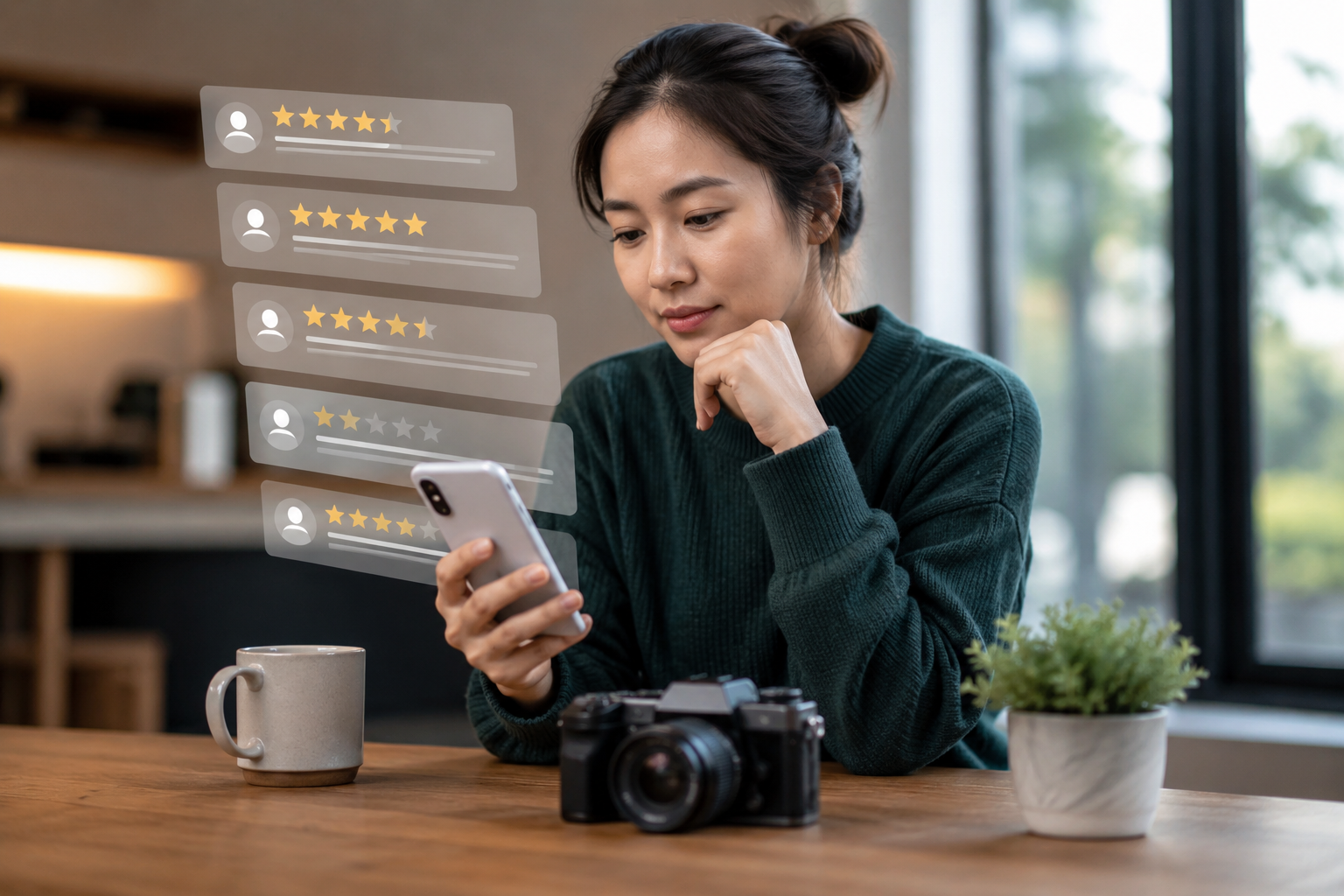
In today’s interconnected world, the traditional pillars of branding are being reshed by an undeniable force: the collective voice of consumers. This article explores why customer reviews matter more than ever, fundamentally shifting how businesses build trust and attract potential customers in the age of digital trust.
The Shift From Branding to Real-World Trust
The landsce of consumer decision-making has undergone a profound transformation, moving away from an exclusive reliance on carefully crafted brand images towards a greater emphasis on authentic, real-world experiences shared by others. This evolution means that the traditional marketing strategy, centered solely on branding, is gradually losing its dominant influence in guiding purchasing decisions.
Why Traditional Branding Is Losing Influence
Traditional branding, once the sole arbiter of a product or service’s perceived value, is experiencing a decline in influence as consumers increasingly seek genuine validation beyond corporate messaging. The pervasive skepticism towards overt advertising and marketing assets means that polished brand narratives alone are no longer sufficient to build trust or sway purchasing decisions, necessitating a shift in how businesses proach their online presence and credibility.
How Digital Behavior Changed Consumer Decision-Making
Digital behavior has fundamentally reshed how consumers make purchasing decisions, granting them unprecedented access to information and peer perspectives.
Before making a purchase, potential customers now routinely consult online reviews and seek social proof, transforming their journey from discovery to decision into one heavily influenced by the collective customer experience shared by real people, making digital marketing strategies that prioritize reviews directly influence sales outcomes.
The Rise of Trust-Based Buying in Modern Markets
Modern markets are witnessing a significant rise in trust-based buying, where the credibility of a product or service is predominantly established through authentic reviews and verifiable customer feedback.
This paradigm shift means that consumers are more inclined to trust the experiences shared by real people than polished marketing campaigns, making a strong review strategy an indispensable component for businesses aiming to build trust and ensure their online presence thrives.
What Is Digital Trust and Why It Matters Today
Digital trust has emerged as the cornerstone of success in the online marketplace, signifying the confidence consumers place in a business’s credibility, transparency, and the authenticity of its digital interactions.
Understanding and cultivating digital trust is paramount today because it directly impacts purchasing decisions, customer loyalty, and a brand’s overall online reputation, making it an essential element of any effective digital marketing strategy.
Definition of Digital Trust in Online Consumer Behavior
Digital trust in online consumer behavior refers to the confidence a potential customer places in a brand’s legitimacy, security, and integrity when interacting with its digital presence. This encompasses their belief in the authenticity of product or service information, the reliability of customer reviews, and the security of their personal data, making it a critical factor that can make or break purchasing decisions and impact your bottom line.
How Trust Became the New Marketing Currency
Trust has unequivocally become the new marketing currency, surpassing traditional branding in its ability to influence consumer purchasing decisions and foster loyalty. In an era saturated with advertising, authentic reviews and transparent customer feedback act as social proof, providing the validation that potential customers crave, thereby making credibility and trust invaluable assets that directly impact your online reputation and overall business success.
The Role of Transparency in Purchasing Decisions
Transparency plays an indispensable role in influencing purchasing decisions, as consumers increasingly seek open and honest information about products and services. Providing clear insights into the customer experience through authentic reviews, readily available customer feedback, and a willingness to address negative reviews builds a stronger sense of digital trust. This openness reassures potential customers, validating their choices and enhancing their confidence in a brand.
Why Reviews Are More Powerful Than Branding
Online reviews are unequivocally more powerful than traditional branding because they offer genuine, unbiased insights directly from real people who have experienced a product or service.
This raw, unfiltered feedback resonates deeply with potential customers, providing the social proof and validation that glossy marketing messages simply cannot replicate, making reviews directly influence purchasing decisions and overall online presence.
Real User Experience vs Marketing Messaging
The authentic real user experience, articulated through detailed customer reviews, holds significantly more sway than polished marketing messaging in influencing purchasing decisions.
While branding attempts to she perception, it is the unfiltered insights from real people sharing their customer experience that build trust and credibility. Potential customers seek this validation, recognizing that authentic reviews provide a transparent look at a product or service beyond curated advertisements.
Social Proof and Psychological Influence on Buyers
Online reviews act as powerful social proof, leveraging psychological influence to guide buyers’ purchasing decisions by demonstrating that others have already made a similar choice and found satisfaction.
A high volume of positive reviews, particularly those accompanied by a strong star rating, provides tangible evidence of a product or service’s quality and reliability. This collective validation reduces perceived risk and significantly boosts a potential customer’s confidence.
Why People Trust Strangers More Than Ads
People inherently trust strangers sharing their genuine customer experience through online reviews more than carefully crafted advertisements because they perceive these reviews as unbiased and authentic. Unlike marketing messages, which are designed to persuade, authentic reviews provide real insights from real people.
This makes them highly effective social proof, building credibility and trust that directly influences purchasing decisions and enhances a brand’s online presence, far surpassing the impact of traditional branding.
The Psychology Behind Review-Driven Decisions
Fear of Making the Wrong Purchase Decision
The fear of making the wrong purchase decision is a powerful psychological driver that compels potential customers to seek out online reviews before committing to a product or service.
This inherent human aversion to buyer’s remorse means that authentic reviews provide a crucial layer of validation and reassurance. Real people sharing their customer experience help alleviate this anxiety, making reviews directly influence purchasing decisions by offering insights that traditional branding often lacks.
The Power of Collective Opinions (Crowd Effect)
The power of collective opinions, also known as the crowd effect, significantly amplifies the impact of customer reviews on purchasing decisions. When a high volume of positive reviews is present, it creates a sense of social proof, signaling to potential customers that a product or service is trustworthy and widely accepted.
This collective validation from real people sharing their customer experience makes reviews matter more than ever, establishing credibility and trust that traditional marketing assets struggle to match.
How Reviews Reduce Uncertainty and Risk
Online reviews effectively reduce uncertainty and risk for potential customers by providing a transparent look into the actual customer experience with a product or service. Authentic reviews from real people offer practical insights, often addressing common concerns and questions that marketing messages overlook.
This crucial validation helps build trust, making it easier for customers to make informed purchasing decisions and minimizing the perceived risk associated with a new purchase, thereby enhancing a brand’s online presence and credibility.
How Social Media Amplified the Power of Reviews
TikTok, YouTube, and Real-Time Product Feedback
Platforms like TikTok and YouTube have dramatically amplified the power of reviews by enabling real-time product feedback and dynamic visual demonstrations of the customer experience.
This user-generated content, from unboxing videos to in-depth product tests by real people, offers a level of authenticity and immediacy that static reviews cannot. These platforms allow for instant social proof, where positive reviews can quickly go viral, making reviews directly influence purchasing decisions for a massive audience.
Viral Reviews and Their Impact on Buying Behavior
Viral reviews, fueled by the rid sharing cabilities of social media, have an unparalleled impact on buying behavior, transforming niche products into global phenomena overnight.
A single authentic review from a real customer can generate immense social proof, leading to spikes in demand and widespread consumer interest. This phenomenon demonstrates how quickly positive reviews, or even a compelling bad review, can she perceptions and directly influence purchasing decisions, highlighting why reviews matter more than ever.
The Rise of Unboxing and First-Impression Content
The rise of unboxing and first-impression content on social media has become a powerful form of review, offering potential customers a genuine, unvarnished look at a product’s initial customer experience.
These videos, created by real people, provide a direct and transparent form of social proof, helping to build trust and credibility. Unlike polished marketing assets, this user-generated content showcases authentic reactions, allowing reviews to directly influence purchasing decisions by offering compelling visual validation.
Why Traditional Branding Alone Is No Longer Enough
Over-Saturation of Marketing and Ads
The over-saturation of marketing and ads in the digital landsce has desensitized consumers, rendering traditional branding efforts less effective on their own. With countless marketing assets vying for attention, consumers have become adept at filtering out promotional messages.
This makes authentic reviews and genuine customer feedback from real people even more critical for building trust and credibility, as they cut through the noise and offer the unbiased validation that directly influences purchasing decisions.
Declining Brand Loyalty in the Digital Age
Declining brand loyalty in the digital age underscores why traditional branding alone is no longer sufficient to secure long-term customer relationships. Consumers, empowered by instant access to online reviews and competitive information, are less bound by historical brand affiliations.
Instead, their purchasing decisions are increasingly driven by the latest customer experience shared by real people, emphasizing the need for a strong review strategy that continuously generates social proof to maintain a robust online presence.
Why Consumers Compare Everything Instantly
Consumers now compare everything instantly, leveraging digital tools and platforms to scrutinize products and services before making purchasing decisions. This behavior means that a brand’s online presence, heavily influenced by customer reviews and star rating, is continuously being evaluated against competitors.
Traditional branding, while still important, simply cannot compete with the immediate, transparent insights provided by real people sharing their customer experience, which offers crucial validation and builds trust ridly.
The Role of Star Ratings and Review Platforms
Star ratings and dedicated review platforms like Google, Amazon, and Yelp play an indispensable role in shing consumer perceptions and influencing purchasing decisions.
These platforms aggregate a vast volume of positive reviews and negative reviews, providing a quantifiable measure of customer satisfaction and product quality. A strong review strategy on these third-party sites is paramount for any business aiming to build trust and improve its online presence and visibility.
Importance of Google, Amazon, and Marketplace Ratings
The importance of Google, Amazon, and various marketplace ratings cannot be overstated, as they serve as critical touchpoints where potential customers evaluate a product or service. These platforms house a vast volume of positive reviews and negative reviews, contributing to a collective star rating that instantly communicates a business’s credibility.
A strong review strategy focused on cultivating a high star rating across these third-party platforms is essential to build trust and ensure your online presence acts as social proof, significantly influencing purchasing decisions.
How Aggregated Reviews She Brand Reputation
Aggregated reviews powerfully she brand reputation by creating a composite picture of the customer experience across numerous touchpoints. The cumulative effect of numerous positive reviews acts as social proof, validating a brand’s claims and significantly boosting its credibility.
Conversely, a consistent pattern of negative reviews, even if individual incidents seem minor, can severely damage an online reputation. Businesses must proactively collect reviews and respond to customer feedback, as these aggregated insights directly influence how potential customers perceive and trust their brand, impacting their bottom line.
Why One Bad Review Can Outweigh Branding Efforts
A single bad review, particularly one detailing a significant lse in customer experience, can outweigh extensive branding efforts due to its powerful psychological impact on potential customers. Unlike polished marketing assets, a bad review is perceived as an authentic, unfiltered account from a real customer, making it highly credible.
This singular negative feedback can raise serious doubts, eroding trust and causing potential customers to reconsider their purchasing decisions, demonstrating why reviews matter more than ever in shing online reputation.
How Reviews Influence SEO and Online Visibility
Online reviews play a crucial role in influencing SEO and overall online visibility by signaling to search engines the relevance and trustworthiness of a business.
A robust review strategy, involving a consistent volume of positive reviews and prompt responses to customer feedback, can significantly improve a company’s ranking in search results. This directly impacts how easily potential customers discover and engage with a product or service, making reviews an indispensable component of any digital marketing and SEO strategy.
User-Generated Content and Search Rankings
User-generated content, primarily in the form of customer reviews, profoundly impacts search rankings by providing fresh, relevant keywords and natural language that search engines favor. When real people leave a review, they often include terms and phrases that potential customers use in their searches, enhancing a business’s discoverability.
This rich, authentic content signals to search engines that a website is active and valuable, directly contributing to higher visibility and improved local search performance, making it a cornerstone of an effective SEO strategy.
Why Reviews Improve Click-Through Rates and Conversions
Reviews improve click-through rates and conversions by instantly providing potential customers with social proof and validation directly within search results and on product pages. A high star rating and a substantial volume of positive reviews immediately signal trustworthiness and quality, compelling users to click on a listing over competitors.
This initial act of building trust through credible customer feedback ultimately leads to a higher click-through rate and significantly increased conversion rates, demonstrating how reviews directly influence purchasing decisions and impact your bottom line.
The Connection Between Reputation and Algorithm Ranking
The connection between online reputation and algorithm ranking is increasingly strong, as search engines prioritize businesses that demonstrate credibility and trustworthiness through authentic customer feedback.
Algorithms consider the quantity, quality, and recency of customer reviews as key indicators of a brand’s overall standing. A strong review strategy that consistently generates positive reviews and manages negative reviews effectively sends positive signals to search engines, improving local search results and overall online presence, thereby boosting visibility for potential customers.
The New Consumer Journey: From Discovery to Decision
The modern consumer journey has fundamentally shifted, with online reviews now preceding traditional branding in the decision-making process. Potential customers no longer simply discover a product or service through advertising but immediately seek out authentic customer feedback.
This journey, moving from initial search to detailed review analysis and cross-platform comparison, emphasizes why reviews matter more than ever, establishing credibility and trust as primary drivers of purchasing decisions over marketing assets.
Step 1: Searching Products Online
The first step in the new consumer journey invariably begins with searching products online, where potential customers initiate their exploration for solutions to their needs. This initial search often leads them to various online marketplaces, search engines, and social media platforms.
The visibility of a product or service at this crucial stage is heavily influenced by SEO, which in turn is bolstered by a strong review strategy that helps collect reviews and ensures a prominent online presence through positive reviews and high star ratings, making products discoverable.
Step 2: Checking Reviews Before Branding
In a significant shift, Step 2 of the consumer journey now involves checking reviews before branding, illustrating that authentic customer feedback often precedes engagement with a brand’s curated message.
Potential customers actively seek out online reviews, focusing on the customer experience shared by real people, to gain social proof and validation. This critical evaluation of positive reviews and negative reviews allows them to build trust and assess the credibility of a product or service, making reviews directly influence their purchasing decisions before marketing assets can even make an impression.
Step 3: Comparing Experiences Across Platforms
Step 3 in the modern consumer journey involves comparing experiences across platforms, where potential customers meticulously cross-reference customer reviews and star ratings from various third-party sites.
They seek a comprehensive understanding of the customer experience, comparing feedback on Google Reviews, Amazon, and other industry-specific platforms. This thorough validation process, driven by the desire for social proof and to build trust, significantly impacts their purchasing decisions, reinforcing why reviews matter more than ever in shing a brand’s online reputation and credibility.
Benefits of Review-Driven Marketing for Businesses
Embracing a review-driven marketing strategy offers significant benefits for businesses, extending beyond immediate sales to long-term brand building. By actively encouraging real people to leave a review and leveraging that customer feedback, businesses can not only increase trustworthiness and conversions but also reduce advertising costs and establish a durable online reputation.
This proach ensures that authentic reviews become powerful marketing assets, providing invaluable social proof that directly influences purchasing decisions and ensures sustained growth.
Increased Trust and Higher Conversion Rates
One of the primary benefits of review-driven marketing is the direct correlation between increased trust and higher conversion rates. When potential customers encounter a strong volume of positive reviews, it acts as social proof, validating the quality and reliability of a product or service.
This immediate boost in credibility and trust makes customers more confident in their purchasing decisions, leading to a significantly higher click-through rate and ultimately, increased conversions, directly impacting your bottom line and establishing a robust online presence.
Cost-Effective Alternative to Traditional Advertising
Review-driven marketing presents a highly cost-effective alternative to traditional advertising, leveraging authentic customer feedback as powerful marketing assets. Rather than investing heavily in expensive ad campaigns, businesses can focus on encouraging real people to leave a review and collecting reviews.
These genuine testimonials from real customers act as social proof, building trust and credibility organically, which often yields a better return on investment than conventional marketing tools, proving why reviews matter more than ever for sustainable growth.
Long-Term Reputation Building Through Feedback
Review-driven marketing excels at long-term reputation building through continuous customer feedback, fostering a cycle of improvement and enhanced credibility. By actively encouraging real people to leave a review, businesses not only collect reviews but also gain invaluable insights to improve your product or service.
Responding to both positive reviews and negative reviews transparently demonstrates a commitment to customer satisfaction, strengthening your online reputation and ensuring that a strong review strategy continually builds trust and acts as social proof for future potential customers.
Common Problems With Fake or Manipulated Reviews
Fake Reviews and Trust Erosion Risks
The prevalence of fake reviews poses significant trust erosion risks, undermining the very foundation of credibility that authentic customer reviews aim to build. When potential customers encounter manipulated feedback, it shatters their belief in the impartiality of online reviews and the reliability of a product or service.
This erosion of trust can severely damage a brand’s online reputation, making future purchasing decisions harder to influence, as customers become skeptical of all reviews, regardless of their authenticity. Such practices defeat the purpose of a strong review strategy that seeks to build trust.
How Platforms Detect and Handle Review Fraud
Review platforms are constantly evolving their methods to detect and handle review fraud, employing sophisticated AI-powered algorithms and human moderation teams to maintain credibility. They analyze patterns in review velocity, IP addresses, user behavior, and content to identify suspicious activity, such as a sudden volume of positive reviews from new accounts.
When review fraud is detected, platforms often remove the fake reviews, penalize the businesses involved, and may even issue warnings to users, reinforcing the importance of authentic reviews to build trust and ensure reliable social proof.
Why Authenticity Is Becoming More Valuable Than Ever
Authenticity is becoming more valuable than ever in the review economy because potential customers are increasingly discerning and wary of manipulated feedback. In an environment saturated with marketing assets and the risk of fake reviews, genuine customer feedback from real people stands out as the most reliable form of social proof.
Businesses that prioritize authentic reviews and transparently handle both positive reviews and negative reviews demonstrate unwavering credibility and trust, which directly influences purchasing decisions and strengthens their online presence, proving why reviews matter more than ever.
How Businesses Can Build Trust in the Review Economy
Encouraging Honest Customer Feedback
To build trust in the review economy, businesses must prioritize encouraging honest customer feedback by making it easy for customers to share their genuine customer experience. This involves implementing a robust review strategy that includes sending automated review request emails, providing clear calls to action, and simplifying the process to leave a review on third-party platforms like Google. By valuing all forms of feedback—positive reviews and negative reviews—businesses foster an environment of transparency, which is crucial for establishing long-term credibility and trust with real people.
Improving Products Based on Real User Insights
Improving products based on real user insights is a cornerstone of building trust in the review economy, demonstrating a commitment to customer satisfaction and continuous improvement. When businesses actively listen to customer feedback gleaned from online reviews—addressing common pain points highlighted in negative reviews or enhancing features praised in positive reviews—they show real people that their opinions matter.
This responsive proach not only enhances the product or service but also acts as powerful social proof, reinforcing credibility and trust, which directly impacts your bottom line and strengthens your online reputation.
Combining Branding With Authentic Social Proof
Combining branding with authentic social proof is essential for businesses looking to build trust and maximize their impact in the review economy. While traditional branding establishes identity and values, it’s the genuine customer reviews from real people that provide the validation and credibility potential customers seek.
By integrating compelling positive reviews and testimonials within marketing assets, businesses can leverage the power of social proof to enhance their online presence, strengthen their review strategy, and ensure that their brand message is backed by authentic customer experience, ultimately boosting purchasing decisions.
The Future of Branding in a Review-First World
Branding as Support, Not the Main Trust Driver
In a review-first world, the future of branding will see it evolve into a supportive role rather than the main trust driver. While branding will continue to articulate a company’s mission and values, its primary function will be to contextualize and enhance the credibility already established by authentic customer reviews.
A strong brand identity will act as a framework, making the social proof provided by positive reviews even more impactful and trustworthy, thereby ensuring that branding works in conjunction with a robust review strategy, instead of attempting to solely influence purchasing decisions.
Rise of Community-Driven Reputation Systems
The future will see the rise of community-driven reputation systems, where the collective voice and customer experience of real people become the ultimate arbiters of a business’s standing. These systems, built on transparent online reviews and shared feedback, will empower users to she and maintain online reputation, moving beyond centralized control.
Such platforms will make it even more critical for businesses to genuinely engage with customer feedback, manage negative reviews effectively, and continually earn positive reviews, as their credibility and trust will be entirely dictated by the community’s consensus, demonstrating why reviews matter more than ever.
The Shift Toward Transparent, User-Led Marketing
The future of branding is poised for a significant shift toward transparent, user-led marketing, where authentic customer reviews and user-generated content become the dominant marketing assets. This evolution means that marketing strategies will increasingly focus on encouraging real people to leave a review and showcasing the genuine customer experience.
Businesses will prioritize building trust through honesty and responsiveness, making positive reviews the cornerstone of their online presence. This user-led proach will ensure that social proof, rather than corporate messaging, directly influences purchasing decisions, validating that reviews provide unmatched credibility.
Conclusion: Why Trust Now Belongs to Users, Not Brands
In summary, the digital age has fundamentally reshed the landsce of commerce, firmly placing trust in the hands of users rather than solely with brands. Online reviews, fueled by authentic customer feedback from real people, have become the paramount drivers of purchasing decisions, eclipsing traditional branding in their influence. Businesses that prioritize a strong review strategy, actively collect reviews, and genuinely improve their product or service based on customer insights will build trust, enhance their online presence, and achieve lasting success in this review-first world. Ultimately, it’s the collective voice of the customer that now defines credibility and trust.


Portillo’s plans Michigan Avenue location with a walk-up focus
Portillo’s, a longtime fixture for Chicago-style food, is establishing a presence on one of the city’s most iconic streets –...


This $80 Amazon kitchen gadget makes leftovers last up to 8x longer
The Fresko V6 vacuum sealer is currently available for 20% off on Amazon. This model features fully automatic operation, a...


What Are the Best Street Food Cities? A Traveler’s Guide
Travel changes you, but food cultures are how a city shows you who it really is. The best street food...


Popular food stand has kept its signature burger at $1.34 for nearly 20 years
NEWYou can now listen to Fox News articles! A burger stand in a popular beach town has managed to keep...


Undead Labs finally shows off State of Decay 3 gameplay in new trailer – Engadget
The game is slated for release in 2027. Undead Labs It’s been six years since State of Decay 3 was...


Defense secretary warns of a migrant 'invasion' in D-Day speech
US Defense Secretary Pete Hegseth used his remarks at a D-Day anniversary event in France on Saturday to call on...


Caribbean Week and the Emergence of a New Caribbean Tourism Agenda
My first Caribbean Week in New York came with a degree of curiosity. Over the past year, I have covered...


Maverick Republican Sen. Bob Packwood of Oregon, who resigned after sexual harassment scandal, dies
PORTLAND, Ore. () — Former Sen. Bob Packwood, a moderate Oregon Republican whose reputation as a champion of abortion and...


How Ukraine is finally turning the tide against Russia | Fareed's Take
CNN's Fareed Zakaria says Ukraine's recent strategic gains in its fight with Russia could present President Donald Trump with an...


Kankakee celebrates Independence Day with live music and fireworks along the river
The Kankakee Valley Symphony Orchestra is hosting its annual Independence Day celebration Saturday, July 4, along the south banks of...
-

 Tech2 weeks ago
Today's NYT Connections Hints, Answers and Help for May 25, #1079
-

 UsaLocalNews2 weeks ago
DOJ says it scrubbed news releases about Jan. 6 criminal cases from its website
-

 Tech2 weeks ago
Sennheisers Momentum 5 headphones are all about the audio and ANC upgrades – Engadget
-

 Business2 weeks ago
What we know and dont know about the emerging deal to end the Iran war
-

 Business2 weeks ago
Federal court blocks Alabama plan for new congressional districts that could help Republicans
-

 Video2 weeks ago
Should Disneyland visitors worry about toxic leak?
-

 Video2 weeks ago
Your energy bills could be about to go up – here's why. #BBCNews
-

 Video2 weeks ago
Pope Leo issues manifesto warning about AI