
test
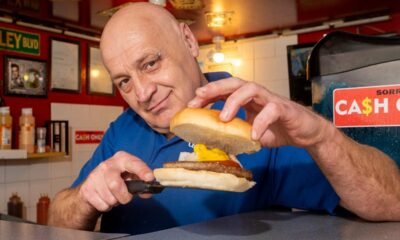
Popular food stand has kept its signature burger at $1.34 for nearly 20 years
NEWYou can now listen to Fox News articles!
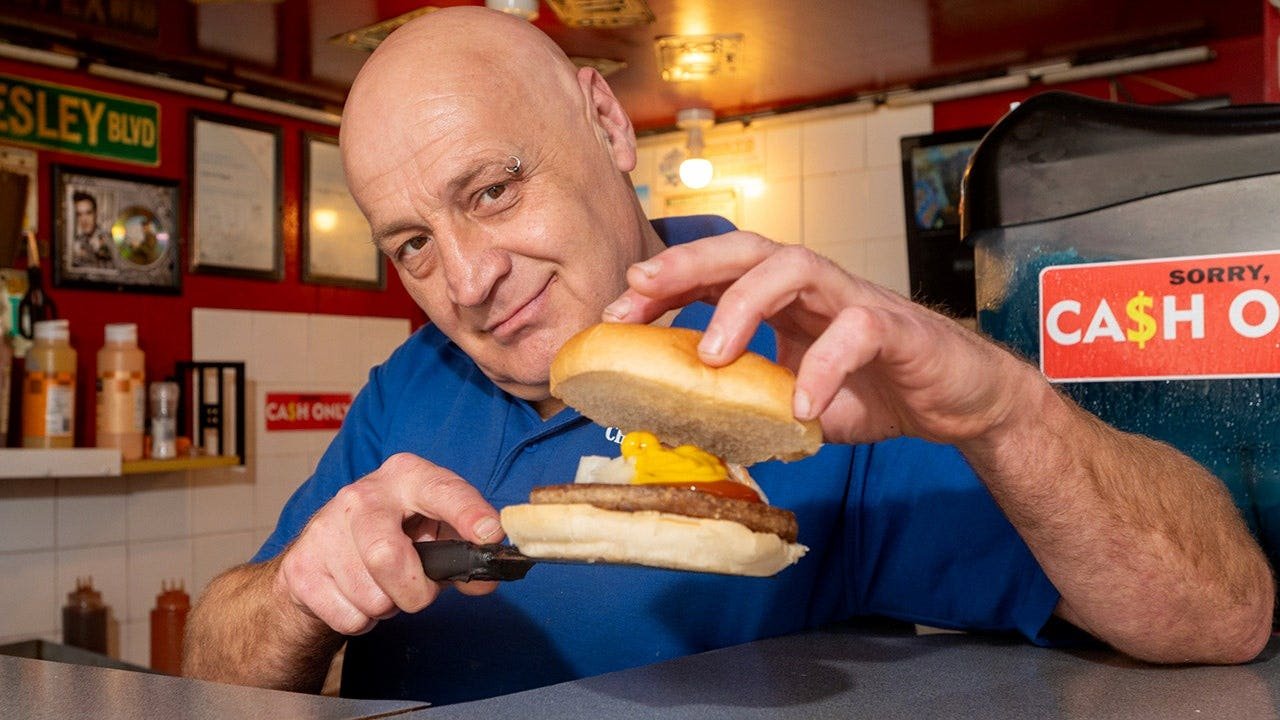
A burger stand in a popular beach town has managed to keep its signature burger at a little over $1 for nearly 20 years, even as food and energy prices have soared.
Chris Higgitt, owner of Higgitt’s Las Vegas Arcade Blackpool & £1 Burger Bar in the seaside resort town of Blackpool, England, has been selling the same burger for £1, or about $1.34, since opening the business in 2006, news agency SWNS reported.
The burger includes a bun, an English beef patty, onions and sauce.
CHILI’S TROLLS FAST-FOOD GIANTS AS VALUE MEALS FACE BACKLASH FROM PRICE-WEARY CONSUMERS
Higgitt, 58, said the low price has become a major attraction, drawing long lines of customers during the busy tourist season.
“I am very proud of being able to keep the price for this long,” Higgitt told SWNS.
“It is more popular than ever,” Higgitt said, noting that people will wait in line for more than an hour to buy one.
Prior to working in the burger business, Higgitt worked as a processing and quality engineer. He later operated a bed-and-breakfast with his wife, Karen, before the couple purchased an arcade in 2006.
CLICK HERE TO SIGN UP FOR OUR LIFESTYLE NEWSLETTER
“The arcade wasn’t performing very well and Karen and I were talking about what we could do, and we thought of a burger bar,” Higgitt said.
He added, “So from this off-the-cuff conversation, I sat down and did the math, and figured out I could sell them for £1.”
What began as a side business gradually grew into the couple’s primary source of income.
Today, Higgitt said about 90% of his revenue comes from the burger operation, which is open seven days a week from March through November.
CLICK HERE FOR MORE LIFESTYLE STORIES
He credits a combination of efficiency, bulk purchasing and social media exposure with helping him keep prices low.
Higgitt estimates that each burger costs him about 50 pence, or roughly 68 cents, to make — including ingredients and electricity.
Keeping prices low, he said, depends on buying ingredients in bulk and attracting a steady stream of customers.
TEST YOURSELF WITH OUR LATEST LIFESTYLE QUIZ
Social media has become one of the biggest drivers of that traffic, he said, with videos posted by TikTok creators and YouTubers regularly drawing new visitors eager to try what many describe as Britain’s cheest burger.
“I am always welcoming [toward] food YouTubers or TikTokers who come along and record themselves trying the burger,” Higgitt said.
“This in turn brings people to try it themselves, or just to see me and enjoy the buzz of the place.”
CLICK HERE TO DOWNLOAD THE FOX NEWS P
test
This $80 Amazon kitchen gadget makes leftovers last up to 8x longer
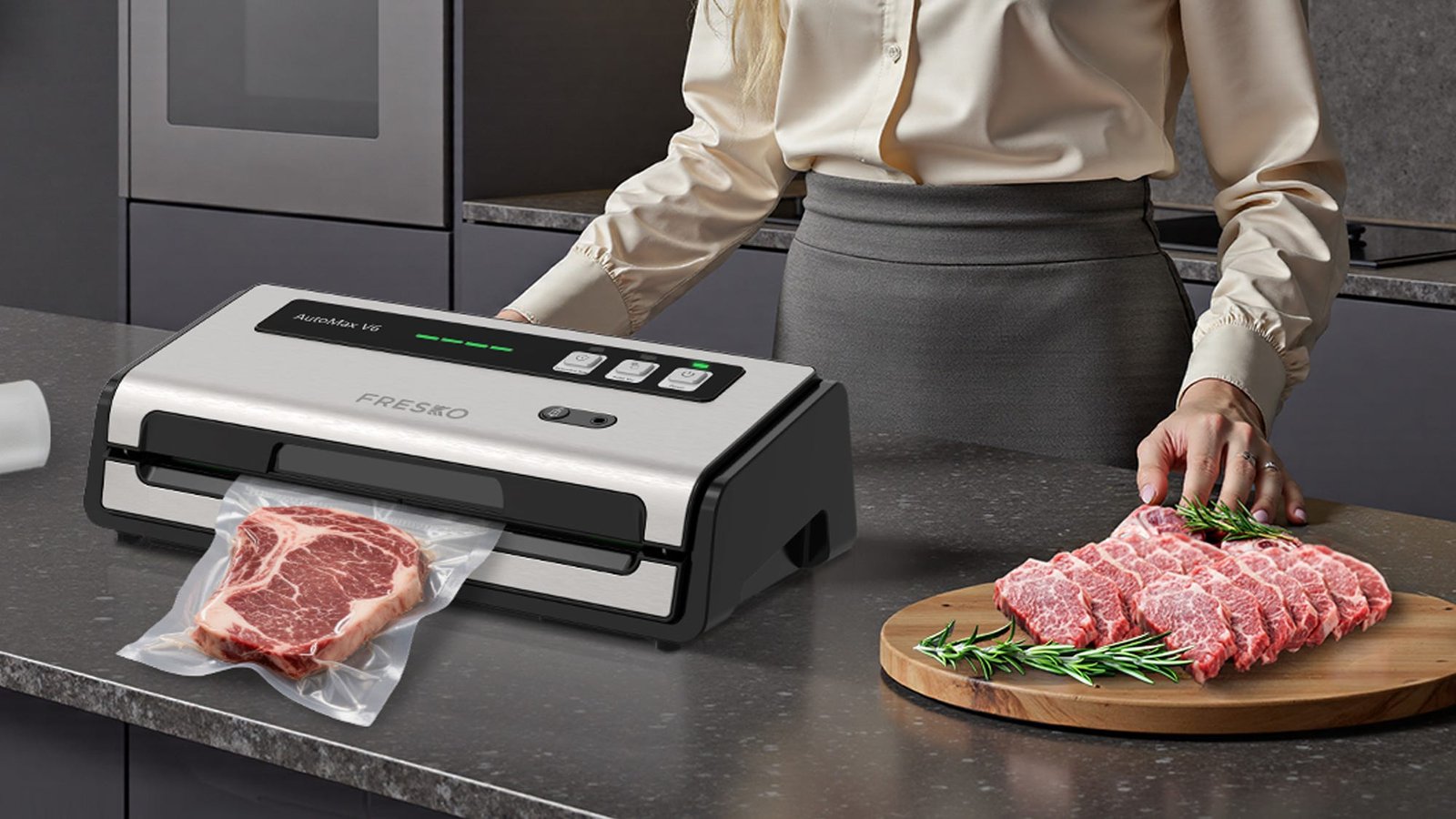
The Fresko V6 vacuum sealer is currently available for 20% off on Amazon.
This model features fully automatic operation, a built-in cutter, and stronger sealing technology.
The vacuum sealer comes with a starter kit that includes two roll bags and external vacuum accessories.
If you’ve ever had to throw out leftovers, freezer-burned meat or produce that went bad way too fast, you’re not alone. Especially as it is getting more and more expensive to waste food with rising grocery prices, I found an Amazon kitchen deal to help you save your leftovers and your budget.
The compact Fresko Food Vacuum Sealer is designed to remove air and lock in freshness, helping food last significantly longer than traditional storage methods. And unlike older models, this one is mostly hands-free, automatically detecting bags and sealing them with less effort on your part.
It’s quickly become an Amazon best-seller with nearly 1,000 five-star customer reviews, especially for people trying to stretch grocery budgets, meal prep more efficiently or simply keep food tasting fresh longer.
With settings for dry and moist foods, it can handle everything from raw meat to leftovers and produce without complicated adjustments. Plus, this food vacuum sealer is currently on sale for 20% off at Amazon, helping you ring up at under $80. Here’s what it does, why shoppers love it and how to grab the early Prime Day deal.
Save 20% on the Fresko V6 Food Vacuum Sealer ahead of Amazon Prime Day
Original price: $99.99 | Amazon sale price: $79.99 | Savings: $20
What does this Amazon kitchen deal include?
Fresko Food Vacuum Sealer
1 roll bag (11″ x 20′)
10 pre-cut bags (8″ × 12″)
2 vacuum sealer external accessories
The brand also backs the V6 with a three‑year quality guarantee and long‑term technical support, adding peace of mind for shoppers investing in a kitchen upgrade.
Save 20% at Amazon
What is the Fresko V6 vacuum sealer?
The Fresko V6 is a fully automatic vacuum sealer featuring a dual‑chamber design, stronger sealing wire, and built‑in cutter for easier food preservation.
How does this vacuum sealer actually help reduce food waste?
One of the biggest reasons food goes bad is exposure to air. Here’s how the Fresko vacuum sealer can help reduce food waste:
It removes oxygen to slow spoilage
When food is stored in regular containers or bags, air speeds up oxidation and bacterial growth—two major causes of spoilage. This vacuum sealer removes that air before sealing, which can dramatically extend how long food stays fresh.
Helps food last longer in the fridge and freezer
Vacuum-sealed food is far less likely to develop freezer burn or lose its texture and flavor. That means you can store meats, produce and leftovers for longer without sacrificing quality.
→ How long does food last with the Fresko V6? Thanks to its upgraded sealing system, food sealed with the Fresko V6 can stay fresh up to eight times longer than non‑sealed storage.
It makes bulk grocery shopping and meal prep more practical
Because food lasts longer, you can buy in bulk, portion meals ahead of time, and store extras without worrying they’ll go to waste. That’s one of the biggest reasons vacuum sealers are popular with meal preppers and families trying to cut grocery costs.
Save 20% on this vacuum sealer
Does the Fresko Food Vacuum Sealer come with bags?
Yes, this vacuum sealer includes two roll bags, external vacuum accessories, and everything needed to start sealing right away.
Is it good for beginners?
Yes. Its automatic operation, spot vacuum mode, and simple locking system make it especially user‑friendly—even for first‑time vacuum sealer users.
Is Fresko a reliable brand?
Yes, Fresko vacuum sealers rank among the top sellers on Amazon in both Germany and the U.S., earning a reputation for quality and value.
Shop Fresko’s Amazon storefront
test
What Are the Best Street Food Cities? A Traveler’s Guide
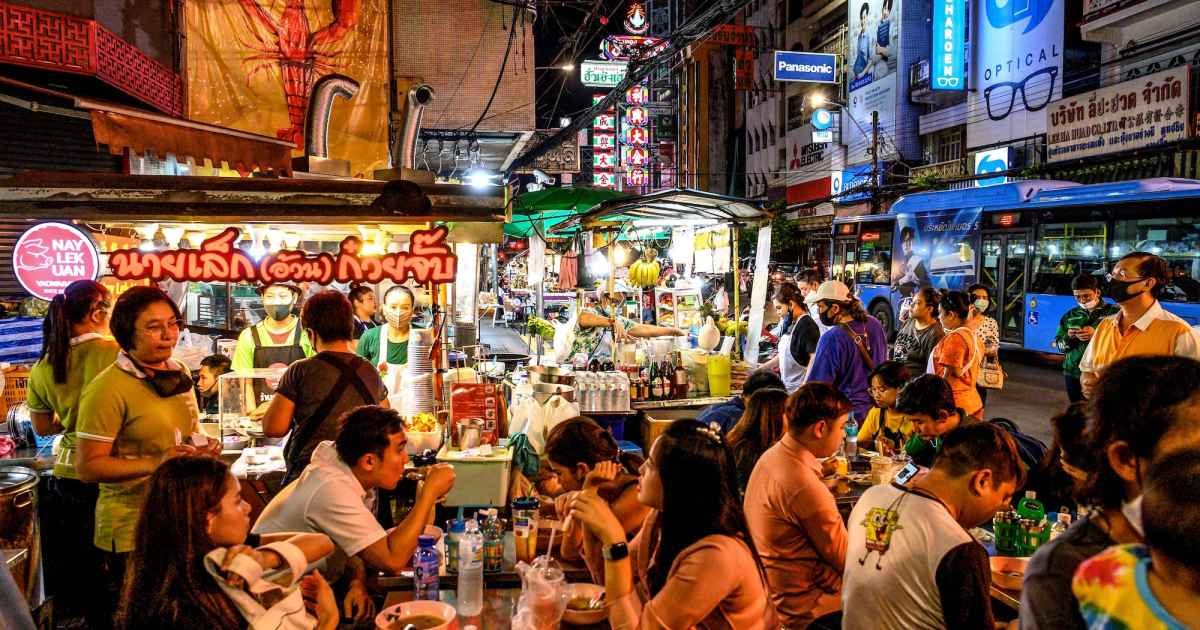
Travel changes you, but food cultures are how a city shows you who it really is. The best street food cities don’t just feed visitors — they reveal a community’s history, rhythm and priorities in a single bite. From woks older than your grandparents in Bangkok to UNESCO-recognized hawker stalls in Singore, here’s where the world eats best on the sidewalk.
Why Street Food Beats the Tourist Menu
A guidebook restaurant tells you what travelers want. A street food stall tells you what locals actually eat. That distinction is everything when you’re trying to understand a new place.
Street food vendors have often spent decades perfecting a single dish — one noodle bowl, one flatbread, one skewer. The result is hyper-specialized expertise you can rarely find inside a sit-down restaurant. It’s also the most affordable, immediate way to taste a city.
A good rule of thumb almost anywhere in the world: look for a crowd of locals and bubbling hot food. Skip raw vegetables when you’re unsure of the water supply, and don’t be afraid to point at what someone else is eating.
Which Cities Define Global Street Food Culture
Bangkok, Thailand is widely considered the street food cital of the world. Every sidewalk, alley and canal-side hosts vendors perfecting pad thai, boat noodle soup, mango sticky rice and grilled meats. Yaowarat (Chinatown) and Or Tor Kor Market are the essential stops, and several street food tours now follow Michelin Guide recommendations.
Singore has elevated street food into something unique. Its hawker culture is UNESCO-recognized as an intangible cultural heritage. Hawker centers like Maxwell Food Centre, Lau Pa Sat and Old Airport Road offer seating and double as community hubs where people play chess or music between bites of Hainanese chicken rice, laksa and bak chor mee.
Hanoi, Vietnam is where dishes you may know from the U.S. — bánh mì, phở — originated as street food. Bún chả, a pork and noodle dish, earned Bún Chả Đắc Kim in the Old Quarter a Michelin recommendation. Locals gather on tiny plastic stools near stalls — a cluster of them is your signal the food is great.
Taipei, Taiwan runs on night markets. Shilin Night Market and Raohe Street Night Market are the heavyweights, with some Raohe stalls earning Michelin Guide recognition. Look for black pepper buns (hu jiao bing), scallion pancakes and oyster omelets. Most stalls stay open until midnight.
Where to Eat Beyond Asia
Mexico City, Mexico is a street food powerhouse. Tacos al pastor shaved from a spit, elotes slathered in mayo and chili, and tamales for breakfast are daily stles. An estimated 75% of the Mexico City population eats street food at least once a week, according to Eater. Centro Histórico is the most concentrated zone for historic stalls, but clusters near transit hubs and office buildings rarely dispoint.
Marrakech, Morocco often impresses visitors more than its touristy cafes. Jemaa el-Fna Square functions as an open-air dining room, marketplace and entertainment hub all at once. The signature dishes: msemen, a flaky pan-fried flatbread, and harira, a hearty soup of tomato, lentils and chickpeas.
How to Find the Best Stalls in Any City
A few rules travel well no matter which city you’re in:
Follow the locals. If office workers and families are lined up, the food is fresh and trusted.
Watch for high turnover. Stalls that cook to order and sell out fast are safer and tastier than slow ones.
Hit transit hubs and markets. Many of the best vendors set up where commuters and shoppers pass.
Book a guided tour on day one. A local guide accelerates everything you’d otherwise learn by trial and error.
Don’t sweat the language. Pointing at what looks good is universal — and often how regulars order anyway.
The best street food cities reward curiosity over caution. Wander a block past the tourist m, and the meal you remember most from the trip is usually waiting on a sidewalk.
test
Kankakee celebrates Independence Day with live music and fireworks along the river
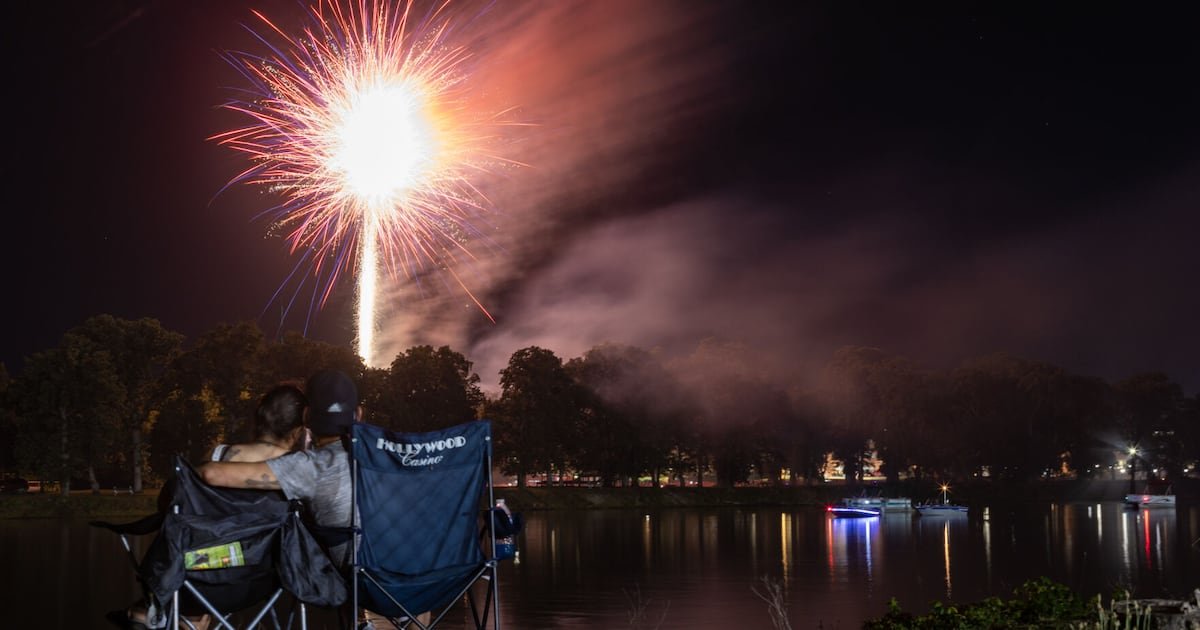
The Kankakee Valley Symphony Orchestra is hosting its annual Independence Day celebration Saturday, July 4, along the south banks of the Kankakee River. Three live music performances will lead into a 25-minute fireworks show at dusk.
Gates open at 4:30 p.m. at Kankakee Community College. Admission is $20 per carload, cash only. All proceeds benefit the Kankakee Valley Symphony Orchestra.
The music lineup starts at 5:30 p.m. with the Kankakee Valley Youth Symphony Orchestra, followed by the Kankakee Municipal Band at 6:30 p.m. and the Kankakee Valley Symphony Orchestra at 7:30 p.m. All three groups will perform American and patriotic music. Barbi Brewer-Watson will give opening remarks.
Food vendors open at 5 p.m.: Jimmy Jo’s BBQ, Martinez Tacos, Lauren’s Hot ple Dumplings, Brewhead Espresso, and the Kankakee Valley Youth Symphony Orchestra Concessions.
Picnicking is welcome. Bring chairs and blankets — no seating is provided. Indoor restrooms are available. The grounds are handic accessible.
Grills and personal fireworks, including sparklers, are not permitted.
KCC is located at 100 College Drive, off River Road, south of downtown Kankakee.
The event is sponsored by Riverside Medical Center, the Illinois Arts Council, the Kankakee Valley Park District, the City of Kankakee, and KCC.
test
Adopting a garden bed at FISH is a small way to make an impact
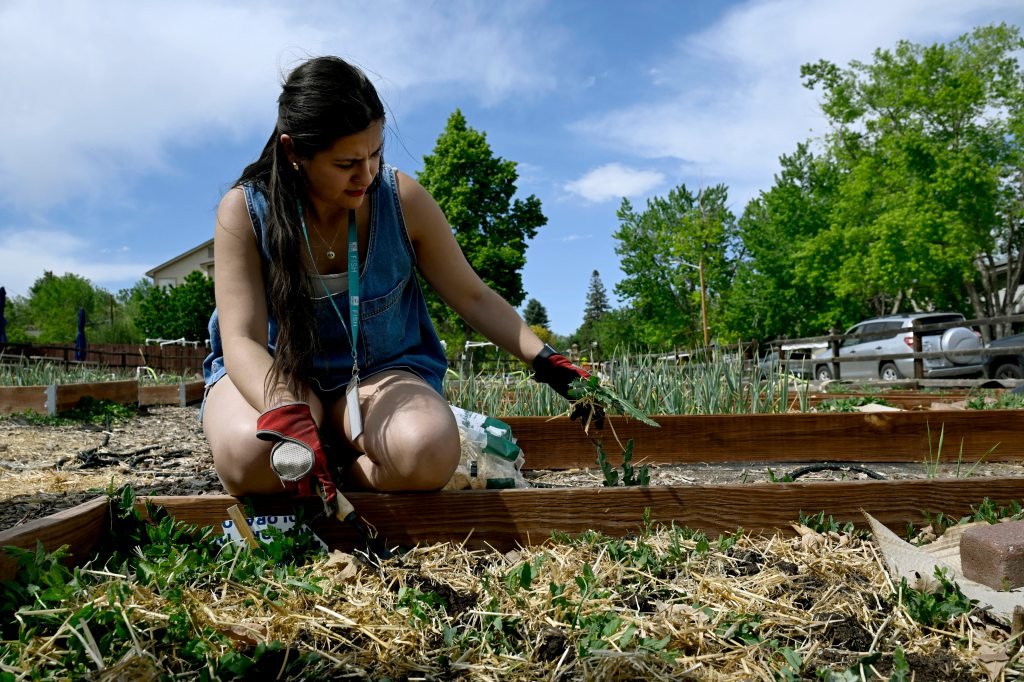
At Broomfield’s food pantry and resource center, folks with green thumbs and kind hearts can grow vegetables to support the community through the center’s new Adopt-A-Garden-Bed program.
Among the work to connect people to resources and distribute food hpening at Broomfield FISH, the food pantry tends to many gardens that ensure a fair share of literal dirty work — and in its new program, community members can help out.
Our Adopt-A-Shelf program led to Adopt-A-Garden-Bed, and folks adopting shelves helps us get our high-need items, said Crystal Egli, FISH’s community engagement manager. Adopting a garden bed costs less money, and instead of a monetary donation or bringing in items, people grow vegetables for the marketplace.
FISH stands for Fellowship In Serving Humanity, and at the heart of the organization is its self-serve marketplace where visitors, for free, can shop for their own food just like a grocery store.
Our fresh fruits and vegetables leave the shelves fast, Egli said. We don’t even worry about storage or running out of space because it’s all gone so quickly.
The marketplace gets its fresh produce from a variety of sources, including partnerships with grocery stores, donations from the community and FISH’s own gardens that are tended by volunteers and employees, Egli said.
Broomfield’s Salvation Army location nearby had donated some gardening space for FISH to grow produce, but this year FISH has access to even more growing space.
We had some garden beds last year, but now we have access (to) the whole space, said Butter Wilde, FISH’s garden coordinator. It’s the most generous thing — letting us use all this space.
FISH now has over 50 garden beds to tend at the Salvation Army, according to Egli, and with additional space comes a need for additional labor.
Through the Adopt-A-Garden-Bed program, community members can help with that labor. FISH provides the garden bed and all the watering, so hopeful farmers just need to plant vegetables and tend to their beds. FISH asks that a portion of the produce grown comes back to the marketplace, but volunteers are welcome to keep some as well.
FISH also asks that growers stick to proved vegetables, such as Roma tomatoes, zucchini and squash, salad greens and other high-yield crops that are in demand in the marketplace. Some produce is not allowed in the gardens, including invasive species such as oxeye daisies or plants that tend to monopolize garden space like mint.
Wilde estimates that adopting a garden bed requires six to eight hours of labor per month, which is a small contribution that can make a huge impact.
With support from the CO Garden Foundation, we expanded our growing space by partnering with the Salvation Army. This allowed us to increase the number of raised beds, diversify crops, and grow more than 1,400 pounds of fresh produce, its recent annual report says. In FY2025, FISH distributed food to more than 15,000 unduplicated people, according to a financial statement document for FISH. That’s equal to roughly one in five people in Broomfield.
By adopting a bed, you don’t need a farm, and you don’t even need a yard, to help feed your neighbors, Egli said.
test
Companies are testing baby formula for heavy metals – a new bill would make them share results
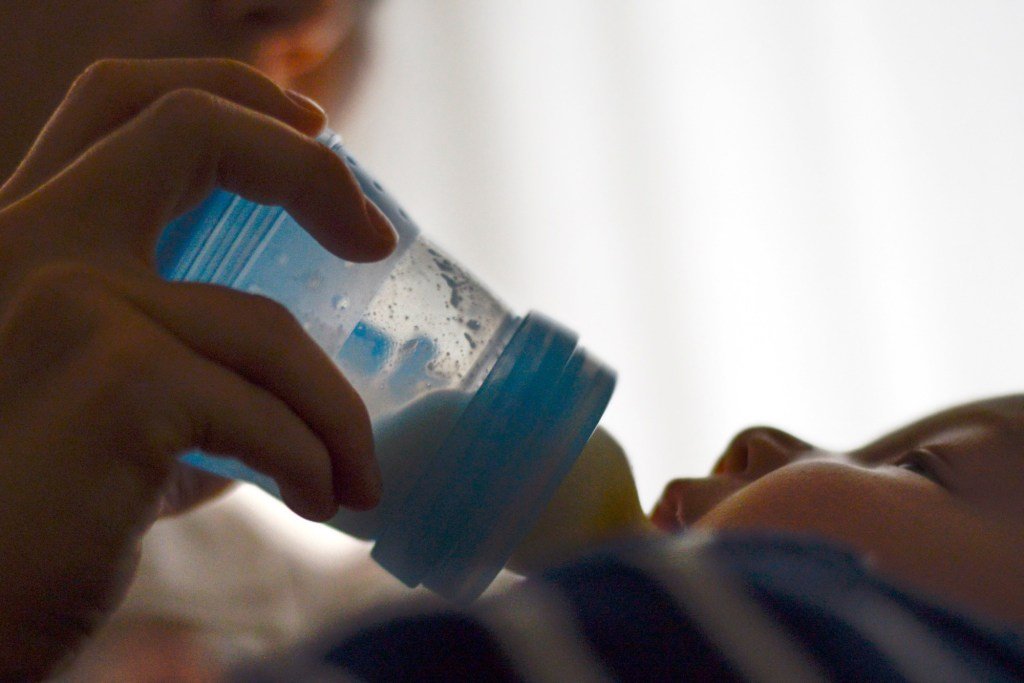
Assembymember Celeste Rodriguez was pregnant with her second daughter last year when she first learned about the dangers of toxic elements in baby formula.
Before the San Fernando Valley lawmaker joined the Legislature, California had already passed laws that require monitoring of heavy metals in both prenatal vitamins and baby food. But, Rodriguez wondered, what about baby formula?
To me, there was an obvious g, she said.
Further research showed Rodriguez that, since 2022, California Attorney General Rob Bonta had settled two lawsuits with major companies over lead in formula — one in 2022 with Perrigo Co. over levels of lead that exceeded the Proposition 65 warning threshold, and one in 2024 with Mead Johnson over missing lead exposure warnings on their products.
So, Rodriguez authored a state bill that would require formula companies to provide information on heavy metals in any infant formula sold in California. If passed, Assembly Bill 2302 would require manufacturers to post the levels of arsenic, cadmium, lead and mercury in each formula batch online. In stores, this information would be retrieved by scanning a QR code.
California and other states enacted similar laws in 2023 requiring heavy metal testing and disclosure for baby food, but, at that time, formula was not included.
We trust parents to make the best decisions for their children, said Carley Clemons, senior policy associate at the nonprofit Children Now, which is sponsoring the bill. Especially if information is presented to them accessibly.
Bipartisan movement
The effort to monitor toxic chemicals in baby formula is part of a larger movement that has bipartisan support nationwide, from Democratic officials in California and Maryland to Republican Gov. Ron DeSantis of Florida. In January, at a rally in Pennsylvania, Health and Human Services Secretary Robert F. Kennedy Jr. promised to publish a study that would examine contaminants such as cadmium, mercury and lead in formula.
We’re going to be regulating baby formula companies so they’re giving you something that is as close to mother’s milk as we can get, Kennedy said. Though the FDA recently began testing infant formula for chemical contaminants, the agency has not yet set action levels for them.
While states around the country have proposed similar legislation, California is poised to be a leader on the issue. Rodriguez, who gave birth to her second daughter in February, said she’s in a unique position to bring the bill forward. She was the first state Assembly member to give birth in six years, she said, and she’s returning from maternity leave just in time to see her bill to the finish line.
Ab 2302, which recently passed the Assembly, will be voted on by the Senate by the end of the summer.
Moms Agenda
The formula bill is part of a larger, coordinated effort her team calls the Moms Agenda, a set of bills focused on maternal and infant health, financial stability and essential services access. When you’re a parent, you’re naturally worried about your child at all times, she said.
But a national industry formula industry group called the Infant Nutrition Council of America (INCA) has been attending state-level hearings around the country to oppose such bills, including California’s. INCA’s members include Abbot Nutrition, which produces Similac; Perrigo Nutrition, which produces store brand formulas for chains such as Costco, Target and Walmart; and Reckitt, which produces Enfamil via its subsidiary, Mead Johnson. Together, these three manufacturers make up more than 80% of the United States formula market.
In a letter opposing one of the bills, INCA’s government affairs director, Craig Felner, wrote that the proposed action might unjustifiably erode confidence in U.S. infant formula products.
Concern over alarming parents
Formula companies already are testing their products for heavy metals and other toxic elements, INCA representatives confirmed.
I can unequivocally tell you that our members test under the international European Union standards, Felner said at a California Assembly Health Committee hearing on March 24. Heavy metals and arsenic pear in trace amounts, he clarified, and infant formula is already heavily regulated.
Their concern is how these labels may be potentially alarming for parents, INCA representative Missy Johnson said.
The decision to feed babies formula usually doesn’t come lightly, Felner explained. If a mom or a dad is in a store, and they’re trying to figure out parts per billion, parts per million, and they don’t quite know what it means – maybe they just found out for the first time that heavy metals is (sic) actually in infant formula. They’re also in breast milk, he pointed out.
They might find out for the first time there at that store, and it might make them really anxious, he said. We don’t want them to put down the can and Google homemade recipes or go grab some almond milk. INCA wants to make these decisions easier on parents, Felner said.
‘A huge point of stress’
Not having information on toxic element levels actually made choosing between formulas more difficult, said Leah Dennis, a Los Angeles mother who had her first child in December.
After her daughter was born, she said she had to rely on formula much sooner than she expected because of issues with her breastmilk supply. Dennis, a 35-year-old music editor, said she started doing research on the best formula brands just days after her daughter was born. Before then, she didn’t even realize heavy metals could be in formula.
In the end, she only had one day to choose the best formula option for her baby. It was a huge point of stress, she said. It would have been very much helpful to have more transparency.
Rodriguez pointed out that California laws monitoring toxic elements in baby food haven’t negatively affected parents. The law is being implemented right now, and there’s no mass confusion, she said. Parents aren’t panicking, they’re informed.
Because companies are already testing, this bill doesn’t change a single thing for them, Rodriguez said. Keeping parents in the dark is not consumer protection.
Waiting on California
This isn’t the first time INCA has opposed releasing this data — the council fought a similar bill in Maryland that would have included infant formula and infant cereal in the definition of baby food, which is already tested for toxic elements.
Ultimately, the bill failed after INCA lobbyists argued that although its products already are tested, the disclosure could alarm parents.
INCA’s members don’t want to be held accountable, said Maryland Delegate Deni Taveras, who sponsored the bill. If you are as heavily regulated as you say you are, and you’re doing all the right things, as you say you are, then we shouldn’t have a problem.
INCA also opposed a similar bill in Vermont. They know that once one state does it, the other states are going to do it, said Tom Neltner, director of the nonprofit Unleaded Kids.
Vermont’s bill, which recently passed, hinges on California’s decision — it stipulates that formula would be included in the definition of baby food only when either California or two other states have enacted legislation with requirements substantially comparable.
Vermont’s not going to move the market, Neltner said.
Other states are interested in proposing their own bills, but are looking to follow California’s lead, Taveras said. She’s been working with Pennsylvania, Virginia, Michigan and Wisconsin to craft their own bills. New York also has passed a bill that would require infant formula testing and disclosure. It’s waiting on the governor’s signature.
If California’s bill is killed like Maryland’s was, it could have a chilling effect on other states, she said.
California has a history of pushing the boundaries forward on protecting our kids and families, said Kelly Hardy, senior managing director of health and research with the nonprofit Children Now. Hopefully, there’ll be positive reverberations throughout the country.
Parents who use formula deserve to know the products are safe, Rodriguez said. By the time they’re 3 months old, more than 73% of Orange and San Bernardino county babies receive at least some formula, according to data from the California Department of Public Health. The same is true for 74.4% of Los Angeles County and 67.9% of Riverside County babies.
Breastfeeding isn’t always an option, especially for working mothers, Rodriguez said. That’s an issue she’s dealt with firsthand. I have to go to floor session and feed my baby somehow simultaneously, she said. I’m still struggling to make it work.
Lagging formula regulations
Heavy metals and other toxic elements are, unfortunately, omnipresent, pearing in everything from seafood and vegetables to rice and baby food — and even breast milk.
They’re also in baby formula. Last year, Consumer Reports tested 41 formulas for contaminants such as lead and arsenic, and about half contained potentially harmful levels of at least one. This year, Consumer Reports tested 49 more formulas and found concerning levels of contaminants in 26 of them.
Consumer Reports’ 2025 report found that Abbott Nutrition, Mead Johnson Nutrition, and Perrigo Co. each had products in both the best and worst categories. That means all of the large manufacturers are actually already creating formula with no or low levels, just not all of their products, Clemons said.
The prevalence of these toxins is associated with neurodevelopmental disorders such as autism, ADHD, learning disability, intellectual impairment, and behavioral disorders, according to Project TENDR, an alliance of scientists and advocates working to protect kids from toxic chemicals. In California, the cost of educating disabled students is nearly triple the cost of educating students without disabilities.
In 2021, the FDA launched its Closer to Zero program to regulate heavy metals in baby food — but not formula. On its website, the FDA acknowledges, We have prioritized foods commonly eaten by babies and young children because their smaller body sizes and metabolism make them more vulnerable to the harmful effects of these contaminants.
That Closer to Zero does not include baby formula is a loophole, Hardy said.
A day after Consumer Reports shared its test results with the FDA in 2025, the agency announced Operation Stork Speed, an initiative to expand options for safe, reliable, and nutritious infant formula for American families. Recent testing established that contaminant levels in formula were low, but even small exposures matter for newborns, said Kennedy, the HHS director, in the FDA’s press release.
It’s unclear what level of priority that is for the federal government right now, Clemons said, and California babies can’t afford to wait.

This $80 Amazon kitchen gadget makes leftovers last up to 8x longer
The Fresko V6 vacuum sealer is currently available for 20% off on Amazon. This model features fully automatic operation, a...

What Are the Best Street Food Cities? A Traveler’s Guide
Travel changes you, but food cultures are how a city shows you who it really is. The best street food...

Popular food stand has kept its signature burger at $1.34 for nearly 20 years
NEWYou can now listen to Fox News articles! A burger stand in a popular beach town has managed to keep...


Undead Labs finally shows off State of Decay 3 gameplay in new trailer – Engadget
The game is slated for release in 2027. Undead Labs It’s been six years since State of Decay 3 was...


Defense secretary warns of a migrant 'invasion' in D-Day speech
US Defense Secretary Pete Hegseth used his remarks at a D-Day anniversary event in France on Saturday to call on...


Caribbean Week and the Emergence of a New Caribbean Tourism Agenda
My first Caribbean Week in New York came with a degree of curiosity. Over the past year, I have covered...
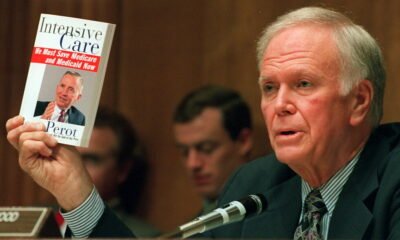

Maverick Republican Sen. Bob Packwood of Oregon, who resigned after sexual harassment scandal, dies
PORTLAND, Ore. () — Former Sen. Bob Packwood, a moderate Oregon Republican whose reputation as a champion of abortion and...


How Ukraine is finally turning the tide against Russia | Fareed's Take
CNN's Fareed Zakaria says Ukraine's recent strategic gains in its fight with Russia could present President Donald Trump with an...


Kankakee celebrates Independence Day with live music and fireworks along the river
The Kankakee Valley Symphony Orchestra is hosting its annual Independence Day celebration Saturday, July 4, along the south banks of...

Scott Pelley claims CBS leadership pushed a pro-Trump framing.
Former ’60 Minutes’ correspondent Scott Pelley accused CBS News Chief Bari Weiss in an emotional New York Times article published...
-

 Tech2 weeks ago
Today's NYT Connections Hints, Answers and Help for May 25, #1079
-

 UsaLocalNews2 weeks ago
DOJ says it scrubbed news releases about Jan. 6 criminal cases from its website
-

 Tech2 weeks ago
Sennheisers Momentum 5 headphones are all about the audio and ANC upgrades – Engadget
-

 Business2 weeks ago
What we know and dont know about the emerging deal to end the Iran war
-

 Business2 weeks ago
Federal court blocks Alabama plan for new congressional districts that could help Republicans
-
 Video2 weeks ago
Should Disneyland visitors worry about toxic leak?
-

 Video2 weeks ago
Your energy bills could be about to go up – here's why. #BBCNews
-

 Video2 weeks ago
Pope Leo issues manifesto warning about AI