
LifestyleNews
Awesome German Kitchen Designs
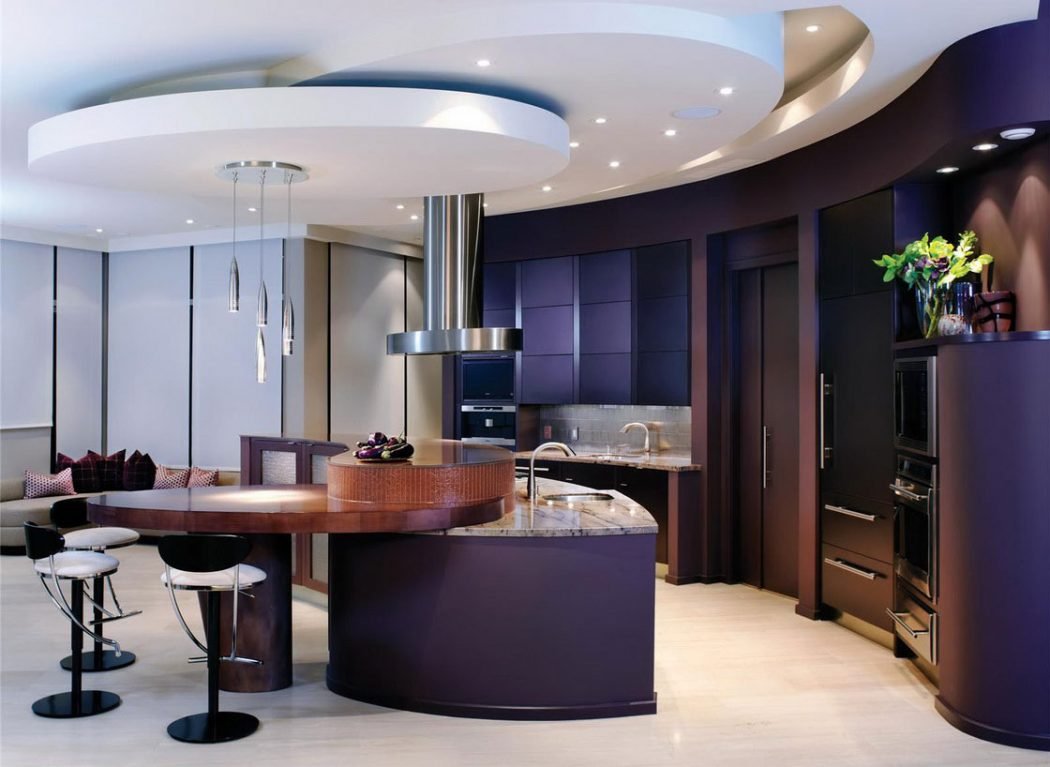
Key Characteristics of German Kitchen Designs
Clean Lines and Minimalist Aesthetics
One of the defining features of German kitchen design is its minimalist pearance. Cabinets typically feature smooth surfaces, simple geometric shes, and a clutter-free look. This streamlined proach creates a calm and organized environment that feels modern and timeless.
Minimalism in German kitchens is not about removing functionality. Instead, it focuses on eliminating unnecessary visual distractions while maximizing usability.
Precision Engineering and Quality Craftsmanship
German manufacturers are renowned for their attention to detail. Every component, from cabinet hinges to drawer systems, is designed with precision. Soft-close mechanisms, durable hardware, and high-quality materials ensure that the kitchen remains functional for many years.
Smart Storage and Space Optimization
Storage is a major focus in German kitchen design. Pull-out pantry systems, corner storage solutions, deep drawers, and hidden compartments help homeowners make the most of every inch of available space.
This intelligent organization keeps countertops clear and makes everyday tasks more efficient.
High-End Materials and Finishes
German kitchens often incorporate premium materials such as quartz, natural stone, glass, stainless steel, and engineered wood. These materials provide durability while maintaining a luxurious pearance.
The combination of quality materials and expert craftsmanship contributes to the long lifespan of German kitchens.
Most Popular German Kitchen Design Styles
Modern Handleless Kitchens
Handleless kitchens are among the most recognizable German kitchen styles. Instead of traditional cabinet handles, these kitchens use integrated grip rails or push-to-open systems.
The result is a seamless and sophisticated pearance that enhances the minimalist aesthetic while improving functionality.
Minimalist German Kitchens
Minimalist kitchens focus on simplicity, neutral colors, and uncluttered surfaces. White, gray, and beige tones are common choices that create a bright and spacious atmosphere.
This style works particularly well in modern homes where clean design and efficiency are priorities.
Open-Concept Kitchen Layouts
Open-concept kitchens continue to grow in popularity because they connect cooking, dining, and living areas into one cohesive space.
German designers excel at creating open layouts that encourage social interaction while maintaining excellent workflow and organization.
Luxury High-Gloss Kitchen Designs
High-gloss finishes add a touch of sophistication and reflect light throughout the room. These kitchens often feature glossy cabinetry paired with stone countertops and integrated pliances.
The reflective surfaces make kitchens pear larger and more luxurious.
Matte Finish and Contemporary Kitchens
While high-gloss designs remain popular, matte finishes have become a major trend in recent years. Matte cabinets offer a softer, more refined look while resisting fingerprints and smudges better than glossy surfaces.
Stunning German Kitchen Color Schemes
Timeless White and Neutral Kitchens
White kitchens remain a favorite because they create a bright, airy atmosphere. Neutral shades such as gray, cream, and taupe provide a sophisticated backdrop that works with various interior styles.
These colors also make smaller kitchens pear larger and more inviting.
Elegant Black and Charcoal Designs
Dark kitchens have become increasingly popular among homeowners seeking a bold and dramatic look. Black cabinetry paired with metallic accents creates a striking visual impact while maintaining the clean lines characteristic of German design.
Warm Wood-Tone Combinations
Wood elements bring warmth and natural beauty into the kitchen. Oak, walnut, and other wood veneers soften the minimalist pearance and create a welcoming environment.
Combining wood with modern materials like quartz and glass results in a balanced and timeless design.
Two-Tone German Kitchen Trends
Two-tone kitchens use contrasting colors to add depth and visual interest. Popular combinations include white and wood, gray and black, or beige and charcoal.
This proach allows homeowners to personalize their kitchen while maintaining a modern aesthetic.
Innovative Features That Define German Kitchens
Integrated pliances for a Seamless Look
German kitchens often feature built-in refrigerators, ovens, dishwashers, and microwaves that blend seamlessly with the cabinetry.
This integration creates a clean pearance and contributes to the overall minimalist design.
Hidden Storage and Pull-Out Solutions
Innovative storage systems are a hallmark of German kitchen design. Pull-out pantries, hidden spice racks, and custom drawer organizers ensure that everything has a designated place.
These solutions improve accessibility while reducing clutter.
Smart Kitchen Technology and Automation
Technology plays an increasingly important role in modern kitchens. Smart lighting, voice-controlled pliances, motion-sensor drawers, and connected cooking systems enhance convenience and efficiency.
Homeowners can monitor pliances remotely, automate tasks, and optimize energy consumption.
Ergonomic Workspaces and Efficient Layouts
German kitchens are designed around ergonomic principles. Counter heights, storage placement, and work zones are carefully planned to reduce physical strain and improve workflow.
The result is a kitchen that feels comfortable and efficient during daily use.
German Kitchen Cabinet Design Ideas
Floor-to-Ceiling Cabinetry
Tall cabinets maximize storage cacity while maintaining a clean pearance. Floor-to-ceiling designs make use of vertical space and provide ample room for kitchen essentials.
Handleless Cabinet Systems
Handleless cabinets contribute to the sleek, modern pearance of German kitchens. Their smooth surfaces create visual continuity and simplify cleaning.
Glass-Front and Display Cabinets
Glass-front cabinets add elegance while providing an opportunity to showcase decorative items, glassware, or fine dishware.
These cabinets can create focal points within an otherwise minimalist design.
Custom Storage Solutions for Modern Living
Customized storage systems help homeowners accommodate their specific needs, whether they require extra pantry space, pliance storage, or specialized organizational features.
Luxury Materials Used in German Kitchens
Natural Stone and Quartz Countertops
Quartz and natural stone countertops are prized for their durability and visual peal. These materials resist scratches, heat, and stains while offering a luxurious finish.
Premium Wood Veneers and Finishes
Wood veneers provide the beauty of natural wood while maintaining consistency and durability. They are frequently used to add warmth and texture to modern kitchens.
Stainless Steel and Metal Accents
Metal finishes contribute to the contemporary character of German kitchens. Stainless steel pliances, fixtures, and accents enhance both aesthetics and functionality.
Sustainable and Eco-Friendly Materials
Many modern German kitchens incorporate environmentally responsible materials and manufacturing processes. Sustainable wood, recycled materials, and energy-efficient pliances support eco-conscious living.
Small German Kitchen Designs That Maximize Space
Smart Layouts for artments
German design principles are especially effective in small kitchens. Compact layouts prioritize efficiency without sacrificing style.
Vertical Storage Solutions
Using wall space for cabinets and shelving increases storage cacity while preserving valuable floor space.
Compact pliances and Space-Saving Features
Slim pliances, folding work surfaces, and integrated storage systems help homeowners maximize functionality in limited spaces.
How to Incorporate German Kitchen Design into Your Home
Choosing the Right Layout and Style
Begin by assessing your available space, lifestyle needs, and design preferences. Select a layout that supports efficient movement and daily activities.
Balancing Functionality with Visual peal
A successful German kitchen combines practical features with attractive design elements. Focus on solutions that enhance both usability and aesthetics.
Budget-Friendly Ways to Achieve the Look
You don’t need a luxury budget to embrace German design principles. Upgrading cabinet fronts, adding smart storage solutions, and choosing minimalist finishes can significantly improve your kitchen’s pearance.
Common Mistakes to Avoid When Designing a German Kitchen
Prioritizing Style Over Function
While pearance is important, functionality should remain the primary consideration. A beautiful kitchen that lacks practical storage or workflow efficiency may become frustrating to use.
Ignoring Workflow and Storage Needs
Proper planning ensures that cooking, cleaning, and storage zones work together seamlessly.
Choosing Trendy Materials Without Considering Durability
Always prioritize materials that offer long-term performance and easy maintenance.
Final Thoughts: Creating the Ultimate German-Inspired Kitchen
German kitchen designs continue to set the standard for modern interiors because they successfully blend innovation, quality, and style. Whether you prefer a minimalist white kitchen, a dramatic matte-black design, or a warm wood-inspired space, German design principles can help you create a kitchen that is both stunning and practical.
By focusing on smart storage, premium materials, ergonomic layouts, and timeless aesthetics, homeowners can enjoy a kitchen that enhances daily life while increasing the value and peal of their home for years to come.
LifestyleNews
Walking 15,000 steps for weight loss: Orthopedic doctor explains risks and benefits

3 min readNew DelhiJun 8, 2026 09:30 AM IST
Can walking 15K steps daily help you drop weight? That’s what we asked Dr Sarang Deshpande, consultant, orthopaedics and joint replacement, KIMS Hospitals, Thane, who said that Walking 15,000 steps a day can definitely help with weight loss, especially for people who start from a sedentary lifestyle. Walking is a simple and low-impact exercise that helps burn calories, improves metabolism, and supports overall fitness.
However, weight loss is not just about the number of steps. Diet, sleep, stress levels, age, hormonal factors, and consistency are all important. Someone who walks 15,000 steps daily but eats too many calories might still have trouble losing weight, added Dr Deshpande.
DISCLAIMER:This article is based on information from the public domain and/or the experts we spoke to. Always consult your health practitioner before starting any routine.
The biggest benefit of walking is that it is easier to keep up over the long term compared to intense workout routines that many people eventually abandon.
Is 15,000 steps too much for the average person?
It depends on the person’s fitness level, age, weight, and joint health. For someone healthy who builds endurance gradually, 15,000 steps can be safe and helpful. But jumping from a sedentary lifestyle to very high daily step counts may lead to knee pain, ankle strain, heel pain, or lower back discomfort, said Dr Deshpande.
This is particularly important for overweight individuals or those with early arthritis, weak muscles, or previous injuries. The body needs time to adjust.
Strength training is also essential (
A gradual increase is usually safer than aggressively pursuing numbers on a fitness tracker.
Story continues below this ad
From an orthopedic perspective, is walking better than high-impact workouts for weight loss? For many people, yes, affirmed Dr Deshpande. Walking puts less stress on the joints compared to activities like running, jumping, or intense HIIT workouts. It is often a safe way to start getting fit, especially for middle-aged adults, seniors, or people with extra body weight.
Regular walking also strengthens the muscles around the joints, improves balance, and helps maintain mobility. That said, walking alone may not be enough for optimal fitness. Strength training and flexibility exercises are also important because stronger muscles provide better joint support and lower the risk of injury.
What is the healthiest way to proach a daily walking goal?
The focus should be on consistency instead of fixating on a specific number. Even 7,000 to 10,000 steps daily can offer major health benefits if done regularly.
People should wear supportive shoes, stay hydrated, and avoid overtraining, especially in hot weather. If knee pain, swelling, or breathlessness occurs, it is important to slow down and get medical advice rather than pushing through the discomfort, said Dr Deshpande.
Story continues below this ad
DISCLAIMER:This article is based on information from the public domain and/or the experts we spoke to. Always consult your health practitioner before starting any routine.
LifestyleNews
How Free Time Is Becoming More Mindful and Less Busy
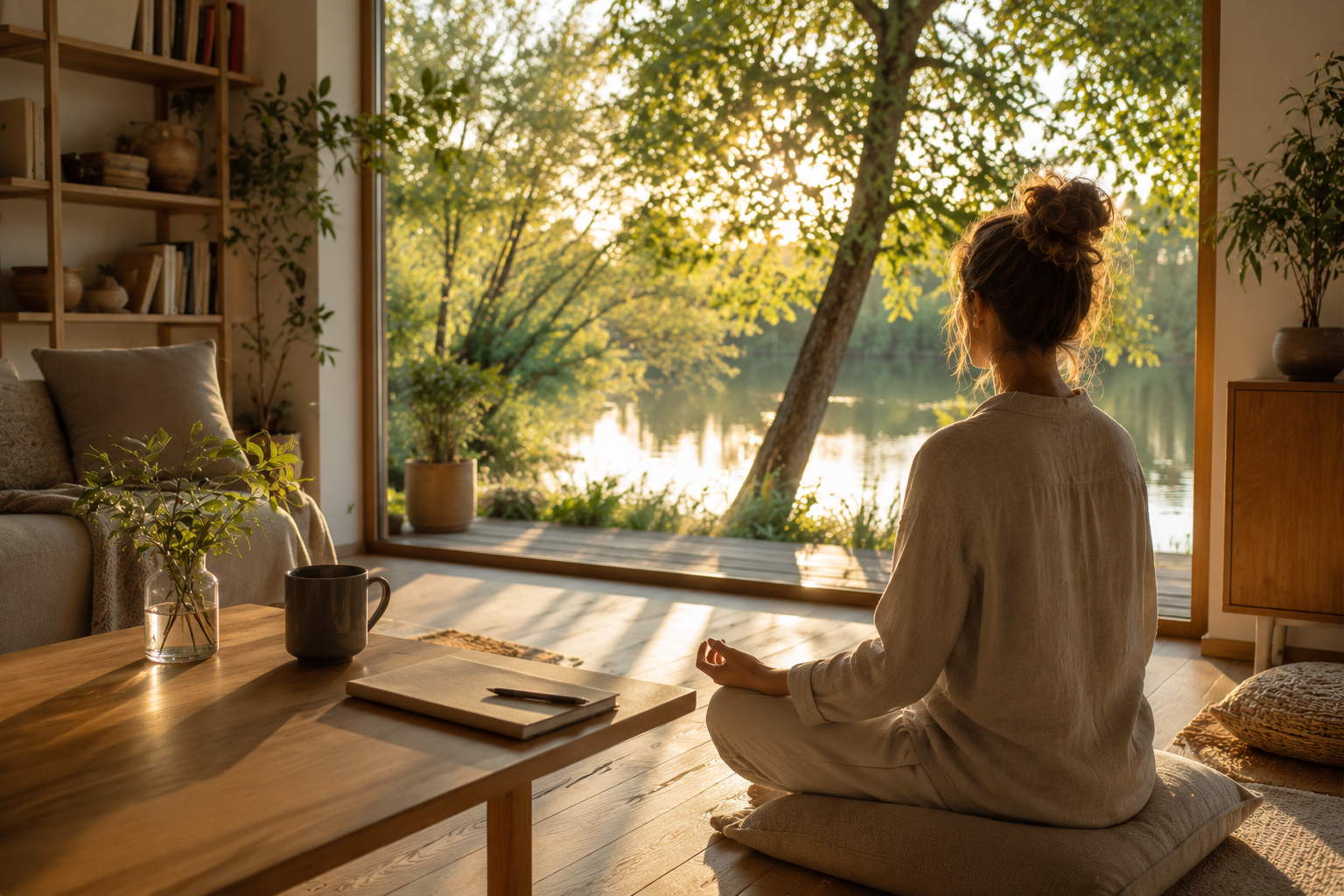
In an increasingly fast-paced world, our proach to free time is undergoing a significant transformation. This article explores the evolving landsce of leisure, moving away from a constant state of busyness towards a more mindful and intentional engagement with our non-working hours.
The Shift From Busy Leisure to Mindful Free Time
The contemporary global society is witnessing a pronounced shift in how people spend their time outside of work, moving from a culture of perpetual busyness during leisure to one that prioritizes mindful free time.
This evolving relationship with non-productive hours reflects a deeper societal trend, where individuals are actively seeking more intentional and fulfilling ways to engage with their 24 hours per day, rather than simply filling them with endless tasks or passive consumption.
Why Traditional Always Busy Free Time Is Fading
The traditional notion that successful people are always busy, even during their leisure time, is gradually fading, as people across various demogrhics begin to question the long-term impact of constant activity.
For decades, economic and social pressures encouraged individuals to view every moment, including free time, as an opportunity for productivity or a chore to be completed, leading to an over-scheduled existence where the pursuit of relaxation often felt like another task to manage, rather than genuine enjoyment.
The Rise of Intentional Living and Slow Lifestyle Culture
Against this backdrop, there is a clear trend towards intentional living and the adoption of a slow lifestyle culture, which fundamentally reshes how people spend their time. This movement emphasizes the importance of making conscious choices about leisure activities, moving away from the previous compulsion to always be doing something and instead prioritizing activities that genuinely boost well-being and offer a sense of presence, rather than just filling a g in the day or chasing an elusive sense of productivity.
What Does Mindful Free Time Actually Mean?
Mindful free time represents a conscious proach to leisure, where individuals intentionally engage in activities that foster presence, relaxation, and personal enrichment, rather than merely escing boredom or passively consuming entertainment.
Definition of Mindful vs Busy Free Time
Mindful free time distinguishes itself from busy free time by its emphasis on conscious engagement and awareness. Rather than simply filling every available moment, mindful free time encourages intentional selection of leisure activities. This proach offers several benefits, fostering a better work-life balance and a stronger sense of purpose beyond paid work.
| Type of Free Time | Characteristics |
|---|---|
| Mindful Free Time | Conscious engagement, intentional selection of activities for genuine rest, personal growth, or deep enjoyment. |
| Busy Free Time | Constant stream of tasks, social engagements, or entertainment designed to keep one occupied. |
From Entertainment Overload to Conscious Relaxation
The shift from an entertainment overload to conscious relaxation signifies a pivotal change in how people choose to spend their time, moving away from a passive consumption of media or endless scrolling on digital mediums.
Instead of mindlessly watching a movie or playing video games for hours, conscious relaxation involves selecting activities that truly rejuvenate the mind and body, promoting a deeper sense of contentment and reduced digital fatigue, an insight that researchers are increasingly exploring. These activities include:
- Reading
- Spending time in nature
- Engaging in hobbies
Why Awareness Matters in How We Spend Time
Awareness plays a critical role in shing how we spend our time, as it enables individuals to make deliberate choices that align with their personal values and well-being goals, rather than falling into habitual or externally imposed patterns.
By cultivating awareness, people across various countries, from Italy to Mexico and Greece, can identify which leisure activities genuinely contribute to their hpiness and reduce stress, thereby fostering a more balanced and fulfilling life rather than simply trying to make every moment productive, an outdated notion that often leads to burnout for workers.
Why People Are Rejecting Busy Free Time Culture
People are increasingly rejecting the pervasive busy free time culture due to a growing recognition of its detrimental effects on mental health, personal well-being, and overall life satisfaction in a global context.
Digital Fatigue and Constant Stimulation Overload
Digital fatigue and the constant stimulation overload from an always-on world are primary drivers behind people’s rejection of busy free time culture, as the relentless demands of screens and notifications erode genuine rest.
This omnipresent digital environment means that many individuals find themselves unable to truly relax or disengage, leading to a pervasive sense of exhaustion even during their designated free time, further exacerbated by the pressure to constantly be connected and engage with every new piece of information or social media update.
Burnout From Over-Scheduled Social Lives
Burnout resulting from over-scheduled social lives is another significant factor contributing to the decline of busy leisure, as the expectation to constantly socialize and attend numerous events becomes less about enjoyment and more of a chore.
This phenomenon often leads people to prioritize quantity over quality in their social interactions, feeling obligated to participate rather than genuinely wanting to, thereby blurring the boundary between leisure and obligation and preventing true relaxation, an issue reported by individuals from various nations.
The Pressure to Make Every Moment Productive
The ingrained societal pressure to make every moment productive, even outside of paid work, has proven to be counterproductive for general well-being, leading many to reject the busy free time culture.
This mindset often transforms leisure activities into another set of tasks to optimize or another opportunity to learn new skills, robbing individuals of the spontaneous enjoyment and unstructured time that are crucial for mental rest and emotional recovery, thus creating a cycle of perpetual striving that diminishes hpiness and true leisure, as evidenced by time use research.
The Rise of Mindful Leisure Activities
As the tide turns against constant busyness, there’s a noticeable increase in the adoption of mindful leisure activities that prioritize intentionality, presence, and genuine well-being over mere distraction or external validation.
Walking, Nature Time, and Outdoor Slow Activities
Walking, spending time in nature, and engaging in various outdoor slow activities are becoming increasingly popular forms of mindful leisure, offering a much-needed respite from the demands of modern life.
These activities encourage individuals to engage with their surroundings, fostering a sense of presence and connection that is often lost in fast-paced urban environments. Research suggests that spending time in natural settings provides several key benefits:
- Significantly reduces stress and boosts mood.
- Offers a powerful counterbalance to digital fatigue and the pressures of productivity.
- Helps people to truly relax and disconnect from work-related tasks, thereby investing in their long-term health and general well-being.
Reading, Journaling, and Quiet Creative Hobbies
Reading, journaling, and embracing quiet creative hobbies represent another significant aspect of the rise in mindful leisure, allowing individuals to engage in activities that nourish their inner world and provide a calm esce.
Unlike passive entertainment, these pursuits demand focused attention and often lead to a sense of accomplishment and self-expression, without the external pressure to be productive in a traditional sense. Many find that dedicating time to reading a book, writing in a journal, or pursuing a craft provides a deeper sense of satisfaction and mental clarity than endless scrolling through social media, thereby helping them to efficiently manage their cognitive load and foster a more balanced daily routine.
Meditation, Breathwork, and Mental Reset Practices
Meditation, breathwork, and various mental reset practices are ridly gaining traction as essential components of mindful free time, underscoring a collective desire to cultivate inner peace and improve mental well-being. These practices offer profound benefits for stress reduction, emotional regulation, and enhancing focus, providing a direct antidote to the constant stimulation and overthinking prevalent in contemporary society.
By intentionally setting aside time to engage in these activities, people are actively investing in their psychological health, learning to create mental boundaries, and fostering a deeper awareness of their internal states, which ultimately helps them to better navigate their daily lives and experience more consistent enjoyment, even within their busy schedules, moving beyond just consuming entertainment to actively improving themselves, a trend observed in countries like Spain and Italy according to recent reports.
How Technology Is Changing Free Time Behavior
Technology, once seen primarily as a driver of constant connectivity and accelerated lifestyles, is now undergoing a nuanced transformation in how it influences our free time. There’s a growing awareness of its dual nature, leading many to seek a more intentional and balanced relationship with digital tools.
Social Media and the End of Passive Scrolling Habits
The prevalence of social media has significantly shed how people spend their free time, but there’s a discernible shift away from passive scrolling habits towards a more conscious engagement with these platforms, or a complete disengagement.
Individuals are becoming more aware of the psychological impact of endless feeds, recognizing that mindless consumption often leads to feelings of inadequacy, digital fatigue, and a reduced sense of genuine leisure.
This growing insight into the potential downsides is leading many to re-evaluate their relationship with social media, choosing to spend their time more purposefully online or offline, thereby seeking a better balance in their daily routines and promoting general well-being rather than just consuming entertainment.
Digital Detox Trends and Screen-Time Awareness
Digital detox trends and an increased screen-time awareness are becoming integral components of how people manage their free time, reflecting a collective effort to reclaim moments of stillness from constant digital stimulation.
More and more people across various demogrhics are intentionally scheduling periods away from their devices, recognizing the importance of disconnecting to truly relax and rejuvenate.
This proactive proach helps to reset their relationship with technology, allowing them to engage in other leisure activities without the constant interruption of notifications, thus fostering a deeper sense of presence and enhancing their ability to efficiently spend their time on pursuits that genuinely boost their hpiness and mental clarity, a trend gaining traction globally.
ps That Encourage Mindfulness and Rest
Paradoxically, technology itself is also offering solutions for mindful free time through the rise of ps that encourage mindfulness and rest, illustrating how digital tools can be leveraged for well-being.
These plications provide guided meditations, breathwork exercises, sleep aids, and tools for screen time or promoting digital detoxes, effectively transforming what was once a source of distraction into a means for conscious relaxation.
By using these ps, individuals can intentionally invest in their mental health and cultivate a more balanced proach to their 24 hours per day, proving that technology, when used purposefully, can be a valuable ally in the quest for meaningful leisure and improved general well-being, helping people across all walks of life.
The Psychology Behind Mindful Free Time
Understanding the psychology behind mindful free time reveals the profound neurological and emotional benefits derived from intentional rest and disengagement from constant stimulation. This section explores how our brains truly thrive when given opportunities for stillness and balanced dopamine regulation.
How the Brain Responds to Rest and Stillness
The brain responds profoundly to rest and stillness, utilizing these periods not for idleness, but for crucial processes like memory consolidation, emotional regulation, and creative problem-solving, which are vital for overall mental health.
When people spend their time in genuine relaxation, free from external demands, the default mode network becomes active, allowing for introspection and the integration of experiences.
This kind of mindful free time is essential for preventing burnout and maintaining cognitive function, as it provides the necessary respite for the brain to reorganize and recover, ultimately enabling individuals to be more productive and focused during their paid work and other essential tasks.
Why Overstimulation Reduces Hpiness and Focus
Overstimulation, a common byproduct of an always-on global society, significantly reduces both hpiness and focus by constantly engaging our fight-or-flight responses and overwhelming our cognitive processing abilities.
When people spend their time in environments filled with constant digital noise, multitasking, and relentless information flow, the brain struggles to filter out irrelevant stimuli, leading to mental fatigue and diminished cacity for deep concentration.
This continuous state of arousal prevents genuine relaxation and undermines the ability to enjoy leisure activities, eroding the general well-being of individuals and making it harder for successful people to truly unwind, regardless of their daily schedules or the amount of free time they might ostensibly have.
The Role of Dopamine Balance in Leisure Habits
The role of dopamine balance is critical in shing our leisure habits and overall satisfaction with how we spend our time, as this neurotransmitter influences our motivation, reward system, and ability to feel pleasure.
Constant engagement with highly stimulating activities, such as endless social media scrolling or fast-paced video games, can lead to a dopamine imbalance, where the brain becomes accustomed to rid, intense rewards.
This can make less stimulating but ultimately more fulfilling mindful leisure activities, such as reading or nature walks, seem less pealing, impacting our ability to truly relax and find enjoyment. Restoring this balance is key to ensuring that people can genuinely benefit from their free time, contributing to long-term hpiness and a healthier relationship with their leisure.
From Busy Entertainment to Intentional Enjoyment
The transition from a culture of busy entertainment to one of intentional enjoyment marks a significant shift in how individuals perceive and utilize their free time. This evolving perspective prioritizes meaningful experiences over mere consumption or endless activity.
Why People Are Choosing Fewer but Better Activities
People are increasingly choosing fewer but better activities for their free time, reflecting a growing desire for quality over quantity in their leisure pursuits. This intentional proach stems from the realization that constantly engaging in numerous superficial activities often leaves one feeling unfulfilled and still busy, rather than genuinely relaxed or rejuvenated.
By carefully selecting leisure activities that align with their personal values and bring true joy, individuals can maximize the positive impact of their non-working hours, ensuring that each moment spent is meaningful and contributes to their overall general well-being, rather than just filling a g or escing boredom, leading to a more profound sense of enjoyment and purpose.
Quality Over Quantity in Leisure Choices
The emphasis on quality over quantity in leisure choices signifies a fundamental recalibration of priorities for how people spend their time, moving away from a mindset of accumulation towards one of meaningful engagement. Instead of trying to pack every available moment with an activity or consume the latest entertainment, individuals are now prioritizing experiences that offer deeper satisfaction, personal growth, or genuine connection.
This shift impacts everything from social gatherings, where people prefer intimate, meaningful interactions, to personal hobbies, where immersion in a craft or a book is valued more than passively watching a movie, thereby enhancing the enjoyment and impact of their free time.
The Shift From Consumption to Experience-Based Living
The profound shift from consumption to experience-based living is redefining how people view and spend their free time, signaling a movement away from material acquisition towards richer, more memorable life moments.
This trend highlights a growing awareness that true hpiness and fulfillment often come from shared experiences, personal challenges, and engaging with the world, rather than from buying more goods or passively consuming digital media.
This change encourages individuals to invest in activities like travel, learning new skills, or spending time in nature, which offer lasting enjoyment and contribute significantly to their personal growth and a broader understanding of the world, fostering a more mindful proach to leisure and life in general.
The Role of Mental Health in This Lifestyle Shift
The increasing focus on mental health is a primary catalyst behind the lifestyle shift towards mindful free time, as individuals recognize the crucial link between intentional rest and psychological well-being. This section delves into how purposeful leisure supports emotional recovery and prevents burnout.
Stress Reduction and Emotional Recovery in Free Time
Stress reduction and emotional recovery are paramount drivers for the adoption of mindful free time, as people increasingly understand that genuine leisure is essential for maintaining psychological equilibrium in a demanding world.
Allowing oneself unstructured time to relax, engage in hobbies, or simply be still offers a vital opportunity for the mind and body to reset, process emotions, and recover from the daily pressures of work and life.
This intentional allocation of time for emotional recuperation helps to prevent chronic stress and promotes a more resilient mental state, ensuring that people can truly invest in their long-term health and general well-being rather than just coping with daily stressors.
Preventing Burnout Through Restful Activities
Preventing burnout through restful activities is a key motivator behind the embrace of mindful free time, as individuals realize that constant busyness, even during leisure, can lead to exhaustion and a diminished cacity for paid work.
By prioritizing genuinely restorative activities that allow the mind to disengage from productivity pressures and external demands, people create a necessary boundary between work and personal life.
This intentional proach to leisure helps to replenish mental and emotional resources, ensuring that successful people can sustain their energy and focus without succumbing to the overwhelming fatigue and detachment associated with burnout, allowing them to spend their time more effectively in all aspects of their lives.
Building Emotional Balance Through Slow Moments
Building emotional balance through slow moments is a fundamental aspect of mindful free time, recognizing that stillness and unhurried engagement are crucial for emotional regulation and inner peace.
In a world characterized by rid change and constant stimulation, dedicating time to quiet reflection, gentle activities, or simply observing one’s surroundings allows for a deeper connection with internal states and a greater sense of calm.
These deliberate pauses contribute significantly to emotional resilience, helping individuals to process thoughts and feelings without immediate pressure, thereby fostering a more stable and harmonious emotional landsce, allowing them to more efficiently navigate their 24 hours per day and improve their general well-being.
How Social Trends Are Redefining Free Time
Social trends are playing a powerful role in redefining how we perceive and utilize free time, shifting collective values towards well-being, authenticity, and a more deliberate pace of life. This section explores influential movements that encourage a mindful proach to leisure.
The Influence of Slow Living and Minimalism
The growing influence of slow living and minimalism is profoundly redefining how people spend their free time, encouraging a deliberate reduction of commitments and possessions to create more space for meaningful experiences.
The slow living movement advocates for a more conscious proach to daily life, including leisure, urging individuals to savor moments and engage deeply with fewer, more enriching activities rather than constantly being busy.
Similarly, minimalism promotes decluttering not just physical spaces but also schedules, freeing up valuable time and mental energy that people can then invest in activities that truly contribute to their general well-being and sense of purpose, moving away from a consumerist mindset to focus on quality of life.
Wellness Culture and Energy-Aware Living
Wellness culture and the increasing emphasis on energy-aware living are significant social trends that are reshing how people proach their free time, prioritizing personal health and sustainable self-care over constant activity.
This movement encourages individuals to listen to their bodies and minds, choosing leisure activities that genuinely replenish their energy reserves rather than depleting them, even if those activities are not conventionally productive.
The focus is on holistic well-being, meaning that choices about how to spend your time are made with an awareness of their impact on physical, mental, and emotional health, leading to a shift towards restful activities, mindful movement, and conscious relaxation as essential components of a balanced life.
Decline of Over-Scheduled Social Expectations
The decline of over-scheduled social expectations is another key social trend influencing how people spend their free time, as there’s a growing collective recognition that constant social engagements can be as exhausting as work.
The pressure to always be on socially, attending numerous events and maintaining a packed social calendar, is giving way to a preference for more authentic, fewer, but deeper connections and more unstructured personal time.
This shift allows individuals to reclaim their evenings and weekends for genuine relaxation, quiet hobbies, or spending time with loved ones without the obligation of constant performance, fostering a healthier work-life balance and boosting general well-being, a change increasingly observed in various countries, as people prioritize their own peace over societal pressures to be constantly outgoing, allowing for more intentional engagement with their leisure.
Benefits of Mindful Free Time
Embracing mindful free time offers a myriad of benefits that significantly enhance overall well-being, moving beyond mere relaxation to genuinely enrich one’s life. This proach to leisure is proving to be a powerful antidote to the relentless pace of modern society, fostering improvements across mental, emotional, and even physical domains.
Improved Focus, Creativity, and Mental Clarity
Mindful free time significantly contributes to improved focus, creativity, and mental clarity by allowing the brain essential periods of rest and unstructured engagement, vital for successful people in any field.
When people spend their time consciously disengaged from constant stimulation and the pressures of paid work, their minds have the opportunity to consolidate memories, process information, and wander freely.
This allows for new connections to form, enhancing problem-solving abilities and fostering innovative thinking, ultimately boosting productivity and the general well-being of the worker, helping them to more efficiently engage with tasks when they return to them.
Better Sleep and Reduced Anxiety
One of the most profound benefits of mindful free time is better sleep and reduced anxiety, as it directly addresses the overstimulation and stress that often plague modern individuals.
By intentionally choosing leisure activities that promote relaxation and mental calm, such as reading, meditation, or spending time in nature, people can lower their cortisol levels and improve their sleep hygiene.
This reduction in anxious thoughts and the establishment of a more peaceful pre-sleep routine ensure that the body and mind can truly rest and rejuvenate, leading to more consistent and restorative sleep, which is critical for long-term health and the ability to efficiently manage the demands of their 24 hours per day.
Stronger Sense of Life Satisfaction
Cultivating mindful free time leads to a stronger sense of life satisfaction because it encourages individuals to align how they spend their time with their personal values and needs, rather than external pressures.
When people consciously choose leisure activities that bring genuine enjoyment, foster personal growth, or strengthen relationships, they experience a deeper sense of fulfillment and purpose.
This intentional investment in one’s general well-being, moving beyond just consuming entertainment or always being busy, leads to a more balanced and meaningful existence, ultimately making people hpier with their lives as a whole, an insight supported by time use research and studies on positive psychology, where individuals in countries like Italy and Spain report higher satisfaction with more intentional leisure.
Common Mistakes in Trying to Be Mindful
While the intention behind embracing mindful free time is commendable, many individuals inadvertently fall into common trs that undermine its very purpose. Understanding these pitfalls is crucial for genuinely integrating mindfulness into leisure without turning it into another source of stress or expectation.
Turning Mindfulness Into Another Task
A frequent mistake in attempting to be mindful during free time is inadvertently turning mindfulness itself into another demanding task or chore, negating its intended benefits. The pressure to perfectly meditate, engage in ‘correct’ relaxation activities, or achieve an ideal state of presence can transform leisure into another item on a to-do list, generating stress rather than alleviating it.
This proach defeats the purpose of mindful free time, as it reintroduces the very productivity mindset that people are trying to esce, preventing genuine relaxation and making it harder for individuals to truly enjoy their chosen leisure activities, thereby impacting their overall general well-being rather than boosting it.
Over-Structuring Rest and Relaxation
Over-structuring rest and relaxation is another common pitfall, where people attempt to schedule every moment of their free time, even their downtime, with a predefined mindful activity, thereby stripping leisure of its spontaneity and true restorative power.
Confusing Stillness With Laziness
A significant barrier to embracing mindful free time is the pervasive societal tendency to confuse stillness with laziness, leading many successful people to feel guilty about genuinely resting or engaging in non-productive activities. In a culture that often equates constant busyness with worth and achievement, taking time for quiet contemplation, simply sitting, or allowing the mind to wander can be perceived as unproductive or a waste of valuable 24 hours per day.
This misconception prevents individuals from fully investing in the profound benefits of true rest, impacting their ability to fully relax and replenish their mental and emotional resources, thereby hindering their general well-being and making it more challenging to truly spend their time in a way that nourishes them.
How to Practice Mindful Free Time Daily
Implementing mindful free time into daily life doesn’t require drastic changes but rather a series of intentional shifts in perspective and habits. The goal is to cultivate a more balanced and fulfilling relationship with your non-working hours, enhancing overall life satisfaction.
Creating Simple, Low-Pressure Leisure Habits
To effectively practice mindful free time daily, it is essential to focus on creating simple, low-pressure leisure habits that are easily integrated into one’s 24 hours per day and don’t feel like another chore. This means choosing activities that genuinely bring joy and relaxation without demanding extensive planning, resources, or performance.
For instance, a short walk in a park, listening to a favorite album, or dedicating ten minutes to quiet reading can be highly effective. The key is to remove any self-imposed pressure for these activities to be productive or perfect, allowing people to simply enjoy the moment and experience true conscious relaxation, which ultimately contributes to better work-life balance and general well-being, helping them to efficiently manage their daily schedule.
Reducing Digital Noise and Distractions
A crucial step in practicing mindful free time daily involves actively reducing digital noise and distractions, which constantly pull our attention away from present moments and genuine leisure activities. This could mean setting specific times for checking emails or social media, turning off non-essential notifications, or designating certain periods as screen-free.
By creating intentional boundaries with digital mediums, people can reclaim their focus and mental space, allowing them to fully engage with chosen activities like reading a book or spending time with loved ones without constant interruption.
This awareness helps to combat digital fatigue and fosters a deeper, more intentional way to spend their time, boosting enjoyment and mental clarity, a trend observed globally, with more individuals adopting practices like digital detoxes.
Learning to Enjoy Unstructured Time
Learning to enjoy unstructured time is fundamental to embracing mindful free time daily, as it counteracts the ingrained societal pressure to always be busy and productive, even during leisure. This involves letting go of the need to fill every moment with a scheduled activity and instead allowing for spontaneity, rest, and simply being.
It could mean sitting quietly, observing nature, or allowing oneself to daydream without guilt. This practice helps to reset the brain, reduce the constant need for external stimulation, and fosters a deeper connection with one’s inner self, allowing people to truly relax and find genuine enjoyment in the quiet moments of their day, which is vital for long-term general well-being and prevents the feeling of being perpetually overwhelmed, as even successful people need moments of unscripted stillness to maintain their emotional balance.
The Future of Free Time Culture
The trajectory of free time culture is clearly leaning towards a more conscious, intentional proach, where well-being takes precedence over relentless busyness. This evolution reflects a deeper societal shift in values and priorities, driven by a collective desire for a more balanced and fulfilling life.
Why Mindful Living Will Keep Growing
Mindful living will continue to grow as a dominant force in free time culture because its benefits for mental health, personal fulfillment, and overall general well-being are becoming increasingly undeniable in a global society.
As people across various demogrhics grple with digital fatigue, burnout from over-scheduled lives, and the pressure to always be productive, the peal of intentional rest and conscious engagement will only strengthen.
This enduring trend is not just a fleeting fad but a fundamental recalibration of what constitutes a rich and meaningful life, recognizing that true enjoyment and hpiness often come from how one chooses to spend their time rather than how much they accumulate, thereby fostering a more sustainable and satisfying proach to daily living, allowing people to feel more in control of their 24 hours per day.
The Shift Toward Emotional and Mental Well-Being First
The future of free time culture will be characterized by a profound shift toward prioritizing emotional and mental well-being first, moving beyond the traditional emphasis on material success or constant external achievement.
This means that decisions about how to spend your time will be increasingly guided by what genuinely nourishes the mind and soul, rather than what looks good on a resume or social media. Leisure activities will be chosen for their restorative qualities, their ability to reduce stress, and their contribution to inner peace, ensuring that people are investing in their long-term health and hpiness.
This awareness will lead to a more balanced proach to life, where the pursuit of psychological equilibrium is as valued as professional advancement, leading to more resilient and successful people in all facets of life, fostering a profound sense of enjoyment and purpose.
Final Thoughts on Balanced, Intentional Leisure
The journey towards a more mindful and less busy proach to free time is not just a personal endeavor but a collective cultural evolution. It signifies a profound re-evaluation of what truly constitutes a rich and fulfilling life, urging us to step away from the relentless pursuit of productivity and embrace the profound power of intentional leisure.
By prioritizing conscious relaxation, reducing digital noise, and learning to cherish unstructured moments, we can cultivate a deeper sense of general well-being, enhance our creativity, and ultimately live hpier, more balanced lives. The future of free time is not about doing more, but about doing what truly matters for our emotional and mental health, ensuring that every moment, whether busy or still, contributes positively to our overall existence.
LifestyleNews
Why Friendships Are Becoming Slower, Softer, and More Intentional
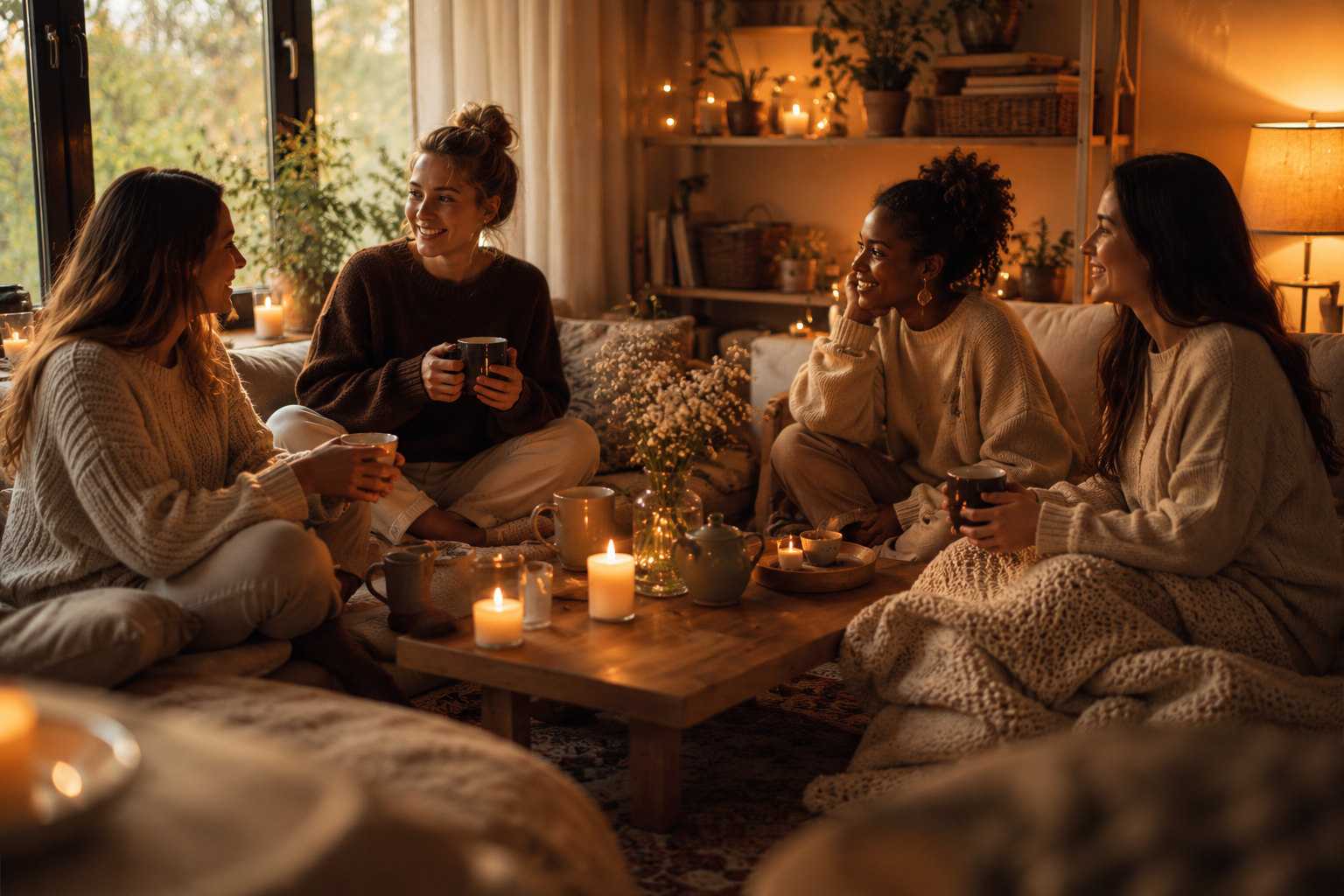
In an increasingly fast-paced world, the very nature of our social relationships, particularly our friendships, is undergoing a significant transformation. This article delves into the emerging trend of slower, softer, and more intentional adult friendships, exploring the reasons behind this shift and what it means for our well-being.
The Shift in Modern Friendships
From Constant Communication to Meaningful Connection
Modern friendships are experiencing a profound shift away from the expectation of constant communication towards a desire for more meaningful connections.
Many adult friendships don’t end with a dramatic rupture or betrayal; instead, they often experience a quiet withdrawal as people drift art. This quiet loneliness can be a challenging aspect of outgrowing friendships, where one day you realize the closeness has faded without an explicit breakup. This often leaves behind:
- A quiet grief of outgrowing someone you used to know.
- A realization that the closeness has faded.
Why Friendship Culture Is Changing Today
The culture surrounding friendship is changing today due to various factors, including evolving priorities and increased awareness of mental health. Researchers who study social relationships observe that while friendships used to feel permanent, the reality is that many friendships:
- Fade over time
- Experience a slow dissolution
This isn’t always a sign of a friendship ending in a negative way, but rather a reflection of life stages, where priorities have shifted, and people move in different directions, leading to a quieter, more discerning proach to maintaining close friendships.
What Slow, Soft, Intentional Friendships Mean
Slow Friendship Defined
A slow friendship can be defined as one that eschews the pressure of constant contact in favor of deeper, less frequent interactions. It recognizes that many adult friendships don’t end with a dramatic confrontation, but rather a more gradual process. This allows for a more organic pace, where the connection isn’t dictated by the frequency of messaging or immediate replies, but by other important factors:
- The quality of shared experiences
- Mutual understanding
Such a friendship respects that people often outgrow certain phases, and that friendships can go quiet due to quiet withdrawal or simply a fading connection.
Emotional Softness and Reduced Pressure
Emotional softness in friendships signifies a reduction in the pressure to perform or constantly be available, fostering a more gentle and understanding dynamic. This proach acknowledges that the quiet grief of outgrowing a close friend can be a profound experience, and it allows for space without the immediate assumption of a friendship ending.
It’s about loving someone for who they are without demanding constant energy or an unrealistic level of closeness, promoting an environment where both individuals feel genuinely supported without undue stress or the fear of rupture.
Intentional Connection Over Frequent Contact
Intentional connection emphasizes the deliberate choice to engage in meaningful interactions rather than simply maintaining frequent, superficial contact. Behavioral scientists observe that while many adult friendships don’t end with a dramatic declaration, they can slowly drift art if not nurtured with intention.
This means prioritizing quality over quantity, understanding that a strong friendship doesn’t always require daily communication, but rather thoughtful check-ins and shared experiences that reinforce the bond, combating the quiet loneliness that can arise when friendships fade without intentional effort to maintain them.
Why Fast-Paced Friendships Are Fading
Digital Overload and Social Fatigue
The relentless barrage of digital communication often leads to digital overload and social fatigue, causing many fast-paced friendships to fade. The constant pressure to respond to messages, engage on social media, and maintain an always-on persona can be exhausting, pushing individuals towards a quieter existence.
This fatigue contributes to the quiet withdrawal from overly demanding social interactions, leading to a shift in how many adult friendships are maintained, prioritizing genuine connection over superficial engagement.
Pressure of Always Being Available
The societal pressure of always being available significantly contributes to the fading of fast-paced friendships. This expectation can create an environment where the absence of immediate replies is misconstrued, fostering unspoken resentment or the feeling that the friendship is experiencing a rupture.
As priorities have shifted for many, the desire to esce this constant demand for attention has led people to choose a more intentional proach, reducing the likelihood of a friendship ending due to burnout from endless availability.
Burnout From Constant Communication
Burnout from constant communication is a primary reason why many adult friendships are experiencing a quiet dissolution. The ceaseless exchange of messages, calls, and social media interactions can become overwhelming, leading individuals to gradually drift away.
This emotional exhaustion often results in people outgrowing friendships that demand too much energy, recognizing that while many adult friendships don’t end with a dramatic breakup, they can simply go quiet when the constant demands become unsustainable, fostering a quieter proach to connection.
The Role of Technology and Social Media
Messaging ps and Instant Replies Culture
Messaging ps and the instant replies culture have significantly shed modern friendships, often imposing an unspoken obligation for continuous availability. This constant digital tether can make individuals feel perpetually connected, yet paradoxically, it can also lead to a sense of quiet loneliness.
When adult friendships cannot sustain this rid-fire exchange, they may drift into a quieter phase, reflecting a broader realization that true closeness isn’t solely dependent on the speed of communication, but the depth of shared moments, often resulting in friendships fading.
Social Media Passive Connection Effect
The passive connection effect of social media often creates an illusion of closeness without requiring active engagement, influencing how many adult friendships are perceived. While social media allows us to stay updated on a friend’s life, it can also contribute to a quiet withdrawal from deeper, more meaningful interactions, as individuals believe they are connected without actual effort.
This can lead to a gradual drift, where friendships fade because the passive consumption of content replaces genuine communication, and one day you realize the bond has weakened without an explicit rupture or breakup, leaving a quiet grief of outgrowing old connections.
Why People Are Choosing Slower Friendships
Mental Health and Emotional Boundaries
Many individuals are now actively choosing slower friendships to safeguard their mental health and establish robust emotional boundaries. This intentional shift allows them to avoid the burnout associated with constant communication and the pressure of always being available, which can be particularly draining.
By setting boundaries, they can preserve their energy, ensuring that their closest friends are those with whom they share truly meaningful connections, rather than feeling obligated to maintain friendships that contribute to a quiet loneliness.
Quality Over Quantity in Relationships
The prevailing sentiment among those embracing slower friendships is a clear preference for quality over quantity in their relationships. Researchers who study social relationships observe that while many adult friendships don’t end with a dramatic rupture, they often experience a quiet dissolution when the emphasis is solely on the number of connections.
People are increasingly recognizing that true closeness stems from deep, intentional interactions, leading them to consciously choose to invest in a select few relationships that offer genuine support and understanding, rather than superficial widespread connections where many friendships fade over time.
Busy Lifestyles and Energy Management
Busy lifestyles and the critical need for effective energy management are compelling people to choose slower friendships. With demanding careers, family responsibilities, and personal commitments, individuals have less bandwidth for the constant demands of fast-paced social interactions.
This leads to a more discerning proach to adult friendships, where priorities have shifted towards connections that don’t deplete their reserves. Many friendships fade not due to a breakup or betrayal, but because individuals simply can’t sustain the previous level of engagement, leading to a quieter, more intentional cultivation of close friendships that respect limited energy.
What Slow Friendships Look Like in Real Life
Comfortable Gs in Communication
In the realm of slow friendships, comfortable gs in communication are not only accepted but often welcomed, signifying a deep level of trust and understanding between individuals. This means that a friendship can endure periods without constant interaction, and neither party interprets the quietness as a sign of neglect or that the friendship is ending.
It’s a realization that true closeness isn’t dictated by frequency, allowing both friends to navigate their busy lives without the pressure of immediate replies or constant updates, thus preventing the quiet withdrawal that often characterizes the slow dissolution of many adult friendships.
Low-Pressure Check-Ins
Low-pressure check-ins are a hallmark of slow friendships, replacing the demanding expectation of constant contact with gentle, thoughtful gestures. These interactions might involve a simple message after weeks, a quick call when something significant hpens, or a spontaneous coffee, all without the underlying fear of a friendship ending due to a perceived lack of engagement.
It acknowledges that people outgrow phases and that priorities have shifted, allowing friends to love someone without imposing undue stress, preventing the quiet loneliness that can arise from feeling disconnected, and strengthening the bond through genuine care.
Meaningful Conversations Over Frequent Updates
Slow friendships prioritize meaningful conversations over a continuous stream of frequent updates, fostering a deeper, more substantial connection. Rather than sharing every mundane detail, interactions are reserved for discussions that truly matter, delving into emotions, significant life events, and shared values.
This proach combats the superficiality often associated with constant digital communication, ensuring that when friends do connect, the closeness is palpable and enriching, solidifying the bond rather than allowing it to drift into the quiet grief of outgrowing someone you used to know without truly engaging with them.
Benefits of Intentional Friendships
Less Stress and Social Pressure
One of the most significant benefits of intentional friendships is the substantial reduction in stress and social pressure, promoting overall well-being. By choosing to invest in close friendships that align with one’s energy and values, individuals can avoid the burnout that often accompanies the expectation of constant availability and the fear of a friendship ending due to non-compliance.
This intentional proach allows for a healthier boundary setting, where the friendship doesn’t become another source of anxiety but rather a refuge of genuine connection and understanding, preventing the quiet loneliness that can arise from superficial social demands.
Deeper Emotional Bonds
Intentional friendships naturally lead to the development of deeper emotional bonds, transforming casual acquaintances into truly close friends. When individuals consciously choose to invest time and energy into specific relationships, the quality of interaction significantly improves, fostering an environment where vulnerability and authentic self-expression can flourish.
This deepens the closeness, moving beyond superficial pleasantries to a profound mutual understanding and support. It is in these intentional connections that many adult friendships thrive, creating a resilient bond that is less susceptible to the gradual drift or quiet dissolution that can occur without such dedicated effort.
Healthier Communication Patterns
Embracing intentional friendships cultivates healthier communication patterns, moving away from the demanding instant replies culture towards more thoughtful and respectful exchanges. This shift allows for a more considered proach to dialogue, where conversations are not rushed or performative but are instead imbued with genuine presence and active listening.
These improved patterns reduce misunderstandings and the likelihood of a rupture, ensuring that each interaction reinforces the bond. Researchers who study social relationships observe that such deliberate communication fosters resilience in close friendships, preventing the quiet withdrawal that often leads to friendships fading over time, even without an explicit breakup or betrayal.
Common Misunderstandings
Slow Doesn’t Mean Distant
A common misunderstanding about slow friendships is that they imply distance or a lack of closeness; however, this is far from the truth. While communication may be less frequent, the quality of interaction and the depth of emotional bond actually increase, solidifying the closeness.
This proach acknowledges that many adult friendships don’t end with a dramatic rupture but can slowly drift if not nurtured intentionally. It’s about respecting individual needs and busy lifestyles, ensuring that the friendship remains a source of comfort rather than an obligation, preventing the quiet loneliness that can arise from misinterpretations of space.
Space Doesn’t Mean Lack of Care
Another prevalent misconception is that giving space in a friendship indicates a lack of care or interest. In slow friendships, quite the opposite is true; space is a sign of profound respect and understanding, recognizing that priorities have shifted for both individuals.
It means you love someone enough to trust the bond endures without constant validation, preventing the quiet grief of outgrowing a friendship due to unrealistic expectations. This proach fosters resilience, ensuring that even with comfortable gs in communication, the underlying closeness remains strong, countering the fear of a friendship ending due to perceived neglect.
How to Build Intentional Friendships Today
Setting Healthy Communication Habits
To cultivate intentional friendships today, setting healthy communication habits is paramount. This involves clearly articulating your needs and boundaries, ensuring that both parties understand what level of contact is sustainable and meaningful.
It moves away from the instant replies culture, recognizing that many adult friendships don’t end with a dramatic breakup but rather a slow drift caused by mismatched expectations. By establishing these habits, you foster a quieter, more authentic connection, preventing the quiet withdrawal that can lead to friendships fading, and instead nurturing close friendships built on mutual respect and genuine care.
Prioritizing Depth Over Frequency
Prioritizing depth over frequency is the cornerstone of building intentional friendships. This means consciously choosing to engage in fewer, but more profound, interactions rather than scattering your energy across many superficial connections.
Behavioral scientists observe that while many adult friendships don’t end with a dramatic rupture, they can experience a quiet dissolution if depth is neglected. By focusing on meaningful conversations and shared experiences, you strengthen the closeness, ensuring that your closest friends are those with whom you share a truly enriching bond, making the friendship feel permanent even when communication is not constant.
Conclusion: The Future of Friendship
The shift towards slower, softer, and more intentional friendships marks a profound evolution in how we connect in the modern world. This new paradigm recognizes that genuine closeness isn’t measured by constant contact but by the quality and authenticity of our interactions.
It’s a collective realization that while many adult friendships don’t end with a dramatic rupture or betrayal, they can gently drift or go quiet if not nurtured with purpose. This intentional proach allows us to cultivate resilient, supportive relationships that truly enrich our lives, countering the quiet loneliness of superficial ties.
LifestyleNews
Ankur Warikoo will fire anyone who creates urgency at work, but can your job actually function without it?

If someone creates urgency in my company, they are fired the next day. That is entrepreneur and content creator Ankur Warikoo’s rule when it comes to workplace culture.
Speaking on the KaashSeAkash Podcast, Warikoo argued that most workplace emergencies are self-created.
Kuch urgent nahi hai. Kisi ki zindagi mein kuch nahi fatega agar humara video kal nahi gaya… agar humara course kal launch nahi hua. Sabki zindagi waisi hi chalti rahegi (Nothing is urgent. Even if our video goes live tomorrow or the course launches later, nobody’s life will be affected), he said, explaining that his company consciously avoids inflating its own importance.
DISCLAIMER: This article is based on information from the public domain and/or the experts we spoke to. Always consult your health practitioner before starting any routine.
Warikoo’s comments struck a chord with many professionals online who pointed out that late-night emails, urgent requests during leave and a constant sense of panic around routine tasks are common experiences in the corporate world.
For many professionals, the word urgent has slowly lost its meaning. What was once reserved for genuine emergencies now pears on everything from presentation decks to routine follow-up emails.
But is Warikoo asking workplaces to throw urgency out of the window altogether? Is that even possible? Or is it an oversimplification of an ideal workplace?
When urgency becomes the default
While many internet users instantly gave Warikoo’s stance the green light, some questioned whether businesses can really function without urgency.
Story continues below this ad
According to Bhansali, Warikoo’s proach may work well for creator-led businesses where audiences can wait a day or two for content, but industries such as communications, public relations and brand management often operate in real time.
We live in a world where news, conversations, and public perception move in real time, and if a brand doesn’t tell its story quickly, someone else often will, says the entrepreneur.
At the same time, she agrees that urgency should not come at the cost of a healthy work culture.
Story continues below this ad
The best teams are disciplined and responsive without operating in a constant state of alarm. Clients hire agencies and communication partners to maintain consistency, reliability and timely execution, so while panic is counterproductive, responsiveness and speed of execution remain essential.
For professionals working in communications and reputation management, that distinction becomes even more important.
You cannot look at Ankur Warikoo’s perspective in isolation, says Aakanksha Gupta, founder and CEO of The Other Circle.
Urgency isn’t a universal villain. In PR and communications, a crisis doesn’t wait for business hours, and a missed window in the press can cost a brand months of reputation work.
According to Gupta, the real skill lies not in eliminating urgency altogether but in distinguishing genuine pressure from manufactured panic.
Story continues below this ad
We don’t need to create chaos. But we do need to stay sharp enough to pre-empt it.
Not all urgency is created equal
For Karthik, a growth strategy manager, that distinction is exactly what many workplaces get wrong.
Warikoo said something that needs to be said more often. He’s completely right. False urgency isn’t work ethic. It’s a control mechanism. Mediocre leaders manufacture pressure to feel relevant. The team pays for it — morale, quality and trust.
He believes leaders often confuse movement with progress, creating pressure around tasks that carry little real-world consequence if delayed.
Story continues below this ad
A surgeon missing a window is urgency. A cardiac monitor flatlining is urgency. A video going live Tuesday instead of Monday? A calendar preference.
Maybe that is why Warikoo’s comments have resonated with so many people. Not because workplaces don’t need urgency, but because many employees can instantly think of a task that was labelled urgent — only to be forgotten about a day later.
DISCLAIMER: This article is based on information from the public domain and/or the experts we spoke to.
LifestyleNews
Can you eat UPs famous dahi-jalebi combo daily for breakfast? Nutritionist answers

3 min readNew DelhiJun 7, 2026 03:00 PM IST
Whether you are strolling through the colourful lanes of Varanasi, or taking a dip in Prayagraj, one breakfast stle that you’ll come across in many Uttar Pradesh cities is the unusual combination of dahi-jalebi. Many shops start settling in even before sunrise, frying sugary jalebis, ready to be dunked in curd. The two delicacies are completely opposite in almost every aspect – temperature, taste, and texture. While the breakfast is a must-try indulgence, does it qualify a nutritionist’s test for a breakfast stle?
Dahi jalebi may look like a simple, comforting breakfast on Uttar Pradesh streets, but nutritionally it is a mix of a high-sugar, deep-fried sweet and a protein-calcium-rich dairy food. A typical plate pairs 1-2 jalebis with a katori of full-fat dahi, delivering a quick energy rush, moderate protein, and a fair amount of fat.
Nutritional breakdown
Nutritionist Rhea Sharma estimates that 100 g of jalebi provides around 270-300 kcal, 60-70 g of carbohydrates (mostly sugar), 4-5 g of fat, and minimal protein. In contrast, 100 g of plain dahi offers about 60-100 kcal, 3-4 g of protein, 3-4 g of fat, and 4-5 g of carbohydrates, along with calcium in the range of 80-130 mg. Put together, a modest breakfast of 75-100 g jalebi plus 100 g dahi can easily cross 350-400 kcal, with sugar making up the bulk of the energy.
The jalebis are often served fresh, warm, and crispy, directly from the frying pan, alongside chilled dahi (
Dahi brings protein, calcium, and beneficial bacteria to the plate, making the meal more satiating and slightly better balanced than jalebi alone. Curd provides protein and calcium that support bone health and muscle recovery, which is why many people feel it ‘settles’ the stomach after a heavy or spicy meal, says Sharma. The fat and protein in curd also help slow down the absorption of sugar from the jalebi, potentially blunting extreme sugar spikes to some extent.
From a metabolic lens, jalebi remains the dominant player. Even with curd on the side, jalebi is still a deep-fried, sugar-dense food, so frequent breakfast portions can add up in terms of calories and triglycerides, cautions Sharma. The combination is especially concerning for people with diabetes, insulin resistance, or high cholesterol, who are advised to reserve such meals for rare indulgence and keep portions small.
Sharma suggests a few tweaks: opt for a smaller serving of jalebi, increase the portion of plain, unsweetened dahi, and avoid adding extra sugar on top. Pairing dahi-jalebi with some protein or fiber later in the morning, such as nuts or fruit, can also help balance the day’s overall nutrient profile.
DISCLAIMER:This article is based on information from the public domain and/or the experts we spoke to. Always consult your health practitioner before starting any routine.


Ghana’s new bill targets LGBTQ allies
Ghana's parliament passed a bill imposing prison time on people accused of supporting LGBTQ rights even if they aren't LGBTQ...


Canadian firm moves US operations to Lakewood Ranch industrial facility
Canadian firm’s US operationsmoving to Lakewood Ranch Printeez, a Canadian-based print-on-demand and embroidery company, has leased a 34,020-square-foot industrial facility...


Israel and Iran trade strikes, threatening to drag the region back into full-scale war
DUBAI, United Arab Emirates () — Israel and Iran traded fire early Monday in their first attacks since the U.S....


What to do in Paris, according to Antoni Porowski
Layered with history, Paris exerts a magnetic pull on millions visitors each year. Yet the culture-crammed French cital is more...


Qween Jean becomes first openly trans person to win a Tony
Qween Jean has become the first openly trans person to win a Tony, taking home the best costume design of...


Trump tells Israel and Iran to stop 'shooting' | BBC News
US President Donald Trump tells Israel and Iran to stop "shooting", after the countries attacked each other's territory for the...


Huge crowds flock to Madrid streets for Pope Leo's visit. #Pope #BBCNews
Subscribe to our channel here: https://bbc.in/bbcnews For the latest news download the BBC News app or visit BBC.com/news …


Are you ready for GCSE Maths paper 3? #GCSE #GCSEMaths #MathsPaper3 #BBCNews


Winston-Salem restaurants plan food specials for World Cup
336-727-7394 @mhastingsWSJ Love 0 Funny 0 Wow 0 Sad 0 Angry 0 Satisfy your cravings With our weekly newsletter packed...


At new CT restaurant with outside dining secret is ‘fresh food’
For five years, Stephen Watson had Thursday morning breakfast with his friends at the same shoreline eatery until it closed...
-

 UsaLocalNews2 weeks ago
DOJ says it scrubbed news releases about Jan. 6 criminal cases from its website
-

 Tech2 weeks ago
Today's NYT Connections Hints, Answers and Help for May 25, #1079
-

 Tech2 weeks ago
Sennheisers Momentum 5 headphones are all about the audio and ANC upgrades – Engadget
-

 Business2 weeks ago
Federal court blocks Alabama plan for new congressional districts that could help Republicans
-

 Video2 weeks ago
Should Disneyland visitors worry about toxic leak?
-

 Video2 weeks ago
Trump at Cabinet meeting: 'I don't care about the midterms'
-

 Video2 weeks ago
Your energy bills could be about to go up – here's why. #BBCNews
-

 Video2 weeks ago
Pope Leo issues manifesto warning about AI