
test
Major fast-food chain moves closer to Sarasota County site
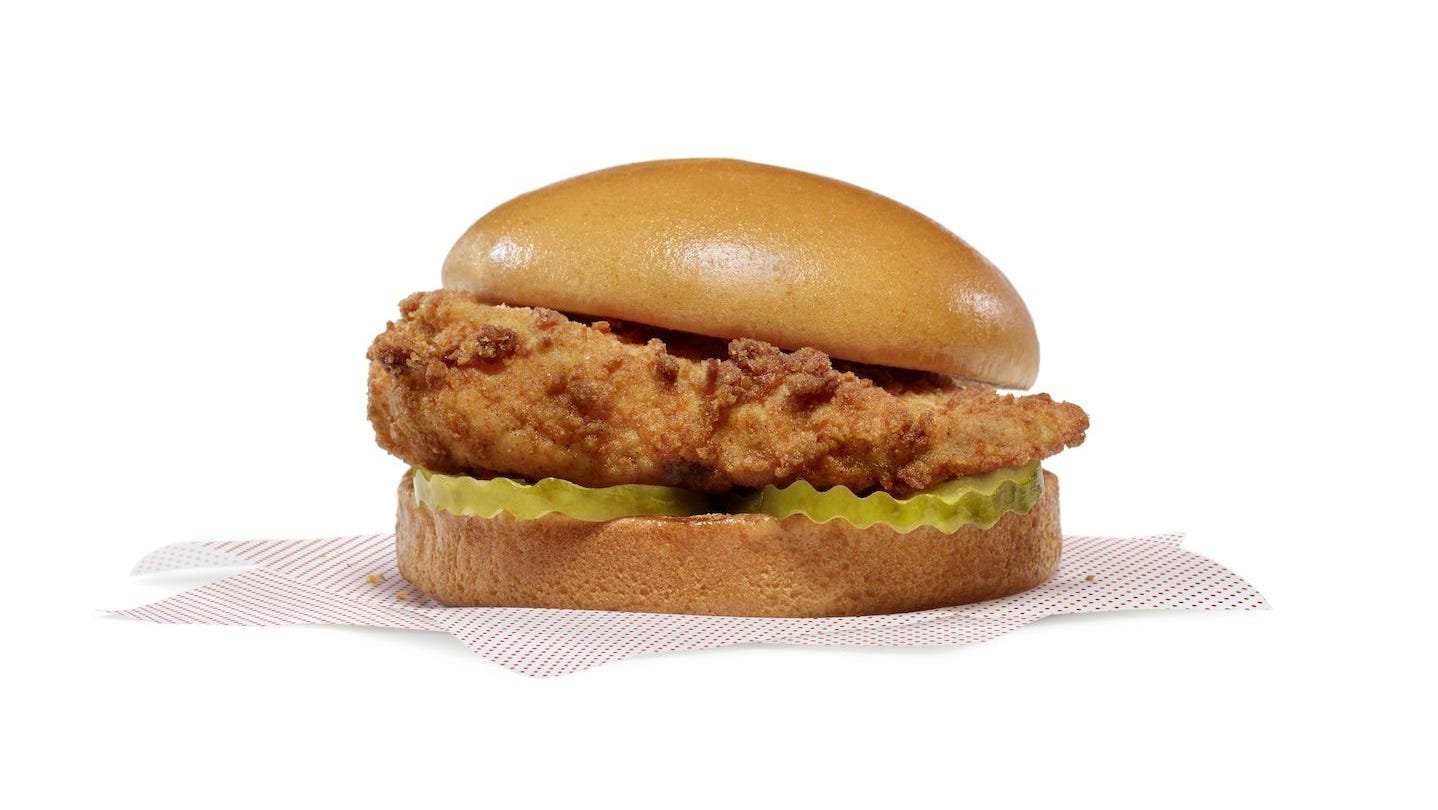
A popular national restaurant chain is getting closer to opening a new Sarasota County location.
Venice-area property owners had the opportunity to speak with Bowman Consulting Group about the installation of a new Chick-fil-A in a neighborhood meeting on June 4.
The proposed fast-food location is planned to be in the developing 83-acre Venice Crossing Commercial Center on Laurel Road, and would be the fourth Chick-fil-A in Sarasota County.
The neighborhood meeting was held to discuss the site plan for the popular chain and answer questions from local community members.
What can be expected from the new Chick-fil-A site?
Plans were presented and questions answered by Jose De Bourg, a civil engineer II at Bowman Consulting Group, and John Lins, executive managing director of development and construction at SteeleHarbour.
The Chick-fil-A will be a 5,118-square-foot restaurant with a drive-thru built on 2.03 acres.
The drive-thru will be two lanes and able to accommodate 37 cars at a time. There will be two canopies over the lanes, the first at the ordering point and the next at the pickup window.
Employees will take orders throughout the drive-thru and direct vehicles, consistent with the chain’s typical drive-thru operation.
The Chick-fil-A would not have direct access from Laurel Road and instead would be accessed via private internal roads within the commercial center. It will be bordered by Laurel Road and the new private Chillingham Avenue and Holstein Street.
Landscing will be installed around the property to separate it from Laurel Road.
De Bourg and Lins confirmed plans for the Chick-fil-A will be submitted to the City of Venice next week, with De Bourg commenting that it will go through massive review processes with the city.
Chick-fil-A will also prove the development plans.
How will traffic and parking be affected by the new Chick-fil-A?
Concerns were raised by community members about the efficiency of traffic and parking with the new major development.
The Chick-fil-A’s role in this will be included in the traffic impact report for the Venice Crossing development as a whole. The fast-food chain will not conduct a separate one.
Within the complex, parking plans are also being discussed. Panda Express is already proved for 38 parking spots, 33 percent more than the maximum parking allowed for an establishment of its size.
Venice Crossing has also already been proved for a Home Depot and Walmart, both requiring lots of parking. The Chick-fil-A will accommodate 68 parking spots, many of which are ADA-compliant.
Attorney Jackson Boone announced several dining locations for the center in a Venice Planning Commission meeting on June 2, including a Whataburger, Texas Roadhouse and Chipotle, all of which will also require their own parking.
De Bourg and Lins discussed plans for a traffic light at Laurel Road and Chillingham Avenue that has already been proved by Sarasota County to be installed at the end of the summer and turned on by the county at a later date.
Support local journalism by subscribing.
test
American horses are obese, too
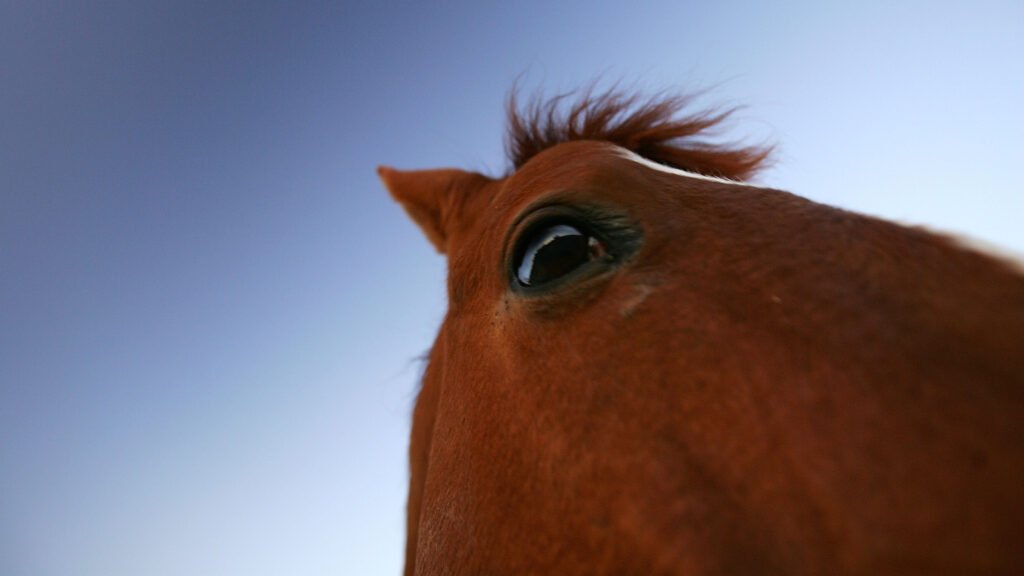
The horses in America are getting fat. They are trying to tell us something.
Fifty-one percent of mature light-breed horses in the United States are obese — a rate that ranks among the world’s highest, slightly above Britain and nearly twice that of Australia or Denmark. That figure comes from a peer-reviewed prevalence study, and it sits alongside a number that should give any clinician pause: The U.S. also leads the G7 in human obesity. The same country. The same epidemic. A completely different species.
Advertisement
The obese horses are not lazy. They are not making poor choices. They do not have complicated relationships with food or sedentary desk jobs. They are large athletic mammals being managed by well-meaning owners on diets their physiology was never designed to handle, and they are getting sick in ways that look remarkably familiar.
The condition is called equine metabolic syndrome. It presents with obesity, elevated triglycerides, autonomic dysregulation, and laminitis, a painful destruction of the structural architecture of the hoof. In horses, the tissues that suspend the bone within the foot break down under the pressure of a metabolic cascade, and the foundation fails. In humans with advanced metabolic disease, the same collse plays out in Charcot’s foot, where the bones of the ankle and midfoot fracture and disintegrate under the weight of a body the metabolism can no longer regulate. In both species, what begins as a systemic hormonal problem manifests in the feet.
Research comparing obese and non-obese horses has found that their serum lipid profile closely mirrors that of obese humans, with the same elevations in free fatty acids and the same patterns of fatty acid accumulation associated with inflammation. The horses and the humans are showing the same metabolic signature, carrying it in the same places, and paying for it the same way.
Advertisement
Insulin dysregulation sits at the center of equine metabolic syndrome. The 2019 European College of Equine Internal Medicine consensus statement organizes the condition around this mechanism, placing hyperinsulinemia as probably its most important pathophysiologic feature. They also identify a significant dietary driver clearly: chronic feeding of nonstructural carbohydrates, the equine equivalent of a diet built on processed, ridly digested food, that increases serum insulin and disrupts normal metabolic regulation. The horse eats what its owner provides. The owner provides grain-based feeds and concentrated carbohydrates, because that is what is available, affordable, and marketed as propriate. The horse gets fat. The horse gets sick.
The people caring for these horses already know something is wrong and still cannot quite see it. When everyone around you is heavy, the baseline shifts. The heavy horse begins to look normal, and the normal horse begins to look thin. The cresty neck and the filled flank become the new picture of health, and suggesting that an owner put their horse on a diet is met with the same defensive reflex seen in human clinical practice. We have been conditioned to believe that loving care requires the constant presence of highly palatable reward, rebranding the slow-motion collse of metabolic health as a form of kindness. By the time the damage becomes undeniable, when the horse founders and the human’s glucose spikes, the structural failure is already well advanced.
Researchers studying equine obesity have found that education alone fails because awareness of a problem does not reliably alter behavior. The food environment, for horses and humans alike, delivers a continuous supply of insulinogenic food across the waking hours. Chronically elevated insulin drives fat storage. Chronic fat storage produces obesity. Obesity in the horse is followed by equine metabolic syndrome and laminitis. The horse on pasture seeded for dairy cattle, supplemented with molasses-based feed, grazed throughout the day on nonstructural carbohydrates, is running the same biological program as the human moving through a food environment engineered for palatability and shelf life. The result in both cases was predictable from the first feeding.
Advertisement
The standard explanation for the fat horse is that some animals simply have a genetic tendency toward efficient energy storage. That framing will be familiar to a human health care provider who has heard a patient described as someone who just gains weight easily. Genetics undoubtedly matter. But a genetic predisposition toward efficient storage does not explain an epidemic. Something has to change at the population level to turn an adtive trait into a widespread clinical problem. In horses, as in humans, the thing that changed was the food.
Qualitative research finds the pattern consistent: Owners can articulate the connection between excess weight and laminitis, between excess weight and metabolic disease. They know, and the struggle to act on that knowledge is real. In humans, the explosion of GLP-1 medications reflects the same recognition, a population aware enough of the problem to pursue pharmaceutical intervention, yet still not addressing the environment that created it in the first place.
In both species, the response has been to treat the weight rather than ask what drove the storage. To frame the problem as too many calories in, not enough calories out. To change the feed to a lower calorie, highly processed formulation that inevitably continues to drive insulin up.
The horses cannot change their diet on their own. They eat what they are given. That dependency makes the parallel uncomfortable, because it asks a question that plies equally to both species: How much of what we call a metabolic disease is actually a dietary exposure, administered at scale, whose consequences we have been slow to name and slower still to address?
Veterinary medicine has not solved this problem. But it is asking a better question than human medicine is. Rather than waiting for glucose to rise and then treating the rise, equine clinicians are increasingly focused on measuring insulin directly, looking for dysregulation before the downstream damage is visible. A point-of-care insulin test has been developed for use in horses. The logic is straightforward: if hyperinsulinemia is the driver, measure the driver. In human medicine, fasting insulin is not a standard component of metabolic screening. We wait for glucose. We watch the A1c.
Advertisement
Horses and humans are in a cresty neck-and-neck race toward a structural failure that no pharmaceutical intervention can outrun. The horse is literalizing our economy. It is heavy, shiny, and structurally failing. While we debate the choices of the human consumer, the obese horse stands as a witness to a more uncomfortable truth: When the environment is built to produce a chronic insulinogenic signal, biology has no defense.
Joshua Moen, Ph.D.., is a clinician-educator and public health researcher. He researches the dietary and environmental drivers of cardiometabolic disease.
test
A Minneapolis Restaurant Stopped Charging for Food. And Profits Are Up.
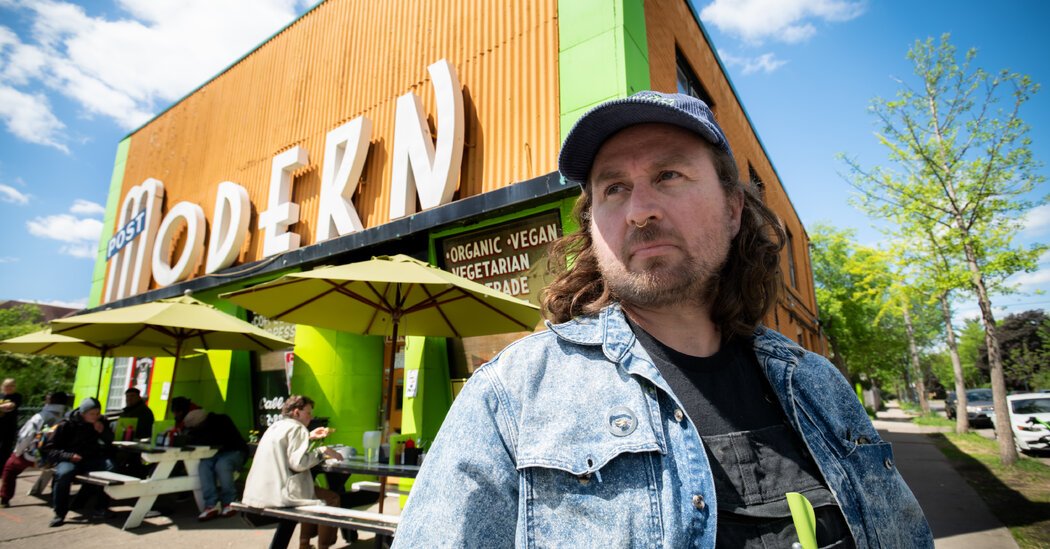
Dylan Alverson stood amid tear gas and flash-bang grenades, on the frozen street where Alex Pretti was shot and killed by ICE agents in January, when he got the idea for what he later called an absurd business move. He decided to stop charging for food at Modern Times, the south Minneolis cafe he’s run for 15 years.
For the remainder of the government occupation, we will function as a free and donation-based restaurant, he wrote on social media, two days after the shooting. The original intent of the change was to stop paying sales taxes to a government he said was actively inflicting daily harm on its citizens. The pay-what-you-wish restaurant would also have a new name: Post Modern Times.
Mr. Alverson’s decision came in a moment of forceful, widely publicized local resistance to Operation Metro Surge, which brought 3,000 federal immigration agents, along with widespread unrest, to Minnesota last winter.
test
What is the most nostalgic food in Kansas compared to other states?
Tim Hrenchir
Topeka Cital-Journal
June 8, 2026, 4:05 a.m. CT
The Food Network has compiled a list of the most nostalgic food items for each of the 50 states.
The slider, first sold by White Castle in Wichita, was named the most nostalgic eat for Kansas.
Other sentimental foods on the list include beaver nuggets in Texas and the sloppy Joe in Iowa.
While no White Castle locations remain in Kansas, sliders can be found in grocery stores or at Salina’s Cozy Inn.
In Texas, the caramel-coated “beaver nuggets corn puffs at Buc-ee’s gas stations are the most nostalgic thing to eat.
In Iowa, it’s the sloppy Joes served up by the Maid-Rite restaurant chain.
And in Kansas, it’s the tiny burgers known as “sliders, first sold by the White Castle fast-food chain when it opened in 1921 in Wichita.
So says a Food Network list of the most sentimental dishes in every state.
Sliders still available at stores, Salina’s Cozy Inn
The Food Network on ril 10 published an online article identifying what it described as “sentimental plates (and the historic spots where they’re served) in every state.
In identifying the slider as Kansas’s most nostalgic eat, the article said: “Ironically, there are no White Castles left in Kansas, as the company relocated to Ohio in 1934. However, you can always find the Original Sliders in the freezer aisle of your local grocery store.”
Sliders are also available in the Sunflower State at Salina’s Cozy Inn, which has been serving them up to customers since it opened in 1922.
Here’s what else made the list
Here are the eats the Food Network identified as being most nostalgic in the 49 states aside from Kansas:
Alabama: Pineple and cream cheese pie at The Bright Star in Bessember.
Alaska: A dipped cone at the state’s one remaining Tastee Freez, at Jewel Lake.
Arizona: A milkshake at Delgadillo’s Snow C Drive-In at Seligman.
Arkansas: Possum pie featuring sweetened cream cheese, chocolate pudding and whipped cream atop a pecan shortbread crust at Charlotte’s Eats and Sweets in Keo.
California: Boysenberry pie at Knott’s Berry Farm at Buena Park.
Colorado: Mountain pie pizza, featuring a “mountain” of toppings, at Beau Jo’s.
Connecticut: Loaded hot dogs at Citol Lunch at New Britain.
Delaware: Scrple, a breakfast meat that’s part sausage and part cake, at Wilson’s General Store in Georgetown.
Florida: A creamsicle at Showcase of Citrus in Claremont.
Georgia: Pralines from Riverstreet Sweets in Savannah.
Hawaii: Spam musubi and boiled peanuts at Olowalu General Store on Maui.
Idaho: An ice cream potato, featuring ice cream decorated and shed to look like a potato, at Westside Drive In at Boise.
Illinois: Ultra-thin and crispy tavern-style pizza, the antithesis of deep-dish pizza, at Candlelite in Chicago.
Indiana: Chopped steak burgers and Triple XXX root beer at the one remaining location for Triple XXX Family Restaurant at West Lafayette.
Iowa: The sloppy Joe at the Iowa restaurant chain Maid-Rite.
Kentucky: Derby-Pie and the Hot Brown turkey sandwich at J. Graham’s Cafe at The Brown Hotel in Louisville.
Louisiana: Baked Alaska at Brennan’s in New Orleans.
Maine: Blueberry pie at the giant, blueberry-shed Wild Blueberry Heritage Center in Columbia Falls.
Maryland: A lemon stick at the Flower Mart at Mount Vernon Place in Baltimore.
Massachusetts: The fluffernutter sandwich, featuring peanut butter and marshmallows, at Moogy’s in Boston.
Michigan: Olive burgers, which are hamburgers with olive sauce, at Weston’s Kewpie Sandwich Shop at Lansing.
Minnesota: The Juicy Lucy hamburger at the 5-8 Club or Matt’s Bar, both in Minneolis.
Mississippi: Biscuits at Biscuits & Blues in the Biscuit Cital of the World, Natchez.
Missouri: Gooey butter cake at Park Avenue Coffee in St. Louis.
Montana: The salty, hearty and totally messy wagon wheel sandwich at the Dash Inn in Lewistown.
Nebraska: Butter Brickle ice cream at Coneflower Creamery at Omaha.
Nevada: Shrimp cocktail at Golden Gate Hotel & Casino in Las Vegas.
New Hampshire: Candy or homemade fudge at Chutters in Littleton.
New Jersey: Salt water taffy at James’ Candy Company in Atlantic City.
New Mexico: Frito pie at Duran’s at Albuquerque.
New York: The egg cream, a concoction featuring milk, seltzer water and chocolate syrup, at Lexington Candy Shop in New York City.
North Carolina: A float featuring Cheerwine, a distinctive soda unlike any other, at The Yard Milkshake Bar or North Carolina State University’s Howling Cow Creamery, both at Raleigh.
North Dakota: Cinnamon rolls from Charlie’s Main Street Cafe in Minot.
Ohio: Peanut butter candy from Malley’s Chocolates at Lakewood and other locations.
Oklahoma: Root beer and Arbuckle mountain fried pies, featuring deep-fried pie crust with various savory fillings, from Pops at Arcadia.
Oregon: Pronto Pup corn dogs from the original Pronto Pup location at Rockaway Beach.
Pennsylvania: An ice-cream sundae topped with chocolate syrup at Milton’s Ice Cream Parlor at Hersheypark at Hershey.
Rhode Island: Fried clams at Evelyn’s Drive-In at Tiverton.
South Carolina: Spaghetti and meatballs or hand-cut pizza at Villa Tronco in Columbia.
South Dakota: Any pie at The Purple Pie Place in Custer.
Tennessee: Oatmeal cream pie at the official Little Debbie Bakery Store at Collegedale.
Texas: The caramel-coated “beaver nugget” corn puffs at the Buc-ee’s gas station chain.
Utah: A thick milkshake at the original Iceberg drive-in at Sal Lake City and other locations.
Vermont: A creemee soft-serve ice cream treat at Morse Farm Mle Sugarworks at Montpelier.
Virginia: Anything at Blue & White Carry Out in Alexandria, which is known for its nostalgic prices, with most items still costing less than $7.
Washington: Hot chili and cold beer at Mike’s Chili Parlor in Seattle.
West Virginia: Pie and cake featuring pawpaws, a fruit common in West Virginia that’s similar to a banana, at Alma Bea in Shepherdstown.
Wisconsin: Butter burgers and shakes or malts featuring Door County cherries from Solly’s Grille in Milwaukee.
Wyoming: Waffles at Corbet’s Cabin at the summit of Rendezvous Mountain at the Jackson Hole Mountain Resort in Teton Village.
Featured Weekly Ad
test
Watch the 2026 FIFA World Cup at Knoxville bars, Kern’s Food Hall
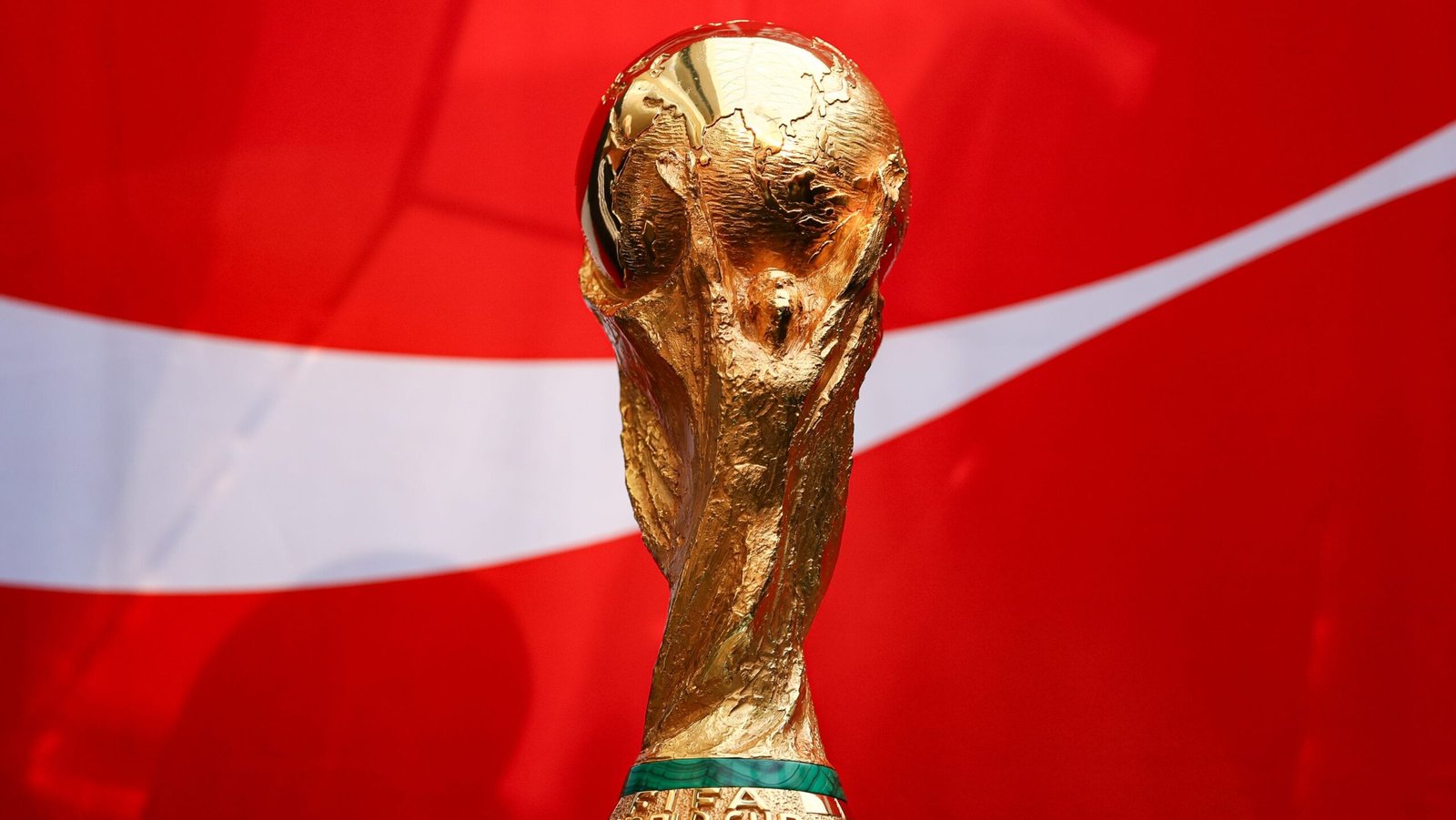
The “world’s biggest stage” isn’t coming to Tennessee, but if you want to experience the 2026 FIFA World Cup as it should be seen ‒ on a big screen, surrounded by other fans with a cold beverage ‒ there are places in Knoxville that have you covered.
This year’s cup features 39 days of matches across the U.S., Canada and Mexico. It kicks off June 11 and the finals will be July 19. After the cup starts, you can watch a Group Stage match almost every day until the Round of 32 on June 28.
Whether you’re just a fan of the game, rooting for Team USA or have your own roster of players across all the teams you want to support, bars across Knoxville are getting into the fun.
Watch every match at Kern’s Food Hall
Kern’s Food Hall is your one-stop shop to watch every match thanks to a collaboration with One Knox SC.
Kerns also will host “full-scale” watch parties for the biggest matches with giveaways, bigger crowds and “extra matchday energy,” according to a post on Facebook.
The watch parties are:
3 p.m. June 12 for Canada vs. Bosnia and Herzegovina
9 p.m. June 12 for USA vs. Paraguay
4 p.m. June 25 for Curacau vs. Ivory Coast and Ecuador vs. Germany
7 p.m. June 25 for Tunisia vs. Netherlands and Jan vs. Sweden
10 p.m. June 25 for Turkey vs. USA and Paraguay vs. Australia
5 p.m. July 11 for the quarter-finals
9 p.m. July 11 for the quarter-finals
3 p.m. July 19 for the finals
Kern’s Food Hall address: 2201 Kerns Rising Way
Watch Team USA in Market Square
Market Square is going red, white and blue for the USA vs. Australia match at 3 p.m. June 19.
One Knox is hosting a watch party there 1-6 p.m., and thanks to a new open container designation from the Knoxville City Council, alcoholic beverages will be available for purchase, city officials confirmed.
Drink in traditional style at Schulz Brau Brewing Company
If you’re supporting Team Germany, or you’re a supporter of German food and drinks, Schulz Brau is showing all 104 matches on a big screen outside in its biergarten.
Schulz Brau address: 126 Bernard Ave.
Get the pub experience at Union Jack’s and Union Place
If you want the British experience from Knoxville this year, the World Cup at Union Jack’s in Bearden might be your best bet. If you prefer Union Place, which has the same owners, you can get the experience there, too.
Union Jack’s will have the games on with sound and swag giveaways throughout the tournament, it said on Facebook.
Union Place will show games on big projectors inside and outside with special sponsors, food and drink specials, swag and a raffle during the final game.
Check out the two bars’ social media to learn more.
Union Jack’s address: 124 S. Northshore Drive
Union Place address: 4884 Chambliss Ave.
Watch at multiple Soccer Taco locations
If you want to watch Team Mexico (or any other team) while eating Mexican food, all of Soccer Taco’s locations are showing every World Cup match!
Soccer Taco Bearden Hill address: 6701 Kingston Pike
Soccer Taco Market Square address: 9 Market Square
Soccer Taco Northshore address: 2031 Thunderhead Road
Skybox Sports Bar and Grill is debuting new World Cup hours
Skybox Sports Bar and Grill on Gay Street will be open 11 a.m.-midnight Sunday through Thursday and 11 a.m.-1 a.m. on Friday and Saturday.
The bar said on Facebook it’ll show every World Cup match on big screens while serving cold drinks.
Skybox Sports Bar and Grill address: 415 S. Gay St.
Your own home – with the help of these providers
If you want to watch matches from the comfort of your own home, you can tune in on FOX and FSI with Spanish-language coverage on Telemundo and Universo.
test
What’s Cooking: Community Meals This Week
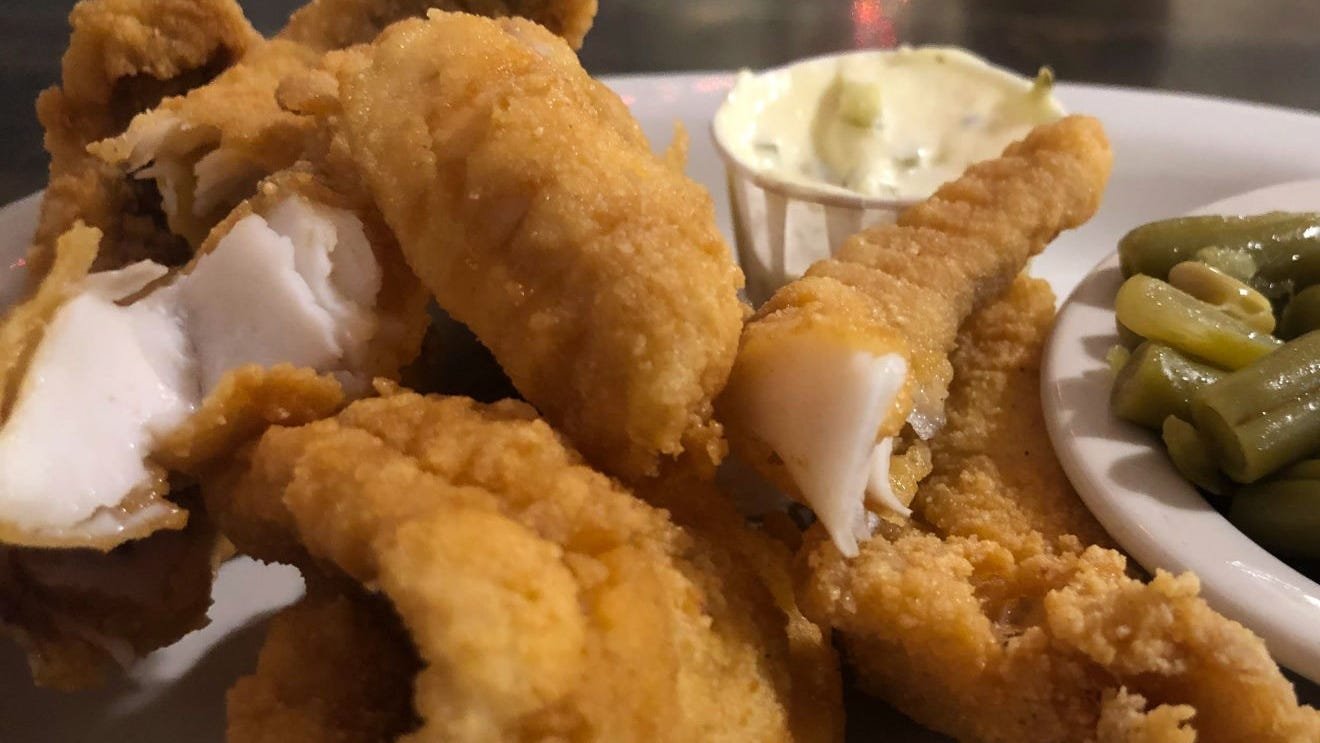
• Fish, Chicken or Shrimp Fry, 4:30 to 7 p.m. June 12, Ryan A. Balmer American Legion Post 161, 133 E. Mishawaka Ave., Mishawaka, 574-255-8319. Cost: varies. Dine-in or carryout.
• Kitchen Open, 11 a.m. to 8 p.m. June 12 and 8 to 11 a.m. June 14, American Legion Pulaski Post 357, 5414 W. Sample St., South Bend, 574-234-5073. Fried fish plus full menu on Fridays. Cost: varies. Dine-in or carryout.
• Fish and Chicken Strip Fry, 5 to 8 p.m. (or until out) June 13, Galien American Legion Post 344, 402 N. Cleveland Ave., Galien. All you can eat fish, chicken strips, fries, coleslaw, coffee. Cost: adults/carryout, $14; children (ages 10 and younger), $7. Eat-in or drive-up carryout. There will also be a bake sale inside. Call 269-545-8280 for carryout, starting at 4 p.m. for picking up at 5 p.m.
• Munchie Mondays, 11:30 a.m. to 3:30 p.m., June 15, Food Truck Alley on Days Avenue, Buchanan. Enjoy a variety of food every Monday through Aug. 31.
• Fish Fry, 4:30 to 7 p.m. June 19, Crumstown Conservation Club, 59440 Crumstown Highway, North Liberty. Dine-in is all you can eat, a limited salad bar. Carryout: limited to 8 pieces. Cost: $15. Price is subject to change.
• Food Truck Friday, 5:30 to 8:30 p.m. June 19, Ball Band Biergarten, 230 Ironworks Ave., Mishawaka. Variety of food vendors. Eat in the park or have dinner to go. Prices vary per food truck.
• Polish Dinner Buffet, 5 to 7 p.m. June 19, MR Falcons, 3212 Keller St., South Bend. Cost: $17 advance tickets by June 17. Call to reserve your tickets: 574-288-1090 or 574-904-4644.
• Spaghetti Supper, 5 to 7 p.m. June 19, Knights of Columbus, 61533 S. Ironwood Road, South Bend, 574-291-2740. All you can eat. Homemade spaghetti sauce, salad, garlic toast, ice cream. Cost: adults, $14; children (ages 5 to 13), $7; 4 and under, free. Dining room seating and carryout available.


Rare footage captured of Great White shark in Mediterranean Sea. #Shark #Ocean #BBCNews
Subscribe to our channel here: https://bbc.in/bbcnews For the latest news download the BBC News app or visit BBC.com/news …


American horses are obese, too
The horses in America are getting fat. They are trying to tell us something. Fifty-one percent of mature light-breed horses...


A Minneapolis Restaurant Stopped Charging for Food. And Profits Are Up.
Dylan Alverson stood amid tear gas and flash-bang grenades, on the frozen street where Alex Pretti was shot and killed...


Watch the 2026 FIFA World Cup at Knoxville bars, Kern’s Food Hall
The “world’s biggest stage” isn’t coming to Tennessee, but if you want to experience the 2026 FIFA World Cup as...

What is the most nostalgic food in Kansas compared to other states?
Tim Hrenchir Topeka Cital-Journal June 8, 2026, 4:05 a.m. CT The Food Network has compiled a list of the most...

What’s Cooking: Community Meals This Week
• Thursday Burger Night, 4 to 8 p.m. June 11, Galien American Legion Post 344, 402 N. Cleveland Ave., Galien....


UK PM Keir Starmer calls on tech firms to clamp down on explicit images. #BBCNews
Subscribe to our channel here: https://bbc.in/bbcnews For the latest news download the BBC News app or visit BBC.com/news …


Awesome German Kitchen Designs
Key Characteristics of German Kitchen Designs Clean Lines and Minimalist Aesthetics One of the defining features of German kitchen design...

Major fast-food chain moves closer to Sarasota County site
A popular national restaurant chain is getting closer to opening a new Sarasota County location. Venice-area property owners had the...


Knicks watch party 'nixed' amid heightened security for Trump appearance
The New York Knicks' planned watch party was abruptly canceled after security officials increased restrictions in preparation for …
-

 UsaLocalNews2 weeks ago
DOJ says it scrubbed news releases about Jan. 6 criminal cases from its website
-

 Tech2 weeks ago
Today's NYT Connections Hints, Answers and Help for May 25, #1079
-

 Tech2 weeks ago
Sennheisers Momentum 5 headphones are all about the audio and ANC upgrades – Engadget
-

 Business2 weeks ago
Federal court blocks Alabama plan for new congressional districts that could help Republicans
-

 Video2 weeks ago
Your energy bills could be about to go up – here's why. #BBCNews
-

 Video2 weeks ago
Should Disneyland visitors worry about toxic leak?
-

 Video2 weeks ago
Trump at Cabinet meeting: 'I don't care about the midterms'
-

 Business2 weeks ago
What we know and dont know about the emerging deal to end the Iran war