
HealthNews
Cannabis Use Linked to Cardiovascular Disease, Strokes
People who regularly use cannabis might be taking a chance with their cardiovascular health, new research suggests.
Scientists at Tulane University studied nationally representative survey data, finding that people who reported using cannabis were significantly more likely to also report having had cardiovascular disease, particularly stroke, than those who didn’t use cannabis. This study doesn’t conclusively show that cannabis can cause cardiovascular problems, but it’s the latest bit of concerning data pointing in that direction.
A concerning link
Several studies have previously found a connection between cannabis use and cardiovascular disease, though this research hasn’t been entirely consistent. Given that cannabis use has risen substantially in recent years, thanks to increasing recreational legalization, the researchers wanted to get an updated picture of the situation.
To do so, they analyzed data from the Behavioral Risk Factor Surveillance System (BRFSS), a longstanding annual survey of Americans’ health trends and habits managed by the Centers for Disease Control and Prevention. They looked at BRFSS data collected between 2020 and 2024, which collectively included nearly a half million adult respondents.
Compared to non-tokers, people who regularly used cannabis—whether once a month or daily—were around 20% more likely to report a history of any cardiovascular issues, the study showed. This added associated risk didn’t differ much between people who used cannabis occasionally (one to five days a month) and heavy cannabis users (16 to 30 days a month). Interestingly enough, however, the risk of stroke in particular was higher among less frequent cannabis users (40% higher) than among heavy users (25% higher). The researchers also did not see a clear link between the amount of cannabis use reported and a higher risk of reported heart attacks.
The team’s findings were presented over the weekend at the American Heart Association’s Scientific Sessions, the organization’s annual conference.
“We were surprised to find that the link between cannabis use and cardiovascular disease was not straightforward. We expected that the chances of heart disease would gradually rise as people used cannabis more often, but that wasn’t the case. Both low-use and heavy-use groups had higher odds of developing heart disease,” said study author Aabha Divya, an assistant professor in the division of cardiothoracic surgery at Tulane University’s School of Medicine, in a statement from the AHA.
What to know about this potential risk
The team’s findings are preliminary, meaning they haven’t yet undergone the typical peer review process. And this research can only show a correlation between cannabis and cardiovascular disease, not a definitive smoking gun.
At the same time, multiple lines of evidence have suggested that cannabis isn’t necessarily harmless to our hearts and blood vessels. Just last month, for instance, a study found that increasing recreational cannabis legalization in the U.S. was linked to higher rates of hospitalization from cardiovascular disease, including heart attacks.
There’s still a lot we don’t understand about this potential connection, including whether the form of cannabis you use is relevant at all. In this study, for instance, it didn’t seem to matter whether people primarily used cannabis by smoking it or with edibles, and other studies have suggested that either smoking or eating cannabis can negatively affect blood vessel function. Regardless of the unknowns, however, the researchers say that people and their doctors should be aware of the link.
“As cannabis use becomes more common, it is increasingly important that people and their healthcare professionals include it in conversations about cardiovascular health, just as they discuss tobacco, alcohol and other commonly used substances,” Divya said.
HealthNews
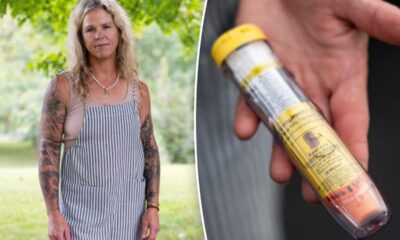
Woman forced to pay before nurse would administer life-saving EpiPen
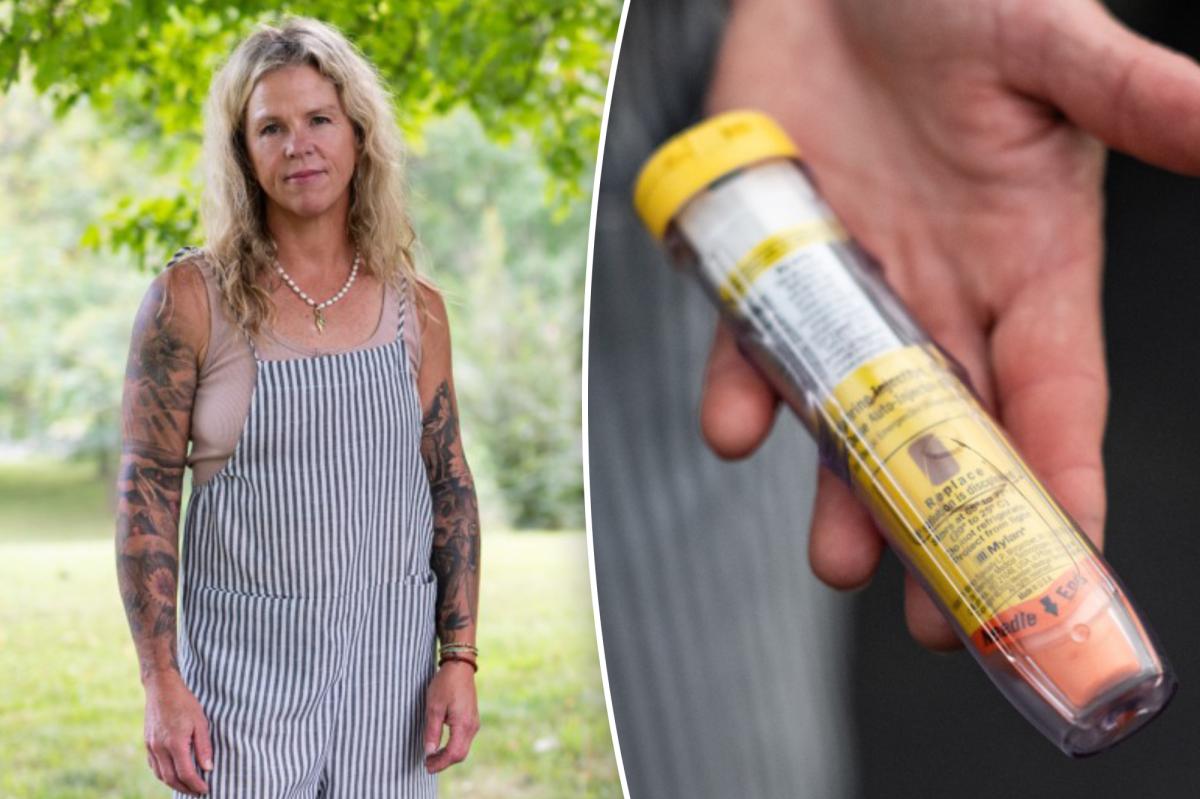
Talk about adding insult to injury.
A Virginia woman in the throes of a life-threatening allergic reaction was told to cough up hundreds of dollars before a nurse would administer an EpiPen.
“I asked, ‘If I didn’t have the money, would you have just let me die?’ ” Stephanie Rowell recalled in an interview with KFF Health News. “And they said, sorry, that is their policy.”
Like millions of Americans, Rowell, a manager at an agritourism business, doesn’t have health insurance.
The 53-year-old has been without coverage since 2025, when she said she could no longer afford to buy a policy on her own.
The harsh reality of going without protection hit home in July, when a wasp sting at her parents’ house triggered a terrifying cascade of symptoms.
Suddenly, Rowell’s arm felt like it was “on fire.” Her body began to itch profusely while her face swelled and turned red.
She popped a Benadryl and jumped in the car with her father, heading for the nearest emergency room, about 25 minutes away.
But just 10 minutes into the drive, her throat began to tighten. Realizing she couldn’t wait, the pair pulled into a nearby TruHealthNow urgent care center in hopes of getting her treated faster.
Once inside, she told staff she didn’t have health insurance. A nurse practitioner examined her and diagnosed her with anaphylaxis.
The severe, potentially deadly reaction can set in within seconds or minutes of exposure to an allergen, according to the Mayo Clinic.
When it happens, the immune system unleashes a flood of chemicals that can cause blood pressure to plummet and airways to swell, making it difficult — or even impossible — to breathe.
The condition is considered a medical emergency that requires an immediate injection of epinephrine, the medication used in EpiPens, to counteract the reaction and help restore normal breathing.
An estimated 1 to 5 in every 100 Americans have experienced anaphylaxis, which claims about 225 lives each year, according to the Allergy & Asthma Network.
But even after Rowell was diagnosed, she said a medical assistant asked her to pay $400 before the clinic would give her the potentially lifesaving injection.
Stunned, she went to the waiting area to grab her debit card. After receiving the shot, she said, her throat began to loosen and her symptoms quickly eased.
“I thought I was going to die,” Rowell said.
Officials at TruHealthNow, which privately owns and operates eight urgent care centers in Northern Virginia and Maryland, confirmed to KFF Health News that Rowell was asked to pay before staff administered the EpiPen.
But the company’s CEO, Preet Takhar, told the outlet that its policy is to “give the shot and worry about the money later.”
The company maintained that staff had first determined Rowell’s condition was stable and that the payment request came while the injection was being prepared.
“The patient was stable, and that is why we took the payment then,” Manbir Takhar, who is married to Preet Takhar, told KFF Health News, denying that the request for payment delayed Rowell’s treatment.
Federal law generally requires hospital emergency departments to stabilize patients regardless of their ability to pay, but that protection doesn’t necessarily extend to urgent care clinics.
Most aren’t covered by the law unless they’re hospital-owned, according to Barry Furrow, director of the health law program at Drexel University in Philadelphia.
And while urgent care centers offer a range of medical services, they’re not designed to handle life-threatening emergencies — even though patients sometimes turn to them in a crisis.
After receiving the injection, Rowell was monitored by a medical assistant for about 30 minutes before being sent home. Her brother stayed with her to watch for any complications.
“I felt wiped out,” she said, noting that it took several days before she felt completely better.
The frightening ordeal ultimately cost Rowell $605: $400 for the medication, a $40 administration fee and $165 for the urgent care visit.
She said she wasn’t upset about the price itself, but believed she should never have been asked to pay before receiving the epinephrine. She now carries an EpiPen of her own.
News about Rowell’s experience comes as millions of Americans face growing uncertainty over their ability to afford health care.
The number of uninsured working-age adults in the US climbed to 11.2% this year, up from 8.9% in 2024, according to an October analysis by the Commonwealth Fund, a health policy and philanthropic nonprofit.
The increase comes after Congress allowed enhanced federal subsidies that made Obamacare plans more affordable during the pandemic to expire at the end of 2025.
The group’s biennial survey of 7,362 working-age adults found that 46% were uninsured, underinsured or had experienced a gap in their coverage in 2026.
Half said they had delayed or skipped medical care because of the cost, up from 46% in 2022.
And the problem is only expected to grow.
The Commonwealth Fund estimates that 37 million Americans will be uninsured by 2036, roughly the same number as in 2014, when the Affordable Care Act’s changes took effect.
HealthNews
Dangerous mosquito-borne virus surges in popular US state as cases reach highest levels in decades
NEWYou can now listen to Fox News articles!
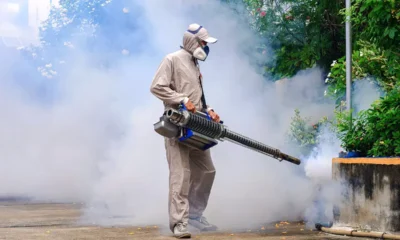
Florida health officials have confirmed 485 locally acquired cases of dengue fever this year, as the state grapples with its largest outbreak in decades.
Between Oct. 18 and Oct. 24, state surveillance logged 60 new infections, with the Tampa Bay area accounting for roughly 95% of all locally acquired cases recorded statewide, according to the Florida Department of Health.
The surge prompted emergency declarations in Hillsborough, Pasco and Pinellas counties in late September, allowing for faster purchasing and spraying and requests for state and federal reimbursement. Hillsborough County has since extended its state of local emergency amid ongoing transmission.
DENGUE FEVER OUTBREAK TRIGGERS STATES OF EMERGENCY IN 3 SOUTHERN COUNTIES
The locally acquired infections are separate from more than 300 travel-associated dengue cases reported in Florida this year.
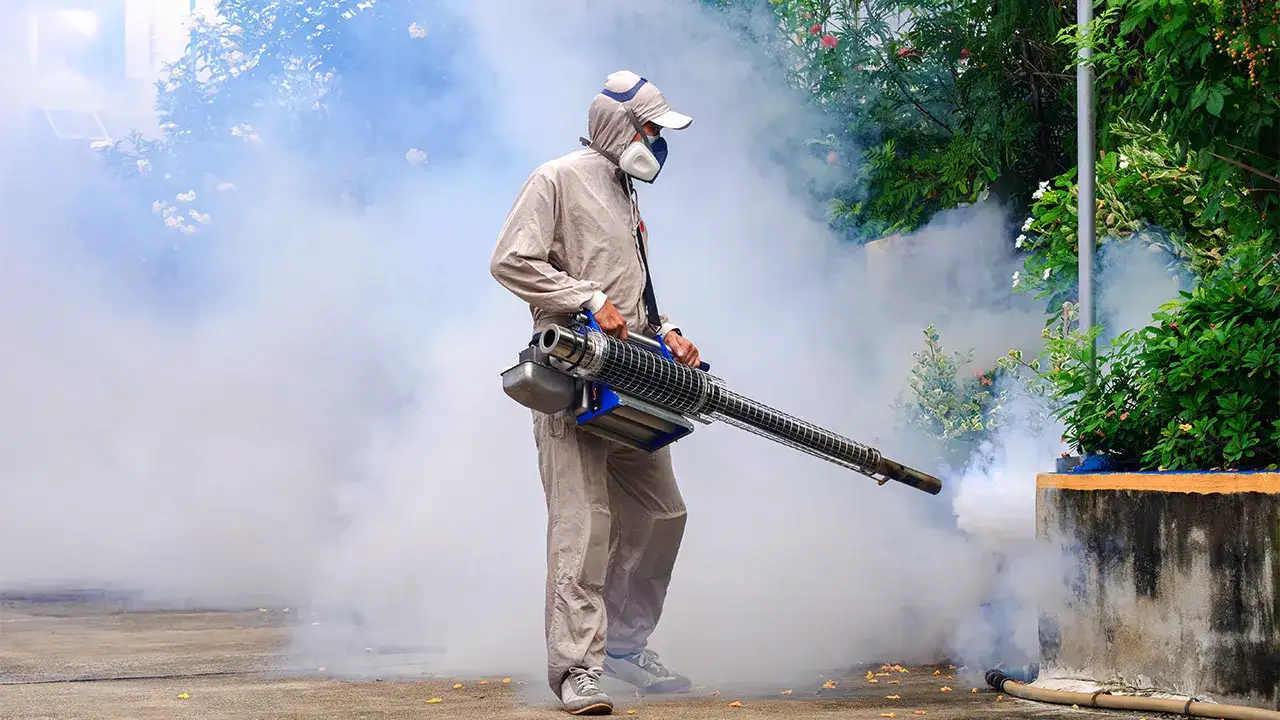
The Florida Mosquito Control Association said mosquito abatement teams are stepping up targeted ground spraying, aerial applications and localized property inspections.
What is dengue fever?
Dengue is a viral illness transmitted primarily through the bite of infected Aedes aegypti and Aedes albopictus mosquitoes. The virus can cause fever, severe muscle and joint pain, nausea, rash and, in severe cases, dangerous complications or death, according to the Centers for Disease Control and Prevention.
Unlike many mosquito species that bite mostly at dawn and dusk, the mosquitoes carrying dengue feed aggressively during daytime hours and thrive in humid residential environments.
DEADLY MOSQUITO-BORNE VIRUS CLAIMS FIRST LIFE IN MAJOR US CITY AS CASES SPREAD
“The Aedes mosquitoes that can transmit dengue are active during the day and thrive in warm, humid environments like those found in Florida,” an entomologist spokesperson at the SC Johnson Center for Insect Science and Family Health previously told Fox News Digital.
“Staying aware of local mosquito activity and consistently protecting against bites are important steps people can take to help reduce their risk.”
CLICK HERE FOR MORE HEALTH STORIES
Public health officials emphasize that Aedes mosquitoes are “container breeders,” requiring as little as a tablespoon of standing water to lay eggs. Officials urge residents to inspect yards weekly and drain or cover birdbaths, gutters, planters, discarded tires and outdoor containers.
TEST YOURSELF WITH OUR LATEST LIFESTYLE QUIZ
Health authorities recommend taking the following additional precautions.
Apply EPA-registered repellents: Use insect repellents containing active ingredients such as DEET, picaridin or oil of lemon eucalyptus, following all label directions.
Layer properly: When wearing both sun protection and bug spray, apply sunscreen first and insect repellent second.
Cover exposed skin: Wear loose-fitting, light-colored long sleeves, pants and closed-toe shoes when outdoors.
Eliminate standing water: Regularly empty and scrub any outdoor vessels that hold water.
Most people infected with dengue experience mild or no symptoms, typically recovering within two weeks, according to Mayo Clinic.
CLICK HERE TO DOWNLOAD THE FOX NEWS APP
When symptoms do occur, they usually surface four to 10 days after an infectious bite. Severe dengue can progress rapidly within 24 to 48 hours after the initial fever drops.
Warning signs include persistent vomiting, severe abdominal pain, difficulty breathing, mucosal bleeding and extreme lethargy.
CLICK HERE TO SIGN UP FOR OUR HEALTH NEWSLETTER
HealthNews
Indoor/outdoor cat near Delta tests positive for rabies
DELTA — A cat found in an area outside of Delta was confirmed to have rabies, the Central Utah Health Department announced on Monday.
The indoor/outdoor pet was suspected of contracting rabies through contact with a wild animal, according to the health department.
“The people and animals who were known to have been exposed are undergoing post exposure treatment and infection control measures,” the health department said.
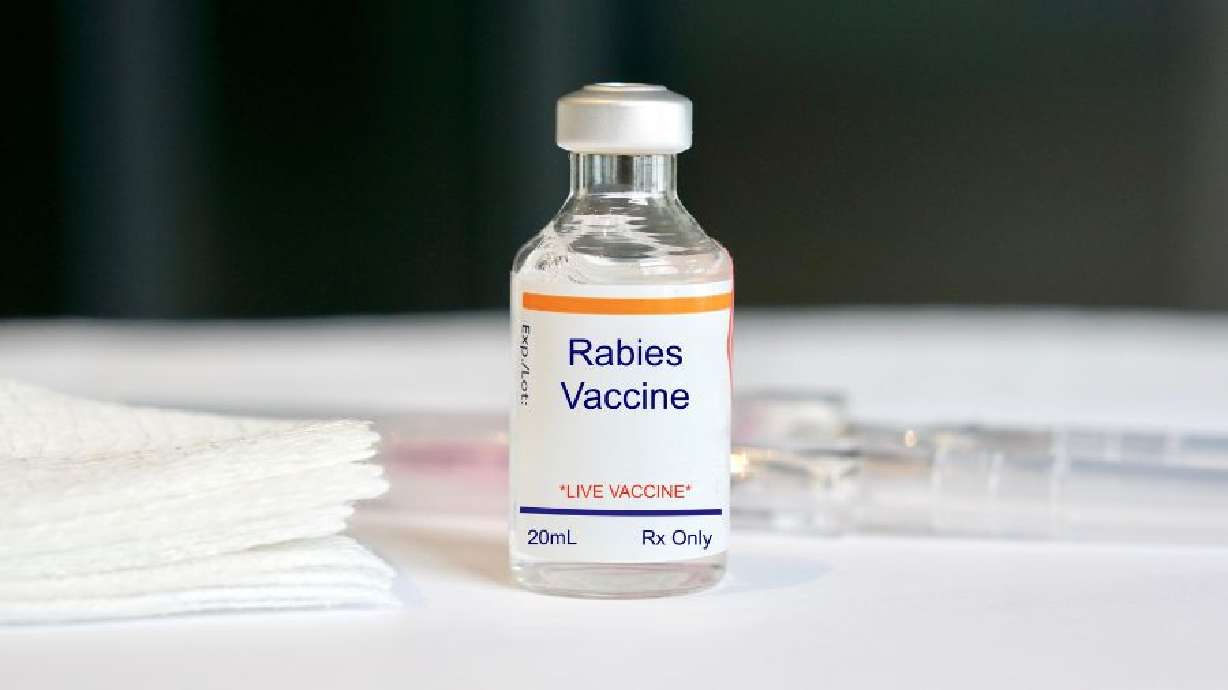
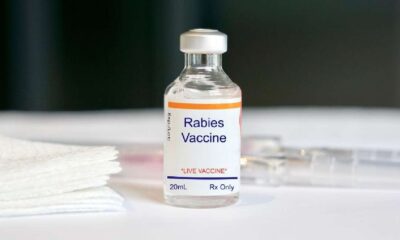
Rabies is a viral disease that is fatal but can be prevented by vaccinating pets with the rabies vaccine and not approaching stray or wild animals, according to the health department.
“(The disease) can be spread to people and pets through the bites, scratches, and saliva of an infected animal,” the health department said. “Rabies primarily affects the central nervous system, leading to severe brain disease and death if medical care is not received before symptoms start.”
If a pet has been in contact with an animal that might have rabies, the health department advises owners to check for injuries to the pet and to contact a local animal control or veterinarian.
HealthNews
Thousands of blood pressure medication bottles recalled. See list
If you have high blood pressure, check your medicine cabinet: More than 3,700 bottles of blood pressure pills have been recalled nationwide.
Macleods Pharmaceuticals first recalled the tablets on Oct. 7 for “failed dissolution specifications,” meaning the drug does not release its active ingredients at a proper rate inside the body. This can lead to the drug being ineffective in treating the condition it’s supposed to − in this case, it may not lower blood pressure as expected.
The Food and Drug Administration rated the recall as Class II on Oct. 26, meaning use of the product may cause temporary or medically reversible adverse health consequences, but is unlikely to cause serious health issues.
You may know the medication by its popular brand name, Tribenzor. Brand-name Tribenzor is not recalled, but if you are or have been on it and aren’t sure whether you are using a generic version, check to make sure it’s not included in the recall.
Here’s what to know about the exact medication being recalled and what you should do if you have it.
Which blood pressure pills were recalled?
In total, 3,528 of the 30-count bottles and 216 of the 90-count bottles were recalled.
Olmesartan Medoxomil, Amlodipine, and Hydrochlorothiazide Tablets 40 mg/10 mg/12.5mg, 30-count: NDC 33342-246-07, lot number 12251163A, expiration date 05/31/2027.
Olmesartan Medoxomil, Amlodipine, and Hydrochlorothiazide Tablets 40 mg/10 mg/12.5mg, 90-count: NDC 33342-246-10, lot number 12251163B, expiration date 05/31/2027.
What to do with recalled medication
The FDA did not issue a news release for this recall. According to its enforcement report, letters were sent to notify businesses and people who may have the medications.
HealthNews
Officials warn ‘unprecedented’ disease outbreak is ‘very dire’
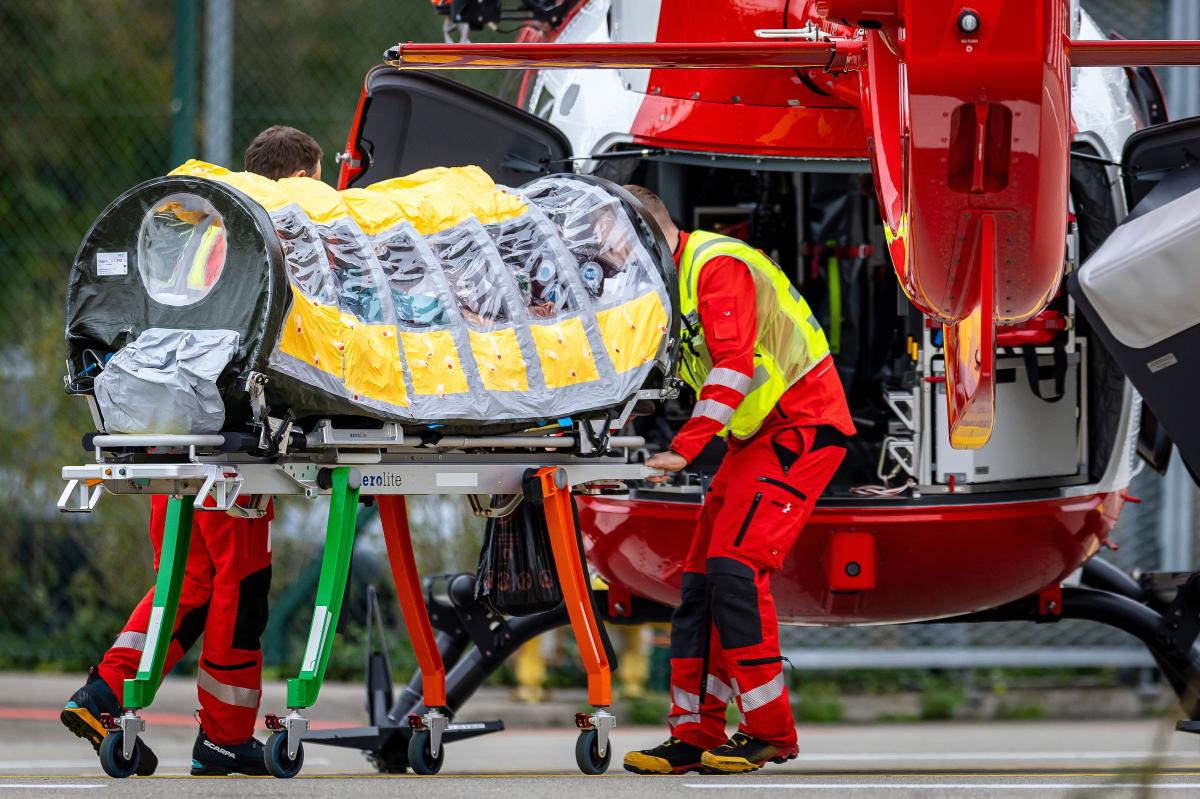
A disease that health officials have described as the fastest-spreading on record in Africa shows no signs of slowing down, and may soon afflict those outside the continent.
The unprecedented spread of Ebola has resulted in thousands of cases, with Nigeria reporting its first case in more than a decade last month, and additional reports in Kenya and other African countries.
While the majority of cases are currently affecting those in Africa, health experts are warning that the situation could change and countries should start increasing preparedness now.
“We want all countries to know that they are not safe if they don’t take appropriate measures,” Dr. Jean Kaseya, director general of the Africa Centres for Disease Control and Prevention (CDC), told The Guardian.
Kaseya even compared the outbreak to COVID-19, stating that at the beginning of the pandemic in 2019 and early 2020, “many countries said there was zero risk of being affected, but a few months later, they became the hotspot.”
The World Health Organization (WHO) declared a public health emergency of international concern in May after cases were first confirmed in the Democratic Republic of Congo (DRC), where the death toll has surpassed 5,000.
Cases have been linked to the Bundibugyo variant, a less common strain that has a high death rate and no approved treatment or vaccine.
Once a human is infected, the disease spreads through contact with blood, bodily fluids or objects contaminated with infected fluids.
The last outbreak of this strain occurred in 2012 in the Congo, with 57 cases and 29 deaths reported.
The DRC has taken the brunt of the outbreak, reporting more than 10,200 cases and nearly 5,000 deaths.
Meanwhile, Uganda reported 20 cases in May and June and saw two deaths. The country currently has no active Ebola cases.
African health ministers will meet to urge greater cross-border cooperation, while Kaseya hopes screening and testing will be used for people coming from affected regions at points of entry and exit.
“The main message to ministers is that they have to understand they could be affected, and we don’t want them to be surprised by what could happen,” he said.
The only non-African country to have a confirmed case so far is France, when a doctor returned from the DRC in June. The patient recovered and was released from care in early July.
One US citizen was previously confirmed to have contracted the virus and was treated at a Berlin hospital.
Currently, the CDC reports the likelihood of Ebola reaching the US is low, and the agency has issued a new Ebola-related travel requirement intended to reduce the risk of Ebola entering the US.
Starting Nov.3, travelers on international flights to the US will have to confirm that they have not been in the DRC during the previous 21 days, which reflects how long it can take symptoms to appear.
Travelers — including American citizens, green card holders and airline crew members — will have to complete a paper or digital statement before boarding, even if they have never visited the DRC.
Major US and international airline groups are pushing back against the rule, though, asking for more time to prepare and saying the requirement is too broad.
However, Dr. Tyler Evans, a California-based infectious disease physician and CEO of Wellness Equity Alliance, echoed the growing concern around how quickly the disease is spreading.
“This was a step in the right direction, given the fact that we really do have to take this seriously,” Evans told Fox News Digital. “We have to ensure that this does not cross borders.”

Woman forced to pay before nurse would administer life-saving EpiPen
Talk about adding insult to injury. A Virginia woman in the throes of a life-threatening allergic reaction was told to...
Cannabis Use Linked to Cardiovascular Disease, Strokes
People who regularly use cannabis might be taking a chance with their cardiovascular health, new research suggests. Scientists at Tulane...


Dustin Hoffman recalls ‘terrible’ experience filming his first Oscar-nominated role
Dustin Hoffman had a “terrible” time filming his iconic 1967 film “The Graduate.” In an excerpt from his upcoming memoir,...


‘Ellen DeGeneres Show’ EP Matthew Wright Dies In “Unfathomable Tragedy”
Ellen DeGeneres is mourning the loss of Matthew Wright, who worked as an executive producer on The Ellen DeGeneres Show...

Dangerous mosquito-borne virus surges in popular US state as cases reach highest levels in decades
NEWYou can now listen to Fox News articles! Florida health officials have confirmed 485 locally acquired cases of dengue fever...
Juan Atkins, Godfather of Techno, In 6 Crucial Records
The highway of modern music flows through only a narrow band of people. Juan Atkins was one of them. Born...


Snap settles with two teens during trial testing claims social media caused depression, eating disorders
Snapchat parent Snap Inc has reached a settlement during a trial over claims brought by two teenagers who say the...

Indoor/outdoor cat near Delta tests positive for rabies
DELTA — A cat found in an area outside of Delta was confirmed to have rabies, the Central Utah Health...


Judge dismisses case against 2 ex-FBI officials in Hunter Biden probe
A federal magistrate judge on Monday dismissed a criminal complaint charging two former senior FBI counterintelligence officials with lying to...


Web host Squarespace lays off 19% of its employees
Squarespace, the web company that helps customers build and host their own websites, is laying off about one-fifth of its...
-

 HealthNews1 week ago
E. coli cases possibly linked to Bengtson’s Pumpkin Farm, Will County health officials say
-
Business2 weeks ago
GLP-1 injections recalled nationwide. See affected products
-

 Entertainment2 weeks ago
Noah Adams, longtime host of NPR’s All Things Considered, has died
-

 Entertainment2 weeks ago
R.J. Mitte’s Mother Opens Up on His Life, Rumors and Legacy
-

 Business2 weeks ago
Datacenters 2027: The Year of Acceleration, +50GW in a Single Year
-

 Entertainment2 weeks ago
J Mascis has nothing better to do
-

 Business2 weeks ago
Tesla (TSLA) Q3 2026 earnings preview: flat revenue, falling profits
-

 HealthNews2 weeks ago
My In-Laws Offered to Watch My Baby, Then Didn’t Give Her Back for Six Weeks. That Was Just the Beginning.