
HealthNews
Woman forced to pay before nurse would administer life-saving EpiPen
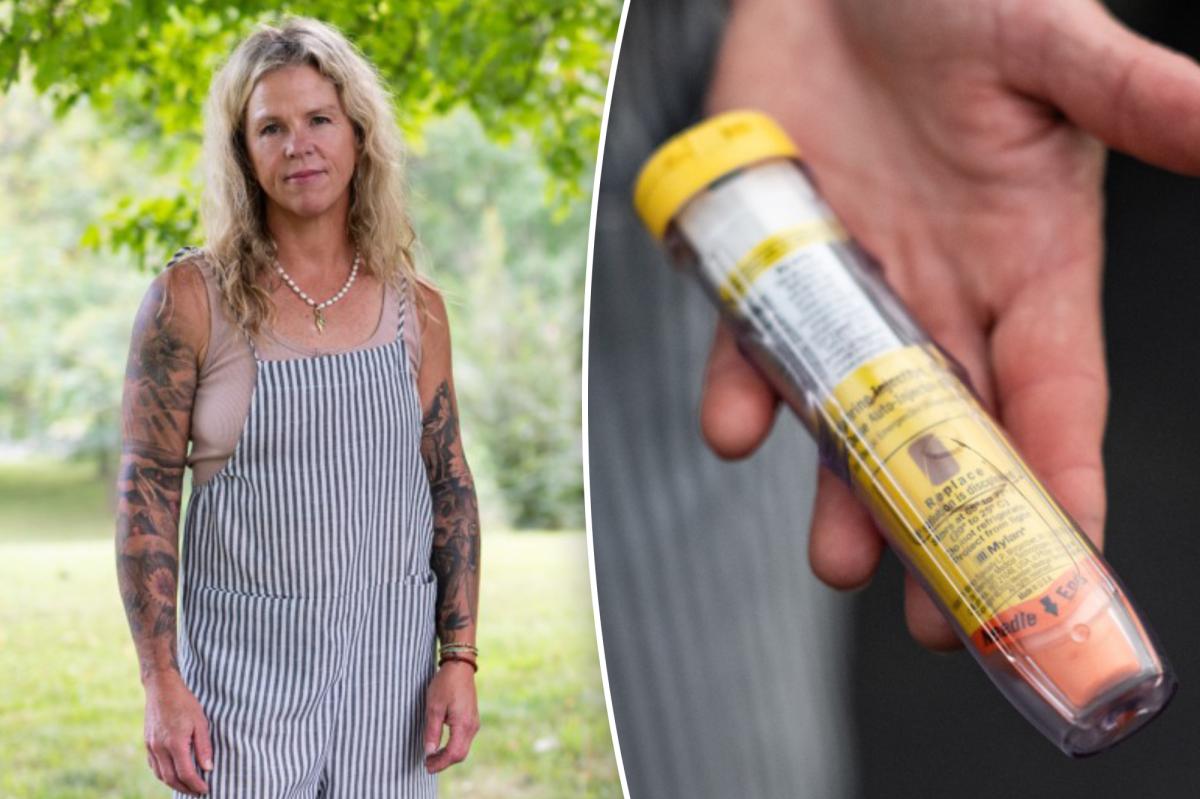
Talk about adding insult to injury.
A Virginia woman in the throes of a life-threatening allergic reaction was told to cough up hundreds of dollars before a nurse would administer an EpiPen.
“I asked, ‘If I didn’t have the money, would you have just let me die?’ ” Stephanie Rowell recalled in an interview with KFF Health News. “And they said, sorry, that is their policy.”
Like millions of Americans, Rowell, a manager at an agritourism business, doesn’t have health insurance.
The 53-year-old has been without coverage since 2025, when she said she could no longer afford to buy a policy on her own.
The harsh reality of going without protection hit home in July, when a wasp sting at her parents’ house triggered a terrifying cascade of symptoms.
Suddenly, Rowell’s arm felt like it was “on fire.” Her body began to itch profusely while her face swelled and turned red.
She popped a Benadryl and jumped in the car with her father, heading for the nearest emergency room, about 25 minutes away.
But just 10 minutes into the drive, her throat began to tighten. Realizing she couldn’t wait, the pair pulled into a nearby TruHealthNow urgent care center in hopes of getting her treated faster.
Once inside, she told staff she didn’t have health insurance. A nurse practitioner examined her and diagnosed her with anaphylaxis.
The severe, potentially deadly reaction can set in within seconds or minutes of exposure to an allergen, according to the Mayo Clinic.
When it happens, the immune system unleashes a flood of chemicals that can cause blood pressure to plummet and airways to swell, making it difficult — or even impossible — to breathe.
The condition is considered a medical emergency that requires an immediate injection of epinephrine, the medication used in EpiPens, to counteract the reaction and help restore normal breathing.
An estimated 1 to 5 in every 100 Americans have experienced anaphylaxis, which claims about 225 lives each year, according to the Allergy & Asthma Network.
But even after Rowell was diagnosed, she said a medical assistant asked her to pay $400 before the clinic would give her the potentially lifesaving injection.
Stunned, she went to the waiting area to grab her debit card. After receiving the shot, she said, her throat began to loosen and her symptoms quickly eased.
“I thought I was going to die,” Rowell said.
Officials at TruHealthNow, which privately owns and operates eight urgent care centers in Northern Virginia and Maryland, confirmed to KFF Health News that Rowell was asked to pay before staff administered the EpiPen.
But the company’s CEO, Preet Takhar, told the outlet that its policy is to “give the shot and worry about the money later.”
The company maintained that staff had first determined Rowell’s condition was stable and that the payment request came while the injection was being prepared.
“The patient was stable, and that is why we took the payment then,” Manbir Takhar, who is married to Preet Takhar, told KFF Health News, denying that the request for payment delayed Rowell’s treatment.
Federal law generally requires hospital emergency departments to stabilize patients regardless of their ability to pay, but that protection doesn’t necessarily extend to urgent care clinics.
Most aren’t covered by the law unless they’re hospital-owned, according to Barry Furrow, director of the health law program at Drexel University in Philadelphia.
And while urgent care centers offer a range of medical services, they’re not designed to handle life-threatening emergencies — even though patients sometimes turn to them in a crisis.
After receiving the injection, Rowell was monitored by a medical assistant for about 30 minutes before being sent home. Her brother stayed with her to watch for any complications.
“I felt wiped out,” she said, noting that it took several days before she felt completely better.
The frightening ordeal ultimately cost Rowell $605: $400 for the medication, a $40 administration fee and $165 for the urgent care visit.
She said she wasn’t upset about the price itself, but believed she should never have been asked to pay before receiving the epinephrine. She now carries an EpiPen of her own.
News about Rowell’s experience comes as millions of Americans face growing uncertainty over their ability to afford health care.
The number of uninsured working-age adults in the US climbed to 11.2% this year, up from 8.9% in 2024, according to an October analysis by the Commonwealth Fund, a health policy and philanthropic nonprofit.
The increase comes after Congress allowed enhanced federal subsidies that made Obamacare plans more affordable during the pandemic to expire at the end of 2025.
The group’s biennial survey of 7,362 working-age adults found that 46% were uninsured, underinsured or had experienced a gap in their coverage in 2026.
Half said they had delayed or skipped medical care because of the cost, up from 46% in 2022.
And the problem is only expected to grow.
The Commonwealth Fund estimates that 37 million Americans will be uninsured by 2036, roughly the same number as in 2014, when the Affordable Care Act’s changes took effect.
HealthNews
Vicious ‘ankle biter’ mosquitoes capable of spreading dengue fever invade SoCal
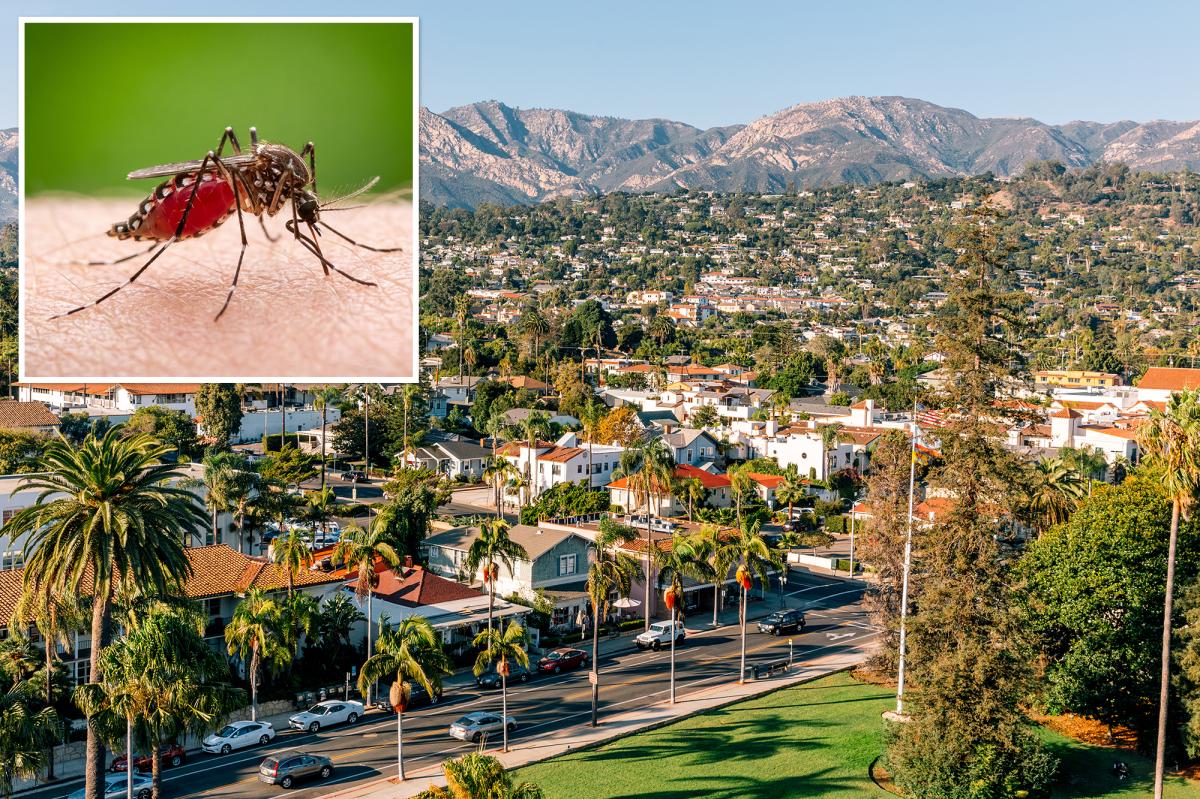
These mosquitoes don’t wait for dusk and go straight for your ankles!
Yellow fever mosquitoes native to Sub-Saharan Africa have been wreaking havoc in several neighborhoods of picturesque coastal areas in Southern California.
Santa Barbara County’s Mosquito and Vector Management District confirmed that four ‘Aedes aegypti’ blood-suckers were found on Oct. 30 near North Voluntario and East Cota streets.
The agency said a total of four ‘Aedes aegypti’ mosquitoes, capable of causing dengue fever, were trapped in different locations across Santa Barbara last week. Two were found near North Voluntario and Cota streets, one at Laguna and East Carrillo, and one near East Victoria and Olive.
According to the District, the same species was found Oct. 20 in the eastern Goleta Valley, near Turnpike Road and Calle Real, and in Carpinteria in July.
A second non-native species is already in town. Australian backyard mosquitoes, ‘Aedes notoscriptus,’ were found in Santa Barbara’s West Side in March and in the Mesa neighborhood in June.
Both species like to bite around the feet and ankles, and they do it during the day, indoors and out. Residents tormented by the pests have named them “ankle biters.”
“Please contact the District if you find yourself being bitten by aggressive mosquitoes indoors or outdoors during daytime hours,” the agency said, asking residents to call 805-969-5050 or send a message through the “Contact Us” page on its website.
Dengue fever is often accompanied by severe body aches, giving it the nickname “breakbone fever.”
According to the Mayo Clinic, individuals typically display symptoms 4 to 10 days after being bitten by an infected mosquito
Santa Barbara’s troubles come as the whole region swelters through what many residents call a year of agony. Record-shattering heat waves and El Niño threats have turned Southern California into a breeding paradise for the winged pests.
“I’ve been here my whole life and the amount of mosquitoes I’ve seen this summer has been insane,” one woman said in a TikTok video that has drawn more than 21,000 likes.
Los Angeles County has recorded over 180 cases of West Nile virus this year—the highest spike in nearly a decade, according to the local public health department.
The region’s native ‘Culex’ mosquito picks up West Nile from wild birds before passing it on to humans. In nearby Orange County, vector control officials have pulled a staggering 850 traps loaded with West Nile-positive bugs, reports the Guardian.
HealthNews
Another child dies of measles as CDC reportedly holds up health alert
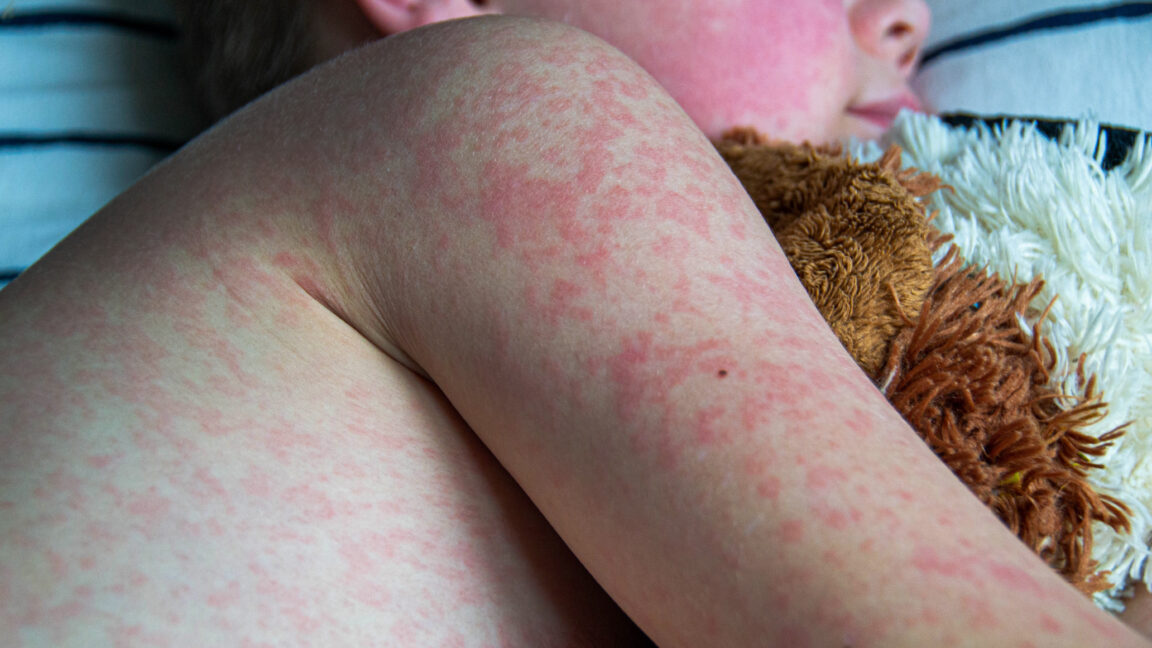
A child in New York has died of measles, health officials in the state announced late Monday. It marks the first reported measles-associated death in New York in more than 30 years. It is the seventh measles-linked death reported in the US this year; all six of the other deaths were reported in Pennsylvania, which is experiencing a dramatic measles outbreak that has stricken over 1,430 people this year. Prior to the deaths, Pennsylvania hadn’t seen a measles-related death in 35 years.
The boom in vaccine-preventable outbreaks, cases, and tragic deaths is being fueled by slipping vaccination rates nationwide as health misinformation and anti-vaccine sentiments have taken hold. One of the most prominent anti-vaccine activists in the US currently serves as the US health secretary; Robert F. Kennedy Jr. spent decades prior to taking office attacking vaccines and spreading misinformation. He and his anti-vaccine organization, Children’s Health Defense, have been one of the most prolific sources of anti-vaccine content.
Since taking office, Kennedy has waged a multi-front war on vaccines that has included dismantling and obstructing federal vaccine recommendations; launching dubious studies to look for alleged, unspecified harms of vaccines; promoting alleged vaccine injuries; and continuing to spread misinformation about vaccines and vaccine-preventable illnesses.
In a statement, New York Governor Kathy Hochul directly tied the state’s death to Kennedy’s policies and anti-vaccine activism. She called the child’s death “a devastating reminder of what’s at stake when Washington deliberately erodes decades of progress in protecting Americans from preventable illnesses.” She also said she was “heartbroken” by the death, sending her condolences to the family. “As a mother and grandmother, I cannot imagine what this family is going through,” Hochul said. Overall, New York has reported 170 measles cases in over a dozen counties.
Blocked alert
Days before the seventh preventable measles death, The Washington Post reported on Kennedy’s latest push to thwart public health efforts: Career scientists at the Centers for Disease Control and Prevention—which is under Kennedy’s control—were blocked from publishing an urgent health alert to clinicians regarding the risk and management of measles cases during pregnancy.
Given the previous success of vaccines and vaccination campaigns, many clinicians have never seen such cases in their careers. But measles infections during pregnancy pose severe, life-threatening risks to both pregnant people and fetuses. As such, CDC scientists wanted to issue an informational advisory through the CDC’s Health Alert Network.
But the CDC Director’s Office declined to provide the required approval for the alert, sources told the Post. The scientists have since moved to trying to publish the information in the CDC’s publication, The Morbidity and Mortality Weekly Report (MMWR). But the peer-review process for the publication is longer than that of an advisory. Further, vaccine-related studies already approved for publication in MMWR have been suspiciously delayed, the Post reported. The scientists are now considering publishing the information outside the agency to avoid onerous clearance. Health officials in Pennsylvania, meanwhile, released their own alert on measles in pregnancy and congenital measles on October 19.
Measles reporting
New York has not released the age of the child who died or any other details about the case. The other sixth deaths reported this year have included babies, including one with congenital measles. The six deaths in Pennsylvania included a newborn with congenital measles, whose mother was severely ill at the time of birth; a 6-week-old who was too young to be vaccinated; a “perfectly healthy” 18-year-old; a 20-year-old with leukemia; a 40-year-old with underlying conditions; and a 39-year-old with underlying conditions. All the deceased were unvaccinated.
Pennsylvania’s health department is currently only reporting five deaths; the department confirmed to Ars Technica on Monday that its investigation into the sixth death, reported by the Franklin County coroner on October 12, is still pending. A Franklin County judge has ordered that information about the death be sealed from public review, and The Philadelphia Inquirer has taken legal action to obtain certain death record details.
The CDC, meanwhile, has reported only three of the seven deaths this year. Kennedy reportedly ordered the CDC to delete some of the early deaths and has since changed how the CDC counts deaths. Instead of the long-standing practice of relaying reports from states, the CDC now relies on federal death records, which can take weeks to come through and are not designed to capture the real-time data needed to respond to an active outbreak.
Overall, the CDC reports over 4,850 measles cases across 47 states and jurisdictions. At least 511 people have been hospitalized. This year’s tally is more than double the total from all of 2025, which was 2,289 cases with three deaths. The 2026 tally is also the largest the country has seen since 1991, prior to measles being declared eliminated from the US in 2000 amid high vaccination rates.
HealthNews
‘The nipple touch of doom’: what is sad nipple syndrome and what causes it?

Some say it feels like a sudden burst of anguish; others liken it more to homesickness. The sudden onset of a sinking, upsetting feeling due to nipple stimulation is anecdotally known as Sad Nipple Syndrome (SNS), and for Sandra, it can be triggered by something as commonplace as putting on a shirt.
“I was probably a child when I first noticed: ‘Why does touching my nipple make me sad?’” says the 28-year-old. The sensation seemed to happen at random, and without the words to describe it, she kept it a secret. It wasn’t until college that she worked up the courage to Google it. “I realized I wasn’t crazy,” she says.
There are many others like Sandra (who, for privacy, has asked to use a pseudonym). Breastfeeding mothers, queer lovers and cis men alike have all sought an explanation for this phenomenon.
What is Sad Nipple Syndrome (SNS)?
Sad Nipple Syndrome is often discovered in private. People describe it as a sudden dysphoria (a profound state of unhappiness or uneasiness) that follows nipple stimulation. It is often resolved within a couple of minutes, but can cause confusion and disruption.
I spoke to four people who experience SNS, and each described similar negative feelings. Sandra described it as “dread, a nostalgic sadness or the feeling of a bad memory”. Salma Zaky, a New York-based comedian who has talked about her SNS on stage, says she can “tell if a woman has gone through it – they’ll light up or clap”. Zaky likens it to a mix of homesickness or nostalgia.
For Sandra, the most common trigger is a light, unexpected touch when changing clothes or towel drying. Its intensity can vary depending on the circumstances. For instance, if she triggers the feeling on her own with light touch, “the negative feelings tend to persist for more than just a few seconds,” says Sandra. If there is sustained friction with her clothing, she sometimes feels “deep grief”.
Their sentiments are echoed in thousands of online posts asking whether anyone else experiences the “nipple touch of doom”. In the absence of a formal clinical diagnosis, most people’s understanding of Sad Nipple Syndrome has come from word of mouth or chatter online.
“Reddit was helpful in just being like: ‘Oh, I’m not an insane person,” says Zaky. “Other people feel this too.”
What do scientists think is happening in SNS?
SNS is not an official medical diagnosis, and scientific research remains in short supply. That said, awareness is growing, even among researchers and medical practitioners.
As with many conditions that primarily affect women’s intimate or hormonal experiences, there is not much medical curiosity, funding or research. “While there is no explanation yet, we can assume that the hormone oxytocin is somehow involved, since nipple stimulation leads to its release,” says Dr Vladimír Kraus, PhD, Department of Gynaecology and Obstetrics at Pavol Jozef Šafárik University.
Oxytocin is often referred to as the “love hormone”. Largely responsible for bonding and increased emotional connectivity, it is triggered by physical touch like hugging, massage or sex, and also after uterine contractions during childbirth or breastfeeding. When it comes to its role in SNS, Kraus theorizes that “some subtle changes may cause the [oxytocin signaling pathway] to go haywire and [could] be responsible for the surprisingly prompt and very negative feeling experienced”.
There are no SNS-specific studies, but there are two more well-studied conditions that are similar enough to help us understand it. The first is dysphoric milk ejection reflex, or D-MER, which occurs during breastfeeding. It is an emotional response to the milk letdown, the moment where milk starts flowing out of the milk duct. People commonly describe the sudden rush of emotion as homesickness, sadness, loss of hope, worthlessness, shame and guilt, according to Alia Macrina Heise, an international board-certified lactation consultant and an expert on D-MER in Naples, New York. “It is disruptive to the duration of lactation and to the mother’s experience of breastfeeding and bonding,” she says.
SNS and D-MER present identically, and are also similar to post-coital dysphoria, says Heise. While SNS and D-MER are focused on nipple stimulation, the negative feelings people experience with post-coital dysphoria occur after the hormonal spike of orgasm. Anyone who has one of these conditions “will describe the embodied emotional sensations basically exactly the same way, even though the cause and the trigger is different”, says Heise.
The prevailing theory is that these three conditions involve a “hormonal cocktail inside the body”, says Heise.
The two most relevant hormones are prolactin and dopamine. This cocktail Heise refers to affects every human in a multitude of ways. “Prolactin and dopamine have a known relationship inside the human body – male, female, breastfeeding, not breastfeeding, in sexual arousal, in orgasm,” says Heise. Prolactin also contributes to weight control, immunoregulation, stress adaptation and maternal behavior.
Meanwhile, dopamine drives the brain’s reward system, playing a key role in movement, pleasure, desire, motivation and thinking. “Dopamine is often called prolactin’s gatekeeper,” explains Heise. In order for prolactin to flow into the body, dopamine has to allow prolactin through in order to complete one of its many jobs.
It’s possible that what happens in SNS, D-MER and post-coital dysphoria has to do with the way prolactin and dopamine go about their daily duties. One possible explanation is “inappropriate dopamine activity”, says Heise, who first heard a colleague mention SNS in the 2000s. “With dopamine being a mood stabilizer, that inappropriate activity is causing a mood destabilization that lasts for a very short amount of time.”
There is a growing body of research focused on D-MER, but to truly understand these conditions, we need more specialized studies. Without a clearer picture, sufferers are left feeling alone and “crazy”. Even if they work up the courage to ask their doctor about it, most medical professionals don’t have enough experience with these conditions to recommend treatment.
Techniques for reducing the severity of symptoms are mostly experimental. “One of the tricks that we’ve found helps the most by also targeting the dopamine system is cold therapy,” says Heise, who’s worked with thousands of breastfeeding mothers with D-MER. “Mothers drinking ice water or putting cold wraps around the back of their neck and cooling down their face and mouth receptors before letdown significantly eases the symptoms because it increases prolactin levels.” But whether this trick works for people with SNS is unknown.
How does SNS affect people?
Unexplained physical phenomena can be confusing and distressing, especially when they involve intimate body parts. The impact of SNS goes beyond the brief sensations, to shame and confusion over what they might mean.
Without formal answers from the medical community, many have developed theories about the causes, including forgotten sexual trauma, questions about one’s sexuality and marital doubts. These unfounded explanations can do real harm.
Kraus says SNS has rarely come up in his practice, but those who experience it often feel concerned “about their mental state or fear that they don’t like their partner or sex”.
As with all sexual preferences or personal boundaries, clear communication is key, experts say. It may also feel challenging or personal for partners of people who experience SNS.
“This isn’t about you, and it isn’t rejection,” says Dr Jennifer Lincoln, a board-certified OB-GYN and author in Portland, Oregon. “Talk about it outside the bedroom, agree on a signal to pause or change what’s happening, and let the person with the reaction lead.”
It can be tricky to bring up something you might not even know the name for, feel ashamed of or confused by. But talking about it can be helpful.
“Even just naming [Sad Nipple Syndrome] helps a lot, because many people think they’re going crazy – or with D-MER, that they are a bad mother,” says Lincoln. Similarly, shame can arise when SNS leads to negative experiences during sex and intimacy.
“I just avoid any nipple stuff during sex now, and it’s completely fine,” says Zaky.
“It pretty much has not impacted my sex life at all,” says Sandra. “I think the hardest part was simply feeling like a weird freak, and having a reaction that can’t be explained.”
Ivana Rihter is a writer in Chicago whose work has appeared in Vogue, Vanity Fair, Slate, Nylon and more
HealthNews
What to know after Washington state resident dies of bird flu

Washington state health officials this week reported what is believed to be the first bird flu death of the year.
The person who died was a resident of Yakima County, in south central Washington on the border with Oregon, who was hospitalized with “severe illness,” authorities noted.
Officials said the person contracted bird flu, also known as avian influenza, following exposure to infected cattle. They had underlying health conditions, according to the Yakima Health District.
Public health specialists said the death is a reminder that bird flu is still present and circulating.
“While we haven’t heard much about it, maybe in the last year or so, the virus has not gone away because there have been periodic detections of this [bird flu] in dairy cattle,” Andrew Pekosz, professor and vice chair of the W. Harry Feinstone department of molecular microbiology and immunology at Johns Hopkins Bloomberg School of Public Health, told ABC News.
According to Pekosz, “the sequence of the virus” shows that it has remained active.
“It’s sort of the same virus that has been around for a couple of years now,” he said. “So, this all indicates that the virus continues to spread in dairy cows.”
Washington state has recorded three cases of bird flu so far this year, all associated with people who either work at dairy farms or were in contact with infected dairy cows, according to local reports.
Pekosz said he agrees with local health officials that the risk to the general public is low and that most people do not need to be concerned. However, he said the death is a reminder to public health officials to be more aware of bird flu viruses.
He added that there is also mild concern about bird flu cases in humans being confirmed as seasonal influenza start to spread, arriving early in several parts of the country.
Data from the Washington State Department of Health shows that influenza activity in the state is elevated and increasing.
Experts have previously said recombination of bird flu and seasonal influenza is unlikely because bird flu is not yet showing evidence of person-to-person transmission.
“We need to keep our eye on that because there still is a possibility that this virus could mutate, pick up the genetic capacity to spread readily from human to human,” Dr. William Schaffner, a professor of preventive medicine at Vanderbilt University Medical Center in Nashville, told ABC News. “It can’t do that at the present time, although it can in … people with chronic illnesses, such as this person in the state of Washington who unfortunately died of a bird flu illness.”
Schaffner and Pekosz said this is a reminder for people to get their seasonal influenza vaccine if they have not done so already, and that it’s not too late.
“Influenza started early in many parts of the country, including my own,” Schaffner said. “But remember, flu lasts throughout December into January and into February and even beyond. So, there’s plenty of winter to come, during which you want to have as much protection against severe disease that the vaccine can provide.”
HealthNews
Breakfast cereals found to have two times as much lead
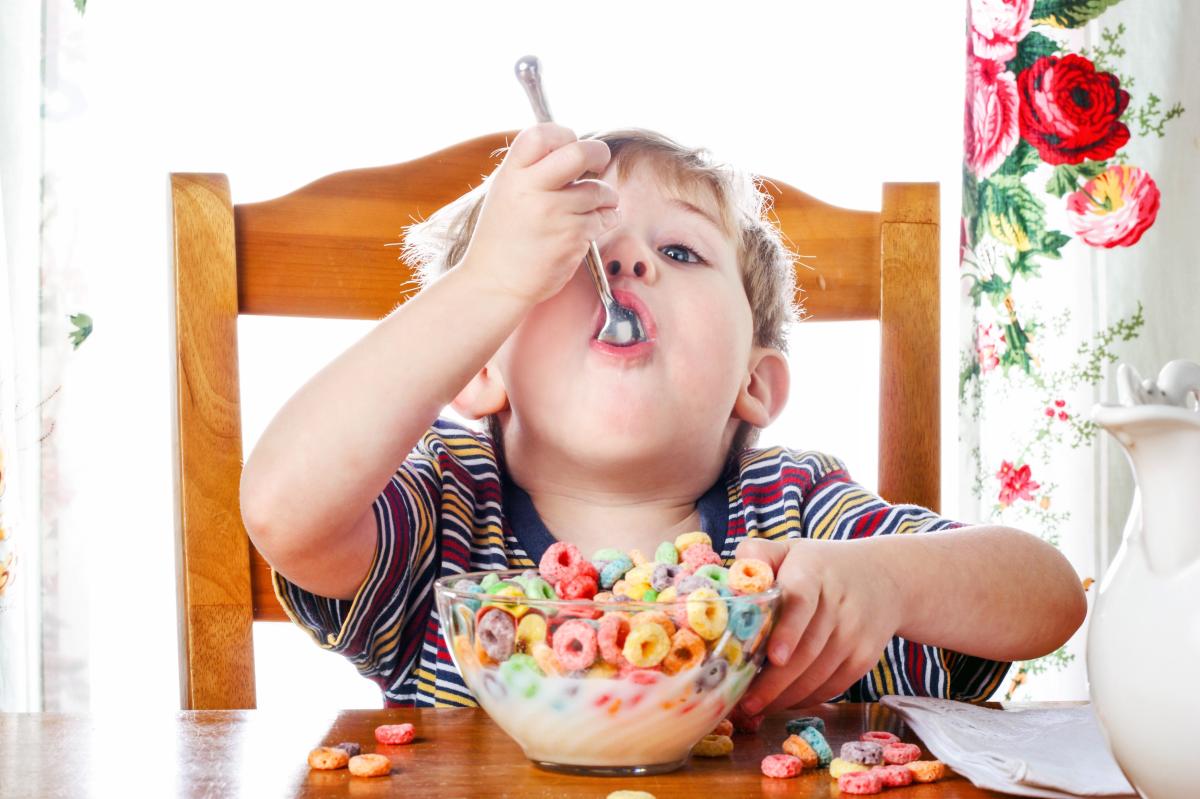
Halloween may be over, but the horrors in your pantry persist.
While cereal’s a quick and convenient breakfast option, it’s important to pay attention to key nutritional details like fiber and sugar content.
However, some important information may be missing from the label, including hidden toxins inside beloved brands, even those marketed as “natural.”
It may not come as a surprise that kids’ cereals are getting unhealthier.
Beyond having more fat, sugar and sodium, many also feature harmful chemicals disguised as “healthier-for-you” ingredients.
The nonprofit Clean Label Project independently tested 77 cereal brands, including both sugary staples and seemingly more nutritious options.
If you’re cuckoo for cocoa, you may want to consider another option. Cereals made with cocoa, chocolate or cacao contained more than two times as much lead as those without them.
The type of grain used matters too. Rice-based cereals had 12 times the amount of arsenic found in other grains. Those made with wheat or oat contained 2.5 times more acrylamide than rice or corn options.
While it’s not wholly clear what health risks acrylamide poses to humans, high doses cause cancer in animals.
Glyphosate, an herbicide used to kill weeds, was also found in high amounts across the tested products, with just four cereals accounting for 81% of the total level.
And while chlormequat has previously been found in cereals, prompting EPA investigations into two household brands, it’s not the only pesticide lurking in cereal boxes.
Additionally, methoxyfenozide, acetamiprid and metalaxyl were all detected, as these pesticides are all commonly used on grain crops found in cereals.
In an ironic twist, the cereals loaded with added sugar and processed ingredients had lower contaminant levels.
These less nutritious options may have fewer toxins because plant-based ingredients naturally carry a higher risk of contaminants like heavy metals from soil and pesticides used in farming.
The good news is that no bisphenol A — better known as the harmful chemical BPA — or bisphenol S (BPS) were found in any of the cereals tested, an improvement from the group’s 2018 testing.
While Clean Label Project didn’t list the worst offending cereals, they found four brands that met most of their criteria for ingredient quality and nutritional value.
These included Arrowhead Mills Puffed Kamut, Lovebird Cinnamon O’s, Love Grown Power O’s and Three Wishes Cinnamon.
However, just because a cereal is low in contaminants doesn’t automatically make it a healthy choice.
Likewise, a cereal that contains good amounts of fiber, protein or other nutrients may also have higher levels of pesticides, heavy metals and other toxins.

House races to watch : NPR
Midterms coverage: Live results | What to know | Stories around the country Stay connected: NPR Politics Podcast | NPR...
AMD Stock Jumps on Big Earnings Beat
You are now leaving Barron’s website By clicking on the “Proceed” button below, you will be redirected to a third-party...


Parts of jet’s tail found more than a mile from plane crash site in South Florida, official says
WEST PALM BEACH, Fla. (AP) — Investigators found part of the tail of the jet that crashed in South Florida...


Savannah Chrisley pictured showing off growing bump during Chick-fil-A run
Savannah Chrisley was spotted showing off her growing baby bump during a Chick-fil-A run in Nashville. In exclusive photos obtained...


Eric Dane’s Final Days in Hospital Revealed by Wife Rebecca Gayheart
Rebecca Gayheart is opening up about Eric Dane‘s final days timed to the release of the Grey’s Anatomy star’s posthumous...


Vicious ‘ankle biter’ mosquitoes capable of spreading dengue fever invade SoCal
These mosquitoes don’t wait for dusk and go straight for your ankles! Yellow fever mosquitoes native to Sub-Saharan Africa have...


Country singer Nicole Taylor of Taylor Red dead at 35
NEWYou can now listen to Fox News articles! Nicole Taylor, a singer in the country trio Taylor Red, has died....


Model Sahara Ray’s Death Certificate Reveals Cremation Plans
Model and influencer Sahara Ray is set to be cremated following her shocking death at 34 … TMZ has learned....


JetBlue raises bag fees for third time in a year as fuel costs bite
Welcome to the era of the $70 bag fee. JetBlue Airways has raised the price of checking a bag for...


Yaxel Lendeborg has changed Warriors’ outlook, per Joe Lacob
Yaxel Lendeborg has exceeded just about everyone’s expectations. Including his own. Does that change the Warriors’ outlook on the 2026-27...
-

 HealthNews2 weeks ago
E. coli cases possibly linked to Bengtson’s Pumpkin Farm, Will County health officials say
-
Business2 weeks ago
GLP-1 injections recalled nationwide. See affected products
-

 Business2 weeks ago
Tesla (TSLA) Q3 2026 earnings preview: flat revenue, falling profits
-
 HealthNews2 weeks ago
She was paralyzed in a car crash that killed her parents. Now, she’s a mom of twins
-

 HealthNews2 weeks ago
My In-Laws Offered to Watch My Baby, Then Didn’t Give Her Back for Six Weeks. That Was Just the Beginning.
-

 Business2 weeks ago
I ate 12 burritos in SF, LA and SD. There’s one I still think about.
-

 Entertainment2 weeks ago
First October Read of 2027 Race
-

 Tech2 weeks ago
Microsoft reportedly projects $1,200 to $1,800 price for 2028 Project Helix