
test
How to slash baby’s risk of developing most common food allergy

It’s a shock in the fight against anhylaxis.
Affecting 1 in 13 children in the US, food allergies saw a 50% increase between 1997 and 2011 — a jump due to several factors, including more refined diets, vitamin D deficiencies and the hygiene hypothesis, which posits cleaner environments cause the immune system to overreact to certain foods.
But parents can slash their baby’s risk of one of the most common food allergies in one easy step, according to a new study.
Some of the most common food allergies for infants include wheat, fish, dairy, nuts (especially peanuts), soy and egg.
The general recommendation is to wait until your baby is at least 6 months old to feed them eggs, with guidelines from the early 2000s recommending avoiding it until they’re 1 to 3 years of age.
However, a study published Monday in JAMA Pediatrics is recommending earlier introductions to reduce food allergies.
Comparing two Australian population samples of 1-year-old infants, the study found that earlier egg intake resulted in a decrease of egg allergy prevalence from just over 9% of the participants to only 7.6%.
As for why serving your kiddo up some scrambled eggs could reduce their chances of an allergic reaction, health experts believe it has to do with how the allergen is introduced.
What we know about the immune system is that if an allergen is introduced initially through skin exposure, the body actually produces an allergic response, Dr. Gina Coscia, an attending physician of the Division of Allergy and Immunology at Northwell Health who was not involved with the study, told The Post.
However, if the initial introduction of a food allergen is through oral exposure, through ingestion of the food, that actually produces a protective response to the allergen, Coscia added.
The new recommendations are a major change from current guidelines, which say to avoid allergenic foods until three years at the latest — particularly in kids with a family history of allergies.
Coscia also notes that one of the most important takeaways from the study was the effects on children with eczema.
An inflammatory condition characterized by dry, red and intensely itchy skin, eczema makes sufferers particularly vulnerable to food allergies because of the impaired skin barrier.
Seeing concrete evidence that this reduction in the prevalence of food allergy is even more pronounced in babies with eczema is so important because we have a specific group of patients that we can educate even more emphatically about the importance of early introduction, Coscia explained.
Previous research has shown that introducing peanuts earlier actually resulted in a 77% decrease in peanut allergies for 4-month-old infants with severe eczema and 6 months for those with mild or no eczema.
And while food allergies are often genetic, a baby’s diet and when they start eating certain foods can also have an impact on whether allergies develop.
Another study found that 9-month-old babies eating a diverse diet consisting of 13 or 14 different foods was associated with a 45% decrease in the risk of food allergies by the time the infant reached 18 months.
Beyond introduction at an earlier age, Coscia also recommends another crucial step to avoid potential food allergies.
Maintenance of this allergen several times a week is critical in order to remain tolerant to the food, she said.
test
New World Screwworm in Texas: What ‘Escalated Response’ Means for US Food Distribution
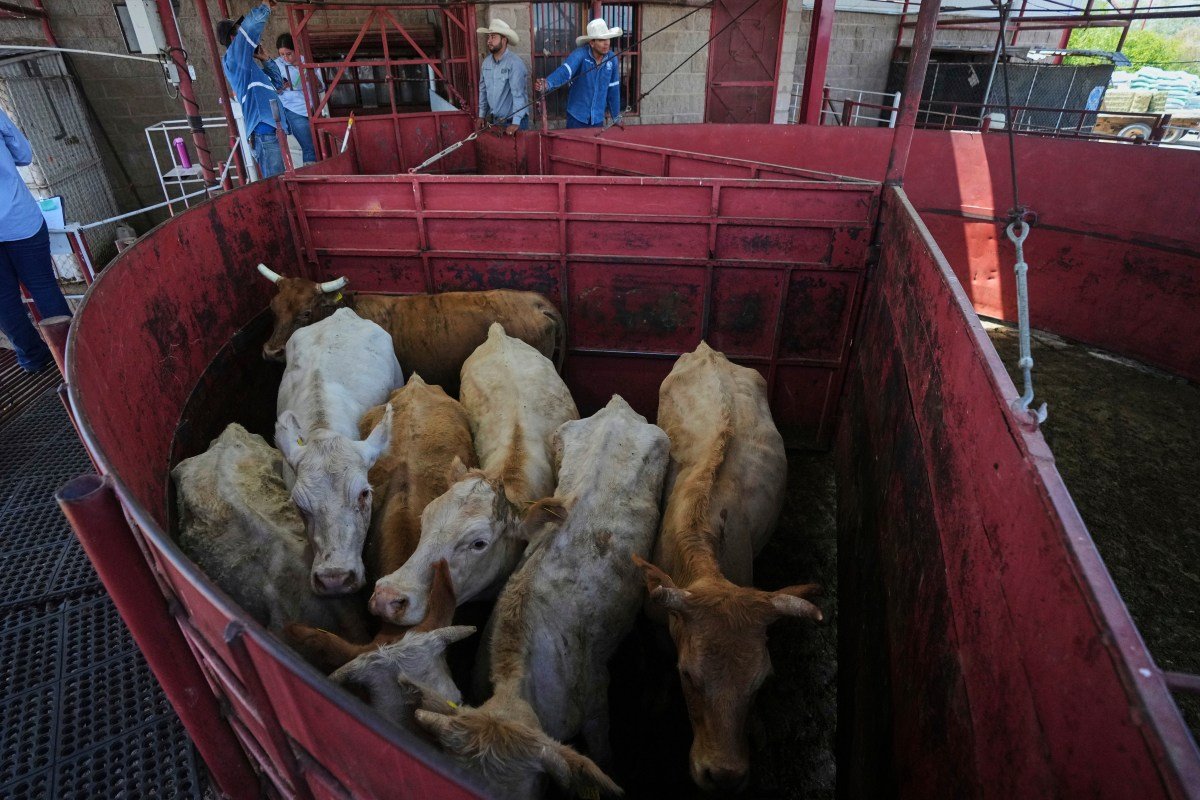
Texas Governor Greg Abbott has ordered an escalated response to the reemergence of the New World screwworm, activating the State Emergency Operations Center at Level II and mobilizing all available state resources as officials race to contain the parasitic pest now detected inside the state.
The move directs the Texas Division of Emergency Management (TDEM) to coordinate a multi-agency response, bringing together animal health, agriculture and public health officials to prevent further spread.
The stakes stretch far beyond Texas. The New World screwworm poses a direct threat to livestock production—particularly cattle—and could disrupt supply chains if infestations spread, forcing quarantines or limiting animal movement. Because Texas is the nation’s top cattle-producing state, officials have warned that an outbreak could tighten already strained supply, drive up beef prices and ripple through broader food distribution systems nationwide.
Read More on U.S.
A widening screwworm outbreak could also intersect with broader global supply risks, including volatility tied to key shipping routes like the Strait of Hormuz. While the parasite itself threatens domestic livestock production, any concurrent disruption in global energy flows through the Strait, which handles a significant share of the world’s oil shipments, can drive up transportation and fuel costs.
Those increases typically cascade through agricultural supply chains, raising costs for feed, processing and distribution. In a worst-case scenario, overlping pressures from a livestock pest outbreak and higher shipping or fuel costs could compound price spikes and logistical strain across the United States’ food system, particularly for beef and other protein products already sensitive to supply shocks.
Screwworm Symptoms in Humans: What We Know
Although the parasite primarily affects animals, human cases can occur in areas where the flies are present.
According to the Centers for Disease Control and Prevention (CDC), the New World screwworm infection begins when a female fly lays eggs in an open wound or body opening, such as the nose, ears or mouth.
Symptoms can include:
Painful wounds that worsen quickly
A foul-smelling site of infection
Visible larvae (maggots) in or around the wound
Sensation of movement under the skin
The larvae feed on living tissue, which can lead to severe damage if not treated promptly.
Health officials emphasize that while human risk in the U.S. remains low, exposure is possible in areas where the flies are circulating, particularly for individuals with untreated wounds.
Why Is Screwworm Back in the US?
The current threat is tied to a broader outbreak that has steadily advanced north through the Americas over the past several years.
The parasite is endemic in parts of South America and the Caribbean.
Since 2023, it has spread across Central America and into Mexico.
Recent detections in northern Mexico brought the pest within miles of the U.S. border before it was confirmed in Texas in June 2026.
Experts say the spread has been fueled by both the migration of flies and the movement of infected animals, allowing the parasite to le long distances.
The detection in Texas marks the parasite’s return after decades of eradication in the United States, prompting renewed emergency measures and containment strategies similar to those used in the mid-20th century.
Florida has also moved to tighten biosecurity, enacting emergency rules that bar the import of any warm‑blooded animals from screwworm-infested zones until June 10, according to state agriculture officials, underscoring growing concern about cross-state spread.
How Screwworms and Botflies Differ
While both screwworms and botflies are parasites that can infest animals—and in rare cases humans—they behave in significantly different ways.
New World screwworm:
Targets open wounds on living animals
Larvae aggressively burrow into and consume healthy tissue
Infestations can ridly worsen and become fatal if untreated
Botflies (general comparison):
Typically deposit larvae on intact skin or through insect vectors
Often create localized infestations rather than ridly expanding wounds
Usually less destructive to surrounding tissue
A key distinction highlighted by experts is that screwworm larvae feed on living tissue, whereas many other fly larvae, including common species, feed only on dead or decaying material.
What Does the Emergency Response Do?
Abbott said the state is deploying the full use of all state resources to stop the pest.
With the emergency response now fully activated, officials say early detection and rid containment will be critical to preventing wider spread and minimizing potential disruptions to livestock production and the U.S. food supply.
“The protection of our ranchers, livestock producers, deer breeders, and the Texas economy from this pest is a top priority,” Abbott said in a press release issued Monday. “We have eradicated this pest before, and we will do it again in close cooperation with our federal partners.”
“Texans should stay alert, check animals daily for wounds, and report any suspected cases immediately,” he urged.
Activation of the State Emergency Operations Center at Level II centralizes Texas’ response, allowing officials to ridly deploy resources, coordinate across agencies and streamline decision-making as new cases emerge.
The move brings together key partners to manage surveillance, containment and public guidance, including the Texas Animal Health Commission, Texas Parks and Wildlife Department, Texas A&M AgriLife Extension Service, Texas A&M Veterinary Medical Diagnostic Laboratory, Texas Department of Agriculture and the Texas Department of State Health Services.
test
Dorchester County woman accused of $76K food stamp fraud

NORTH CHARLESTON, S.C. (WCSC) — A Summerville woman was arrested after authorities say she fraudulently obtained more than $75,000 in Supplemental Nutrition Assistance Program, or SN, benefits.
Timesha Fleming, 34, was charged with fraudulent acquisition or use of food stamps valued at $10,000 or more, according to the South Carolina Department of Social Services.
The alleged crimes occurred between August 2020 and November, according to an arrest warrant.
Documents claim she failed to report her husband’s income while they were living together, acquiring $76,502 in benefits she would not have qualified for if she accurately reported her household’s income.
Fleming was booked into the L.C. Knight Detention Center on Friday and released the same day, according to jail records.
test
Emma’s Torch Helps Refugees Build New Futures Through Food

Emma’s Torch is opening its new café and culinary training center in Downtown Silver Spring on June 12, combining delicious food with a powerful mission.
The nonprofit provides refugees, asylum seekers, and survivors of human trafficking with hands-on culinary training, career support, and real-world restaurant experience to help them build sustainable careers in the hospitality industry. Guests can enjoy fresh café offerings while supporting students as they put their skills into practice in a working kitchen.
Kerry Brodie, the founder and Executive Director of Emma’s Torch, and Briana White, the Senior Culinary Instructor shared with Brian what visitors can enjoy at the cafe, including brunch to a fresh salad.
test
Summer EBT food benefits are here, redemption rate was 80% last year

Nevada families will once again receive a one-time payment of $120 per child this summer to help buy groceries during months when free or reduced school meals are not available.
The federal nutrition assistance program, known as Summer Electronic Benefits Transfer (S-EBT), will benefit more than 300,000 school-aged children in Nevada, according to Nevada Current.
The Nevada Division of Social Services, which administers the food assistance program, said more than $36 million in benefits will be sent out this summer as part of an effort to combat childhood hunger.
Last year, the Nevada Division of Social Services issued more than $37,000 in S-EBT benefits, but only about $30,0000 was used by eligible families, meaning about 20% of food benefits were lost.
Under the program, benefits expire after 122 days after they are issued.
The Nevada Division of Social Services said some families may have been unaware last year that S-EBT benefits were loaded onto existing cards they had received in the program’s inaugural year, which could have lowered the redemption rate.
This year, state agencies notified families by email and text messages that benefits were issued to their existing EBT cards. The Division of Social Services also promoted the program on social media pages and held a Facebook live event with the Clark County School District in hopes of increasing S-EBT benefit use.
Kelly Cantrelle, the deputy administrator of the Nevada Division of Social Services, said they worked closely with the Nevada Department of Education to ensure all eligible students were automatically sent summer food benefits.
Their partnership allows DSS to distribute these benefits quickly to families that need additional support during the summer months, Cantrelle said in a statement.
Overall, Nevada has strong distribution rates with about 80% of eligible families utilizing their full benefits.
How benefits will be distributed
More than half of eligible families were issued summer food benefits on May 23, which were delivered on existing EBT cards that work like a debit card and can be used at grocery stores and proved online retailers.
Families that do not have existing EBT cards will be sent new summer EBT cards by mail through mid-July. Those families will be notified through email and text as their benefits are issued.
Families who did not receive a card or lost their existing summer EBT card can call or write the Nevada Division of Social Services for a new card, which will take about 2-3 weeks to arrive.
Not all families are automatically eligible for the summer nutrition program, and the agency is encouraging families to ply for benefits on the Access Nevada Summer EBT portal through Aug. 9. Once proved, the family will be notified and mailed a summer EBT card.
The Nevada Division of Social Services has received about 1,400 plications for the summer EBT program this year, and about 1,000 of those plications have been proved.
Families can check to see if their child is automatically enrolled into the program through an online portal at Access Nevada.
Children are automatically eligible for the S-EBT program if they attend a school that participates in the National School Lunch Program or School Breakfast Program .
If a child receives Supplemental Nutrition Assistance Program (SN), Temporary Assistance for Needy Families (TANF), or Medicaid they are automatically eligible regardless of what school they attend.
Children participating in the Food Distribution Program on Indian Reservations (FDPIR) are also automatically eligible.
SN plications are down
About half of children eligible for the summer EBT program are also participating in SN or TANF, meaning they are automatically issued the summer food benefits on cards their family already uses on a regular basis.
David Rubel, a New York City-based education consultant who tracks S-EBT redemption rates nationally, said families are less likely to lose track of SN or TANF cards compared to S-EBT cards which are loaded once a year.
In a nutshell, the good news is that Nevada Summer EBT program is reaching most families, but with 20% expungement, Nevada can still do better with more publicity, Rubel said. If a family had been made aware of the Summer EBT payment, they could still have plied for a new card.
But in Nevada, both SN participation and new SN plications have decreased. From January to March, there was an 18% decrease in the number of households receiving SN benefits compared to the same time last year.
The trend is not unique to Nevada. The SN Program is down over 4 million individuals nationwide. This indicates broader federal and economic factors are contributing to this reduction, said Kristle Muessle, a spokesperson for DSS.
The drop in SN recipients follows federal work requirements that went into effect May 1, implemented under President Donald Trump’s signature One Big Beautiful Bill Act.
Under the bill, able-bodied adults aged 18-64 without dependents under 14 must prove they work or participate in proved training or community service activities at least 20 hours per week, or their SN benefits could be limited to 3 months in a three-year period.
It also removed work exemptions for the unhoused, veterans, and former foster youth.
The new work requirements fundamentally alter the landsce of food assistance in Nevada. Nevada has been exempt from SN work requirements since 2008, due to the state’s higher-than-average unemployment rate.
Before the One Big Beautiful Bill Act was signed into law, state and county governments could request to waive work requirements if they had persistently high unemployment rates.
However, under the new rules waivers will only be granted to jurisdictions with annual unemployment rates above 10%.
High unemployment remains an issue in Nevada, although not as high as during the pandemic when unemployment rates reached 30%.
According to the U.S. Bureau of Labour Statistics, Nevada currently has the second highest unemployment rate in the U.S., tied with Delaware and California at 5.3%.
test
USDA confirms two more cases of flesh
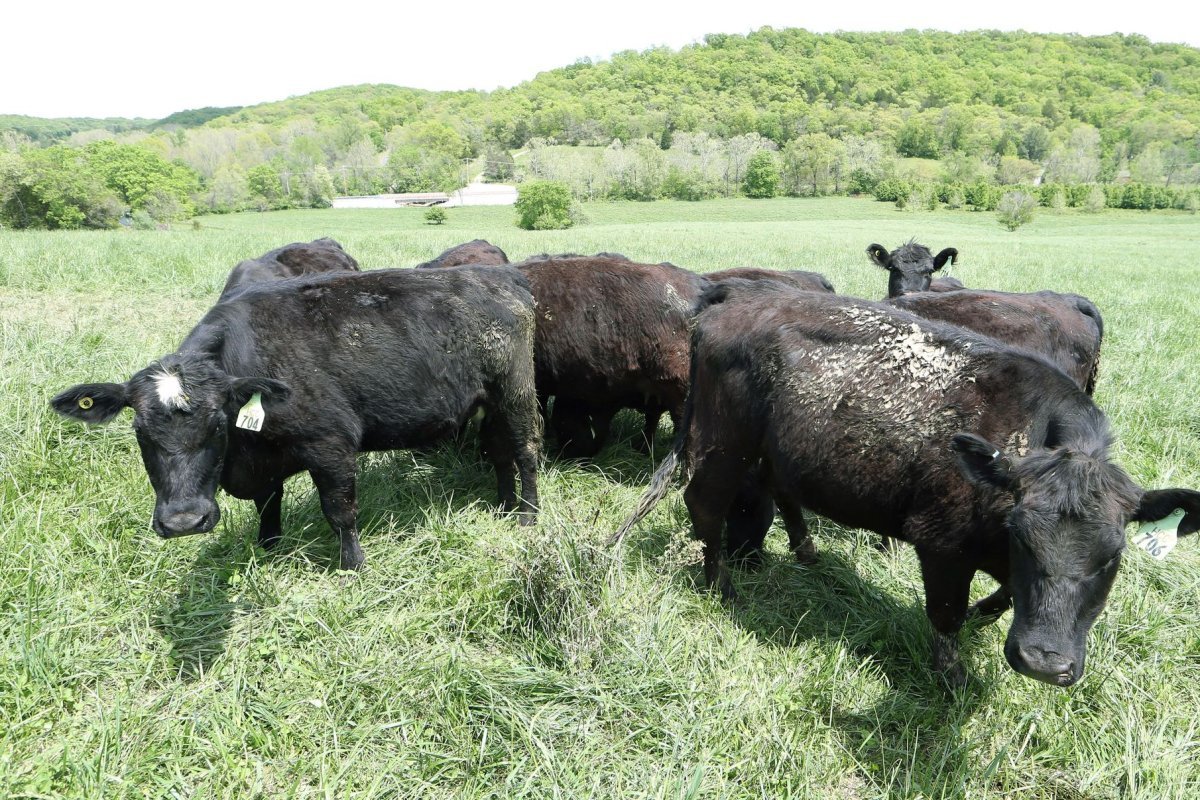
June 8 (UPI) — The U.S. Department of Agriculture says the United States’ food supply is not at risk after confirming two more cases of the New World screwworm in Texas.
New cases were confirmed in La Salle County and Andrews County, Texas. Agriculture Secretary Brooke Rollins said the federal government has officials in Texas helping to contain the Cochliomyia hominivorax.
“This is not a virus, it’s not a disease, it’s just a little pest, a larva that lands in a calf’s wound, for example, and it can be treated,” Rollins said in an interview on CNBC.
Rollins added that the United States is investing more than $1 billion to stop the spread of the screwworm. The parasite was eradicated in the United States in the 1960s and had not peared again until last week.
The USDA confirmed that a second screwworm case had been discovered on Friday in Zavala County, Texas. It was about 5.6 miles from the first case in La Pryor, Texas.
The New World screwworm is a fly that burrows into open areas of warm-blooded mammals, including its eyes, ears, genitals or open wounds. Once inside, it lays eggs that hatch maggots that feed on flesh.
The first case in the United States in 60 years was detected in a calf.
The parasite poses a risk to livestock while U.S. cattle numbers are currently at their lowest count in 75 years.


New World Screwworm in Texas: What ‘Escalated Response’ Means for US Food Distribution
Texas Governor Greg Abbott has ordered an escalated response to the reemergence of the New World screwworm, activating the State...


Dorchester County woman accused of $76K food stamp fraud
NORTH CHARLESTON, S.C. (WCSC) — A Summerville woman was arrested after authorities say she fraudulently obtained more than $75,000 in...


Emma’s Torch Helps Refugees Build New Futures Through Food
Emma’s Torch is opening its new café and culinary training center in Downtown Silver Spring on June 12, combining delicious...


Summer EBT food benefits are here, redemption rate was 80% last year
Nevada families will once again receive a one-time payment of $120 per child this summer to help buy groceries during...


USDA confirms two more cases of flesh
June 8 (UPI) — The U.S. Department of Agriculture says the United States’ food supply is not at risk after...


Part of a missile lands in the Israeli-occupied West Bank. #BBCNews


Ship ferrying aid from Mexico, Belize docks in Cuba as crises deepen
HAVANA () — A ship laden with 1,700 tons of food and other aid collected in Mexico and Belize has...


Man Cereal faces accusations of ‘toxic masculinity’
Would you start your day with a big ol’ bowl of Man Cereal? The attention-grabbing moniker belongs to a new,...


MLB 2026: What makes Padres closer Mason Miller so hard to hit
Alden GonzalezJun 8, 2026, 07:00 AM ET Close Multiple Authors Five years ago, the Trajekt Arc made its way into...


Truck catches fire, setting off fireworks on highway
Fireworks lit up the roadside after a truck carrying pyrotechnics caught fire on Interstate 75 in Tennessee, stopping traffic in...
-

 UsaLocalNews2 weeks ago
DOJ says it scrubbed news releases about Jan. 6 criminal cases from its website
-

 Tech2 weeks ago
Today's NYT Connections Hints, Answers and Help for May 25, #1079
-

 Tech2 weeks ago
Sennheisers Momentum 5 headphones are all about the audio and ANC upgrades – Engadget
-

 Business2 weeks ago
Federal court blocks Alabama plan for new congressional districts that could help Republicans
-

 Video2 weeks ago
Your energy bills could be about to go up – here's why. #BBCNews
-

 Video2 weeks ago
Should Disneyland visitors worry about toxic leak?
-

 Video2 weeks ago
Trump at Cabinet meeting: 'I don't care about the midterms'
-

 Video2 weeks ago
Pope Leo issues manifesto warning about AI