

HealthNews
Potentially deadly tick disease ramps up across the US

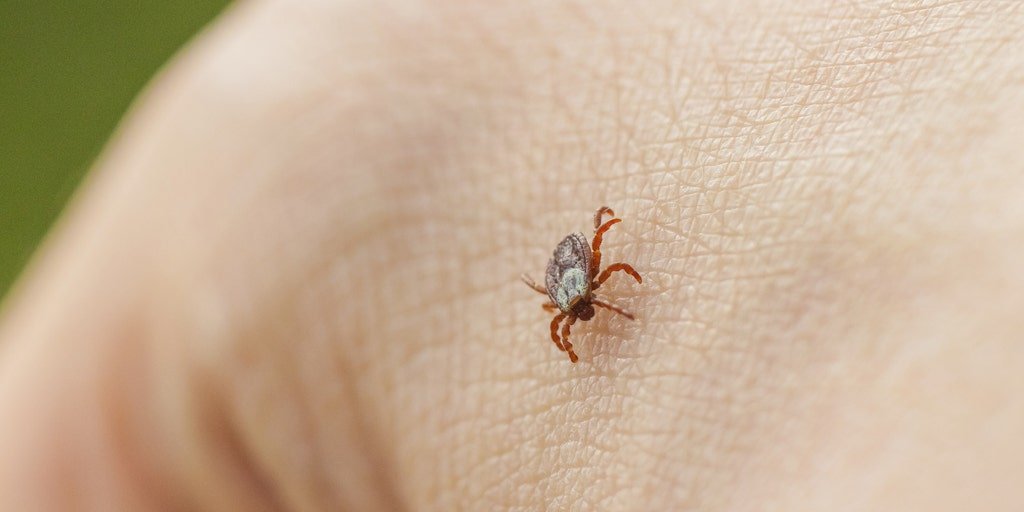
Authorities are sounding the alarm about a rare, but potentially deadly tick-borne disease as tick season ramps up across the U.S.
LARGE INCREASE IN TICK BITES REPORTED AT HOSPITALS ACROSS THE US AS SPRING WARMTH KICKS IN
Powassan virus is an extremely rare but serious illness that spreads through the bite of infected black-legged deer ticks, according to Massachusetts health officials.
If an infected tick bites a person, the virus can be transmitted within minutes, attacking the brain and potentially causing encephalitis, speech difficulties, seizures and paralysis, according to the Cleveland Clinic.
“One of the most dangerous aspects of it is its rapid transmission,” Dr. Jorge P. Parada, medical advisor for the National Pest Management Association (NPMA) in Chicago, told FOX News Digital. “Powassan can be transmitted in as little as 15 minutes after an infected tick bites, while Lyme disease usually requires a 36- to 48-hour attachment time for transmission.”
Early symptoms of Powassan virus can include fever, headache, vomiting and fatigue.
FDA APPROVES EMERGENCY USE OF MEDICATION TO TREAT FLESH-EATING PARASITE IN DOGS AND CATS
People that do recover may experience long-term health effects, including chronic headaches, memory problems and reduced muscle strength.
“Unlike most tick-borne illnesses, 10% to 15% of severe cases are fatal,” Parada said. “And about half of survivors experience permanent neurological damage.”
Although the disease is extremely rare, reported cases have increased in recent years.
HOW TO STAY SAFE DURING TICK SEASON
Since 2012, roughly 200 cases have been reported across the U.S., with fewer than 10 cases reported so far in 2026.
One recent case involved New Hampshire resident John Reagan, who was diagnosed with Powassan virus about a month ago.
According to a GoFundMe page created for Reagan and his family, he was hospitalized after contracting the disease.
HIGH FECAL BACTERIA LEVELS TRIGGER SWIM ADVISORIES, CLOSURES AT NEW JERSEY BEACHES
Since then, he has been unable to speak clearly and is bedridden. He requires a ventilator to help him breathe and a feeding tube because he cannot swallow on his own.
Before his diagnosis, Reagan was described as an extremely active individual.
“Every day is a challenge, and every day is a miracle as John continues to fight back against this devastating disease,” the GoFundMe post said.
“The impact of John’s illness has been overwhelming for his wife and family. In addition to the mounting medical costs, they are facing the daily expenses of maintaining their home and life while John remains in the hospital. The emotional and financial strain is immense,” the post continued.
BRAIN-EATING AMOEBA DETECTED IN WATER AT ICONIC US NATIONAL PARKS, STUDY FINDS
Currently, there is no specific treatment for Powassan virus, and those who contract severe cases may face lifelong complications.
Health officials say older adults, young children and people with weakened immune systems are at the highest risk.
Cases are most common during the late spring through mid-fall months, when tick activity is at its peak.
DOCTORS WARN OF INCREASE IN TICKS, LYME DISEASE AFTER MILD WINTER
The CDC said the best way to prevent infection is to use insect repellent, wear long sleeves and pants, avoid wooded and brushy areas when possible, and perform thorough tick checks after spending time outdoors.
“We also recommend making your yard less attractive to ticks by keeping grass short and using gravel or wood chips to create a ‘tick moat’ around the edge of your property to discourage migration,” Parada said.
HealthNews
Things people do that make me squirm

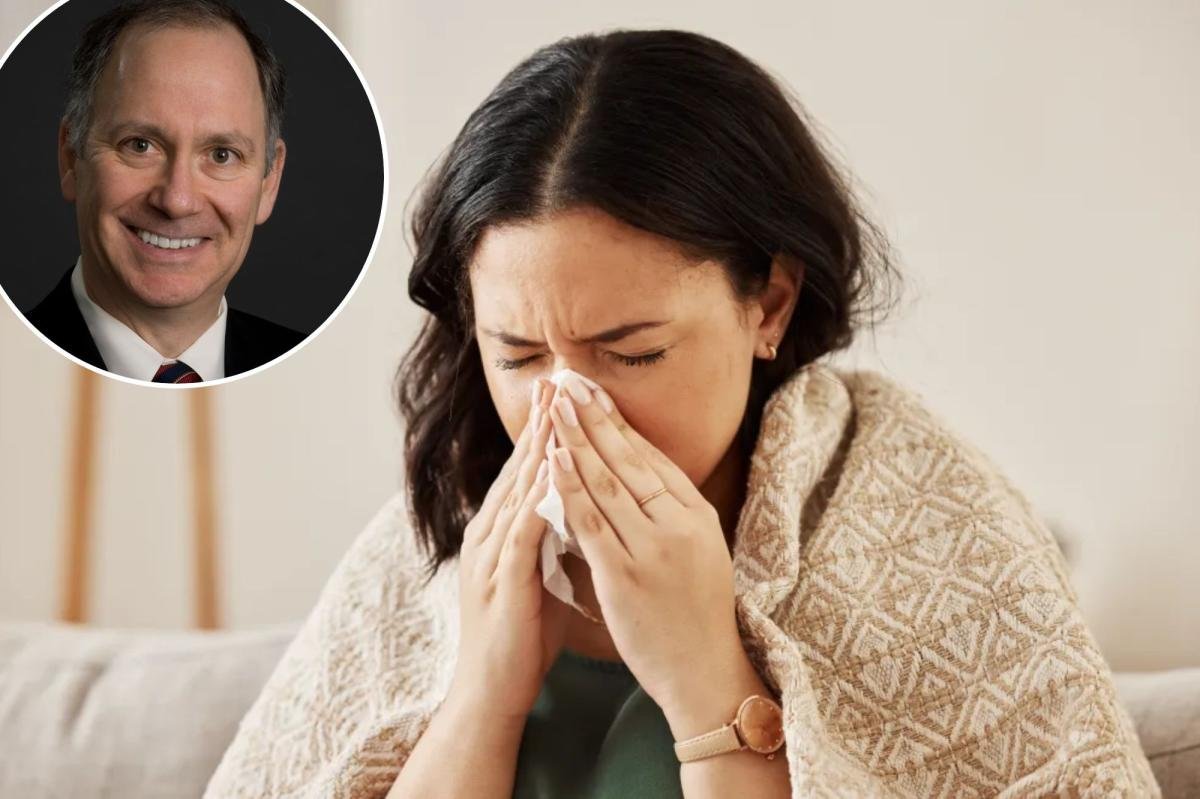
What’s worse than spreading a disease? Not even realizing when you’re doing it.
Unfortunately, it happens more often than most people think because of simple, everyday behaviors that may seem harmless.
Dr. Bruce Hirsch, MD, an attending physician of infectious diseases at Northwell Health, teveals the super common habits that make him squirm because of their likelihood to spread pathogens.
And while they’re a bad move for anyone, he warns that they’re especially risky for people who are more vulnerable to illness, like those with weakened immune systems and delicate GI tracts.
1. Not washing hands properly before handling food
Washing one’s hands might not come as a surprise, but it’s not just about getting rid of dirt.
The bigger concern is the bacteria you may be carrying without even knowing it. Hirsch explained that while many of those germs don’t make you sick, they can be harmful to someone else.
“Often, a lot of us are colonized with bacteria that we’re getting along with fine but can cause illness in other people,” he told The Post. “If a person is colonized with potentially dangerous bacteria, then that becomes a real issue. Sometimes, it’s not just the bacteria, it’s what the bacteria are doing.”
The fix is simple: Wash your hands thoroughly with soap and running water, creating friction by rubbing them together for at least 10 seconds before rinsing.
And don’t stop there. Hirsch said it’s important to dry your hands with a towel or hand dryer rather than just shaking off the water.
2. Improper sneezing technique
Everybody sneezes. The problem is where those sneezes land.
Many people instinctively sneeze into their hands, which can quickly spread germs to everything they touch afterwards. But your elbow is actually the safest target, Hirsch said.
“You’re supposed to put all the sneeze right in there so that it impacts a spot that never will touch anybody else or anything around you,” he explained.
He advises achooing right inside the bend of the elbow, pulling up your arm and turning away from anyone nearby.
“That way, you’re not putting all this stuff on your hands, which manipulates the area around you,” said Hirsch.
3. Overusing alcohol sanitizer
You can be too clean for your own good.
While hand sanitizer has its place, Hirsch says there are some people who “bathe themselves or their desks in alcohol sanitizer,” an extreme that does more harm than good.
“In medical literature, there’s this concept called the hygiene hypothesis,” Hirsch explained. “[It] states that over keeping the environment super clean has been associated with an increased frequency of allergic conditions such as peanut allergies in kids.”
His views align with a body of research suggesting that exposure to the natural world can benefit both the immune system and the gut microbiome.
“We did not evolve in the presence of alcohol hand- cleansing gel,” he said. “We became what we are in response to an environment that often contained bacteria and germs, and we persevered as a species and evolved as a species anyway.”
4. Shaking hands in a hospital
In most settings, refusing a handshake might come across as rude. But in a hospital, it could be the smarter, safer move.
Hirsch said he values connecting with patients and their loved ones, but a handshake can be especially risky. Hospitals, in particular, are filled with people battling different illnesses and taking different antibiotics, creating a unique environment for germs to run rampant.
“These patients pose a higher risk than seeing people in different types of social settings. In hospitals, it makes sense to avoid unnecessary casual contact,” explained Hirsch. “Let’s tap elbows instead.”
He expressed less concern about by the spread of “the regular poop bugs” in fecal mater than pathogens, such as MRSA, or methicillin-resistant staphylococcus aureus, a prevalent “peculiar bug” he considers one of the biggest offender.
5. People wearing a mask in their chin — not their mouth and nose
A mask can’t do its job if it’s not covering the parts of your face it’s designed to protect.
That may sound obvious, but Hirsch says he still sees plenty of people wearing masks under their noses or dangling from their chins, especially in healthcare settings where respiratory illnesses like the flu and COVID are a concern.
“It’s a very peculiar kind of performative gesture, wearing a mask on your chin or below the nose so that you’re able to breathe out in the atmosphere,” he argued.
“In this case, the mask is not doing any good. And yet, you’re wearing it on your face anyway.”
HealthNews
Thousands of baby seals died on two remote sub-Antarctic islands. Scientists now think they know why


A deadly strain of bird flu sweeping through remote islands near Antarctica has devastated the native wildlife population, killing an estimated 13,000 seal pups, as well as penguins and seabirds, researchers say.
Drone surveys conducted by the Australian Antarctic Program in October and January revealed “sobering” images of seal pup carcasses littering the grayish volcanic shores of Heard and McDonald Islands, Jarrod Hodgson, a senior research scientist at the organization said.
The islands, which sit about 2,485 miles (4,000 kilometers) southwest of mainland Australia have long been an isolated sanctuary for breeding birds and marine mammals.
The southern elephant seal pup mortality was estimated to be 76% across a population of 17,000 seal pups born on the islands, the program said. One area had a concentrated death rate of 97%.
“The thing we don’t know from our surveys so far is what the impact was on the breeding adult population of southern elephant seals,” Hodgson said.
Data collected in January also revealed several hundred adult king penguins across Heard Island have died, with scientists noting mortality was above normal levels.
“These observations of H5 bird flu at Heard Island and McDonald Island are the first detection in an Australian external territory and show the continued eastward movement of the virus around the sub-Antarctic,” wildlife biologist Julie McInnes said.
“Our results show a similar pattern to other sub-Antarctic islands, such as South Georgia, where elephant seals have been hardest hit,” added McInnes, who is also lead author of the group’s study.
As of February, the Australian mainland and New Zealand didn’t have any cases of the H5N1 strain, which has spread among birds worldwide and affected some mammals.
Analysis of genetic data suggested the H5 bird flu was likely introduced to the islands through wildlife from the French sub-Antarctic Crozet Islands, 1,800 km away, likely arriving around August 2025.
HealthNews
Granddaughter Pays for Her Grandmother’s Care


Watching someone you love struggle with serious health problems is hard. Watching them repeatedly refuse help while continuing habits that make things worse can be downright exhausting.
This 29-year-old says she’s been helping her grandmother manage finances while also trying to support her through a long list of serious health conditions, including early-stage cirrhosis, Type 2 diabetes, COPD, arthritis, gastrointestinal issues, and obesity. According to OP, her grandmother is in pain every single day and frequently talks about how badly she feels.
The difficult part is that OP believes many of her grandmother’s daily habits are actively worsening those conditions. She says she has offered affordable meal plans, financial help for healthier groceries, home-cooked meals, and even encouragement to see a doctor more consistently. But every suggestion is either ignored, dismissed, or quickly abandoned.
After hearing the same complaints day after day while watching nothing change, OP finally reached her breaking point—and said something she now worries may have gone too far.
AITA for telling my grandma to stop complaining about her health if she refuses to make changes?
29F have been helping my grandma out with finances as shes on low income and lives in a geared to income complex.
Shes 68 years old and has a plethora of issues like early stage cirrhosis, diabetes type 2, COPD, and severe arthritis and other gastrointestinal issues along with being obese. My thing is, she eats \*terribly\*.
Everyday, she wakes up in pain, which is valid. I see her suffer. But I also NEVER see her change her dietary needs.
Well, it all makes sense then.
I have given her ideas that are affordable and I offered to cover the difference of a special diet. She flat out ignores me and jumps to a different topic or says no. I tell her, lets see a doctor and she says no.
She will drink her apple cider vinegar drink with lemon once and thinks thats a magic cure. Then she won’t do it again for months. There are no magic pills for her conditions. No cures for her cirrhosis or COPD.
It always comes down to money. I calculated that she can have a healthy diet for under 200 a month, plus she can use the food bank. Shes spending more on groceries anyways. I shop the sales and am very strategic with budgeting.
That seems very helpful.
No instead, she only has cheese whiz, white breads, cheerios, muffins, hot dogs, grilled cheese with processed cheese. She at a whole loaf of banana bread in less than 2 days. She also ate a whole tub of ice-cream in less than 3 days.
I offer to cook her healthy protein and fiber but she says no! Its complaints everyday.
I offer solutions that are logical yet its ignored. I’ve been heavily judging her for that, its horrendous.
Oof, that’s rough.
I get it she doesn’t want to be helped. Then I told her to “stop complaining if you don’t want to actively change your life.” She ignored the comment and has been silent.
Perhaps its a hurtful thing to say, but I worry and stress about her health and shes like my mom not grandma.
Everyday I have no idea if she will make it through the day or not.
Not a good feeling.
Im told I shouldn’t try and help someone who doesn’t want to he helped. Which fair. But I also hate when people complain about things that have solutions. Thats my problem.
So overall, I think im the a****** because of my delivery. I feel like a jerk but I have no empathy when people refuse to change.
AITA?
Reddit mostly landed in the NTA territory. Many commenters understood OP’s frustration and acknowledged how emotionally draining it is to constantly support someone who seems unwilling to help themselves. A lot of readers sympathized with the helpless feeling of offering solution after solution, only to watch them get ignored.
At the same time, many felt OP’s comment lacked compassion for how complicated behavior change can be—especially for older adults dealing with chronic illness, pain, limited mobility, depression, addiction-like relationships with food, and decades of ingrained habits. Several pointed out that while OP may see simple solutions, her grandmother may be facing emotional or psychological barriers that make change much harder than it appears from the outside.
If you enjoyed this story, check out this post about a man whose celebratory post-grad school vacation is being ruined by his family’s insistence he’s being lazy.
The overall consensus was that OP’s frustration was valid, but the delivery was harsh. Many commenters felt the healthiest path forward may be accepting that Grandma may not change and deciding what boundaries OP needs to protect her own peace.
This person has a dad in a similar position.
This person doesn’t sympathize with Grandma at all.
And this person gives a soft NTA vote.
You can’t force someone to change, but you also don’t have to let their choices drain you indefinitely.
HealthNews
Pittsburgh VA Medical Center employee hospitalized with Legionnaires’ disease, according to daughter


A longtime employee at the Pittsburgh VA Medical Center was hospitalized with Legionnaires’ disease, according to his daughter. “I honestly didn’t even think that he was going to live to see this week — it was that bad,” Ashley Jones told Pittsburgh’s Action News 4 Reporter Jordan Cioppa. Jones said her father, Marvin Jones, was on a ventilator in the intensive care unit at UPMC East on Thursday. According to Jones, the 68-year-old Army veteran was in a medically induced coma. Jones has been by her father’s side every day since he went to the emergency room last Tuesday. “It is mentally exhausting, physically exhausting,” Jones said. Jones said her father has diabetes but was otherwise healthy. “This hospital stay has led to him getting dialysis every other day,” Jones said.On Tuesday, one week after he was admitted, Jones received answers from doctors on her father’s condition. She said the fluid in his lung tested positive for Legionella, which she said led to a Legionnaires’ disease diagnosis. “Legionnaires’ disease is a bacterial infection. Thousands of cases occur every year in the United States,” Dr. Amesh Adalja told Pittsburgh’s Action News 4. According to Adalja, a Pittsburgh-based infectious disease physician, people are exposed to the bacteria through water. He said the disease does not spread from person to person. “It’s an environmental bacteria that people inhale, and in certain cases, it can cause pneumonia, which is what we kind of refer to when we’re talking about Legionnaires’ disease and pneumonia. That can be quite severe, but is treatable with antibiotics,” the doctor said. In May, officials at the Pittsburgh VA Medical Center in Oakland confirmed that two patients tested positive for Legionella. Jones said her dad worked in environmental services at the medical center up until his hospitalization. “He doesn’t go anywhere else besides food shopping and work,” Jones said. While the VA said last month that the water lines were treated, flushed, and tested – Jones said she believes her dad contracted the illness at work. “They should be held accountable to some extent because again, my dad has been in the ICU fighting for his life for the last 10 days,” Jones said. Pittsburgh’s Action News 4 was waiting to hear back from the VA with more information. In 2011, at least six Pittsburgh VA patients died of Legionnaires’ disease, and more than 20 patients were sickened.
A longtime employee at the Pittsburgh VA Medical Center was hospitalized with Legionnaires’ disease, according to his daughter.
“I honestly didn’t even think that he was going to live to see this week — it was that bad,” Ashley Jones told Pittsburgh’s Action News 4 Reporter Jordan Cioppa.
Advertisement
Jones said her father, Marvin Jones, was on a ventilator in the intensive care unit at UPMC East on Thursday. According to Jones, the 68-year-old Army veteran was in a medically induced coma.
Jones has been by her father’s side every day since he went to the emergency room last Tuesday.
“It is mentally exhausting, physically exhausting,” Jones said.
Jones said her father has diabetes but was otherwise healthy.
“This hospital stay has led to him getting dialysis every other day,” Jones said.
On Tuesday, one week after he was admitted, Jones received answers from doctors on her father’s condition. She said the fluid in his lung tested positive for Legionella, which she said led to a Legionnaires’ disease diagnosis.
“Legionnaires’ disease is a bacterial infection. Thousands of cases occur every year in the United States,” Dr. Amesh Adalja told Pittsburgh’s Action News 4.
According to Adalja, a Pittsburgh-based infectious disease physician, people are exposed to the bacteria through water. He said the disease does not spread from person to person.
“It’s an environmental bacteria that people inhale, and in certain cases, it can cause pneumonia, which is what we kind of refer to when we’re talking about Legionnaires’ disease and pneumonia. That can be quite severe, but is treatable with antibiotics,” the doctor said.
In May, officials at the Pittsburgh VA Medical Center in Oakland confirmed that two patients tested positive for Legionella.
Jones said her dad worked in environmental services at the medical center up until his hospitalization.
“He doesn’t go anywhere else besides food shopping and work,” Jones said.
While the VA said last month that the water lines were treated, flushed, and tested – Jones said she believes her dad contracted the illness at work.
“They should be held accountable to some extent because again, my dad has been in the ICU fighting for his life for the last 10 days,” Jones said.
Pittsburgh’s Action News 4 was waiting to hear back from the VA with more information.
In 2011, at least six Pittsburgh VA patients died of Legionnaires’ disease, and more than 20 patients were sickened.
HealthNews
Joint-Pain Supplement Tied to Faster Alzheimer’s Progression

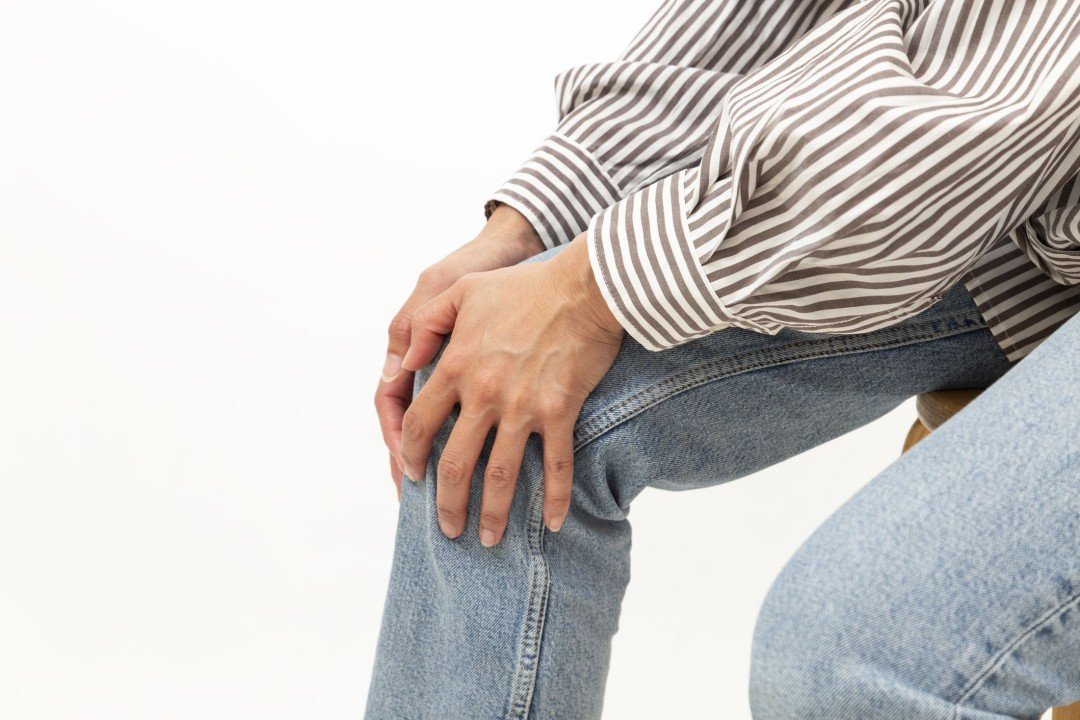
A supplement that many older Americans swallow for their knees may not be so benign for their brains. University of Florida researchers report that glucosamine use was linked to a greater shift from mild cognitive impairment to Alzheimer’s disease in a large review of patient records, reports the Conversation. Using AI to sift through UF Health data from 2012 to 2024, the team found about 8% of patients with either Alzheimer’s or mild cognitive impairment reported taking glucosamine, per a release. After adjusting for age, sex, and demographics, it was found that using glucosamine was tied to a 25% greater risk of mild cognitive impairment advancing to dementia.
Among those already diagnosed with Alzheimer’s or related dementias, glucosamine use was also tied to a 25% higher risk of death over time. The study, published in Nature Metabolism, doesn’t prove that glucosamine, which many take for joint pain and arthritis, causes the decline, but it’s backed by mouse experiments and brain-tissue analyses suggesting the supplement feeds into an overactive “sugar-tagging” process on proteins seen in Alzheimer’s. That metabolic pathway, the authors say, could be a new treatment target—but they stress that the findings need confirmation in clinical trials before changing medical guidance.
Read These Next
Mary Trump has reached a settlement with
Woman gets 18 years for
Supreme Court could
Hillary Clinton had sharper words




Vance abruptly postpones Iran talks trip as Israel & Lebanon clash
Vice President JD Vance is no longer traveling to Switzerland for US-Iran negotiations today, with talks postponed. Iran has asked...


What does UK PM Keir Starmer do now? #BBCNews
Subscribe to our channel here: https://bbc.in/bbcnews For the latest news download the BBC News app or visit BBC.com/news …


US Open 2026: golf updates on day two – live
Key events Gary Woodland’s story has been well documented but is worth repeating. Earlier this year he went public with...


Andy Burnham speaks to supporters after crucial by-election win. #BBCNews


Things people do that make me squirm
What’s worse than spreading a disease? Not even realizing when you’re doing it. Unfortunately, it happens more often than most...


Patriotism is great, but making money is better: ‘Fade the public’ in Team USA vs Australia in World Cup 2026
The 2026 FIFA World Cup heats up this Friday, June 19, as the United States faces Australia in a crucial...


Luca Guadagnino’s Sam Altman Movie ‘Artificial’ Dropped by Amazon
Luca Guadagnino‘s nearly finished Sam Altman movie, “Artificial,” has been dropped by Amazon MGM Studios, Variety has confirmed. The film,...


Imagine showing up to work and finding out you're the bear
A government employee donned a bear costume to help police, hunters and local officials in Japan's Tochigi prefecture rehearse …


Is this the summer of the phone-free show? | Engagement Party
Amazon's wildly popular “Off Campus” is just the latest in a parade of BookTok-beloved titles to gain new fans as...


Will King Charles meet with Meghan Markle during UK visit?
As Prince Harry reportedly prepares to bring his family back to his homeland, in part to see his father, one...
-

 Business6 days ago
How much of Musk’s wealth comes from government help? Virtually all of it
-

 Politics1 week ago
What to know about the stabbing that set off fiery riots in Northern Ireland
-

 LifestyleNews2 weeks ago
120 minutes of strength training per week may help extend lifespan
-

 Video7 days ago
Download fans say what they love about the festival. #DownloadFestival #BBCNews
-

 Video7 days ago
Why SpaceX IPO isn't about space. #SpaceX #ElonMusk #BBCNews
-

 HealthNews1 week ago
The people of Okinawa, Japan only eat until they are about 80 percent full, then stop — and the practice has been linked in multiple peer-reviewed studies to lower rates of cardiovascular disease, slo
-

 TravelNews7 days ago
My Paternal Instinct Should’ve Warned Me About Netflix’s Maternal Instinct
-

 Food6 days ago
Pope Leo’s plane was grounded. Then the King of Spain stepped in to help