

HealthNews
Measles exposure reported at LAX, nearby Hilton hotel after June flight


NEWYou can now listen to Fox News articles!
A traveler infected with measles may have exposed passengers at Los Angeles International Airport and guests at a nearby hotel after arriving in Los Angeles County earlier this month, health officials said Wednesday.
The Los Angeles County Department of Public Health said it is investigating a confirmed measles case involving a traveler who arrived aboard Cathay Pacific Flight CX 884 on June 11. The traveler was infectious while passing through Los Angeles County, potentially exposing others at LAX and the Hilton Los Angeles Airport Hotel.
The case marks the sixth measles infection reported in Los Angeles County this year. Health officials said the risk of exposure could increase as summer travel ramps up and Los Angeles welcomes international visitors for FIFA World Cup events being held in the region.
MEASLES CASES CONFIRMED AT FOUR MAJOR US AIRPORTS ACROSS COUNTRY AMID PEAK HOLIDAY TRAVEL
According to health officials, anyone who was at the Tom Bradley International Terminal between 10 a.m. and noon on June 11 may have been exposed. Officials also identified a potential exposure at the Hilton Los Angeles Airport Hotel, located at 5711 W. Century Blvd., between 11:15 a.m. and 12:15 p.m. that same day.
The Centers for Disease Control and Prevention is working with local health departments to notify passengers who were seated near the infected traveler on the international flight.
People who were at either location during the listed times could develop symptoms between seven and 21 days after exposure, officials said. The last day to monitor for symptoms is July 2.
AT LEAST 46 CHILDREN DEAD AMID MEASLES OUTBREAK AS VIRUS SPREADS GLOBALLY
“As measles cases increase, it is important that residents take steps to make sure they are fully protected,” Los Angeles County Health Officer Dr. Muntu Davis said. “The MMR vaccine is the safest and most reliable way to prevent measles and protect yourself, your family, and your community.”
CLICK HERE TO DOWNLOAD THE FOX NEWS APP
Symptoms include fever, cough, runny nose, red and watery eyes, followed by a rash that typically begins on the face before spreading to the rest of the body.
Fox News Digital reached out to the Los Angeles County Department of Public Health for additional comment but did not receive a response.
HealthNews
Little-known tick bite disease leaves man hospitalized and nonverbal

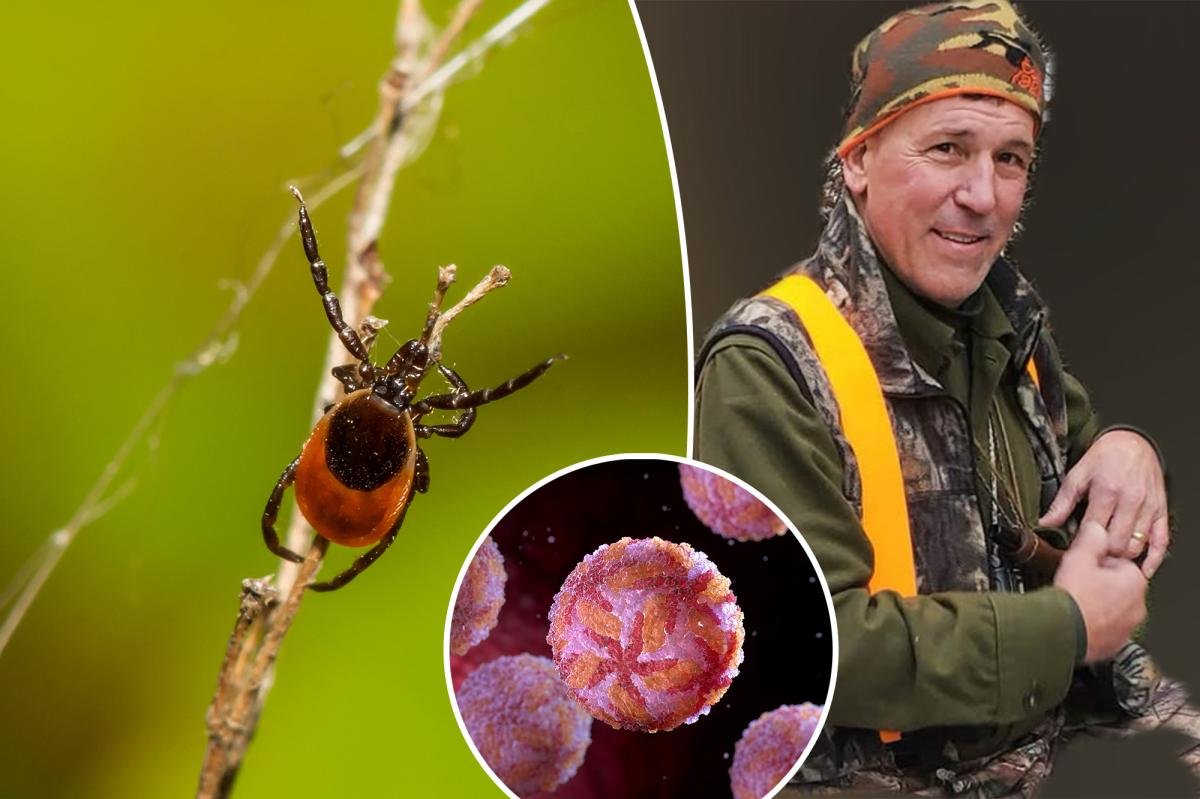
A New Hampshire man is battling a serious tick-borne virus that has left him in critical condition.
According to friends and family, John Reagan, 66, is nonverbal after he was bitten by a tick while walking his dog.
He was hospitalized in Boston, where his condition deteriorated quickly after he was admitted.
“When he first went into the emergency room, he was sitting up and talking to me, and I was there with his wife,” Regan’s longtime friend Tom Wright told CBS News. “And the next day, we went to see him, and he was like nonverbal, and his muscles wouldn’t move right.”
Testing confirmed that Regan had contracted the Powassan virus.
“Most of the people I’ve talked to have never even heard the word before,” Wright said.
Indeed, Powassan is less common than other tick-borne illnesses like Lyme disease, but its effects are devastating, and cases are increasing.
Emergency room visits for tick bites jumped more than 25% nationwide in April compared to the same time last year, according to CDC data.
Last year, the CDC reported seven cases of Powassan, while a record-busting 39 cases were reported in 2019.
Wright and other friends of Reagan are fundraising to help support his recovery and to raise awareness about the dangers of Powassan.
In a bit of good news, Regan reportedly opened his eyes earlier this week and is now breathing without assistance.
What is Powassan virus — and who is at risk?
Powassan belongs to a group of viruses that can cause infection of the brain or the membranes around the brain and spinal cord, and is typically spread to humans after they’re bitten by an infected woodchuck or deer tick.
Those who live or work near brushy or woody areas, or are avid outdoorsmen like Regan, are more likely to be exposed to potentially infected ticks.
Powassan is particularly worrisome because of the ease with which the illness spreads: A tick attached to a human needs 36 to 48 hours to transfer Lyme disease, but it can transfer the Powassan virus in just 15 minutes.
What are the symptoms of Powassan virus?
People with the Powassan virus don’t always show symptoms. If they do, they can look like the flu, with fever, headache or vomiting.
Symptoms can appear one week to one month after the patient is bitten. Severe infections are characterized by a faster onset and more serious symptoms, including brain or spinal inflammation, confusion, seizures, tremors, difficulty speaking and issues with coordination.
Powassan is diagnosed based on clinical symptoms and tests of blood or cerebrospinal fluid that detect antibodies produced by the immune system against the virus.
How deadly is Powassan — and how is it treated?
Because there’s no cure for Powassan, nor a vaccine to prevent it, doctors prescribe rest, fluids and over-the-counter painkillers for most cases, which can last up to a month.
More serious cases like Regan’s can require hospitalization for breathing support and to reduce brain swelling.
About 10% of people with severe Powassan die, while 60% have permanent disability, according to the CDC.
Survivors may have long-term health problems like headaches, memory problems, and a loss of muscle strength.
While anyone can develop serious complications from the Powassan virus, older adults, children and people with weakened immune systems are at a higher risk.
Some health experts have noted that a warming climate helps spread Powassan and other tick-borne diseases, since milder winters and earlier springs create ideal conditions for warm-weather pests like ticks.
Most cases of Powassan virus have occurred in the Northeastern US — from Maine south to Virginia — and westward across the Great Lakes region to Minnesota. Other cases have been reported in Russia and Canada. The first known case occurred in Powassan, Ontario, in 1958, giving the virus its name.
The primary season for tick activity — and reports of tick-borne illnesses — typically starts in March and peaks in May and June, with a second, smaller increase in mid-autumn.
The most efficient way to protect against tick-borne diseases is to use insect repellent and wear clothing that covers your skin in areas with high tick populations, and to check yourself and your pets for ticks.
HealthNews
Experts Share 5 Foods to Avoid That Cause Inflammation in the Body


4 min read
Chronic inflammation, the kind that hangs around, has been linked to a slew of health problems including diabetes and heart disease. However, the most effective strategies for combatting inflammation, such as limiting your intake of the foods that cause inflammation, are surprisingly simple.
“In respect to healing and immunity, we describe inflammation as a state when the body’s immunity is revved up or working to fight off something and this can be a simple cold/flu or chronic disease, pain, or just dealing with something in the environment,” explained Amy Lee, M.D., a medical nutrition specialist. That’s the natural, acute form, which is a temporary response that subsides when it’s no longer needed. “Acute inflammation helps to protect and heal our bodies,” said Lauren Harris-Pincus, M.S., R.D.N., author of The Protein-Packed Breakfast Club and The Everything Easy Pre-Diabetes Cookbook. “Chronic inflammation, however, is a prolonged state that can damage healthy cells, tissues, and organs, contributing to various diseases, including heart disease, diabetes, and certain cancers.”
Meet the experts: Amy Lee, M.D., a medical nutrition specialist; Lauren Harris-Pincus, M.S., R.D.N., author of The Protein-Packed Breakfast Club and The Everything Easy Pre-Diabetes Cookbook; Scott Keatley, R.D., of Keatley Medical Nutrition Therapy,
Making changes to your diet is a powerful step you can take to reduce chronic inflammation. Read on for the top foods that cause inflammation in the body, plus the key foods to include in an anti-inflammatory diet.
Foods that increase inflammation
“Inflammation can be acquired from the foods we eat or the liquids we drink,” said Dr. Lee. Here are the most common ones that you may want to limit or avoid in order to reduce inflammation.
Red meat
If you’re a burger lover or enjoy a steak a few times a week, it may be time to cut back. “Red and processed meats can increase inflammatory markers including C-reactive protein,” said Harris-Pincus. The C-reactive protein is produced by the liver, and may mean that there is inflammation in the body when levels increase, according to the .
Refined carbohydrates
Donuts, sodas, and other foods may taste good, but they could be wreaking havoc on your body. “Excess refined carbs and added sugars can increase blood sugar, which increases production of inflammatory cytokines,” said Harris-Pincus. Cytokines are signaling proteins that help control inflammation in your body, but too many can lead to excess inflammation.
Fried foods
Fried chicken, french fries, chicken parm—these favorites could be doing more harm than good. “Fried foods contain unhealthy fats and may produce [compounds known as] advanced glycation end products (AGEs) during high-temperature cooking, which can promote inflammation,” explained Harris-Pincus.
Ultra-processed foods
shows that diets that contain ultra-processed foods (like potato chips, candy, fast food, hot dogs, etc.) may be associated with more of a risk of immune dysregulation-linked diseases, like inflammatory bowel disease and maybe even autoimmune diseases.
“Most inflammatory foods are ultra-processed foods such as things in a bag or box that have been created from a machine,” said Dr. Lee. “Processed foods are notorious for having ingredients that are not natural, preservatives that help it stay on a shelf for a long time, or texturizers/additives to make foods taste better,” which may contribute to inflammation.
That said, “All ultra-processed foods are not created equal. Some are nutrient-dense and health-promoting,” said Harris-Pincus, such as protein powder or canned beans. “Yet others can promote inflammation through different mechanisms,” she added.
Alcohol
Studies show that alcohol consumption, especially in excess, may disrupt the body’s immune response, leading to chronic inflammation. Cutting back on your alcohol intake can have loads of benefits beyond this, though. The World Heart Federation (WHF) suggested that no amount of alcohol is good for heart health. The American Heart Association (AHA) also warns that drinking too much may elevate fats in the blood known as triglycerides, which may increase your risk of heart attack or stroke.
Key foods that help combat inflammation
Just as there are foods that cause inflammation, there are ones that help fight it as well. That’s where the anti-inflammatory diet comes into play. “An anti-inflammatory diet is the selection of foods that reduce the chronic inflammatory response, while at the same time providing the building blocks for use by anti-inflammatory pathways,” Scott Keatley, R.D., of Keatley Medical Nutrition Therapy, previously explained when detailing the eating pattern. “A diet structured to do this has been shown in some human research to help reduce the impact of diabetes mellitus, coronary artery disease, and asthma.”
The eating pattern focuses on whole foods and plant foods that are nutrient-dense. According to experts and the Mayo Clinic, these may include:
Whole grains
Fruits
Vegetables
Oily fish
Nuts
Seeds
Despite what you may have heard, eggs are smart to include as well. “Eggs are not considered an inflammatory food for most people unless they have an egg allergy or specific sensitivity,” said Harris-Pincus. “In fact, several nutrients found in eggs are known to have anti-inflammatory properties including vitamin D, vitamin C, antioxidants including lutein and zeaxanthin, and high-quality protein.”
HealthNews
Tick season is getting worse. Can managing deer help?


In 2020, during the COVID-19 pandemic, Virginia Barbatti moved with her family to Martha’s Vineyard full time.
It’s an idyllic beach island off the coast of Massachusetts, a summer retreat for presidents from Ulysses S. Grant to Barack Obama.
In the evenings, around dinnertime, deer roamed Barbatti’s yard. “That was really exciting for us when we first moved here,” Barbatti says. “It felt like we were connecting with nature and the outdoors.”
Fast-forward a few years, and Barbatti’s feelings have changed. “Knowing that there are thousands of ticks potentially on a deer as they’re walking through your yard, and they’re dropping and moving them across the landscape — it really starts to shift perspective.” She’s now director of a nonprofit, started in December 2025, called Tick Free Martha’s Vineyard.
Barbatti’s island haven is plagued with ticks — small arachnid parasites that live in the grass and woods, hitch rides on roaming animals and drink their blood.
When some types of ticks bite humans, they can provoke life-threatening allergies to red meat. Others can transmit bacteria that cause Lyme or other diseases.
Want the latest stories on the science of healthy living? Subscribe to NPR’s Health newsletter.
The months of May and June are, unfortunately, primetime for them. “According to our Tick Bite Tracker, ticks are out everywhere,” says Alison Hinckley, epidemiologist and Lyme disease expert with the Centers for Disease Control and Prevention. “We’ve seen a real uptick in areas where Lyme disease occurs.”
Almost all Lyme disease cases come from the Northeast, Mid-Atlantic and Upper Midwest, Hinckley says.
While it won’t be clear how this tick season compares with others until it’s over, it’s shaping up to be among the top three in the past decade, Hinckley says: “So it’s an important time to watch out for tick bites.”
Deer diary
The rise of tick bites and their diseases came with the resurgence of white-tailed deer, especially in the Northeast.
A hundred years ago, the white-tailed deer population was nearly wiped out in the region, says Lea Hamner, an epidemiologist focused on tickborne diseases. Many celebrated their return to the forests as a success for conservation efforts. Now, “we’ve overshot that comeback story significantly,” she says.
Hamner works with the Martha’s Vineyard Tick Program, an initiative of the local government. The island has an average of more than 50 deer per square mile — three to four times what state wildlife officials recommend.
Excess deer can damage forests by overforaging and increase the risk of collisions with cars. They also help grow tick populations. While ticks feed on various mammals and birds, they often find their mates crawling around on the broadside of a deer. “We like to call them the party bus or the singles bar for ticks,” Hamner says.
The ticks drop off the deer and lay eggs, wherever the deer roam. So more deer means more ticks.
For decades, it was deer ticks. Parasites that can transmit bacteria that cause Lyme disease.
Then, in 2011, the lone star tick moved up from the Southeast — probably on the backs of migrating birds. Their appearance sparked a new wave of panic, Hamner says.
Lone star tick bites are itchier and more unpleasant than deer tick bites, and they can gather in what Hamner calls a “tick bomb”: “When they’re babies, they stick together and they get on you all at once. They’re very, very small. But to have hundreds of tiny ticks on you is terrifying,” she says.
Then, there’s the alpha-gal syndrome. Lone star ticks have a sugar in their saliva that can cause life-threatening allergies to certain foods. “Red meat, mammalian meat, is the common denominator,” Hamner says. “Less people are also reactive to dairy products, which come from mammals as well.” Some also develop sensitivities to gelatin capsules used in medicines, and certain soaps and shampoos.
On Martha’s Vineyard, local chefs are trying to offer alpha-gal friendly food options, piecing their new menus together from the internet. “They don’t want to be armed with Google,” Hamner says. “I literally had a restaurant ask me, ‘Is there something better? Because I feel like this is not good enough for me just to be Googling to protect my patrons from having an allergic reaction.'”
Right now, there isn’t. The science and regulatory requirements are still catching up.
The ticks’ slow march
A few years after lone star ticks arrived on Martha’s Vineyard island, they came ashore to mainland Cape Cod — probably also on birds.
“The risk of developing an alpha-gal allergy is not consistent across all of the state,” says Catherine Brown, state epidemiologist at the Massachusetts Department of Public Health.
In April, the state became the 14th jurisdiction to require cases of alpha-gal syndrome to be reported, Brown says, in an attempt to track where the risks are high and where the condition is emerging.
In a cozy office space in South Yarmouth, Mass., where the walls are covered in posters of beetles and butterflies, Escher Cattle keeps his tick collection. He’s an entomologist and tick educator for the Cape Cod Cooperative Extension program in Barnstable County, which covers Cape Cod.
He pulls out glass vials with ticks preserved in alcohol. Some are from a nearby farm. The ticks are small — ranging from the size of a poppy seed to a sesame seed, depending on their life stage.
For someone who goes looking for ticks, Cattle has a good track record: “I’ve only gotten bit by ticks once in my time here so far,” he says.
His main tips are to pretreat outdoor clothing, starting with shoes, socks and pants, with an insecticide called permethrin, to wear EPA-approved insect repellent on exposed skin and to do a full-body tick check after you’ve walked through potential tick habitat. “Get really familiar with your different raised moles and everything so that you can really tell if a tick has attached to you,” he says.
Getting ticks off quickly lowers your chances of getting disease.
Beyond personal measures
Public health leaders say the onus can’t just be on individuals.
“Some people are very good about paying attention and doing the tick checks and using repellent,” says Brown with the state of Massachusetts. “But at the same time, we’ve continued to see the number of tickborne diseases, the types of diseases, and the numbers [of tick bites] generally increasing.”
In the near future, she hopes that a Lyme disease vaccine, developed by Pfizer, will be effective at preventing Lyme disease and approved by federal regulators. “It’s not a solution to the tick problem, but it could be an important tool to help reduce the most common tickborne diseases,” she says.
In the long term, she hopes researchers can figure out how to reduce tick populations.
But research on tick control lags behind mosquito control by decades. “We’ve been studying mosquitoes as a disease vector since the 1900s, so we know a lot of different things about what works on them,” Cattle, with Barnstable County, points out. “But for ticks, we’ve only really been studying them in this kind of capacity since the 1980s,” when the bacterium that causes Lyme disease was identified.
In the past few decades, researchers have tried multiple strategies, says Stephen Rich, executive director for the New England Center of Excellence in Vector-borne Diseases (NEWVEC) at UMass Amherst.
“We’ve tried spraying ticks on the yard, we’ve tried treating ourselves and even tried making nest boxes for mice where the mice can go and get treated. Nothing has worked the way we want it,” he says. They haven’t made big dents in the tick population or the number of tick bites people get.
Rich is adapting an idea from an oral medicine that protects pets, by making their blood toxic to fleas and ticks, for deer. “There’s some tricks to that,” he says. “There’s differences in the digestive system of white-tailed deer versus dogs and cats. And there’s also the fact that these are game animals, so they have to be treated as a food source.”
In New York City, Staten Island is trying a different solution for deer: controlling the population by sterilizing them. “Every male — or at least most of them — have had vasectomies,” says Maria Diuk-Wasser, a professor in the department of ecology, evolution and environmental biology at Columbia University who tracks tickborne diseases.
The bucks are tranquilized and sterilized in the procedure. She says they’re even watching for new deer coming in from New Jersey, to give them vasectomies too.
The project, which started in 2016, appears to be stabilizing the population. Very few new babies are born, “but the deer can live many years, so it’s not yet a drastic decline overall,” Diuk-Wasser says.
In late May, U.S. Health Secretary Robert F. Kennedy Jr. announced new federal investments in preventing, diagnosing and treating tickborne diseases.
HealthNews
Doctors Say These Are the Top 5 Foods That Cause Inflammation
“Hearst Magazines and AOL may earn commission or revenue on some items through these links.”
Chronic inflammation, the kind that hangs around, has been linked to a slew of health problems including diabetes and heart disease. However, the most effective strategies for combatting inflammation, such as limiting your intake of the foods that cause inflammation, are surprisingly simple.
“In respect to healing and immunity, we describe inflammation as a state when the body’s immunity is revved up or working to fight off something and this can be a simple cold/flu or chronic disease, pain, or just dealing with something in the environment,” explained Amy Lee, M.D., a medical nutrition specialist. That’s the natural, acute form, which is a temporary response that subsides when it’s no longer needed. “Acute inflammation helps to protect and heal our bodies,” said Lauren Harris-Pincus, M.S., R.D.N., author of The Protein-Packed Breakfast Club and The Everything Easy Pre-Diabetes Cookbook. “Chronic inflammation, however, is a prolonged state that can damage healthy cells, tissues, and organs, contributing to various diseases, including heart disease, diabetes, and certain cancers.”
Meet the experts: Amy Lee, M.D., a medical nutrition specialist; Lauren Harris-Pincus, M.S., R.D.N., author of The Protein-Packed Breakfast Club and The Everything Easy Pre-Diabetes Cookbook; Scott Keatley, R.D., of Keatley Medical Nutrition Therapy,
Making changes to your diet is a powerful step you can take to reduce chronic inflammation. Read on for the top foods that cause inflammation in the body, plus the key foods to include in an anti-inflammatory diet.
Foods that increase inflammation
“Inflammation can be acquired from the foods we eat or the liquids we drink,” said Dr. Lee. Here are the most common ones that you may want to limit or avoid in order to reduce inflammation.
Red meat
If you’re a burger lover or enjoy a steak a few times a week, it may be time to cut back. “Red and processed meats can increase inflammatory markers including C-reactive protein,” said Harris-Pincus. The C-reactive protein is produced by the liver, and may mean that there is inflammation in the body when levels increase, according to the Mayo Clinic.
Refined carbohydrates
Donuts, sodas, and other foods may taste good, but they could be wreaking havoc on your body. “Excess refined carbs and added sugars can increase blood sugar, which increases production of inflammatory cytokines,” said Harris-Pincus. Cytokines are signaling proteins that help control inflammation in your body, but too many can lead to excess inflammation.
Fried foods
Fried chicken, french fries, chicken parm—these favorites could be doing more harm than good. “Fried foods contain unhealthy fats and may produce [compounds known as] advanced glycation end products (AGEs) during high-temperature cooking, which can promote inflammation,” explained Harris-Pincus.
Ultra-processed foods
Research shows that diets that contain ultra-processed foods (like potato chips, candy, fast food, hot dogs, etc.) may be associated with more of a risk of immune dysregulation-linked diseases, like inflammatory bowel disease and maybe even autoimmune diseases.
“Most inflammatory foods are ultra-processed foods such as things in a bag or box that have been created from a machine,” said Dr. Lee. “Processed foods are notorious for having ingredients that are not natural, preservatives that help it stay on a shelf for a long time, or texturizers/additives to make foods taste better,” which may contribute to inflammation.
That said, “All ultra-processed foods are not created equal. Some are nutrient-dense and health-promoting,” said Harris-Pincus, such as protein powder or canned beans. “Yet others can promote inflammation through different mechanisms,” she added.
Alcohol
Studies show that alcohol consumption, especially in excess, may disrupt the body’s immune response, leading to chronic inflammation. Cutting back on your alcohol intake can have loads of benefits beyond this, though. The World Heart Federation (WHF) suggested that no amount of alcohol is good for heart health. The American Heart Association (AHA) also warns that drinking too much may elevate fats in the blood known as triglycerides, which may increase your risk of heart attack or stroke.
Key foods that help combat inflammation
Just as there are foods that cause inflammation, there are ones that help fight it as well. That’s where the anti-inflammatory diet comes into play. “An anti-inflammatory diet is the selection of foods that reduce the chronic inflammatory response, while at the same time providing the building blocks for use by anti-inflammatory pathways,” Scott Keatley, R.D., of Keatley Medical Nutrition Therapy, previously explained when detailing the eating pattern. “A diet structured to do this has been shown in some human research to help reduce the impact of diabetes mellitus, coronary artery disease, and asthma.”
The eating pattern focuses on whole foods and plant foods that are nutrient-dense. According to experts and the Mayo Clinic, these may include:
Whole grains
Fruits
Vegetables
Oily fish
Nuts
Seeds
Despite what you may have heard, eggs are smart to include as well. “Eggs are not considered an inflammatory food for most people unless they have an egg allergy or specific sensitivity,” said Harris-Pincus. “In fact, several nutrients found in eggs are known to have anti-inflammatory properties including vitamin D, vitamin C, antioxidants including lutein and zeaxanthin, and high-quality protein.”
According to the National Library of Medicine, an anti-inflammatory diet, like the Mediterranean diet, has been shown to reduce your risk of heart disease, Alzheimer’s, and certain cancers, so why not give it a try?
You Might Also Like
HealthNews
Golden Retriever Suffers Through ‘Annoying’ Little Sister’s Shenanigans
Ask anyone with a younger sibling, and they will tell you life was infinitely more peaceful before the new arrival. A hilarious Instagram video uploaded by the popular account @goldenchilidog perfectly shows this exact family dynamic, albeit with two Golden Retrievers, in real-time.
A handsome pup named Chili enjoys a gorgeous lake life out in New Jersey. But his daily relaxation routinely gets interrupted by a chaotic younger sibling named Stevie. This high-energy puppy clearly dedicates her entire day to making her big brother’s life difficult.
Golden Retriever falls prey to ‘annoying little sister’ and her actions
The laugh-out-loud footage starts on a sunny lakeside beach where Stevie is aggressively digging a massive hole in the sand. However, poor Chili is sitting right in the splash zone behind her and gets pelted with flying dirt.
The clip quickly cuts to a pier where Chili leaps gracefully into the water. And Stevie jumps immediately after him, landing almost squarely on his head and forcing him to swim away.
This eager-to-please breed is famously patient, but Stevie constantly tests his boundaries. Later, Chili is simply minding his own business by the house when his little sister launches a surprise attack. She hops around frantically and tries to chew on his fluffy cheeks until he literally runs away in defeat. Naturally, she chases him down.
The absolute best part of the video happens while the older Golden Retriever is napping belly-up on the wooden dock. Stevie charges toward him, causing a startled Chili to scramble backward, lose his footing, and tumble straight into the lake. The chaotic clip cuts off right before the final splash, racking up over 3K likes from amused fans.
Viewers are completely cracking up in the video’s comments section over the older Golden Retriever and his incredible patience. One person joked that Chili is probably wondering where he can officially return her. Another fan questioned whether he was actually pushed off the dock or just clumsy.


Inside South Korea’s stock frenzy
South Korea's stock market is running hotter than ever – the country's benchmark stock index KOSPI has grown more than...
TV comedy directing legend James Burrows dies at 85
LOS ANGELES (AP) — James Burrows, who helped create volumes of laughter as director of more than a thousand episodes...


USA beats Australia to secure spot in World Cup knockout rounds
After defeating Australia 2-0, the United States will move on to the knockout rounds of the 2026 World Cup. CNN's...


Daveigh Chase’s mom breaks silence on actress’ death
Daveigh Chase’s mother, Cathy Chase, revealed her stunned reaction to her daughter’s death in an emotional new interview. “I was...


What time is Brazil vs Haiti? World Cup lineups, live updates, channel
Editor’s note: Follow all of Friday’s World Cup action live! PHILADELPHIA — Carlo Ancelotti heard the reactions and post‑match analysis...


Measles exposure reported at LAX, nearby Hilton hotel after June flight
NEWYou can now listen to Fox News articles! A traveler infected with measles may have exposed passengers at Los Angeles...


As Trump threatens Iran, the peace plan finds setbacks
Trump says Iran must reach a deal or the US will do things that "won't make them happy". Meanwhile, teams...


Company owned by Trump donor won $1.7 million no-bid Reflecting Pool cleaning contract
Washington — The federal government awarded a company owned by a Trump donor a $1.7 million contract to install a...


One dead and 11 very seriously injured in Bedford train crash | BBC News
One person has died after two trains collided in Bedford, UK, according to British Transport Police. The East of England...


Brazil vs. Haiti prediction, odds, line, start time: 2026 World Cup picks, best bets
Brazil can take a big step toward the knockout stage on Friday when they take on Haiti in a battle...
-

 Business6 days ago
How much of Musk’s wealth comes from government help? Virtually all of it
-

 Politics1 week ago
What to know about the stabbing that set off fiery riots in Northern Ireland
-

 LifestyleNews2 weeks ago
120 minutes of strength training per week may help extend lifespan
-

 Video1 week ago
Download fans say what they love about the festival. #DownloadFestival #BBCNews
-

 Video1 week ago
Why SpaceX IPO isn't about space. #SpaceX #ElonMusk #BBCNews
-

 HealthNews1 week ago
The people of Okinawa, Japan only eat until they are about 80 percent full, then stop — and the practice has been linked in multiple peer-reviewed studies to lower rates of cardiovascular disease, slo
-

 TravelNews1 week ago
My Paternal Instinct Should’ve Warned Me About Netflix’s Maternal Instinct
-

 Food1 week ago
Pope Leo’s plane was grounded. Then the King of Spain stepped in to help