

HealthNews
Research shows weight-loss drugs may also reduce cancer risk


Amna Nawaz:
A growing body of research suggests popular weight loss drugs like Ozempic and Wegovy may also help treat or prevent certain cancers. It’s the latest unexpected benefit to be associated with GLP-1s, which are now taken by one in eight American adults.
William Brangham has more.
William Brangham:
The results in these cases come from what are known as observational studies, not more rigorous clinical trials, and researchers say there are still many open questions.
That said, this was the hot topic at a recent conference of America’s top cancer doctors, where a number of observations all pointed in the same direction, that GLP-1s appeared to help fight cancer above and beyond the benefits that you would expect from weight loss alone.
So, to understand these implications and the limitations of these studies, we turn to Dr. Neil Iyengar. He’s director of breast oncology and cancer survivorship at the Winship Cancer Institute at Emory University.
Dr. Iyengar, thank you for being here.
There is this growing body of observational evidence that GLP-1s do seem to help with regards to cancer. Big picture, what have those studies found?
Dr. Neil Iyengar, Emory University School of Medicine: Well, thanks for having me.
I think this is really exciting and important data. We have known for a very long time that obesity is associated with an increased risk of at least 13 different cancers, possibly 20 different cancers. And so reversing obesity has been a key area of research.
Up until now, we haven’t had powerful methods for weight loss as we do with the GLP-1 receptor agonists. These studies that you have pointed out really identify an exciting hypothesis or theory. And I say that because, as you mentioned, these are observational studies.
But the data really support the idea that weight loss through a GLP-1 receptor agonist cannot only help to prevent many of the obesity-related cancers, but may actually help to prevent a recurrence of some of these cancers even after a cancer diagnosis.
William Brangham:
I mean, it’s quite striking.
I just want to read some of the details from some of these studies. One analysis from the University of Pennsylvania found women between the ages of 45 and 80 who were taking these drugs were about 30 percent less likely to develop breast cancer than those who were not.
Another surveyed patients identified with seven types of early-stage cancer and found GLP-1s significantly reduced the risk of spread in four of them, lung, breast, colon, and liver cancers. Again, do you believe that this is principally a function of weight loss being the real actor here?
Dr. Neil Iyengar:
I do.
It’s been clear from prior studies where we have used methods like diet or exercise, which induce lower amounts of weight loss. But even at those lower-levels of weight loss, we see some reduction, not as profound as what you have just read, but we see some reduction in the risk of obesity-related cancers.
What we do know from studies that have looked at larger weight loss procedures, like bariatric surgery, for example, is that the more weight loss we can induce in people who are struggling with obesity, the lower the risk of developing cancer or cancer recurrence.
So it’s not surprising that, when we look at these large observational data sets, a GLP-1 receptor agonist, which can typically induce 15 to 20 percent or even greater weight loss, similar to what bariatric surgeries do, that these drugs can also reduce the risk of cancer.
And it does seem that it’s primarily through the weight loss function. We also know that GLP-1s have some anti-inflammatory effects as well. And we’re learning about some possible immune-related effects as well. But I think it’s really driven through the large amounts of weight loss that these drugs can induce, as opposed to prior or other diabetes drugs.
And that’s where we’re probably likely to see success with the GLP-1s and cancer risk reduction.
William Brangham:
So let’s say those studies go forward and they do show this real effect.
How much of a shift would this be in your field of cancer, in oncology?
Dr. Neil Iyengar:
I think that we are standing really at the precipice of a massive possible shift in the global health burden, not only of obesity, but obesity-related cancers.
We know that one in seven male cancer-related deaths and one in six female cancer-related deaths are related to obesity. If we can reduce the obesity problem, which we know we can do with the GLP-1s, this really stands to remarkably shift the global burden of obesity-related cancers.
But we have to do this cautiously, because there are mixed data for the effects on various types of cancers, interactions with different types of cancer therapies. This is why it is so essential that we continue studying these drugs in a prospective, rigorous way, so we can optimally and safely use them to reduce cancer burden.
William Brangham:
I mean, given what we know now — you’re a specialist in treating breast cancer.
Again, with the data that we have currently, would you suggest to your patients that they take a GLP-1 either for current cancer patients or as a preventative?
Dr. Neil Iyengar:
I think this is a tricky question right now, because this is where we have to rely on the available data, which is observational, as we’ve been discussing.
And so where I worry is, we don’t have data on how the GLP-1s may or may not interact with cancer therapies. So, for a patient who has completed their cancer therapy and is cancer-free, I think, if they are dealing with obesity, then this could be a successful approach for, A, reducing obesity, and, B, reducing the risk of cancer recurrence due to obesity.
But for patients who are currently on treatment, especially chemotherapy or immune therapy, we don’t know yet precisely how these drugs may interact. They may possibly make side effects worse. They may possibly make some treatments like immunotherapy less effective for cancer treatment.
That’s really where we don’t know enough to recommend the use of a GLP-1 in that setting. So, ultimately, I would say, for a cancer survivor who has completed their therapy and is struggling with obesity, it is worth having that discussion with your oncologist and with your doctors about whether it is safe to use a GLP.
But if you’re on active therapy, certainly, have that conversation with your oncologist. I would caution against it until we generate more data.
William Brangham:
All right, that is Dr. Neil Iyengar of Emory University.
Thank you so much for being here.
Dr. Neil Iyengar:
Thank you for having me.
HealthNews
Australia confirms first case of bird flu as virus reaches every continent


The H5N1 strain of bird flu has for the first time been found in Australia, the country’s agriculture ministry confirmed. It means the highly contagious variant has now reached every continent.
The disease was found in a migratory seabird, a brown skua, in remote Western Australia, Agriculture Minister Julie Collins said on Saturday.
The bird was found on a beach at the Cape Le Grand National Park near the town of Esperance, about 700km (434 mi) south-east of Perth, according to local media.
Australia was previously the only continent where the H5N1 bird flu strain had not been found.
Collins added that there was a second suspected case of bird flu – a southern petrel that was found exhausted on an Esperance beach, though she added that there was no “evidence of mass mortalities at this time”.
Threatened Species Commissioner Fiona Fraser said authorities would know “within a few days” if the virus was present in any other animal populations in Australia, according to a report by the national broadcaster, the ABC.
The report also quoted the country’s Chief Veterinary Officer Beth Cookson who said authorities had been “preparing for this event for a long time” and that the committee for emergency animal disease had convened on Saturday.
The H5N1 strain of bird flu was detected on the remote Australian territories of Heard and McDonald Islands in October last year – located in the southern Indian Ocean.
A study released this week estimated that around 13,000 baby seals from a group of 17,000 on Heard Island were killed by the H5N1 strain of bird flu since last August, more than 75% of the entire group. They also found higher than expected deaths in penguin populations.
Scientists believe bird flu was likely introduced to the islands last August from migrating birds from the French-owned Crozet Islands, about 1,800 km away.
Bird flu is a disease caused by a virus that infects birds and sometimes other animals, such as foxes, seals and otters.
The major strain – circulating among wild birds worldwide – is a type of the virus known as H5N1. It emerged in China in the late 1990s.
HealthNews
Measles exposure reported at LAX, nearby Hilton hotel after June flight


NEWYou can now listen to Fox News articles!
A traveler infected with measles may have exposed passengers at Los Angeles International Airport and guests at a nearby hotel after arriving in Los Angeles County earlier this month, health officials said Wednesday.
The Los Angeles County Department of Public Health said it is investigating a confirmed measles case involving a traveler who arrived aboard Cathay Pacific Flight CX 884 on June 11. The traveler was infectious while passing through Los Angeles County, potentially exposing others at LAX and the Hilton Los Angeles Airport Hotel.
The case marks the sixth measles infection reported in Los Angeles County this year. Health officials said the risk of exposure could increase as summer travel ramps up and Los Angeles welcomes international visitors for FIFA World Cup events being held in the region.
MEASLES CASES CONFIRMED AT FOUR MAJOR US AIRPORTS ACROSS COUNTRY AMID PEAK HOLIDAY TRAVEL
According to health officials, anyone who was at the Tom Bradley International Terminal between 10 a.m. and noon on June 11 may have been exposed. Officials also identified a potential exposure at the Hilton Los Angeles Airport Hotel, located at 5711 W. Century Blvd., between 11:15 a.m. and 12:15 p.m. that same day.
The Centers for Disease Control and Prevention is working with local health departments to notify passengers who were seated near the infected traveler on the international flight.
People who were at either location during the listed times could develop symptoms between seven and 21 days after exposure, officials said. The last day to monitor for symptoms is July 2.
AT LEAST 46 CHILDREN DEAD AMID MEASLES OUTBREAK AS VIRUS SPREADS GLOBALLY
“As measles cases increase, it is important that residents take steps to make sure they are fully protected,” Los Angeles County Health Officer Dr. Muntu Davis said. “The MMR vaccine is the safest and most reliable way to prevent measles and protect yourself, your family, and your community.”
CLICK HERE TO DOWNLOAD THE FOX NEWS APP
Symptoms include fever, cough, runny nose, red and watery eyes, followed by a rash that typically begins on the face before spreading to the rest of the body.
Fox News Digital reached out to the Los Angeles County Department of Public Health for additional comment but did not receive a response.
HealthNews
Scientists may have solved weight regain problem from GLP-1 drugs

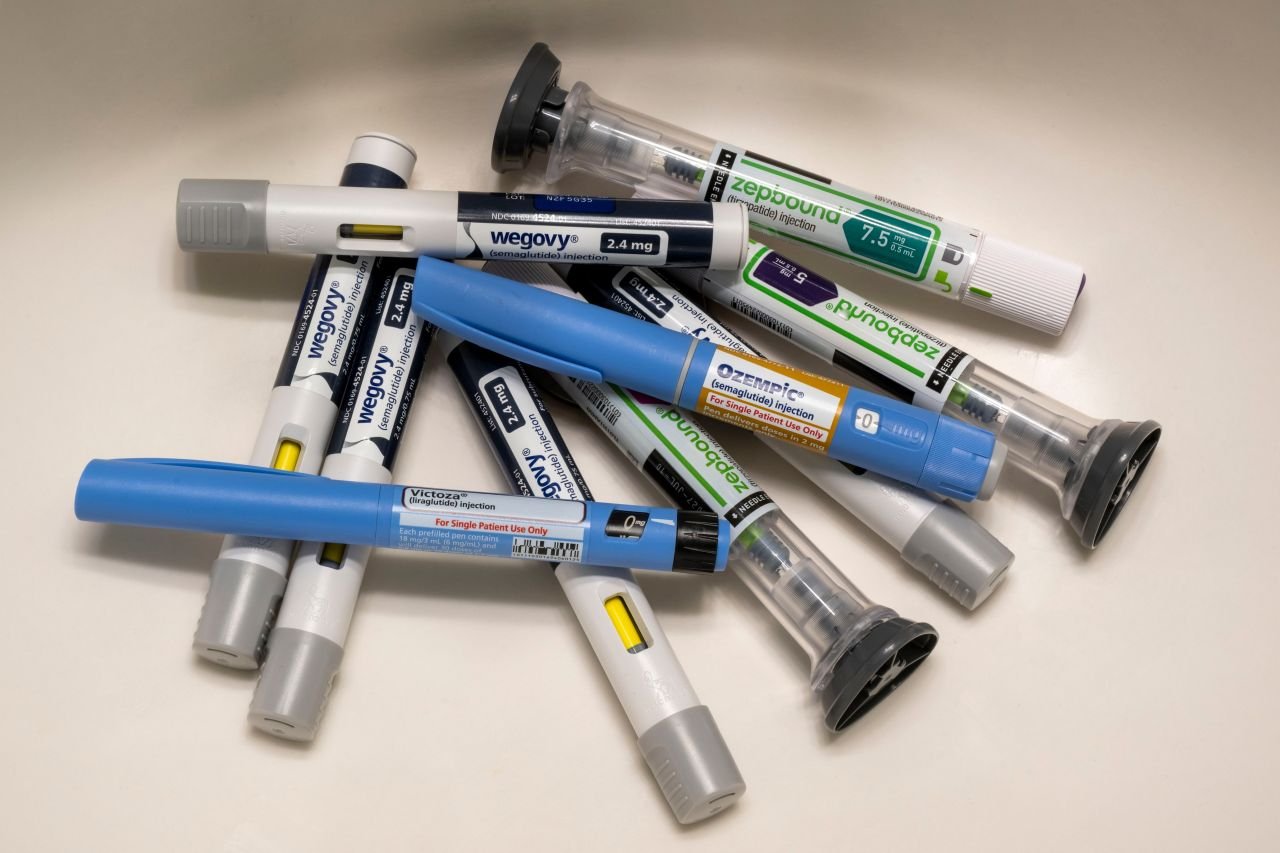
(NewsNation) — Researchers said they have developed a minimally invasive procedure that may help people keep weight off after stopping popular medications like Ozempic and semaglutide, addressing one of the biggest challenges facing the multibillion-dollar weight-loss drug industry.
The procedure, called duodenal mucosal resurfacing, uses controlled heat to renew the lining of the upper small intestine, potentially “resetting” a person’s metabolism to prevent the common weight regain that occurs when patients discontinue GLP-1 medications.
“Finding a treatment that allows patients to stop these medications without weight regain or loss of metabolic benefit is a huge unmet need,” said Dr. Shelby Sullivan, director of the Endoscopic Bariatric and Metabolic Program at Dartmouth Health Weight Center and lead author of the research said.
Nearly 70% of people who stop GLP-1 medications like Ozempic and Wegovy regain much of the weight they lost, often within 18 months. The cost of ongoing medication, side effects and a reluctance to take drugs indefinitely drive many patients to discontinue use.
Patients kept 80% of weight loss
In the clinical trial, researchers studied 45 patients who had lost an average of 40 pounds using tirzepatide before stopping the drug. Twenty-nine underwent the duodenal mucosal resurfacing procedure, while 16 received a sham treatment.
Six months after stopping the medication, patients who received the real procedure regained only about 7 pounds and maintained more than 80% of their weight loss. By comparison, those who received the sham procedure regained roughly 14 pounds.
The difference between the two groups widened over the six months, suggesting the benefits may strengthen rather than fade over time.
“It’s particularly encouraging that this benefit appears to increase over time rather than fade, and that it behaves like a drug in terms of dose response,” Dr. Sullivan said.
How does the DMR procedure work?
The procedure targets the duodenum, the first section of the small intestine below the stomach, where the body produces GLP-1 and other hormones that regulate appetite and metabolism.
High-fat, high-sugar diets thicken and damage the mucosal lining over time, impairing hormone signaling. By ablating the damaged layer, the procedure stimulates regrowth of healthy tissue that is “reset” to the person’s new, lower body weight.
No serious complications were reported. Patients recovered quickly from anesthesia and could return to normal activities within about a day.
“Patients generally recover quickly from the anesthesia and do not face much downtime,” Dr. Sullivan said.
Larger trial of 300+ patients underway
The procedure remains investigational and does not yet have FDA approval.
The larger REMAIN-1 trial includes more than 300 fully enrolled and randomized participants. Researchers expect topline results from the pivotal cohort in the early fourth quarter of 2026, followed by a planned marketing submission later, per Science Daily.
If the larger trial confirms the early findings, duodenal mucosal resurfacing could provide the “off-ramp” that GLP-1 weight loss has been missing.
HealthNews
Little-known tick bite disease leaves man hospitalized and nonverbal


A New Hampshire man is battling a serious tick-borne virus that has left him in critical condition.
According to friends and family, John Reagan, 66, is nonverbal after he was bitten by a tick while walking his dog.
He was hospitalized in Boston, where his condition deteriorated quickly after he was admitted.
“When he first went into the emergency room, he was sitting up and talking to me, and I was there with his wife,” Regan’s longtime friend Tom Wright told CBS News. “And the next day, we went to see him, and he was like nonverbal, and his muscles wouldn’t move right.”
Testing confirmed that Regan had contracted the Powassan virus.
“Most of the people I’ve talked to have never even heard the word before,” Wright said.
Indeed, Powassan is less common than other tick-borne illnesses like Lyme disease, but its effects are devastating, and cases are increasing.
Emergency room visits for tick bites jumped more than 25% nationwide in April compared to the same time last year, according to CDC data.
Last year, the CDC reported seven cases of Powassan, while a record-busting 39 cases were reported in 2019.
Wright and other friends of Reagan are fundraising to help support his recovery and to raise awareness about the dangers of Powassan.
In a bit of good news, Regan reportedly opened his eyes earlier this week and is now breathing without assistance.
What is Powassan virus — and who is at risk?
Powassan belongs to a group of viruses that can cause infection of the brain or the membranes around the brain and spinal cord, and is typically spread to humans after they’re bitten by an infected woodchuck or deer tick.
Those who live or work near brushy or woody areas, or are avid outdoorsmen like Regan, are more likely to be exposed to potentially infected ticks.
Powassan is particularly worrisome because of the ease with which the illness spreads: A tick attached to a human needs 36 to 48 hours to transfer Lyme disease, but it can transfer the Powassan virus in just 15 minutes.
What are the symptoms of Powassan virus?
People with the Powassan virus don’t always show symptoms. If they do, they can look like the flu, with fever, headache or vomiting.
Symptoms can appear one week to one month after the patient is bitten. Severe infections are characterized by a faster onset and more serious symptoms, including brain or spinal inflammation, confusion, seizures, tremors, difficulty speaking and issues with coordination.
Powassan is diagnosed based on clinical symptoms and tests of blood or cerebrospinal fluid that detect antibodies produced by the immune system against the virus.
How deadly is Powassan — and how is it treated?
Because there’s no cure for Powassan, nor a vaccine to prevent it, doctors prescribe rest, fluids and over-the-counter painkillers for most cases, which can last up to a month.
More serious cases like Regan’s can require hospitalization for breathing support and to reduce brain swelling.
About 10% of people with severe Powassan die, while 60% have permanent disability, according to the CDC.
Survivors may have long-term health problems like headaches, memory problems, and a loss of muscle strength.
While anyone can develop serious complications from the Powassan virus, older adults, children and people with weakened immune systems are at a higher risk.
Some health experts have noted that a warming climate helps spread Powassan and other tick-borne diseases, since milder winters and earlier springs create ideal conditions for warm-weather pests like ticks.
Most cases of Powassan virus have occurred in the Northeastern US — from Maine south to Virginia — and westward across the Great Lakes region to Minnesota. Other cases have been reported in Russia and Canada. The first known case occurred in Powassan, Ontario, in 1958, giving the virus its name.
The primary season for tick activity — and reports of tick-borne illnesses — typically starts in March and peaks in May and June, with a second, smaller increase in mid-autumn.
The most efficient way to protect against tick-borne diseases is to use insect repellent and wear clothing that covers your skin in areas with high tick populations, and to check yourself and your pets for ticks.
HealthNews
A 50-year-old PT shares the 4 simple exercises you need to start strength training later in life – here’s how to do them


At 50, PT Sasha, founder of Stronger with Sasha, helps women going through menopause and perimenopause build lasting strength and physical independence. She primarily focuses on increasing their bone density and reducing their likelihood of developing osteoporosis – an issue she feels is especially important given that, in the UK, one in two women aged over 50 will suffer a fracture in their lifetime.
Strength training is widely recognised as a powerful way to build stronger bones and functional capability as we age. ‘The good news is that [loading your bones] does not have to start in a gym,’ Sasha explains. ‘We can begin at home,’ using just your body weight or equipment as simple as two small bottles of water.
You can build an effective workout with just a handful of movements, Sasha says. ‘These are the only four moves you need to start,’ she explains. They are each an example of one of the fundamental movement patterns that most exercises boil down to – hinge, squat, push, pull, lunge, rotation and locomotion.
‘They are compound exercises, which means they work multiple muscle groups at once,’ she continues. ‘You can do all of these in your kitchen with a pair of dumbbells and a chair.’
1. Squat
‘This is the move that keeps you getting up from a sofa and out of a chair easily for life,’ says Sasha.
Stand with your feet just wider than your hips and your toes turned outwards slightly.
Imagine you’re lowering down to sit in a chair. Don’t let your knees roll inwards and keep your chest up, but allow your torso to lean forward as needed.
Lower until your hips drop just below your knees, and your knees track in line with your toes.
Push through the floor to return to standing.
2. Incline push up
Use the kitchen counter, or find a step, bench or other stable surface that’s higher than the floor, and plant your hands shoulder-width apart with your shoulders over your wrists. Keep your body as straight as possible. Draw your belly button to your spine to engage the abs, and squeeze your glutes.
Slowly lower your chest towards your hands by bending the elbows and pointing them backwards (think of making an arrow shape).
Once your shoulders are at elbow height, push back up.
Modification: If that feels too challenging, start with your hands on the wall.
What to Read Next
Progression: As you get stronger, lower the surface you’re pushing from. A sofa works well, and eventually you can work all the way down to the floor.
3. Romanian deadlift
‘This is how you protect your back every time you bend down to pick something up,’ Sasha explains.
Stand with your feet hip-width apart, holding a pair of dumbbells in your hands.
Keeping your head up and back straight, tighten your shoulder blades.
Push your hips back like you’re closing a drawer with your bum, keeping the dumbbells close to your legs. You’ll feel it in the back of your legs. Lower yourself until you feel a solid stretch in your hamstrings while maintaining a flat back and neutral spine.
Pause briefly, then drive through your heels to fully extend your hips and knees to drive back to the starting position, squeezing your glutes at the top, but not thrusting so far that your back overextends.
4. Bent-over row
This is the move that improves your posture and builds strength through your whole back, Sasha points out.
Place one hand and the same-side knee on a bench, holding a dumbbell in the opposite hand.
Draw the dumbbell towards your waist, keeping your elbow tucked into your side.
Pause briefly before lowering with control.
One of our most frequently asked questions here at Women’s Health? How to build muscle and burn fat at the same time. So, we asked superstar trainer Oyinda Okunowo exactly how to do it. In this 4-week plan – created exclusively for Women’s Health COLLECTIVE members – you’ll get the workouts and nutrition guidance needed to help you on your way to better body composition. Tap the link below to unlock 14 days of free access to Oyinda’s plan and start training today.
Get the plan
Kate Cheng
Health and Fitness Writer
Kate puts together fitness content that covers functional and strength training, cardio, workout challenges, interviews and news. She’s often doing gym laundry or listening to music.


Funnel cloud passes through southeast Louisiana
Video shows a funnel cloud passing through Chalmette, Louisiana on Friday. #CNN #News #Weather.


Administration Is Engaging in Backdoor Student Debt Cancellation
The Education Department announced today that they will quadruple the auto-pay incentive to reduce a student loan borrower’s interest rate...


Drone video captures beach hotel fire in Dominican Republic
A large fire at a hotel in the Dominican beach resort of Bayahibe has killed at least one person and...


‘RHOA’ Pinky Cole’s 5-Figure Monthly Income Revealed in Bankruptcy
“The Real Housewives of Atlanta” star Pinky Cole’s finances were revealed as part of her ongoing bankruptcy … and it...


Why an MLB cap with Pride symbol set off a firestorm
CNN's Hannah Keyser breaks down the controversy triggered by the Giants' Pride Night caps. #CNN #News.


Inside South Korea’s stock frenzy
South Korea's stock market is running hotter than ever – the country's benchmark stock index KOSPI has grown more than...


Australia confirms first case of bird flu as virus reaches every continent
The H5N1 strain of bird flu has for the first time been found in Australia, the country’s agriculture ministry confirmed....
TV comedy directing legend James Burrows dies at 85
LOS ANGELES (AP) — James Burrows, who helped create volumes of laughter as director of more than a thousand episodes...


USA beats Australia to secure spot in World Cup knockout rounds
After defeating Australia 2-0, the United States will move on to the knockout rounds of the 2026 World Cup. CNN's...


Kennedy Center says it’s still weighing whether to carry out a “partial closure”
Washington — The Trump administration told a federal judge late Friday that the Kennedy Center is still weighing whether to...
-

 Business7 days ago
How much of Musk’s wealth comes from government help? Virtually all of it
-

 Politics1 week ago
What to know about the stabbing that set off fiery riots in Northern Ireland
-

 LifestyleNews2 weeks ago
120 minutes of strength training per week may help extend lifespan
-

 Video1 week ago
Download fans say what they love about the festival. #DownloadFestival #BBCNews
-

 Video1 week ago
Why SpaceX IPO isn't about space. #SpaceX #ElonMusk #BBCNews
-

 HealthNews1 week ago
The people of Okinawa, Japan only eat until they are about 80 percent full, then stop — and the practice has been linked in multiple peer-reviewed studies to lower rates of cardiovascular disease, slo
-

 TravelNews1 week ago
My Paternal Instinct Should’ve Warned Me About Netflix’s Maternal Instinct
-

 Food1 week ago
Pope Leo’s plane was grounded. Then the King of Spain stepped in to help