

HealthNews
Ozempic and Wegovy may strengthen bones in Type 2 diabetes patients, study finds


Type 2 diabetes patients taking Ozempic and Wegovy may be getting an unexpected perk: a little extra backbone.
A new study suggests semaglutide — the active ingredient in the blockbuster weight-loss drugs — could help strengthen bones in type 2 diabetes sufferers, even as it melts the pounds away, according to a Science Daily report.
Researchers found that type 2 diabetes patients taking semaglutide were 15% less likely to suffer bone fractures than patients using other popular weight-loss medications.
That’s a surprising twist, since many experts had worried that rapid weight loss could leave bones more fragile.
Not only did semaglutide users lose more weight than patients taking competing treatments, but they also appeared less likely to break a bone, said the researchers, led by Dr. Jairo Noreña, a former endocrinology fellow at Stanford University Medical Center in Palo Alto, Calif.
The research team dug through the medical records of more than 59,000 adults with type 2 diabetes.
Among the 26,324 semaglutide users, researchers recorded 794 fractures.
The comparison group — 33,555 patients taking other weight-loss drugs — suffered a whopping 1,045 fractures.
The findings were unveiled at ENDO 2026 — the Endocrine Society’s annual meeting in Chicago, which took place from June 13-16. The confab brought together thousands of professionals in hormone science and medicine.
The findings carry real-world implications — particularly for the millions of older adults on weight-loss medications who may already be at risk for bone loss.
“Bone fractures are painful, expensive and can seriously affect quality of life—especially as people get older,” Noreña said. “We hope this study encourages monitoring of bone health in weight-loss programs.
“This work is an important early step toward understanding the impact of semaglutide-induced weight loss on bone health in patients with type 2 diabetes.”
HealthNews
What men should know about the US government’s latest move on testosterone therapy


The US Department of Health and Human Services is requesting revisions to the labels on testosterone replacement therapies for men after reviewing new data and evidence on their safety and benefits. These updates could pave the way for easier access to testosterone replacement therapy.
The requested label changes would include removing a statement that the safety and effectiveness of testosterone replacement therapy have not been established in men with age-related low testosterone, HHS announced Thursday.
The agency also calls for updating information related to prostate cancer risk and revising warnings regarding enlarged prostate.
“By updating testosterone therapy labels to reflect current evidence, we are giving patients and physicians clearer information, supporting informed medical decisions, and improving care for millions of American men,” HHS Secretary Robert F. Kennedy Jr. said in the announcement.
Experts warn that patients should still have in-depth talks with their doctors about whether testosterone therapy could be helpful for them, and doctors should complete thorough evaluations.
Although the HHS announcement reflects “science finally catching up to reality,” the government has only requested updates to testosterone therapy product labels, and no changes have been officially made yet, noted Dr. Jamin Brahmbhatt, urologist and men’s health expert at Orlando Health in Florida.
“And taking a warning off a label isn’t the same as saying every man should be on it,” Brahmbhatt said in an email.
“Testosterone is still a medical therapy, not a wellness drug. This new proposal should not make it the wild wild west for prescribers and patients – there still need to be guardrails in place, like for any medical therapy,” he said. “I’m also hopeful clearer labels help more insurers cover it for the men who truly need it.”
A new look at the safety
Some of the concerns about testosterone therapy’s potential risks included heart problems, prostate cancer and accelerated prostate growth. These concerns have shaped how the therapies have been labeled and prescribed.
Heart risks
In 2015, the US Food and Drug Administration required label changes on testosterone therapy that stated the safety and effectiveness had not been established for men who had signs and symptoms associated with idiopathic hypogonadism, a condition that involves low testosterone levels. That limitation was added to labels because “evidence of benefit was limited and concerns had been raised about possible cardiovascular risks,” according to HHS.
But additional research has since emerged, including a large clinical study involving more than 5,200 men that found no “meaningful increase” in major cardiovascular events, such as heart attack or stroke, among people receiving testosterone therapy, HHS said.
Cancer concerns
HHS also pointed to how the scientific picture has evolved around prostate cancer risks and testosterone therapy.
Current labels on testosterone therapy generally advise against its use in men who have known or suspected prostate cancer, and they caution that treatment may increase the risk of developing the disease, HHS said.
But more recent research data “have not generally shown an increased risk of prostate cancer in men receiving testosterone replacement therapy,” the agency said, and under the requested revisions, the therapy would be advised against only in men whose prostate cancer has spread.
Enlarged prostate
Similarly, current labels on therapies generally warn that testosterone therapy may worsen symptoms of benign enlarged prostate. But HHS said that a new FDA review found no evidence of that happening in men with mild to moderate versions of the condition.
However, for men with more severe symptoms, HHS said evidence remains limited, and “the labeling changes requested would recommend continued monitoring of patients with severe symptomatic disease during treatment.”
The new HHS request to change the language on labels “removes the fear” around testosterone replacement therapy, Dr. Eddie Hackler III, an Atlanta-based cardiologist and author of the book “Follow Your Heart,” said in an email.
“Testosterone therapy has proven benefits for specific symptoms; particularly improved libido, sexual function, correction of anemia, and modest improvements in mood and energy. Proper diagnosis is essential before starting therapy,” he said.
“Testosterone therapy does not appear to increase the risk of heart attacks, strokes, or prostate cancer based on the best available randomized trial data,” Hackler said. He added that potential risks and side effects may include skin reactions, acne, enlargement of male breast tissue, pulmonary embolism or blood clots, irregular heart rhythms, suppression of sperm production and minimal increase in blood pressure.
‘A long time coming’
The new move by HHS is the latest in the Trump administration’s efforts to reduce restrictions on hormone therapies.
Last year, the administration took similar steps on hormone therapy for women when the FDA removed “black box” warnings from menopausal hormone therapy products.
In December, the FDA hosted an expert panel discussion on testosterone replacement therapy for men. Since then, the agency has been looking into potential new treatment options involving testosterone therapy for men.
The new HHS request to change the warning labels on testosterone therapy have been “a long time coming,” Dr. Adam Baumgarten, associate professor in the University of Alabama at Birmingham Department of Urology, said in an email.
“The first major takeaway is that the cardiovascular safety concerns that have surrounded testosterone therapy for the past decade are no longer supported by randomized trial data,” Baumgarten said.
“Second, the FDA has meaningfully narrowed its prostate cancer warning. Rather than a broad caution against use in men with a history of prostate cancer, the focus is now more specifically on metastatic disease,” he said. “Third, this is not a signal for indiscriminate use. Testosterone therapy still requires a clear diagnosis based on both symptoms and consistently low testosterone levels, and men on therapy require ongoing monitoring with appropriate laboratory follow-up.”
What’s considered low?
Healthcare providers generally consider testosterone levels below 300 nanograms per deciliter of blood as low in adults.
“At the same time, it is widely recognized that normal testosterone levels vary with age and are not defined by a single fixed value for all men,” Baumgarten said.
What are considered normal testosterone levels in men can range widely, from around 300 to more than 800 nanograms per deciliter, but even that depends on which guidelines are followed or which lab tests were conducted, Brahmbhatt said.
When prescribing testosterone, Brahmbhatt said, he looks for “a level that’s genuinely low, confirmed on two separate morning blood draws when testosterone naturally peaks,” and he makes sure it aligns with symptoms, such as low sex drive, fatigue, trouble with erections or loss of muscle.
“For a man who is genuinely low, the benefits are real: improved energy, sex drive, mood, muscle, and bone strength,” Brahmbhatt said of testosterone therapy.
“For a man whose levels are already in a normal range and who’s just chasing an improvement in health motivated by online influencers, the risks may not outweigh the benefits,” he said. “I don’t want anyone overpromising here. Testosterone can suppress a man’s own sperm production, it can thicken the blood, and the long-term prostate picture still isn’t fully clear.”
HealthNews
Popular weight-loss drugs linked to unexpected male fertility benefit


NEWYou can now listen to Fox News articles!
Taking a GLP-1 medication for weight loss may improve male fertility, according to experts.
Research presented this week at ENDO 2026, the Endocrine Society’s annual meeting in Chicago, explored how obesity is strongly linked to fertility problems in men.
Excess weight can contribute to dysregulation of the hypothalamic-pituitary-gonadal (HPG) axis — the hormone system that regulates testosterone production — and functional hypogonadism, a condition in which testosterone levels are abnormally low because of disrupted hormone signaling. These changes can also impair semen quality.
WEIGHT-LOSS MEDICATIONS COULD IMPACT SEXUAL HEALTH IN UNEXPECTED WAYS
The researchers evaluated how GLP-1 weight-loss drugs impact reproductive hormones and metabolic outcomes, analyzing data of men between the ages of 18 and 65 who were taking one of the medications, according to a press release.
The systematic review of five randomized controlled trials focused on measuring testosterone, brain hormones involved in testosterone and sperm production, and a protein that carries sex hormones in the blood. Semen quality, weight and BMI, cholesterol and blood sugar were also measured.
The results suggested that GLP-1 medications do not suppress male hormones. Men with obesity and low testosterone linked to obesity may experience improved testosterone, sperm quality and metabolic health, especially during weight loss.
CLICK HERE TO DOWNLOAD THE FOX NEWS APP
In one four-week study, dulaglutide showed no significant changes in reproductive hormones or sexual function.
In a separate 16-week trial, liraglutide improved hormones in obese men with functional hypogonadism, meaning low testosterone was likely related to obesity. The review found that liraglutide was better for health outcomes than hormone replacement therapy.
CLICK HERE FOR MORE HEALTH STORIES
Another liraglutide study reported improved sperm concentration and count.
A 24-week trial of semaglutide, known commercially as Ozempic and Wegovy, saw improvement in sperm shape and bad cholesterol, while preserving total testosterone.
As only five trials were included, the small evidence base suggests more research is necessary to prove further association.
CLICK HERE TO SIGN UP FOR OUR HEALTH NEWSLETTER
In an abstract of the research, the authors summed up that GLP-1s “do not appear to acutely suppress the male HPG axis and may improve reproductive hormones and semen parameters in obese hypogonadal men, largely within the context of weight loss.”
“However, evidence remains limited and heterogeneous, underscoring the need for larger RCTs explicitly powered to assess male reproductive outcomes,” they wrote.
Dr. Anthony Puopolo, men’s health expert and lead medical provider for RexMD, reflected on these findings in an interview with Fox News Digital.
“This provides early evidence that GLP-1 medications taken by obese men with hypogonadism/low testosterone (low T) improves testosterone levels,” he said.
TEST YOURSELF WITH OUR LATEST LIFESTYLE QUIZ
While more research is necessary, Pupolo, who was not involved in the study, shared his optimism about how GLP-1s can play a role in improving male fertility.
HealthNews
My Dad Has Alzheimer’s. A Manic Moment Unlocked Years Of Trauma.

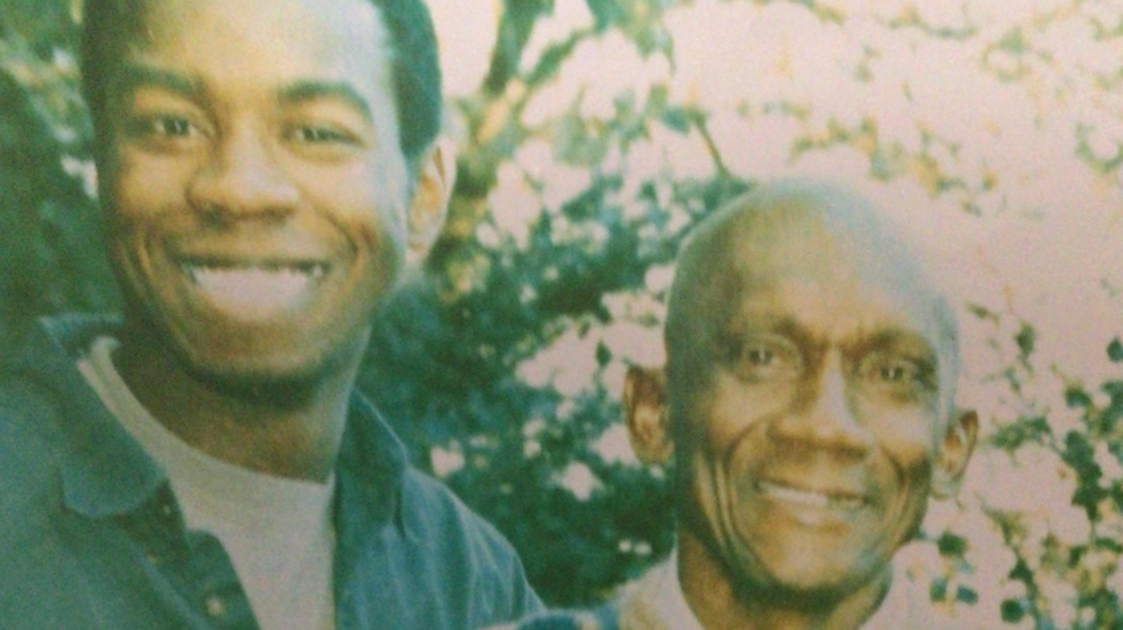
I stood in the center of my parents’ Valley Stream, Long Island, living room, heatedly yelling at my 90-year-old West Indian father — a U.S. veteran with advanced Alzheimer’s-related dementia — and wondered how we had regressed to this familiar, hostile place.
Looking back, I should have known better. I’m a 54-year-old Black, queer man who recently moved back from California to help care for Dad, who also has severe hearing loss. I’ve read up on caretaking for someone suffering the disease known as “the long goodbye,” so I know you aren’t supposed to contradict them. You most certainly are not supposed to manhandle them. Yet that was precisely what I had done.
Advertisement
My mother, the primary caregiver for my father, had left the house to run some errands. She went without my dad, which sent him into an anxiety spiral. (He has unfortunately reached a stage where he follows my mother around as if she is black clothing and he is lint.) As a result of her absence, Dad transformed into Bizarro Daddy — his alter ego, who is quiet, cantankerous and manic whenever something is amiss and I try to engage him.
It feels a lot like walking on bubble wrap whenever that version of my dad is around and I never know what my next move is going to set off. So it came as a surprise when my own temper overtook me after I learned he had escaped from the house. I raced through the open front door and found him standing undressed on the porch steps, staring out onto the lawn.
“What the hell are you doing out here, Dad? Where are your pants?” I asked.
“I don’t know.”
“OK, well, we have to go back inside.”
“No!”
“‘No!’ is not an option, Daddy!”
Then I did what the books and experts say you should never do: I ruptured his dementia bubble by wrapping my fingers around his shoulders and firmly shoving him back into the house before he could even consider resisting me. My frustration at having lost track of him left me panicked by the thought of losing him. However, that was not how Dad took it. Instead of seeing things from my perspective, he exploded into an expletive-filled rage.
Advertisement
I had never in my 54 years heard my father drop an f-bomb — not even when he was with his buddies at the racetrack. The fact that his anger was being directed at me suddenly triggered long-forgotten post-traumatic angst.
It was autumn 1984, and I had been speaking with my cousins, Camille and Brian, upstairs in Brian’s bedroom when Dad, a native of Saint Vincent and the Grenadines, appeared in the doorway. The rage in his eyes made it clear something was very wrong.
Advertisement
“Boy, didn’t you hear me calling you?” he asked.
“No, Daddy, I — ”
He struck me in the face, grabbed me by the collar, dragged me out of Brian’s bedroom, and down the 17 stairs from their second-floor East Flatbush, Brooklyn, apartment to ours. Once we were home, he continued to beat me — not with his hands but with words like “fool,” “lying” and “ridiculous” — all because I had not heard him call me.
The rest of that traumatic conversation — or even why he had initially summoned me — lay tucked far away in the recesses of my psyche, like a mango seed inside a pit. Left with no other choice, I drifted away to the safe, psychic space 13-year-olds inhabit when their parents rebuke them.
Advertisement
Just like that, the boundaries separating the years between when I was 13 and 54 shattered. Everything around me was that night and that staircase. It was the powerlessness of yesterday. It was everything I could not return to.
Beneath decades of forgiveness lay untamed rage — so I cursed back at him, and before long, we were face-to-face, and I was full-blown yelling about the way he was talking to me. However, instead of arguing his case, he responded by parroting my every word, like a child might do.
For his protection — and my own — I locked the doors and retreated to my bedroom. I bit into a tab of Klonopin from my emergency stash. Then I sat down in the middle of my childhood bedroom — I’d recently replaced the Janet Jackson posters and Marvel comic books with my own abstract paintings — and closed my eyes to recenter myself.
Advertisement
My father no longer had access to his right mind, so it was I who needed to adjust. I had not practiced meditation in years, yet there I was, leaning into the rhythm of my own adrenalized breathing and humming in an attempt to self-soothe. Before long, numbness crept in from the corners of my consciousness, saturated my center, and diluted my anger enough for me to face my father.
The night when my dad dragged me home from my cousins’ house marked one of the lowest moments in our relationship and set off an era of deep discord between us. Gone was the daddy who tucked me in with bedtime stories, took my side over Mom’s, and let me stay home from school when I faked being sick. Instead of apologizing for his brutality, he badgered me about getting into college. I couldn’t have cared less: I was being molested by a family member, and rather than turn to my father for help, I kept my shame to myself and turned inward toward artistic self-expression and the safety of solitude. Even that roiled my dad, and he constantly questioned my interests and my academic pursuits, as well as my curly ’80s perm and spandex pants.
Advertisement
Once I was in high school, we barely spoke to each other. He was frustrated with my grades, and I was busy struggling with my sexuality. After I came out in college, he would say something insensitive about my fine-art major or homoerotic self-portraiture, and I would do something provocative like register with the Republican Party. After I told my mom what the family member had done to me and she relayed it to my father, he raged to her but said little to me about it.
Exasperated with everything, I moved to San Francisco to escape. Free from the intrusive gaze of judgmental family members and father-son tension, I enjoyed the freewheeling queer liberation I hadn’t known I needed. Unfortunately, it was undercut by an untended resentment that manifested itself in my romantic relationships, which consisted of one-night stands. When I did date, I either mistreated the older men I went out with by taking my anger out on them, or they mistreated me by using me to serve their twink or Black fetishes.
About a month after I’d moved westward, I received a letter from my father. In it, Dad apologized for his role in our estrangement:
Advertisement
“To put things honestly,” Dad wrote, “I stayed on your case, because I wanted the best for you.”
For the first time in my life, Dad opened up about his stormy relationship with his own womanizing father, and revealed his deep scar tissue. Tears streamed down my face as I read his letter in Alta Vista Park, while overlooking the foggy Northern Californian city I called home.
He followed up the letter with an hourlong long-distance call, in which he apologized for not protecting me from my abusive family member — and for not being more supportive. Later, when I made my first trip home that year to attend a friend’s wedding, my father actually hugged me — both when I arrived and when he dropped me off at the airport. He even said, “I love you.”
That was 30 years ago, and our relationship over the past three decades has been as bounteous as the mango tree in my Aunt Vida’s front yard in Saint Vincent. We sat under it during a homeland pilgrimage in 1999 and ate the sweet fruit with our bare hands until our bellies distended.
Advertisement
However, as I descended the stairs to check in on my 94-year-old father, I worried those years of goodwill would mean nothing to the man I lived with now.
Dad was sleeping on the couch in pajama pants when I found him in the living room, and I was envious. I wanted a nap, too. His need for around-the-clock care had kept me up until 4 a.m., when my bartender brother came home from work and took over. (Mom covered the day shift.) Between the three of us, there was always someone to keep him from fleeing — something he had attempted several times prior. But I was going to have to figure out a way to get through his tantrums without traumatizing either — or both — of us.
Advertisement
It was then that it hit me: It was completely unfair that our parents should require more grace than we kids had been given.
“Lawrence,” he grunted groggily.
“Yes, Dad?”
“You OK?”
“Yeah. How about you?”
“I don’t know.”
And just like that, our big fight was a memory that only I had to live with. Dad didn’t remember what happened and I didn’t see the point in bringing it back up. This left us free to start anew yet again.
Dad and I share a complicated past, but what defines us most is the progress we’ve made in the years since our contentious era. Far too many of my male (heterosexual and LGBTQ) friends still suffer from unresolved paternal trauma, so I’m grateful for the hard-won healing he and I have achieved. It’s our reward for growing closer together instead of further apart over the decades.
Advertisement
Seeing my father so frail and vulnerable is truly devastating, because he is the first man I ever loved — and the first man whose love ever mattered. I cannot imagine being anywhere else but by his side at this point, when he needs me most. It feels like both the least and best I can do to grant him the end-of-life dignity he deserves. I won’t always get it right, but I will always keep showing up for him and the people I love. My father taught me that.
HealthNews
18 children had illnesses so rare doctors were stumped. AI gave them answers
The Independent and Yahoo will earn a commission from purchases made via links in this article. Pricing and availability are subject to change.
Love it or hate it, artificial intelligence has been integrated into humans’ everyday lives — and now, it might actually save lives.
In the latest groundbreaking use of the controversial technology, AI helped diagnose 18 children at a Boston hospital whose rare illnesses had stumped doctors.
A new study published in the New England Journal of Medicine’s NEJM AI on Thursday found that OpenAI’s o3 model can help find answers to mysteries in the medical field.
The AI model, which was released in April 2025, helped identify new diagnoses for patients at Boston Children’s Hospital, including 10 with rare neurodevelopmental diseases, four with neuromuscular disorders, two who had died suddenly and two with early psychosis.
One of the study’s lead researchers, Catherine Brownstein, from the Manton Center for Orphan Disease Research at Boston Children’s Hospital, called it “a total game changer” in an NBC News article about the study.
The Manthon Center works to understand the cause of rare diseases, which affect 30 million people in the U.S.
Brownstein explained that Boston Children’s Hospital screens the genomes of patients affected by rare diseases, which are their complete set of DNA, against newly identified genes in the hopes of a diagnosis.
Finding a rare disease diagnosis is time-consuming, and as Suyash Shringarpure, another author of the study, put it, “A researcher can only spend so much time on a single case.”
“Maybe a case remained unsolved when it came to them first, but a year later, a paper was published that clarifies the link between the gene and the disease,” Shringarpure, a researcher at OpenAI who focuses on the health sector, told NBC News.
Researchers analyzed 376 genomes from undiagnosed patients with rare diseases, and the AI model identified nearly five percent of new diagnoses.
“Considering how many times these had already been analyzed, that’s a huge number, and each one means an answer for a family,” Brownsterin said.
Kyra Benton was one of the patients who was finally diagnosed with the help of AI.
Benton started exhibiting concerning symptoms at nine years old, such as walking on her tiptoes and difficulty running with a normal gait, NBC News reported.
For years, her health declined as doctors struggled to figure out what the root issue was.
Just before she turned 20 years old last year, researchers finally diagnosed her with myofibrillar myopathy, a progressive genetic neuromuscular disorder.
“Quite frankly, I’m the type of person that’s not all that much in favor of AI,” she told the outlet. “On the other hand, I do acknowledge that it does have its advantages.”
OpenAI makes clear in its service terms that its technology should not be used for self-diagnosis.
Researchers in the study used the AI model as a tool, feeding it additional information, including doctors’ notes, patients’ symptoms and genes that might be responsible for their symptoms.
Humans then reviewed the model’s answers for a final diagnosis.
HealthNews
97 Amazing Facts About Our World To Keep You Busy For A Few Minutes

31
Link copied!
Share
Publish
Not your original work? Add source
ADVERTISEMENT
Tired of the endless political drama and the non-stop doomscrolling? It’s time for a break that actually leaves some positive vibes.
We’ve collected the coolest facts, global news, and wildest innovations out there from this online page which boasts over 800,000 followers. It has a mix of mind-blowing nature trivia, major humanity wins, and random curiosities.
For instance, did you know New York now mandates mental health warnings on social media apps? Or that a zoo in China literally puts the humans in cages while the animals roam free?
Keep scrolling to stock up on more such icebreakers for your next dinner party.
#1
In 2026, Denmark is finalising a landmark legal reform that grants citizens copyright-like ownership over their own face, voice, and body to combat AI-generated deepfakes. The law allows individuals to demand the removal of synthetic images, videos, or audio created without consent — and to seek compensation if platforms fail to act. By treating personal identity as protected intellectual property, Denmark is setting a global precedent for digital identity rights in the age of generative AI, while still allowing exceptions for satire and journalism.
RELATED:
#2
Mexican scientist Sandra Pascoe Ortiz developed a biodegradable plastic made from cactus (nopal) juice.
The material breaks down naturally within weeks, offering a sustainable alternative to conventional plastics and helping reduce ocean pollution.
Her innovation highlights how local resources can drive global environmental solutions.
ADVERTISEMENT
#3
Uber has introduced a new feature that allows women riders to request female drivers through the app. The option is designed to give users more control over their ride experience and increase comfort and safety for some passengers.
The feature also allows women drivers to prioritize ride requests from female passengers, creating more flexibility within the platform while responding to long-standing safety concerns in ride-hailing services.
#4
A young man underwent a complex face transplant after severe facial damage, receiving a new face through one of the most advanced procedures in modern medicine. The surgery involves reconnecting blood vessels, nerves, muscles, and skin, allowing the transplanted face to gradually regain function and expression.
Over time, patients can recover abilities such as speaking, eating, and even showing emotions, as nerves slowly regenerate and integrate with the new tissue.
The procedure remains rare and highly challenging, but it demonstrates how far reconstructive surgery has advanced in restoring both function and appearance.
ADVERTISEMENT
ADVERTISEMENT
But giving up on curiosity is a huge mistake.
A study in Neuroscience and Biobehavioral Reviews found that staying curious literally shields your brain and body from decline. It lights up two key neural pathways that fight off dementia and Alzheimer’s.
While older adults might not actively hunt for random facts on their own, research shows that when you actually hand them something fascinating, their engagement spikes higher than younger peers.
“Curiosity is a psychological super virtue. It’s linked with greater life satisfaction, stronger relationships, professional success, and even a longer lifespan,” says Jonathan Schooler, a psychological researcher and professor at UC Santa Barbara.
#5
Spain has reached a historic renewable-energy milestone, with its national grid running on 100% solar, wind, and hydropower for a full weekday—a clear signal of how far its energy transition has progressed. The achievement highlights the scale of investment in renewables, grid flexibility, and storage that Spain has built over the past decade.
Looking ahead to 2026, this moment is widely seen as a preview of what’s coming next: more frequent fossil-free days, higher renewable penetration on workdays, and a power system increasingly designed around clean energy as the default—not the exception.
ADVERTISEMENT
#6
A company in the Czech Republic is tackling two major infrastructure challenges at once by turning discarded tires into highway noise barriers. Instead of sending old tires to landfill, the recycled rubber is compressed into durable, weather-resistant walls installed along roads and railways. These sound-absorbing barriers help reduce traffic noise for nearby communities while diverting millions of tires from waste streams—showing how circular economy solutions can be scaled in civil engineering.
#7
Hong Kong runs one of the world’s most advanced seawater toilet flushing systems.
Since the 1950s, the city has used treated seawater for toilets, and today around 80% of households are connected. This system saves tens of millions of cubic meters of fresh water every year, reducing pressure on reservoirs and making urban water use far more sustainable.
ADVERTISEMENT
ADVERTISEMENT
The good news is that curiosity is not a set personality trait. It can be cultivated.
Everyday habits, like asking more questions and seeking interesting facts online, are the exact sparks that jumpstart a bored brain and get you motivated to learn again.
“Curiosity isn’t just about finding interesting things to do every day; it’s also about approaching everyday things with interest. Notice how kids ask questions about everything around them? As adults, we don’t stop asking because the mysteries are gone — we just stop noticing them,” says Madeleine Gross, a psychological researcher at UC Santa Barbara.
#8
In Japan, some vending machines are designed to automatically unlock and provide free food and drinks during major earthquakes. These machines are connected to emergency systems and can be triggered during disasters to support people when access to supplies becomes limited.
The initiative is part of broader disaster-preparedness efforts, using everyday infrastructure to provide immediate assistance in emergency situations.
ADVERTISEMENT
#9
In Brazil, innovative coffee cups are being designed with seeds embedded inside, allowing them to be planted after use instead of thrown away. Once the cup breaks down in soil, the seeds can grow into plants, turning everyday waste into something regenerative.
The idea combines sustainability with simple user action — drink your coffee, plant the cup, and contribute to reducing waste while supporting new plant growth. Materials used are biodegradable, ensuring the cup decomposes naturally without harming the environment.
#10
Douglas Tompkins, the founder of The North Face, used his wealth to buy 2 million acres of land in Chile and Argentina to protect it from development. Following his death in a kayaking accident in December 2015, his wife Kris carried on their mission.
In 2018, the family officially handed the land over to the Chilean government, creating one of the largest private land donations in history. This project turned the area into a massive network of national parks, ensuring the wilderness stays protected and open to the public forever.
A corporate legacy becomes a gift to the planet when profits from the outdoors are used to save the outdoors.
ADVERTISEMENT
ADVERTISEMENT
Gross, along with her colleagues, has developed a smartphone app designed to help users build a habit of curiosity in daily life.
The app drives this mindset shift through daily challenges and intentional routine tweaks. For example, swapping a familiar playlist for a new podcast, asking a friend what they’ve learned lately, or cooking a brand-new recipe.
By encouraging people to tune into their immediate surroundings with a probing mindset, the app trains the brain to constantly look for the beauty and intrigue hidden in plain sight.
Their app and the consequent research open new possibilities for how digital tools can help maintain our curiosity levels and promote psychological well-being.
#11
A Houston airport was receiving constant complaints about baggage claim times — even though the average wait was just seven minutes. Instead of speeding up luggage delivery, the airport moved arrival gates farther away, increasing the walk to baggage claim.
The result? Passengers spent more time walking and felt like the wait was shorter. Complaints dropped to almost zero — without changing the actual delivery speed.
ADVERTISEMENT
#12
#13
New York has passed a new law requiring major social media platforms — including TikTok, Instagram, Facebook and others with features like infinite scrolling and autoplay — to display clear warning labels about potential impacts on young users’ mental health.
Signed by Governor Kathy Hochul, the legislation mandates that apps must show warnings when addictive design features are used, comparable to labels on tobacco and other products. The goal is to make teens and families more aware of the risks linked to excessive social media use, including anxiety, depression and compulsive behaviour.
ADVERTISEMENT
When we encounter a piece of information that sparks curiosity, the brain’s reward system releases a surge of dopamine and norepinephrine.
ADVERTISEMENT
A study published in the journal Neuron found that when curiosity is triggered, the brain changes its physical state to become a highly absorbent sponge.
The dopamine surge, in turn, helps you remember the cool facts long after you’ve finished reading.
Even more surprising, this chemical reaction forces your brain to effortlessly absorb completely random and unrelated information that you happen to glance through at the exact same time.
#14
In this Chinese wildlife park, the roles are reversed.
Visitors move through the reserve inside reinforced cages, while tigers and other predators roam freely around them. The concept is designed to minimize stress for the animals, preserve more natural behavior, and remind humans that they are guests in the animals’ territory — not the other way around.
A striking example of how zoos are rethinking animal welfare and human dominance.
#15
In Japan, children typically do not take formal exams until around age 10. Early education instead emphasizes kindness, respect, and character development, with less focus on grades or academic performance. Schools prioritize social skills, collaboration, and emotional growth as foundational elements before introducing standardized testing.
This approach reflects a broader philosophy where education is treated not just as knowledge acquisition, but as building the character and habits that shape lifelong learning.
ADVERTISEMENT
Never miss a story that brings joy to the world. Follow on Google News
#16
ADVERTISEMENT
Curiosity is also a secret weapon for empathy. Stepping outside the usual friend group to chat with people from different walks of life makes us better understand perspectives that don’t match our own.
Even diving into these interesting facts about our world and human innovation is forcing your brain to step outside its everyday bubble.
#17
#18
Scientists have developed experimental injectable gels (hydrogels) designed to repair damaged spinal discs instead of just relieving pain. These materials mimic the structure of natural disc tissue and can be injected directly into the spine to restore support and function.
Early research shows that these gels can promote regeneration of disc tissue, restore hydration, and improve mechanical stability, addressing the root cause of back pain rather than only treating symptoms.
While still largely in experimental or early clinical stages, the technology could offer a less invasive alternative to surgery for degenerative disc disease in the future.
ADVERTISEMENT
You might be excited to share some of these facts with your colleagues and friends, and science actually encourages that.
When people share novel information or show intense curiosity during conversations, they are instantly rated by peers as significantly warmer, more attractive, and engaging.
#19
A 15-year-old Filipino student, Angelo Casimiro, developed a device that allows shoes to generate electricity while walking. His design uses piezoelectric materials, which produce energy when pressure is applied—meaning each step can be converted into usable power.
The energy created is stored in a small power system and can be used to charge low-power devices like phones, flashlights, or small electronics, turning everyday movement into a renewable energy source.
The invention was originally inspired by limited access to electricity in some areas, showing how simple daily actions like walking can be transformed into practical energy solutions.
ADVERTISEMENT
#20
The Italian State Police utilized a specially modified Lamborghini Huracán to transport two donor kidneys across the country in record time. Officers drove from Padua to Rome—a distance of nearly 500 km (310 miles)—in just two hours, maintaining an average speed of roughly 230 km/h (143 mph).
The supercar is not just for high-speed chases; it is equipped with a specialized refrigeration system in the front trunk specifically designed for the urgent transport of organs, plasma, and vaccines. While the journey normally takes over five hours, the police completed the mission in less than half that time to ensure the organs remained viable for life-saving surgery.
ADVERTISEMENT
When you are completely drained after a long shift, parenting marathons, or hours of lectures, finding the energy to be curious can feel impossible. Motivation drops when exhaustion kicks in.
The trick is micro-habits that fit into your existing routine.
Next time you lie on the couch to scroll social media, commit just five minutes to an educational feed, an interesting photo archive, or a random informative page before switching back to your usual reels.
You can also turn on a lighthearted trivia or storytelling podcast in the background while doing the dishes, folding laundry, or sitting in traffic.
These tiny and low-effort changes can gently nudge your brain out of autopilot mode and re-ignite that childlike wonder.
#21
Photographer Ghasem Baneshi captures the intricate beauty of Iranian architecture through detailed images of historic ceilings and geometric designs. His photos highlight the precision, symmetry, and vibrant tilework that have defined Persian architectural style for centuries, where mathematics, art, and craftsmanship merge into complex patterns.
Iran is home to dozens of historic landmarks and architectural masterpieces, many dating back hundreds of years and reflecting the cultural and artistic legacy of Persian design.
ADVERTISEMENT
ADVERTISEMENT
#22
In rural areas of Japan, farmers create massive artworks directly in rice fields using different varieties of rice plants. By planting rice with naturally different colors in carefully planned patterns, the fields transform into large images that become visible as the plants grow throughout the season.
This agricultural art form, known as Tanbo Art, began as a way to promote local farming communities and has since become a popular attraction that draws visitors each year.
There are many benefits to learning these facts and building knowledge.
Reading a list like this might even spark a midnight deep-dive, introducing you to an entirely new discipline you might otherwise have overlooked.
So pay attention to which facts make you pause, and see where your curiosity takes you.
#23
In several parts of Japan, specialized road signs have been installed to protect local cats. These signs warn drivers that a cat might suddenly jump into the street, asking them to slow down and stay alert.
This simple design is a great example of empathy in urban planning. It shows that the community cares about the safety of animals just as much as the safety of people. It is a small change that helps humans and animals live together more peacefully.
When a city looks out for its smallest residents, it becomes a kinder place for everyone.
ADVERTISEMENT
#24
Japan is home to the largest population of centenarians in the world. As of recent government data, more than 97,500 people in Japan are now aged 100 or older—a record high that continues to rise every year. Experts link this longevity to a combination of diet, healthcare access, active lifestyles, and strong social structures that support aging populations.
ADVERTISEMENT
#25
China has unveiled one of the largest inflatable construction domes ever built — a **50-metre tall, 20,000 m² air-supported structure erected over a major building site in Jinan to reduce environmental impact.
The dome is made from lightweight, high-strength membrane materials and stays upright through constant air pressure, meaning it requires no internal beams or supports. It’s designed to trap construction dust, limit the spread of airborne particulates, and cut down on noise pollution from heavy machinery — improving air quality and reducing disruption for people living nearby.
Officials say the system also helps construction continue in all weather and may become a model for eco-friendly urban development practices in other Chinese cities as environmental standards tighten.
ADVERTISEMENT
#26
Under a microscope, a blade of grass appears to be smiling back at you. These „happy faces“ are actually vascular bundles—specialized cells designed to transport water and nutrients through the plant.
The „eyes“ and „mouth“ are formed by xylem and phloem vessels that open up to move hydration during wet weather. While it looks like a joyful reaction to the rain, it is actually a highly efficient biological design that keeps the plant nourished and strong.
A simple lawn becomes a complex network when you see the engineering hidden inside every leaf.
#27
In Changsha, China, engineers demonstrated the future of construction by assembling a full 10-story apartment building in just 28 hours and 45 minutes — not by pouring everything on site, but by using **prefabricated modular units that were built in a factory and stacked together like giant Lego pieces.
The project was carried out by the Broad Group, a Chinese company known for innovative modular construction systems. Each section of the building — including walls, floors, balconies and utilities — was pre-finished offsite, transported to the location, and then connected using cranes and an on-site team.
ADVERTISEMENT
ADVERTISEMENT
#28
#29
#30
A medical breakthrough in Japan could soon double a cat’s lifespan, allowing our feline friends to live up to 30 years.
The life-extending injection didn’t happen overnight; it is the result of years of dedicated research aiming to solve the number one cause of kidney failure in cats.
When scientists targeted a specific blood protein called AIM, they found it could clear the deadly blockages that typically destroy a cat’s kidneys over time.
The same treatment is now moving through clinical trials, with researchers aiming to make this life-saving injection available to pet owners worldwide very soon.
What looks like science fiction is actually a massive leap in veterinary medicine, proving that targeted science can give us many more years with the pets we love.
ADVERTISEMENT
#31
An Austrian chef refused to let a devastating motorcycle accident end his career, sparking an incredible story of innovation.
The ability to cook didn’t disappear overnight for Peter Lammer. After a crash left him unable to stand, doctors told him his kitchen days were over.
When standard solutions failed, Peter and his friend used mountaineering gear to invent the „Standing Ovation“—a custom suspension system that holds him upright.
The same system now allows Peter to glide effortlessly between cooking stations, taking the weight off his legs so he can cook freely again.
What looks like a simple tool is actually a triumph of human resilience, proving that passion and friendship can overcome any limitation.
ADVERTISEMENT
#32
Gen Z is quietly reshaping one of the world’s biggest consumer industries. Over the past few years, younger consumers have significantly reduced alcohol consumption, prioritizing health, mental clarity, and social experiences that don’t revolve around drinking. This shift has cost the global alcohol industry hundreds of billions in lost revenue and is forcing major brands to pivot toward non-alcoholic alternatives, wellness drinks, and lifestyle-focused marketing.
ADVERTISEMENT
#33
Cai Guo-Qiang created Sky Ladder in 2015 as a deeply personal tribute to his grandmother.
The temporary installation featured a 500-meter fire-lit ladder rising into the night sky above a coastal village in Quanzhou, China.
Known for using gunpowder and fire as artistic materials, Cai described the work as a symbolic farewell — representing hope, transcendence, and the bond between generations.
The ladder burned for only a few minutes before disappearing, emphasizing impermanence and the fleeting nature of life.
#34
Viganella is a small village in northern Italy that sits deep in a narrow Alpine valley, surrounded by steep mountains that block direct sunlight for much of the winter. To solve the problem, engineers installed a giant mirror on the mountainside that reflects sunlight down into the village square. The mirror tracks the sun and redirects its light, bringing natural daylight to an area that would otherwise remain in shadow for months.
The project shows how simple engineering solutions can reshape daily life when geography limits natural resources.
ADVERTISEMENT
ADVERTISEMENT
#35
In Turkey, authorities have experimented with placing real wrecked cars along certain roadsides to remind drivers of the consequences of reckless driving. The damaged vehicles are displayed in visible locations as a visual warning meant to encourage slower speeds and more cautious behavior behind the wheel.
The initiative is part of broader road-safety campaigns aimed at reducing traffic accidents by making the risks of dangerous driving more tangible to motorists.
#36
One of the clearest images ever created of Moon was produced by combining around 81,000 individual photographs, generating a final dataset of roughly 700 GB. The massive mosaic was assembled by stacking thousands of high-resolution frames to capture extreme detail across the lunar surface.
By aligning and stitching together so many images, astronomers and astrophotographers are able to reduce noise, sharpen features, and reveal craters, ridges, and surface textures that are normally impossible to see in a single photo.
ADVERTISEMENT
#37
ADVERTISEMENT
#38
Australia is testing glow‑in‑the‑dark road markings to make night driving safer, especially in rural areas with limited street lighting. The lines absorb sunlight during the day and emit a greenish glow after dark, highlighting lane edges and curves. Early trials in Victoria and New South Wales aim to reduce accidents and explore how durable the paint is under real‑world conditions.
A small innovation with potentially big impact on road safety.
#39
In 1923, Sir Frederick Banting sold the patent for insulin for just $1. After discovering the life-saving treatment, he refused to profit from it, famously stating that insulin „belongs to the world.“ He wanted to ensure that every person living with diabetes could afford the medicine they needed to stay alive.
By giving the rights to a public university instead of a private company, Banting prioritized human life over personal wealth. This decision set a historic standard for medical ethics, focusing on making a breakthrough accessible to everyone rather than turning a survival need into a business opportunity.
ADVERTISEMENT
#40
For decades, Iceland was one of the very few places on Earth where you could enjoy the outdoors without a single mosquito bite. However, due to shifting global temperatures and increased international travel, these resilient insects have finally managed to find a way onto the island.
The country’s unique volcanic environment and cold climate previously acted as a natural barrier, but as the region warms, it has become more welcoming to new species. Scientists have recently confirmed that mosquitoes are starting to appear in the wild, marking a significant change for an ecosystem that remained free of them for centuries.
This shift serves as a clear reminder of how our changing world is redrawing the map for nature. With Iceland now home to these insects, Antarctica remains the final frontier on Earth where they have yet to settle.
ADVERTISEMENT
#41
If humanity ever faces extinction, the next great civilization might not rise from the land, but from the depths of the ocean. Leading evolutionary biologists, including Professor Tim Coulson from the University of Oxford, suggest that octopuses possess the ultimate toolkit to become the next dominant species on Earth.
While primates or birds are often thought of as our natural successors, a global catastrophe severe enough to wipe out humans would likely take other land mammals down with it. Birds and insects are highly adaptable, but they lack the physical dexterity required to build complex structures. Octopuses, on the other hand, have a decentralized nervous system, incredible problem solving skills, and supreme physical manipulation capabilities through their tentacles, making them uniquely suited to inherit an unpredictable world.
ADVERTISEMENT
#42
In a recent visualization, NASA scientists simulated what it would look like to fall into a black hole.
Because gravity near a black hole is so extreme, light itself bends and stretches — meaning time and space appear warped and distorted from the perspective of an outside observer.
As an object approaches the event horizon, the simulation shows light from the accretion disk wrapping around it, creating the glowing, asymmetrical appearance you see here.
These visualizations aren’t movie effects — they’re based on Einstein’s general relativity and help scientists better understand how matter behaves under the universe’s most extreme forces.
#43
A growing number of adults are turning to so-called “dumbphones” — basic mobile phones designed primarily for calls and texts — as a way to disconnect from constant notifications and social media. Unlike modern smartphones, these devices offer limited internet access and fewer apps, encouraging a more focused and less distracted daily routine.
The trend reflects a broader shift toward digital minimalism, as some users look for simpler technology to regain control over screen time and attention.
ADVERTISEMENT
ADVERTISEMENT
#44
Many modern innovations are inspired by solutions that already exist in nature. Engineers and designers often study how plants, animals, and ecosystems solve complex problems, then apply those principles to human technology and architecture.
This approach, known as biomimicry, has influenced everything from aerodynamic transport designs to energy-efficient buildings and advanced materials. By copying nature’s strategies, scientists aim to create technologies that are both more efficient and more sustainable.
#45
India is preparing to conduct one of the largest population counts in history, with its upcoming census expected to cost over $1 billion. The nationwide operation will aim to document a population of more than 1.4 billion people, making it one of the biggest administrative exercises in the world. 
The census, scheduled to take place between 2026 and 2027, will be conducted in multiple phases and is set to become the country’s first fully digital population count, using mobile technology and large-scale data collection systems. 
Officials say the data will play a crucial role in shaping policy decisions, resource allocation, and political representation for years to come.
ADVERTISEMENT
#46
Police in the United Kingdom have begun using high-performance electric dirt bikes, including Sur-Ron models, to patrol busy city areas and pursue criminals on two wheels. The lightweight bikes are fast, quiet, and highly maneuverable, allowing officers to move through narrow streets, parks, and crowded spaces where traditional police vehicles struggle.
In London, specially trained officers have deployed modified Sur-Ron bikes as part of operations targeting phone-snatching gangs and bike-enabled street crime. Their speed and agility help police catch suspects who often use similar electric bikes to escape quickly after thefts.
The move reflects how law enforcement is adapting tactics as criminals increasingly rely on fast electric bikes for getaways in dense urban environments.
ADVERTISEMENT
#47
ADVERTISEMENT
#48
In Hong Kong, pets are required to have official identification through microchipping, which is linked to a registration system that stores the animal’s details and owner information. While not a physical “ID card” in the traditional sense, the system functions as a digital identity for pets.
Dog owners must register their animals, and the microchip allows authorities and veterinarians to quickly identify pets, helping with lost animals, ownership verification, and public safety.
The system reflects how urban environments use technology to manage pet ownership more efficiently.
#49
Dylan’s mother spent years believing her son was simply shy, unaware that a genetic condition was causing profound hearing loss. After a screening at the Children’s Hospital of Eastern Ontario identified the issue, Dylan was fitted with hearing aids that allowed him to hear his mother’s voice for the first time.
The instant transition to a world of sound transformed Dylan from a withdrawn child into a confident, adventurous student. This case highlights how precise diagnosis and technical intervention can bridge the gap between isolation and a full, active life.
A biological limitation becomes a solvable challenge when medicine moves from managing symptoms to identifying the source of the problem.
ADVERTISEMENT
ADVERTISEMENT
#50
After the 2019-20 bushfires, New South Wales launched a massive aerial mission to feed starving rock-wallabies. Helicopters dropped over 2,200 kg of carrots and sweet potatoes into scorched, rocky habitats that were otherwise unreachable, providing a survival lifeline while the forest recovered.
This tactical rescue focused on keeping isolated colonies alive during the critical gap between the fire and the first regrowth. By treating nature’s recovery like a military supply chain, teams saved thousands of animals from a second, silent disaster.
A climate crisis becomes a manageable recovery when wildlife protection is treated like a serious logistics operation.
#51
A breakthrough in healthcare is changing how we look at cancer prevention. Scientists have developed an artificial intelligence model that can predict the risk of developing breast cancer up to four years before any tumors actually form.
By analyzing standard mammogram images, the AI can spot tiny, hidden patterns in the breast tissue that are completely invisible to the human eye. Instead of just finding cancer after it exists, this technology allows doctors to identify high-risk individuals and step in with preventive care long before the disease can progress.
This proactive approach is a massive step forward for early detection, giving patients a critical head start. It proves how modern technology can be used to protect lives and transform the future of medicine.
ADVERTISEMENT
#52
In South Korea, supermarkets have introduced a clever solution to food waste by selling banana packs at different stages of ripeness. Instead of a standard bunch that turns brown all at once, these packs feature a row of bananas ranging from perfectly ripe to completely green.
This innovative packaging allows consumers to enjoy one banana each day—starting with the ripest on day one, while the others gradually mature over the week. It is a simple yet effective way to help shoppers reduce waste and enjoy fresh fruit without the rush to eat it all at once.
ADVERTISEMENT
#53
Japanese researchers have demonstrated that targeted blue light can selectively weaken specific memory-related neural connections in the brain. Using optogenetic techniques, scientists were able to shrink synapses associated with a learned memory, effectively disrupting it while leaving surrounding memories intact. The findings, observed in animal models, suggest a future where precise memory modulation could support treatments for trauma-related disorders such as PTSD — though human applications remain years away.
ADVERTISEMENT
#54
This is Passage du Gois, a tidal road in France that connects the mainland to the island of Noirmoutier.
The road is only passable for about 1–2 hours at low tide, twice a day. When the tide comes in, it completely disappears under up to 4 meters (13 feet) of seawater.
Warning signs and rescue towers line the route, but drivers who misjudge the tide can still get stranded. It’s one of the most dangerous — and fascinating — roads in the world.
#55
Schools in the UK are phasing out analogue clocks as some teenagers struggle to read them. The change affects exam halls and classrooms, with digital displays and smart boards becoming the preferred standard. Educators say it helps students keep up with a tech-driven learning environment, though critics warn that basic time-telling skills may decline.
When student habits and cultural shifts intersect with educational infrastructure, adjustments are treated as serious operational decisions.
ADVERTISEMENT
ADVERTISEMENT
#56
Saudi Arabia has revealed plans for a futuristic $8 billion turtle-shaped floating city known as Pangeos. Designed by the Italian firm Lazzarini Design Studio, the massive structure is envisioned as the largest floating structure ever built, stretching about 550 meters long and 610 meters wide.
The concept would function as a self-contained floating city with hotels, residential villas, shopping areas, parks, and entertainment spaces, capable of hosting up to 60,000 people. The project is estimated to cost around $8 billion and could take roughly eight years to build if construction moves forward.
The turtle-inspired design is meant to improve stability and hydrodynamics while symbolizing longevity and harmony with the ocean.
#57
In Ukraine, birds have been observed building nests using fiber-optic cables left behind by destroyed or abandoned military drones. As the conflict has filled some areas with damaged equipment and debris, pieces of thin cable and wiring have become readily available materials that birds incorporate into their nests.
The unusual nests highlight how wildlife adapts to rapidly changing environments, even in regions affected by ongoing war.
ADVERTISEMENT
#58
Scientists developed Vantablack, one of the darkest substances ever created, absorbing 99.96% of visible light and making objects appear flat, void-like, or almost unreal. The material is made of millions of microscopic carbon nanotubes that trap light and convert it into heat instead of reflecting it back.
Originally designed for high-precision scientific instruments, Vantablack is now used in telescopes, cameras, aerospace, and even art projects, where minimizing stray light or creating dramatic visual effects is key. Its extreme darkness challenges perception, making familiar shapes appear otherworldly.
ADVERTISEMENT
#59
NASA has released a new image of Earth captured during the Artemis II mission, showing the planet as a distant crescent from deep space.
The photo was taken by the Orion spacecraft shortly after launch, as astronauts began their journey beyond Earth’s orbit toward the Moon.
The image marks one of the first Earth views from a crewed mission traveling this far into space in over 50 years.
ADVERTISEMENT
#60
New York City is slowly sinking, and research shows that the massive weight of its buildings—including skyscrapers—plays a role. Scientists estimate that all the city’s structures together weigh around 760+ billion kilograms, putting pressure on the ground beneath them.
Studies indicate the city is subsiding by about 1–2 millimeters per year on average, with some areas sinking even faster.
However, the weight of skyscrapers is only part of the story. Natural geological processes, groundwater extraction, and leftover effects from the last ice age also contribute to the gradual sinking.
The trend is small but significant, as even slight sinking can increase flood risks when combined with rising sea levels.
#61
While we have mapped the entire lunar surface, humans have explored less than 5% of the Earth’s oceans. The remaining 95% remains an unmapped wilderness, characterized by crushing pressures and absolute darkness, concealing ecosystems and species that have never been seen by human eyes.
This lack of data means our understanding of planetary biodiversity is fundamentally incomplete. Marine biologists estimate that millions of undiscovered species reside in the deep sea, surviving in conditions once thought impossible for life. As technology advances, we are discovering that the deep ocean is not a void, but a complex, high-stakes frontier for biological and geological discovery.
A planet becomes a true mystery when we realize we have yet to witness the majority of its living space.
ADVERTISEMENT
ADVERTISEMENT
#62
Science shows that during pregnancy, cells are exchanged between a mother and her baby in a process called microchimerism. These cells can travel through the bloodstream and settle in different parts of the body, including the brain, heart, and other organs.
What’s remarkable is that some of these cells can remain for decades, meaning a small number of your mother’s cells may still exist inside you — and vice versa. Researchers have even found these cells integrated into tissues where they can behave like normal cells.
While the full effects are still being studied, this phenomenon shows that the connection between mother and child is not just emotional — it’s biological and long-lasting.
#63
This striking transformation is caused by Vitiligo, a rare condition where the immune system targets and destroys the skin’s pigment-producing cells. In just 24 months, this dog’s coat shifted from deep black to solid white as the depigmentation spread across its entire body.
While the change is purely aesthetic and does not affect the animal’s health or lifespan, it remains one of the most visible examples of biological adaptation in nature. Because the process is painless, the dog remains unaware of its changing appearance, even as it becomes a living example of a rare genetic phenomenon.
ADVERTISEMENT
#64
We might be the last generation to grow up seeing fireflies in the wild.
Firefly populations are falling around the world because of habitat loss, pesticides, and light pollution. These insects depend on darkness to communicate with their glowing signals, but modern cities are becoming too bright for them to find each other and reproduce.
Scientists say wetlands, forests, and quiet grassy areas where fireflies once thrived are disappearing fast. In some places, species that were once common are now rarely seen at all.
Their glow looks magical, but it’s actually one of nature’s most advanced forms of communication — a living light signal created through a chemical reaction inside their bodies.
The saddest part is that future generations may only know fireflies from old memories, photos and videos instead of warm summer nights outside.
ADVERTISEMENT
#65
NASA discovered a tiny moon shaping Saturn’s rings with gravity alone.
The moon is called Daphnis, and it’s only about 8 kilometers wide. Even though it’s tiny, its gravity creates massive wave patterns inside Saturn’s rings as it moves through a gap called the Keeler Gap.
Scientists first noticed strange ripples in the rings before they even found the moon itself. Later, NASA’s Cassini spacecraft captured images showing Daphnis literally pushing ring particles up and down like waves in an ocean.
It’s one of the clearest examples of how gravity can shape entire systems in space — even from something smaller than a city.
A tiny moon creating giant waves across hundreds of thousands of kilometers makes Saturn feel less like a planet and more like a living machine.
ADVERTISEMENT
#66
In a move designed to eliminate the frustration of missing a key scene, some Swiss cinemas have installed monitors directly into the floors of their restrooms. This allows moviegoers to step away for a moment without losing track of the plot, as the film continues to stream in real-time beneath their feet.
The concept was pioneered by luxury theater chains like Pathé Schweiz, specifically in their high-end locations. While these theaters are already known for replacing traditional seats with double beds and sofas, the floor screens are a smaller, practical innovation aimed at providing a seamless, „interruption-free“ viewing experience from the moment the trailers start until the credits roll.
#67
Rachel Moore captured this breathtaking close-up of a humpback whale’s eye, revealing its striking blue gaze in incredible detail.
The stunning image didn’t happen by chance; it was the result of a profound, five-minute encounter in the waters of French Polynesia with a curious young whale she named „Sweet Girl.“
When the whale swam just inches away and rolled over, Moore used her camera’s advanced tracking to lock onto the eye, catching the exact moment a ray of sunlight illuminated the deep blue ring.
The same photograph has now touched millions of people worldwide, serving as a powerful reminder of the deep intelligence and emotional depth found in marine life.
ADVERTISEMENT
ADVERTISEMENT
#68
Hospitals are increasingly using vein-finding devices like this to make needle procedures faster, safer, and far less painful.
By using near-infrared light, the device maps veins beneath the skin in real time and projects them onto the surface — no squeezing, no guessing, and fewer failed attempts. It’s especially helpful for children, elderly patients, and people with hard-to-find veins.
#69
Saudi Arabia has revealed the Mukaab, a massive cube-shaped megastructure planned for Riyadh’s New Murabba district.
The building is designed to be around 400 meters tall, wide, and long, making it one of the largest structures ever proposed.
Inside, it will feature immersive digital environments, cultural spaces, retail, and a towering central structure inspired by traditional Najdi architecture.
The project is part of Saudi Arabia’s Vision 2030 to reshape urban living and tourism on an unprecedented scale.
ADVERTISEMENT
#70
Apple has dramatically expanded its Security Bounty program, now offering up to $2 million for reporting the most serious vulnerabilities — specifically zero-click remote exploits that could give full control of a device without any user interaction.
The company’s updated program rewards complex exploit chains that mirror real-world spyware tactics, and includes additional bonuses for bypassing advanced protections like Lockdown Mode or finding bugs in beta software — potentially bringing total payouts to more than $5 million for a single issue.
Since opening the bounty to the public, Apple says it has already awarded over $35 million to more than 800 security researchers, making it one of the most generous bug-reward programs in the tech industry.
ADVERTISEMENT
#71
Google has used camels equipped with Street View cameras to capture imagery in desert regions where traditional vehicles cannot operate. The animals carry specially designed camera systems that record 360-degree views while moving through areas like sand dunes and remote landscapes.
The project allows Google Maps to map locations that would otherwise be inaccessible, expanding Street View coverage beyond roads and into some of the world’s most difficult terrains.
The approach shows how mapping technology adapts to extreme environments by combining innovation with unconventional methods.
ADVERTISEMENT
#72
Scientists have found evidence that Earth’s inner core has slowed down and may now be rotating slightly backward relative to the planet’s surface. The discovery comes from a 2024 study that analyzed decades of seismic data from earthquakes to track movement deep inside the planet.
The solid inner core — a sphere of iron and nickel located about 5,000 kilometers beneath Earth’s surface — normally rotates at a slightly different speed than the rest of the planet. Researchers found that around 2010 the core began slowing, moving more slowly than the Earth’s mantle and crust for the first time in decades.
Scientists believe the shift is caused by complex forces between the inner core, the surrounding liquid outer core, and Earth’s magnetic and gravitational interactions. The change may even slightly affect the length of a day, though only by fractions of a second.
#73
A futuristic model shows what gamers might look like in 20 years if long hours of sedentary gaming and screen time continue. The concept highlights potential changes like poor posture, strained neck and back, and tired-looking eyes linked to prolonged sitting and minimal movement.
It’s not a prediction, but a visual projection of how modern digital habits could shape the body over time.
ADVERTISEMENT
ADVERTISEMENT
#74
Artemis II is set to capture the far side of the Moon with unprecedented detail, using modern imaging technology far beyond the Apollo era.
The images show how much space exploration has advanced since Apollo 8, revealing the Moon like never before.
#75
In China, a law encourages adults to regularly visit and care for their aging parents. Introduced as part of the Elderly Rights Law, it requires family members to maintain contact with elderly relatives and not neglect their emotional and financial needs. Employers are also expected to allow time for employees to visit their parents.
The legislation reflects the country’s long-standing cultural emphasis on family responsibility and filial respect, especially as the population continues to age.
ADVERTISEMENT
#76
The United Arab Emirates has begun integrating Bitcoin and digital asset education into parts of its school system, reflecting a broader push toward financial technology and innovation. The curriculum introduces students to concepts like blockchain, digital currencies, and the fundamentals of decentralized finance.
The move aligns with the country’s strategy to position itself as a global hub for fintech and emerging technologies, preparing younger generations for a rapidly evolving digital economy.
ADVERTISEMENT
#77
A group of MIT students successfully turned the university’s 21-story Green Building into a massive, fully playable Tetris game. By installing wirelessly controlled LED lights in 153 windows, they transformed the entire facade into a giant vertical screen that players could control using a joystick on the ground.
The project allowed people to rotate and drop colorful blocks across the Boston skyline, fulfilling a long-standing goal within the university’s engineering community. It remains one of the most famous examples of MIT’s „hacking“ culture, where high-level technical skills are used to create incredible public art.
ADVERTISEMENT
#78
Astronomers have detected a mysterious radio signal from deep space that appears to repeat roughly every 20–22 minutes. The source is located about 15,000 light-years away within our galaxy and has puzzled scientists due to its unusually regular pattern and long duration.
The signal is believed to come from an extreme object such as a highly magnetized neutron star or a rare type of pulsar, though its exact nature is still being studied. Unlike typical space signals that pulse in seconds, this one operates on a much longer cycle, making it difficult to explain with standard models.
The discovery highlights how much of the universe remains unexplored, with new phenomena continuing to challenge existing theories.
#79
Many modern smartphones use advanced facial recognition systems that project thousands of invisible infrared dots onto your face to create a precise 3D map. For example, systems like Face ID use around 30,000 dots to capture depth, contours, and unique facial features.
The sensor then analyzes this data in real time, comparing it to a stored model to securely unlock the device. Unlike a simple photo, the system detects depth and movement, making it significantly harder to spoof.
The result is a highly detailed digital representation of your face that allows for fast and secure authentication.
ADVERTISEMENT
ADVERTISEMENT
#80
2 World Trade Center is expected to move forward with construction as early as this spring, marking a major step in completing the World Trade Center complex in New York City. The tower has gone through multiple redesigns over the years and is planned to become one of the tallest buildings in the area once completed.
The project is intended to include modern office space, updated infrastructure, and sustainable design features, reflecting the continued redevelopment of the site.
The start of construction signals renewed momentum for one of the last remaining major projects at the World Trade Center site.
#81
A man built a custom mini submarine to allow his pet parrot to go underwater while staying inside a sealed, air-filled chamber. The device uses a transparent enclosure for visibility, along with an oxygen supply system to maintain breathable air and stable conditions during the dive.
The setup was carefully tested before being used in controlled environments, allowing the bird to observe underwater surroundings without direct exposure to water or pressure changes.
The project highlights how unconventional engineering can adapt extreme environments into controlled experiences.
ADVERTISEMENT
#82
Apple is reportedly developing its first foldable iPhone, with expectations pointing to a potential September 2026 launch. The device is still in development, but leaks suggest a book-style design with a large inner display that unfolds into a tablet-like screen.
The foldable model would mark Apple’s entry into a category already explored by competitors, though the company is known for refining existing concepts before releasing them at scale. Pricing is expected to position it in the premium segment.
If released as planned, it would represent one of Apple’s biggest design shifts in years, signaling a move toward more flexible and hybrid mobile devices.
ADVERTISEMENT
#83
Japan is exploring a futuristic concept of building a space-based solar power system around the Moon that could generate continuous energy and beam it back to Earth without interruption.
The idea is to place solar infrastructure in space where sunlight is constant, avoiding issues like night cycles, weather, and atmospheric loss that limit solar power on Earth. This could allow much higher and more stable energy production than current systems.
The energy would be transmitted wirelessly to Earth using microwave or laser technology and converted back into electricity at ground stations.
Still in the conceptual phase, it highlights how space-based systems are being considered for future global energy needs.
ADVERTISEMENT
#84
Camouflage has evolved into a highly refined system designed to make objects and people blend seamlessly into their surroundings. Modern patterns are not random — they are carefully engineered to break up outlines, distort perception, and match specific environments like forests, deserts, or snow.
Advanced designs, including digital camouflage, use pixelated shapes and layered colors to confuse the human eye at different distances, making detection significantly harder. Materials and textures also play a role, reducing shine and adapting to lighting conditions.
#85
Researchers have developed a magnetically controlled robot capable of shifting between solid and fluid states to navigate „impossible“ environments. The system uses liquid metal infused with magnetic particles that lock together to gain strength or dissolve into a liquid to flow through gaps as small as a few millimeters.
Laboratory tests show the robot splitting apart to pass through obstacles and fusing back together into a rigid form on the other side. Published in Science Advances, the project highlights the material’s ability to carry heavy loads in solid form while maintaining the flexibility to reach deep inside machines or the human body for repairs.
ADVERTISEMENT
ADVERTISEMENT
#86
A researcher from Purdue University, Professor Xiulin Ruan, has developed the world’s whitest paint, capable of reflecting 98.1% of solar radiation. His calculations suggest that coating roughly 1% to 2% of the Earth’s surface (about 2 million to 4 million square miles) with this paint could bounce enough heat back into deep space to potentially stop global warming.
The ultra-white paint utilizes a high concentration of barium sulfate, which doesn’t just reflect light but actually cools surfaces to temperatures below their surroundings. While painting the entire planet is a logistical extreme, applying this „radiative cooling“ technology to urban rooftops could drastically reduce the need for air conditioning and lower the carbon footprint of major cities.
#87
A Saudi prince once made international headlines by booking individual airline seats for his 80 falcons. To ensure the birds traveled safely, each falcon was given its own seat on the plane, with their wings tied to prevent them from flying around the cabin during the flight.
In many Middle Eastern countries, falcons are highly respected symbols of culture and status. They are even issued their own green forest passports, which allow them to travel internationally for hunting trips and competitions. While seeing a few birds on a flight is common in the region, an entire cabin filled with dozens of falcons remains a rare and viral sight.
ADVERTISEMENT
#88
South Korean President Yoon Suk Yeol has proposed expanding public healthcare coverage to include hair loss treatments, framing the issue as more than cosmetic. He argues that early-onset hair loss places significant psychological and social pressure on young men, affecting confidence, employment prospects, and overall well-being.
ADVERTISEMENT
#89
A developer in the United States transformed a decommissioned Cold War missile silo into a massive underground bunker designed to survive catastrophic events. Built deep below ground with reinforced concrete walls up to 9 feet thick, the structure was originally engineered to withstand a nuclear blast.
Today the silo has been converted into a multi-level underground complex with apartments, food storage, water purification systems, and shared facilities, capable of supporting dozens of residents for years in extreme scenarios.
ADVERTISEMENT
#90
Scientists have developed lab-grown skin made from human cells that can be applied to robots, allowing them to mimic human expressions and even repair minor damage. The bioengineered material is created from living cells and designed to attach to robotic surfaces, giving machines a more lifelike appearance and movement.
In early experiments, the skin has shown the ability to self-heal when damaged and stretch naturally, enabling robots to form expressions such as smiling. Researchers believe this technology could improve human-robot interaction while advancing developments in prosthetics and medical applications.
The breakthrough highlights how biology and engineering are increasingly merging to create more realistic and adaptable machines.
#91
If you took all eight billion people on Earth and compressed them into a single, massive sphere, the result would easily fit inside New York City’s Central Park.
While the global population sounds incredibly large, the total volume of all human bodies combined is actually quite small when packed together tightly. This giant meatball would measure just under one kilometer in diameter, making it look surprisingly compact when placed against the backdrop of a major city.
ADVERTISEMENT
ADVERTISEMENT
#92
Cows are now wearing VR headsets to feel happier.
Some farms in Russia and Turkey tested virtual reality goggles that show cows sunny green fields instead of indoor barns. The goal is simple: reduce stress and help cows produce more milk.
Researchers found that calmer cows often give higher milk yields. One farmer in Turkey said milk production increased from 22 liters to 27 liters per day after testing the VR headsets on some cows.
The headsets were specially designed for cow vision and even used colors cows respond to better. It sounds like science fiction, but farmers are seriously exploring how technology can affect animal emotions and productivity.
A future where farm animals live partly inside virtual worlds already started.
#93
Researchers are actively developing artificial womb technology that could allow embryos and premature babies to grow outside the human body under carefully controlled conditions.
Experts say this breakthrough could help people who struggle with fertility, significantly reduce childbirth risks, and dramatically improve survival rates for premature infants.
At the same time, it raises major ethical, medical, and societal questions about how far this technology should go.
ADVERTISEMENT
#94
Antarctica is home to Blood Falls, a rare crimson waterfall that pours out of a glacier despite sub-zero temperatures. Scientists discovered that the striking red color comes from iron-rich, extremely salty water trapped beneath the ice for millions of years. When this water reaches the surface, the iron oxidizes on contact with air—creating the blood-like appearance. Its high salt content lowers the freezing point, allowing it to stay liquid even in one of the coldest places on Earth, Antarctica.
ADVERTISEMENT
#95
Scientists have discovered that bowhead whales, some of the longest living animals on Earth, may hold clues to extending human lifespan. These whales can live for over 200 years while showing remarkable resistance to diseases like cancer.
Recent research points to a powerful DNA repair protein called CIRBP, which helps fix serious genetic damage that normally leads to aging and disease. Whales produce this protein at much higher levels than humans, allowing their cells to maintain stability for decades.
In lab studies, boosting this protein in other organisms improved DNA repair and even extended lifespan, raising the possibility that similar mechanisms could one day be used in human medicine.
While humans living to 200 remains theoretical, the discovery is giving scientists a new direction in understanding aging and how it might be slowed in the future.
ADVERTISEMENT
#96
This map of UFO sightings highlights a massive reporting bias, with the vast majority of entries concentrated in the United States and Europe. Data analysis shows that these „hotspots“ correlate almost perfectly with high-population density, widespread internet access, and regions with heavy air traffic or satellite visibility.
Rather than a literal map of extraterrestrial activity, this visualization acts as a heatmap of reporting infrastructure and cultural interest. It suggests that what we classify as „unidentified“ depends heavily on where people have the tools and the habit of documenting the sky.
A global mystery becomes a study in human behavior when the data reveals that the frequency of sightings is tied directly to the density of the observers.
#97
Fake AirPods can look almost identical on the outside.
But inside, the difference is massive. Real AirPods are packed with tiny high-quality components, precision engineering, advanced chips, microphones, sensors, and carefully designed batteries. Fake versions often use cheaper parts with simpler circuits and lower-quality materials.
That’s why fake AirPods usually have worse sound, shorter battery life, weaker microphones, and can stop working much faster. Some counterfeit versions even skip safety protections inside the battery, which can become dangerous over time.
The craziest part is how convincing fake products have become. From the outside, many people can’t tell the difference anymore — but an X-ray instantly reveals the gap between real engineering and copied design.
ADVERTISEMENT
ADVERTISEMENT
Add New Image
Add Your Photo To This List
Please use high-res photos without watermarks
Upload Photo
Ooops! Your image is too large, maximum file size is 8 MB.
Not your original work? Add source
Publish
Upload Photo
Ooops! Your image is too large, maximum file size is 8 MB.
Error occurred when generating embed. Please check link and try again.
Twitter Render conversation
Use html version
Generate not embedded version
Add watermark
Instagram Show Image Only
Hide Caption
Crop
Add watermark
Facebook Show Image Only Add watermark
Change Source
Title
Update Add Image


Fight or Go? Keir Starmer Considers His Next Move | BBC Newscast
Insiders have told Laura Kuenssberg that the Foreign Secretary Yvette Cooper has joined a list of people who've told Keir...


President Trump unveils Qatari luxury jet for Air Force One fleet. #Qatar #US #AirForceOne #BBCNews


Iran closes Strait of Hormuz, accusing US and Israel of violating ceasefire deal | BBC News
Iran closes Strait of Hormuz, accusing US and Israel of violating ceasefire deal | BBC News Iran has said it...


What men should know about the US government’s latest move on testosterone therapy
The US Department of Health and Human Services is requesting revisions to the labels on testosterone replacement therapies for men...


TSA etiquette, youth opinion & doctors | Confessions & Obsessions
Abby and the group have an unfiltered talk on TSA etiquette, “insecure” job titles and if culture cares too much...

Stanford graduates on the future of AI. #Tech #BBCNews


Nine people critically injured in fatal Bedford train crash
Nine people in critical condition after train crash Twenty-eight people remain in hospital – nine of them in a critical...


Ubisoft Co-Founder Claude Guillemot Dies In Plane Crash
Claude Guillemot, a co-founder of Assassin’s Creed maker Ubisoft alongside his four brothers, has died in a plane crash in...


Nine people in critical condition after driver killed in Bedford train crash. #BBCNews


Ann-Margret, 85, still rides her Harley-Davidson and credits ‘freedom’
At 85, Ann-Margret still has a need for speed. The “Bye Bye Birdie” and “Viva Las Vegas” legend is opening...
-
 Business1 week ago
How much of Musk’s wealth comes from government help? Virtually all of it
-

 Politics1 week ago
What to know about the stabbing that set off fiery riots in Northern Ireland
-

 Video1 week ago
Download fans say what they love about the festival. #DownloadFestival #BBCNews
-
 Video1 week ago
Why SpaceX IPO isn't about space. #SpaceX #ElonMusk #BBCNews
-

 HealthNews1 week ago
The people of Okinawa, Japan only eat until they are about 80 percent full, then stop — and the practice has been linked in multiple peer-reviewed studies to lower rates of cardiovascular disease, slo
-

 Food1 week ago
Pope Leo’s plane was grounded. Then the King of Spain stepped in to help
-

 TravelNews1 week ago
My Paternal Instinct Should’ve Warned Me About Netflix’s Maternal Instinct
-
 Video1 week ago
Claire Danes has the cutest stories about young Kirsten Dunst on 'Little Women' set