

HealthNews
I teach people over 50 to be mobile: 3 low-impact moves that build more stability than a 30-minute walk

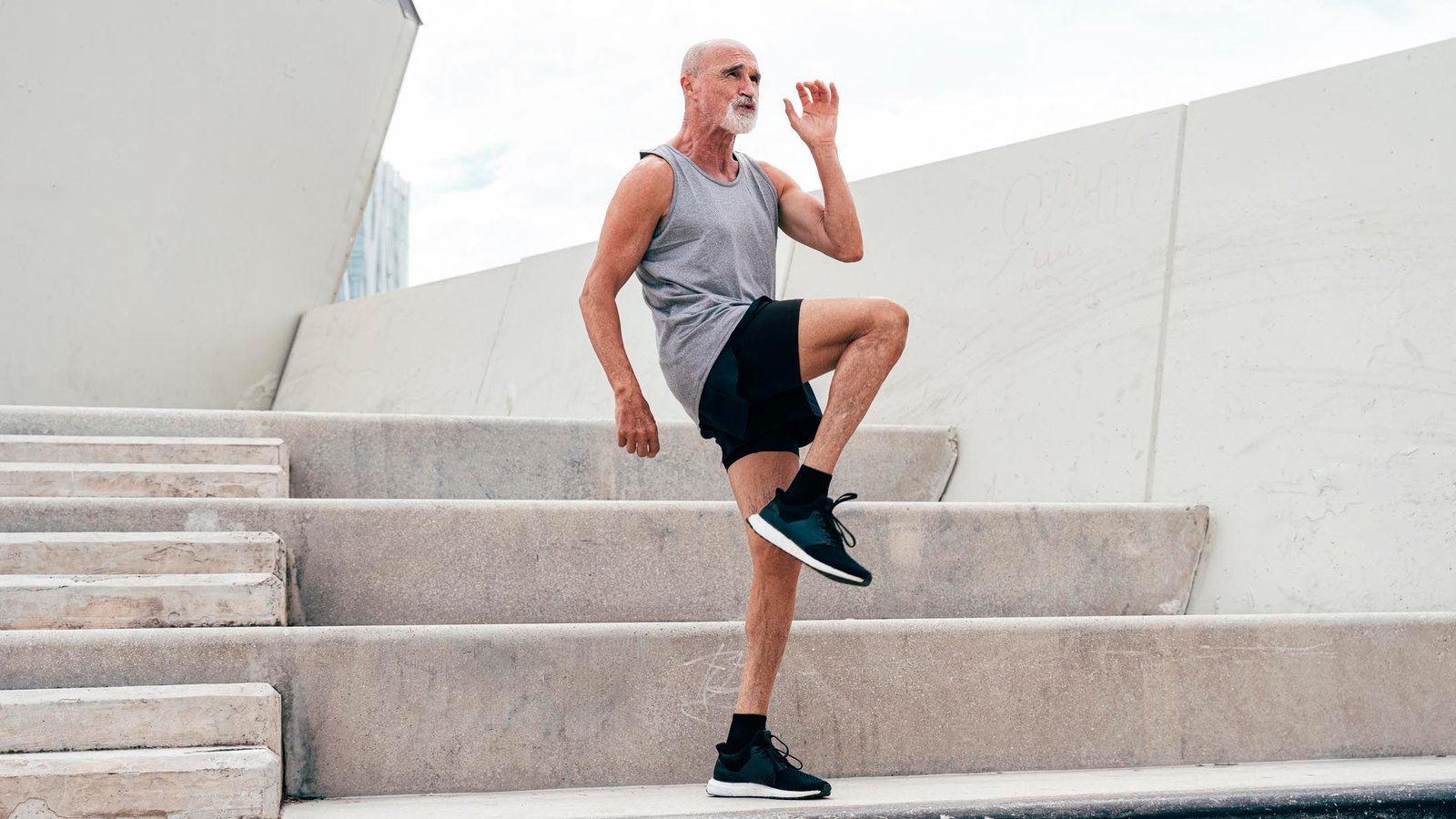
Don’t get me wrong, I love walking. I have a little rescue pup who loves nothing more than taking me for a walk, whether it’s 6 am or 11 pm, so I spend a lot of time on my feet.
The benefits of walking are well-documented, too: stronger bones, joints, ligaments, and muscles (especially if you enjoy increasing your pace or intensity through power walking, hiking, or rucking); a higher resting metabolism, decreased sedentary time, and a little boost in mobility. It’s also a great form of aerobic exercise for building a stronger heart and lungs.
Although walking can contribute to anti-aging by working the muscles you use for balance and stability, a consistent mobility routine coupled with your daily walks is where the real magic lies.
Below, I show you how to do three of the best low-impact mobility exercises for functional strength, stability and balance. You can use a set of weights or stick to using your bodyweight. Regardless, one of the best yoga mats is useful to have.
If you experience pain at any time, stop and rest. If you’re working with an injury or health condition, or you’re currently pregnant or postnatal, I recommend seeking advice before starting these exercises.
Watch: 3 low-impact moves to try anywhere
Improving mobility isn’t about stretching; it’s about being dynamic and moving the joints through a range of movement alongside strengthening exercises that load the muscles to work through resistance. The result? Strong muscles and joints.
This is also important for your fascia, which is like a web of connective tissue responsible for holding everything in place, like your bones, muscles and organs. Tight fascia increases friction, which is why plenty of stretching, movement, foam rolling and mobility work is important for improving the overall quality of your movements.
It also responds brilliantly to low-impact and gentle movement, so a consistent mobility routine is certainly helpful.
The routine: 3-4 sets, 8-10 reps for the first and third exercises, and a 45-50-second effort for monster walks.
Stiletto squat x heel raises: Stand with your feet hip-width apart, then rise onto your tiptoes and squeeze your core muscles for balance. Bend your knees and send your hips backward to lower into a squat, keeping your back straight and chest proud. Focus on something unmoving. At the bottom of the squat, lower your heels, then press upward through both feet to stand. Reverse this by lowering into a standard squat first, then transfer the weight to your tiptoes and press upward to stand, resting your heels down.
Monster walks: Stand with your feet wider than shoulder-width, toes pointed out slightly. Sit back into a squat so that your thighs are almost parallel to the ground. Keep your back straight, chest proud and core engaged. Place your hands lightly behind your head and pull your elbows back, knitting both shoulder blades together. Take a few steps forward and outward, then backward, sitting the weight back toward your heels.
Warrior III: Stand with your feet hip-width apart. Shift your weight into your left leg and place your hands either in prayer or on your hips. Engage your core. Place a soft bend in your left knee, then hinge forward at the hips and raise your right leg behind you as you lower your chest parallel to the ground. Keep your hips square to the mat and gaze slightly forward to the top of your mat. Keep your hands where they are, or try to extend them in front of you. With control, slowly transition back to standing, then switch sides.
What are the benefits?
Each of these exercises brings something slightly different to the table.
Stiletto squat x heel raises: Your ankles and calves are crucial for climbing, walking and running, especially when moving one leg at a time and transferring balance and weight between the left and right sides of the body.
Stiletto squats are effective for increasing mobility and balance as you squat from your tiptoes, then transfer the weight to your heels and push upward from the squat. You can then reverse this to lower into a squat first, transfer the weight to the balls of your feet, then rise to stand. Notice how your ankles, calves, legs, glutes and core work to keep you balanced and drive movement. You can hold a weight in both hands to add load or hold onto something for extra support.
Monster walks: These are killer on the legs, glutes, core and thoracic spine, as you place your hands lightly behind your head and walk forward and backward from a low squat position, knees bent. You can add a band around your thighs or hold a weight plate behind your head for extra load, or place your hands on your hips for a more beginner-friendly option.
Warrior III: This is a famous yoga pose used to test lower-body strength and balance. Your core will work to stabilize your torso and prevent rotation, while your hip flexors receive a stretch, too. Embrace all the wobbles and don’t be afraid to fall out of the posture, as you’re still strengthening all the muscles around your feet, ankles, knees and hips. Essentially, you’re enhancing your ability to stand on one leg, which is a transferable skill.
Hopefully, you have enough time to really control these movements and make the most of them, rather than rushing. After all, you can’t truly rush a balancing exercise.
Adjust the reps and sets as necessary, and play around by adding weights or equipment. I usually add dumbbells and/or a band above my knees, but if this damages the quality of your reps, stick to using your bodyweight.
Focus on finding length through your spine rather than hunching, and keeping your chest proud. Any time your hands are behind your head, knit both shoulder blades together to help open your chest and activate the mid and upper back.
Give these a try, and let us know how you get on in the comments.
Follow Tom’s Guide fitness on Instagram for more workouts, routines, tips, and tricks.
Follow Tom’s Guide on Google News and add us as a preferred source to get our up-to-date news, analysis, and reviews in your feeds. Alternatively, you can read our content on the Tom’s Guide app available now for iOS and Android. Subscribe to Tom’s Guide on YouTube and follow us on TikTok. Finally, you can visit our dedicated Tom’s Guide Savings Squad hub for expert help on getting the best products for less.
More from Tom’s Guide
HealthNews
A Family Dispute Breaks Out After A Man Becomes Ill From Food Prepared By His Sister And Refuses To Eat There Again


Isn’t it surprising how some family members can be so careless?!
This kid shares how his annoying sister never kept him first while cooking meals.
Check out how the poor kid got sick at his sister’s house.
AITAH for not eating the food my sister makes when we visit her house?
I (17M) have food sensitivities that can make me pretty sick if I ignore them. I can’t eat a lot of dairy or red meat without having stomach and bathroom issues.
I can eat smaller amounts. Like a pizza with less cheese than normal or a really small amount of yogurt and stuff like that.
He explains how he gets really sick…
I avoid red meat though because it’s way easier for me. And there are some fruits that also irritate my stomach so I try to avoid them as well.
I’ve always tried to be chill about it and I don’t make a fuss when stuff isn’t customized to me. I can not eat or eat around stuff that don’t work for me easily enough.
But my sister (27F) has made that super hard.
This is where it gets bad…
To start with we’re technically stepsiblings but my mom married her dad when I was only 18 months old so I grew up with her and consider her my sister.
Not to mention my stepdad adopted me when I was younger so we did officially become siblings. My mom was willing to adopt her too but my sister was not okay with that.
And I realize more as I get older that she’s never been okay with us and she uses food as a way to express it.
Ever since my sister got her house two years ago she hosts both her family and her husband’s family and she cooks for everyone. But she always cooks stuff that really isn’t edible for me.
UH OH…
She’ll make pasta and use a cheese sauce or she’ll melt a ton of cheese onto the whole dish. Plus she adds yogurt to a ton of her dishes too. She uses red meat for every single meal we get there.
And she uses a ton of lemon juice when lemon is one of the fruits I avoid. Sometimes I’m left with a salad but sometimes that isn’t an option either because again, lemon juice.
I have tried to just quietly eat around the stuff with dairy.
Our dad has brought up the fact she cooks food I can’t eat and she’ll play dumb some of the time or she gets really defensive about being told what to cook and saying we should appreciate her cooking for us.
He dislikes the whole arrangement!
I got really sick a couple of times after eating at her place and the last time I had to miss a week of school because it just messed with me so bad.
I even had to see a doctor and get an allergen test done to find out if my intolerances had become allergies.
My sister didn’t care and something she said made me realize it was her way of saying I’m not her brother so why would she care.
I tried to get out of eating at her place the last few times but my parents told me I had to go. The same thing happened with the food not being for me when we got there so the very last time I refused to eat.
That’s INSANE!
My sister and her husband got so offended that I was wasting all their food and I was told to eat the stuff I could eat vs leaving it all. But I said I didn’t feel safe eating any of it after the last time I got sick.
And I said there was no reason to keep serving me food they knew I couldn’t eat. My parents tried to fix my plate to be edible for me but I told them to stop and I wasn’t eating anymore because I refuse to get sick again.
It made my dad and sister fight and my parents are pretty pissed at me too.
They told me I should have eaten something to not be rude.
AITAH?
GEEZ! That sounds so unreasonable!
Why would his parents demand for him to get sick?
If you enjoyed this story, check out this post about an employee whose dietary restrictions caused the whole office to turn against her.
Let’s check out what people on Reddit think about this one.
This user understands that the parents are the problem here!
This user hates how nobody stood up for this kid!
This user suggests not visiting the sister’s house again!
This user knows what to do next time!
This user knows things can get better!
Somebody needs to take some action here!
HealthNews
Developing story: Crash closes Taft Bridge on Connecticut Avenue NW


A section of Connecticut Avenue NW at the William Howard Taft Bridge is closed Saturday after a vehicle crash, according to an alert issued by the Metropolitan Police Department.
The closure affects the 2300 block of Connecticut Avenue NW between Ashmead Place and Belmont Road, officials said through the District’s AlertDC emergency notification system.
ALSO READ | Secret Service detains fleeing driver after deadly crash near White House
Authorities have not yet released additional details about the crash, but there is a significant multi-agency police presence at the scene.
This is a developing story and will be updated as information becomes available.
Drivers were advised to avoid the area and use alternate routes while police manage the scene and investigate the incident.
HealthNews
Medicare launches pilot program expanding access to GLP-1 drugs

(NewsNation) — As more Americans turn to GLP-1 drugs for weight loss, Medicare is launching a limited program to expand access for eligible beneficiaries.
The agency’s “GLP-1 Bridge Program” will begin next month, allowing certain Medicare Part D enrollees to receive coverage for select GLP-1 medications.
The effort marks a notable shift, as federal law has generally barred Medicare from covering drugs prescribed specifically for weight loss. The Medicare Rights Center notes that Part D plans can cover these medications only when prescribed for other approved conditions unless Congress changes the law.
The demonstration program will run through Dec. 31, 2027, according to Medicare.
Which GLP-1 medications will be provided through the program?
Medicare says the following GLP-1 drugs will be included:
Wegovy
Zepbound
Foundayo
Who is eligible?
To qualify, individuals must be 18 or older and meet certain health criteria, including:
A body mass index (BMI) of 35 or higher
A BMI of 30 or higher with conditions such as heart failure, uncontrolled hypertension or chronic kidney disease
People with a BMI of 27 or higher may also qualify if they are at risk of prediabetes, heart attack or peripheral artery disease.
A centralized system will handle approvals, claims processing and payments to pharmacies, Medicare said.
Under the program, eligible patients will pay a fixed monthly copayment of $50 for the medications.
HealthNews
Measles case confirmed in Maryland resident who passed through Dulles and DC clinic

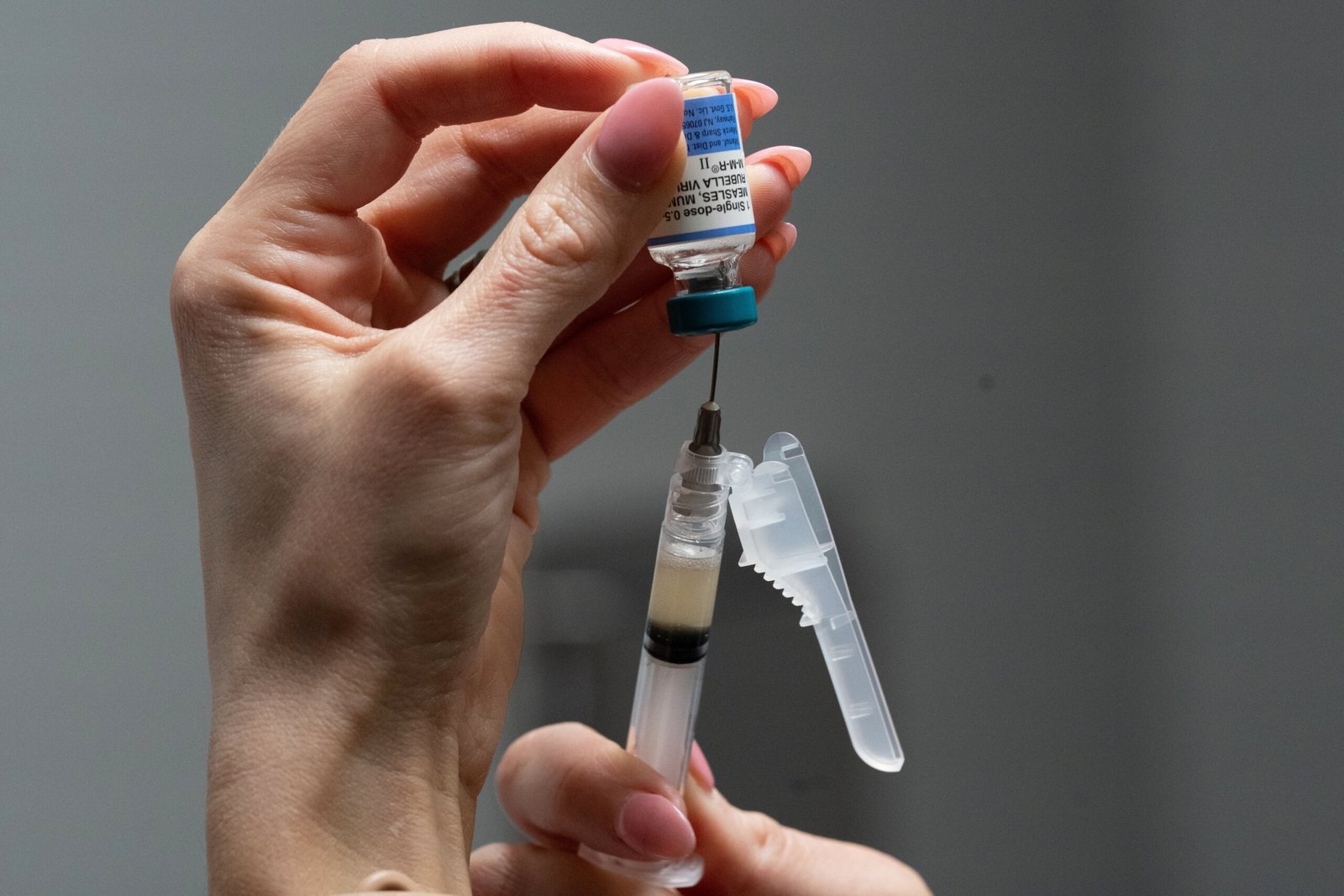
A confirmed measles case has been found in a Maryland resident who traveled through Dulles Airport and went to an urgent care office in the District, area health officials said.
The local health agencies of the District, Maryland and Virginia issued announcements of the case on Saturday, urging anyone who believes they have been exposed to contact their health providers and stay at home if they feel sick.
On June 17, the person traveled through Concourse C, the International Arrivals Building and baggage claim areas of Dulles International Airport between 6 a.m. and 11 a.m.
Later that day, between 4 p.m. and 8:30 p.m., the person was at Mary’s Center urgent care clinic on Ontario Road in the Adams Morgan neighborhood of Northwest D.C.
Measles is highly contagious. It can spread through the air through coughs, breathing, and sneezes. Early symptoms can include fevers of over 101 degrees, coughs, runny noses, watery eyes and face or body rashes. Symptoms can develop as soon as seven days or as long as 21 days after exposure.
Health officials say that if you have received two doses of a measle-containing vaccine or were born before 1957, you are generally considered protected from the measles. Those who are not fully vaccinated should contact their health providers.
Measles outbreaks are continuing to rise as over 2,000 measles cases have been confirmed nationwide this year, according to the CDC.
This is the fourth measles case Maryland officials have reported this year. The state reported three cases in April.
In Virginia, health officials confirmed a case of measles that traveled through Dulles Airport on April 23 and April 24.
Get breaking news and daily headlines delivered to your email inbox by signing up here.
© 2026 WTOP. All Rights Reserved. This website is not intended for users located within the European Economic Area.
HealthNews
The 5 Best Cereals to Reduce Stroke Risk, According to Cardiologists and Dietitians
Reviewed by Dietitian Maria Laura Haddad-Garcia
Key Points
High-fiber, low-added-sugar breakfast cereals can help with stroke prevention.
Avoid cereals that are high in sodium and added sugars to lower cardiovascular risk.
Boost your bowl of cereal with fruit, nuts and seeds for added fiber and heart-healthy fats.
Cardiovascular disease (CVD) and stroke are among the leading causes of death and disability in the United States. While genetics and lifestyle play a role, diet is a key player in stroke prevention—and your morning cereal can help tip the scales in your favor.
“A high-fiber, low-sodium diet can help to promote optimal blood sugar, blood pressure and cholesterol levels, which can reduce the risk of plaque formation, hypertension, diabetes and stroke,” says Bhavna Suri, M.D, a cardiologist.
While breakfast cereals are a quick and easy choice, not all are made the same. Many are packed with added sugar and lack fiber—two strikes against stroke prevention. Instead, look for cereals that are low in added sugars and sodium, high in fiber and made with whole grains.
Here are five of the best cereals, approved by heart-health experts, that can reduce your risk of stroke. Plus: tips on building a stroke-smart breakfast.
1. Shredded Wheat (Unfrosted)
When it comes to heart-healthy cereals, Post Shredded Wheat Original Spoon Size cereal stands out. “When looking for a cereal to reduce your stroke risks, generally, you are looking for one that is high in fiber and low in added sugar,” says Abigail Nessle, M.H.Sc., RDN, LDN. This option checks those boxes, with one serving (1 ⅓ cup) providing 8 grams of fiber, which is 30% of the Daily Value.
It also contains essential nutrients, including iron, niacin, phosphorus, magnesium and zinc. Magnesium, in particular, has been shown to protect against stroke risk (particularly in women), though more research is needed.
Plus, Post Shredded Wheat is sodium-free—a big win for a heart-healthy diet. Most Americans consume significantly more sodium than the recommended 2,300 mg per day, with average intake exceeding 3,000 mg. Reducing sodium intake can help lower your blood pressure and reduce your risk of cardiovascular disease and stroke.
2. Cascadian Farm Organic No Added Sugar Cereals
Added sugars are a sneaky contributor to cardiovascular disease and stroke risk. Breakfast cereals are a common source of added sugar, even in those labeled as healthy, due to their high fiber or whole-grain content. Cascadian Farm Organic No Added Sugar offers a tasty solution. It comes in two flavors—Vanilla Crisp and Mixed Berry—so you have a choice to fit your preferences.
Each 1 ¼-cup serving offers 5 g of protein and 5-6 (depending on the flavor) g of fiber—two nutrients that contribute to increased feelings of satiety. Plus: “One of the many superpowers of fiber is to help block the absorption of cholesterol that can turn into plaque in the veins and arteries,” says Nessle. When cholesterol is elevated, blood flow can be blocked, resulting in a type of stroke called an ischemic stroke.
One caveat: Both flavors are higher in sodium than what many dietitians recommend for a stroke-smart breakfast, with 390-400 mg per serving. Karen E. Todd, RD, CSCS, EP-C, CISSN, suggests choosing a cereal with less than 140 mg of sodium per serving. Modifying the portion size or reducing sodium in other meals can help keep your total daily intake within recommended limits.
3. Post Grape-Nuts The Original
Upping your daily fiber is easy if you choose Post Grape-Nuts The Original as your morning cereal. Just one ½-cup serving offers 7 g of fiber and zero added sugar, along with iron, folate, vitamin B6, niacin, thiamin, zinc and phosphorus.
Some research suggests that folic acid supplementation may lower stroke risk, though supplements can have varied effects depending on individual health conditions. That’s why food sources like Grape-Nuts are ideal for getting these nutrients.
4. Old-Fashioned Rolled Oats
A classic for a reason, oats are a heart-healthy, high-fiber choice that makes a great addition to a stroke-smart breakfast. “Packed with 4-5 grams of fiber per ½ cup, [oats] lower cholesterol with beta-glucans and keep blood sugar steady,” says Todd. Beta-glucan, a component of soluble fiber found in oats, is especially beneficial for reducing cholesterol in the blood. Optimal dietary fiber intake also helps support a healthy weight, thereby reducing the risk of certain chronic diseases, such as cardiovascular disease.
For added fiber and antioxidants, stir in chia seeds or top with fresh berries.
5. Bran Cereals
Bran cereals are another fiber-rich pick, typically offering 5 to 7 g of fiber per serving. Many are also fortified with key vitamins and minerals, such as iron and vitamin D. Bran cereal may help manage blood pressure, cholesterol, and blood sugar—all critical factors in reducing the risk of cardiovascular disease. Just be sure to check the Nutrition Facts label—some brands sneak in more than 200 mg of sodium per serving.
How to Build a Stroke-Smart Breakfast
Building a stroke-smart breakfast means paying close attention to a few key nutrients. When choosing a morning cereal, Todd recommends avoiding those that are high in added sugar or sodium, as well as refined-grain cereals and instant oatmeal packets with added sugars. Here’s how to round out your morning meal for better heart health:
Add Fruits or Vegetables
Potassium-rich foods, such as fruits and veggies, support heart health and are often missing from breakfast. “A 2023 review of more than 25 studies found that a diet rich in fruits and vegetables earlier in life may lower stroke risk compared with meat and fat intake,” says Brittany Brown, RD, IBCLC, CDE.
Try blending leafy greens like spinach into a smoothie or topping your bowl of cereal with fresh berries.
Limit Sodium
Some common breakfast choices—like breakfast meats, biscuits and some processed cereals—are high in sodium. “Diets high in salt can increase your blood pressure and risk of stroke,” says Suri. Aim to stay under 2,300 mg of sodium daily (ideally closer to 1,500 mg) for heart protection.
Cut Back on Added Sugar
While added sugar is found in obvious foods like pastries, tarts and muffins, it often sneaks into less obvious ones as well. Be sure to check the nutrition facts label when looking for a breakfast option. And limiting sugar doesn’t mean that you can’t satisfy your sweet tooth; Todd recommends turning to naturally sweet foods like fruit and unsweetened dairy products.
Incorporate Healthy Fats
“Some cereals contain nuts and flaxseeds, which can improve our levels of good HDL cholesterol,” says Suri. Add in walnuts, almonds, chia or hemp seeds for more heart health benefits.
Our Expert Take
“Your plate is a powerful tool for stroke prevention,” says Todd. And if you’re choosing cereal, then your bowl is too. A breakfast cereal made from whole grains, with minimal sugar and sodium, can become a daily opportunity to protect your health—starting with your heart.
Don’t forget to boost your bowl with extras like fruit, seeds and nuts to enhance the fiber and nutrient profile.




Mitt Romney says he'd "give it all" for one more day with his dad
CNN's Jake Tapper sat down with former Republican Senator Mitt Romney for a conversation about lessons learned from his …


Sen. Mark Kelly recalls late father’s abuse
Democratic Sen. Mark Kelly opens up to CNN's Jake Tapper about how he broke the cycle of violence perpetuated by...


A spectacular sunrise at Stonehenge drew big crowds from all over the UK. #Solstice #UK #BBCNews


Every dad on this team has lost a child
It's a club no dad ever wants to join. Forget Me Knot FC brings bereaved fathers together twice a month...


US-Iran talks to begin in Switzerland as Tehran says it closed Strait of Hormuz | BBC News
Direct talks between the US and Iran are set to begin in Switzerland despite the Iranian military saying it has...


Astronomical summer has officially started across Northern Hemisphere. #Solstice #BBCNews
Vance and Iranian officials arrive in Switzerland to launch talks on Tehran’s nuclear program
OBBUERGEN, Switzerland (AP) — U.S. Vice President JD Vance and senior Iranian officials arrived in Switzerland on Sunday to formally...


Madison Square Garden concertgoer falls to his death at Goose show: NYPD
A 51-year-old concertgoer fell to his death during rock band Goose’s concert inside Madison Square Garden on Saturday night, police...


A Family Dispute Breaks Out After A Man Becomes Ill From Food Prepared By His Sister And Refuses To Eat There Again
Isn’t it surprising how some family members can be so careless?! This kid shares how his annoying sister never kept...
In Taylor Swift’s beach town, every clue becomes a wedding rumor
WESTERLY, R.I. (AP) — When a large tent appeared next door to Taylor Swift’s Watch Hill estate this week, it...
-

 Business1 week ago
How much of Musk’s wealth comes from government help? Virtually all of it
-

 Politics1 week ago
What to know about the stabbing that set off fiery riots in Northern Ireland
-

 Video1 week ago
Download fans say what they love about the festival. #DownloadFestival #BBCNews
-

 Video1 week ago
Why SpaceX IPO isn't about space. #SpaceX #ElonMusk #BBCNews
-

 HealthNews1 week ago
The people of Okinawa, Japan only eat until they are about 80 percent full, then stop — and the practice has been linked in multiple peer-reviewed studies to lower rates of cardiovascular disease, slo
-

 Food1 week ago
Pope Leo’s plane was grounded. Then the King of Spain stepped in to help
-

 TravelNews1 week ago
My Paternal Instinct Should’ve Warned Me About Netflix’s Maternal Instinct
-

 Video1 week ago
Claire Danes has the cutest stories about young Kirsten Dunst on 'Little Women' set