

HealthNews
Measles case confirmed in Maryland resident who passed through Dulles and DC clinic

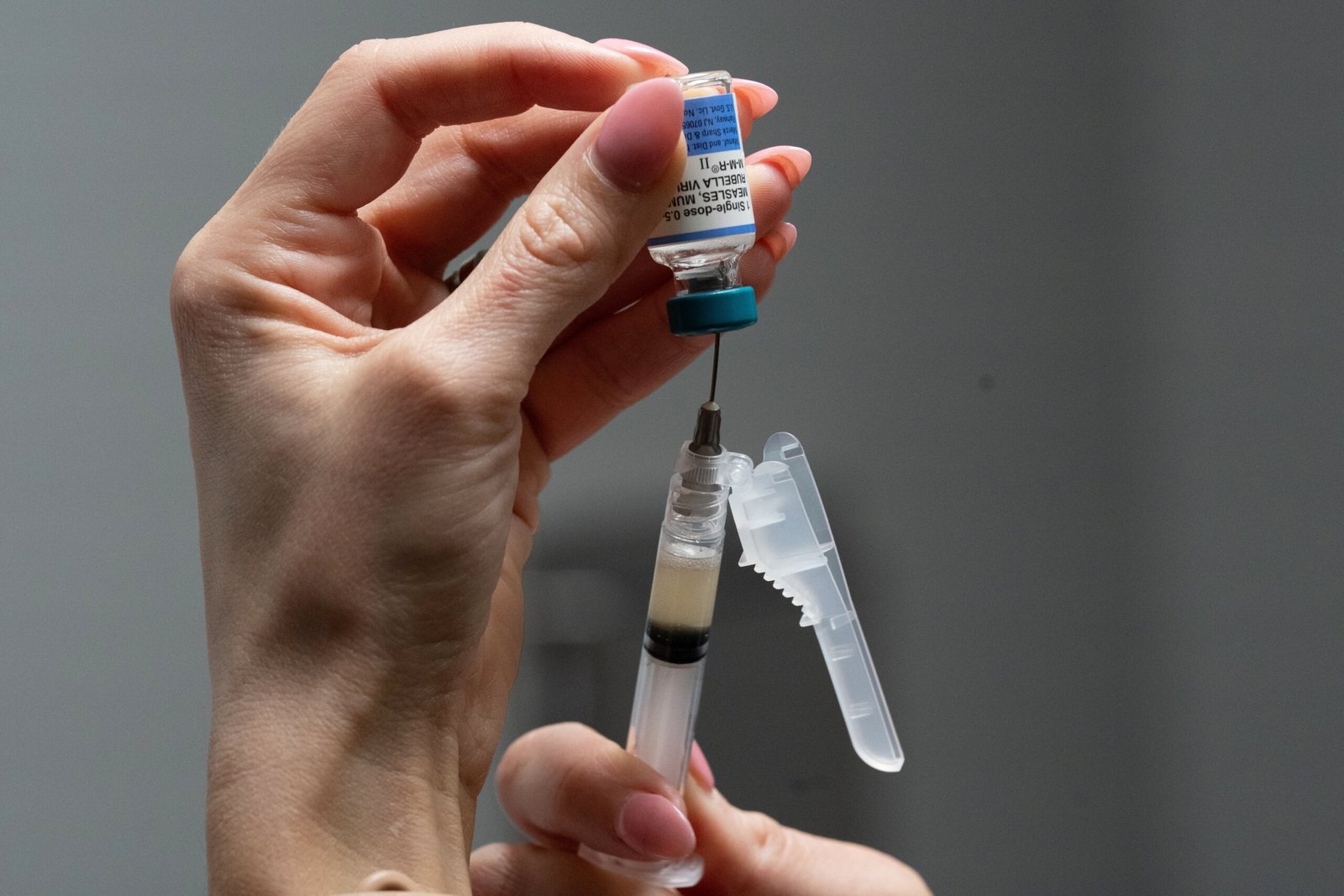
A confirmed measles case has been found in a Maryland resident who traveled through Dulles Airport and went to an urgent care office in the District, area health officials said.
The local health agencies of the District, Maryland and Virginia issued announcements of the case on Saturday, urging anyone who believes they have been exposed to contact their health providers and stay at home if they feel sick.
On June 17, the person traveled through Concourse C, the International Arrivals Building and baggage claim areas of Dulles International Airport between 6 a.m. and 11 a.m.
Later that day, between 4 p.m. and 8:30 p.m., the person was at Mary’s Center urgent care clinic on Ontario Road in the Adams Morgan neighborhood of Northwest D.C.
Measles is highly contagious. It can spread through the air through coughs, breathing, and sneezes. Early symptoms can include fevers of over 101 degrees, coughs, runny noses, watery eyes and face or body rashes. Symptoms can develop as soon as seven days or as long as 21 days after exposure.
Health officials say that if you have received two doses of a measle-containing vaccine or were born before 1957, you are generally considered protected from the measles. Those who are not fully vaccinated should contact their health providers.
Measles outbreaks are continuing to rise as over 2,000 measles cases have been confirmed nationwide this year, according to the CDC.
This is the fourth measles case Maryland officials have reported this year. The state reported three cases in April.
In Virginia, health officials confirmed a case of measles that traveled through Dulles Airport on April 23 and April 24.
Get breaking news and daily headlines delivered to your email inbox by signing up here.
© 2026 WTOP. All Rights Reserved. This website is not intended for users located within the European Economic Area.
HealthNews
Developing story: Crash closes Taft Bridge on Connecticut Avenue NW


A section of Connecticut Avenue NW at the William Howard Taft Bridge is closed Saturday after a vehicle crash, according to an alert issued by the Metropolitan Police Department.
The closure affects the 2300 block of Connecticut Avenue NW between Ashmead Place and Belmont Road, officials said through the District’s AlertDC emergency notification system.
ALSO READ | Secret Service detains fleeing driver after deadly crash near White House
Authorities have not yet released additional details about the crash, but there is a significant multi-agency police presence at the scene.
This is a developing story and will be updated as information becomes available.
Drivers were advised to avoid the area and use alternate routes while police manage the scene and investigate the incident.
HealthNews
The 5 Best Cereals to Reduce Stroke Risk, According to Cardiologists and Dietitians
Reviewed by Dietitian Maria Laura Haddad-Garcia
Key Points
High-fiber, low-added-sugar breakfast cereals can help with stroke prevention.
Avoid cereals that are high in sodium and added sugars to lower cardiovascular risk.
Boost your bowl of cereal with fruit, nuts and seeds for added fiber and heart-healthy fats.
Cardiovascular disease (CVD) and stroke are among the leading causes of death and disability in the United States. While genetics and lifestyle play a role, diet is a key player in stroke prevention—and your morning cereal can help tip the scales in your favor.
“A high-fiber, low-sodium diet can help to promote optimal blood sugar, blood pressure and cholesterol levels, which can reduce the risk of plaque formation, hypertension, diabetes and stroke,” says Bhavna Suri, M.D, a cardiologist.
While breakfast cereals are a quick and easy choice, not all are made the same. Many are packed with added sugar and lack fiber—two strikes against stroke prevention. Instead, look for cereals that are low in added sugars and sodium, high in fiber and made with whole grains.
Here are five of the best cereals, approved by heart-health experts, that can reduce your risk of stroke. Plus: tips on building a stroke-smart breakfast.
1. Shredded Wheat (Unfrosted)
When it comes to heart-healthy cereals, Post Shredded Wheat Original Spoon Size cereal stands out. “When looking for a cereal to reduce your stroke risks, generally, you are looking for one that is high in fiber and low in added sugar,” says Abigail Nessle, M.H.Sc., RDN, LDN. This option checks those boxes, with one serving (1 ⅓ cup) providing 8 grams of fiber, which is 30% of the Daily Value.
It also contains essential nutrients, including iron, niacin, phosphorus, magnesium and zinc. Magnesium, in particular, has been shown to protect against stroke risk (particularly in women), though more research is needed.
Plus, Post Shredded Wheat is sodium-free—a big win for a heart-healthy diet. Most Americans consume significantly more sodium than the recommended 2,300 mg per day, with average intake exceeding 3,000 mg. Reducing sodium intake can help lower your blood pressure and reduce your risk of cardiovascular disease and stroke.
2. Cascadian Farm Organic No Added Sugar Cereals
Added sugars are a sneaky contributor to cardiovascular disease and stroke risk. Breakfast cereals are a common source of added sugar, even in those labeled as healthy, due to their high fiber or whole-grain content. Cascadian Farm Organic No Added Sugar offers a tasty solution. It comes in two flavors—Vanilla Crisp and Mixed Berry—so you have a choice to fit your preferences.
Each 1 ¼-cup serving offers 5 g of protein and 5-6 (depending on the flavor) g of fiber—two nutrients that contribute to increased feelings of satiety. Plus: “One of the many superpowers of fiber is to help block the absorption of cholesterol that can turn into plaque in the veins and arteries,” says Nessle. When cholesterol is elevated, blood flow can be blocked, resulting in a type of stroke called an ischemic stroke.
One caveat: Both flavors are higher in sodium than what many dietitians recommend for a stroke-smart breakfast, with 390-400 mg per serving. Karen E. Todd, RD, CSCS, EP-C, CISSN, suggests choosing a cereal with less than 140 mg of sodium per serving. Modifying the portion size or reducing sodium in other meals can help keep your total daily intake within recommended limits.
3. Post Grape-Nuts The Original
Upping your daily fiber is easy if you choose Post Grape-Nuts The Original as your morning cereal. Just one ½-cup serving offers 7 g of fiber and zero added sugar, along with iron, folate, vitamin B6, niacin, thiamin, zinc and phosphorus.
Some research suggests that folic acid supplementation may lower stroke risk, though supplements can have varied effects depending on individual health conditions. That’s why food sources like Grape-Nuts are ideal for getting these nutrients.
4. Old-Fashioned Rolled Oats
A classic for a reason, oats are a heart-healthy, high-fiber choice that makes a great addition to a stroke-smart breakfast. “Packed with 4-5 grams of fiber per ½ cup, [oats] lower cholesterol with beta-glucans and keep blood sugar steady,” says Todd. Beta-glucan, a component of soluble fiber found in oats, is especially beneficial for reducing cholesterol in the blood. Optimal dietary fiber intake also helps support a healthy weight, thereby reducing the risk of certain chronic diseases, such as cardiovascular disease.
For added fiber and antioxidants, stir in chia seeds or top with fresh berries.
5. Bran Cereals
Bran cereals are another fiber-rich pick, typically offering 5 to 7 g of fiber per serving. Many are also fortified with key vitamins and minerals, such as iron and vitamin D. Bran cereal may help manage blood pressure, cholesterol, and blood sugar—all critical factors in reducing the risk of cardiovascular disease. Just be sure to check the Nutrition Facts label—some brands sneak in more than 200 mg of sodium per serving.
How to Build a Stroke-Smart Breakfast
Building a stroke-smart breakfast means paying close attention to a few key nutrients. When choosing a morning cereal, Todd recommends avoiding those that are high in added sugar or sodium, as well as refined-grain cereals and instant oatmeal packets with added sugars. Here’s how to round out your morning meal for better heart health:
Add Fruits or Vegetables
Potassium-rich foods, such as fruits and veggies, support heart health and are often missing from breakfast. “A 2023 review of more than 25 studies found that a diet rich in fruits and vegetables earlier in life may lower stroke risk compared with meat and fat intake,” says Brittany Brown, RD, IBCLC, CDE.
Try blending leafy greens like spinach into a smoothie or topping your bowl of cereal with fresh berries.
Limit Sodium
Some common breakfast choices—like breakfast meats, biscuits and some processed cereals—are high in sodium. “Diets high in salt can increase your blood pressure and risk of stroke,” says Suri. Aim to stay under 2,300 mg of sodium daily (ideally closer to 1,500 mg) for heart protection.
Cut Back on Added Sugar
While added sugar is found in obvious foods like pastries, tarts and muffins, it often sneaks into less obvious ones as well. Be sure to check the nutrition facts label when looking for a breakfast option. And limiting sugar doesn’t mean that you can’t satisfy your sweet tooth; Todd recommends turning to naturally sweet foods like fruit and unsweetened dairy products.
Incorporate Healthy Fats
“Some cereals contain nuts and flaxseeds, which can improve our levels of good HDL cholesterol,” says Suri. Add in walnuts, almonds, chia or hemp seeds for more heart health benefits.
Our Expert Take
“Your plate is a powerful tool for stroke prevention,” says Todd. And if you’re choosing cereal, then your bowl is too. A breakfast cereal made from whole grains, with minimal sugar and sodium, can become a daily opportunity to protect your health—starting with your heart.
Don’t forget to boost your bowl with extras like fruit, seeds and nuts to enhance the fiber and nutrient profile.
HealthNews
What men should know about the US government’s latest move on testosterone therapy


The US Department of Health and Human Services is requesting revisions to the labels on testosterone replacement therapies for men after reviewing new data and evidence on their safety and benefits. These updates could pave the way for easier access to testosterone replacement therapy.
The requested label changes would include removing a statement that the safety and effectiveness of testosterone replacement therapy have not been established in men with age-related low testosterone, HHS announced Thursday.
The agency also calls for updating information related to prostate cancer risk and revising warnings regarding enlarged prostate.
“By updating testosterone therapy labels to reflect current evidence, we are giving patients and physicians clearer information, supporting informed medical decisions, and improving care for millions of American men,” HHS Secretary Robert F. Kennedy Jr. said in the announcement.
Experts warn that patients should still have in-depth talks with their doctors about whether testosterone therapy could be helpful for them, and doctors should complete thorough evaluations.
Although the HHS announcement reflects “science finally catching up to reality,” the government has only requested updates to testosterone therapy product labels, and no changes have been officially made yet, noted Dr. Jamin Brahmbhatt, urologist and men’s health expert at Orlando Health in Florida.
“And taking a warning off a label isn’t the same as saying every man should be on it,” Brahmbhatt said in an email.
“Testosterone is still a medical therapy, not a wellness drug. This new proposal should not make it the wild wild west for prescribers and patients – there still need to be guardrails in place, like for any medical therapy,” he said. “I’m also hopeful clearer labels help more insurers cover it for the men who truly need it.”
A new look at the safety
Some of the concerns about testosterone therapy’s potential risks included heart problems, prostate cancer and accelerated prostate growth. These concerns have shaped how the therapies have been labeled and prescribed.
Heart risks
In 2015, the US Food and Drug Administration required label changes on testosterone therapy that stated the safety and effectiveness had not been established for men who had signs and symptoms associated with idiopathic hypogonadism, a condition that involves low testosterone levels. That limitation was added to labels because “evidence of benefit was limited and concerns had been raised about possible cardiovascular risks,” according to HHS.
But additional research has since emerged, including a large clinical study involving more than 5,200 men that found no “meaningful increase” in major cardiovascular events, such as heart attack or stroke, among people receiving testosterone therapy, HHS said.
Cancer concerns
HHS also pointed to how the scientific picture has evolved around prostate cancer risks and testosterone therapy.
Current labels on testosterone therapy generally advise against its use in men who have known or suspected prostate cancer, and they caution that treatment may increase the risk of developing the disease, HHS said.
But more recent research data “have not generally shown an increased risk of prostate cancer in men receiving testosterone replacement therapy,” the agency said, and under the requested revisions, the therapy would be advised against only in men whose prostate cancer has spread.
Enlarged prostate
Similarly, current labels on therapies generally warn that testosterone therapy may worsen symptoms of benign enlarged prostate. But HHS said that a new FDA review found no evidence of that happening in men with mild to moderate versions of the condition.
However, for men with more severe symptoms, HHS said evidence remains limited, and “the labeling changes requested would recommend continued monitoring of patients with severe symptomatic disease during treatment.”
The new HHS request to change the language on labels “removes the fear” around testosterone replacement therapy, Dr. Eddie Hackler III, an Atlanta-based cardiologist and author of the book “Follow Your Heart,” said in an email.
“Testosterone therapy has proven benefits for specific symptoms; particularly improved libido, sexual function, correction of anemia, and modest improvements in mood and energy. Proper diagnosis is essential before starting therapy,” he said.
“Testosterone therapy does not appear to increase the risk of heart attacks, strokes, or prostate cancer based on the best available randomized trial data,” Hackler said. He added that potential risks and side effects may include skin reactions, acne, enlargement of male breast tissue, pulmonary embolism or blood clots, irregular heart rhythms, suppression of sperm production and minimal increase in blood pressure.
‘A long time coming’
The new move by HHS is the latest in the Trump administration’s efforts to reduce restrictions on hormone therapies.
Last year, the administration took similar steps on hormone therapy for women when the FDA removed “black box” warnings from menopausal hormone therapy products.
In December, the FDA hosted an expert panel discussion on testosterone replacement therapy for men. Since then, the agency has been looking into potential new treatment options involving testosterone therapy for men.
The new HHS request to change the warning labels on testosterone therapy have been “a long time coming,” Dr. Adam Baumgarten, associate professor in the University of Alabama at Birmingham Department of Urology, said in an email.
“The first major takeaway is that the cardiovascular safety concerns that have surrounded testosterone therapy for the past decade are no longer supported by randomized trial data,” Baumgarten said.
“Second, the FDA has meaningfully narrowed its prostate cancer warning. Rather than a broad caution against use in men with a history of prostate cancer, the focus is now more specifically on metastatic disease,” he said. “Third, this is not a signal for indiscriminate use. Testosterone therapy still requires a clear diagnosis based on both symptoms and consistently low testosterone levels, and men on therapy require ongoing monitoring with appropriate laboratory follow-up.”
What’s considered low?
Healthcare providers generally consider testosterone levels below 300 nanograms per deciliter of blood as low in adults.
“At the same time, it is widely recognized that normal testosterone levels vary with age and are not defined by a single fixed value for all men,” Baumgarten said.
What are considered normal testosterone levels in men can range widely, from around 300 to more than 800 nanograms per deciliter, but even that depends on which guidelines are followed or which lab tests were conducted, Brahmbhatt said.
When prescribing testosterone, Brahmbhatt said, he looks for “a level that’s genuinely low, confirmed on two separate morning blood draws when testosterone naturally peaks,” and he makes sure it aligns with symptoms, such as low sex drive, fatigue, trouble with erections or loss of muscle.
“For a man who is genuinely low, the benefits are real: improved energy, sex drive, mood, muscle, and bone strength,” Brahmbhatt said of testosterone therapy.
“For a man whose levels are already in a normal range and who’s just chasing an improvement in health motivated by online influencers, the risks may not outweigh the benefits,” he said. “I don’t want anyone overpromising here. Testosterone can suppress a man’s own sperm production, it can thicken the blood, and the long-term prostate picture still isn’t fully clear.”
HealthNews
Utah marks a year of battling measles, with no clear end in sight

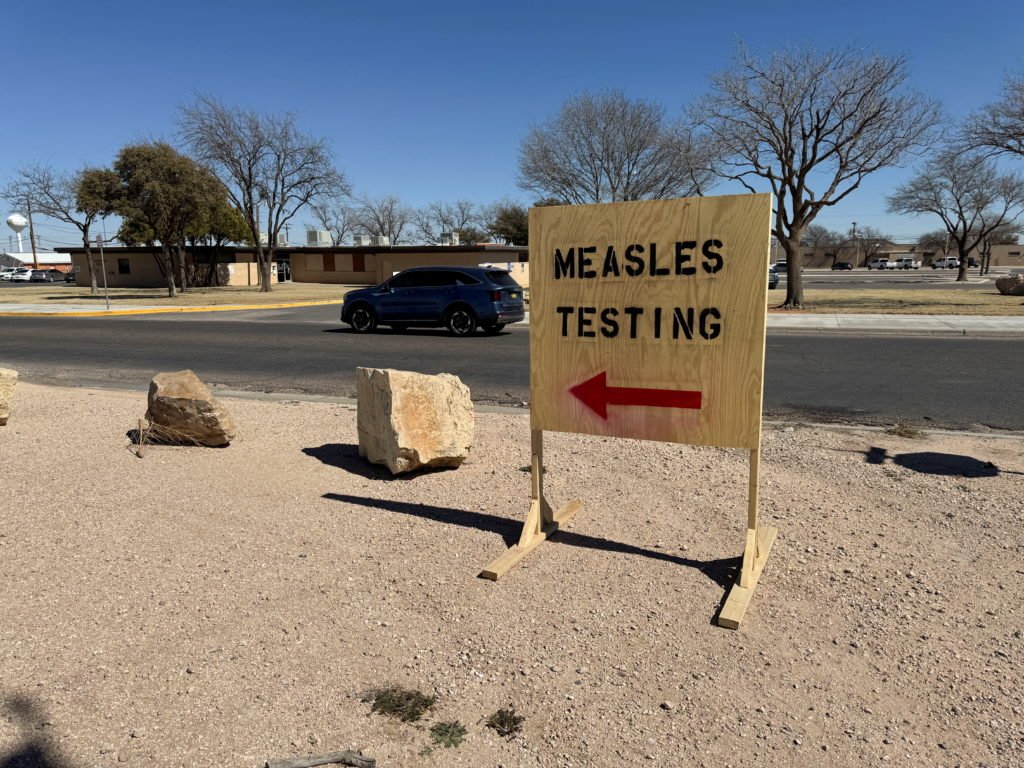
Utah has spent the past year fighting measles outbreaks — a grim milestone that could affect whether the United States can keep its measles-free designation.
More than 680 people have gotten sick since the state’s first outbreak began on June 20, 2025.
Unlike measles outbreaks in Texas, South Carolina and Arizona, the spread in Utah has been tough to contain to one region — infecting undervaccinated communities in nearly every county.
READ MORE: How health sleuths are watching for threats like measles during the World Cup
Measles popped up in healthcare settings, big-box stores and restaurants, and youth sporting events. In February, an exposure at a state high school wrestling championship sparked at least 46 cases among attendees.
Measles is one of the most contagious diseases known to medicine. It causes a tell-tale rash, high fevers, strong cough, ear infections and diarrhea.
While most recover, some — including young babies, pregnant people and those with weak immune systems — are at higher risk of developing dangerous complications like pneumonia, brain swelling, blindness or even dying. Even healthy people can develop issues years down the road, including a rare but fatal degenerative brain disease that manifests about a decade after infection.
The measles vaccine is safe and 97% protective after two doses.
READ MORE: South Carolina’s measles outbreak is over after sickening nearly 1,000 people
Though Utah’s spread has slowed in recent weeks, state epidemiologist Leisha Nolen sees little opportunity to rest. She’s worried the start of school and arrival of colder weather in the fall will cause measles to surge again.
“It’s still here, it’s still transmitting,” she said. “We just need those few cases to hit the wrong community and it could flare up really big again.”
Utah sees the impacts of dropping vaccination rates
The worst spread has been in the southwestern part of the state, where 265 people have fallen ill with the vaccine-preventable disease since last summer. Overall, measles infections hit 22 of the state’s 29 counties.
READ MORE: Babies too young for MMR vaccine become ‘sitting ducks’ in measles outbreaks
In the state’s rural northeast, the conditions were also ripe for measles to spread. Daggett, Duchesne and Uintah counties — collectively dubbed the “tricounty” health region — has seen the second-largest decline in childhood vaccination rates in the state.
More than 16% of the region’s kindergarteners were missing their measles vaccines in the last school year, according to state data. Statewide, 12.8% were missing their vaccine, putting the state far short of the 95% vaccination rate needed to prevent measles outbreaks.
The TriCounty Health Department logged 74 cases of measles this spring, after people who got sick at the youth wrestling tournament spread the virus in school and later within their households.
The frontier region had seen a rise in vaccine hesitancy for some time, said Sydnee Lyons, the health department’s public information officer.
Despite the large number of cases, local and state health officials consider TriCounty’s measles response a success.
Health officials focused efforts on mitigating the inevitable spread. Unvaccinated students were excluded from in-person school and people who were sick were told to isolate themselves. And their appeal to care for one’s neighbors led to more people coming in to get vaccinated, officials said.
READ MORE: Dr. Mehmet Oz urges public to take the measles vaccine as U.S. cases rise
TriCounty’s infectious disease specialist Cyndie Mattinson recalled a parent who told a school nurse she didn’t want to talk to the health department because “she was worried that we would be angry with her and be judgmental because her children were unvaccinated.”
The nurse vouched for the health department staff, and told the mom to let her know if she felt judged. Mattinson ultimately had a great conversation with the mother.
“The perceptions were changed that we weren’t out there to police, we were there to be a help and a resource to the community,” Mattinson said.
Health experts will meet to decide on U.S. measles status
Utah’s lengthy battle with measles will likely affect whether the U.S. can keep its measles-free designation. Public health officials consider measles to be eliminated from a country when it shows it stopped continuous spread within local communities for at least a year.
The national measles case count was 2,104 as of June 18, nearly surpassing last year’s record total.
READ MORE: A parent’s guide to preventing measles infection and what to look for
Utah has fought measles for a year, but it’s not clear if the earliest clusters are connected with the major outbreak on the Utah-Arizona state line, which was detected in August, Nolen said.
But since then, most of the state’s measles cases have come from within Utah, not from other parts of the country.
International health experts will gather in November to determine if the U.S. and Mexico have lost their measles elimination status. Canada lost its status last year after ongoing outbreaks.
In Utah, doctors continue to reassure scared patients and lobby for better public health policy.
Dr. Ellie Brownstein, president-elect of the state chapter of the American Academy of Pediatrics and a pediatrician in Salt Lake City, spent the height of the outbreak opposing a bill that would have made school vaccine waivers easier to get. It failed, but she says there hasn’t been a clear cultural reckoning over measles’ resurgence.
“I don’t know that we get it to end,” Brownstein said. “I don’t know that we’re going to get this genie back in the box because there’s enough people out there to spread it.”
The Associated Press Health and Science Department receives support from the Howard Hughes Medical Institute’s Department of Science Education and the Robert Wood Johnson Foundation. The AP is solely responsible for all content.
HealthNews
Popular weight-loss drugs linked to unexpected male fertility benefit


NEWYou can now listen to Fox News articles!
Taking a GLP-1 medication for weight loss may improve male fertility, according to experts.
Research presented this week at ENDO 2026, the Endocrine Society’s annual meeting in Chicago, explored how obesity is strongly linked to fertility problems in men.
Excess weight can contribute to dysregulation of the hypothalamic-pituitary-gonadal (HPG) axis — the hormone system that regulates testosterone production — and functional hypogonadism, a condition in which testosterone levels are abnormally low because of disrupted hormone signaling. These changes can also impair semen quality.
WEIGHT-LOSS MEDICATIONS COULD IMPACT SEXUAL HEALTH IN UNEXPECTED WAYS
The researchers evaluated how GLP-1 weight-loss drugs impact reproductive hormones and metabolic outcomes, analyzing data of men between the ages of 18 and 65 who were taking one of the medications, according to a press release.
The systematic review of five randomized controlled trials focused on measuring testosterone, brain hormones involved in testosterone and sperm production, and a protein that carries sex hormones in the blood. Semen quality, weight and BMI, cholesterol and blood sugar were also measured.
The results suggested that GLP-1 medications do not suppress male hormones. Men with obesity and low testosterone linked to obesity may experience improved testosterone, sperm quality and metabolic health, especially during weight loss.
CLICK HERE TO DOWNLOAD THE FOX NEWS APP
In one four-week study, dulaglutide showed no significant changes in reproductive hormones or sexual function.
In a separate 16-week trial, liraglutide improved hormones in obese men with functional hypogonadism, meaning low testosterone was likely related to obesity. The review found that liraglutide was better for health outcomes than hormone replacement therapy.
CLICK HERE FOR MORE HEALTH STORIES
Another liraglutide study reported improved sperm concentration and count.
A 24-week trial of semaglutide, known commercially as Ozempic and Wegovy, saw improvement in sperm shape and bad cholesterol, while preserving total testosterone.
As only five trials were included, the small evidence base suggests more research is necessary to prove further association.
CLICK HERE TO SIGN UP FOR OUR HEALTH NEWSLETTER
In an abstract of the research, the authors summed up that GLP-1s “do not appear to acutely suppress the male HPG axis and may improve reproductive hormones and semen parameters in obese hypogonadal men, largely within the context of weight loss.”
“However, evidence remains limited and heterogeneous, underscoring the need for larger RCTs explicitly powered to assess male reproductive outcomes,” they wrote.
Dr. Anthony Puopolo, men’s health expert and lead medical provider for RexMD, reflected on these findings in an interview with Fox News Digital.
“This provides early evidence that GLP-1 medications taken by obese men with hypogonadism/low testosterone (low T) improves testosterone levels,” he said.
TEST YOURSELF WITH OUR LATEST LIFESTYLE QUIZ
While more research is necessary, Pupolo, who was not involved in the study, shared his optimism about how GLP-1s can play a role in improving male fertility.


Humanoids join Dragon Boat Festival traditions in China
Humanoid robots are joining the Dragon Boat Festival fun in China's Sichuan province. The holiday has been celebrated for over...


Shop the Top 25+ Amazon Device Prime Day Deals Now With Savings on Ring, Kindle and More
Prime Day begins on Tuesday, but Amazon is already dropping early discounts on some of its most popular devices. From...


Gordon Ramsay’s Daughter Announces She’s Pregnant With His First Grandchild
Gordon Ramsay’s family kitchen will soon have a new set of hands … because his daughter’s pregnant! Holly Ramsay announced...


Mamdani won't reveal his 12th district vote
New York Mayor Zohran Mamdani cast his vote in the Democratic primary for his state's 12th Congressional District on Saturday,...


James Burrows, legendary director of ‘Cheers’ and ‘Friends,’ dies at 85
NEWYou can now listen to Fox News articles! Beloved Hollywood director, James Burrows, died on Friday at the age of...


Developing story: Crash closes Taft Bridge on Connecticut Avenue NW
A section of Connecticut Avenue NW at the William Howard Taft Bridge is closed Saturday after a vehicle crash, according...


L.A. declares state of emergency over Boyle Heights fire
L.A. city officials on Saturday declared a local emergency as firefighters continue to battle a stubborn warehouse fire in Boyle...


Measles case confirmed in Maryland resident who passed through Dulles and DC clinic
A confirmed measles case has been found in a Maryland resident who traveled through Dulles Airport and went to an...


Pope Leo honors first American saint
Pope Leo XIV on Saturday honored St. Frances Xavier Cabrini, the first US citizen to be canonized as a Catholic...


Iran war, Vance warns Israel, ballroom budget & more: Debate weekly roundup
CNN host Abby Phillip hosts a series of panels to discuss the biggest news across the week. 0:00 Vance warns...
-

 Business1 week ago
How much of Musk’s wealth comes from government help? Virtually all of it
-

 Politics1 week ago
What to know about the stabbing that set off fiery riots in Northern Ireland
-

 Video1 week ago
Download fans say what they love about the festival. #DownloadFestival #BBCNews
-

 Video1 week ago
Why SpaceX IPO isn't about space. #SpaceX #ElonMusk #BBCNews
-

 HealthNews1 week ago
The people of Okinawa, Japan only eat until they are about 80 percent full, then stop — and the practice has been linked in multiple peer-reviewed studies to lower rates of cardiovascular disease, slo
-

 Food1 week ago
Pope Leo’s plane was grounded. Then the King of Spain stepped in to help
-

 TravelNews1 week ago
My Paternal Instinct Should’ve Warned Me About Netflix’s Maternal Instinct
-

 Video1 week ago
Claire Danes has the cutest stories about young Kirsten Dunst on 'Little Women' set