

HealthNews
After Opening Up About Cancer, A Man Feels Hurt When His Friend Shifts The Focus To Herself


We all have people in our lives who seem to make everything, and I mean EVERYTHING, about themselves.
It’s pretty frustrating to deal with folks like this because, no matter what you tell them, it always seems to come back to them.
Ugh!
It’s so annoying!
And you’re about to hear a doozy of a story…
A man talked about how his friend made his cancer diagnosis, yes, you read that correctly, all about HER.
Take a look at what he had to say.
AITA for telling my friend my cancer diagnosis is not about her?
“I (22M) have had cancer (Melanoma) for years.
I first got diagnosed at 17, went in remission, then over the years, it has come back several times.
This is awful…
This time, it is more than one type of cancer, and in more than one part of my body.
I had the biopsy to determine whether it was cancer and what type last month. I got the call confirming it this morning.
Most people have been super supportive and kind, and most of my friends and family have been trying to help me out as much as they can ever since I got the biopsy done.
Well, once I got the call, I called my friend (23F) to tell her what was going on. Let’s call her K. As soon as I told her, she started sobbing, told me she couldn’t handle this news.
She sounds a bit clueless…
I asked her what she meant, and she said she’s been dealing with a lot lately because she didn’t have enough money to pay rent after buying herself a bunch of new clothes.
For context, she lives with her parents and the rent she pays isn’t even used for rent, it’s to pay back the money she stole from her parents last year.
Admittedly, this upset me a little bit, because I felt like she was focusing more on how she felt about the situation rather than how I felt. At first, I apologized for making her upset and asked if she wanted to talk later, when she wasn’t so upset.
Well, thats when she said “I just keep getting bad news after bad news after bad news! Haven’t I been through enough?”
And she’s also pretty rude!
That threw me off guard a little bit, and I ended up asking her if she really thought her inability to keep track of her finances and spending all of her money instead of saving it like she was supposed to was worse than my cancer diagnosis.
I know I could have handled this better, but I was, and still am, all over the place emotionally.
She got angry with me, told me I had no right to comment on her financial situation, and that I’m a terrible friend for throwing her pain and suffering in her face, and then she hung up on me.
A lot of our mutual friends have come to me saying that I was a huge asshole, and that I should have some empathy for the “less fortunate”.
AITA?
Did I overreact?
Should I have let this go?”
If you enjoyed this story, check out this post about a mom who is irate after she gave a group leader money for her daughter’s lunch, only to have him pocket the cash and ask all of the kids to pay their own way.
Check out what readers had to say about this.
This person said he’s NTA.
Another reader weighed in.
This Reddit user shared their thoughts.
Another individual spoke up.
And this person also said he’s NTA.
Wow…
This guy’s friend is really something else, huh?
That was brutal!
Let’s hope she grows up and comes to her senses soon…
Some people have to make EVERYTHING about them…
HealthNews
Early-onset cancers are on the rise. Knowing your family history is crucial.


By Cara Anthony and Blake Farmer, Nashville Public Radio, for KFF
Listen in and play along as hosts Cara Anthony and Blake Farmer test their knowledge with a HealthQ quiz on detecting early-onset cancers.
Bryce Ramsey of Madison, Mississippi, was 33 when she was diagnosed with colorectal cancer. Upon noticing blood in her stool, she blamed the hemorrhoids she’d developed after delivering her son eight years earlier.
Ramsey didn’t initially link her symptoms to cancer.
“But I had just kind of made a deal with myself because the blood was starting to become more frequent,” she said. “I was like, ‘If this happens the next time I go to the bathroom, I’m going to make a call.’”
She saw more blood, and she reached out to a gastrointestinal clinic to get it checked out, just in case. Her doctor said she normally wouldn’t scope someone Ramsey’s age, “‘but something in my gut is just telling me I need to do so,’” Ramsey recalled. “And thank God she did because she found a 5-centimeter polyp.”
Ramsey had surgery, endured chemotherapy, and survived stage 3 colon cancer. Now 40, she volunteers for the Colorectal Cancer Alliance, a nonprofit advocacy group, to raise awareness of early-onset colorectal cancer.
Stories like hers are becoming increasingly common: In the U.S., more than a dozen kinds of cancer are on the rise in adults under 50. Among these early-onset cancers, colorectal and breast cancers have increased the most, and colorectal cancer is now the deadliest cancer for Americans ages 18 to 49.
Here’s what to know about detecting early-onset cancers.
1. Family history is one of the most important risk factors.
Researchers have not been able to find a single cause for the rise in early-onset cancers. Instead, research suggests a myriad of factors play a role, including obesity, heavy alcohol use, environmental factors such as microplastics, and disruptions to gut health.
Doctors generally follow population-level guidelines for routine screenings — such as recommending mammograms starting at age 40 to screen for breast cancer — but physicians might recommend some patients get screenings as early as in their 20s. Doctors weigh a patient’s personal risks, including their family history of cancer.
Ramsey learned only after her diagnosis that her grandfather previously had colorectal cancer. “If I would’ve known that I had a significant family history, I would’ve been scoped a lot younger,” she said. “My doctor said my tumor had probably been growing for seven to 10 years.”
After her diagnosis, she encouraged her father, aunt, and brother to get screened. All three were diagnosed with colon cancer, too, and survived after receiving treatment.
Ramsey said it can be uncomfortable to urge family members to get tested or to talk with them about private health information, but those conversations are worth having to save a life.
“Just ask the question or make a joke about it. And sometimes just little icebreakers will help,” she said.
2. Report unusual symptoms as quickly as possible.
Being vigilant about unusual body changes or symptoms — and reporting those to your physician — gives doctors the information they need to determine your personal risk for cancer.
“For example, a lump in the breast, abdominal pain, changes in bowel habits that really are not going away,” said oncologist Veda Giri, director of the Early Onset Cancer Program at Yale Cancer Center. “Certainly blood in the stools. Sometimes even symptoms such as unusual fatigue that doesn’t seem to go away.”
“It’s incredibly important to bring symptoms to your doctor,” Giri said.
3. Talk, then test, then talk again.
Ads for at-home cancer tests are everywhere, so you might be tempted to use a screening kit instead of going in for an office visit or a standard screening, like a colonoscopy.
But not all tests are created equal, Giri said. It can be hard for laypeople to understand the accuracy of at-home screening kits, so they should talk to their doctor first.
“Some of these tests could lead to a false sense of either reassurance or false anxiety and alarm,” she said.
For people who decide to move forward with an at-home test, experts say they still need to consult with a physician. If you get any sort of abnormal result, your doctor is going to want to follow up with additional testing, such as a colonoscopy. Sharing your results, regardless of outcome, will help inform your care.
People and Policy
The U.S. Preventive Services Task Force recently changed the recommended age for women to begin mammogram screenings for breast cancer from 50 to 40. But there’s a difference of opinion among national advocacy and medical groups about whether regular screenings should happen every year or every other year.
In 2021, the same task force lowered the recommended age to 45 for a first colonoscopy for colon cancer detection for people with average risk. Establishing a relationship with a trusted medical practitioner can help patients assess personal risk and sort through new information as research and public health guidance evolve.
Related | NIH grant disruptions slow down breast cancer research
If you feel uncertain about your personal risk for cancer or when you should start cancer screenings, one of the best ways to advocate for your health is to establish a relationship with a medical practitioner you trust and ask specifically about your cancer risk. You can also ask to consult with a genetic cancer risk specialist, a type of medical provider who helps patients evaluate their cancer risk, often with genetic testing.
Katherine Ruppelt and Emily Siner at Nashville Public Radio contributed to this report.
HealthNews
How fast you should be able to walk a mile at every age


Walk this way at every age.
Movement is essential for a long, healthy life, and walking has been growing in popularity as a simple way to boost heart rate, increase metabolism and lower the risk of disease.
It’s not just how far you walk, though; the pace can also reveal important information about health and longevity.
Previous research has shown that faster walkers are more likely to live longer, regardless of weight, hitting speeds of about 3 miles per hour, or 100 steps a minute.
A quick walk — literally — may mean a longer life, according to a 2024 meta-analysis that found people who walked the fastest were 43% less likely to die of any cause than those in the slowest-walking group.
And there are certain benchmarks you should be able to hit in each decade of life, according to a small 2022 study.
For healthy adults, an achievable goal while out on a walk is to hit a brisk pace that slightly elevates breathing while still allowing conversation.
20s and 30s: 13 to 19 minutes at a brisk pace of about 4.6 mph.
40s: 14 to 16 minutes at a pace of 4.3 mph.
50s: 15 to 17 minutes at 4 mph.
60s: 16 to 18 minutes at 3.3 to 3.7mph.
70s and older: 20-minute mile at 3.5mph.
Not only is a power walk good for living a longer life, but it’s also a good indicator of several health markers, according to Elizabeth Vogstrom, a physician assistant at EVOyouthful.
“A person can have normal laboratory values and still be experiencing declines in strength, endurance, mobility, balance or cardiovascular fitness,” Vogstrom told The Daily Mail.
“Walking speed often reveals those changes before they become obvious in daily life.”
It may not come as a surprise that walking faster is linked to several improved health outcomes, such as a lower risk of cardiovascular disease and type 2 diabetes.
A brisk walk has also been associated with improved brain function as we age.
Meanwhile, a slower pace, especially one that decreases with each year we get older, could be a sign of cognitive decline or dementia.
A sudden decline in walking gait could also signal underlying health issues.
“When someone’s walking pace slows unexpectedly, it may reflect deconditioning, loss of muscle mass, cardiovascular limitations, joint issues, neurological changes or other health concerns that deserve further attention,” Vogstrom said.
Walking speed has even been described by some experts, including Vogstrom, as the sixth vital sign, providing “insight into how well the body functions in everyday life.”
HealthNews
Dementia May Have Turned Doctor Into a Predator


The story of an Indiana small-town doctor who went from medical missionary and Sunday school teacher to convicted predator gets a far stranger second act in the New Yorker. Adeline Goss revisits the case of Ray Howell, a beloved evangelical family physician who opened a rural clinic in Roachdale in 1983. Nearly three decades later, he pleaded guilty to felony charges tied to overprescribing opioids, often in exchange for sex—conduct linked by investigators to multiple overdose deaths. What distinguishes Howell from other “pill mill” doctors is what turned up after the collapse of his practice: a rare brain mutation associated with a form of dementia that can warp behavior long before obvious cognitive decline sets in. Roughly half of people with this mutation in the gene C9orf72 exhibit dementia symptoms by their late 50s.
Howell died in 2018 at age 64. His brain “is so abnormal that it’s stored under neon lights in a refrigerated room at the University of California, San Francisco, and neurologists who have studied it are uncertain about who was responsible for these crimes: Ray Howell, or his disease,” writes Goss. “I know, because I’m one of them.” Goss walks through the uneasy clash between medical evidence and criminal law. Prosecutors argued Howell’s misconduct long predated signs of disease, while his family sees the diagnosis as retroactive absolution. The piece digs into how much responsibility we can assign when a degenerating brain is involved—and how little neuroscience can currently say about the question. Read the full story.
Read These Next
Ground beef prices move past a
Sunken station on the WII ‘death railway’
You may want to pause sending checks
Olympian arrested after reaching
HealthNews
Can Sparkling Water Increase Your Risk Of Colorectal Cancer?


LOADINGERROR LOADING
It seems as though every day another product is linked to a higher risk of cancer. Growing evidence suggests deli meats, alcohol, sugar-sweetened beverages and ultra-processed snacks may contribute to colorectal cancer.
In recent months, people have become increasingly concerned that canned sparkling water could increase your risk, too. On Instagram and TikTok, influencers claim the beverages, which are often marketed as a healthy alternative to soda, contain undisclosed chemicals and high levels of forever chemicals that cause cancer.
Advertisement
HuffPost reached out to two colorectal cancer specialists and asked them for their take on the sparkling water debate. Here’s what they said:
How exactly could sparkling water be linked to colorectal cancer?
The concern about sparkling water and cancer is not about the carbonated drink itself but the containers they are typically packaged in. Many cans are coated with protective linings or are exposed to contaminants — including per- and polyfluoroalkyl substances (PFAS), or forever chemicals — during the manufacturing and packaging processes. Other packaging includes plastic bottles, which are also more heavily linked to PFAS.
“They are often referred to as ‘forever chemicals’ because they persist in the environment and accumulate in the human body,” said Dr. Maen Abdelrahim, section chief of Gastrointestinal Medical Oncology at Houston Methodist.
Advertisement
Research has linked PFAS to a higher risk of several types of cancer, including kidney and testicular cancer, along with impaired immunity, liver damage, infertility and thyroid disease.
Some studies have found PFAS in popular sparkling water brands, but the levels often fall well below the current federal advisory limits, according to Dr. Steven Lee-Kong, division chief of colorectal surgery at Hackensack Meridian Health’s Hackensack University Medical Center.
According to Abdelrahim, the amount, or dosage, of PFAS is key, and the amount leached from beverage cans specifically is far below those shown to cause cancer in experimental studies.
Advertisement
That said, even low levels do not necessarily guarantee the drinks are safe. “The science is evolving, and some health organizations argue that even very low levels of exposure could pose a risk,” Lee-Kong said.
How might PFAS exposure, in general, lead to cancer?
Abdelrahim said PFAS can “act as endocrine disruptors, promote oxidative stress, alter gene expression, or interfere with DNA repair, which in theory, could contribute to carcinogenesis over long-term exposure.”
Advertisement
In addition, evidence suggests PFAS may disrupt the intestinal barrier. Over time, these disruptions can cause gut inflammation, damage to the intestinal lining and changes to the gut microbiome ― the community of microorganisms that live within the intestines, Lee-Kong explained.
There is a well-established link between chronic inflammation and colorectal cancer. And some PFAS may alter intestinal cells in a way that may promote tumor growth.
“While research is ongoing and some findings are inconsistent, the potential for PFAS to promote gut inflammation and cellular changes is the primary mechanism of concern for colorectal cancer risk,” Lee-Kong said.
Advertisement
So, should you be concerned sparkling water could increase your risk of colorectal cancer?
The truth: It’s unclear as the science is still in its infancy. Abdelrahim noted there’s currently no direct evidence concluding that canned sparkling water or seltzer can give you colon cancer.
“Based on current evidence, canned sparkling water is not considered a significant source of PFAS exposure,” he explained.
More long-term studies are needed to better understand the relationship between canned beverages and cancer risk. Until then, it’s best to be a mindful consumer, according to Lee-Kong. His advice? Drink sparkling water in moderation, and diversify your beverage choices.
Advertisement
In general, the safest and most effective way to stay hydrated is through water that’s ideally been filtered. “When you do choose canned beverages, do so as part of a balanced and varied diet,” Lee-Kong said.
Other than that, Abdelrahim recommended focusing on the well-established modifiable colorectal cancer risk factors. This includes “maintaining a healthy weight, limiting processed and red meat, avoiding tobacco, moderating alcohol, staying physically active, and following age-appropriate screening guidelines,” he said.
Finally, know that regulatory organizations, such as the U.S. Environmental Protection Agency (EPA), should be taking this issue seriously and are continuously investigating the risk.
Advertisement
“Staying informed through reliable sources like the EPA and being mindful of your consumption habits are practical steps everyone can take for their long-term health,” Lee-Kong said.
HealthNews
What to know about the temporary Medicare GLP-1 Bridge program

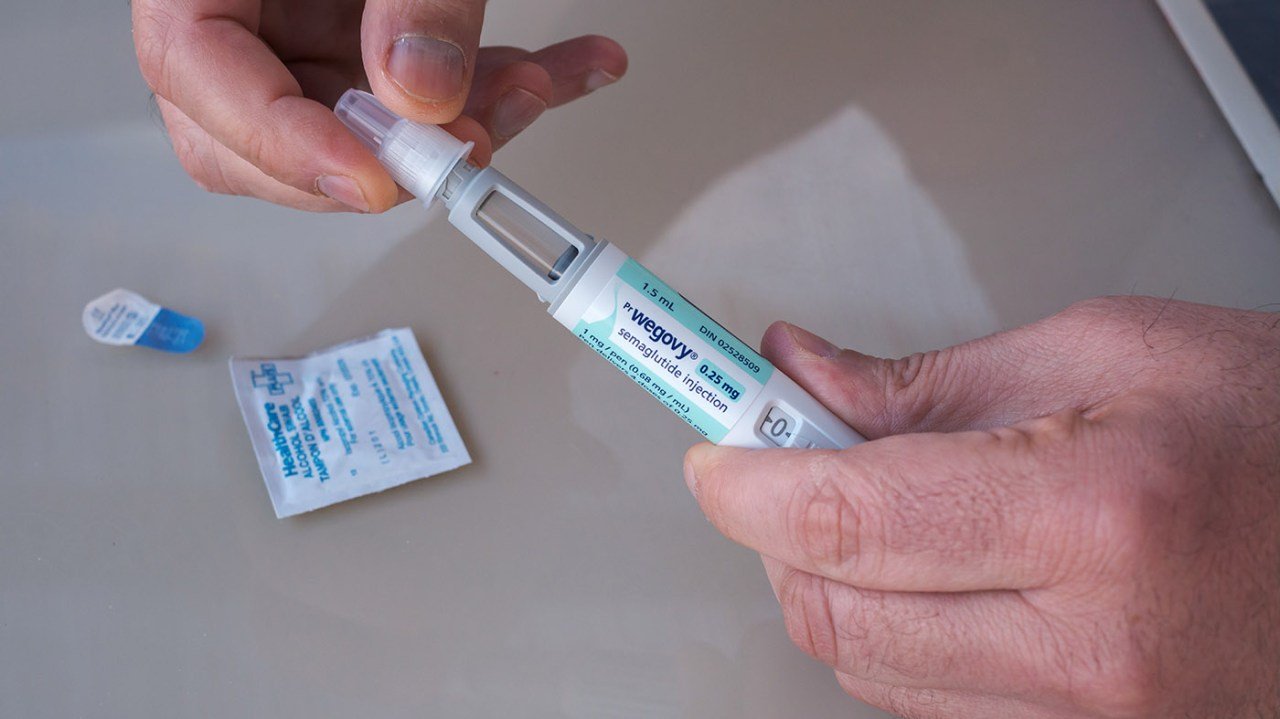
Starting in July, some Medicare beneficiaries will be able to access GLP-1 medications by paying one flat fee per month. The temporary program is set to run for a year-and-a-half through the end of 2027.
But with less than two weeks before its launch, questions remain over how it will operate.
The Medicare GLP-1 Bridge, described by the Centers for Medicare and Medicaid Services (CMS) as a “time-limited demonstration,” will officially run from July 1, 2026, to Dec. 31, 2027.
Announced in December, the program will allow eligible Medicare Part D enrollees to access GLP-1 medications for a $50 monthly copay. Despite GLP-1s being indicated for diabetes, obesity and some heart conditions, the Bridge program will almost solely be available to beneficiaries seeking weight management solutions.
The program is meant for Medicare beneficiaries who do not have a medically coverable indication for GLP-1s through Part D coverage. Federal law currently prohibits Medicare from covering weight loss medications.
Organizations like the Obesity Care Advocacy Network (OCAN) have praised the program, with OCAN Coordinator Cristy Gallagher calling it a “historic milestone in the fight against the obesity epidemic.”
There are some regulatory observers, however, who have concerns over how the program will be administered. And there are lingering questions over how much this will cost. Bob Herman of Stat News reported earlier this month that inquiries to CMS about the cost of the 18-month program have not been answered.
The Hill also reached out to the Department of Health and Human Services for information on the program’s cost.
Here’s what to know.
How it works
According to CMS, the program won’t require Medicare enrollees to fill out any additional paperwork or take any further steps past getting a prescription from their doctor.
In order for a beneficiary to join the program, a medical provider must submit a prior authorization request and a prescription for one of the eligible GLP-1 medications.
The medications that will be covered in the program include Wegovy, Zepbound and Foundayo. If a patient begins on one of these medications and switches to another in the middle of the Bridge program’s duration, they will need a new prior authorization form.
When the provider sends the prescription to a pharmacy, a pharmacist will then route that prescription to the Bridge program’s central processor, which CMS is referring to as the Bridge PCN.
Aurelia Chaudhury, co-lead of CMS’s Cell and Gene Therapy Access Model, said in a webinar hosted by obesity groups, including OCAN, that her agency will not be processing prospective prior authorizations, which are done at the time of prescribing. If the patient’s prescription issued for the Bridge program is their first GLP-1 prescription, the claim will be rejected before a prior authorization form is sent to the issuing provider.
The prior authorization form will ask physicians to attest that their patient does not have Type 2 diabetes, moderate to severe obstructive sleep apnea or MASH fatty liver disease.
Claims will not be processed before July 1.
“The Medicare GLP-1 Bridge seeks to test whether providing access to GLP one products at a uniform CMS negotiated net price will help improve beneficiary outcomes and reduce long-term Medicare spending,” Kelly Strachan, CMS health insurance specialist and Innovation Center fellow, said in the webinar.
The monthly $50 copay will not count towards a patient’s deductible or maximum out-of-pocket costs.
When asked what the plans are for the Bridge program at the end of 2027, Chaudhury said, “We understand that there’s a lot of interest from patients in understanding what’s going to happen after December 31st of 2027. We are looking forward to sharing more information as soon as we can on Medicaid.”
Who is eligible
To be eligible, beneficiaries must enroll in either a standalone prescription drug plan or Medicare Advantage coordinated care plan. CMS lists those enrolled in Special Needs Plans, employer/union group waiver plans and the Limited Income Newly Eligible Transition program as also being eligible to participate.
Beneficiaries of Tricare For Life, the Medicare-wraparound coverage for military retirees and dependents, can also access the Bridge program, but they must also be enrolled in an eligible Part D plan type. Dual enrollees in both Medicare and Medicaid can also be eligible.
Catherine Varney, an obesity medicine physician and trustee at the Obesity Medicine Association, was asked during OCAN’s webinar to describe the ideal patient to benefit from GLP-1 Bridge.
“Those at greatest risk of obesity and obesity-related diseases,” said Varney. “We know that obesity is not a benign disease … it’s associated to over 200 chronic conditions and 13 different types of cancers.”
Qualifications will vary based on the patient’s body mass index (BMI), and there is a minimum BMI to be eligible.
Beneficiaries must be at least 18 years old and have a BMI of 27 or higher, and must also be diagnosed with at least one of the following conditions: prediabetes, a previous myocardial infarction, a previous stroke or a symptomatic peripheral artery disease.
Those with a BMI of equal to or greater than 30 must also be diagnosed with heart failure with preserved ejection fraction, uncontrolled hypertension or chronic kidney disease stage 3a or above.
Patients with a BMI of 35 or greater do not require an additional diagnosis to participate in the Bridge program.
Regulatory concerns
Strictly speaking, the Bridge program is operating outside the normal scope of Medicare, which is prohibited from covering medications solely indicated for weight loss. By opening up Medicare to obesity medicine prescribers, some worry that the program could introduce potential avenues for fraud or misuse.
Christopher J. Frisina, healthcare regulatory counsel at the law firm Alston & Bird, noted that many people get telehealth visits are considered sufficient to obtain a prescription eligible for the Bridge program.
“I think maybe that this GLP-1 Bridge program might inspire new telehealth providers or existing telehealth providers that to this point haven’t taken Medicare reimbursement to move into this space,” Frisina told The Hill. “And it’s a risky place, because Medicare requires more diligence in business practices than a lot of businesses do.”
Frisina acknowledged that CMS appears to have done its due diligence in setting up the demonstration program but cautioned that fraud is always a possibility.
“It requires the provider to fill up this really detailed prior authorization form to send that in before approval can happen. So, you have a check and balance that requires the coordination between two different entities, the provider and the pharmacy, to actually get the fraud,” he said. “It’s not going to be as straightforward as some of the fraud schemes that we often see, but I don’t think it’s outside of the realm of possibility.”
When it comes to how much the demonstration will cost, CMS has not given a clear picture.
“CMS has not publicly released cost estimates or enrollment projections for the Medicare GLP-1 Bridge demonstration model,” an agency spokesperson told The Hill.
“Under the Medicare GLP-1 Bridge, eligible Medicare Part D beneficiaries will have a $50 copay per monthly supply of an eligible GLP-1 drug,” they added. “Because the demonstration operates outside of the Medicare Part D benefit’s coverage and payment flow, it does not follow the standard Part D structure for cost-sharing, deductibles, or out-of-pocket accumulation.”


New Spider-Man popcorn buckets raise eyebrows: ‘Someone approved that?’
Cinemark has unveiled a new Spider-Man: Brand New Day-themed popcorn bucket for moviegoers, sparking a slew of NSFW comparisons. The...


LAPD fatally shoots dog after Knicks win
The shooting happened minutes after the family celebrated the New York Knicks' NBA Finals win, according to the dog's owner...


Gisele Bündchen snubs Tom Brady as she celebrates Joaquim Valente in Father’s Day post
Gisele Bündchen snubbed her ex Tom Brady as the model celebrated her husband, Joaquim Valente, in a sweet Father’s Day...


Why do people watch the solstice at Stonehenge in the UK? #Solstice #Stonehenge #BBCNews


How the right is rising across Britain
Britain's tilt to the right is being felt on its streets and in its politics. From Reform UK's surge in...


David and Victoria Beckham Share Throwback Photo of Brooklyn in Father’s Day Post
Victoria Beckham and David Beckham both marked Father’s Day on Sunday with heartfelt social media posts — including another public...


Conjoined twins separated with the help of AI | BBC News
Mercy and Goodness are the first pair of conjoined twins to have parts of their new skulls designed using mixed...
Nasty upstate Republican primary tests power of Trump endorsement
Jim Zecca is such a supporter of Donald Trump that in 2016 he took a bus from upstate New York...


Jelly Roll makes surprising career move after Bunnie Xo divorce
Jelly Roll is headed back to late-night TV! The country music star is one of several stars tapped to guest-host...


Early-onset cancers are on the rise. Knowing your family history is crucial.
By Cara Anthony and Blake Farmer, Nashville Public Radio, for KFF Listen in and play along as hosts Cara Anthony...
-

 Business1 week ago
How much of Musk’s wealth comes from government help? Virtually all of it
-

 Politics1 week ago
What to know about the stabbing that set off fiery riots in Northern Ireland
-

 Video1 week ago
Download fans say what they love about the festival. #DownloadFestival #BBCNews
-

 Video1 week ago
Why SpaceX IPO isn't about space. #SpaceX #ElonMusk #BBCNews
-

 HealthNews1 week ago
The people of Okinawa, Japan only eat until they are about 80 percent full, then stop — and the practice has been linked in multiple peer-reviewed studies to lower rates of cardiovascular disease, slo
-

 Food1 week ago
Pope Leo’s plane was grounded. Then the King of Spain stepped in to help
-

 TravelNews1 week ago
My Paternal Instinct Should’ve Warned Me About Netflix’s Maternal Instinct
-

 Video1 week ago
Claire Danes has the cutest stories about young Kirsten Dunst on 'Little Women' set